Top 5 Natural Monuments around gmina Łowicz
Natural monuments around gmina Łowicz encompass diverse ecosystems and protected areas. The region features a singular designated natural monument, the Wych Elm in Niedźwiada, alongside extensive protected landscapes. These areas include the Warsaw-Berlin Ice-marginal Valley Protected Landscape Area and two Natura 2000 sites, which preserve valuable wetlands, riparian forests, meadows, and peat bogs. The landscape is characterized by river valleys, such as the Bzura and Ner, supporting rich biodiversity and offering opportunities for nature exploration.
Best natural monuments around gmina…
Last updated: July 12, 2026
Romantic Garden in Arkadia
Highlight • Historical Site
The architectural and garden setting was developed by Szymon Bogumił Zug with great personal involvement and participation of the duchess. Architectural ideas were sketched …
Translated by Google •
Tip by

Siwica Glade Nature Reserve
Highlight • Natural Monument
Translated by Google •
Tip by

Sign up now to discover places like this
Get recommendations on the best single tracks, peaks, & plenty of other exciting outdoor places.
Sign up for free
Tree Shrines in Bolimowski Landscape Park
Highlight • Religious Site
Translated by Google •
Tip by

Adam Mickiewicz Park
Highlight • Forest
Translated by Google •
Tip by
January Uprising Execution Site Monument
Highlight • Monument
Translated by Google •
Tip by
Sign up for free to discover even more natural monuments around gmina Łowicz.
Sign up for free
Already have an account?
Start today with a free account
Your next adventure awaits.
Login or Signup

Tips from the Community

A beautiful tree and full of shrines on it.
2
0

The park was established in the mid-1930s as a botanical garden. Biology teacher Władysław Stanio contributed to its creation. The place, where rare specimens of trees and shrubs grew, was officially opened during the pre-war celebrations of the 800th anniversary of Łowicz in 1936.
0
0
Founded in 1778 by Helena Radziwiłłowa. The architectural and garden setting was developed by Szymon Bogumił Zug with great personal involvement and participation of the duchess. Architectural ideas were sketched by Jan Piotr Norblin and Aleksander Orłowski, which were implemented until 1797 by Zug, and later by Henryk Ittar. The duchess began to establish the garden in the spring of 1778, but she continued to develop and compose it for over twenty years, until her death in 1821. The first buildings to be built on the shore of the great Arcadian pond, which was dammed in 1781, were the Cascade and the Cottage by the Waterfall (1781), and a little later the Temple of the High Priest (1783) and the Temple of Diana (1783-1785) with a ceiling by Norblin depicting the Morning Star, and the Aqueduct (1784). In the years 1785-1789, a symbolic Tombstone of the Duchess was built on Poplar Island with an ambiguous Latin sentence Et in Arcadia ego, modeled on the Tomb of Jean Jacques Rousseau in Ermenoville, as well as the Grotto of the Sibyl built of field stones, the rustic Cottages of Philemon and Baucida, the Stone Arch, the Corner of Melancholy, the Gate of Time, the altar circle on the Island of Offerings. In the 1990s, the expansion of Arcadia continued under Zug's direction. At that time, the House of the Murgrave adjacent to the Stone Arch and the Gothic House above the Grotto of the Sibyl were built. In the last years of the passing century, the interior of the Etruscan Cabinet was decorated in the Temple with a neoclassical interior and paintings by Michał Płoński and Aleksander Orłowski. Around 1800, the Duchess turned towards the aesthetics of a romantic garden. At that time, the garden in Arkadia expanded from the small and previously closed area of the sentimental park to the surrounding vast fields located behind the Skierniewka River, freely incorporating viewing axes and new buildings into the vast space of the surrounding natural landscape. The Duchess's bold intentions from that time were implemented in Arkadia by a young romantic visionary, an extremely talented architect of the new generation, Henryk Ittar. At that time, the Tomb of Illusions (1800) was built on the Champs Elysees located behind the river, the Roman Circus (1803) and the Amphitheatre (1804). A little later, the folk Swiss House was built, concealing fairy-tale "crystal interiors" (1810), which the Duchess located among the buildings of the Arcadian village.
0
0
During the January Uprising, fighting also took place in the forests of the Bolimów Forest. Here, on February 7, 1863, a skirmish between insurgent units and Tsarist troops took place. During the fight, two insurgents, Adolf Szoppe and Wincenty Bunszus, were captured. The captured were transported to Łowicz, where both were sentenced to death.
0
0

Does anyone know what these shrines on oak trees are about?
0
0

There is a bench next to it for a break.
0
0
Good places to take a break, there is a bench.
0
0

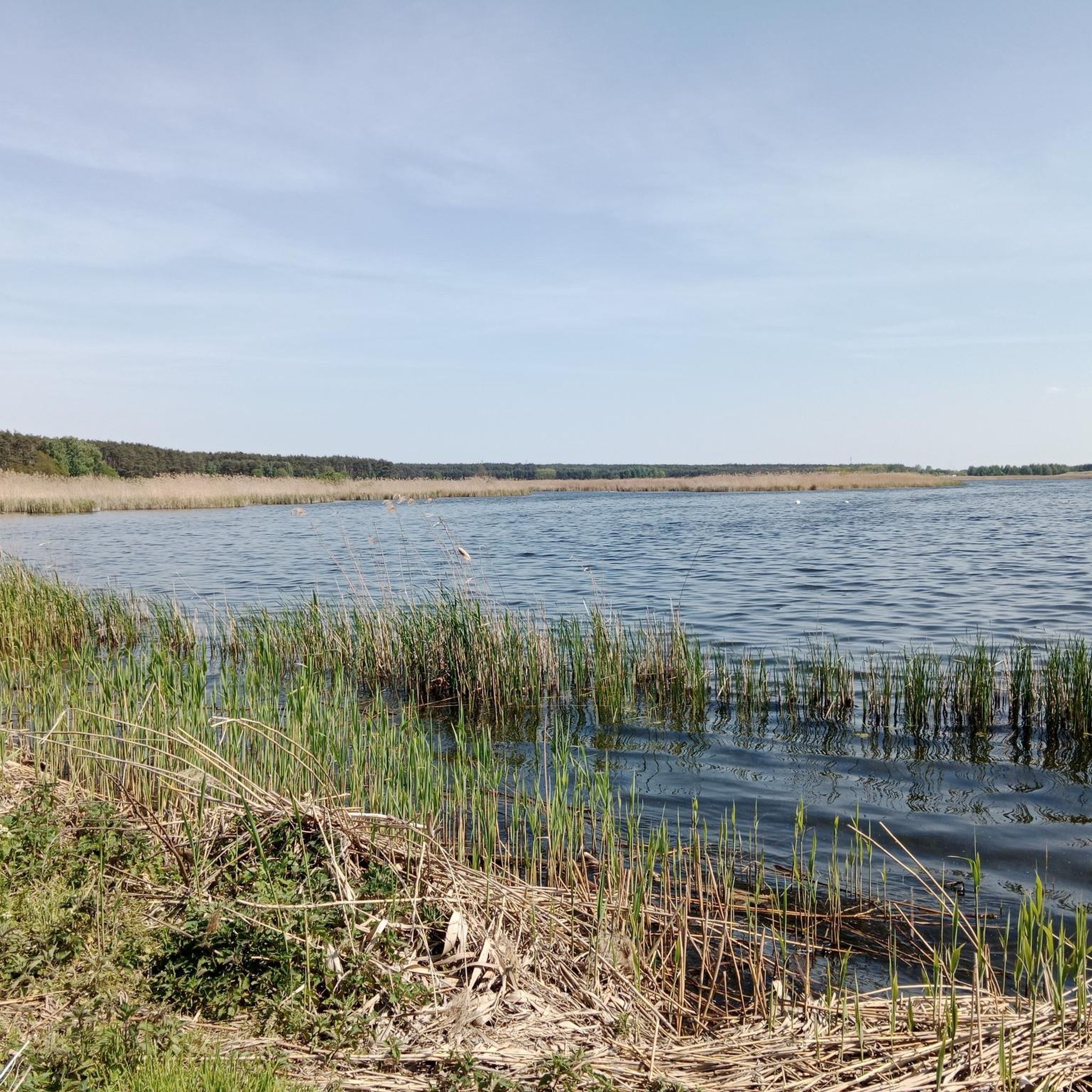
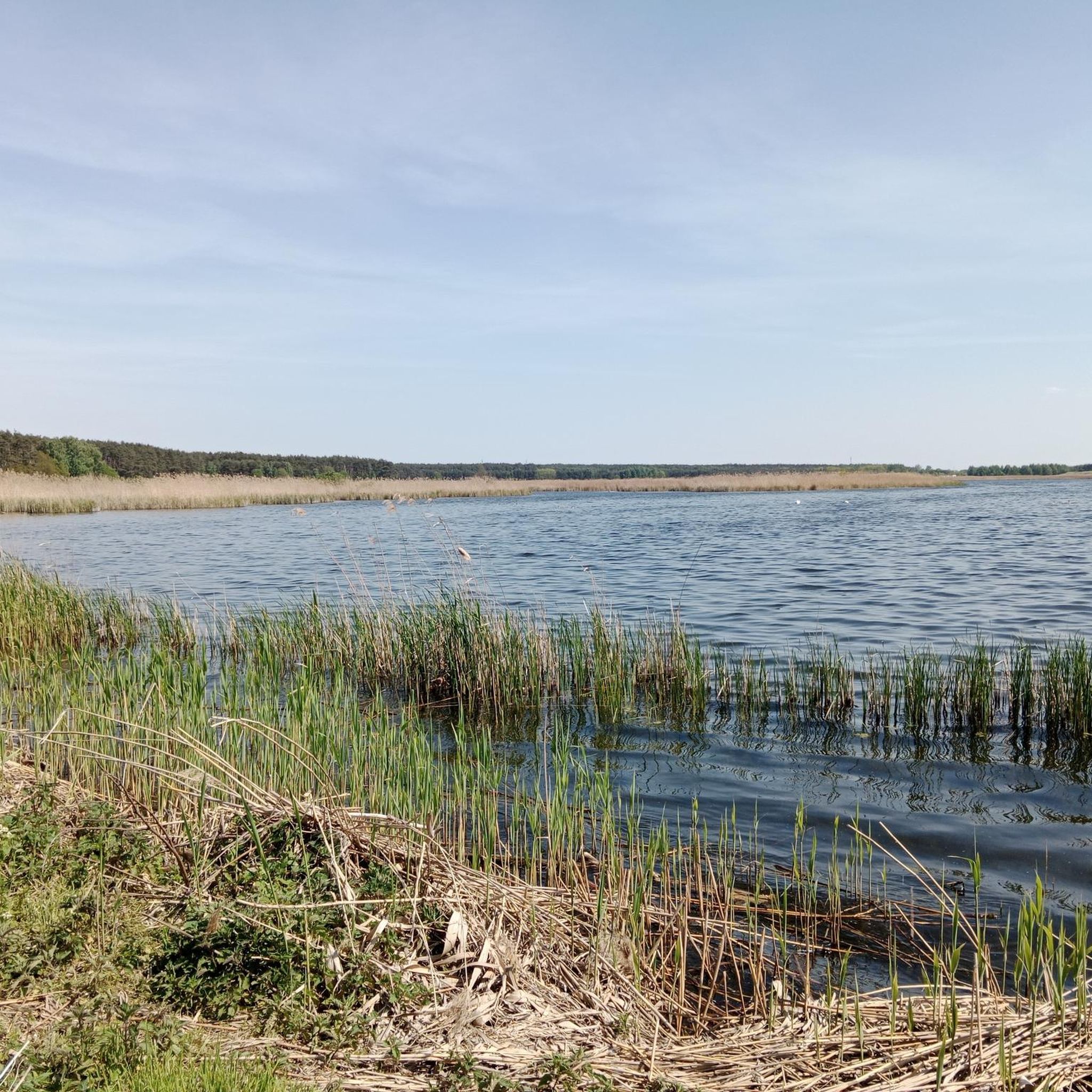
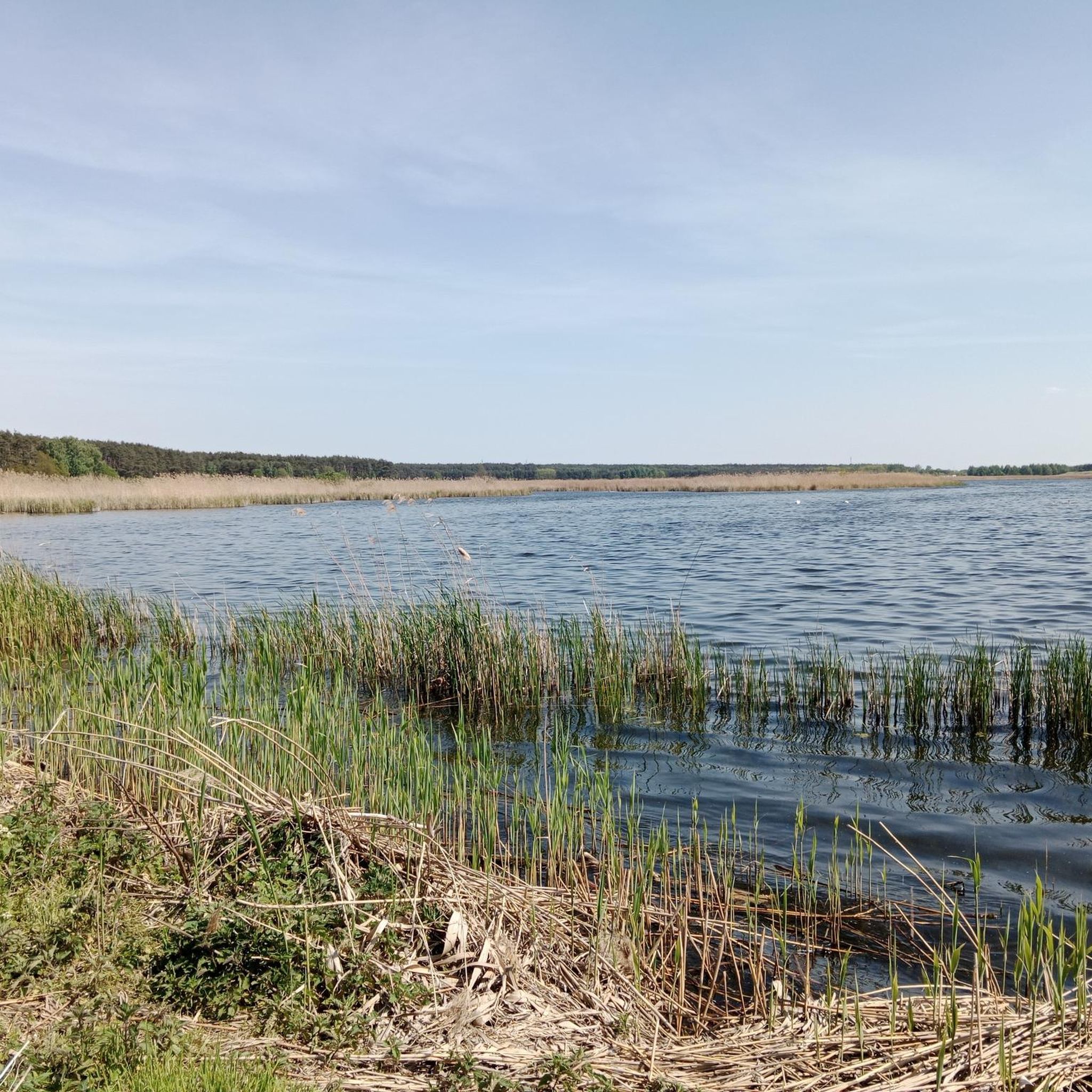
A lookout tower would be nice ... Because so little of this nature can be seen.
4
0
Frequently Asked Questions
What unique natural monuments can I find in Gmina Łowicz?
Gmina Łowicz is home to a singular designated natural monument: the Wych Elm in Niedźwiada. This impressive tree has a circumference of 335 cm and is recognized for its ecological value and local interest. You can learn more about Niedźwiada on Wikipedia.
Are there any protected natural areas in Gmina Łowicz?
Yes, a significant portion of Gmina Łowicz is covered by protected areas. These include the Warsaw-Berlin Ice-marginal Valley Protected Landscape Area, which spans over 3000 hectares, and two important Natura 2000 sites: Pradolina Bzury-Neru and Pradolina Warszawsko-Berlińska. These areas safeguard diverse ecosystems, including wetlands, riparian forests, meadows, and peat bogs.
What kind of wildlife and plants can I expect to see in Gmina Łowicz's natural areas?
The Natura 2000 Pradolina Bzury-Neru site is a haven for biodiversity, featuring rare plant species like the broad-leaved marsh orchid and sword lily. It's also a critical breeding ground for over 100 bird species and an important stopover for migrating birds. In areas like the Polana Siwica Nature Reserve, you can find over 220 species of vascular plants, including protected and endangered species, and observe various game and birds, though access to the reserve itself is restricted.
What are some family-friendly natural attractions in the area?
Families can enjoy the Romantic Garden in Arkadia, a historical site with beautiful natural elements like a large pond, temples, and grottoes. Another charming spot is the Tree Shrines in Bolimowski Landscape Park, where old oaks adorned with chapels create an interesting and peaceful setting within a forest.
Can I go hiking near the natural monuments in Gmina Łowicz?
Yes, there are several hiking opportunities. For example, you can find easy to moderate routes near the Romantic Garden in Arkadia and the Radziwill Palace in Nieborow. Explore more options and detailed routes on the Hiking around gmina Łowicz guide.
Are there cycling routes available near these natural areas?
Absolutely. Gmina Łowicz offers a variety of cycling routes, ranging from easy to moderate, that allow you to explore the natural surroundings. You can find routes like the 'Wygoda Cyclists' Rest Stop – General Stanisław Klicki Tower loop' or the 'Old Market Square in Łowicz – Bolimów Town Square loop'. For more details, check the Cycling around gmina Łowicz guide or the Road Cycling Routes around gmina Łowicz guide.
What is the Polana Siwica Nature Reserve known for?
The Polana Siwica Nature Reserve is a significant peat bog reserve within the Bolimów Landscape Park. It is renowned for its exceptionally rich flora, boasting over 220 species of vascular plants, including several protected and endangered varieties. The reserve also features diverse meadow, reed, shrub, and water communities, though direct access to the glade itself is generally forbidden to protect its delicate ecosystem.
What do visitors enjoy most about the natural monuments in Gmina Łowicz?
Visitors appreciate the diverse natural beauty, from the historical charm of the Romantic Garden in Arkadia to the unique cultural and natural blend of the Tree Shrines in Bolimowski Landscape Park. The rich biodiversity of the peat bogs and river valleys, especially for birdwatching and observing rare plants, is also highly valued.
Are there any historical sites connected to the natural monuments?
Yes, the Romantic Garden in Arkadia is a historical site founded in 1778, featuring architectural elements integrated with its natural landscape. Additionally, the January Uprising Execution Site Monument, while primarily a man-made monument, is located within the natural setting of the Bolimów Forest, marking a historical event from 1863.
What are the main river valleys in Gmina Łowicz and what do they offer?
Gmina Łowicz is characterized by the river valleys of the Bzura and Ner. These valleys are part of the Natura 2000 sites and are known for their wet meadows, agricultural lands, and fishpond complexes. The Ner valley section is a European bird refuge, making it excellent for birdwatching. The Bzura valley, heavily peat-covered, supports diverse riverine landscapes and rich birdlife, offering opportunities for activities like kayaking.
What is the best time to visit the natural areas in Gmina Łowicz?
The best time to visit Gmina Łowicz's natural areas largely depends on your interests. Spring and early summer are ideal for observing rare plants and migratory birds in the wetland areas like Natura 2000 Pradolina Bzury-Neru. Autumn offers beautiful foliage in the forested areas, such as those around the Bolimów Landscape Park. Summer is pleasant for hiking and cycling, while winter can provide unique opportunities for quiet exploration, though some areas might be less accessible.
Most popular routes around gmina Łowicz
Most popular attractions around gmina Łowicz

Get inspired with the komoot mobile app


Explore more
Extend your search for the best caves by checking out these guides of the top ones around gmina Łowicz:
