Top 5 Natural Monuments around Działoszyn
Best natural monuments around Działoszyn are situated within the Załęczański Landscape Park, an area characterized by its diverse and unique natural features. The region's landscape, shaped by Pleistocene glaciations and the Warta River, includes significant geological formations such as ravines, gorges, and numerous caves. These natural monuments offer ecological and geological value, making them notable destinations for nature exploration. The area provides opportunities to observe various natural phenomena and unique ecosystems.
Best natural monuments around Działoszyn
- The most popular natural…
Last updated: September 5, 2026
Żabi Pond
Highlight • Lake
Translated by Google •
Tip by

Second Ravine in Załęczański Landscape Park
Highlight • Gorge
Translated by Google •
Tip by

Sign up now to discover places like this
Get recommendations on the best single tracks, peaks, & plenty of other exciting outdoor places.
Sign up for free
Szachownica Cave – Main Entrance
Highlight • Cave
It is located within the Szachownica nature reserve, on Krzemienna Góra - a small, limestone hill covered with beech trees.
Translated by Google •
Tip by

Revelation Spring
Highlight • Natural Monument
Translated by Google •
Tip by

St. Genowefa Mountain
Highlight • Natural Monument
Translated by Google •
Tip by
Start today with a free account
Your next adventure awaits.
Login or Signup

Tips from the Community

It's nice there, but nothing stood out to me.
0
0

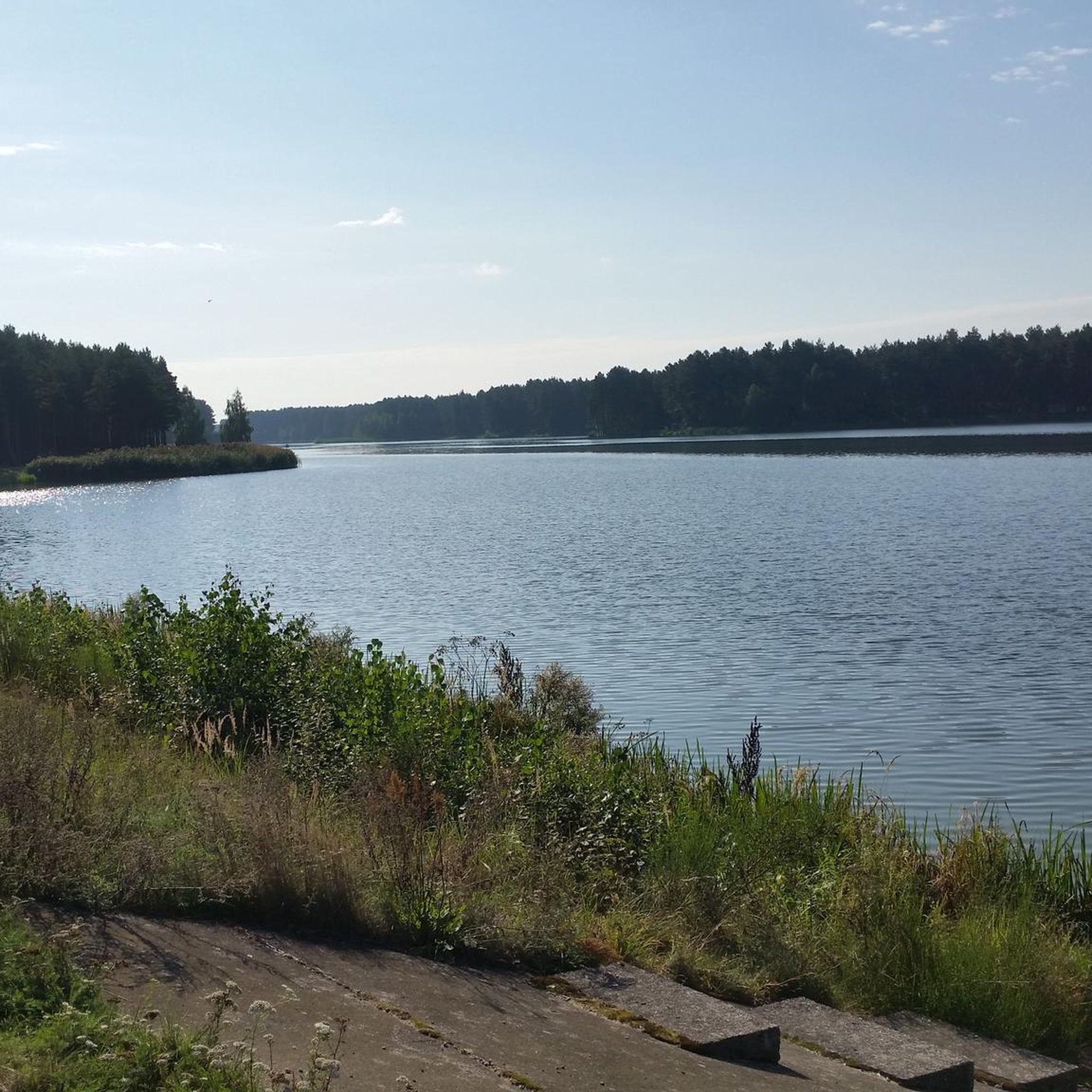
The beautiful Żabi Staw, near the Warta River, is protected as a natural monument. It can become overgrown, but beautiful flowers bloom on its surface in spring.
0
0
Many say that it is the most picturesque and largest rock in the Załęcze National Park. It is large - the walls are about 25 meters high. As for the name, there are various legends, from the one that a woman accused of cheating on her husband hid here to the one that witches gather here for the Sabbath!
0
0

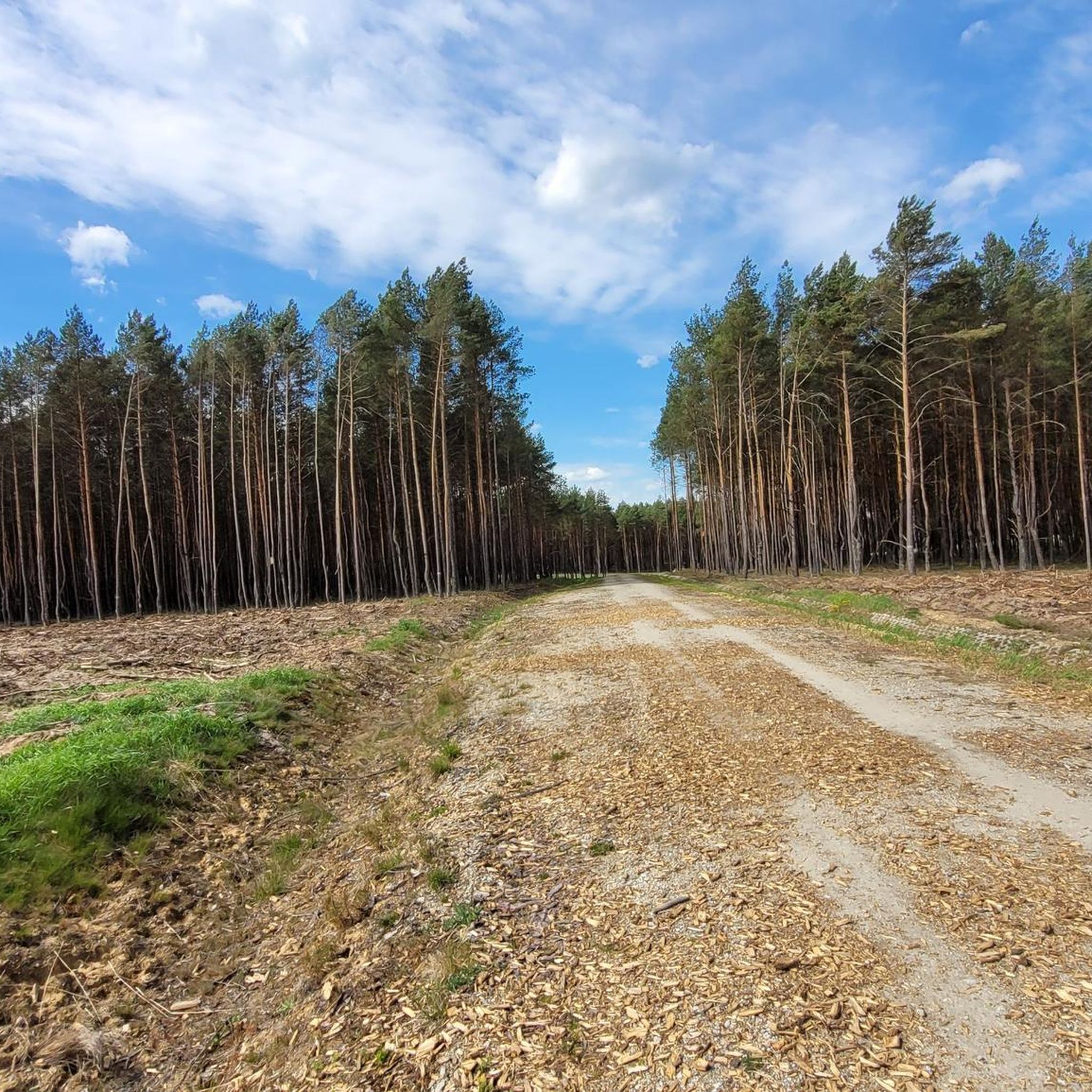
There is a forest road leading to the spring, you have to drive about 300 meters
1
0

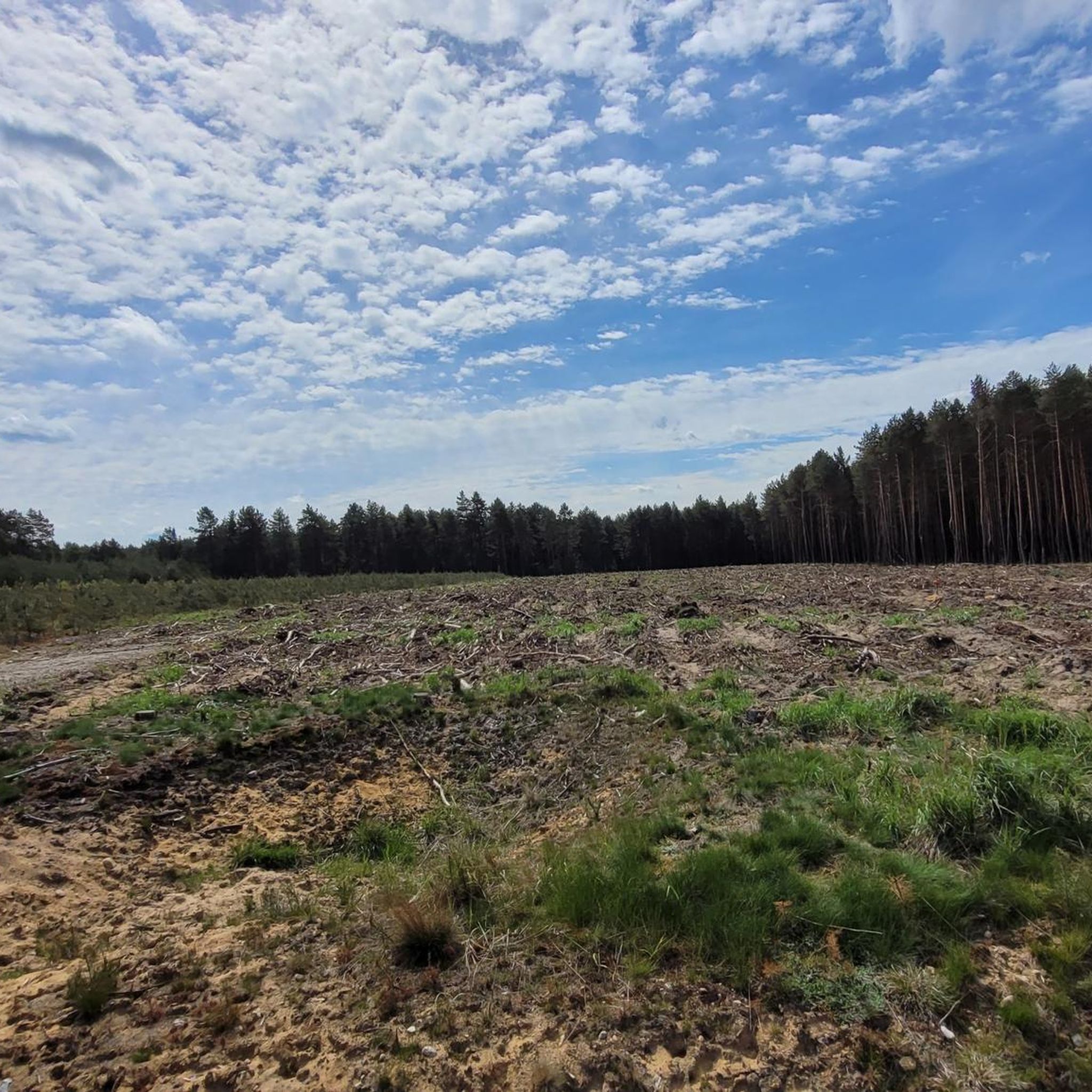
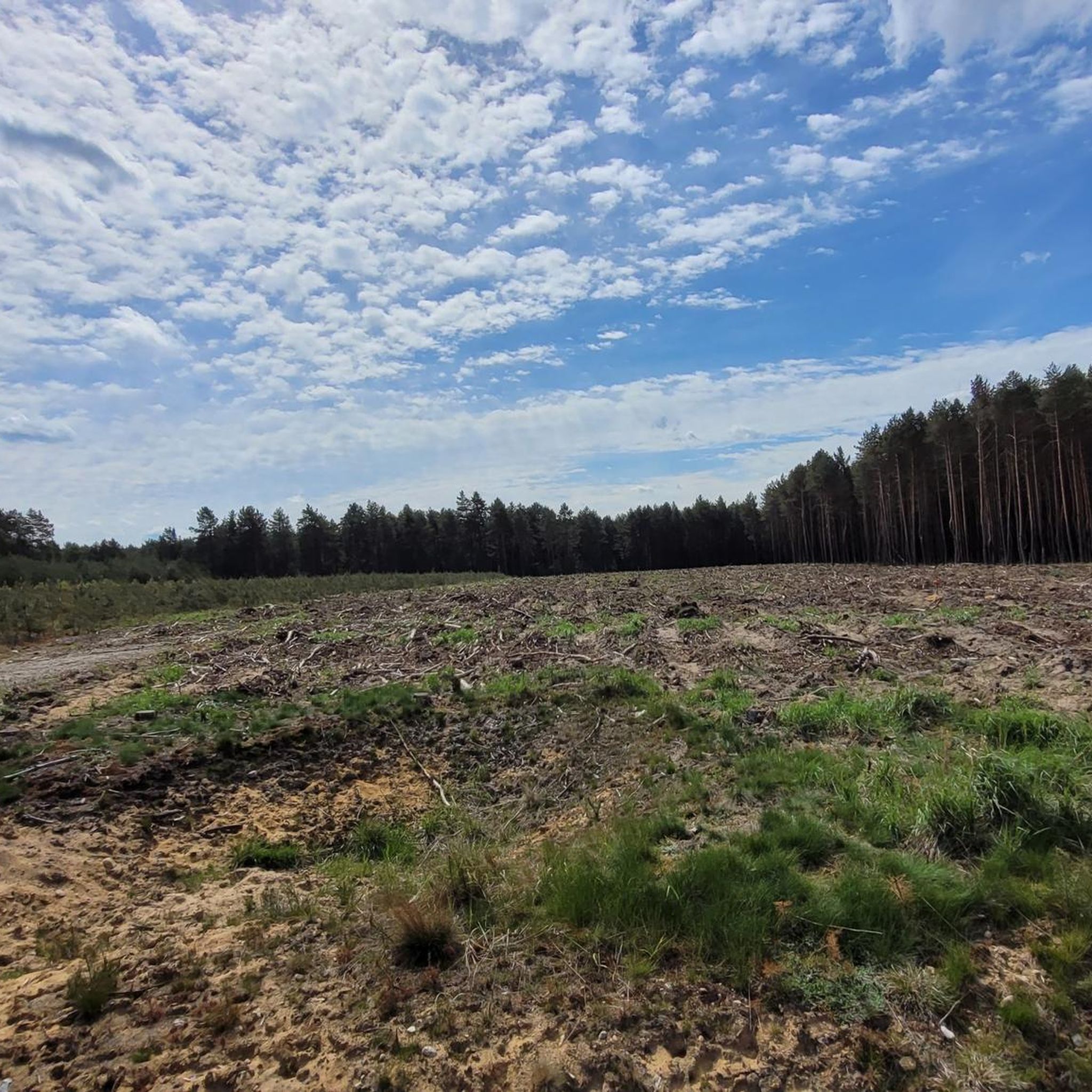
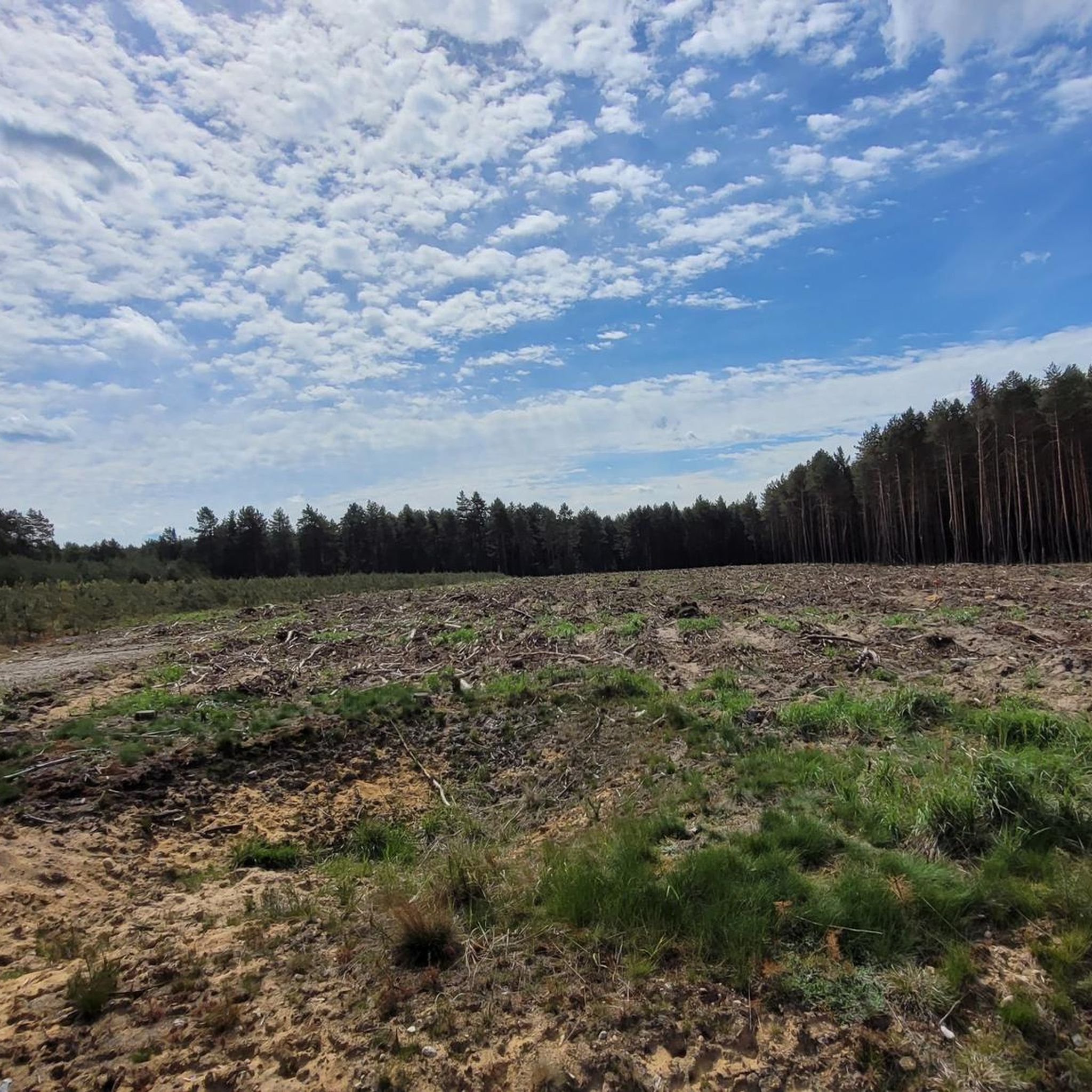
The end of the descent is sandy, it is very easy to fall over, and there are a number of concrete posts placed along the trail. You need to be careful!
0
0

Undulating terrain with passage through a ravine.
1
0

A pro-glacial cave located in the Woźnicko-Wieluńska Upland. It is located within the Szachownica nature reserve, on Krzemienna Góra - a small, limestone hill covered with beech trees.
0
0
Frequently Asked Questions
What unique natural features can I explore around Działoszyn?
The Działoszyn area, nestled within the Załęczański Landscape Park, offers a variety of unique natural features. You can discover the vibrant white water lilies and amphibian life at Żabi Pond, or witness the intensely navy blue, pulsating waters of the Granatowe Źródła (Navy Blue Springs). The region also features significant geological formations like the limestone monadnock of St. Genowefa Mountain and the karst caves within the Węże Nature Reserve, including the large Szachownica Cave.
When is the best time to visit the natural monuments around Działoszyn?
The best time to visit is generally from late spring to early autumn. For instance, Żabi Pond is particularly stunning in late spring or early summer when its white water lilies are in full bloom and amphibian activity is at its peak. During these seasons, the weather is most favorable for hiking and exploring the various outdoor attractions.
Are there any family-friendly natural monuments or activities in the area?
Yes, several natural monuments are suitable for families. Żabi Pond is a great spot for nature observation, especially for children interested in amphibians and unique flora. The didactic path through the Węże Nature Reserve also offers an educational experience about geology and paleontology. Many of the trails within the Załęczański Landscape Park are accessible for walks with children, though some may have moderate difficulty.
What kind of geological formations can be found near Działoszyn?
The Działoszyn area is rich in geological formations, primarily due to its location within the Załęczański Landscape Park. You'll find limestone monadnocks like St. Genowefa Mountain and Góra Zelce in the Węże Nature Reserve. The region is also known for its karst phenomena, including numerous caves such as Szachownica Cave and the pulsating Granatowe Źródła (Navy Blue Springs). Additionally, there are ravines and gorges, like the Second Ravine in Załęczański Landscape Park, shaped by the Warta River and glacial activity.
Are there hiking trails near these natural monuments?
Absolutely. The Załęczański Landscape Park, where these natural monuments are located, offers numerous hiking opportunities. You can find trails that lead to Żabi Pond, through the Węże Nature Reserve, and up to St. Genowefa Mountain. For a broader selection of routes, you can explore the running trails around Działoszyn, which often pass by or near these natural attractions.
Can I bring my dog to the natural monuments?
Generally, dogs are allowed on trails within the Załęczański Landscape Park, but it's crucial to keep them on a leash to protect wildlife and ensure the safety of other visitors. Specific rules might apply to nature reserves or sensitive areas, so always look for local signage. For example, the Węże Nature Reserve is a significant bat wintering ground, so caution is advised.
What kind of wildlife can I observe at the natural monuments?
The natural monuments around Działoszyn are home to diverse wildlife. Żabi Pond is a vital breeding ground for various amphibian species, including the European fire-bellied toad and marsh frog. The Węże Nature Reserve is an important wintering site for bats, and its xerothermic grasslands support unique insect and bird species. The entire Załęczański Landscape Park boasts rich flora and fauna, offering opportunities for birdwatching and observing smaller mammals.
Are there any viewpoints offering panoramic scenery?
Yes, St. Genowefa Mountain is renowned for offering excellent panoramic views, especially when the surrounding vegetation is less dense. Its position as the northernmost rock formation of the Jura Mountains provides a unique perspective of the Załęczański Landscape Park.
What are the options for cycling near the natural monuments?
The area around Działoszyn is well-suited for cycling, with routes that often incorporate the natural monuments. You can find various cycling tours, including those that pass by Żabi Pond or the Węże Nature Reserve. Explore the cycling routes around Działoszyn for options ranging from easy to difficult, allowing you to experience the natural beauty on two wheels.
Is there public transport available to reach the natural monuments?
While Działoszyn itself has some public transport connections, reaching the specific natural monuments within the Załęczański Landscape Park often requires private transport or a combination of public transport and walking. It's advisable to check local bus schedules to Działoszyn or nearby villages and plan your journey to the more remote sites accordingly.
What is the significance of the Węże Nature Reserve?
The Węże Nature Reserve is highly significant for its geological and paleontological value. It protects Góra Zelce, a limestone monadnock featuring numerous karst phenomena, including a system of caves like Jaskinia Niespodzianka. These caves have yielded Poland's richest collection of Pliocene mammal fauna remains, providing crucial insights into ancient ecosystems. The reserve also serves as an important wintering ground for bats and is home to unique xerothermic and rock grasslands.
Are there any specific safety considerations when visiting the natural monuments?
When visiting natural monuments like the Second Ravine in Załęczański Landscape Park, be mindful of the terrain. The descent can be sandy and slippery, with concrete posts along the trail, so caution is advised. When exploring caves or geological sites, always stay on marked paths and be aware of your surroundings. It's also wise to wear appropriate footwear and carry water, especially during warmer months.
What do visitors enjoy most about the natural monuments around Działoszyn?
Visitors frequently appreciate the serene beauty of places like Żabi Pond, especially when the water lilies are in bloom. The geological uniqueness of the karst springs and caves, such as Szachownica Cave, also draws considerable interest. Many are captivated by the panoramic views from St. Genowefa Mountain and the overall tranquility and natural diversity of the Załęczański Landscape Park.
Most popular routes around Działoszyn
Most popular attractions around Działoszyn

Get inspired with the komoot mobile app


