Top 9 Natural Monuments around Słońsk
Best natural monuments around Słońsk are primarily found within the Ujście Warty National Park and its adjacent Landscape Park. This region is characterized by its unique wetland areas at the confluence of the Warta and Oder rivers, making it a significant habitat for aquatic birds. The landscape features extensive floodplains, observation points, and diverse ecosystems. These protected areas offer opportunities to observe rich avian life and unique plant communities.
Best natural monuments around Słońsk
- The most popular natural monuments is…
Last updated: August 23, 2026
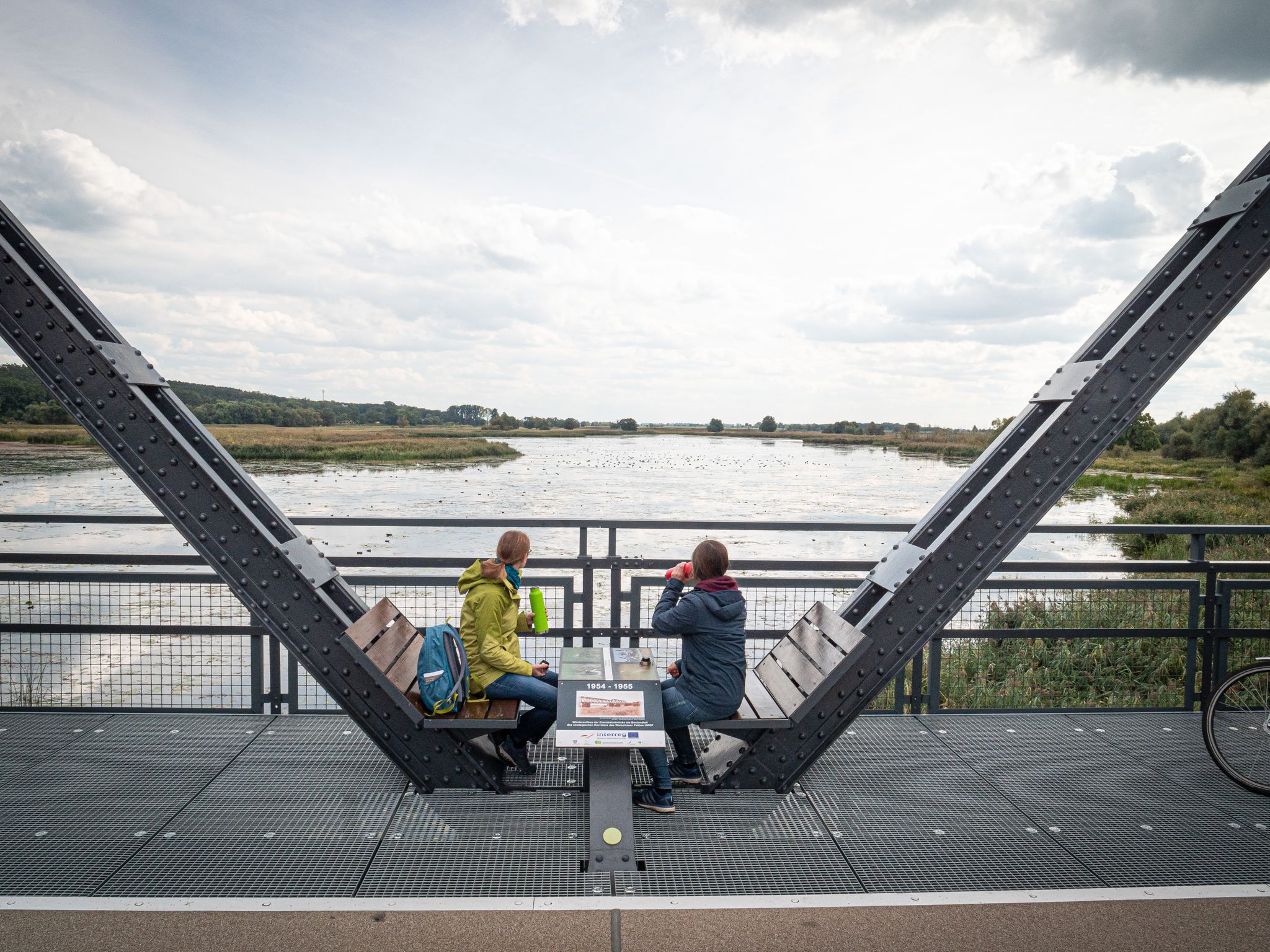
Birdwatching Point at Park Krajobrazowy Ujście Warty
Highlight • Viewpoint
Translated by Google •
Tip by

Birdwatching Observation Tower, Warta Mouth National Park
Highlight • Viewpoint
Translated by Google •
Tip by

Sign up now to discover places like this
Get recommendations on the best single tracks, peaks, & plenty of other exciting outdoor places.
Sign up for free
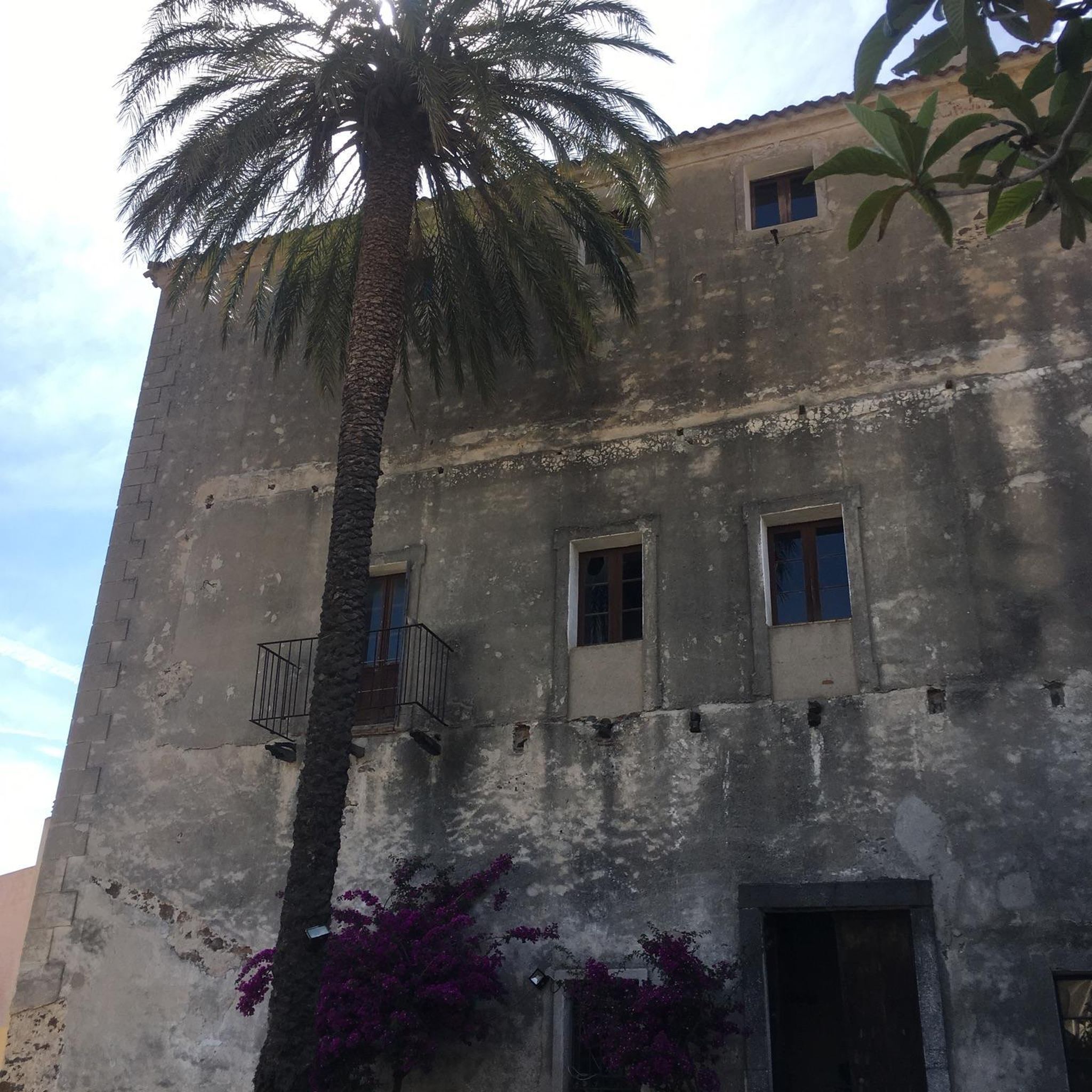
Lower Palace Park - Dąbroszyn
Highlight • Castle
Translated by Google •
Tip by

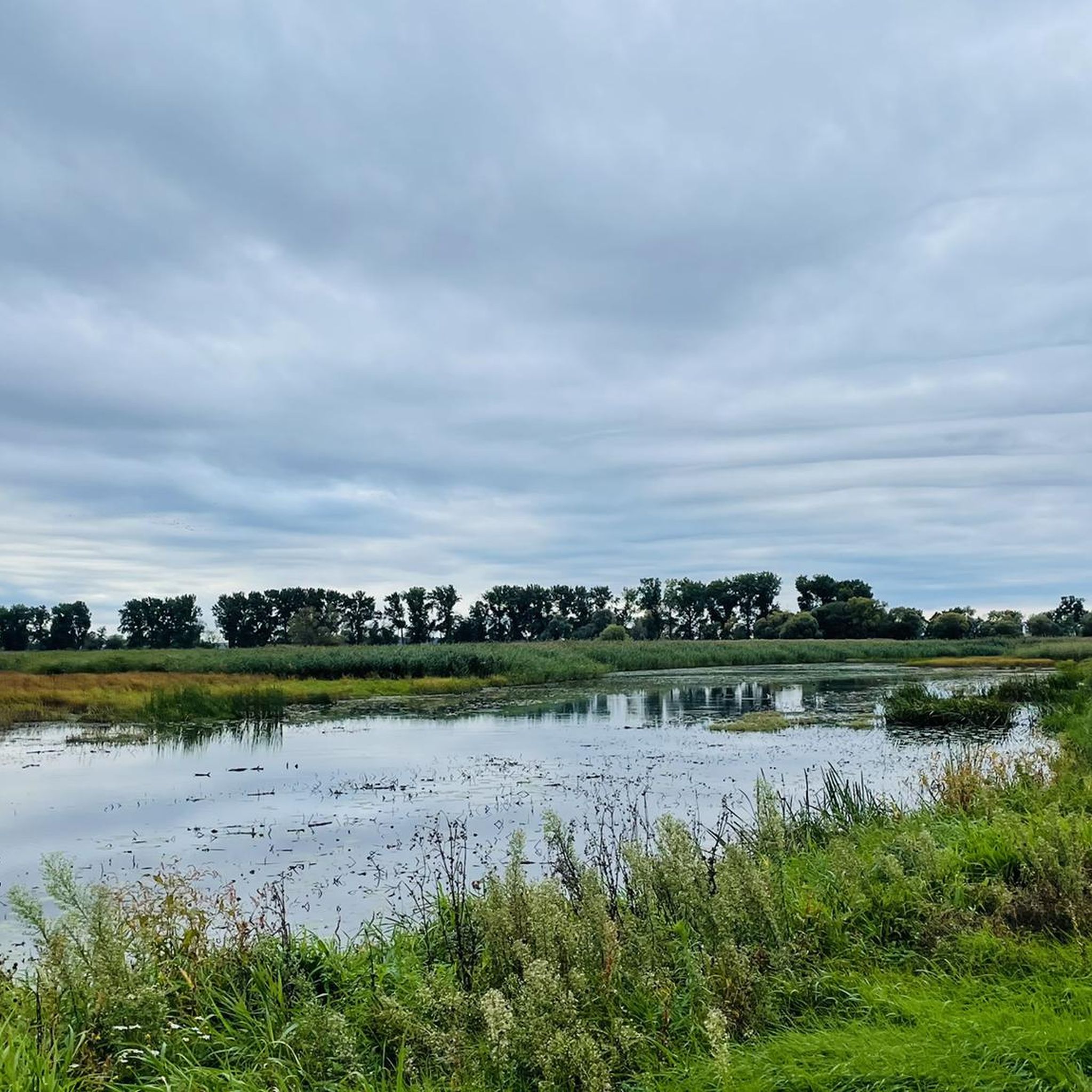
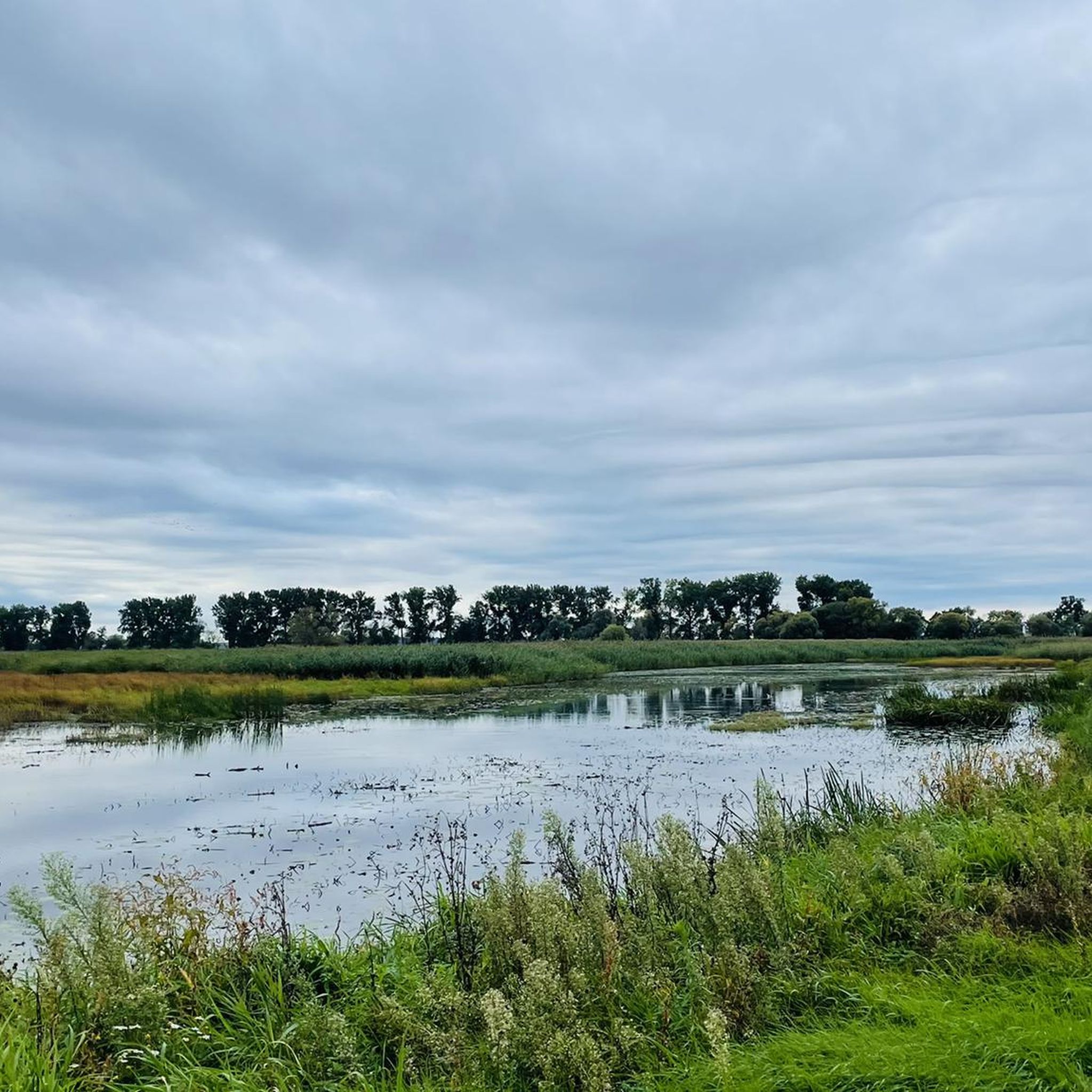
Waterbird Breeding and Resting Area, Warta Mouth National Park
Highlight (Segment) • Lake
In addition to white-tailed eagle, crane, various seagulls and ducks, swans and ... you can also see brooding …
Translated by Google •
Tip by
Lion Park
Highlight • Rest Area
Translated by Google •
Tip by
Sign up for free to discover even more natural monuments around Słońsk.
Sign up for free
Already have an account?
Start today with a free account
Your next adventure awaits.
Login or Signup
Other adventures around Słońsk

Tips from the Community


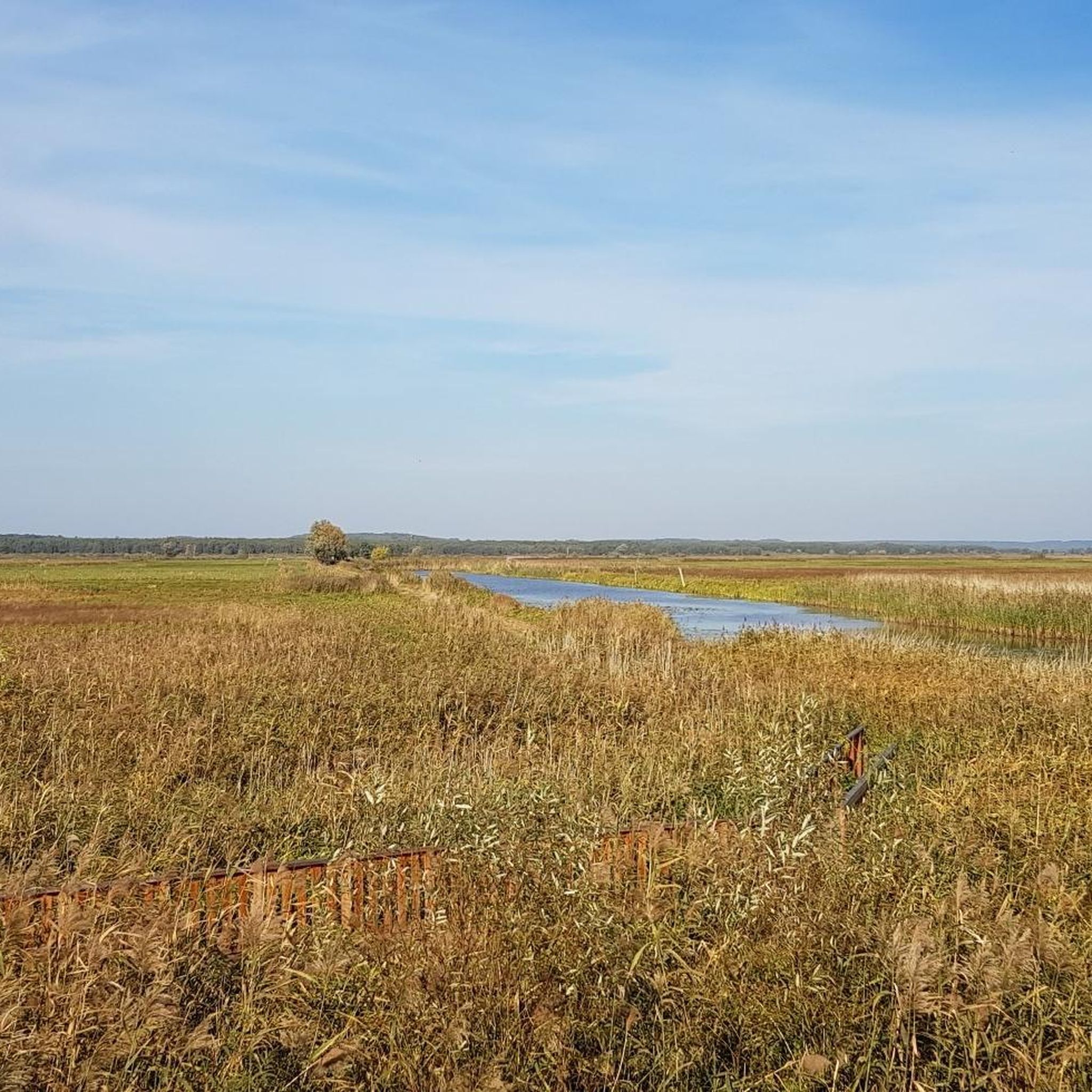
Great platform to look down on the local floodplains. Beautiful view - and well maintained platform.
0
0

The castle park is worth seeing, but the castle itself is unfortunately no longer as beautiful.
4
2

The Sleeping Lion Monument on the former Moltke Square. The monument was unveiled in 1925 - in memory of the victims of World War I, with an inscription in German: "Unseren Gefallenen - Stadt und Garnison Küstrin" (To Our Fallen - City and Garrison Kostrzyn). In the background, the intersection of Wyszyńskiego and Gorzowska Streets is visible, and above one of the tenement houses is the tower of the existing fire station. In 2014, on the hundredth anniversary of the outbreak of World War I, the Kostrzyn Fortress Museum carried out conservation of the devastated monument from its own funds
2
1
Palace park, from the end of the 18th century. Originally it had the form of a French baroque garden. At the beginning of the 19th century, the park was transformed in the style of English Romanticism by Peter Lenné. In the park there is the Victoria Monument, considered to be the work of the Berlin sculptor Christian Daniel Rauch (1777-1857). It was dedicated to the Prussian king Frederick II.
5
2

There is a car park at the foot of the tower. At least the Polish citizens parked there. Because from here you can also start a small hiking trail that ends with a wooden plank footbridge, or it is then only a few meters on a wide gravel path back to the observation tower.
3
0

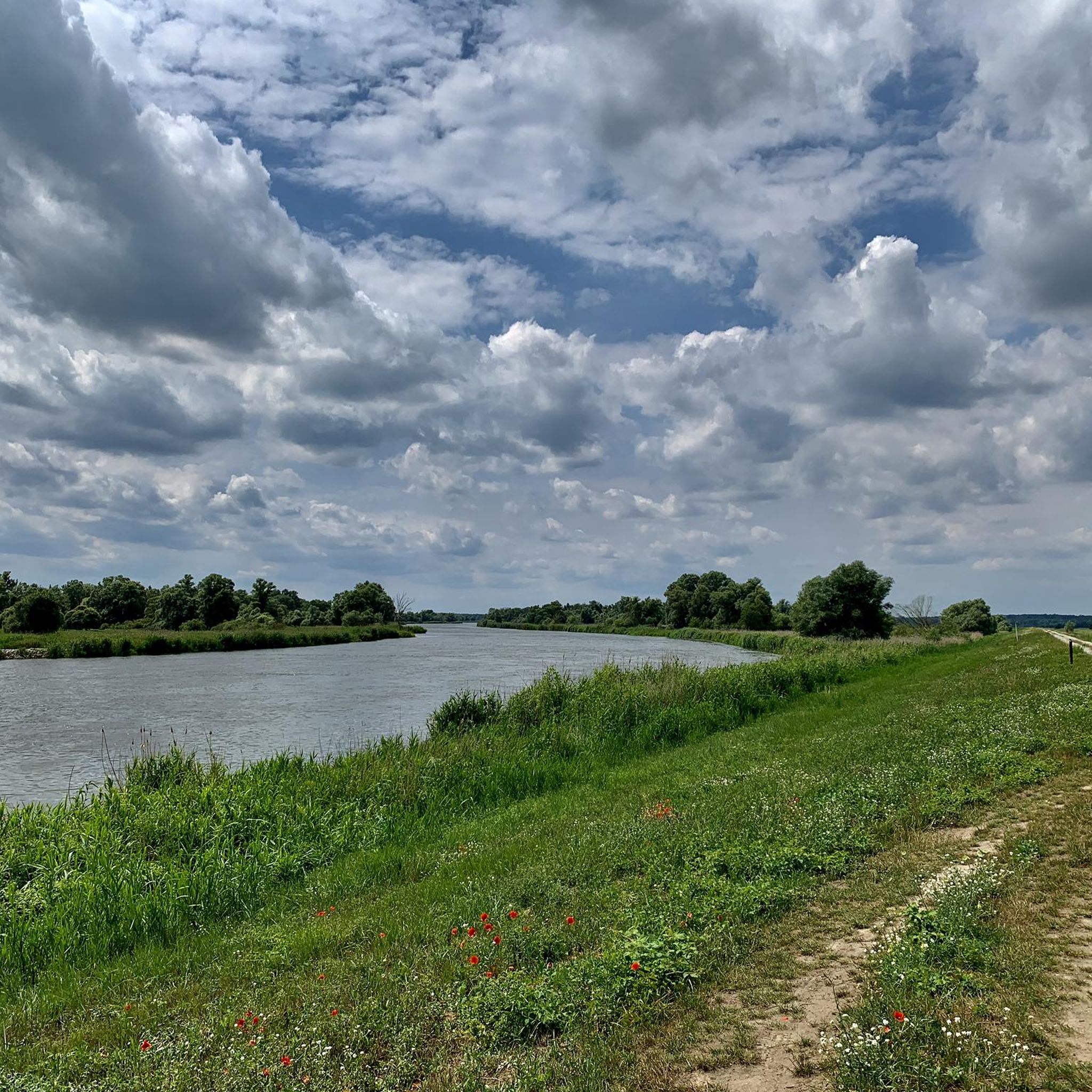
The dyke trail can be easily negotiated on this section by bike. In addition to white-tailed eagle, crane, various seagulls and ducks, swans and ... you can also see brooding waterfowl in the branched water area. On the other hand, sometimes a deer, fox or wild boar appears in sight.
4
1
It is a great experience to be at the observation point at the Betonka at this time - at the beginning of November. Thousands of birds, including cranes and eagles, inhabit the area between Warthe and Postomia in the Lower Warthe Nature Reserve. It takes barely a few steps to go there, life takes place around you. You can drive to the observation point (car park there), then you could walk on the Betonka to the next observation tower, if the floods allow it. Important is warm clothing, as it is always cooler in the reserve because of the location than in the area and the wind blows frequently. Further information can be found on the website of the National Park https://www.pnujsciewarty.gov.pl/109,general-information.html.
3
0
Frequently Asked Questions
What are the primary natural attractions around Słońsk?
The Słońsk region is dominated by the Ujście Warty Landscape Park and the Ujście Warty National Park. These protected areas are renowned for their unique wetland ecosystems at the confluence of the Warta and Oder rivers, making them a significant habitat for aquatic birds and diverse plant communities.
Where can I go for exceptional birdwatching opportunities?
The region is a birdwatcher's paradise. You can visit the Waterbird Breeding and Resting Area, Warta Mouth National Park, which is accessible by bike via the dyke trail. Another excellent spot is the Birdwatching Point at Park Krajobrazowy Ujście Warty, especially in early November, where thousands of birds, including cranes and eagles, gather. The Birdwatching Observation Tower, Warta Mouth National Park also provides panoramic views of the floodplains for observation.
Are there family-friendly natural monuments in the Słońsk area?
Yes, many natural monuments in the Słońsk area are suitable for families. The Waterbird Breeding and Resting Area, the Birdwatching Observation Tower, and the Birdwatching Point at Park Krajobrazowy Ujście Warty are all categorized as family-friendly. Additionally, the Lower Palace Park - Dąbroszyn offers a historical and natural setting for a family outing.
What unique geological features can be found near Słońsk?
Near Lemierzyce, you can find the 'Kamień Moritza' (Moritz's Stone), a significant glacial erratic. This large boulder, with a circumference of 1120 cm, serves as a testament to the region's glacial history and is recognized as a natural monument.
What is the best time of year to visit the natural monuments around Słońsk?
The Ujście Warty National Park and surrounding areas are particularly rewarding for birdwatching during spring (snowmelt and breeding season) and autumn (migration periods). Early November is highlighted as an excellent time to observe thousands of birds, including cranes and eagles, at the Birdwatching Point at Park Krajobrazowy Ujście Warty. Warm clothing is recommended due to cooler temperatures and frequent winds.
Are there cycling routes available near the natural monuments?
Yes, the region offers various cycling opportunities. The dyke trail near the Waterbird Breeding and Resting Area is easily navigable by bike. For more structured routes, you can explore the Cycling around Słońsk guide, which includes routes like the 'Hubertus Inn in Słońsk – Warta Mouth Landscape Park loop' and the 'Bird Republic – Warta Mouth Landscape Park loop'.
What kind of wildlife can I expect to see in the Ujście Warty National Park?
The Ujście Warty National Park is a haven for wildlife, especially birds. You can spot 265 species of birds, including white-tailed eagles, cranes, various gulls, ducks, and swans. The park is also home to 36 species of animals and 36 species of fish. Occasionally, deer, foxes, or wild boars may also be sighted.
Are there any historical sites among the natural monuments?
While primarily natural, the Lower Palace Park - Dąbroszyn combines natural beauty with historical significance. This park, originally a French baroque garden, was transformed into an English Romantic style park in the 19th century. It features the Victoria Monument, attributed to sculptor Christian Daniel Rauch, dedicated to Frederick II.
What are the options for hiking or walking near Słońsk's natural monuments?
The Ujście Warty National Park offers trails for walking, particularly along the dykes. For more specific routes, you can check the Road Cycling Routes around Słońsk guide and the MTB Trails around Słońsk guide, which, while focused on cycling, often share paths suitable for walking or provide access to areas with walking trails. Some observation points, like the Birdwatching Observation Tower, have short walking paths leading to them.
Is there a unique botanical reserve in the Słońsk area?
Yes, the Rezerwat Przyrody 'Pamięcin' (Pamięcin Nature Reserve) is a unique steppe reserve located on the slope of the Oder pradolina. Covering 2.65 hectares, it protects xerophilous (drought-loving) vegetation, particularly the feather grass steppe (Potentillo-Stipetum), which is a rare ecological community in this part of Poland.
What do visitors appreciate most about the natural monuments in Słońsk?
Visitors frequently highlight the exceptional birdwatching opportunities and the serene natural beauty of the wetland landscapes. The panoramic views from observation towers and the chance to see diverse bird species like white-tailed eagles and cranes are often mentioned. The area's peaceful atmosphere and the well-maintained observation platforms also receive positive feedback.
Most popular attractions around Słońsk

Get inspired with the komoot mobile app


Explore more
Extend your search for the best caves by checking out these guides of the top ones around Słońsk:
