Top 4 Natural Monuments around Czerwieńsk
Best natural monuments around Czerwieńsk are found within a region characterized by extensive forests and river valleys. The area offers diverse natural features, including sandy hills and numerous natural monuments. Czerwieńsk is situated in the broader Lubuskie province, known for its natural landscapes. This makes the region suitable for outdoor activities such as hiking and cycling.
Best natural monuments around Czerwieńsk
- The most popular natural monuments is Wilkanów Meteorite Memorial, a man-made monument commemorating the fall of a meteorite…
Last updated: October 30, 2026
Wilkanów Meteorite Memorial
Highlight • Monument
Translated by Google •
Tip by

Otto Mülsch Memorial Stone
Highlight • Monument
An entrepreneur, trader and nature lover. For 20 years he was responsible for the Odra forest in which you are now.
Translated by Google •
Tip by

Sign up now to discover places like this
Get recommendations on the best single tracks, peaks, & plenty of other exciting outdoor places.
Wagmostaw Pond and Fountain
Highlight • Lake
Translated by Google •
Tip by
Oak Avenue in Nadleśnictwo Przytok
Highlight (Segment) • Natural Monument
Translated by Google •
Tip by
Entrance to Gryżyńskie Uroczyska
Highlight • Forest
Translated by Google •
Tip by

Sign up for free to discover even more natural monuments around Czerwieńsk.
Already have an account?
Start today with a free account
Your next adventure awaits.

Tips from the Community

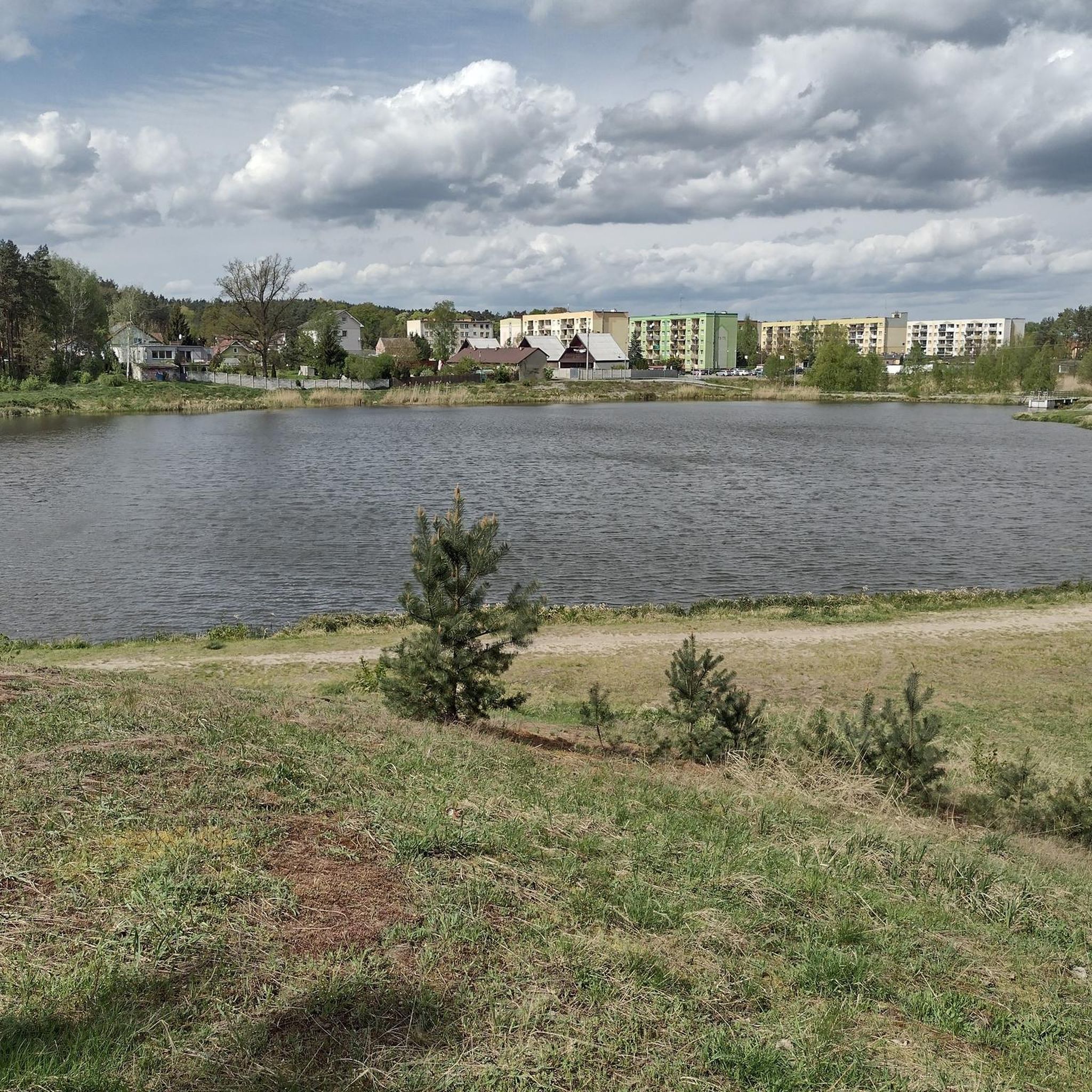
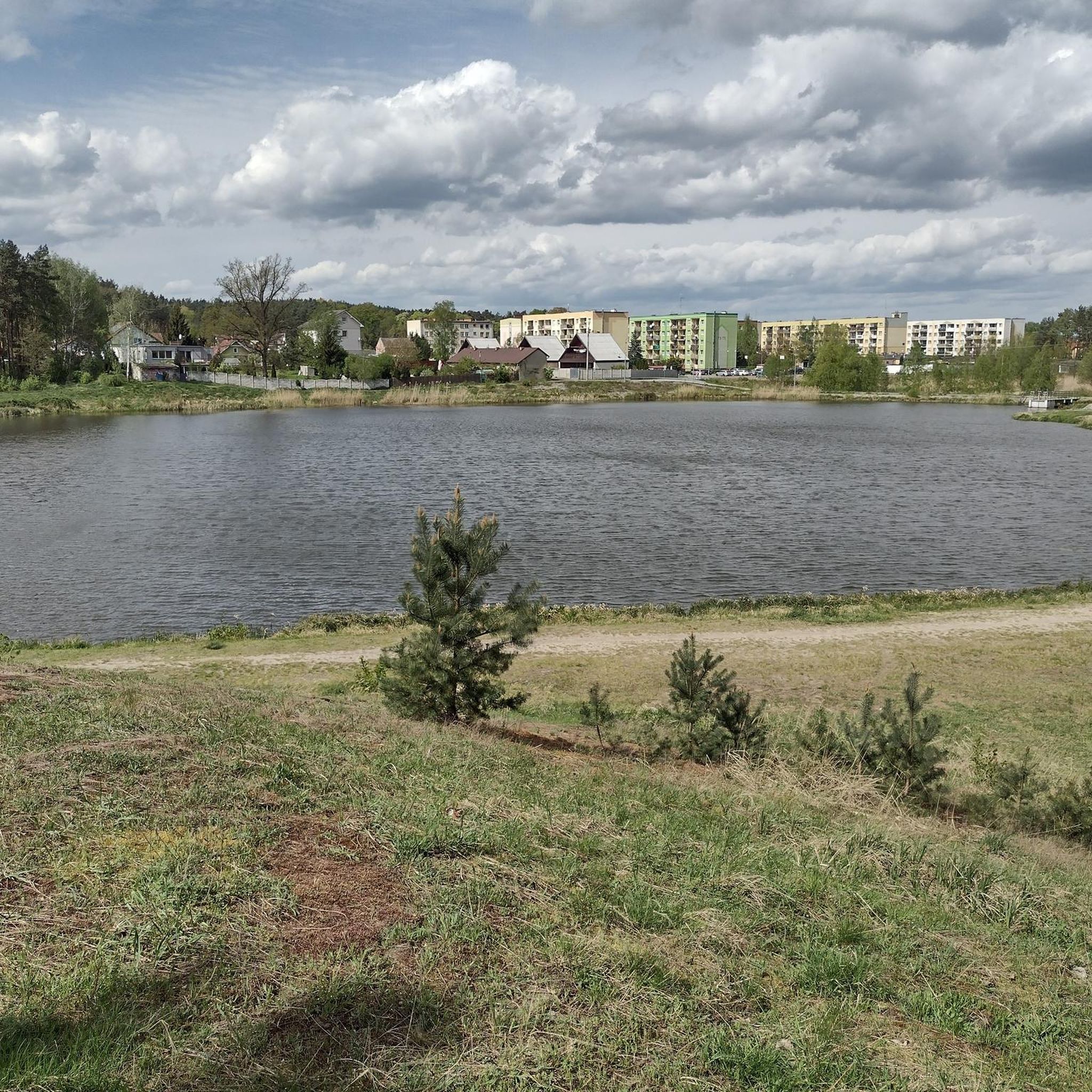
In the second half of the 18th century, a water mill (Semmler's mill) was built on this site. In 1887, a popular restaurant and the "Dolina Luizy" park were opened here, which for decades served residents as an entertainment center with a bandstand, a swimming pool, and the opportunity to go boating. After World War II, the area was taken over by Zastal and named Wagmostaw; after years of neglect, the site was thoroughly restored and reopened in May 2013.
0
0

Oak Alley by the former summer gazebo, of which there is no trace today. At least two of the oaks in the alley were commemorated with their names. The stones buried under them with the names of the trees have been preserved. On the stone under one of the oaks, "Förster Eiche" was carved. The second stone under another oak has the inscription "Martini Eiche". These stones commemorate two entrepreneurs from Zielona Góra. In 2025, the alley was recreated by pouring a gravel surface. Unfortunately, during this work, both stones were damaged.
0
0
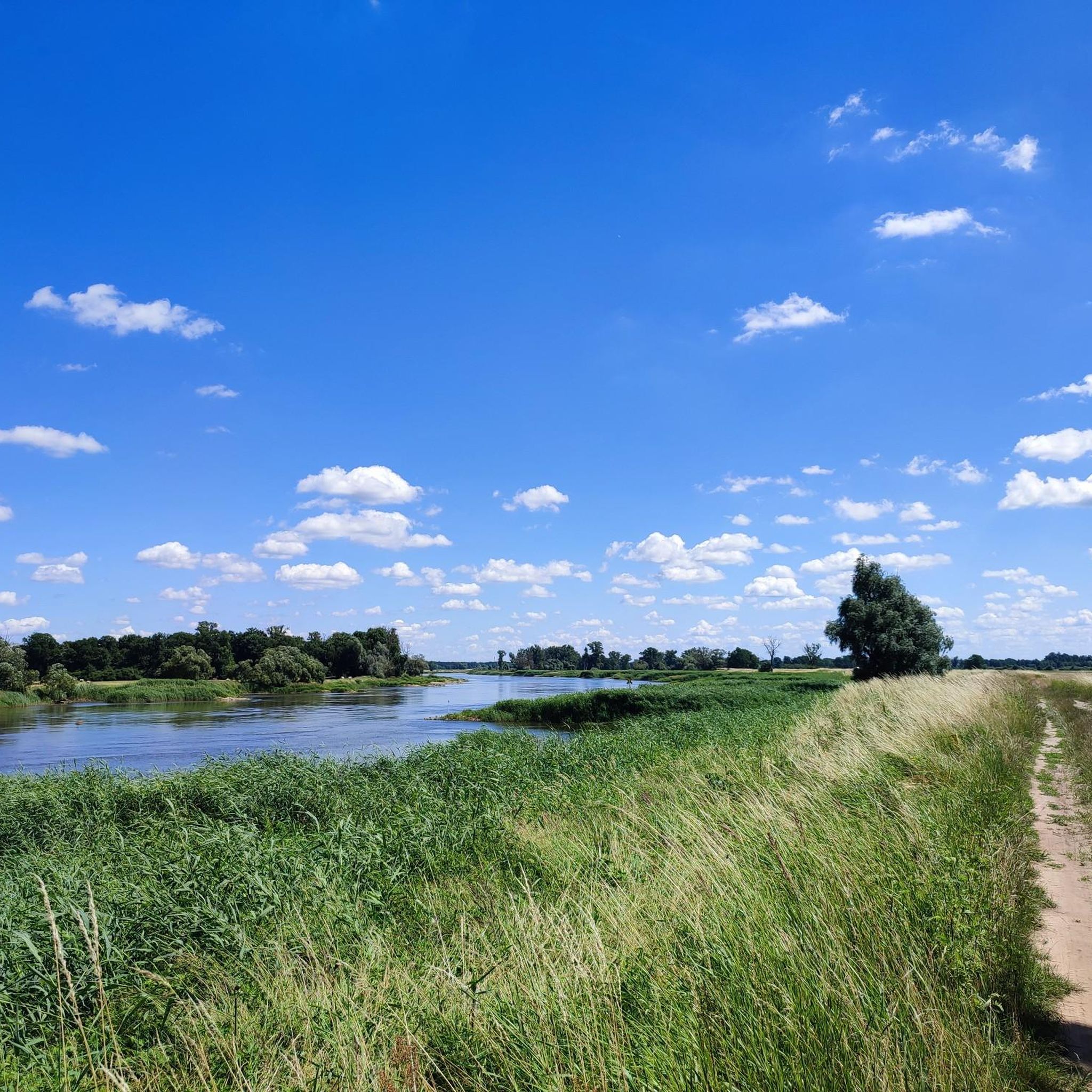
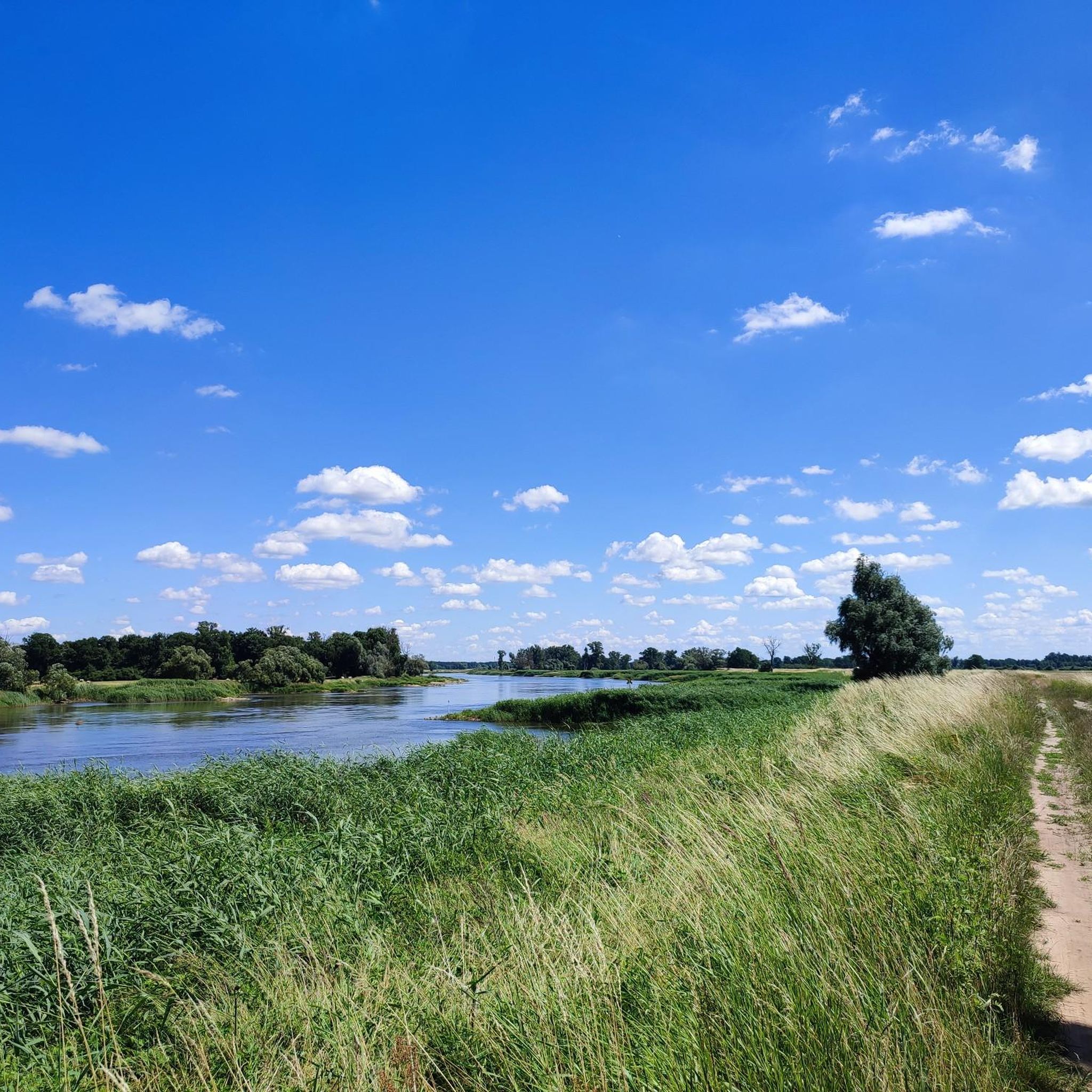
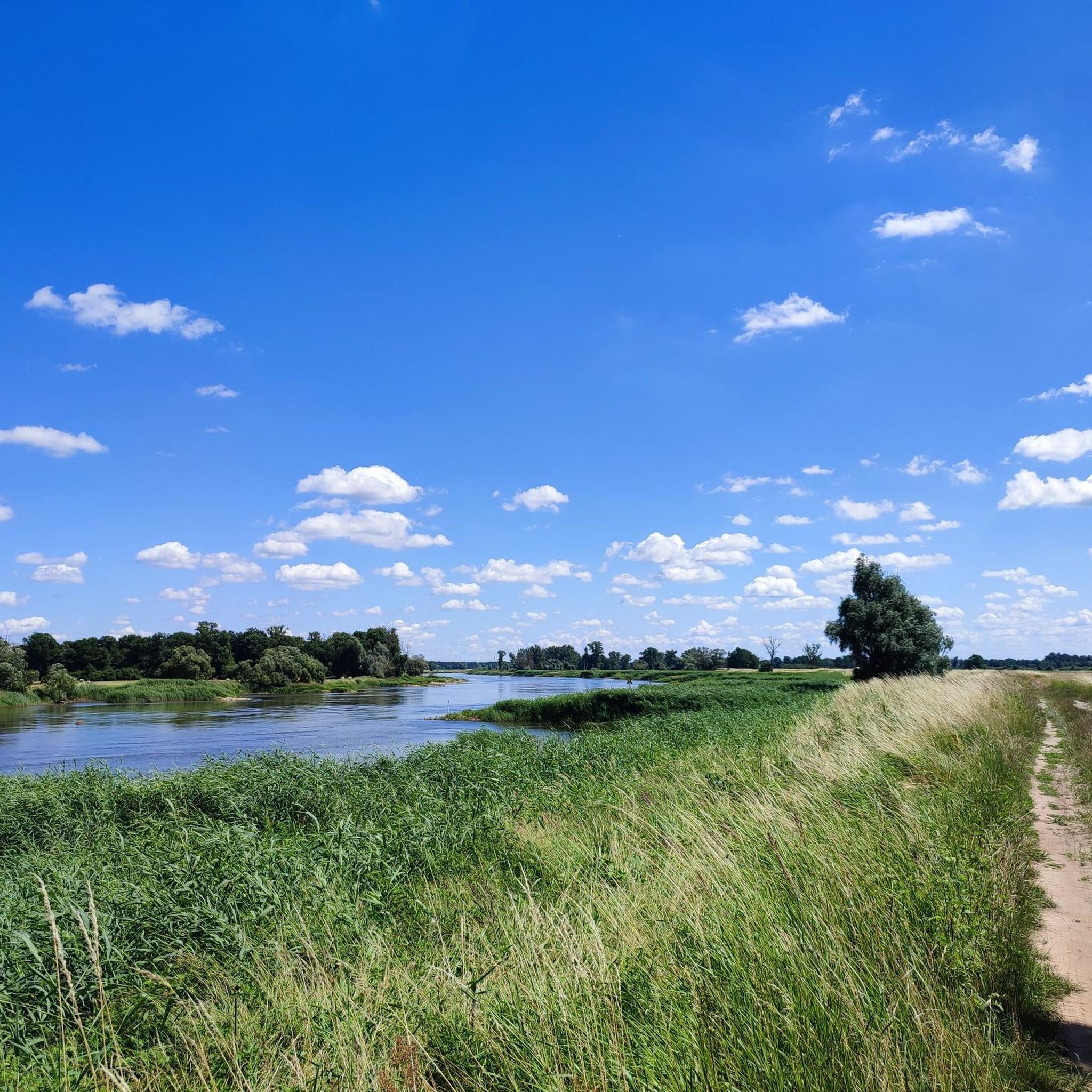
Otto Mulsch: An entrepreneur, trader and nature lover. For 20 years he was responsible for the Odra forest in which you are now. His work was appreciated by the people of Zielona Góra, who erected a commemorative stone in his honor in 1920.
0
0

Entrance to Gryżyńskie Uroczyska - there is a map of the educational trail with a good legend, a bridge that seems to invite you to cross, in a beautiful and classic Polish forest. By the way, the Polish word "uroczysko" means "part of the forest", often associated with some legend.
0
0

On March 22, 1841, at 3:30 p.m., the residents of Wilkanów working in the surrounding fields heard three strong booms similar to cannon shots. The explosion could be heard for many kilometers. Immediately afterward, a loud whistle could be heard, growing from the west, and something heavy fell nearby. In a small depression, witnesses found a 30-ounce stone (about 930 g). A second, smaller specimen was found later between the villages of Heinrichau and Schloin. The Wilkanów meteorite is a geologically gray veined chondrite, currently located in the most important geological museums in the world. On the 161st anniversary of that event, a three-ton boulder with a plaque commemorating the meteorite's fall was placed on a bend in the county road in Wilkanów.
1
0
This place, known to many residents of Zielona Góra, has been accompanying free time, games and family walks for over a hundred years. In the middle of the pond dammed up on Gęśnik, there was an artificial island on which an orchestra played. In the summer season you could go boating and swim. The restaurant served local wine from nearby farms. All this was forgotten, destroyed, abandoned. In 2013, the Louise Valley, named after the Prussian queen, came to life with a newly cleansed pond, fountain, walking paths, bridges and jetties.
0
0
Frequently Asked Questions
What types of natural monuments can I explore around Czerwieńsk?
Around Czerwieńsk, you can discover a diverse range of natural monuments. These include unique geological sites like the Wilkanów Meteorite Memorial, historical memorial stones nestled within forests such as the Otto Mülsch Memorial Stone, and ancient tree formations like the Oak Avenue in Nadleśnictwo Przytok. You can also visit serene water bodies like the Wagmostaw Pond and Fountain, and explore entrances to extensive forest areas such as the Entrance to Gryżyńskie Uroczyska.
Are there any natural monuments with historical significance in the area?
Yes, several natural monuments around Czerwieńsk have interesting historical connections. The Wilkanów Meteorite Memorial commemorates a significant celestial event from 1841. The Otto Mülsch Memorial Stone honors a nature lover and entrepreneur from the early 20th century. Additionally, the Oak Avenue in Nadleśnictwo Przytok features ancient oaks, some of which were historically named after local entrepreneurs, and the Wagmostaw Pond and Fountain has a history stretching back over a hundred years as a recreational spot.
Which natural monuments are suitable for families with children?
Many natural monuments in the region are family-friendly. The Otto Mülsch Memorial Stone is located in a forest, offering a pleasant walk. The Oak Avenue in Nadleśnictwo Przytok provides an easy trail through impressive trees. The Wagmostaw Pond and Fountain is a restored recreational area with walking paths. The Entrance to Gryżyńskie Uroczyska offers an educational trail and a beautiful forest setting, perfect for family exploration.
What kind of trails or paths can I find at these natural monuments?
You'll find various paths and trails. The Oak Avenue in Nadleśnictwo Przytok features a recreated gravel surface, ideal for a leisurely stroll. At the Entrance to Gryżyńskie Uroczyska, there's an educational trail with a map and a bridge, inviting you into a classic Polish forest. Many of these sites are also integrated into the broader network of trails throughout the Lubuskie province, known for its extensive forests.
What outdoor activities can I do near the natural monuments around Czerwieńsk?
The region around Czerwieńsk is excellent for various outdoor activities. You can enjoy cycling on numerous routes, including road cycling, touring, and mountain biking. For detailed routes and guides, check out the Road Cycling Routes around Czerwieńsk, Cycling around Czerwieńsk, and MTB Trails around Czerwieńsk guides. The extensive forests and river valleys also offer opportunities for hiking, angling, kayaking, and birdwatching.
Is it possible to access these natural monuments by public transport or find parking nearby?
While specific public transport details for each individual monument are not readily available, many natural areas in the Lubuskie province are accessible by car, often with designated parking areas. For instance, the Wilkanów Meteorite Memorial is located on a county road, suggesting roadside access. It's advisable to check local maps or visitor information for specific parking facilities when planning your visit to each site.
Are any of the natural monuments wheelchair accessible?
The Wilkanów Meteorite Memorial is noted as being wheelchair accessible, offering an opportunity for all visitors to experience this unique site. For other locations, accessibility may vary depending on the terrain and path conditions, especially in forested areas.
What is the best time of year to visit the natural monuments around Czerwieńsk?
The Lubuskie province, with its extensive forests and lakes, is beautiful throughout the year. Spring and autumn offer pleasant temperatures for hiking and cycling, with vibrant foliage changes. Summer is ideal for water-based activities at places like Wagmostaw Pond and exploring the forests. Even winter can be picturesque for quiet walks, though some paths might be less accessible depending on snow conditions.
Can I bring my dog to the natural monuments?
Generally, many natural areas in Poland, including forests and trails, are dog-friendly, provided dogs are kept on a leash and owners clean up after them. However, it's always best to check for specific regulations or signage at each individual natural monument or nature reserve, as rules can vary.
Are there any viewpoints or scenic spots among these natural monuments?
Yes, you can find scenic spots and viewpoints. The Wagmostaw Pond and Fountain offers a lovely viewpoint over the water. The Entrance to Gryżyńskie Uroczyska also serves as a viewpoint, providing a beautiful perspective of the surrounding forest landscape. The broader Lubuskie province is characterized by sandy hills and river valleys, offering many picturesque vistas.
What kind of wildlife might I encounter near these natural monuments?
The Lubuskie province is rich in biodiversity, with 48% of its area covered by forests. When visiting natural monuments like the Entrance to Gryżyńskie Uroczyska or the Oak Avenue in Nadleśnictwo Przytok, you might encounter various forest animals, birds, and insects. The region is known for birdwatching, especially around its numerous lakes and extensive woodlands.
Most popular attractions around Czerwieńsk

Get inspired with the komoot mobile app


Explore more
Extend your search for the best caves by checking out these guides of the top ones around Czerwieńsk:
