Top 3 Natural Monuments around Trzebiechów
Best natural monuments around Trzebiechów include ancient trees and historical natural sites. This region in Poland's Lubusz Voivodeship features a blend of ecological value and historical significance. The area is home to numerous natural monuments, including individual trees and surface monuments, reflecting a commitment to preserving its natural heritage.
Best natural monuments around Trzebiechów
- The most popular natural monuments is Otto Mülsch Memorial Stone, a man-made monument located within a forest. This stone commemorates Otto Mülsch, an entrepreneur and…
Last updated: July 13, 2026
Napoleon Oak
Highlight • Natural Monument
Translated by Google •
Tip by

Otto Mülsch Memorial Stone
Highlight • Monument
An entrepreneur, trader and nature lover. For 20 years he was responsible for the Odra forest in which you are now.
Translated by Google •
Tip by
Sign up now to discover places like this
Get recommendations on the best single tracks, peaks, & plenty of other exciting outdoor places.
Sign up for free
Oak Avenue in Nadleśnictwo Przytok
Highlight (Segment) • Natural Monument
Translated by Google •
Tip by
Wagmostaw Pond and Fountain
Highlight • Lake
Translated by Google •
Tip by
Scots Pine "Waligóra"
Highlight • Natural Monument
Showing Translation
Tip by

Start today with a free account
Your next adventure awaits.
Login or Signup

Tips from the Community

A specimen of Scots pine over 160 years old growing by national road no. 32 near Sulechów, in the area of Leśnictwo Klępsk. Access from the main road is well marked. There is a small parking lot next to the pine tree.
0
0

The Napoleon Oak (Dąb Napoleona) – a now-defunct natural monument, this English oak growing in Zabór was the thickest tree of its species in Poland. It burned down on November 15, 2010, most likely set on fire by vandals. Its circumference was 1,052 cm (at a height of 1.3 meters from the highest point of the tree's base). At 22 meters high, the oak is estimated to have been an acorn tree around 1300 (its age is 660-700 years). The tree had a large hollow inside that could accommodate a dozen people at once. The tree's habit was typical of trees growing in open spaces (a massive trunk and spreading crown) – different from, for example, the Białowieża oaks, such as the Car Oak or the Jagiełło Oak. Before the war, it was listed among 78 natural monuments in the Zielona Góra district. In 1920, the then Princess Hermine von Schönaich-Carolath of the Reuss family personally named the tree after Professor Theodor Schube (a German botanist and nature conservationist who studied Silesian natural monuments and authored, among other works, the Waldbuch von Schlesien). After her husband's death, the Princess became the second wife of former Emperor Wilhelm II in 1922, receiving the title of Empress. This brought the oak fame both locally and throughout Silesia. In 1936, the tree was listed in the "Book of Nature Conservation" kept by the starost of Zielona Góra. The tree's Polish name comes from a legend that Napoleon Bonaparte rested under its branches after crossing the Oder River during his expedition to Russia in 1812. Before it finally burned down, the oak was set on fire several times by vandals.
0
0
Oak Alley by the former summer gazebo, of which there is no trace today. At least two of the oaks in the alley were commemorated with their names. The stones buried under them with the names of the trees have been preserved. On the stone under one of the oaks, "Förster Eiche" was carved. The second stone under another oak has the inscription "Martini Eiche". These stones commemorate two entrepreneurs from Zielona Góra. In 2025, the alley was recreated by pouring a gravel surface. Unfortunately, during this work, both stones were damaged.
0
0
Otto Mulsch: An entrepreneur, trader and nature lover. For 20 years he was responsible for the Odra forest in which you are now. His work was appreciated by the people of Zielona Góra, who erected a commemorative stone in his honor in 1920.
0
0
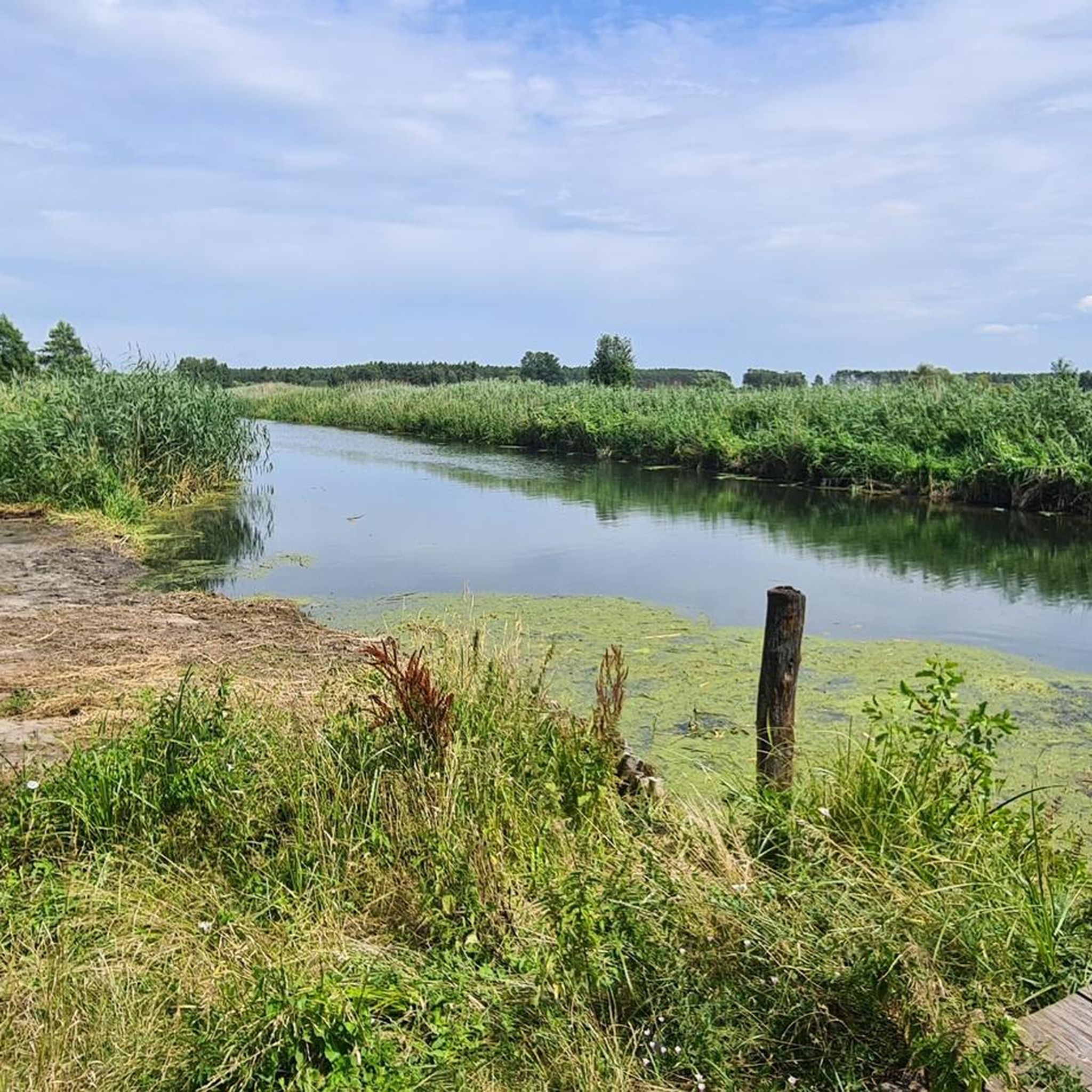
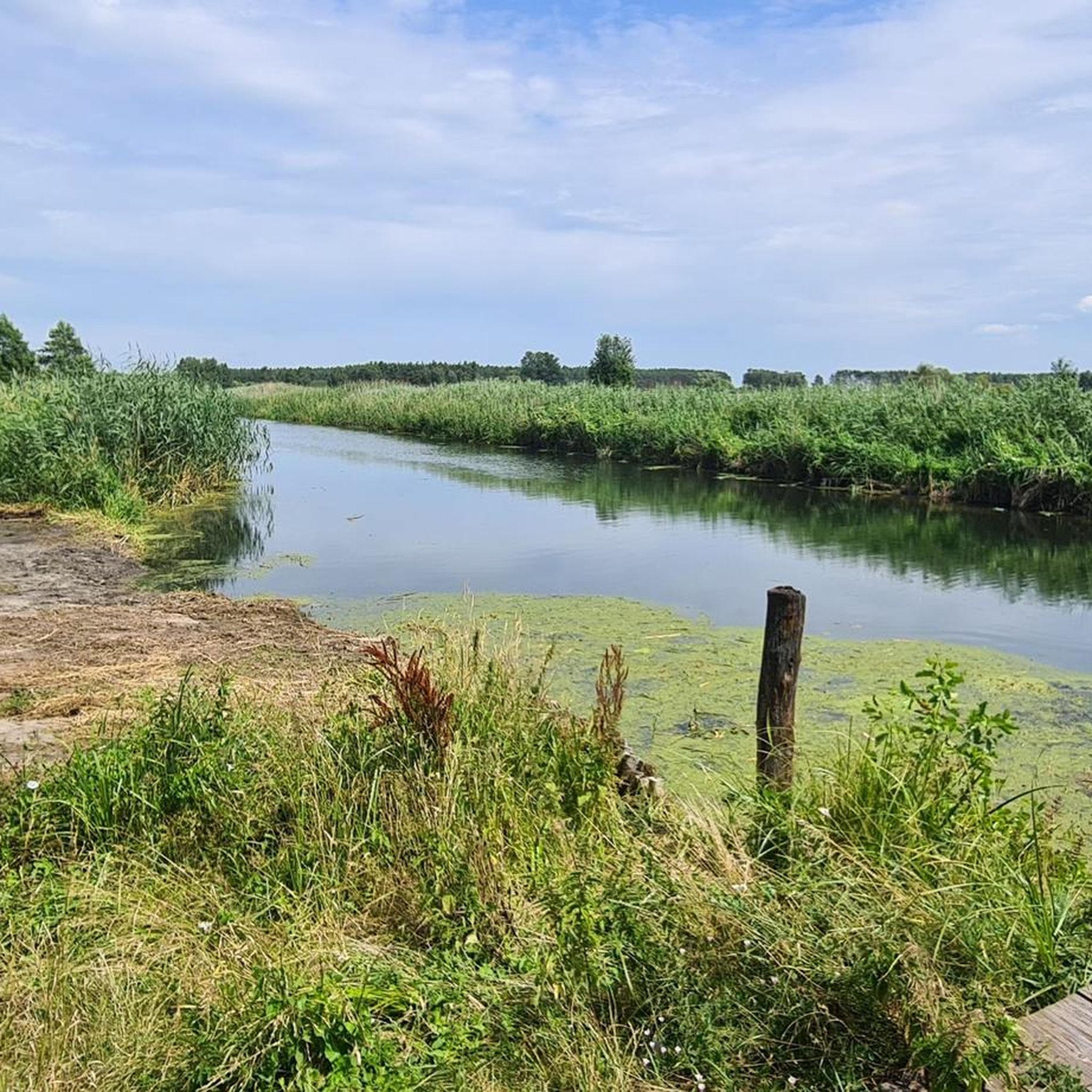
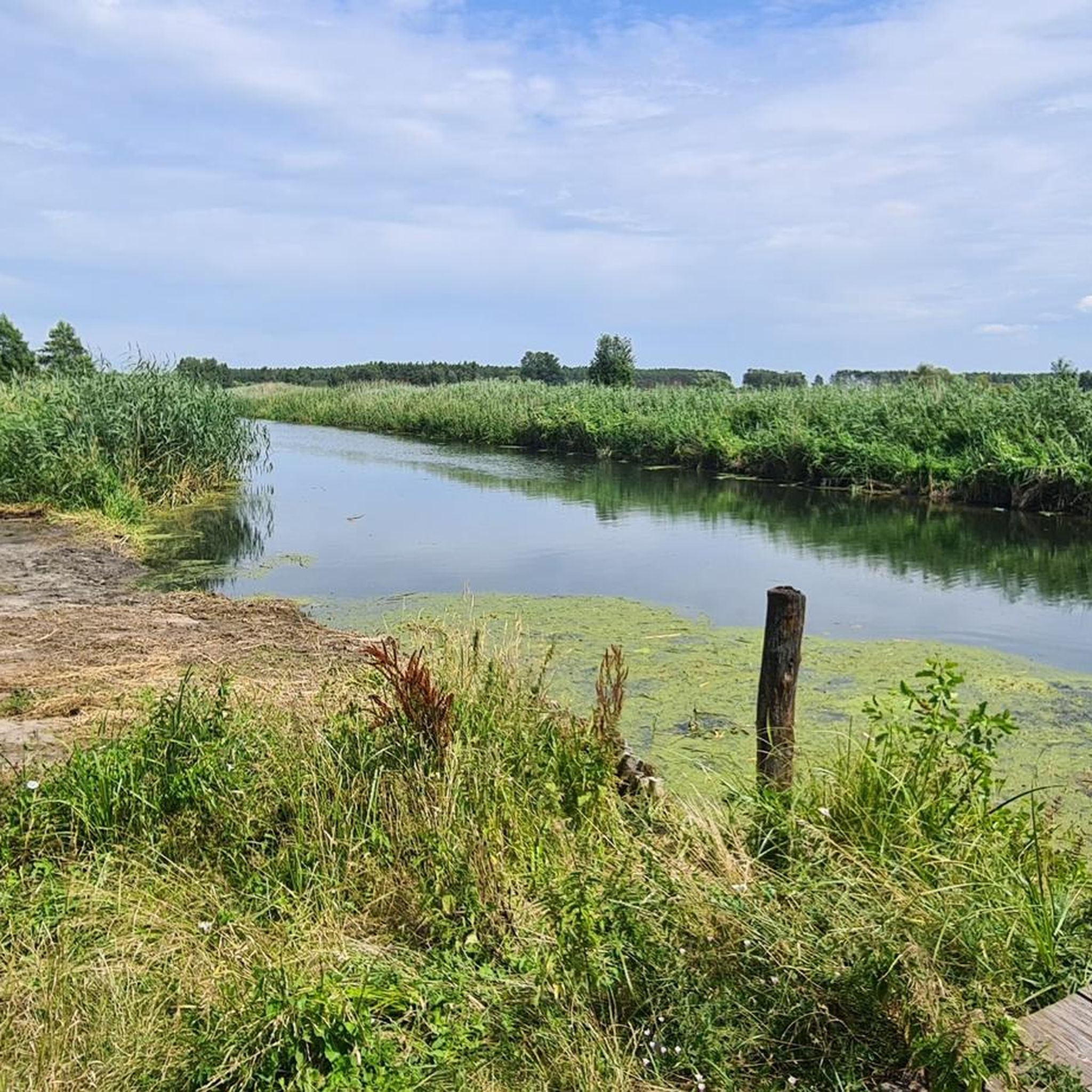
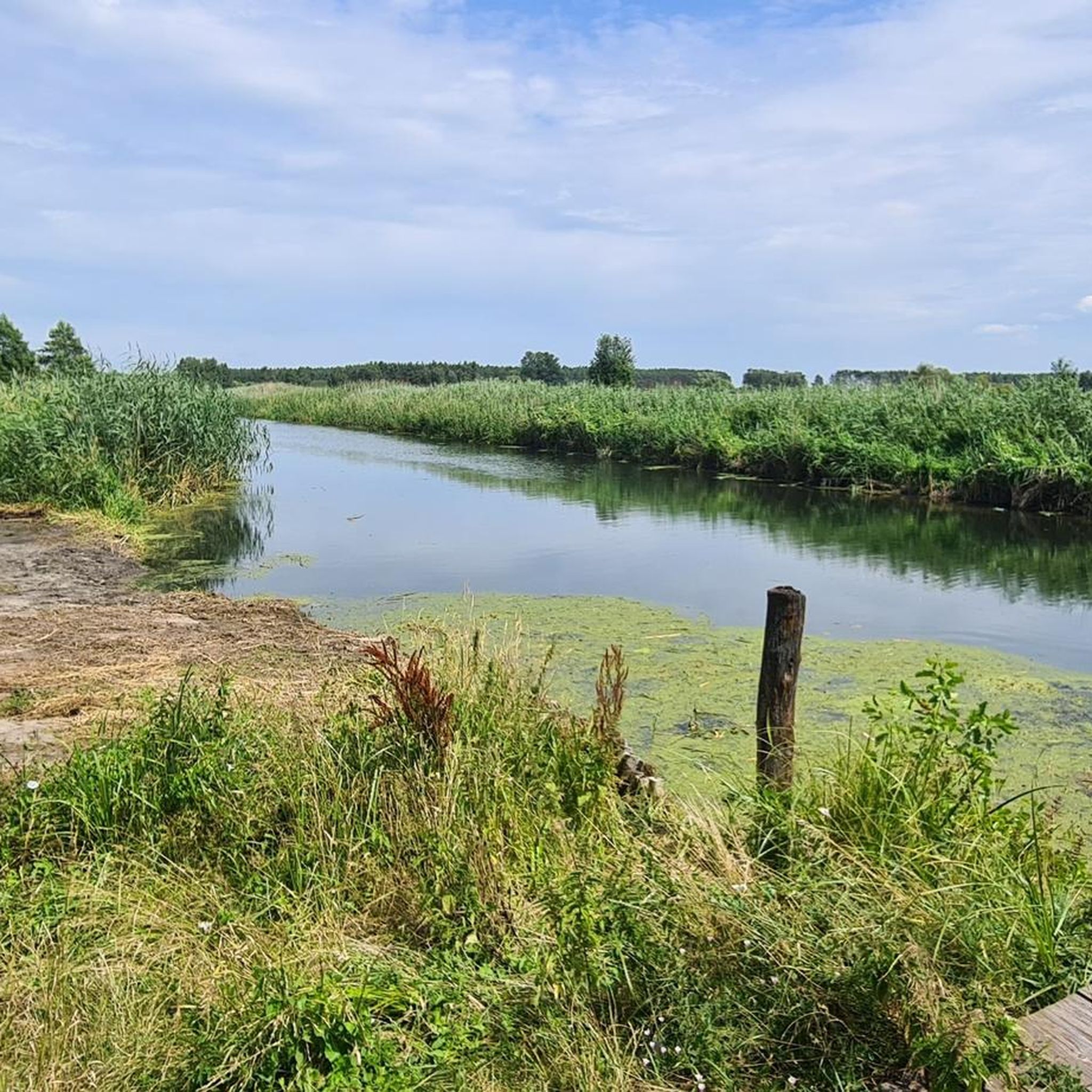
This place, known to many residents of Zielona Góra, has been accompanying free time, games and family walks for over a hundred years. In the middle of the pond dammed up on Gęśnik, there was an artificial island on which an orchestra played. In the summer season you could go boating and swim. The restaurant served local wine from nearby farms. All this was forgotten, destroyed, abandoned. In 2013, the Louise Valley, named after the Prussian queen, came to life with a newly cleansed pond, fountain, walking paths, bridges and jetties.
0
0
Frequently Asked Questions
What are the most significant natural monuments to visit around Trzebiechów?
The region around Trzebiechów is home to several notable natural monuments. You can explore the historic Oak Avenue in Nadleśnictwo Przytok, known for its ancient oaks, some with historical names. Another significant site is the Wagmostaw Pond and Fountain, a revitalized historical recreational area. While no longer standing, the legendary Napoleon Oak in Zabór holds historical importance as one of Poland's thickest oaks.
Are there any family-friendly natural monuments or activities in the Trzebiechów area?
Yes, several natural monuments are suitable for families. The Oak Avenue in Nadleśnictwo Przytok offers a pleasant, easy walk through ancient trees. The revitalized Wagmostaw Pond and Fountain provides walking paths and a serene environment perfect for leisurely strolls with children. The Scots Pine "Waligóra" is also easily accessible with a small parking lot nearby, making it a quick and interesting stop for families.
What kind of historical significance do the natural monuments in Trzebiechów hold?
Many natural monuments in the Trzebiechów region are intertwined with local history. The Oak Avenue in Nadleśnictwo Przytok features oaks historically named after local entrepreneurs. The Wagmostaw Pond was once part of the 'Luiza Valley,' named after a Prussian queen, and served as a popular recreational spot for over a century. Even the now-lost Napoleon Oak carried a legend of Napoleon Bonaparte resting beneath its branches.
Are there any specific natural monuments that are easily accessible by car with parking options?
Yes, the Scots Pine "Waligóra" is conveniently located near national road no. 32, with a small, well-marked parking lot right next to it, making it very easy to access.
What outdoor activities can I do near the natural monuments around Trzebiechów?
The area around Trzebiechów offers various outdoor activities. You can enjoy cycling on routes like the 'Oder Bridge in Cigacice – Odra River Loop Trail' or 'Sulechów Market Square – Oder Bridge Tschicherzig loop' from the Cycling around Trzebiechów guide. For gravel biking, explore routes such as 'Szutroza - Route of Lubuskie Vineyards' or 'Sulechów Market Square – Sulechów Castle loop' from the Gravel biking around Trzebiechów guide. Road cycling options include routes like '52nd Parallel North Marker – Church in Pomorsko loop' from the Road Cycling Routes around Trzebiechów guide.
Can I find any unique or lesser-known natural attractions in the Trzebiechów area?
Beyond the well-known sites, the broader Sulechów Forest District, which includes Trzebiechów, boasts 40 natural monuments. These include numerous individual trees and groups of trees, such as sessile oaks with impressive circumferences of over 4 meters, standing as ancient testaments to the region's ecological richness. While not all are widely publicized, exploring the forest districts can reveal these hidden natural gems.
What is the best season to visit the natural monuments in Trzebiechów?
The natural monuments around Trzebiechów can be enjoyed throughout the year, but each season offers a different experience. Spring brings fresh greenery and blossoms, while summer is ideal for leisurely walks and enjoying the revitalized Wagmostaw Pond. Autumn showcases vibrant foliage, especially along the Oak Avenue, and winter offers a serene, often snowy, landscape for quiet contemplation.
Are there any natural monuments that are particularly good for spotting wildlife?
Areas like the Oak Avenue in Nadleśnictwo Przytok and the forests surrounding the Wagmostaw Pond provide natural habitats for various local wildlife. While specific sightings are never guaranteed, these forested and wetland areas are generally good spots for birdwatching and observing smaller forest creatures, especially during quieter times of the day.
What kind of trees are commonly found as natural monuments in the Trzebiechów region?
The Trzebiechów region is particularly known for its ancient oaks. The Oak Avenue in Nadleśnictwo Przytok is a prime example, featuring mature oaks. Additionally, the broader Sulechów Forest District designates many sessile oaks (Quercus robur) as natural monuments, some reaching impressive sizes. The Scots Pine "Waligóra" also stands out as a significant natural monument.
Is there public transport available to reach the natural monuments around Trzebiechów?
While specific public transport routes directly to every natural monument might be limited, Trzebiechów itself is accessible by local bus services. From the village, you may need to walk or arrange for local transport to reach some of the more secluded natural monuments. Planning your visit in advance is recommended to check the most current local transport options.
Are there any specific regulations or permits needed to visit the natural monuments or trails?
Generally, no special permits are required to visit the natural monuments or walk on designated trails in the Trzebiechów area. However, visitors are always encouraged to respect nature, stay on marked paths, and follow any local signage regarding conservation or access. Always ensure you leave no trace and protect the natural environment.
Most popular attractions around Trzebiechów

Get inspired with the komoot mobile app


Explore more
Extend your search for the best caves by checking out these guides of the top ones around Trzebiechów:
