Top 20 Natural Monuments around Liszki
Natural monuments around Liszki, Poland, are characterized by unique geological formations and diverse natural landscapes within areas like the Tenczyn Landscape Park. The region features significant karst gorges, distinctive rock formations, and varied plant communities. These sites offer opportunities to explore natural beauty and geological significance. Liszki's natural attractions provide insight into the area's ecological and geological heritage.
Best natural monuments around Liszki
- The most popular natural monuments is Piłsudski Mound, a man_made_monument that offers a wide panorama of…
Last updated: June 29, 2026
Planty Park in Kraków
Highlight • Forest
The Planty Park was …
Translated by Google •
Tip by

Piłsudski Mound
Highlight • Monument
Translated by Google •
Tip by

Sign up now to discover places like this
Get recommendations on the best single tracks, peaks, & plenty of other exciting outdoor places.
Sign up for free
Krakus Mound
Highlight • Viewpoint
Translated by Google •
Tip by
Kmita Rock
Highlight • Natural Monument
Translated by Google •
Tip by

Our Lady of the Rock
Highlight • Religious Site
Translated by Google •
Tip by
Sign up for free to discover even more natural monuments around Liszki.
Sign up for free
Already have an account?
Start today with a free account
Your next adventure awaits.
Login or Signup

Tips from the Community

Calmly, even on hot days, many trails in the forest are in the shade.
0
0

Now part of the Collection https://www.komoot.com/de-de/collection/3600632/-naturdenkmaeler-besondere-baeume-und-weitere-schaetze-der-natur
1
0

You can also start from Wawel or Salwator.
0
0
Historic Mounds. Kościuszko Mound is right next to the route. Piłsudski Mound, which is accessible only by bike. Along the way, there's the Zoo and Sikornik Mountain with a beautiful view. You can also start from Wawel Castle or Salwator.
0
0

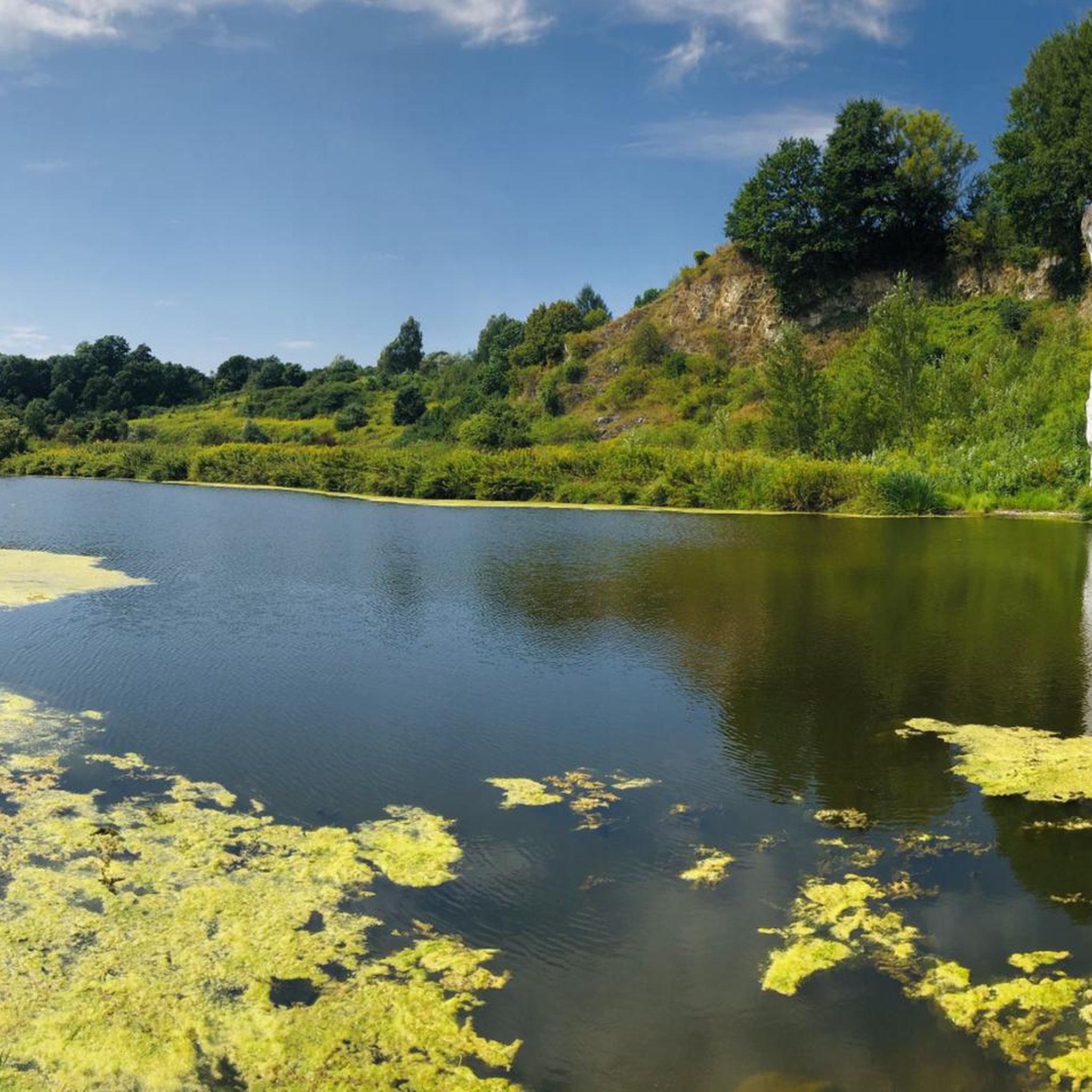
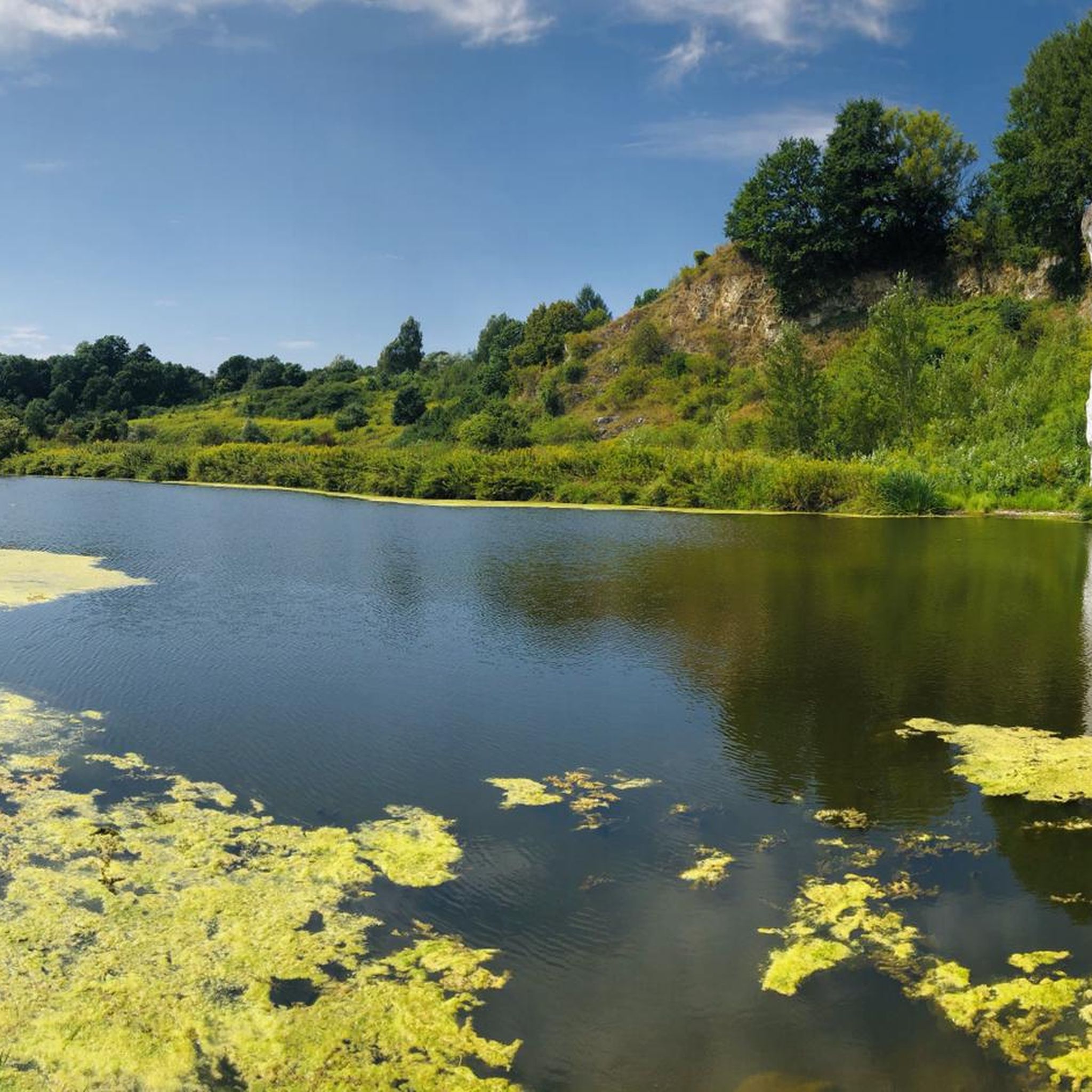
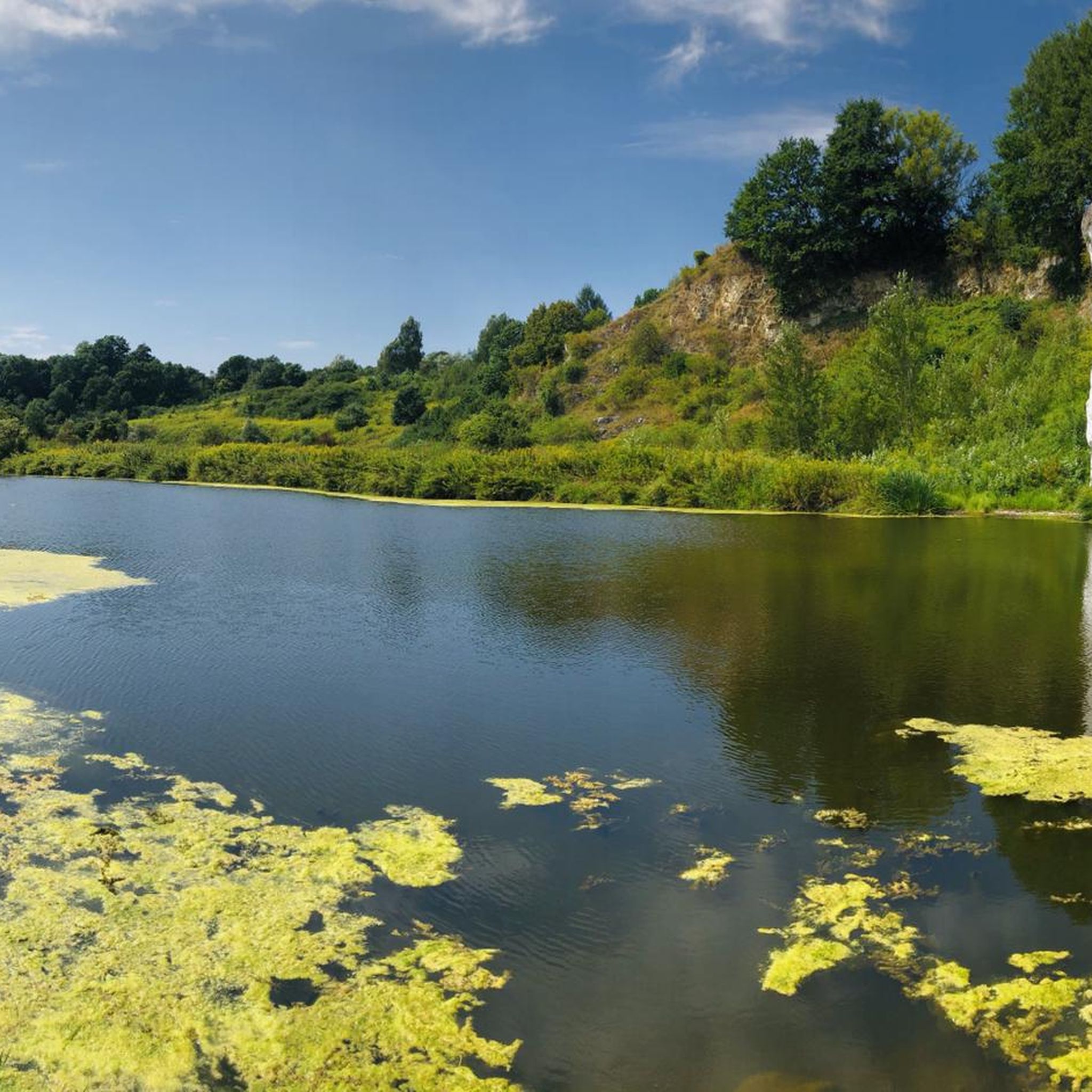
The name of the rock comes from the knight Kmita, who, according to a legend from the early 16th century, fell unhappily in love with the beautiful Olimpia Bonerowna, the daughter of the then owner of Balice. Unable to marry her, he threw himself and his horse off the rock in despair, dying on the spot. Bonerówna was supposedly given to a convent. There is a cross at the place where he jumped. An old inscription (renovated in 2016) carved on the rock a few meters above the road reads: Who with heart will come here, Having courage on that day, That can also have joy; And who with heart will come here, Has sorrow on that day, That can also have peace. This is a fragment of a poem by Adam Gorczyński. There is another inscription on the rock: With this animal's rhythm here fresh The painful heart of the lonely rock Stanisław Kmita, armed knight In battle with the Tatars, with a mighty sabre Towards Bonerów he turned his heart And from this rock here into the abyss he threw himself 1515. The author of this sentence is Wincenty Pol. Both inscriptions were carved in 1854. (Wikipedia)
0
0

The Piłsudski Mound in Krakow is the largest of the Krakow mounds, located on Sowiniec Hill in the Wolski Forest. From its peak there is a wide panorama of the city and the surrounding mountain ranges, making it a great place for a walk and outdoor relaxation. Forest paths lead to the mound, which are suitable for both hiking and cycling. The ascent to the mound is gentle, but due to the length of the route from the parking lot, it is worth taking comfortable shoes. It is good to have water with you, because there is no shop or catering on site.
1
0

A charming place, worth coming for the sunset. You can also go there by bike 😉
0
0
Frequently Asked Questions
What are the most popular natural monuments around Liszki?
Visitors frequently enjoy the Piłsudski Mound, which offers extensive panoramic views from its peak. Another highly regarded site is Tenczyn Castle, a 14th-century ruin set in a beautiful natural environment. Planty Park in Kraków, a large city park surrounding the Old Town, is also a popular natural monument.
Are there family-friendly natural monuments in the Liszki area?
Yes, several natural monuments are suitable for families. The Piłsudski Mound is considered family-friendly, with a well-maintained park and playground nearby. The Krakus Mound also offers an accessible experience for families with great views.
What kind of natural features can I expect to see around Liszki?
The Liszki region is known for its unique geological formations and diverse natural landscapes. You can explore significant karst gorges, distinctive rock formations, and varied plant communities. Notable examples include the Zimny Dół Reserve with its robust ivy and unique rock formations, and the Mnikowska Valley Nature Reserve, famous for its karst gorge, exposed rocks, shelters, and caves.
What historical or cultural sites are integrated with the natural monuments?
Many natural monuments in the Liszki area have historical significance. The Piłsudski Mound and Krakus Mound are ancient burial mounds offering historical context. Tenczyn Castle is a 14th-century ruin. In the Mnikowska Valley Nature Reserve, you can find an altar with a large painting of Our Lady of Skalska from 1863 within a rock niche, adding a cultural and spiritual element to the natural landscape.
Are there easy hiking trails near the natural monuments?
Yes, there are several easy hiking trails. For instance, the Zimny Dół Reserve Trail is an easy 2.2 km path, and the Mnikowska Valley Reserve offers an easy 1.1 km route. You can find more options in the Easy hikes around Liszki guide.
What outdoor activities can I do near these natural monuments?
Beyond exploring the natural monuments themselves, you can enjoy various outdoor activities. The area offers numerous hiking opportunities, including easy trails in the Zimny Dół and Mnikowska Valley Reserves. For cyclists, there are road cycling routes and MTB trails, with options ranging from easy to difficult, allowing you to discover the wider landscape.
What is the best time to visit the natural monuments around Liszki?
The natural monuments around Liszki, particularly the reserves like Zimny Dół and Mnikowska Valley, are beautiful year-round. Spring and autumn offer pleasant temperatures and vibrant foliage, making them ideal for hiking and exploring the diverse plant communities. Summer is also great for outdoor activities, while winter can provide a unique, serene experience, especially with snow-covered landscapes.
Are there any natural monuments with unique flora or fauna?
Absolutely. The Zimny Dół Reserve is notable for its exceptionally robust, flowering, and fruiting ivy (Hedera helix), as well as patches of alder carrs, hornbeam forests, and xerothermic grasslands. The Mnikowska Valley Nature Reserve is a sanctuary for 17 protected plant species, including sword-leaved helleborine, mezereon, martagon lily, common foxglove, and lily of the valley, making it a rich spot for botanical observation.
Is there parking available near the natural monuments?
While specific parking details for every monument are not always listed, areas like the Piłsudski Mound are accessible, and forest paths leading to it are suitable for visitors. For the nature reserves, it's advisable to check local signage or visitor information for designated parking areas, as they are typically set up to accommodate visitors exploring the trails.
What do visitors enjoy most about the natural monuments in Liszki?
Visitors particularly appreciate the stunning panoramic views from sites like the Piłsudski Mound and Krakus Mound. The unique geological formations and diverse plant life in reserves such as Zimny Dół and Mnikowska Valley are also highly valued for their scientific and scenic beauty. The combination of natural beauty with historical elements, like Tenczyn Castle, offers a rich and varied experience.
Are there any natural monuments that are wheelchair accessible?
Yes, Planty Park in Kraków is listed as wheelchair accessible. This city park offers a pleasant experience for all visitors, with paved paths surrounding the Old Town.
Can I find any hidden gems among the natural monuments in Liszki?
While not explicitly 'hidden,' the Kmita Rock offers a unique blend of natural beauty and local legend. This rock formation is associated with a tragic love story and features old inscriptions, providing a fascinating and less commonly highlighted experience compared to the larger, more prominent sites.
Most popular routes around Liszki
Most popular attractions around Liszki

Get inspired with the komoot mobile app


Explore more
Extend your search for the best caves by checking out these guides of the top ones around Liszki:
