Top 4 Natural Monuments around Magnuszew
Best natural monuments around Magnuszew feature a landscape shaped by the Vistula River and its surrounding forests. The area is recognized for its natural protection, including designated natural monuments and reserves. Visitors can explore various natural attractions, from ancient trees within historic parklands to significant forest ecosystems. These natural features contribute to the region's ecological and historical character.
Best natural monuments around Magnuszew
- The most popular natural monuments is Guść Nature Reserve, a forest that preserves a mosaic of…
Last updated: July 13, 2026
Guść Nature Reserve
Highlight • Forest
Translated by Google •
Tip by

Józef Piłsudski Mound – Monument of the Battle of Warsaw
Highlight • Monument
Translated by Google •
Tip by
Sign up now to discover places like this
Get recommendations on the best single tracks, peaks, & plenty of other exciting outdoor places.
Sign up for free
Dęby Biesiadne Nature Reserve
Highlight • Forest
Translated by Google •
Tip by
Czerwony Krzyż Nature Reserve
Highlight • Forest
The main roads in the protected area are rather inaccessible. Lots of fallen trees. …
Translated by Google •
Tip by

Start today with a free account
Your next adventure awaits.
Login or Signup
Tips from the Community

I had a flat tire there so be careful
0
0

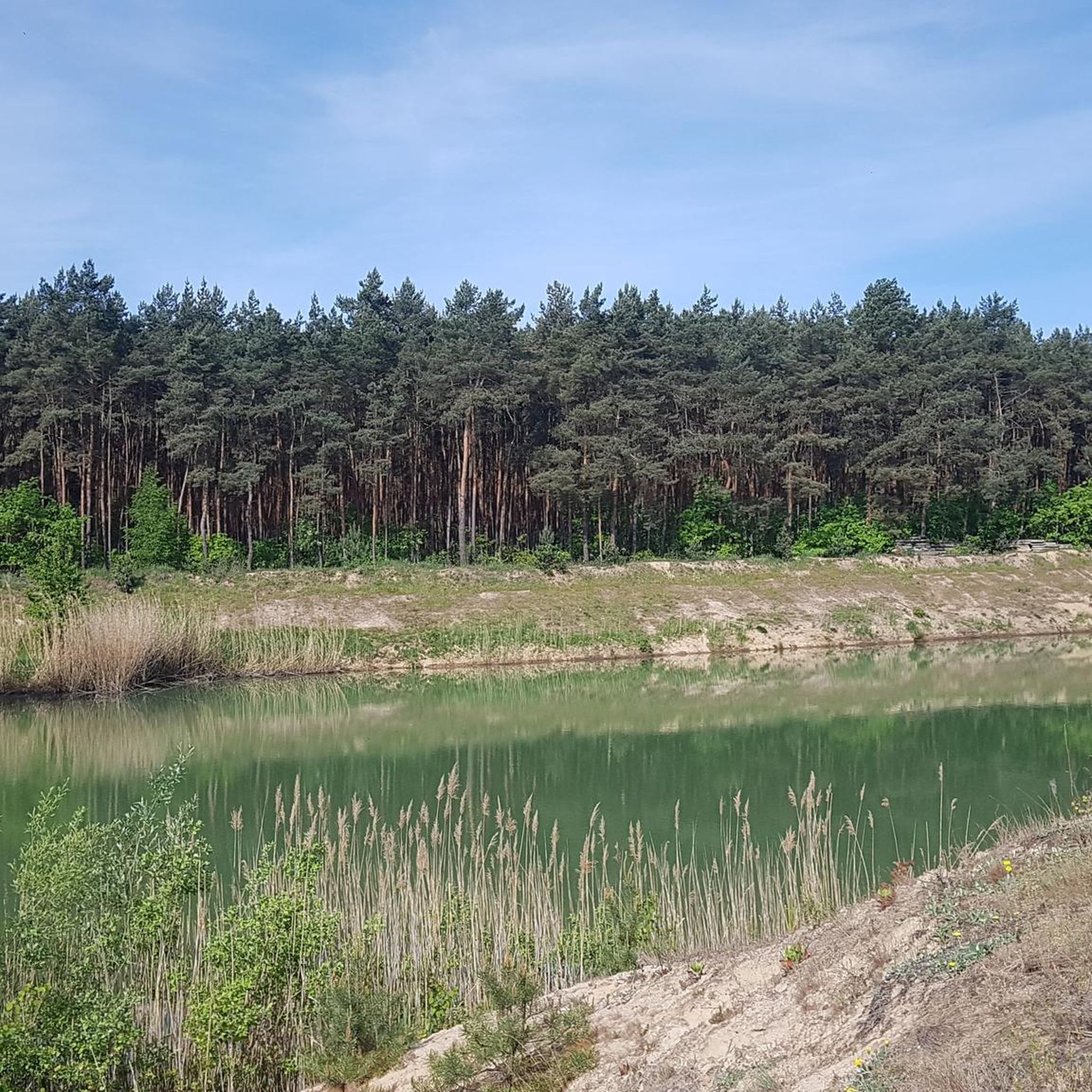
The purpose of protection is to preserve one-sided taiga positions. The reserve was established in 1990. The main roads in the protected area are rather inaccessible. Lots of fallen trees. More to walk around. The roads bordering the reserve are easily passable.
0
0

Behind the mound there is a beautiful view of the Radomka backwaters.
0
0
By bike you will reach the board, then rather on foot.
0
0

Józef Piłsudski Mound with a commemorative plaque, inscription on the plaque: To the Victorious Soldiers of the Battle of Warsaw, defenders of the homeland and faith in tribute - Piłsudczycy 1993.08.15
0
0
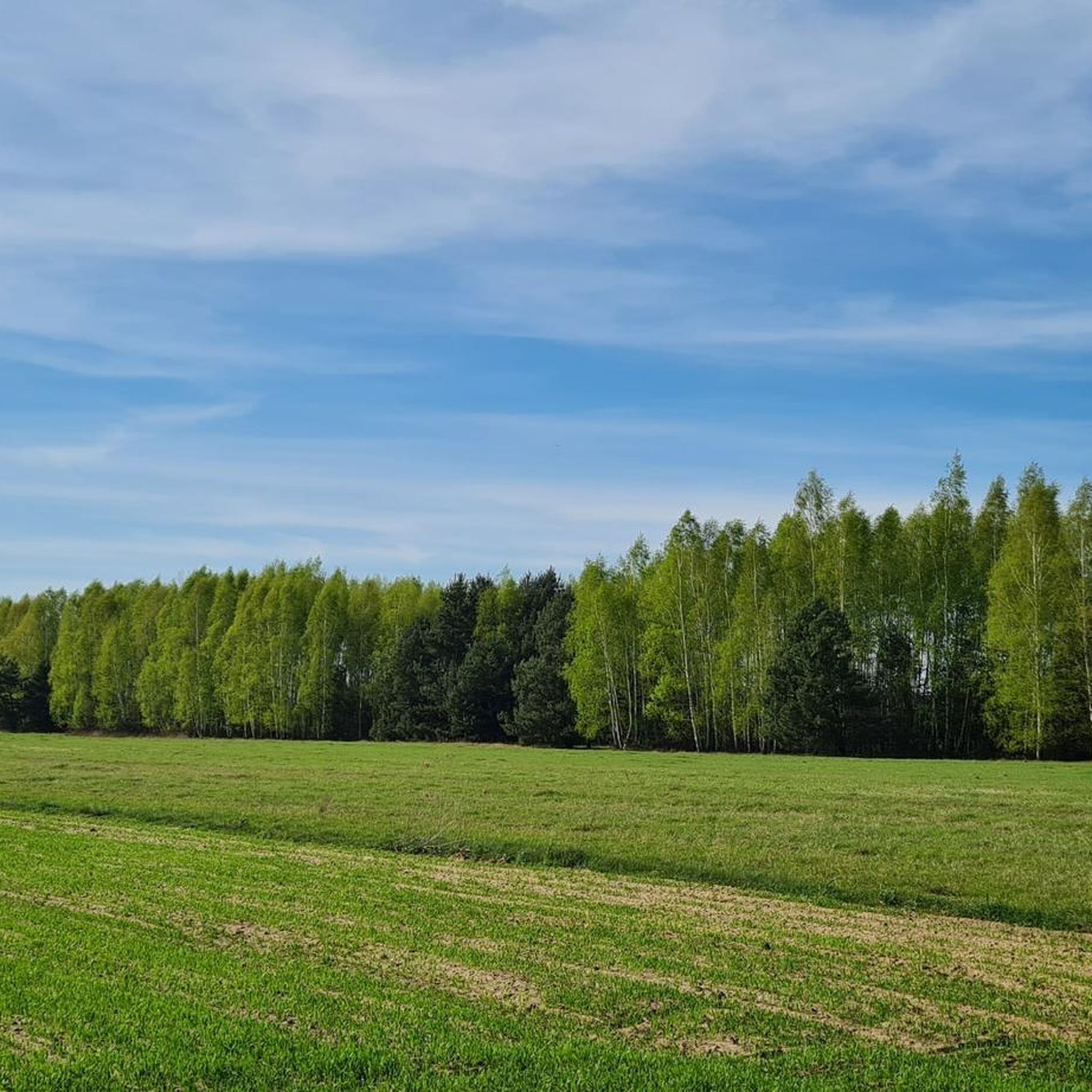
The nature reserve “Dęby Biesiadne im. Mariana Pulkowski" - was established in 2006 by the Regulation of the Mazowieckie Voivode No. 19 of August 8, 2006 in order to preserve natural typical hailstones (Tilio-Carpinetum typicum). The total area of the reserve is 17.20 ha, including land related to farming forest area is 0.31 ha, the dominant forest habitat is Lśw, and the BMśw, Lw and LMw habitats are also listed.
0
0
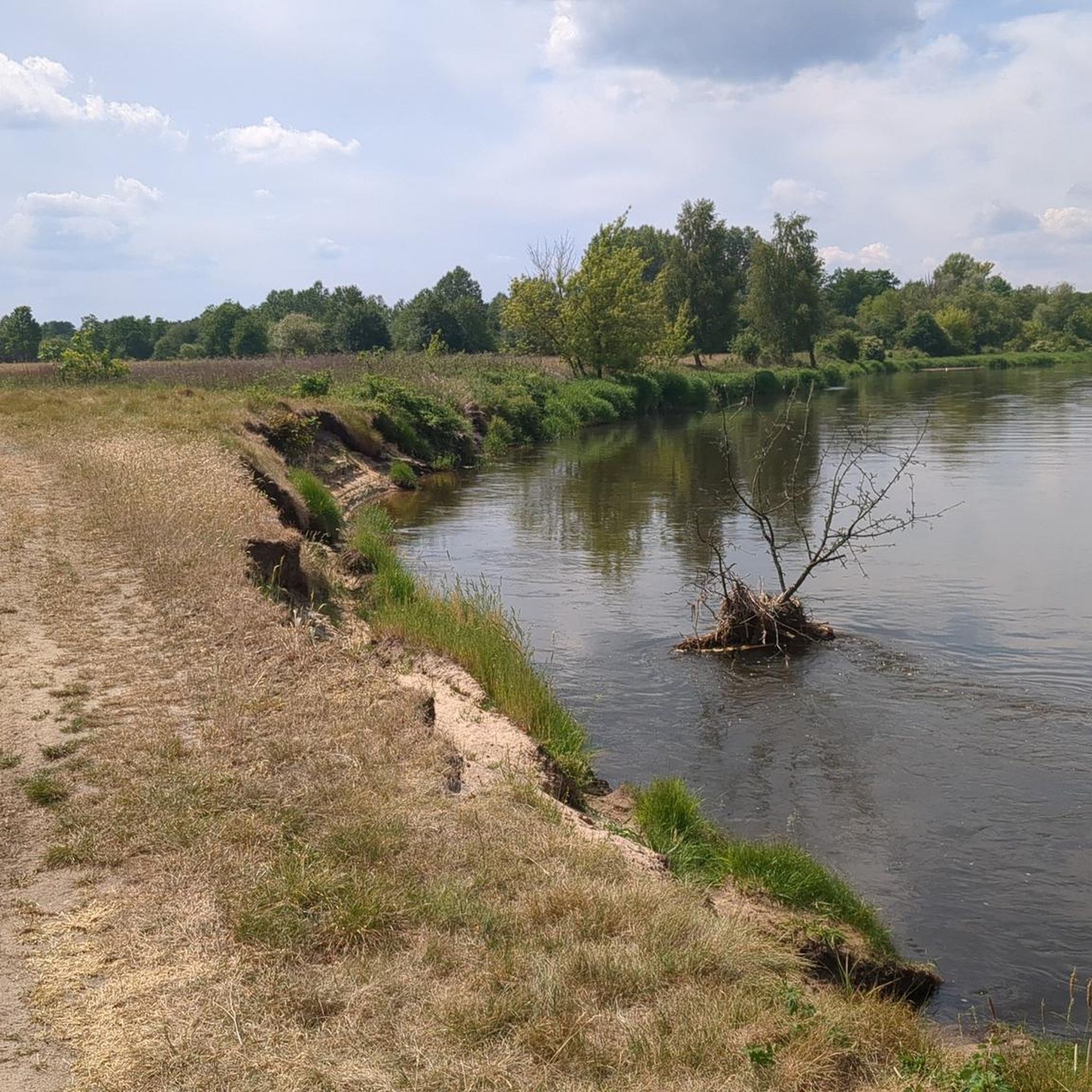
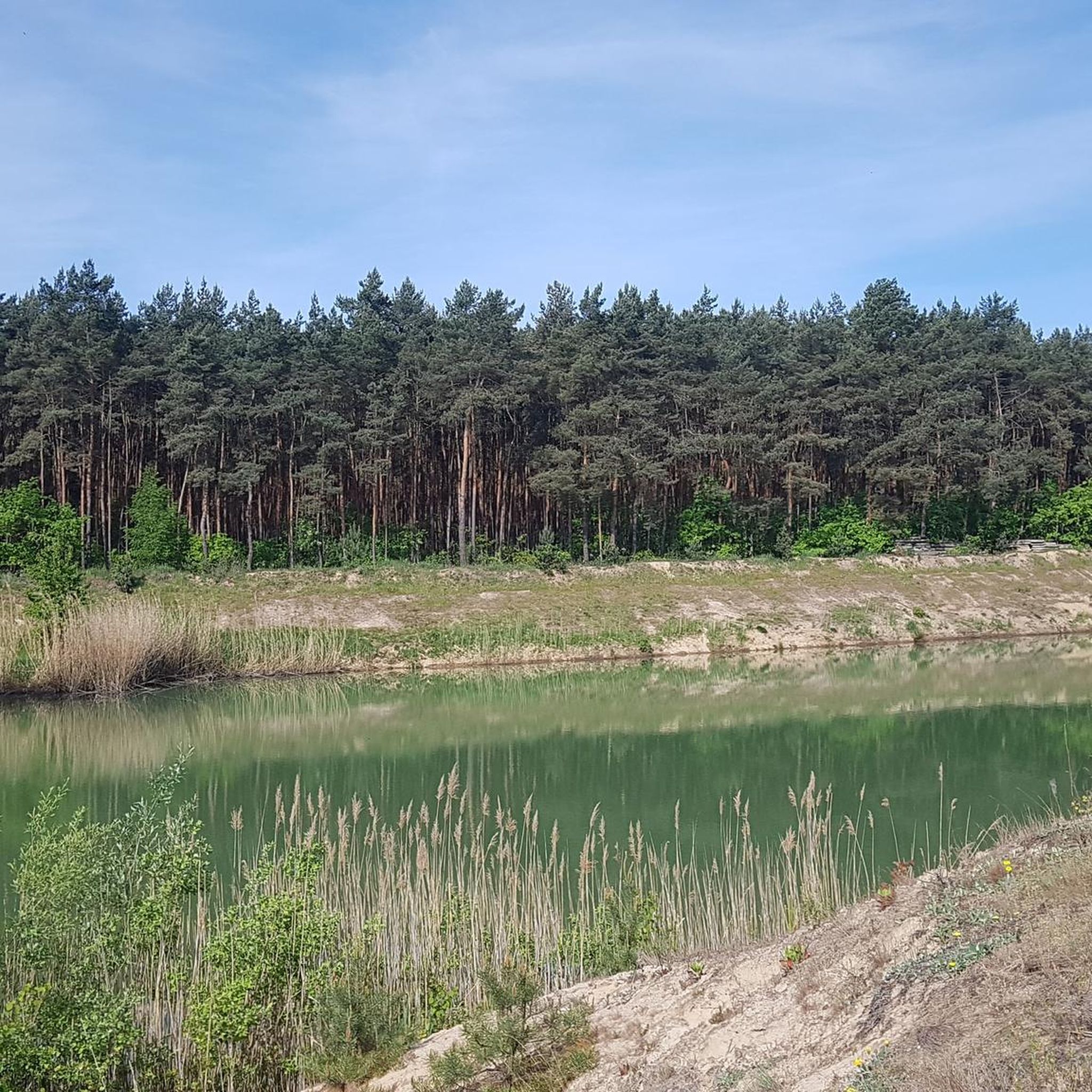
The "Guść" reserve - with an area of 87.07 ha, it is the youngest reserve of the Kozienicka Primeval Forest. It was established by the Regulation No. 79 of the Mazowieckie Province Governor of September 11, 2002 (Journal of Laws of the Mazowieckie Province of 2002, item 6182). The current legal basis for the existence of this reserve is the Order of the Regional Director for Environmental Protection in Warsaw of April 10, 2017 (Journal of Laws of the Mazovia Province of 2017, item 3955). The aim of the reserve protection is to preserve the mosaic of forest habitats growing on the geologically and geomorphologically diversified terrace of the Vistula River. The ash alder covers the largest area here, which along with the abovementioned ash-alder riparian forest, which is the natural habitat of 91E0, is the most valuable part of the reserve. These habitats are located in a local depression filled with river sands with low peats in places. There are alder stands of various, sometimes advanced ages here. They are surrounded by dunes made of aeolian sands, overgrown with pine trees, mostly over 100 years old, with an admixture of oak and birch.
0
0
Frequently Asked Questions
What types of natural monuments can I expect to see around Magnuszew?
The Magnuszew area features a variety of natural monuments, primarily focusing on significant forest ecosystems and ancient trees. You'll find nature reserves preserving unique forest habitats, such as ash-alder riparian forests and hornbeam stands. Additionally, there are historical sites that have also been designated as natural monuments, like the Józef Piłsudski Mound.
Are there any significant old trees designated as natural monuments in the area?
Yes, in the nearby village of Trzebień, the park surrounding the Pałac Zamoyskich (Zamoyski Palace) is home to numerous old trees recognized as natural monuments. These ancient trees contribute to the historical and natural landscape, offering a serene environment for walks.
What kind of forest reserves are there to explore near Magnuszew?
You can explore several forest reserves. The Guść Nature Reserve is known for its mosaic of forest habitats, including ash-alder riparian forests. Another is the Dęby Biesiadne Nature Reserve, established to preserve natural hornbeam stands. There's also the Czerwony Krzyż Nature Reserve, which protects one-sided taiga positions.
What makes the <a href="https://www.komoot.com/highlight/5271093" target="_blank" rel="noopener">Guść Nature Reserve</a> unique?
The Guść Nature Reserve is notable for preserving a mosaic of forest habitats on the geologically and geomorphologically diversified terrace of the Vistula River. It features extensive ash-alder riparian forests and older alder stands, which are considered the most valuable parts of the reserve.
Are there any historical natural monuments in the Magnuszew region?
Yes, the Józef Piłsudski Mound – Monument of the Battle of Warsaw is a significant historical site that also holds natural monument status. It commemorates the victorious soldiers of the Battle of Warsaw and offers views of the Radomka backwaters.
Are the natural monuments around Magnuszew suitable for families with children?
Yes, some natural monuments are considered family-friendly. For instance, both the Dęby Biesiadne Nature Reserve and the Józef Piłsudski Mound are categorized as family-friendly, offering accessible environments for a family outing.
What outdoor activities can I do near these natural monuments?
The area around Magnuszew offers various outdoor activities. You can find numerous routes for hiking, cycling, and road cycling. These routes often pass through or near the natural monuments and forest reserves, allowing you to combine nature exploration with physical activity.
Are there hiking trails near the natural monuments?
Yes, there are several hiking opportunities. You can find various hiking routes around Magnuszew, ranging from easy to moderate difficulty. These trails provide access to the natural beauty of the region, including areas around the forest reserves.
What should I know about accessibility when visiting the nature reserves?
While many areas are generally accessible for walking, some reserves might have challenging terrain. For example, in the Czerwony Krzyż Nature Reserve, the main roads within the protected area can be inaccessible with many fallen trees, making it more suitable for walking around its borders rather than through its core.
What do visitors enjoy most about the natural monuments around Magnuszew?
Visitors appreciate the serene natural environments, the historical significance of sites like the Józef Piłsudski Mound, and the opportunity to explore diverse forest habitats. The ancient trees in Trzebień and the unique ecosystems of reserves like Guść offer a peaceful escape and a glimpse into the region's natural heritage.
Can I visit the natural monuments by bike?
While some areas are accessible by bike, it's important to check specific conditions. For instance, at Dęby Biesiadne Nature Reserve, you can reach the entrance by bike, but further exploration might require walking due to terrain. There are many cycling routes around Magnuszew that can take you close to these natural sites.
Are there any geological features to observe among the natural monuments?
The Guść Nature Reserve, for example, is situated on a geologically and geomorphologically diversified terrace of the Vistula River. This includes local depressions filled with river sands and dunes made of aeolian sands, which contribute to the varied forest habitats found there.
Most popular attractions around Magnuszew

Get inspired with the komoot mobile app


Explore more
Extend your search for the best caves by checking out these guides of the top ones around Magnuszew:
