Top 6 Natural Monuments around Platerów
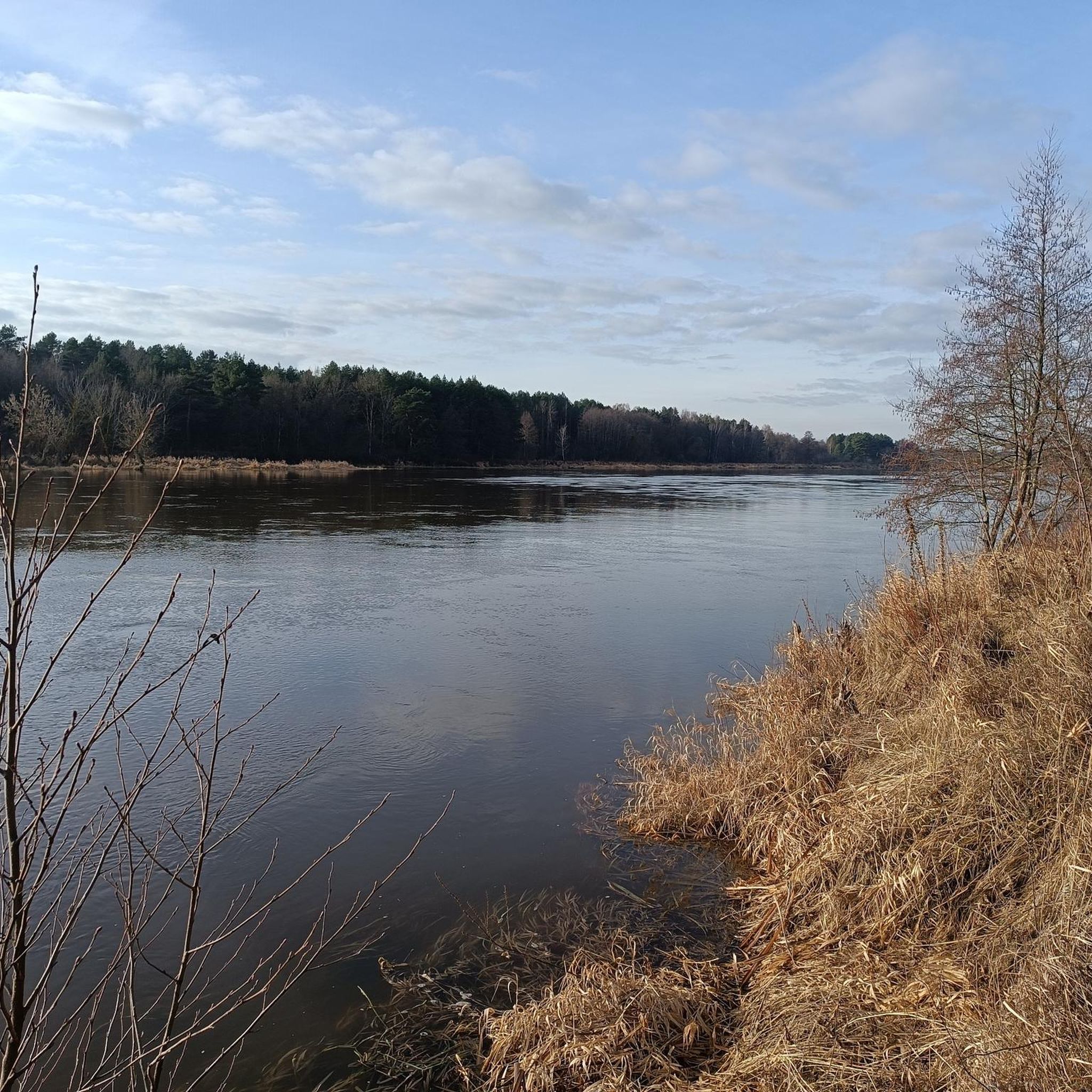
Best natural monuments around Platerów are found within this commune in eastern Poland, known for its natural beauty and ecological significance. Situated within the Lower Bug Valley, the area is part of a protected landscape offering rich biodiversity. Platerów's natural heritage includes ancient trees and pristine river landscapes, making it a notable destination for nature exploration.
Best natural monuments around Platerów
- The most popular natural monuments is Przekop Nature Reserve, a forest nature reserve established in 1964. It is…
Last updated: June 29, 2026
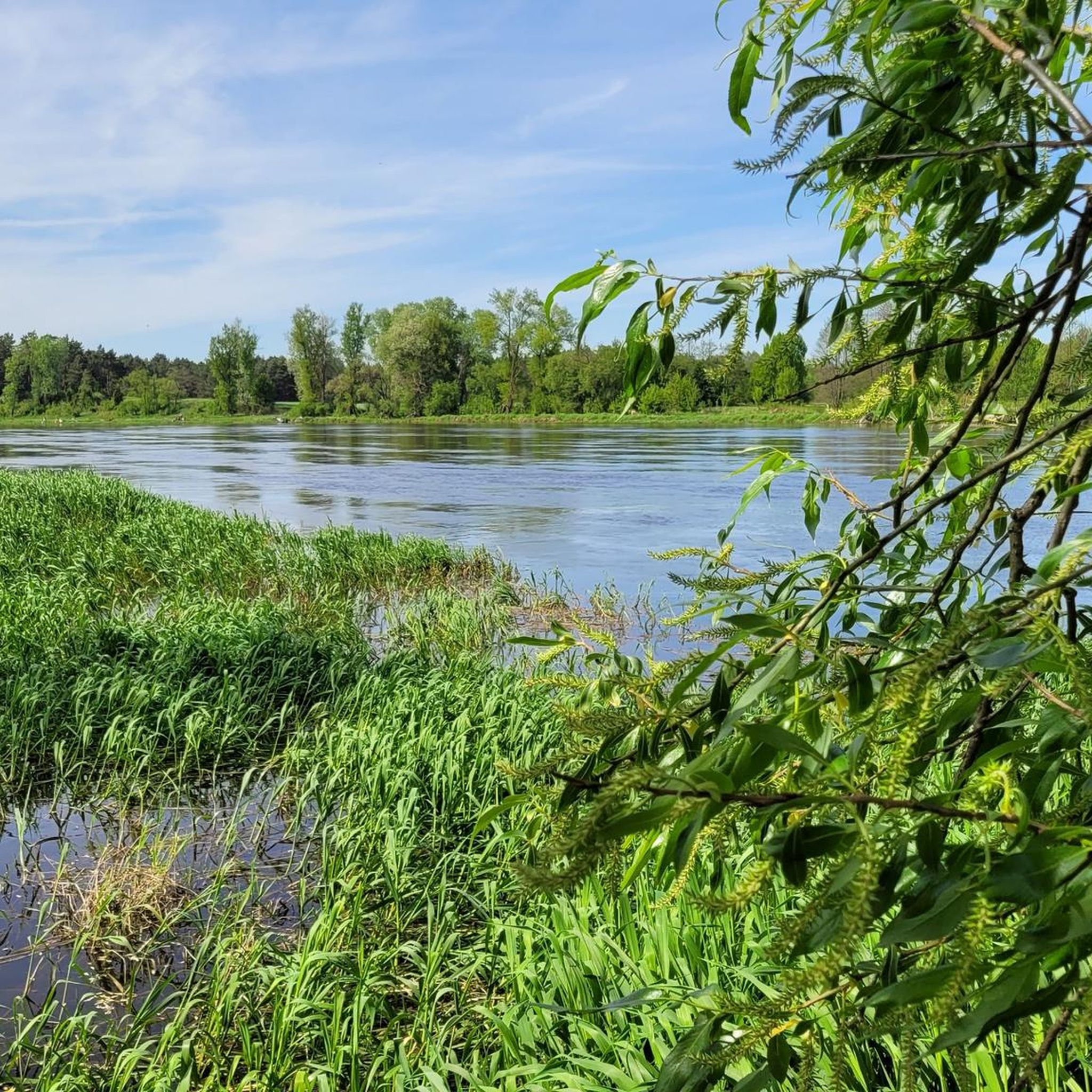
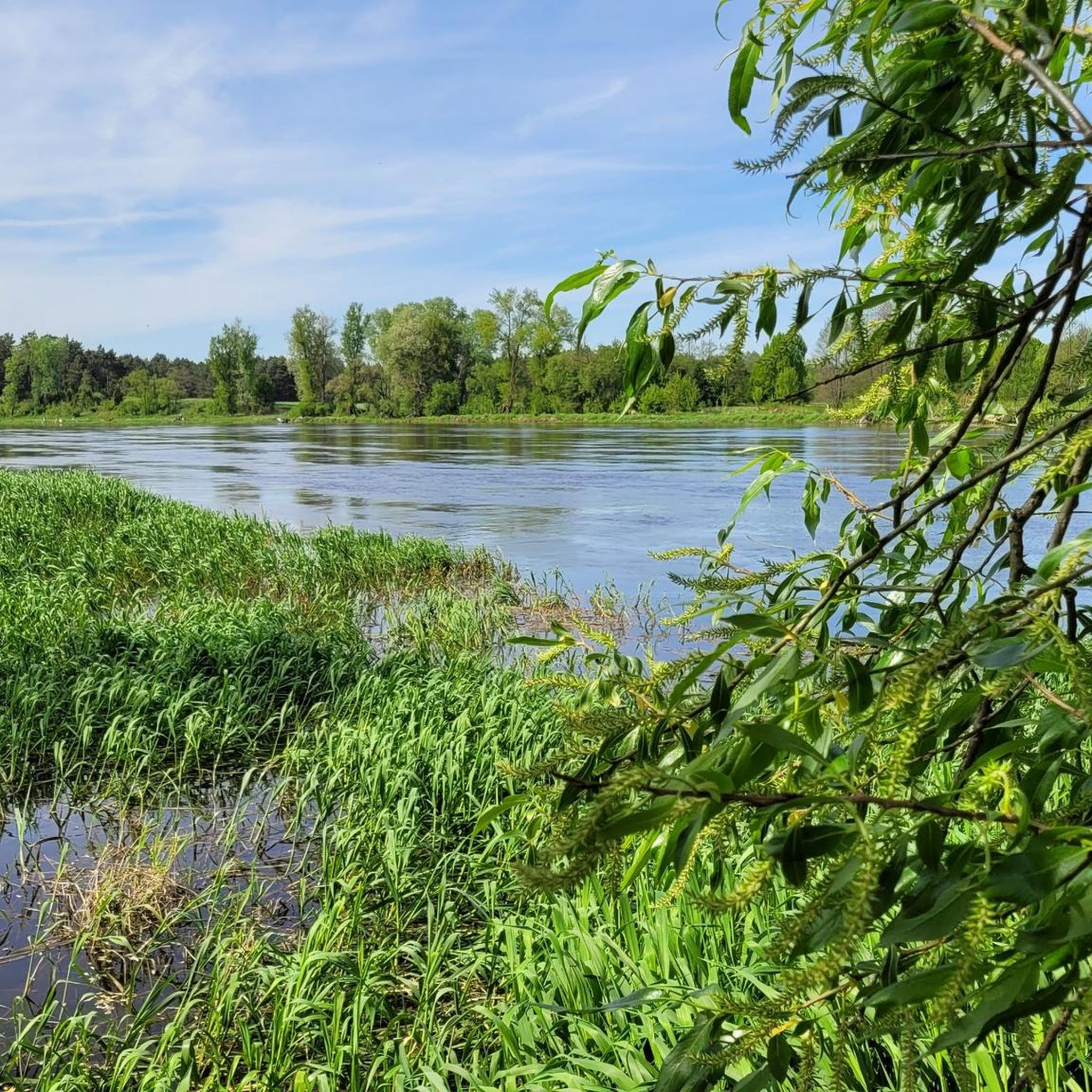
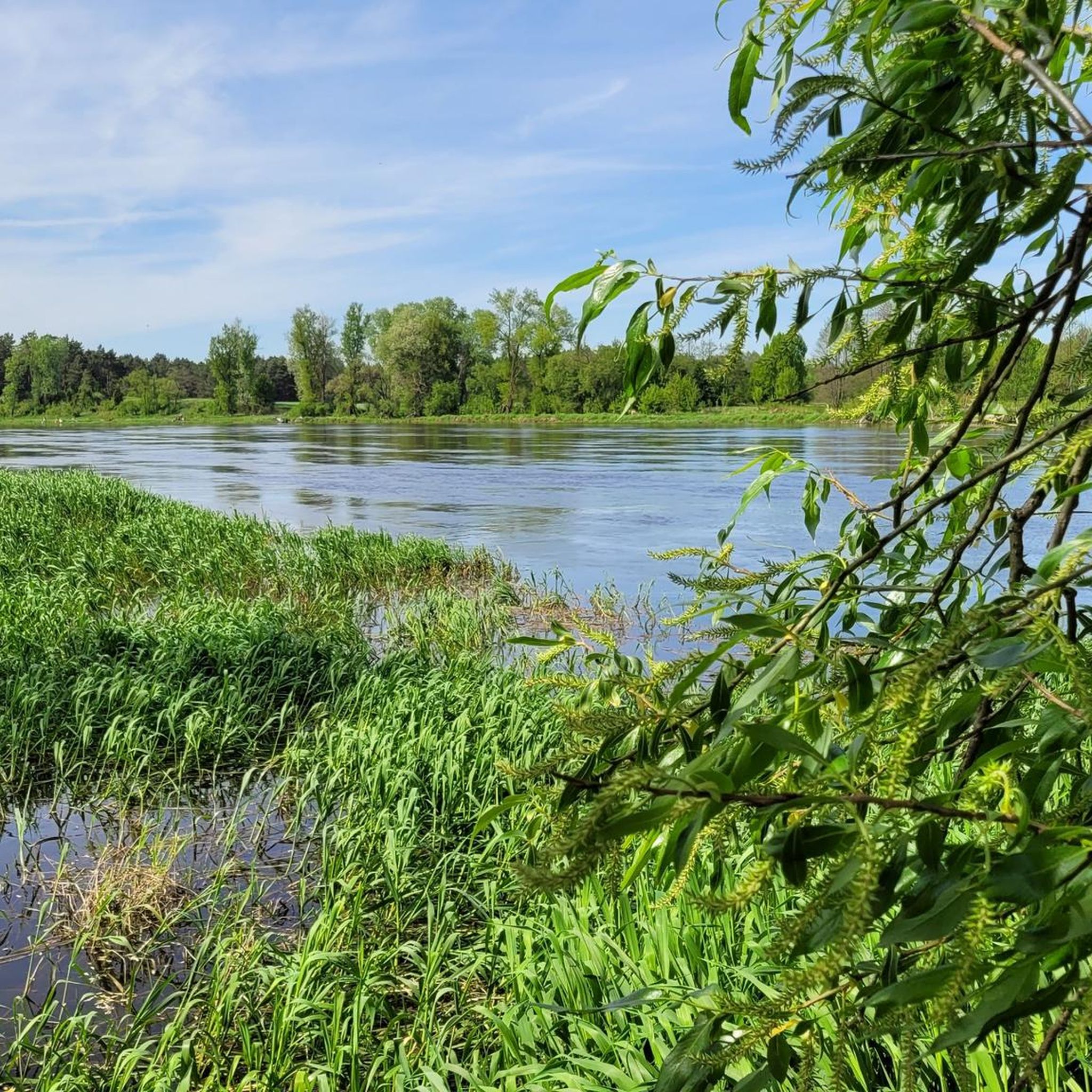
Mężenin – Natura 2000 Lower Bug Valley
Highlight • Natural Monument
The settlement was established at the …
Translated by Google •
Tip by

Przekop Nature Reserve
Highlight • Forest
Translated by Google •
Tip by

Sign up now to discover places like this
Get recommendations on the best single tracks, peaks, & plenty of other exciting outdoor places.
Sign up for free
St. John's Spring Well (Studnia "Źródło Jana")
Highlight • Monument
Translated by Google •
Tip by

Jan's Spring
Highlight • Monument
Translated by Google •
Tip by
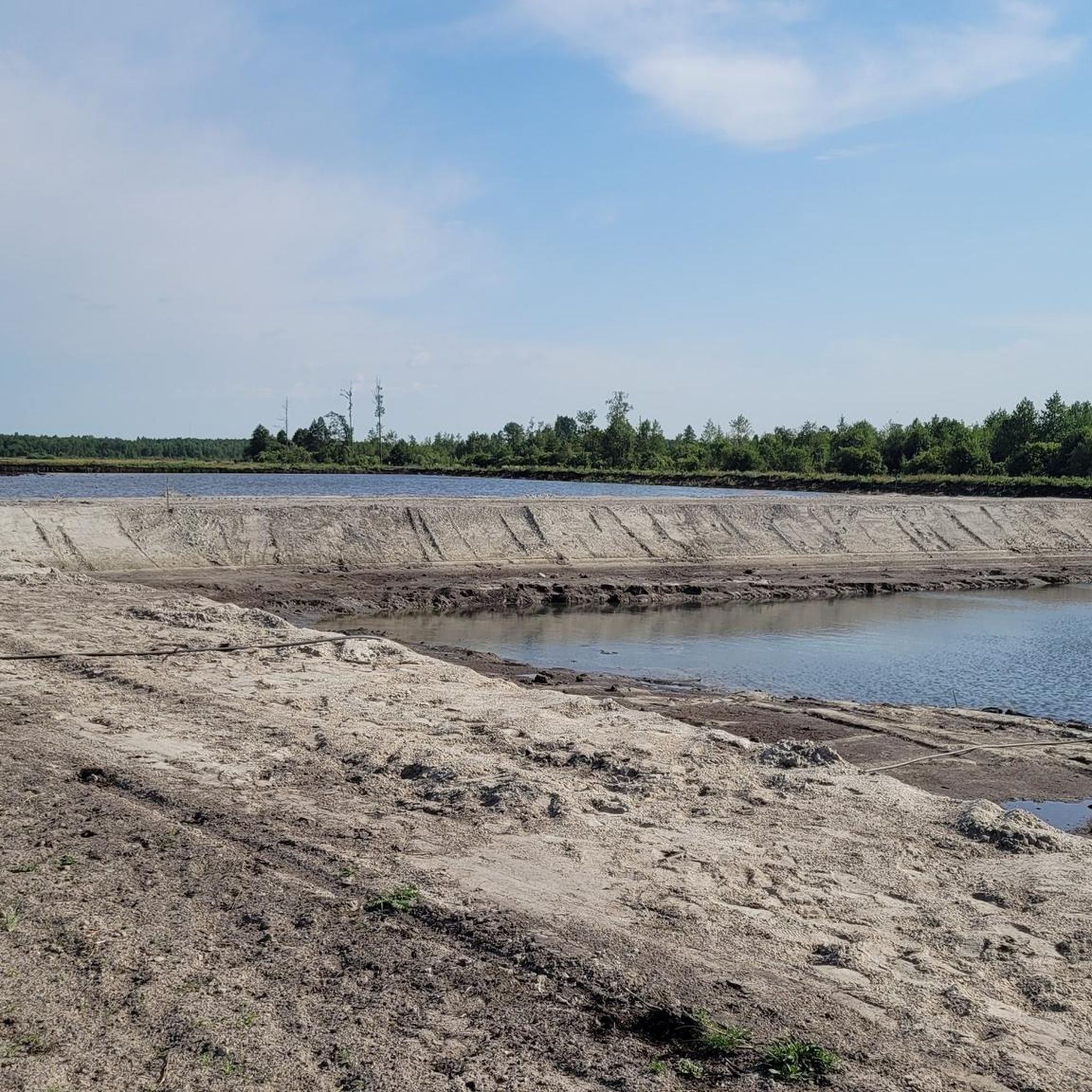
V2 Rocket Impact Crater
Highlight • Historical Site
Translated by Google •
Tip by

Start today with a free account
Your next adventure awaits.
Login or Signup
Tips from the Community

a forest nature reserve established in 1964 with an area of 21.08 ha
1
0
This ornately designed well, called John's Spring, was built around 1835. It's not entirely clear why it's called John's, as it's topped by a statue of St. Nepomuk.
1
0

Nowadays they don't build such wonders anymore :]
0
0

Attraction difficult to access. The path is heavily overgrown and barely visible. Fortunately, it is marked with a purple tourist trail (one of the signs in the photo). The intermittent road south of the path is almost impassable. You may need to walk your bike. There is a bench with a view of the "hole" and an information board with history.
0
0
A historic well from around 1835, in an eclectic style, designed by Fr. Jaszczołda.
0
0


A forest reserve near the Bug River, in the Burzański Landscape Park. At the fork of bicycle routes to the ferry to Drohiczyn and Korczewo.
0
0

After 1929, Cpt. Władysław Łukasiuk pseudonym "Hammer". https://pl.wikipedia.org/wiki/W%C5%82adys%C5%82aw_%C5%81ukasiuk
0
0
Frequently Asked Questions
What types of natural monuments can I explore in Platerów?
Platerów is rich in natural heritage, primarily featuring ancient trees, such as monumental oaks and lime alleys, and pristine river landscapes within the Lower Bug Valley. You can also find protected forest reserves like the Przekop Nature Reserve.
What makes the Lower Bug Valley in Platerów significant?
The Lower Bug Valley, where Platerów is situated, is a Natura 2000 area, recognized for its exceptional ecological value. It features one of Europe's most natural, unregulated rivers with diverse riparian forests, sandy islands, and oxbow lakes. This area is a vital ecological corridor supporting a wide array of bird species, protected mammals like beavers and otters, and various amphibians and reptiles.
Are there any ancient trees designated as natural monuments in Platerów?
Yes, the commune of Platerów officially protects 29 individual trees as natural monuments. Notable examples include a group of seven ancient oaks in Mężenin Park, some with circumferences of 6 meters, and groups of oaks in Michałów. Additionally, picturesque lime alleys stretch from Górki to Hruszniew.
When is the best time to visit the natural monuments around Platerów?
The best time to visit is generally from spring through early autumn (April to October) when the weather is pleasant for outdoor activities like hiking, cycling, and birdwatching. During these months, the natural landscapes are vibrant, and wildlife is more active. Winter can offer a serene, snow-covered landscape, but some paths might be less accessible.
Where can I find monumental oaks in Platerów?
You can find impressive monumental oaks in the village of Mężenin, specifically within the remnants of a former manor park. These centuries-old trees are a testament to the region's historical flora and are part of the Natura 2000 Lower Bug Valley area.
What is the Przekop Nature Reserve known for?
The Przekop Nature Reserve is a forest nature reserve established in 1964, covering an area of 21.08 hectares. It is located near the Bug River within the Burzański Landscape Park and is appreciated for its natural forest environment.
Is there a historical natural monument worth visiting in Platerów?
Yes, the St. John's Spring Well (Studnia "Źródło Jana") is a notable historical site. This ornate well, designed in an eclectic style, dates back to around 1835 and offers a glimpse into the region's past, though the water is not potable.
Are there family-friendly natural monuments around Platerów?
Many of Platerów's natural monuments, especially the ancient trees and the scenic areas of the Lower Bug Valley, are suitable for families. The village of Mężenin, with its historic park and monumental oaks, is categorized as family-friendly and offers a pleasant environment for all ages to explore nature.
What outdoor activities can I do near these natural monuments?
The region around Platerów is excellent for various outdoor activities. You can enjoy hiking on easy trails, explore the area on mountain bikes, or go road cycling. For more detailed routes, you can check out the guides for Hiking around Platerów, MTB Trails around Platerów, and Road Cycling Routes around Platerów.
What kind of wildlife can I expect to see in the Lower Bug Valley?
The Lower Bug Valley is a haven for wildlife due to its pristine ecological state. It's particularly known for its diverse birdlife, including species like the short-toed snake eagle, little bittern, black stork, and various terns. You might also spot protected mammals such as European beavers and otters, along with a variety of amphibians and reptiles.
Are there easy-to-access natural monuments for a casual visit?
Yes, many of the natural monuments, especially the individual monumental trees and accessible parts of the Lower Bug Valley, are easy to visit. For instance, the ancient oaks in Mężenin Park offer a pleasant and accessible natural experience. Additionally, there are several easy hiking routes available, such as the 'Loop Drohiczyn' or 'All Saints Church – Church of St. Nicholas loop from Drohiczyn', which can be found in the Hiking around Platerów guide.
What do visitors enjoy most about the natural monuments in Platerów?
Visitors particularly appreciate the untouched nature and ecological richness of the Lower Bug Valley, the impressive size and historical significance of the ancient trees, and the serene landscapes. The area offers a chance to connect with nature, observe diverse wildlife, and enjoy the tranquil, historical setting of eastern Poland.
Most popular attractions around Platerów

Get inspired with the komoot mobile app


Explore more
Extend your search for the best caves by checking out these guides of the top ones around Platerów:
