Top 20 Natural Monuments around gmina Stare Babice
Best natural monuments around gmina Stare Babice are primarily protected trees and avenues of trees, contributing to the region's natural heritage. The area is characterized by its proximity to Kampinos National Park, which hosts many of these protected natural elements. These sites offer insights into local biodiversity and provide accessible natural spaces. The gmina actively protects these natural features, including specific trees in public parks and historical sites.
Best natural monuments around gmina Stare Babice
- The most popular natural monuments…
Last updated: July 13, 2026
Łuże Dune Boardwalk
Highlight • Trail
Translated by Google •
Tip by

Marconiego Fountain, Saxon Garden
Highlight • Monument
Translated by Google •
Tip by

Sign up now to discover places like this
Get recommendations on the best single tracks, peaks, & plenty of other exciting outdoor places.
Sign up for free
Jerzyki Memorial Cross
Highlight • Monument
Translated by Google •
Tip by

Educational Trail "To Karczmiska"
Highlight (Segment) • Trail
Translated by Google •
Tip by
Szczęśliwickie Ponds
Highlight • Lake
Translated by Google •
Tip by

Sign up for free to discover even more natural monuments around gmina Stare Babice.
Sign up for free
Already have an account?
Start today with a free account
Your next adventure awaits.
Login or Signup

Tips from the Community

Beautiful fountain in the park, inviting you to relax and linger
0
0

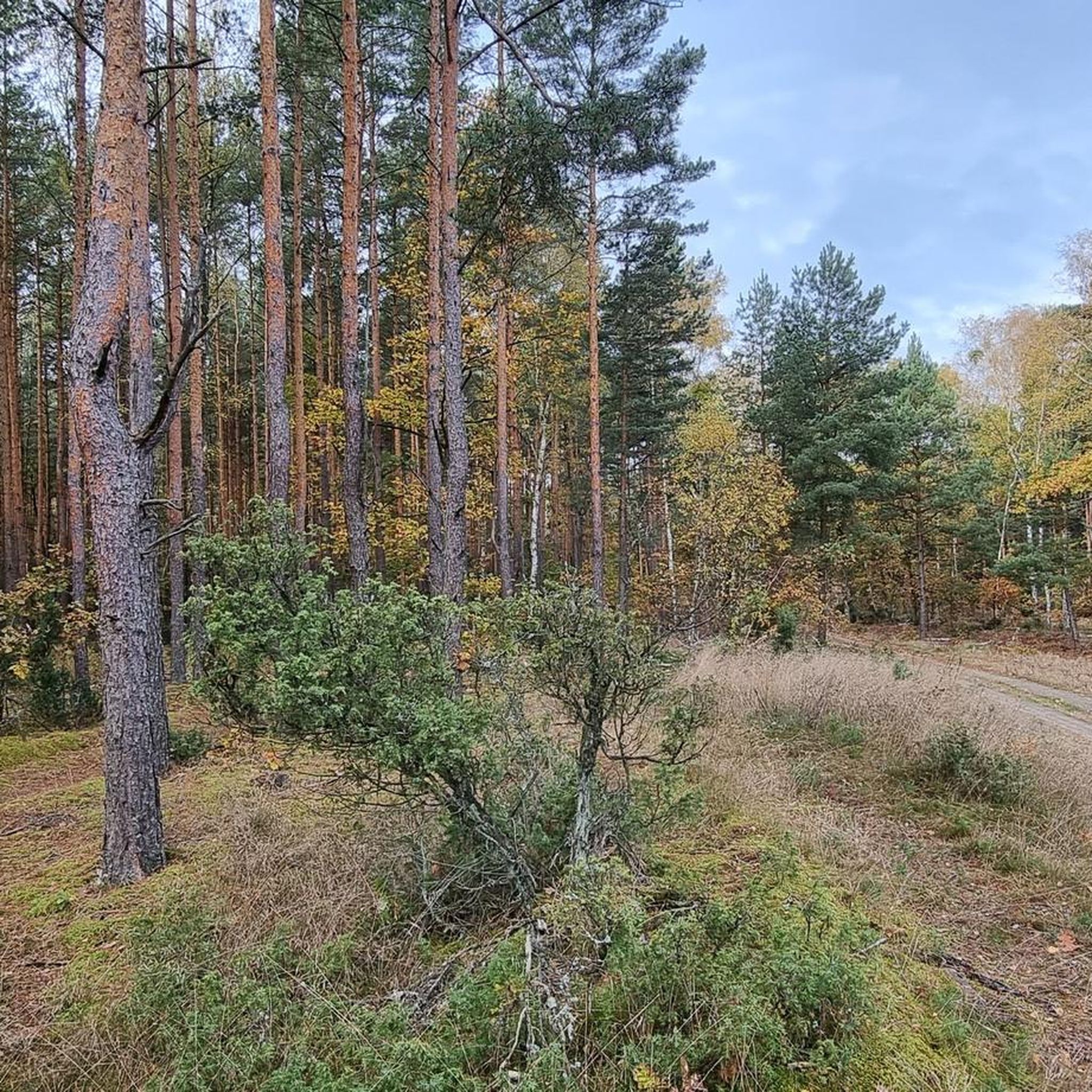
A cross commemorating the battle of the Jerzyki unit with the RONA formation near Pociecha in the Kampinos Forest on 28 August - 2 September 1944. Insurgent Special Units "Jerzyki" (POS "Jerzyki") - a clandestine military-civilian organization founded in 1939 by Jerzy Strzałkowski on the initiative of President Starzyński. It operated mainly in the General Government, conducting armed combat and civilian activities (including secret education, helping Jews, distributing the press). In 1943 it was subordinated to the Home Army. Some of the structures in Łódź came under the influence of the PPR, creating the PPP "Wyzwolenie". After the Warsaw Uprising it continued sabotage operations. Disbanded in January 1945. In 1987, the POS banner was awarded the Order of Virtuti Militari.
1
0

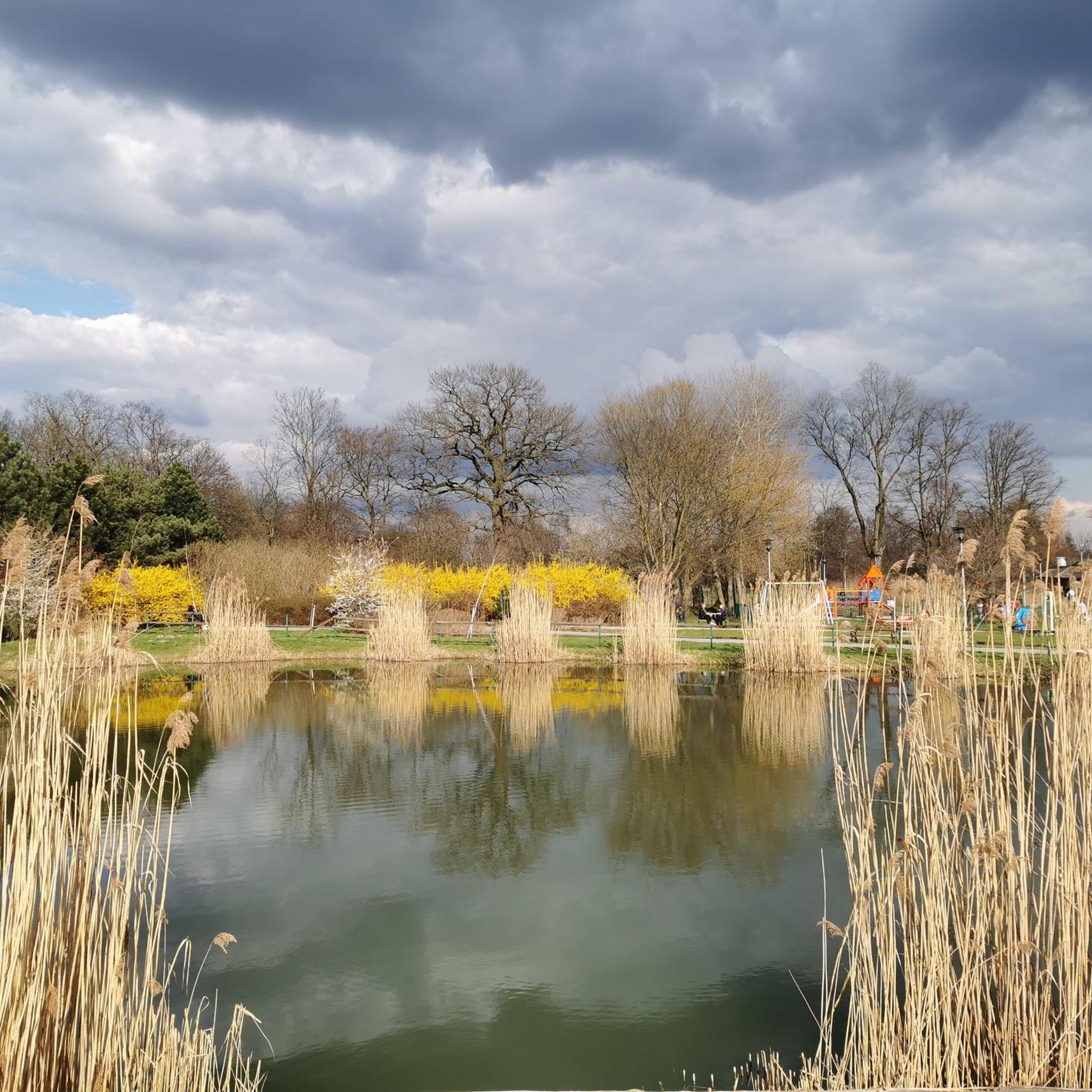
Szczęśliwicki Park is a city park in Warsaw's Ochota district, between Włodarzewska and Drawska streets. It was created in the 1960s on land that had been used for clay quarries and landfills, which had not been previously built on due to the proximity of the Warsaw Fortress forts. The reclaimed areas were developed socially - water reservoirs and a ski slope were created, and most of the area was wooded. The park has a sports and recreational character - it includes Glinianki Szczęśliwickie (approx. 7 ha), a year-round ski slope (Górka Szczęśliwicka, 138-152 m above sea level), an open swimming pool, playing fields and OSiR facilities. The water reservoirs are stocked and supervised by angling (PZW Circle No. 7). In 2020, the wooden pier was renovated. The park has natural significance - there are many species of birds here (approx. 70), as well as amphibians and fish. The flora includes poplars, maples, limes and other pioneer species. Despite the anthropogenic origin of the substrate and degraded soil, the area is an important haven of biodiversity in Warsaw.
2
0
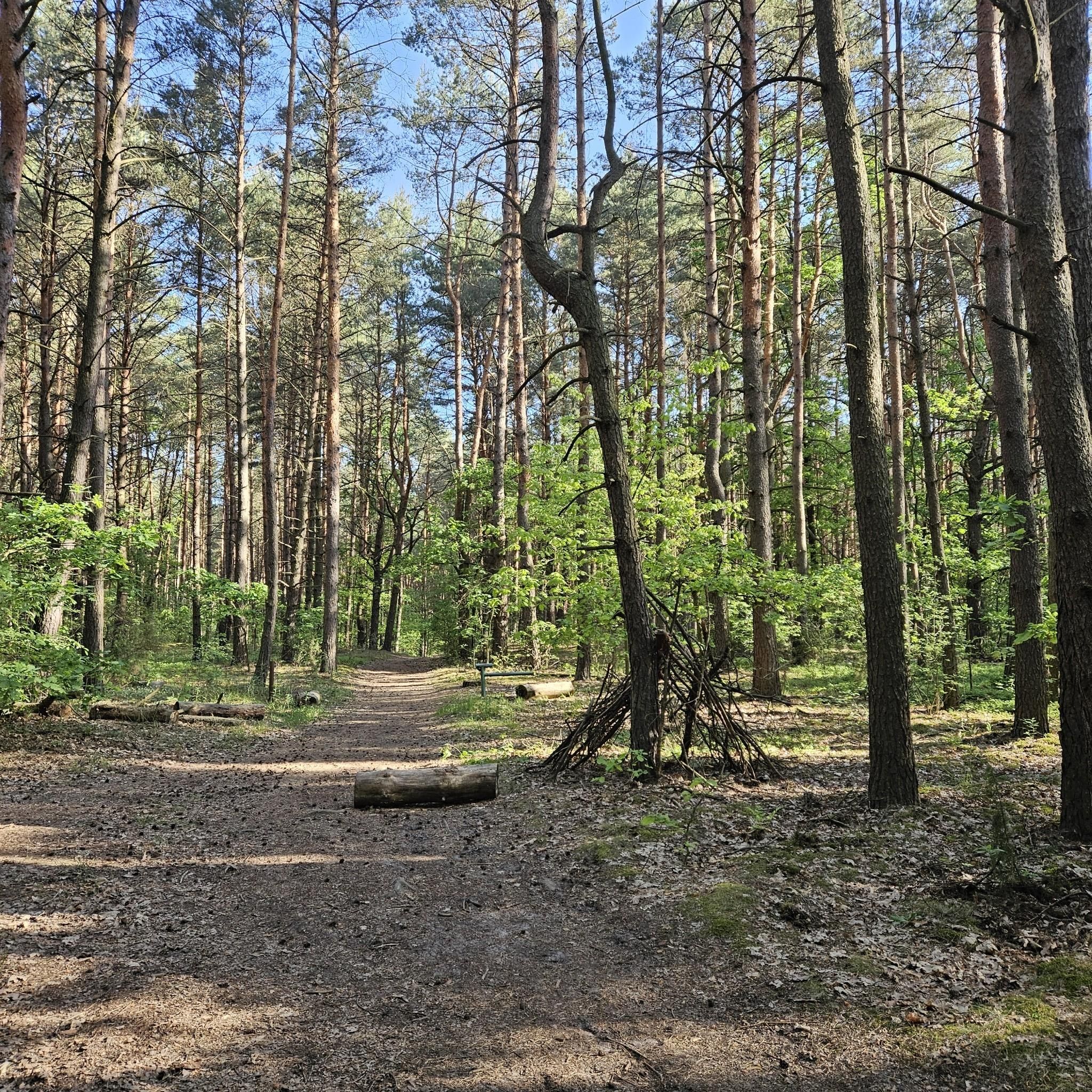
Łużowa Góra is a picturesque walking trail in Kampinos National Park, located near the bunker of the Warsaw Pact Reserve Command. Built in the times of the Polish People's Republic, the facility was intended to serve as the headquarters of the communist bloc's military in the event of a global nuclear war. However, construction was halted in the 1980s, after the introduction of spy satellites, which made it impossible to hide such facilities. Today, all that remains is an underground hall with a sealed entrance, where seven species of bats hibernate, which contributed to the creation of a mural depicting a bat on the front. The trail leads through a beautiful forest, and one of the main points is a 200-meter footbridge over a dune, ending with stairs. Łużowa Góra is a walk that can be completed in about an hour, with easy access to the parking lot. With a stroller, you can only get as far as the stairs behind the footbridge, but the rest of the route requires carrying.
1
0
The Atomic Command Headquarters is an inactive military facility located in the Kampinos Forest, in the Dąbrowa Leśna region, near the Łuże dune, in the Kampinos National Park. It was designed in the 1960s as a command post in the event of a nuclear war. Its construction began in 1962 and work continued until the 1980s, when it was suspended due to the use of reconnaissance satellites. Due to the lack of supervision, after the facility was transferred to the National Park in 2004, it was gradually stolen. In 2017, the above-ground parts of the facility were demolished, and a bat habitat was created in the underground parts. In 2019, the area was made available to tourists, where an educational trail was marked out and information boards were placed. The facility is now an interesting tourist attraction, as well as a reminder of the Cold War era and preparations for nuclear conflict.
1
0
The Saxon Garden is one of the oldest city parks in Warsaw, located in the city center. Founded in the early 18th century as a palace garden, in 1727 it became the first public park in Poland. Initially maintained in the French style, in the 19th century it was transformed into a landscape park. For years it was a place of recreation, concerts and cultural events. Partially destroyed during World War II, it was restored after 1945. The park includes, among others, the Tomb of the Unknown Soldier, the Marconi Fountain and numerous historic sculptures.
4
0

The garden was laid out in the Baroque style between 1713 and 1733 at the instigation of the Saxon-Polish King Augustus II the Strong from the House of Wettin. In 1727, the king opened the garden for use by the public, which was the first time this had happened in Poland.[1] In the mid-19th century, the planner Enrico Marconi created a pond, a water reservoir in the shape of the Temple of Vesta from Tivoli and a large fountain (1855). The 21 allegorical sandstone sculptures in the park were mostly created in the workshop of Johann Georg Plersch. They show the four seasons, the sciences and the arts.
7
2
Frequently Asked Questions
What types of natural monuments can I find in Gmina Stare Babice?
Gmina Stare Babice is primarily known for its protected individual trees and avenues of trees, recognized for their age, size, and ecological value. You'll find various species like small-leaved lindens, pedunculate oaks, and ash trees. Many of these are located within or near the Kampinos National Park, contributing to the region's rich natural heritage.
Are there family-friendly natural monuments to visit in Gmina Stare Babice?
Yes, several natural monuments are suitable for families. The Educational Trail "To Karczmiska" is a great option, offering a 3-kilometer path through diverse natural settings with wooden footbridges. Additionally, the Marconi Fountain, Saski Garden, though located in Warsaw, is a popular family-friendly spot with historical significance and recreational space.
What outdoor activities can I do near these natural monuments?
The area around Gmina Stare Babice offers excellent opportunities for outdoor activities. You can enjoy easy hikes, gravel biking, and road cycling. For example, there are easy hiking routes like the "Educational trail 'Do Lipkowskiej Wody'" or the "Zaborów Leśny Rest Area – Zaborowski Canal loop." For cycling, consider routes like the "Stone of the Jazłowiecki Uhlans – Old Oak loop" for gravel biking or the "Lewiatan Pit Stop loop" for road cycling. You can find more details on these activities in the easy hikes, gravel biking, and road cycling guides for the region.
Are there any historical natural monuments in the area?
Yes, some natural monuments are intertwined with local history. For instance, the Jerzyki Memorial Cross in the Kampinos Forest commemorates a significant WWII event. Avenues of trees, such as the one in Lipków, also contribute to the landscape's historical character, often dating back centuries.
What unique natural features can I explore in Gmina Stare Babice?
Beyond individual trees, you can explore unique features like the Łuże Dune Boardwalk, which provides access to the distinctive dune landscape of the Kampinos Forest. Another fascinating site is the Bat Habitat, a former military bunker transformed into a hibernation site for seven species of bats, showcasing a unique blend of natural preservation and repurposed infrastructure.
What is the best time of year to visit the natural monuments?
The natural monuments in Gmina Stare Babice can be enjoyed throughout the year. Spring and autumn offer vibrant colors and pleasant temperatures for walking and cycling. Summer is ideal for lush greenery and longer days, while winter provides a serene, often snowy, landscape, especially within the Kampinos National Park, suitable for winter hiking.
Are there accessible natural monuments for visitors with mobility challenges?
The Marconi Fountain, Saski Garden in Warsaw is noted as wheelchair accessible. For other natural monuments, accessibility can vary. Avenues of trees and paths within parks like those in Stare Babice often have paved or well-maintained surfaces, but it's advisable to check specific conditions for trails within the Kampinos National Park.
Can I bring my dog to the natural monuments?
Many outdoor areas in Poland, especially national parks and protected zones, have specific rules regarding dogs. While some trails and parks may allow dogs on a leash, it's best to check the regulations for individual sites, particularly within the Kampinos National Park, to ensure compliance and respect for wildlife.
What do visitors enjoy most about the natural monuments in Gmina Stare Babice?
Visitors appreciate the tranquility and natural beauty of the area. The Educational Trail "To Karczmiska" is praised for its diverse and beautiful swampy sections with new, solid footbridges. The Marconi Fountain, Saski Garden is loved as a beautiful park and recreational area. The unique transformation of the Bat Habitat from a military bunker to a useful ecological site also garners positive attention.
How long should I plan for a visit to the natural monuments?
The duration of your visit depends on which natural monuments you choose to explore. For individual trees or avenues, a short stop of 30 minutes to an hour might suffice. Trails like the Educational Trail "To Karczmiska" are approximately 3 kilometers long and can take 1-2 hours to complete. If you plan to combine several sites or engage in longer hikes or bike rides within the Kampinos National Park, you could easily spend half a day or a full day.
Are there any hidden natural gems in Gmina Stare Babice?
Beyond the well-known spots, the gmina is dotted with numerous individual protected trees, often in quiet, picturesque locations. These include specific small-leaved lindens in church cemeteries or pedunculate oaks in historic parks like Plantico Park in Zielonki. Exploring the less-traveled paths within the Kampinos National Park can also lead to discovering serene forest areas and unique tree specimens not widely publicized.
Where can I find parking near the natural monuments?
Parking availability varies by location. For trails within the Kampinos National Park, designated parking lots are often available at trailheads, such as the one at Truskaw for the Educational Trail "To Karczmiska". For natural monuments within villages or towns, street parking might be an option, or small public parking areas near parks or historical sites. It's recommended to check specific locations beforehand.
What kind of wildlife can I expect to see near the natural monuments?
Given the proximity to Kampinos National Park, the area is rich in biodiversity. You might encounter various bird species, deer, wild boar, and smaller mammals. The Bat Habitat specifically highlights the presence of bats, making it a unique spot for wildlife observation. The protected trees themselves also serve as vital habitats for insects and birds.
Most popular routes around gmina Stare Babice
Most popular attractions around gmina Stare Babice

Get inspired with the komoot mobile app


Explore more
Extend your search for the best caves by checking out these guides of the top ones around gmina Stare Babice:
