Top 9 Natural Monuments around Brańszczyk
Natural monuments around Brańszczyk offer diverse natural features within Wyszków County, providing opportunities for outdoor exploration. The region is characterized by its riverine landscapes, including the confluence of the Liwiec and Bug Rivers, and significant forest areas. These natural settings contribute to the local ecosystem and provide varied terrain. The area features geological formations and protected natural spaces.
Best natural monuments around Brańszczyk
- The most popular natural monuments is Trail Through Jęgiel Nature Reserve, a trail that features spruce…
Last updated: June 29, 2026
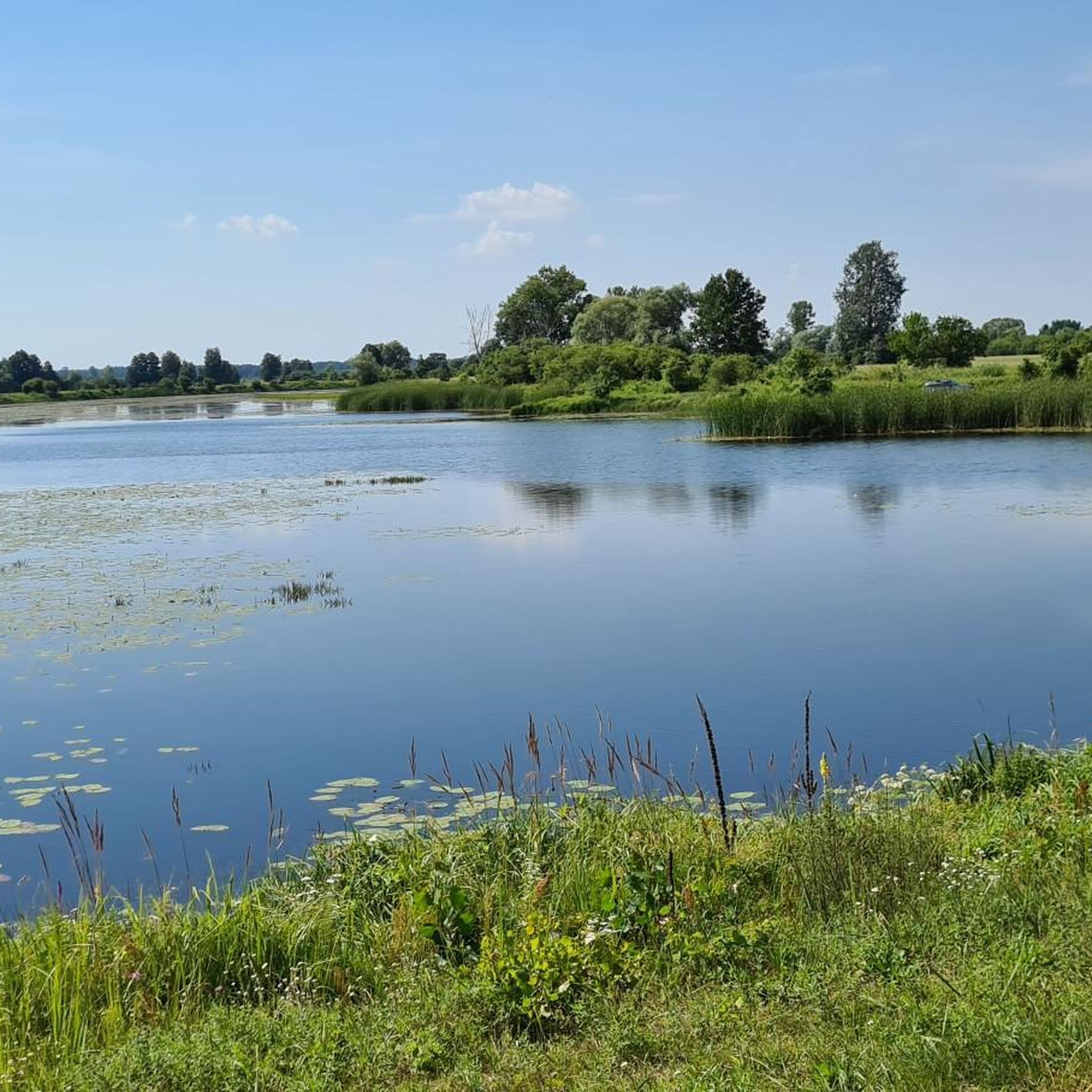
Oxbow Lake of the Bug River
Highlight • Lake
Translated by Google •
Tip by

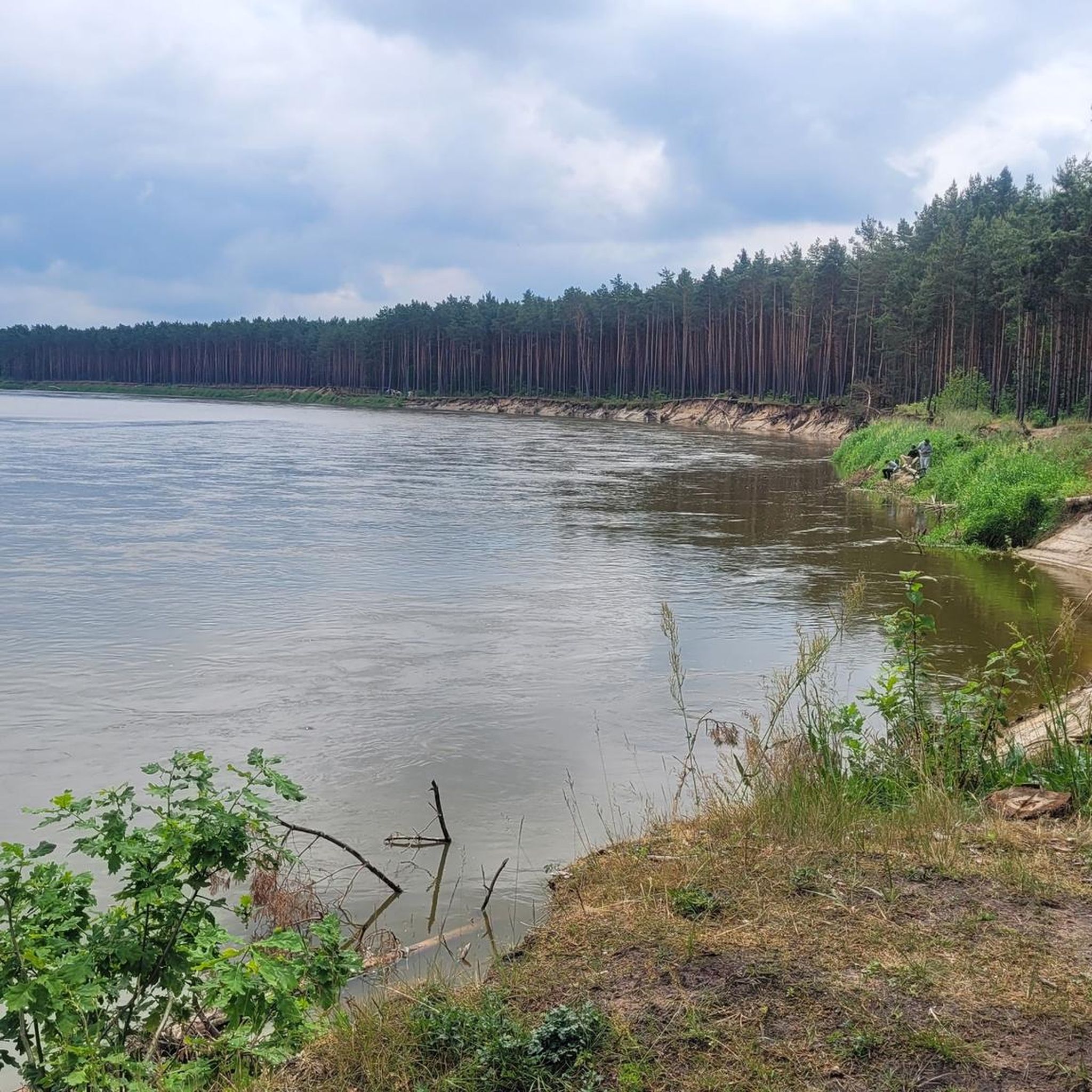
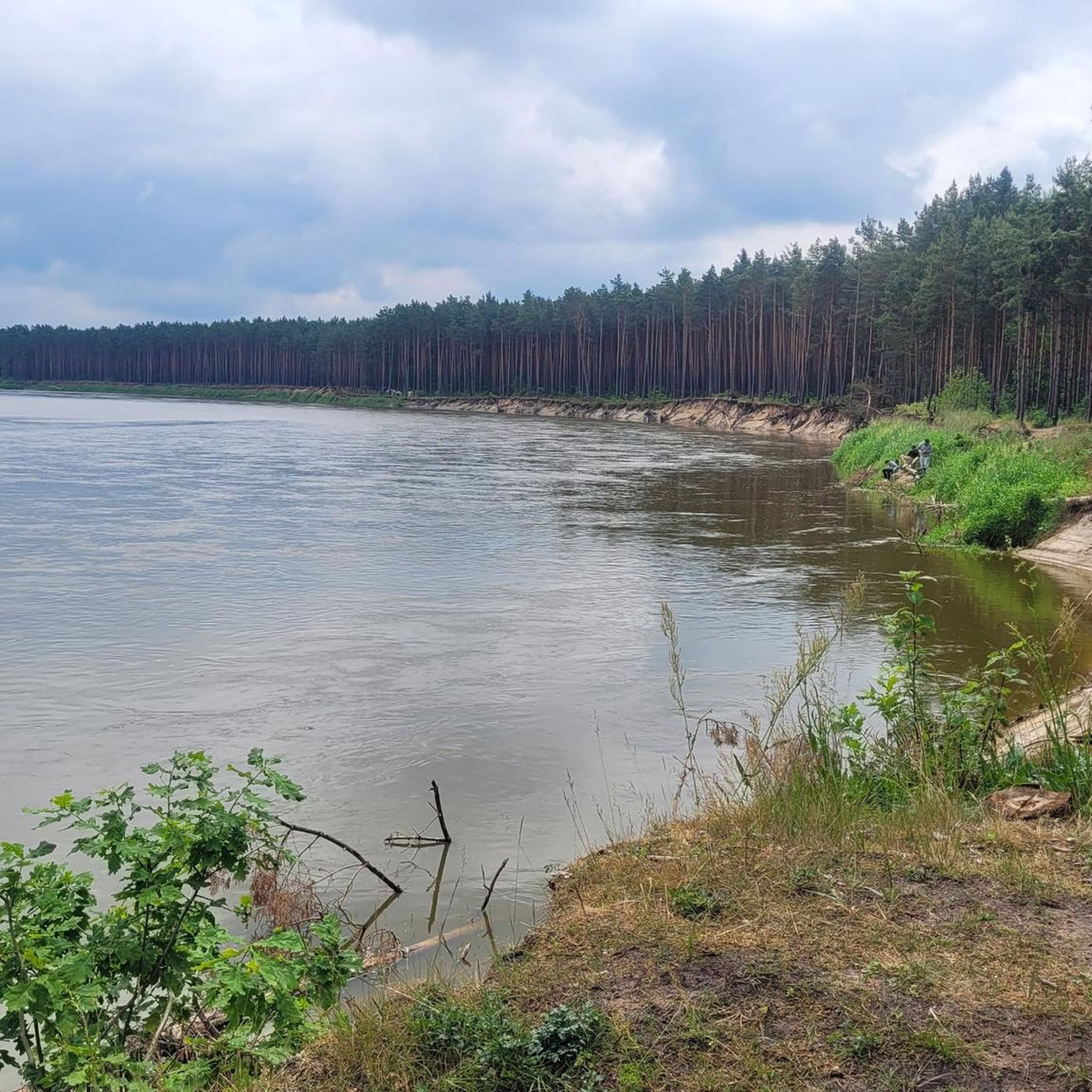
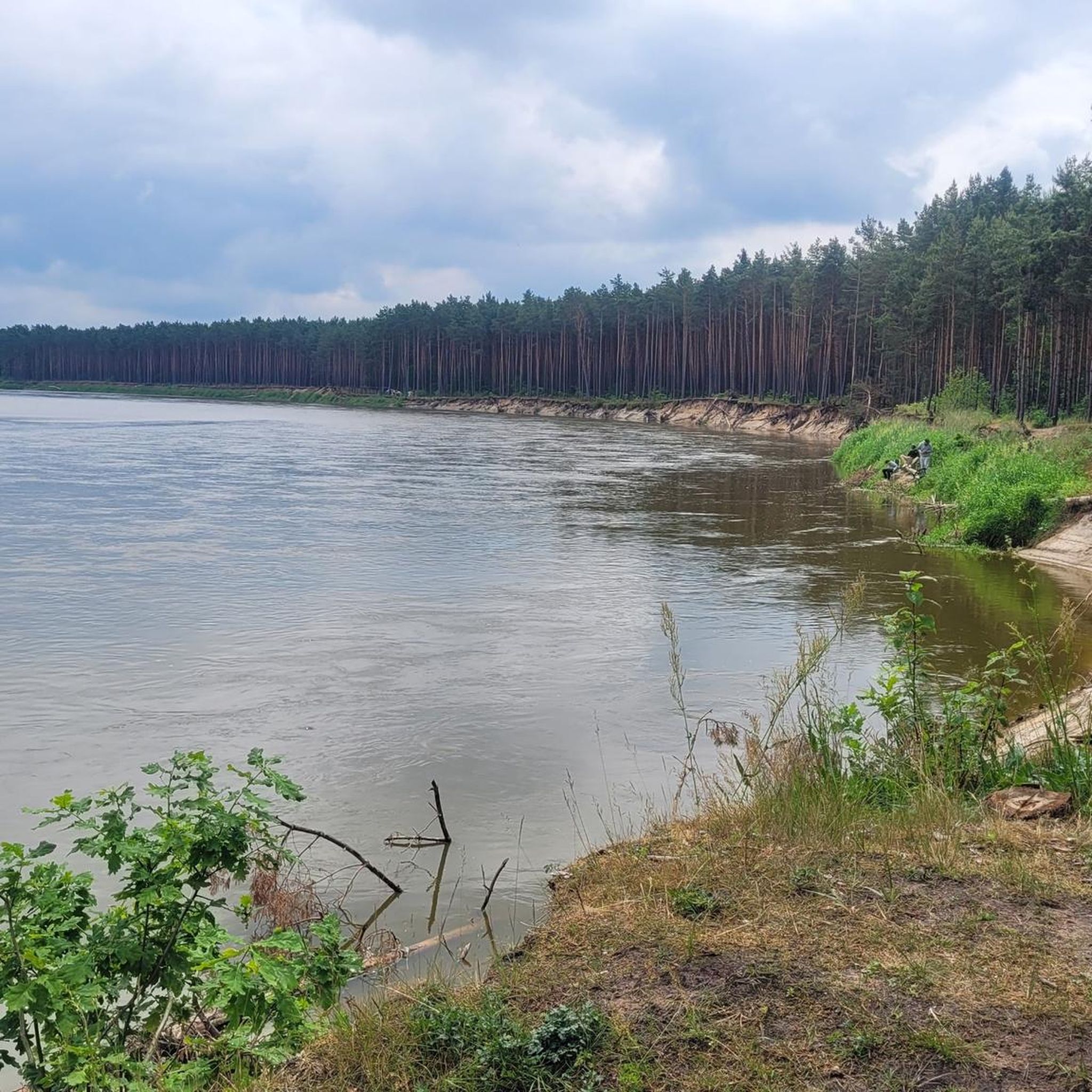
Trail Through Jęgiel Nature Reserve
Highlight • Trail
Translated by Google •
Tip by

Sign up now to discover places like this
Get recommendations on the best single tracks, peaks, & plenty of other exciting outdoor places.
Sign up for free
Monument to the Battle of Pecynka
Highlight • Monument
Translated by Google •
Tip by

Sanctuary of Our Lady of Osuchy
Highlight • Religious Site
Translated by Google •
Tip by

Zieleniec Dunes
Highlight • Natural Monument
Translated by Google •
Tip by

Sign up for free to discover even more natural monuments around Brańszczyk.
Sign up for free
Already have an account?
Start today with a free account
Your next adventure awaits.
Login or Signup
Tips from the Community

Big, beautiful, powerful! Worth a visit!
1
0

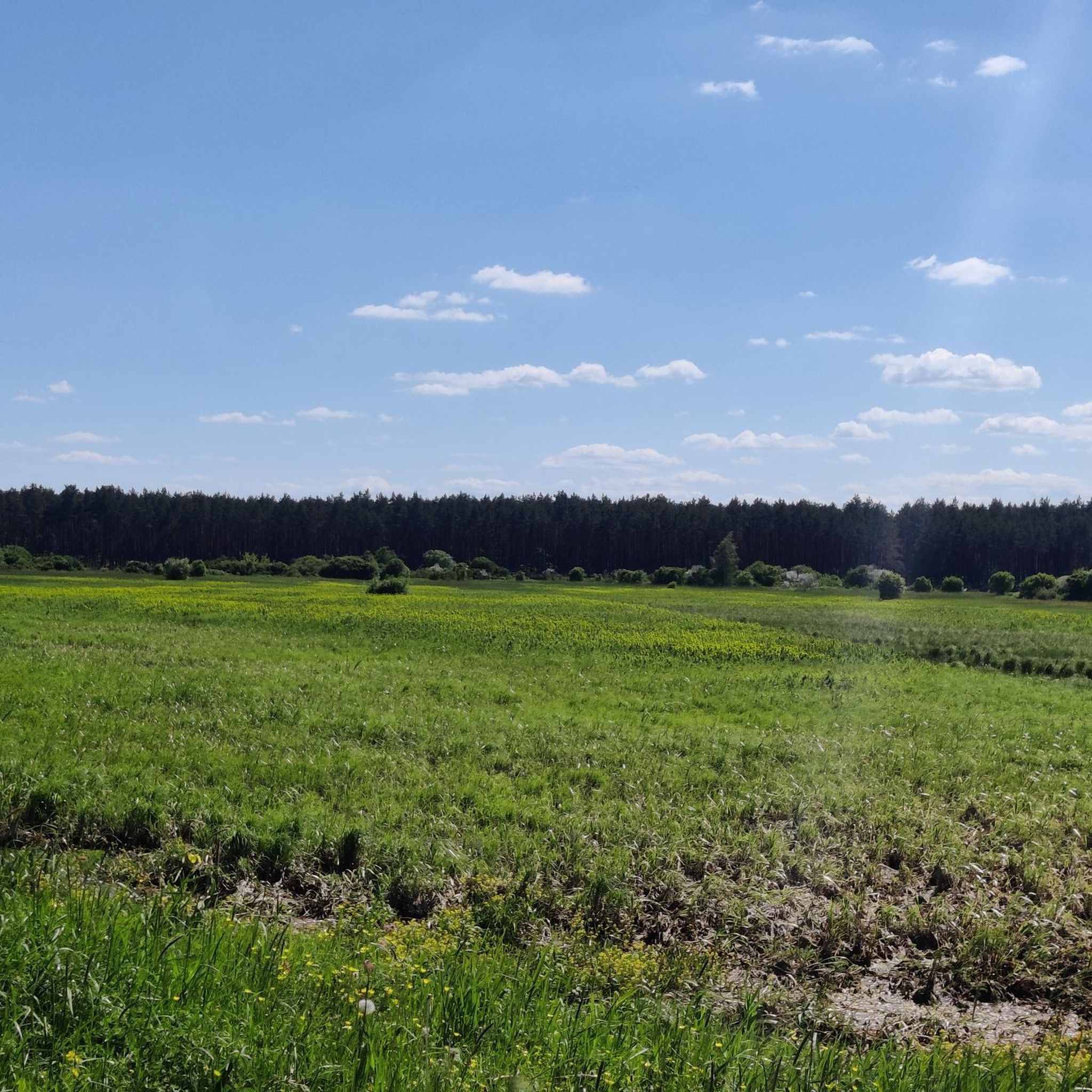
In addition to the fishing grounds near Szumin, Wywłóka is a mecca for Mazovian anglers from the surrounding area. From the stories of anglers we have met, pike, zander, asp and perch are the most desirable fish in these fishing grounds (although of course these are not the only fish that can be found there). But fish are a magnet, not only for anglers who fish for them here at different times of the year, also in winter, from under the ice. There are many more people willing to fish in this fish kingdom, in the form of numerous species of waterfowl, including such ornithological rarities as corncrakes, curlews, black-tailed godwits and sandpipers. In the vicinity of Szumin and Wywłóka, one can observe almost exemplary effects of the meandering of the Bug, which leaves behind old branches and small "lakes". These areas are subject to flooding in spring; backwaters are created that facilitate the movement of fish. That is why it is here, on the "bużyska", as the old riverbeds of the Bug are called, that you can observe many anglers trying to catch the golden crucian carp, which they call the "Japanese carp", or the tench, which likes to hide in the mud, in small, often overgrown reservoirs.
0
0

a slight detour from the main road gives you time for moments of beauty
0
0

Quite nice, just before the floodgate lock, but a longer stop - better to do it behind the floodgate, already on the Bug River
0
0

A beautiful place, but watch out for falling trees - one fell down right before my eyes.
1
0

A very interesting attraction of the Masovian Voivodeship. Sand dunes covering quite a large area, and the Kules peat bog right next to it. In 2014, an ecological site with an area of over 9 ha was established in order to protect the ecosystem constituting a habitat and a refuge for protected species of plants and animals associated with the dune environment.
3
0

SANCTUARY OF OUR LADY OSUCHOWSKA a place where Our Lady appeared to the inhabitants several times. It's worth getting there while in the vicinity. A cute intimate chapel in the forest off the beaten track. There is a water source next to it.
0
0

At the end of August 1944, the Germans launched an operation against the soldiers of the Home Army - "Opocznik" District, directing the Wehrmacht forces, gendarmerie and SS units to fight with partisan units. The decisive fights took place on August 31 in the vicinity of Leśniczówka Pecynka, where the unit under the command of 2nd Lt. Alfred Wieczorek, "Tatar" in the strength of about 150 men, surrounded by the German army, fought a several-hour-long fight to get out of the encirclement. On the Polish side, about 60 partisans (over 30% of the fighting unit) were killed. It was the largest guerrilla battle in the Biała Forest and one of the largest in Poland. Wounded and captured, they were shot on the spot and buried in a mass grave. Only one soldier survived the massacre - Antoni Deptuła. After the war, the bodies of the fallen Home Army soldiers were exhumed and moved to the parish cemetery in Ostrów Mazowiecka. source: http://klubakradzymin.pl/akcja-burza-bitwa-pecynka/
0
0
Frequently Asked Questions
What are some of the most popular natural monuments to visit around Brańszczyk?
Visitors frequently enjoy the Trail Through Jęgiel Nature Reserve, known for its spruce trees on a peat substrate. Another popular spot is the Oxbow Lake of the Bug River, which is appreciated for its fishing opportunities and diverse waterfowl. The Sanctuary of Our Lady of Osuchy also draws visitors with its intimate chapel and water source set within a forest.
Are there any family-friendly natural attractions in the Brańszczyk area?
Yes, several natural monuments are suitable for families. The Oxbow Lake of the Bug River is a great spot for observing waterfowl and enjoying the riverine landscape. The Sanctuary of Our Lady of Osuchy offers a quiet, natural setting within a forest, which can be a peaceful stop for families. Additionally, the Monument to the Battle of Pecynka, while a historical site, is situated within a forest and is categorized as family-friendly, offering a chance to combine nature with local history.
What kind of outdoor activities can I do near the natural monuments around Brańszczyk?
The region around Brańszczyk is excellent for various outdoor activities. You can explore numerous cycling routes, including road cycling and gravel biking. For road cycling, consider routes like the 'Roadbike loop from użytek 482' or 'Bridge over the Liwiec River loop from Loretto'. Gravel biking options include the 'Singletrack Bagno Pulwy' loops. You can find more details and routes on the Road Cycling Routes around Brańszczyk guide and the Gravel biking around Brańszczyk guide.
Are there any notable geological features or unique natural landscapes to see?
Yes, the area features interesting geological formations. The Zieleniec Dunes are a unique natural area with sandy dunes and an adjacent peat bog. The Oxbow Lake of the Bug River itself is a result of the river's meandering, creating backwaters that are ecologically significant. Additionally, the broader region includes the Skarpa nad Liwcem (Escarpment over the Liwiec River), which offers elevated views and distinct ecological niches.
What is the best time of year to visit the natural monuments in Brańszczyk?
While specific data for the best time to visit is not provided, natural monuments, especially those involving forests, rivers, and lakes, are generally most enjoyable during the warmer months from spring to early autumn (April to October). This period offers pleasant weather for outdoor activities like cycling and hiking, and allows for better appreciation of the flora and fauna. Winter can offer a different, serene experience, but some paths might be less accessible.
Can I find hiking trails near these natural monuments?
Yes, the natural monuments themselves often feature trails or are part of larger trail networks. For instance, the Trail Through Jęgiel Nature Reserve offers a natural forest experience, though the path doesn't delve deep into the protected area. The region's forests and riverbanks provide ample opportunities for walking and hiking. You can find more general cycling routes that often include walking paths in the Cycling around Brańszczyk guide, which can be adapted for hiking.
Are there any historical sites combined with natural settings?
Yes, the Monument to the Battle of Pecynka is a significant historical site located within a forest. It commemorates one of the largest guerrilla battles in the Biała Forest during WWII. This allows visitors to experience both the natural beauty of the forest and reflect on a poignant piece of local history.
What do visitors particularly enjoy about the natural monuments around Brańszczyk?
Visitors appreciate the diverse natural features, from the unique spruce trees on a peat substrate in the Jęgiel Nature Reserve to the rich wildlife and fishing opportunities at the Oxbow Lake of the Bug River. The peaceful and intimate setting of the Sanctuary of Our Lady of Osuchy, nestled in the forest, is also highly valued for its tranquility.
Are the natural monuments around Brańszczyk dog-friendly?
While specific regulations for each natural monument regarding dogs are not detailed, many natural areas in Poland, especially forest trails and open landscapes, are generally dog-friendly, provided dogs are kept on a leash and owners clean up after them. It's always advisable to check local signage at specific reserves or protected areas for any restrictions. The general outdoor environment around Brańszczyk is suitable for walks with dogs.
What kind of forest experiences can I expect in the Brańszczyk region?
The region is characterized by significant forest areas, including the Kamieniecka Forest, which offers a scenic backdrop and opportunities to experience the local ecosystem. The Trail Through Jęgiel Nature Reserve provides a specific forest experience with unique spruce trees on a peat substrate. Many of the natural monuments, like the Sanctuary of Our Lady of Osuchy and the Monument to the Battle of Pecynka, are situated within these forests, offering peaceful walks and a chance to connect with nature.
Are there any viewpoints or scenic spots among the natural monuments?
The Zieleniec Dunes are listed as a viewpoint, suggesting elevated perspectives of the surrounding natural area. Additionally, the Skarpa nad Liwcem (Escarpment over the Liwiec River), located approximately 11.2 km from Brańszczyk, is a significant geological feature that likely offers elevated views of the Liwiec River valley and its landscape.
Most popular attractions around Brańszczyk

Get inspired with the komoot mobile app


Explore more
Extend your search for the best caves by checking out these guides of the top ones around Brańszczyk:
