Top 7 Natural Monuments around Pokój
Natural monuments around Pokój primarily feature ancient trees and significant erratic boulders, many located within the historic Pokój park complex. These protected natural features offer insights into the region's natural heritage, showcasing impressive age and size. The area provides a blend of ecological significance and historical connections, with some monuments bearing historical inscriptions. Visitors can explore a diverse landscape that includes ancient forests and unique geological formations.
Best natural monuments around Pokój
- The most popular natural monuments is Avenue of…
Last updated: June 29, 2026
Avenue of Old Oaks
Highlight • Natural Monument
Translated by Google •
Tip by

Monumental Trees Avenue, Stobrawski Landscape Park
Highlight (Segment) • Natural Monument
Translated by Google •
Tip by

Sign up now to discover places like this
Get recommendations on the best single tracks, peaks, & plenty of other exciting outdoor places.
Sign up for free
Dunes in Stobrawski Landscape Park
Highlight • Natural Monument
Translated by Google •
Tip by
Sleeping Lion Statue
Highlight • Monument
Translated by Google •
Tip by

Old Trees in Stobrawa Valley Landscape Park
Highlight • Forest
Translated by Google •
Tip by

Sign up for free to discover even more natural monuments around Pokój.
Sign up for free
Already have an account?
Start today with a free account
Your next adventure awaits.
Login or Signup
Tips from the Community

Very nice garden. Watching for a few hours
0
0

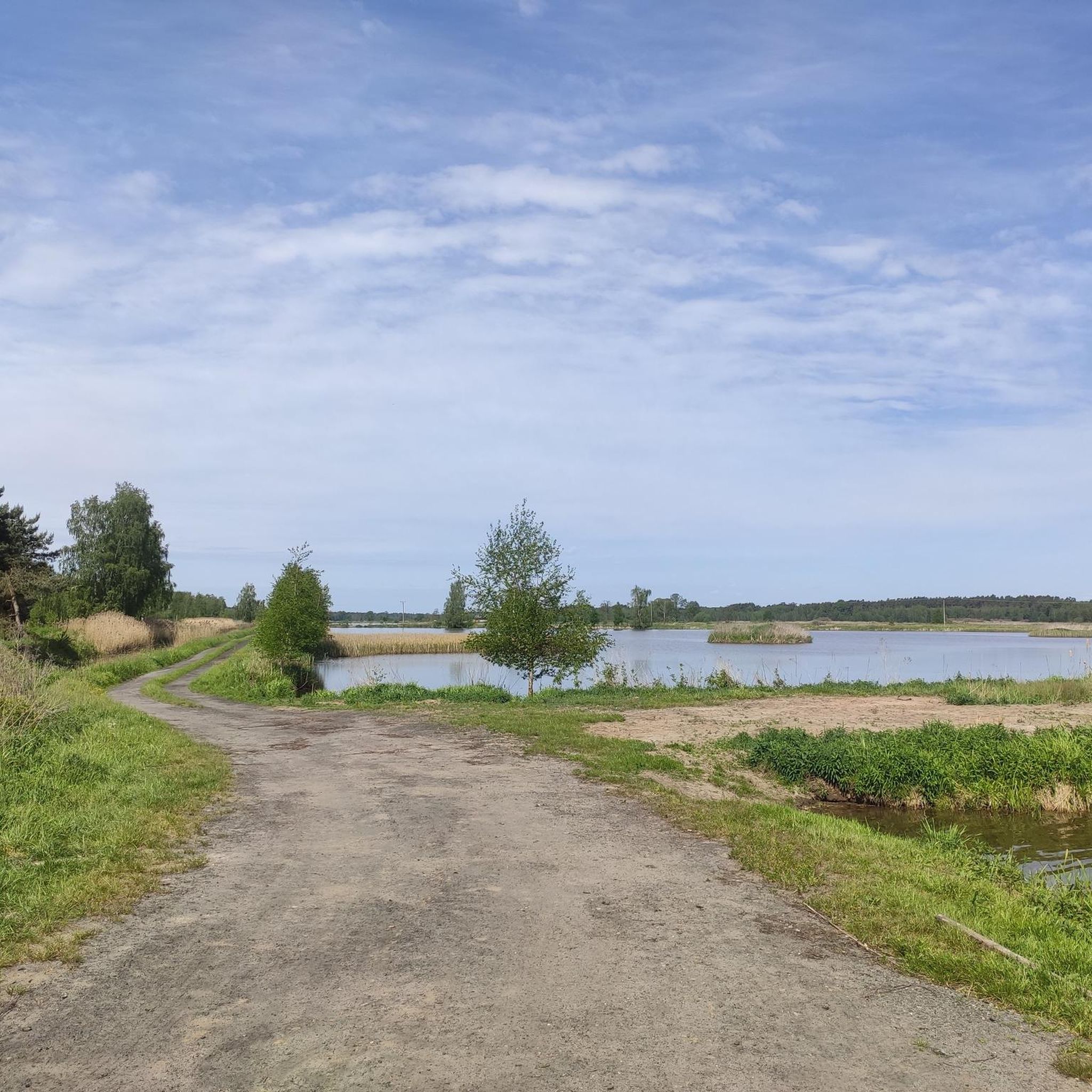
The Alley of Trees in Stobrawski Landscape Park is a picturesque route lined with impressive, centuries-old oaks and lime trees. It creates an extraordinary tunnel of greenery, ideal for peaceful walks or bike rides. It is a great place for nature lovers, where you can admire not only the majestic trees, but also the rich fauna of the park.
1
0
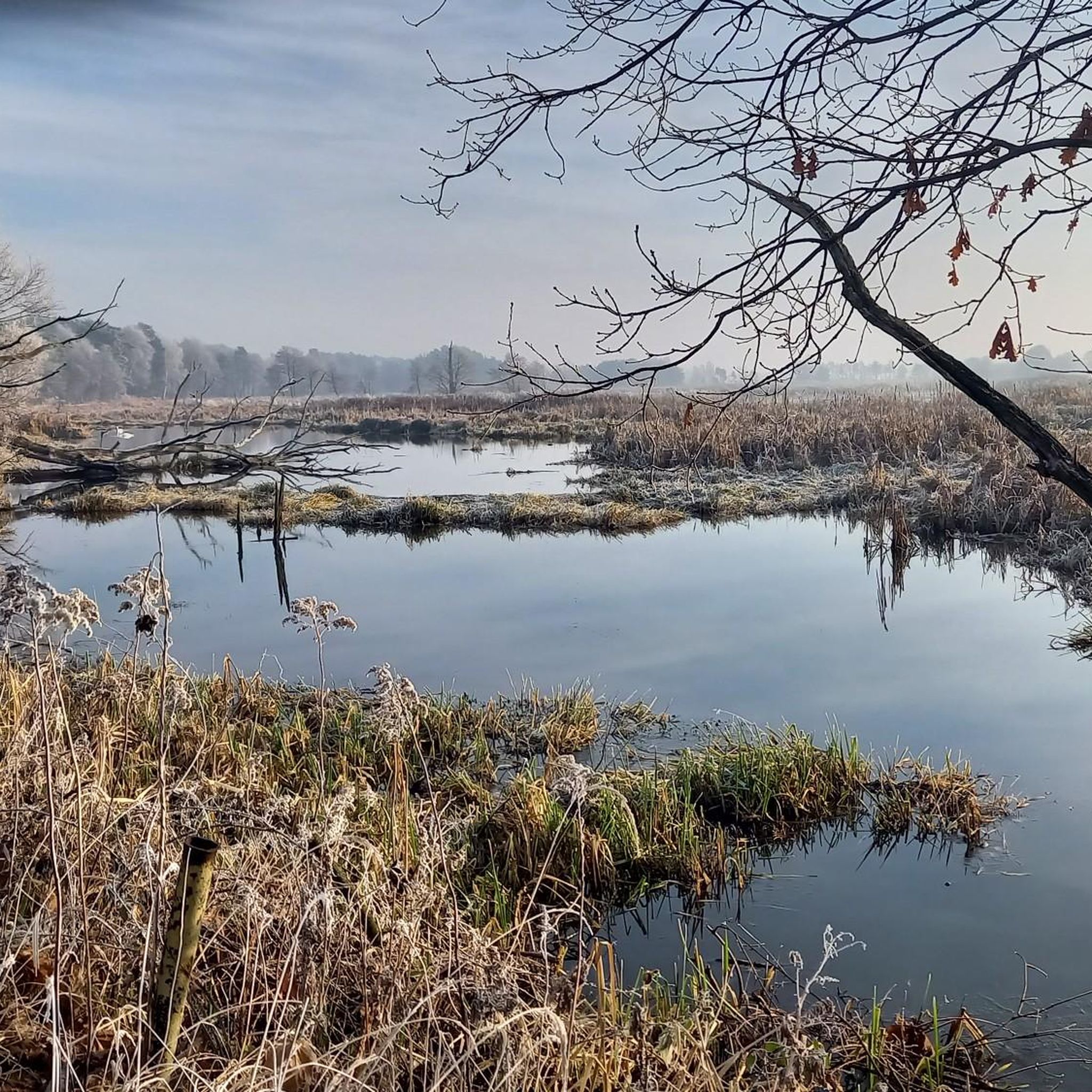
The dunes in the Stobrawa River Basin are the largest dune areas in the Opole region, formed by winds between 14,000 and 10,000 years ago. They can be admired in the Stobrawski Landscape Park, where they reach a height of up to 20 m. They are characterized by a unique environment - mainly pine trees grow on dry and poor soils, and in wetter places you can find marsh vegetation. The dunes are home to rare species of animals, such as predatory beetles or insects hunting in the sand. It is a fascinating place for nature and geology lovers.
1
0

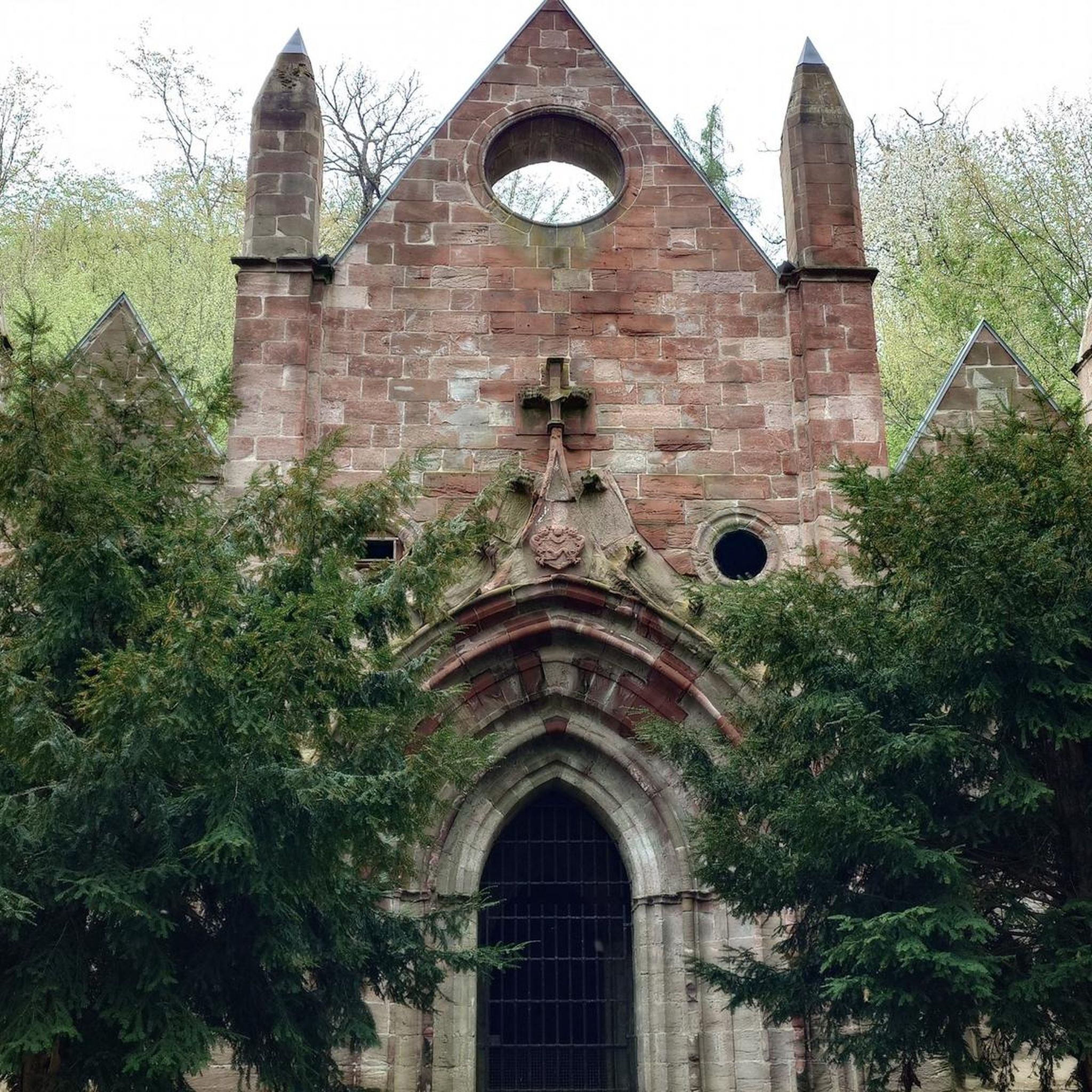
The Sleeping Lion is one of the most beautiful monuments in the park.
0
0
Quite a pleasant route through the forest. Holes and stones in places. Near the Castle you will find a tourist shelter with a place to rest.
0
1

Requires a bike or a long walk
0
1
The most beautiful old oaks growing in the Opole region
0
1
The oaks are impressive - large and old. They are located on an asphalt road. Access is easy and pleasant, but you have to be careful with cars. The road is very narrow and limited on one side by a barrier.
2
0
Frequently Asked Questions
What are the most notable natural monuments to visit around Pokój?
Pokój is rich in natural monuments, primarily ancient trees and unique geological formations. Among the most prominent are the Avenue of Old Oaks, known for its impressive, centuries-old trees along an asphalt road, and the Dunes in Stobrawski Landscape Park, which feature the largest dune areas in the Opole region, reaching up to 20 meters high. Another significant site is the Monumental Trees Avenue, Stobrawski Landscape Park, a picturesque route lined with ancient oaks and lime trees.
What unique geological features can be found among Pokój's natural monuments?
Beyond the impressive trees, Pokój features fascinating erratic boulders. In the French garden section of the palace park, you can find "Der Findlingsblock," a massive Nordic granite boulder with a circumference of 725 cm, which also bears historical inscriptions. Near Lake Matylda, a group of three erratic boulders known as the "Faith, Hope, Love" boulders are notable for their faint German inscriptions, adding a cultural and philosophical layer to their natural presence.
Are there family-friendly natural monuments or trails in the Pokój area?
Yes, several natural monuments and routes are suitable for families. The Avenue of Old Oaks offers easy access along an asphalt road, making it pleasant for all ages. Similarly, the Monumental Trees Avenue, Stobrawski Landscape Park, provides a picturesque and easy route for walks or bike rides through a tunnel of greenery. The historic Pokój park complex itself, where many ancient trees and boulders are located, offers a serene environment for family exploration.
What kind of ancient trees can I expect to see in Pokój?
Pokój is particularly known for its ancient oak trees. You'll find several impressive pedunculate oaks (Quercus robur), some estimated to be around 280 to 360 years old, with circumferences exceeding 600 cm. These include two prominent oaks near the roundabout between Namysłowska and Brzeska streets, and a solitary oak near the Zieleniec – Karłowice route. Additionally, a towering ash tree (Fraxinus excelsior) and a unique Weymouth pine (Pinus strobus) are also recognized as natural monuments within the area.
What outdoor activities can I do near the natural monuments around Pokój?
The area around Pokój offers various outdoor activities. You can enjoy easy hikes, such as the Wilhelm Eugen Temple – Sleeping Lion Statue loop, which is about 7.4 km. For cycling enthusiasts, routes like the Matylda Temple – Old Evangelical Church loop provide an easy 24.4 km ride. There are also running trails, including moderate loops from Wołczyn or a more difficult 15.1 km loop around Staw Matyldy – Trzciniak. For more options, explore the guides for Easy hikes around Pokój, Cycling around Pokój, and Running Trails around Pokój.
What is the best time of year to visit the natural monuments in Pokój?
The natural monuments in Pokój can be appreciated throughout the year, but spring and early summer offer particular beauty. In May and June, the rhododendrons in the historic Pokój park complex are in bloom, enhancing the scenic beauty of the surroundings where many of the ancient trees and boulders are located. Autumn also brings vibrant colors to the foliage of the ancient oaks and other trees.
Are there any historical connections or inscriptions on the natural monuments?
Yes, some natural monuments in Pokój have significant historical connections. The erratic boulder known as "Der Findlingsblock" in the palace park once featured an image of Princess Alexandra Matylda and still bears the carved German inscription "Die Dankbaren Carlsruher" (The Grateful Inhabitants of Pokój). Additionally, a group of three erratic boulders near Lake Matylda are notable for their faint German inscriptions: "Glaube, Hoffnung, Liebe" (Faith, Hope, Love), reflecting historical sentiments.
Can I bring my dog to the natural monuments and trails around Pokój?
While specific regulations for each natural monument may vary, generally, natural areas and trails in Poland, including those around Pokój, are dog-friendly. It's always recommended to keep your dog on a leash, especially in protected areas like the Stobrawski Landscape Park, and to clean up after them to preserve the natural environment for all visitors.
What makes the Stobrawski Landscape Park significant for natural monuments?
The Stobrawski Landscape Park is a broader natural attraction in the region that encompasses several significant natural monuments. It is home to the Dunes in Stobrawski Landscape Park, which are the largest dune areas in the Opole region, and the Monumental Trees Avenue, a picturesque route of ancient oaks and lime trees. The park's diverse environment supports unique flora and fauna, making it a crucial area for ecological value and conservation.
Is there parking available near the natural monuments in Pokój?
While specific parking areas for each individual monument are not detailed, the historic Pokój park complex, where many of the ancient trees and boulders are located, typically offers parking options for visitors. For monuments like the Avenue of Old Oaks, which is along an asphalt road, access is generally easy, but visitors should be mindful of cars due to the narrow road.
What is the 'Sleeping Lion Statue' and its connection to the natural monuments?
The Sleeping Lion Statue is a cast-iron monument located within the park in Pokój. While it is a man-made monument, it is often visited in conjunction with the natural monuments due to its location within the historic park complex. Erected in 1863, it commemorates Prince Eugeniusz Erdmann and symbolizes peace after the Napoleonic Wars, adding a historical and cultural dimension to a visit focused on nature.
Most popular attractions around Pokój

Get inspired with the komoot mobile app


