Top 8 Natural Monuments around Krościenko Wyżne
Best natural monuments around Krościenko Wyżne showcase the diverse natural landscapes of this village in the Subcarpathian Voivodeship of Poland. The area features unique geological formations, forested areas, and scenic viewpoints. Visitors can explore a variety of natural attractions, from ancient rock formations to panoramic mountain vistas. These natural features provide opportunities for appreciating the region's environment.
Best natural monuments around Krościenko Wyżne
- The most popular natural monument is Prządki Nature Reserve, a natural monument known for its unique…
Last updated: July 13, 2026
Prządki Nature Reserve
Highlight • Natural Monument
Translated by Google •
Tip by

Lourdes Grotto in Czarnorzecko-Strzyżowski Landscape Park
Highlight • Religious Site
Translated by Google •
Tip by

Sign up now to discover places like this
Get recommendations on the best single tracks, peaks, & plenty of other exciting outdoor places.
Sign up for free
Royal Mountain
Highlight • Summit
Translated by Google •
Tip by
Three Waters Waterfall in Kombornia
Highlight • Waterfall
Translated by Google •
Tip by
Zaginione Skałki rock formations
Highlight • Natural Monument
Translated by Google •
Tip by
Sign up for free to discover even more natural monuments around Krościenko Wyżne.
Sign up for free
Already have an account?
Start today with a free account
Your next adventure awaits.
Login or Signup
Tips from the Community

More information and photos: https://goryaktywnie.pl/rezerwat-przadki https://rzeszowpodkarpackie.com/rezerwat-przadki/ https://czarnorzeki.pl/rezerwat-przadki/ https://podkarpackie.travel/produkt/rezerwat-przadki
0
0

Lost rocks are rock outcrops emerging from sandstone layers. This is one of the stops on the interesting nature trail to the Trzy Wody waterfall. The largest rock in the group is about 40 m long and 3 to 7 m high.
4
0
The Trzy Wody Waterfall in Kombornia is the largest waterfall in the Czarnorzecko-Strzyżowski Landscape Park. It is made of large sandstone blocks and is approximately 5 m high.
2
0
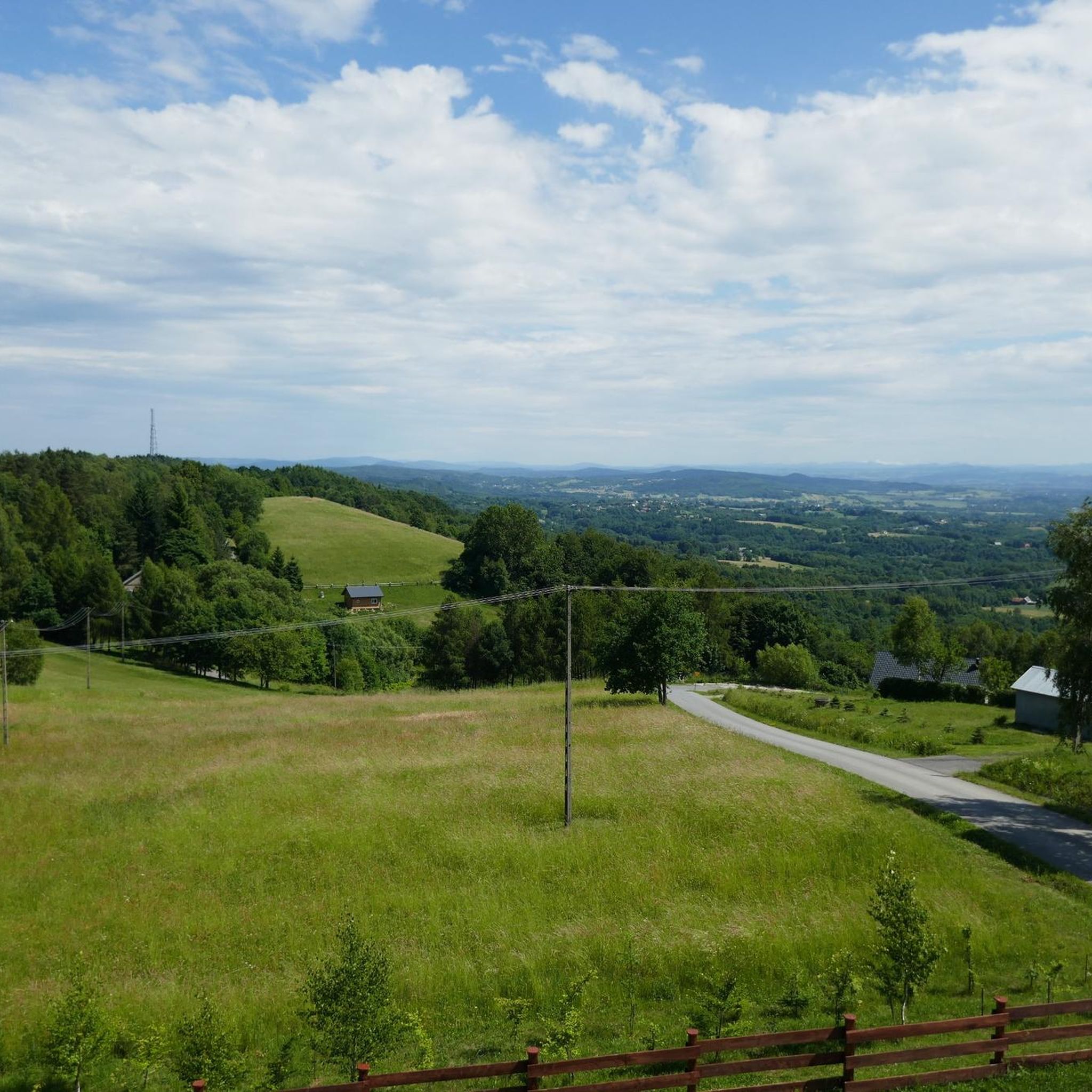
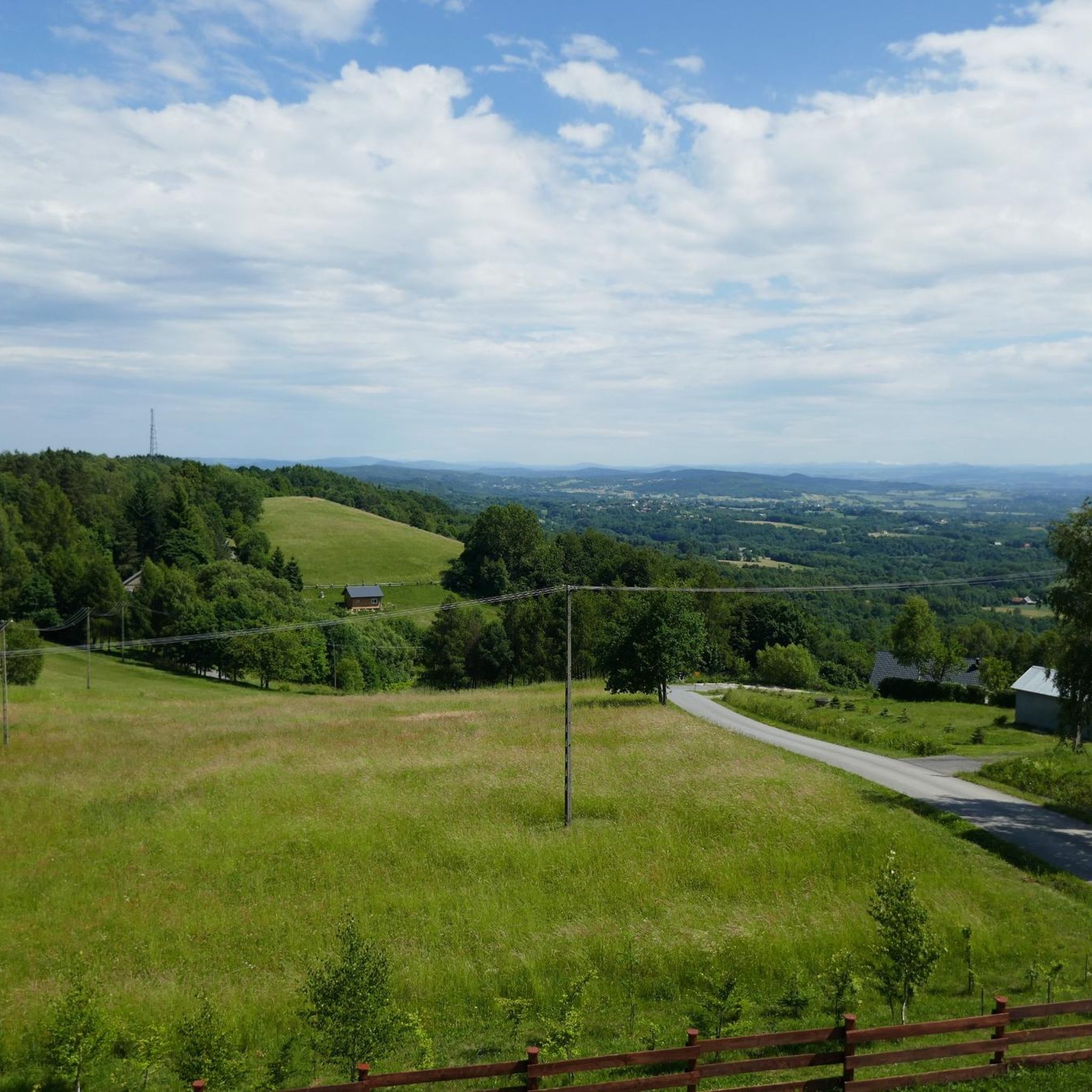
Królewska Góra (554 m above sea level) is a peak covered with beech forest in the Dynowskie Foothills near Czarnorzki. It is located in the Czarnorzecko-Strzyżowski Landscape Park.
3
0
Prządki nature reserve named after prof. Henryk Świdziński is an inanimate nature reserve established in 1957 in order to preserve a group of sand rocks distinguished by characteristic forms created as a result of aeolian (i.e. wind) erosion. The name of the reserve comes from a legend that says that the rocks are girls who spun flax on holiday days and were punished for it.
2
0

A dangerous place due to the combination of pedestrian, bicycle and car traffic on the narrow road that curves over the hill. Be very careful, especially in the presence of children. Moreover, groups of pilgrims come to the grotto from time to time, because of the lack of a pavement, moving along the road.
0
0

Frequently Asked Questions
What unique geological features can I explore around Krościenko Wyżne?
The region is particularly known for its fascinating rock formations. You can visit the Prządki Nature Reserve, famous for its unique sandstone rock formations shaped by wind erosion. Another interesting spot is the Zaginione Skałki rock formations, which are impressive rock outcrops emerging from sandstone layers.
Are there any waterfalls to visit near Krościenko Wyżne?
Yes, the Three Waters Waterfall in Kombornia is the largest waterfall in the Czarnorzecko-Strzyżowski Landscape Park. It's approximately 5 meters high and formed by large sandstone blocks, offering a picturesque natural sight.
What kind of viewpoints are available to appreciate the landscape?
For panoramic vistas, you can ascend Royal Mountain, a peak covered with beech forest within the Czarnorzecko-Strzyżowski Landscape Park. Additionally, the Marynkowska Mountain Viewpoint offers expansive views of the surrounding Beskid Niski mountain range and the Dynowskie Foothills.
Are there family-friendly natural monuments in the area?
Yes, the Prządki Nature Reserve is considered family-friendly, offering an engaging experience with its unique rock formations and the legend behind them. Many of the natural monuments are accessible via intermediate trails, suitable for families who enjoy a moderate walk.
What outdoor activities can I do near these natural monuments?
The area around Krościenko Wyżne offers various outdoor activities. You can find numerous running trails, including routes through Park Leśny Dębina, as well as road cycling routes. For hiking, there are easy trails like the Yellow Nature Trail to Trzy Wody Waterfall. You can explore more options on the Running Trails around Krościenko Wyżne, Road Cycling Routes around Krościenko Wyżne, and Easy hikes around Krościenko Wyżne guide pages.
Are there any religious sites within the natural settings?
Yes, the Lourdes Grotto in Czarnorzecko-Strzyżowski Landscape Park is a notable religious building situated in a picturesque natural environment. Its location within the landscape park provides a serene backdrop for reflection.
What is the best time of year to visit the natural monuments around Krościenko Wyżne?
While specific seasonal details are not provided, generally, spring and autumn offer pleasant weather for exploring natural monuments, with vibrant foliage or blooming nature. Summer is also popular, but can be warmer. Winter visits might be possible for some sites, but conditions could be challenging due to snow or ice, especially on trails.
Are there any ancient trees designated as natural monuments in Krościenko Wyżne?
Yes, the municipality of Krościenko Wyżne is home to several individual trees recognized as natural monuments. These include five ancient oak trees named "Aleksander," "Wincenty," "Jan," "Ludwik," and "Seweryn," as well as a linden tree named "Cecylia." They stand as impressive symbols of the region's old-growth flora.
Is public transport available to reach the natural monuments?
Information on specific public transport routes to each natural monument is limited. It is advisable to check local bus schedules or consider driving, as many natural sites in rural areas may require personal transportation for convenient access. Parking is generally available near popular sites.
Are permits required to visit the natural monuments?
Generally, permits are not required for casual visits to most natural monuments and parks in the area, such as the Prządki Nature Reserve or Dębina Forest Park. However, it's always a good practice to check for any specific regulations or entry requirements for particular reserves or protected areas before your visit.
What should I know about accessibility for people with limited mobility?
Many of the natural monuments, especially those involving rock formations or summits like Prządki Nature Reserve and Royal Mountain, involve intermediate trails with varied terrain. These may not be suitable for wheelchairs or those with significant mobility challenges. It is recommended to research specific trail conditions if accessibility is a concern.
Most popular routes around Krościenko Wyżne
Most popular attractions around Krościenko Wyżne

Get inspired with the komoot mobile app


Explore more
Extend your search for the best caves by checking out these guides of the top ones around Krościenko Wyżne:
