Top 11 Natural Monuments around Wicko
Best natural monuments around Wicko are situated in Lębork County, Poland, within a rich natural landscape. The area features 24 registered natural monuments, primarily significant oak and beech trees. The entire municipality is located within the buffer zone of Słowiński National Park, enhancing its natural appeal. This region offers diverse natural attractions, including coastal dunes, forest-peatland reserves, and unique floristic sites.
Best natural monuments around Wicko
- The most popular natural monuments is Łącka Dune, a natural monument with shifting…
Last updated: May 17, 2026
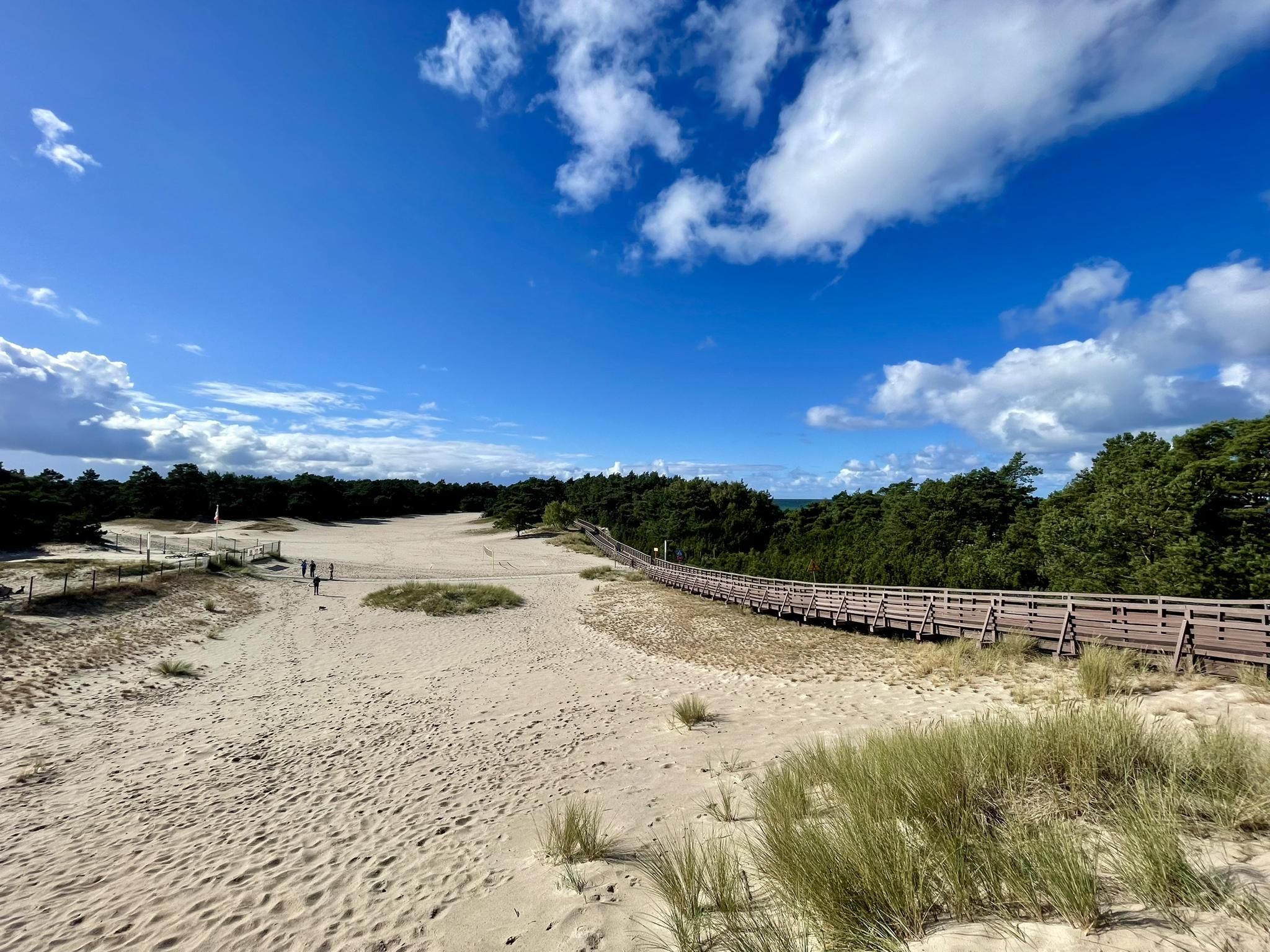
Łącka Dune
Highlight • Natural Monument
Translated by Google •
Tip by

Submerged Forest at Łącka Dune
Highlight • Natural Monument
Translated by Google •
Tip by

Sign up now to discover places like this
Get recommendations on the best single tracks, peaks, & plenty of other exciting outdoor places.
Sign up for free
Łącka Dune
Highlight • Natural Monument
Translated by Google •
Tip by

Łącka Dune
Highlight • Natural Monument
Translated by Google •
Tip by

Krakulice viewing platform
Highlight • Viewpoint
Translated by Google •
Tip by

Sign up for free to discover even more natural monuments around Wicko.
Sign up for free
Already have an account?
Start today with a free account
Your next adventure awaits.
Login or Signup

Other adventures around Wicko

Tips from the Community

Breathtaking views, an attraction 👌🏻
0
0

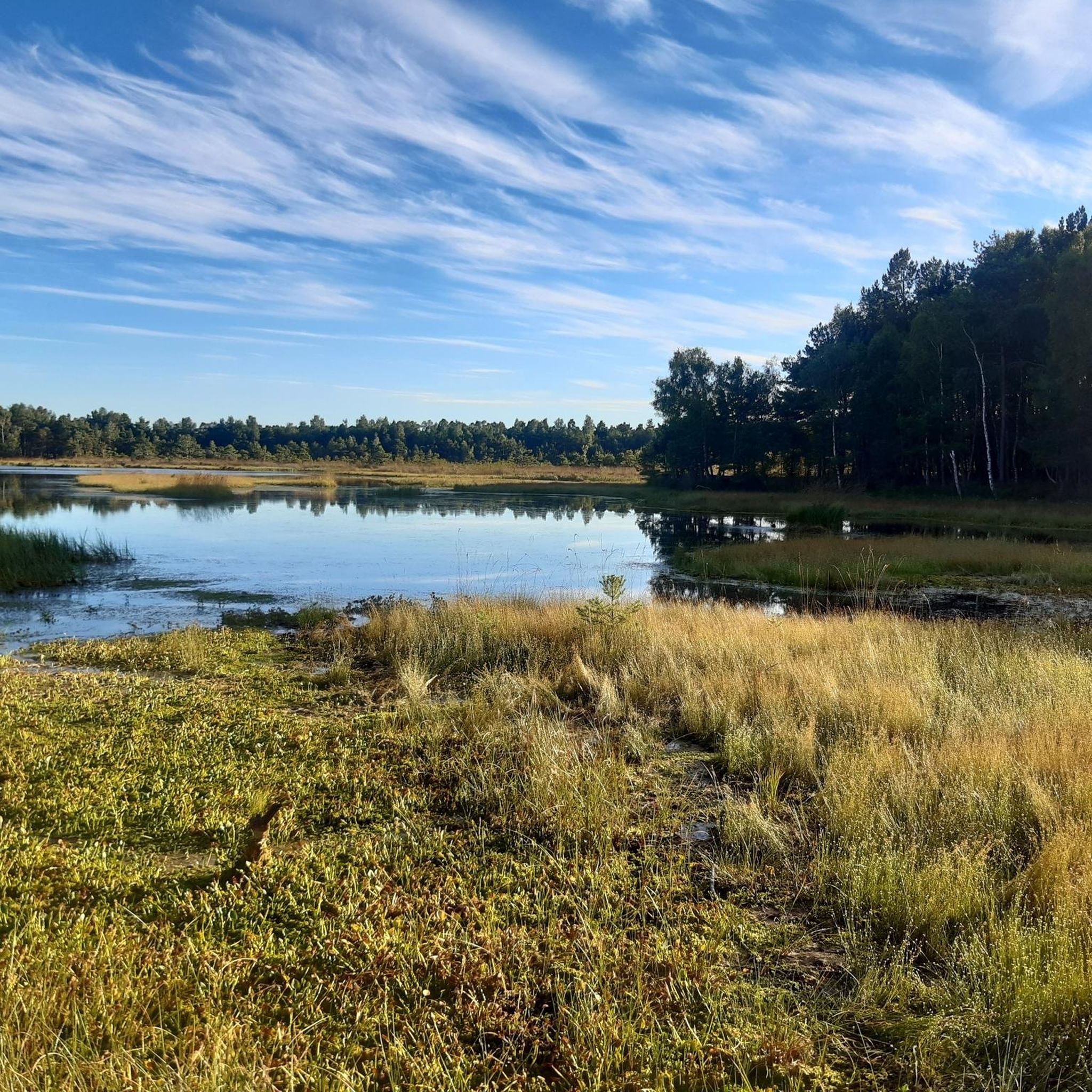
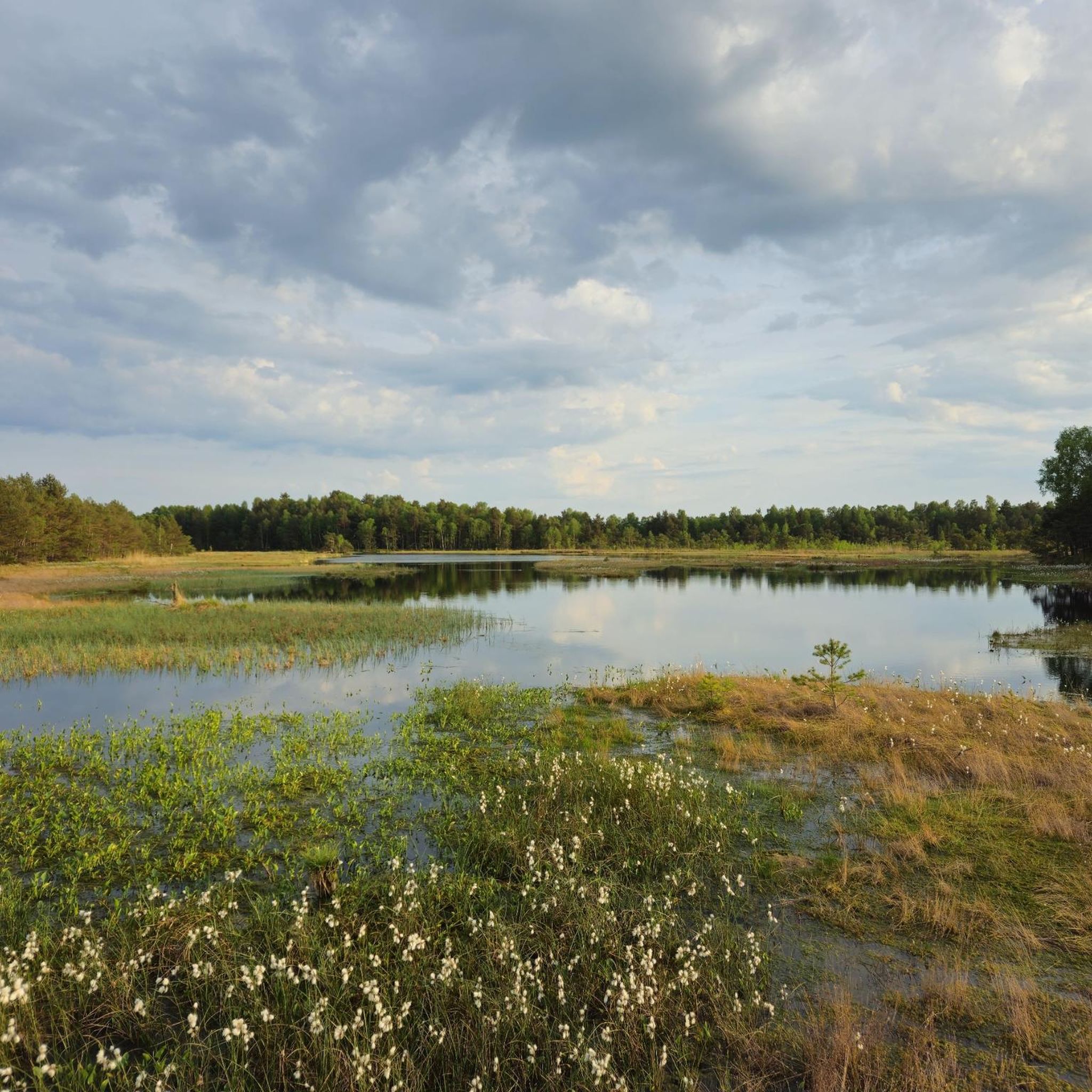
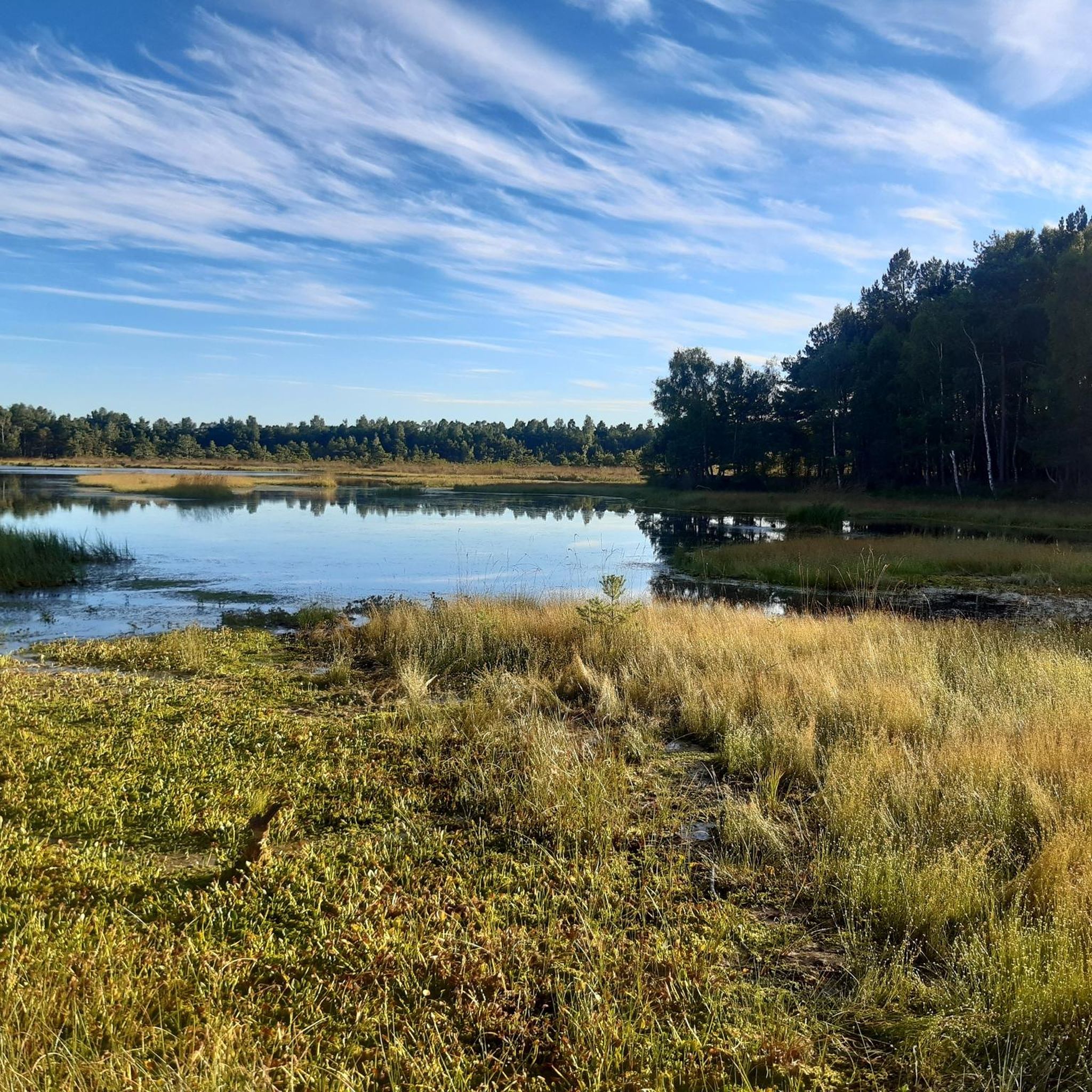
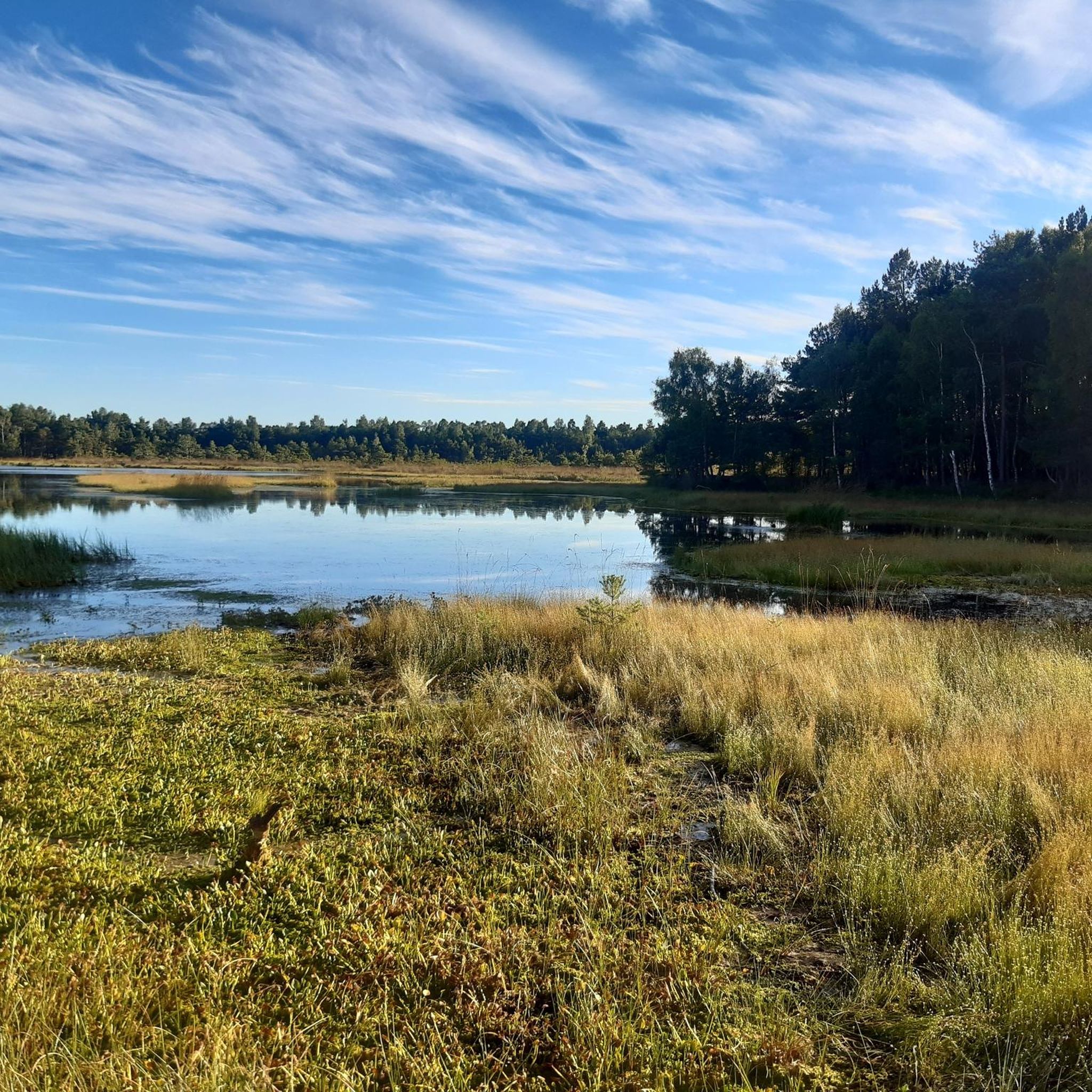
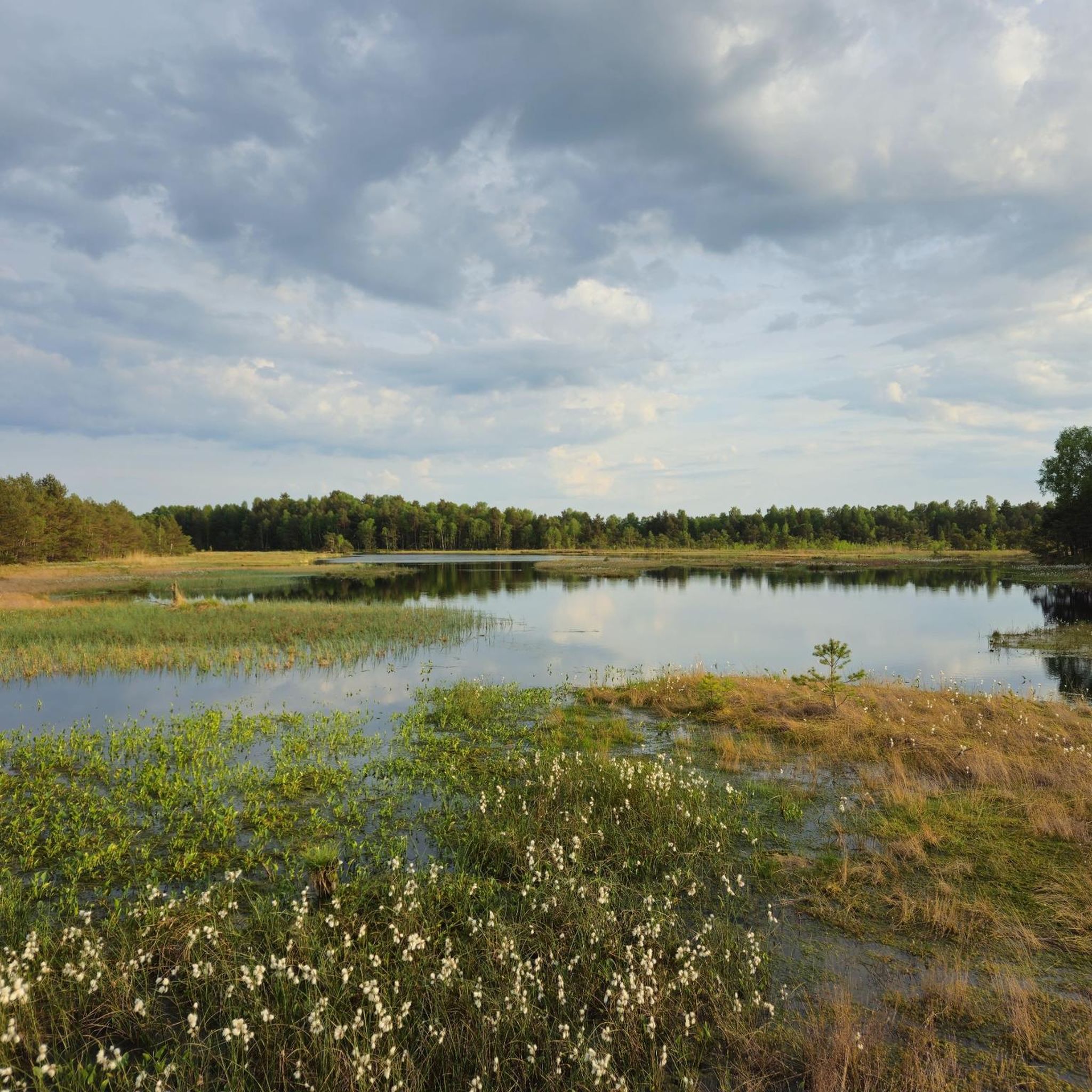
The Krakulice nature reserve includes a complex of peat bogs and wetlands in the Słowiński National Park. It is worth deviating from the route for a moment and walking along wooden footbridges to the viewing platform. This is an ideal place for bird watching, and in the undisturbed silence you will certainly hear their voices. In the summer you will certainly spot cranes.
3
0

A large swamp in the Słowiński National Park on the R10 road to Łeba
0
2

A lovely spot on earth. Sand in your shoes for free.
1
1


The Lontzkedüne (Polish Wydma Łącka) is the largest shifting dune on the Pomeranian Baltic Sea coast. Shaped like a crescent or crescent, it is part of the dune area, which covers an area of approximately 500 hectares. The natural dune is located on the 17 km long spit between Lake Leba and the Baltic Sea. It is between 30 and 42 meters high, about 1300 meters long and 500 meters wide and moves eastwards about 12 meters a year due to the prevailing westerly winds. She buries the original landscape, forest and moor under her. In the past, Łączka was also buried by the dune. On the west side, facing the wind, the dune has a gentle slope, while on the leeward side, the slope is very steep. From a wind speed of 18 km/h, the grains of sand begin to roll up the flat side until they fall down the upper edge on the wind-protected side. While the dune grows higher in spring and summer when the winds are rather weak, it flattens out in stronger winds in autumn and winter and then achieves a higher migration speed. On the back of the shifting dune, stub fields of former forests come to light (Wikipedia).
7
0

Difficult terrain to drive.
1
4

Just unfold the sleeping bag and stay there overnight. The best point on the road today 😍
1
2
Frequently Asked Questions
What unique natural features can I explore around Wicko?
The Wicko area offers diverse natural features. You can explore the unique geomorphology of Mierzeja Sarbska Nature Reserve White Sand Dunes and Beach, characterized by ridge and parabolic dunes. Another significant area is the Las Górkowski Nature Reserve, protecting bog pine forests and forest peat bogs. The Nowe Wicko Nature Reserve is notable for its protection of European sweet gale, a relict Atlantic species. Additionally, you can find individual tree monuments like the Common Yew near the primary school in Wicko and impressive erratic boulders such as the "Olbrzym" near Bargędzino.
Are there family-friendly natural monuments in the Wicko area?
Yes, several natural monuments are suitable for families. The Leaning Pine Forest in Słowiński National Park is categorized as family-friendly. Exploring individual tree monuments, like the Common Yew in Wicko, or the "Olbrzym" erratic boulder, can also be an accessible and engaging activity for families.
What kind of wildlife can I observe in the natural monuments near Wicko?
The region is rich in wildlife, especially birds. The Las Górkowski Nature Reserve is a habitat for notable bird species such as the lesser spotted eagle and red kite. The Krakulice viewing platform is an ideal spot for bird watching, where you can often hear and spot cranes. Słowiński National Park, which borders Wicko, is famous for its diverse bird species, including white-tailed eagles and cranes, thriving in its coastal lakes and peat bogs.
What are the best places for birdwatching around Wicko?
For birdwatching, the Krakulice viewing platform within Słowiński National Park is highly recommended. Wooden footbridges lead to the platform, offering undisturbed views of peat bogs and wetlands where you can observe various bird species, including cranes in summer. The Las Górkowski Nature Reserve also provides a tranquil environment for observing rare and protected fauna, including birds.
What are the most popular natural monuments around Wicko?
Among the most popular natural monuments are Łącka Dune, known for its shifting sands and challenging hikes, and Mierzeja Sarbska Nature Reserve White Sand Dunes and Beach, which features unique geomorphology and a beautiful white sandy beach. The Krakulice viewing platform is also a favorite for its birdwatching opportunities and scenic views.
Are there hiking trails near the natural monuments in Wicko?
Yes, there are numerous hiking opportunities. You can find easy hikes around Wicko, including routes like the "Hiking loop from Rezerwat Mierzeja Sarbska." For more options, explore the Easy hikes around Wicko guide, which lists several trails, such as the "Old Port of Łeba – Famous Promenade in Łeba loop" and the "Stilo Lighthouse – Stilo Beach loop."
What outdoor activities can I do near these natural monuments?
Beyond hiking, the area around Wicko offers excellent opportunities for cycling. You can explore various routes, including road cycling and mountain biking trails. For detailed routes, check out the Road Cycling Routes around Wicko guide and the MTB Trails around Wicko guide. These guides feature routes like the "Church of Charbrowo – Fishermen's Square Memorial loop" for road cycling and the "Ulinia Tree Madonna – Kanal Nowecinnski trail bridge loop" for mountain biking.
What is the best time to visit the natural monuments around Wicko?
The best time to visit depends on your preferences. For pleasant weather and to enjoy the beaches and outdoor activities, late spring to early autumn (May to September) is ideal. However, some areas, like the Trail to the Dunes (Mierzeja Conservation Area), can get very crowded during peak summer. Visiting out of season or early in the morning can offer a more tranquil experience. Winter visits can provide a unique perspective, allowing you to feel the raw power of the wind and sand on the dunes, as noted by visitors to Łącka Dune.
Are there any unique plant species to look out for in the reserves?
Yes, the reserves are home to several unique and protected plant species. The Mierzeja Sarbska Nature Reserve boasts approximately 340 species of vascular plants, including royal fern, peat violet, long-leaved sundew, and intermediate sundew. The Nowe Wicko Nature Reserve is particularly significant for protecting European sweet gale (Myrica gale), which reaches the southeastern limit of its natural occurrence here. The Las Górkowski Nature Reserve also protects bog pine forests and features species like marsh tea and lily of the valley.
What do visitors enjoy most about the natural monuments around Wicko?
Visitors frequently appreciate the unique landscapes and the sense of being close to nature. The shifting sands of Łącka Dune are often described as an indescribable experience, especially feeling the power of the wind. The tranquility and opportunities for birdwatching at spots like the Krakulice viewing platform are also highly valued. Many enjoy the beautiful white sandy beaches found in areas like the Mierzeja Sarbska Nature Reserve, especially when fewer people are around.
Is Słowiński National Park easily accessible from Wicko?
Yes, the entire Gmina Wicko (Wicko Municipality) lies within the buffer zone of Słowiński National Park, making its world-class natural attractions easily accessible. The park is famous for its massive shifting sand dunes, picturesque coastal lakes, and extensive peat bogs, offering breathtaking and unique landscapes often compared to a "Polish Sahara." It's an exceptional destination for hiking, cycling, and birdwatching, providing unparalleled views and a chance to witness dynamic natural processes.
Most popular routes around Wicko
Most popular attractions around Wicko

Get inspired with the komoot mobile app


Explore more
Extend your search for the best caves by checking out these guides of the top ones around Wicko:
