Top 20 Natural Monuments around Ruda Śląska
Best natural monuments around Ruda Śląska offer a glimpse into the region's natural heritage within the Silesian Voivodeship of Poland. The area features a diverse landscape, recognized for its natural, scientific, cultural, and historical value. These sites provide opportunities to explore ancient trees and significant geological formations. Ruda Śląska’s landscape presents a unique environment for outdoor exploration.
Best natural monuments around Ruda Śląska
- The most popular natural monuments is Chudów Castle, a castle and natural monument that consists of…
Last updated: June 29, 2026
Chudów Castle
Highlight • Castle
Translated by Google •
Tip by

Tekla Poplar
Highlight • Natural Monument
Translated by Google •
Tip by

Sign up now to discover places like this
Get recommendations on the best single tracks, peaks, & plenty of other exciting outdoor places.
Sign up for free
Żabie Doły Nature Reserve
Highlight • Natural Monument
Translated by Google •
Tip by

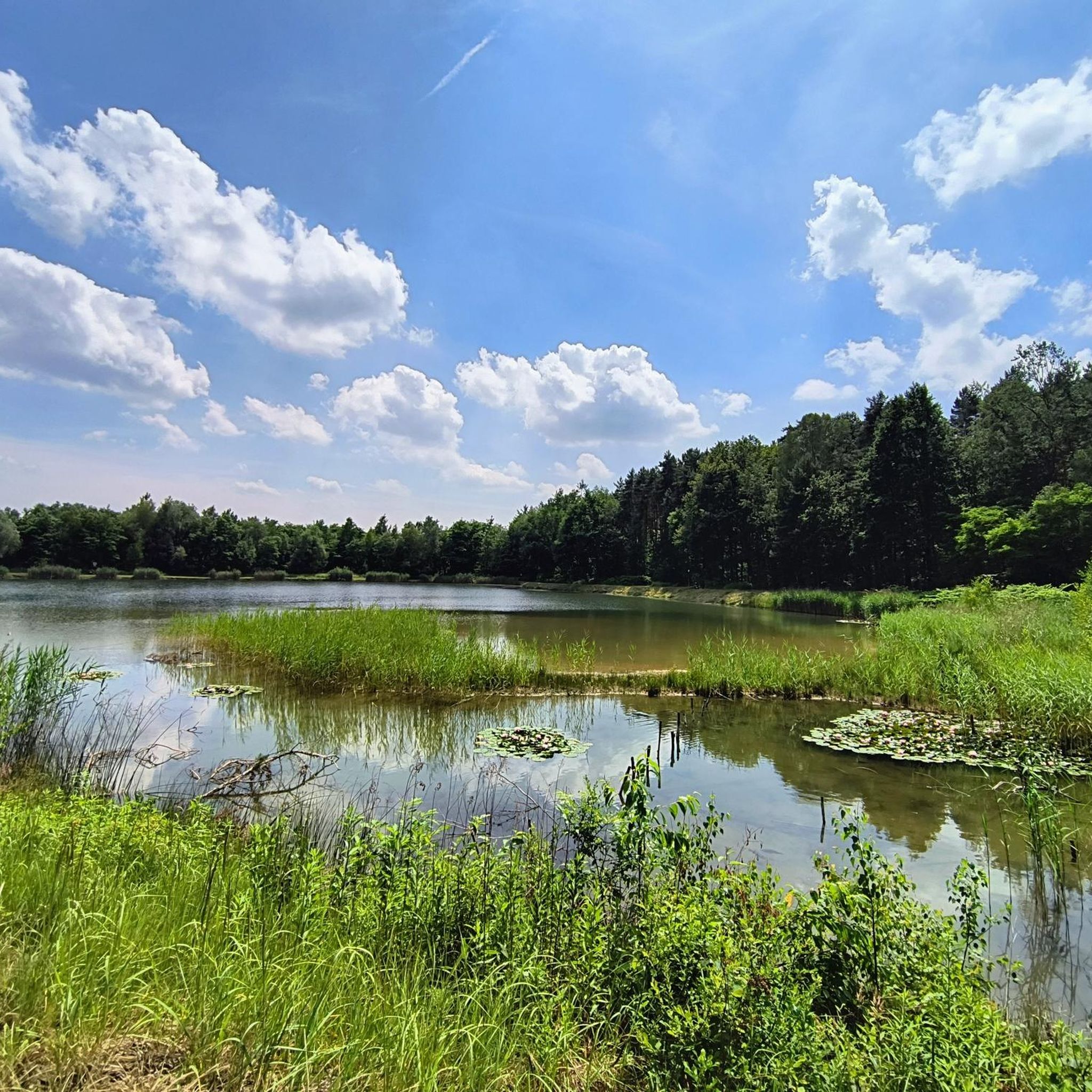
CZARNY STAW – subsidence reservoir
Highlight • Lake
In the case of intensive exploitation (environment), when the terrain descends by a dozen or so meters, the basin …
Translated by Google •
Tip by
Murcki bison – the foundation of species restoration in Europe
Highlight • Historical Site
Translated by Google •
Tip by
Sign up for free to discover even more natural monuments around Ruda Śląska.
Sign up for free
Already have an account?
Start today with a free account
Your next adventure awaits.
Login or Signup

Tips from the Community

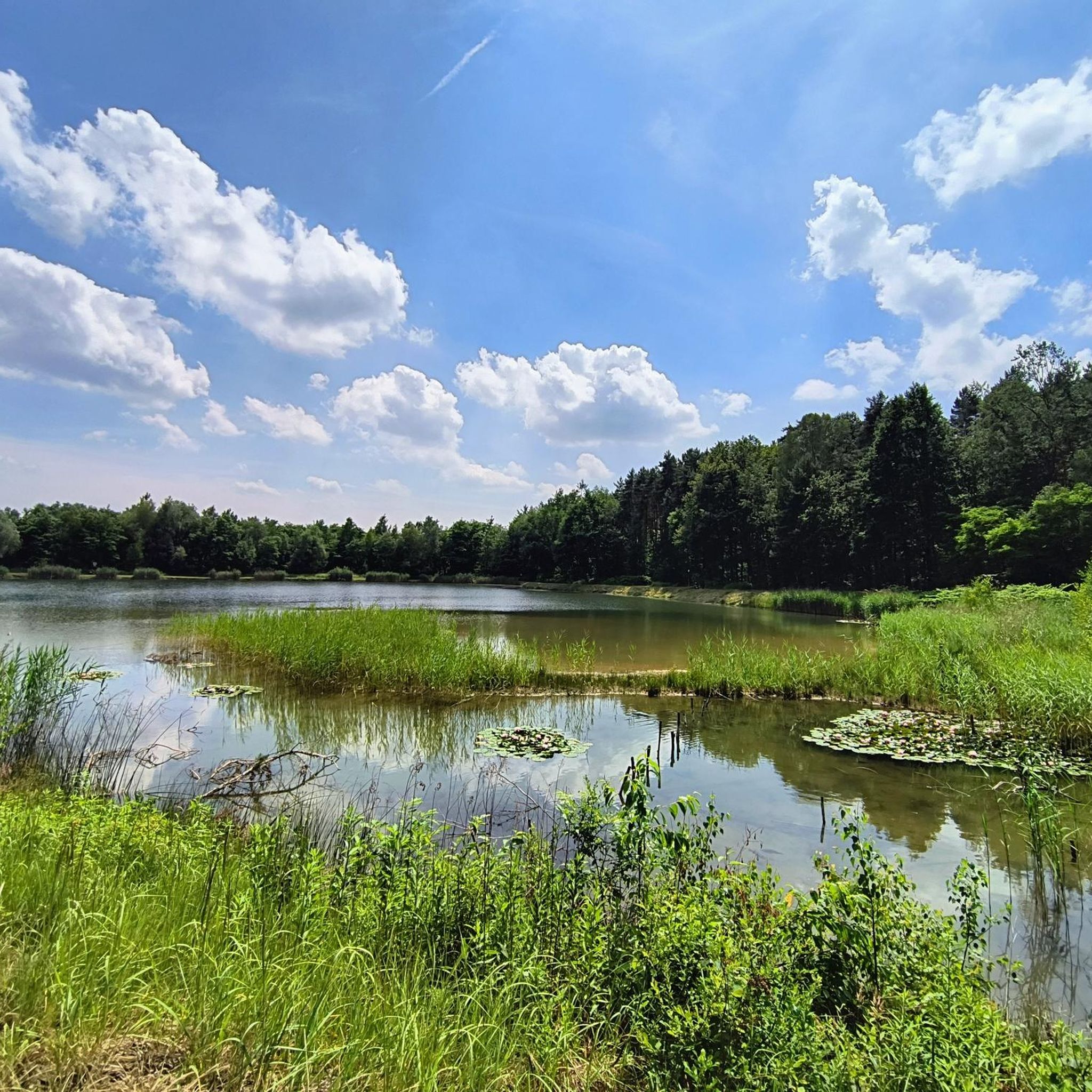
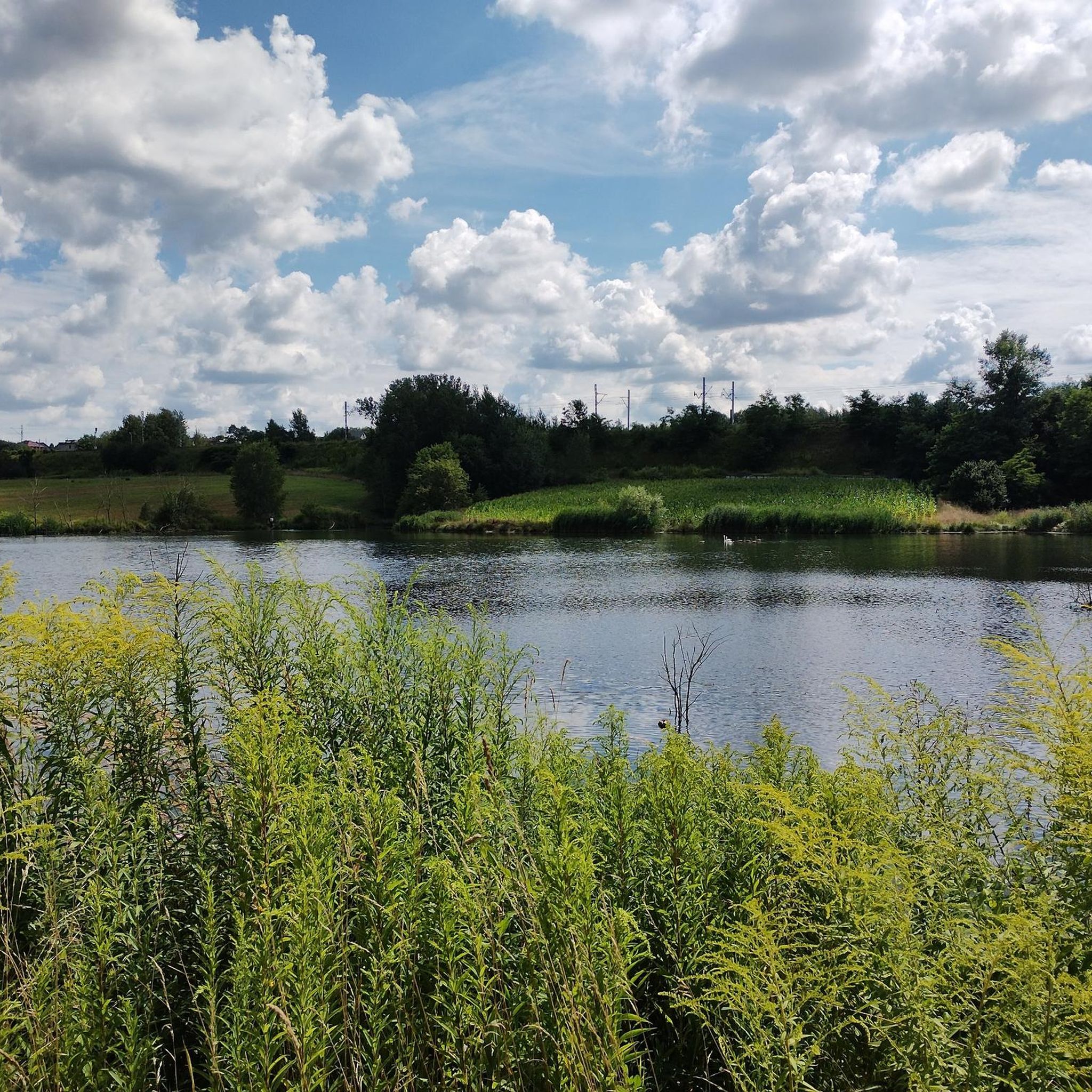
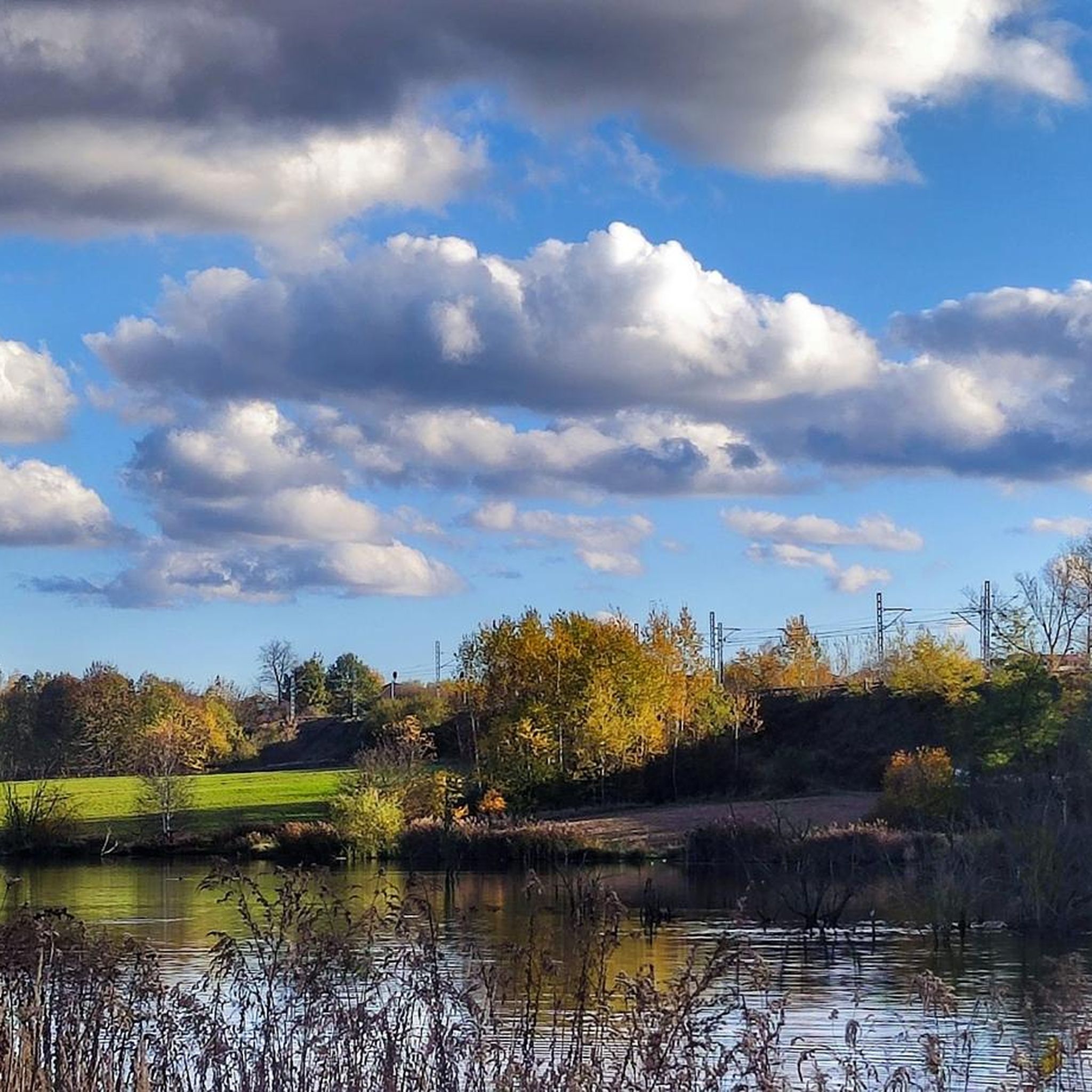
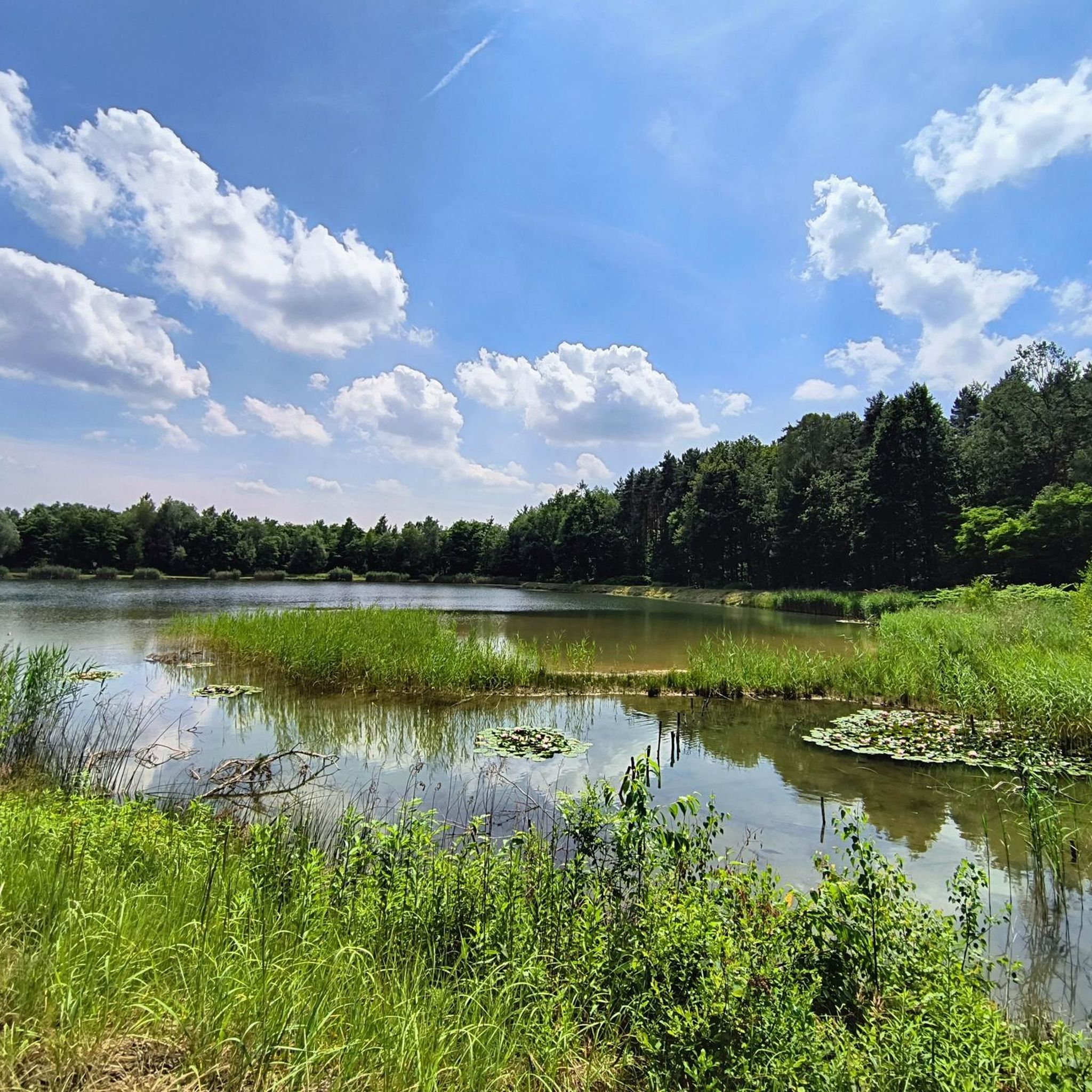
Czarny Staw is a charming spot, perfect for a moment of respite during a hike. The calm waters and natural surroundings create a relaxing atmosphere. It's a great place to stop, enjoy the view, and catch your breath.
1
0

The "Tekla" poplar tree, with several nearby spots for a short break during the tour. This place changes year after year. This is a good thing, as more and more visitors come here each year.
0
0

The murals were removed when the new viaduct was built.
0
0

A must-see for a bike trip with the family. Bars and souvenir shops nearby.
2
0
Ruins of a castle from the 16th century. Nearby you will find places where you can eat and drink well. There are a lot of visitors during the season.
2
0

A place worth visiting due to its interesting ruins
2
0

A very nice place to stop during bicycle trips. Numerous events during the season.
2
0

Castle in Chudów - ruins of a Renaissance castle in Chudów from the 1530s, built by the nobleman Jan Saszowski from Gierałtowice on the site of a wooden defensive tower. The building is made of stone and brick, originally on a rectangular plan, with a central courtyard with cloisters and a well.
3
0
Frequently Asked Questions
What types of natural monuments can I explore in Ruda Śląska?
Ruda Śląska is known for its diverse natural monuments, primarily ancient and impressive trees, alongside a significant erratic boulder. You can find various species of old trees, such as Limes, Hornbeams, Beeches, and Oaks. Additionally, the area features unique geological formations like the erratic boulder at the junction of Wolności and Kościelna streets, and water bodies such as CZARNY STAW – subsidence reservoir and Żabie Doły Nature Reserve.
Where can I find ancient trees designated as natural monuments in Ruda Śląska?
Several parks and streets in Ruda Śląska host ancient trees recognized as natural monuments. Notable locations include Jan Sobieski Park in the Ruda district, home to a 230-year-old Small-leaved Lime, a 150-year-old Common Hornbeam, and a 170-year-old Weeping Common Beech. Planty Kochłowickie features a 120-year-old Common Beech, and individual trees like a 140-year-old Copper Beech on ulica Edmunda Kokota and a 200-year-old Oak on ulica are also protected.
Are there any geological natural monuments in Ruda Śląska?
Yes, Ruda Śląska is home to an impressive erratic boulder located at the junction of Wolności and Kościelna streets in the Ruda district. This coarse-grained granite boulder, with a circumference of 3.88 meters, is a significant geological remnant transported by glaciers during the Ice Age, offering a tangible connection to the region's geological history.
What activities can I do near the natural monuments in Ruda Śląska?
The natural monuments are often situated in areas conducive to outdoor activities. For instance, you can explore cycling routes around the region, including those passing near natural attractions. Check out the Cycling around Ruda Śląska guide for options like the Chudów Castle – Starganiec Pond loop. There are also Running Trails around Ruda Śląska for those who prefer jogging.
Are there family-friendly natural monuments or activities in Ruda Śląska?
Many natural monuments in Ruda Śląska are suitable for families. Parks like Jan Sobieski Park and Planty Kochłowickie offer tranquil green spaces where children can appreciate the ancient trees. Planty Kochłowickie, in particular, underwent revitalization in 2020, adding new paths, benches, a grilling area, and a street games area, enhancing its recreational appeal for families. The Tekla Poplar is also listed as family-friendly.
What is the best time of year to visit the natural monuments in Ruda Śląska?
The natural monuments, especially the ancient trees, can be appreciated year-round. Spring and summer offer lush foliage and pleasant weather for walks, while autumn provides vibrant colors. The revitalized Planty Kochłowickie, with its illuminated beech tree, can also be enjoyed during evening strolls. The erratic boulder is accessible regardless of the season.
Can I find historical sites alongside natural monuments in the area?
Yes, some natural monuments are located near historical sites. For example, the impressive Tekla Poplar is situated right next to Chudów Castle, the ruins of a Renaissance castle from the 1530s. This allows visitors to combine an appreciation for natural heritage with a glimpse into the region's past.
What makes the trees in Jan Sobieski Park special?
The trees in Jan Sobieski Park are designated natural monuments due to their remarkable age and size. The park features a Small-leaved Lime approximately 230 years old with a trunk circumference of 449 cm, a Common Hornbeam around 150 years old, and a unique Weeping Common Beech about 170 years old. These trees are living testaments to time, offering a majestic presence and contributing significantly to the park's ecological value.
Are there any unique natural monuments with striking visual features?
Yes, the Copper Beech (Fagus sylvatica 'Purpurea') on ulica Edmunda Kokota in the Bielszowice district is a visually distinctive natural monument. This approximately 140-year-old tree is known for its striking purple foliage, making it a beautiful and unique sight among the region's natural heritage.
What is the significance of the 'Murcki bison' natural monument?
The Murcki bison monument commemorates the foundation of European bison species restoration. It marks the historical site where bison breeding began in 1865 in the Pszczyna forests, initiated by an exchange between Jan Henryk XI Hochberg and Russian Tsar Alexander II. This site represents a crucial part of conservation history.
How can I reach the natural monuments using public transport or find parking?
Specific public transport routes and parking availability vary by monument. For locations like Jan Sobieski Park and Planty Kochłowickie, which are within urban areas, public transport options are generally available. The erratic boulder at Wolności and Kościelna streets is also centrally located. It's advisable to check local public transport schedules and parking information for each specific monument location prior to your visit.
What are the characteristics of the CZARNY STAW – subsidence reservoir?
The CZARNY STAW – subsidence reservoir is an atmospheric lake and natural monument formed due to intensive exploitation, where the terrain has subsided by several meters. Its water surface ranges from 20 to 30 hectares, creating a unique landscape. It's a tranquil spot, perfect for respite during a hike, offering calm waters and natural surroundings.
Most popular routes around Ruda Śląska
Most popular attractions around Ruda Śląska

Get inspired with the komoot mobile app


