Top 9 Natural Monuments around Gaszowice
Best natural monuments around Gaszowice offer a diverse natural landscape, featuring protected trees and significant natural areas. The region is home to 9 natural monuments, including ancient oaks and nature reserves. These sites are recognized for their ecological value, impressive size, and contribution to the local environment. They provide opportunities for appreciating nature and understanding regional heritage.
Best natural monuments around Gaszowice
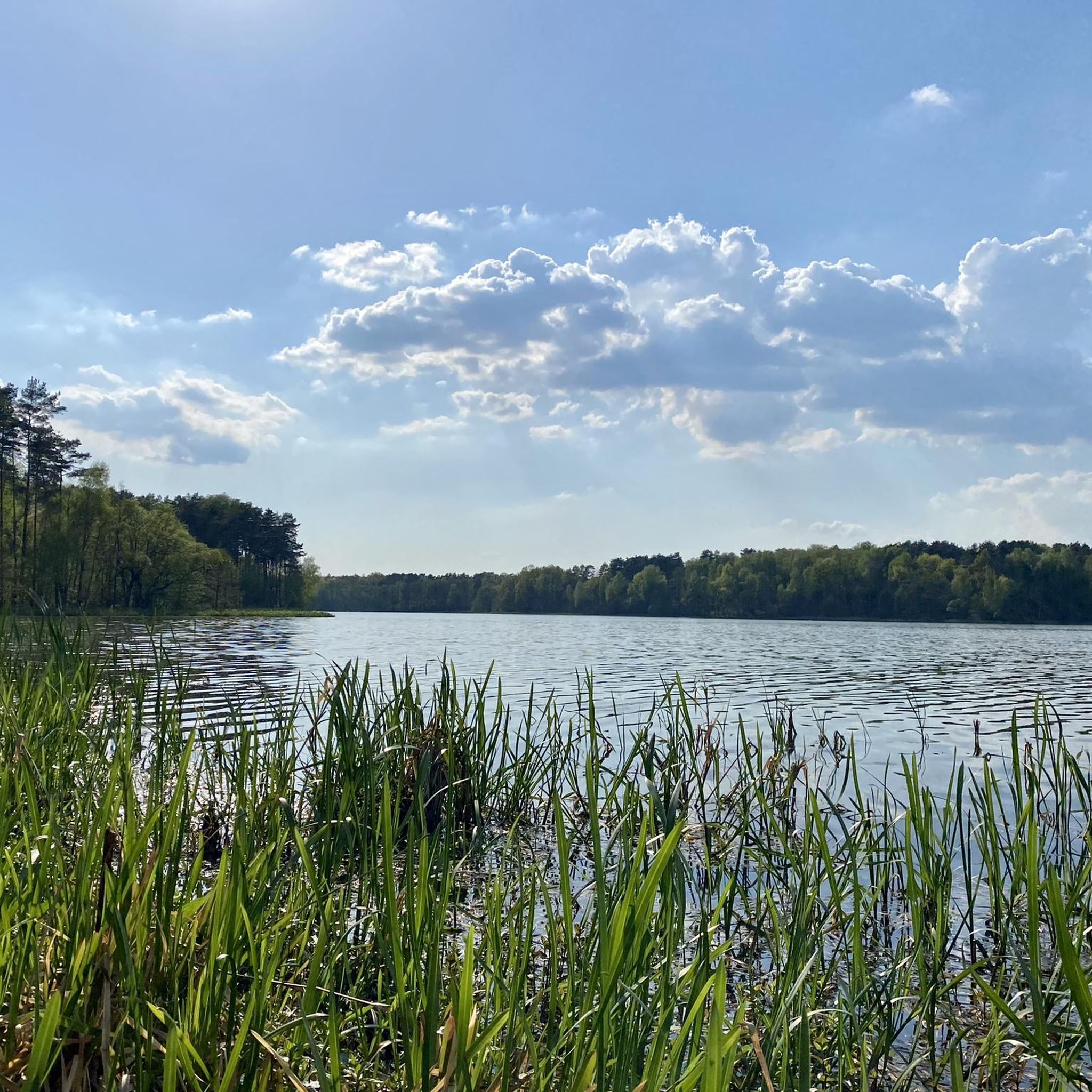
- The most popular natural monuments is Łężczok Nature Reserve, a natural monument with bike paths and diverse surroundings. It is known for its protected natural features and offers a tranquil environment.
- Another must-see spot is Cistercian Oak "Cysters", a natural monument and historical site. This pedunculate oak is approximately 450 years old, measures 730 cm in circumference, and reaches a height of 31 m.
- Visitors also love Sobieski Oak in Łężczok, an over 400-year-old pedunculate oak located within the Łężczok nature reserve. It is the thickest and oldest tree in Racibórz and a significant natural monument.
- Gaszowice is known for ancient oak trees and nature reserves. These natural features highlight the region's commitment to preserving its ecological and historical heritage.
- The natural monuments around Gaszowice are appreciated by the komoot community, with 89 upvotes and 16 photos shared by visitors.
Last updated: July 13, 2026
Sobieski Oak in Łężczok
Highlight • Natural Monument
The oak got its name from the legend according to which the tree was planted to commemorate the stay of King Jan III Sobieski in those areas during the march to the relief of Vienna in 1683. It is known, however, that it is not true, because in 1683 the tree was already about 100 years old.
In turn, Jan Duda, in the publication "Natural Peculiarities of Racibórz" published in 2001, writes about the application according to which the king was supposed to stop under an oak tree on his way to Vienna. The oak is part of the tradition of Sobieski trees, well-known in Upper Silesia.
pl.wikipedia.org/wiki/D%C4%85b_Sobieskiego_w_%C5%81%C4%99%C5%BCczoku
Translated by Google •
Tip by

Szarlota Spoil Heap – one of the top artificial mountains in Europe
Highlight • Structure
In 2007 it was given the name "Szarlota".
It is one of the highest heaps in Europe - from the base it measures approx. 134 meters, the summit is approx. 406 m above sea level.
It covers an area of 37 hectares and has a volume of 13.3 million m³.
It is partially covered with vegetation and is the dominant element of the landscape.
By 2024, the lower part of the heap is to be liquidated (cone No. 2 and flat heap No. 3.
The heap is perfectly visible from the nearby towns, incl. from Wodzisław Śląski, Radlin and some Beskids peaks, e.g. from Czantoria Wielka and Łysa Góra.
It is official that it is forbidden to enter (warning at the entrance gate), but for those who want it, nothing is difficult and there are no major obstacles to enter.
pl.wikipedia.org/wiki/Ha%C5%82da_w_Rydu%C5%82towach
zapomniany.rybnik.pl/slaskie-gory-czyli-wycieczka-na-haldy
zabytkitechniki.pl/culturalheritage/3294/halda-szarlota
Translated by Google •
Tip by
Sign up now to discover places like this
Get recommendations on the best single tracks, peaks, & plenty of other exciting outdoor places.
Sign up for free
Cistercian Oak "Cysters"
Highlight • Natural Monument
komoot.com/de-de/collection/3600632/-naturdenkmaeler-besondere-baeume-und-weitere-schaetze-der-natur
Tip by

Pope John Paul II Oak
Highlight • Natural Monument
Translated by Google •
Tip by

Łężczok Nature Reserve
Highlight • Natural Monument
Translated by Google •
Tip by

Sign up for free to discover even more natural monuments around Gaszowice.
Sign up for free
Already have an account?
Start today with a free account
Your next adventure awaits.
Login or Signup

Tips from the Community

Now part of the Collection https://www.komoot.com/de-de/collection/3600632/-naturdenkmaeler-besondere-baeume-und-weitere-schaetze-der-natur
1
0
Now part of the Collection https://www.komoot.com/de-de/collection/3600632/-naturdenkmaeler-besondere-baeume-und-weitere-schaetze-der-natur
1
0


The pedunculate oak "Cysters" is one of the most beautiful old trees in historic Upper Silesia. It grows along an alley in the English park surrounding the monastery and palace complex of the former Cistercian Abbey in Rudy, just behind the presbytery of the restored Sanctuary of Our Lady of the Humble. The old man is 730 cm in circumference and reaches a height of 31 m. He is approximately 450 years old.
0
0

The history of the Papal oaks began on April 28, 2004, during one of the pilgrimages of Polish foresters. It was then that foresters took 2.5 kg of seeds of the Brave oak, the oldest pedunculate oak in Poland, to the Vatican (the Brave oak is estimated to be 745 years old). The seeds returned to Poland with the blessing of John Paul II, and from then on each "descendant" of the Brave is called a papal oak.
0
0

Sobieski's Oak - an over 400-year-old specimen of the pedunculate oak (Quercus robur L.) located in the Łężczok nature reserve, within the administrative borders of Racibórz. It is the thickest and oldest tree in Racibórz, the Łężczok reserve, and also one of the three oldest and most impressive trees in the landscape park called Cistercian Landscape Compositions of Rudy Wielkie. The oak got its name from the legend according to which the tree was planted to commemorate the stay of King Jan III Sobieski in those areas during the march to the relief of Vienna in 1683. It is known, however, that it is not true, because in 1683 the tree was already about 100 years old. In turn, Jan Duda, in the publication "Natural Peculiarities of Racibórz" published in 2001, writes about the application according to which the king was supposed to stop under an oak tree on his way to Vienna. The oak is part of the tradition of Sobieski trees, well-known in Upper Silesia. https://pl.wikipedia.org/wiki/D%C4%85b_Sobieskiego_w_%C5%81%C4%99%C5%BCczoku
5
0

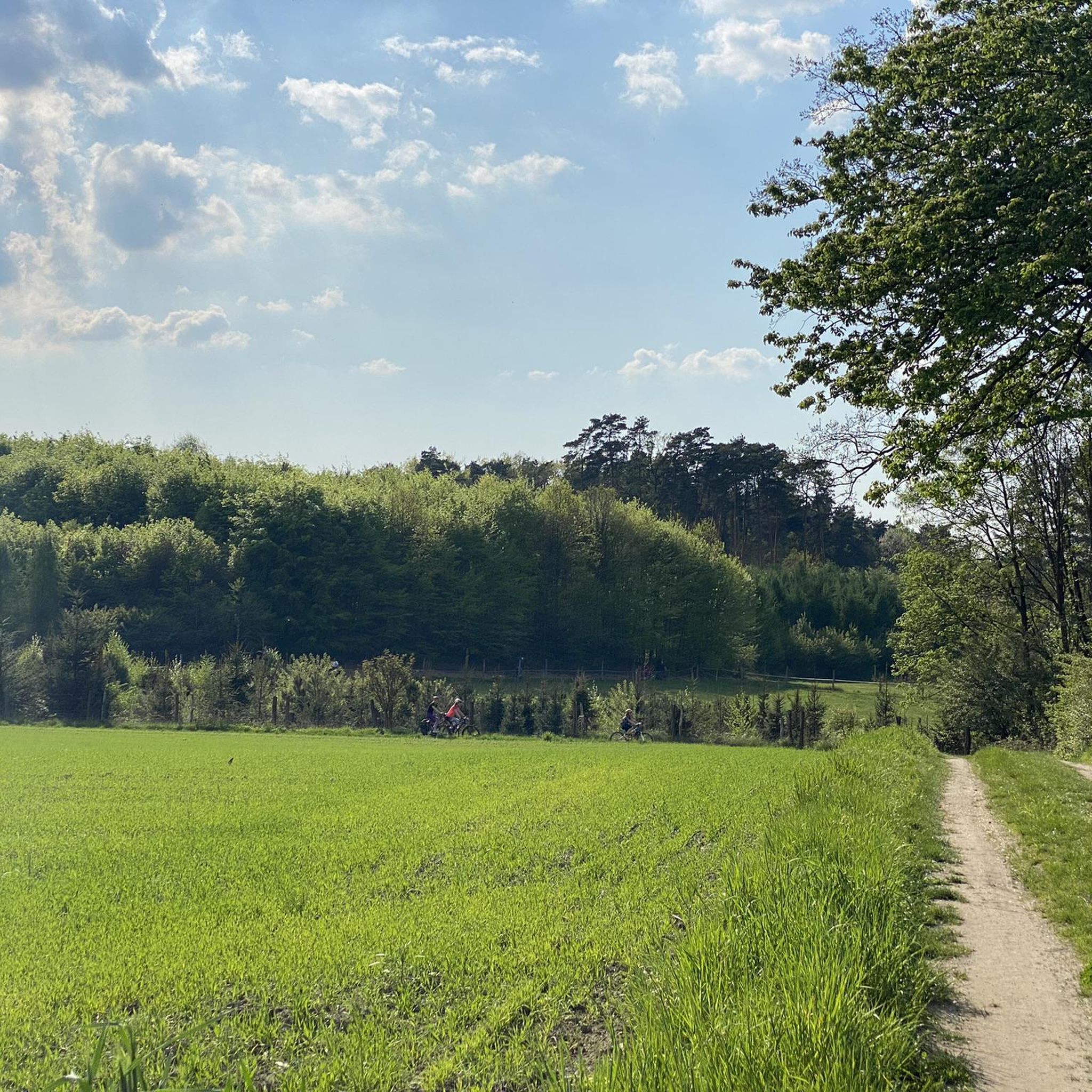
The post-Cistercian monastery complex is not only bicycle trips, but also a good time spent outdoors and a place for canoeing enthusiasts.
0
0

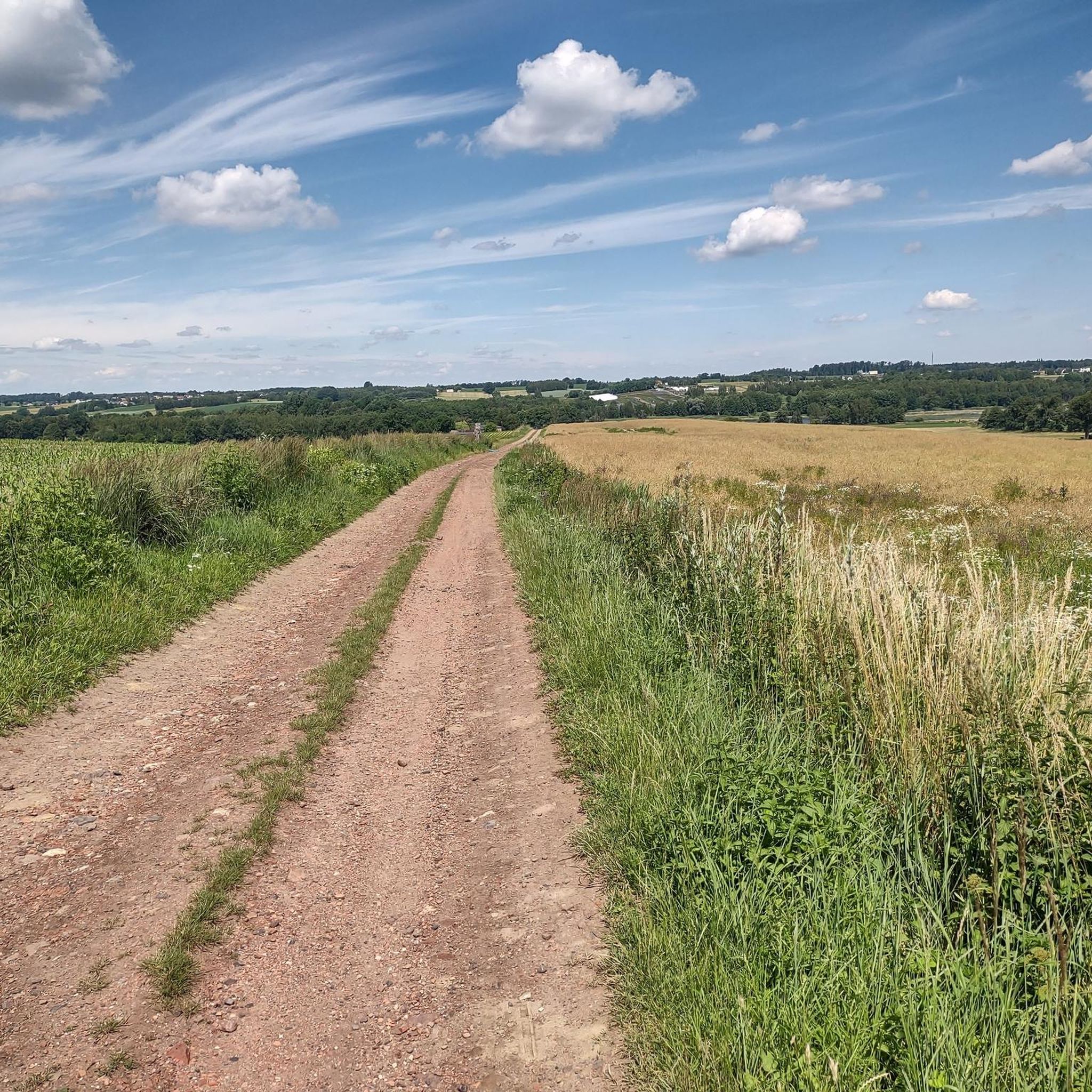
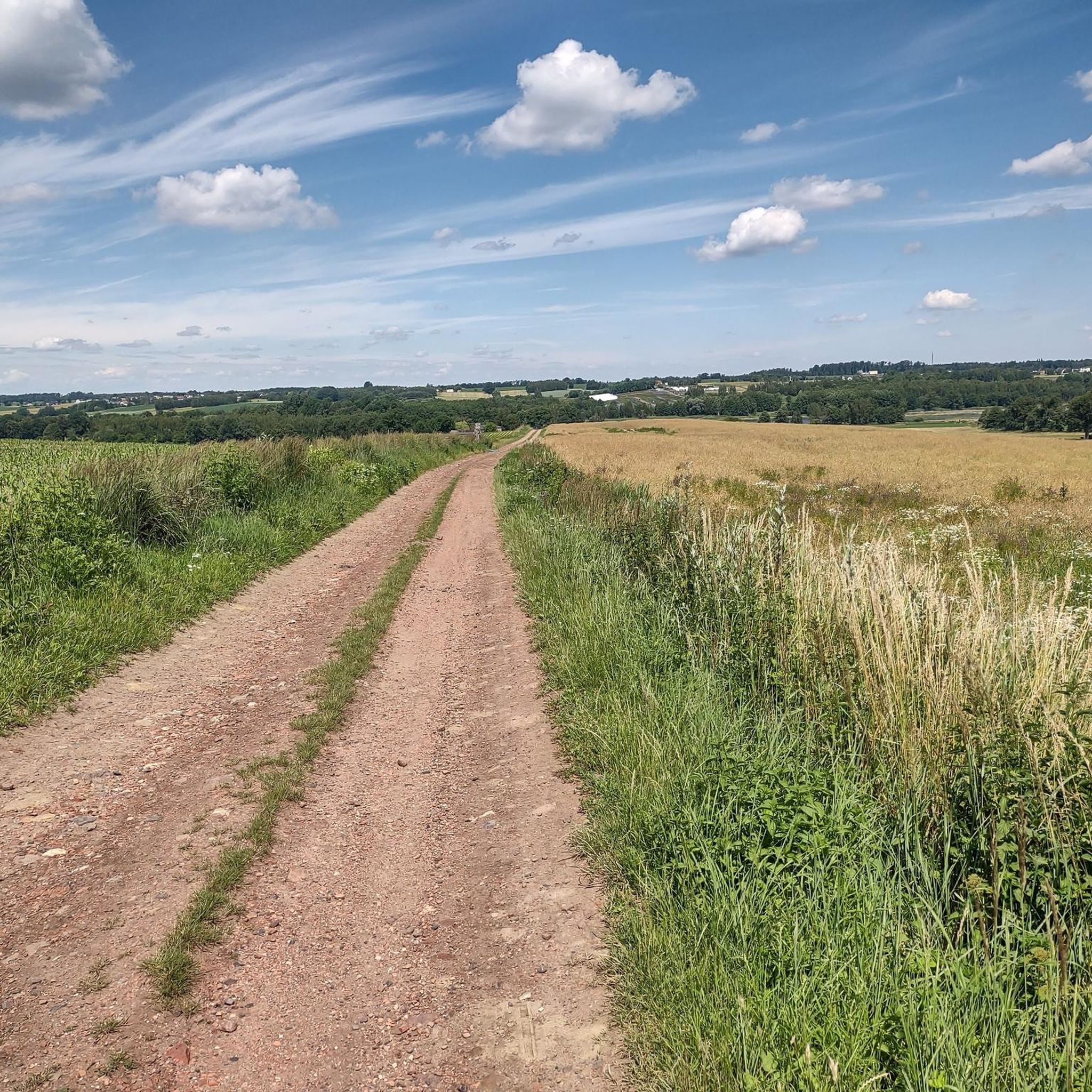
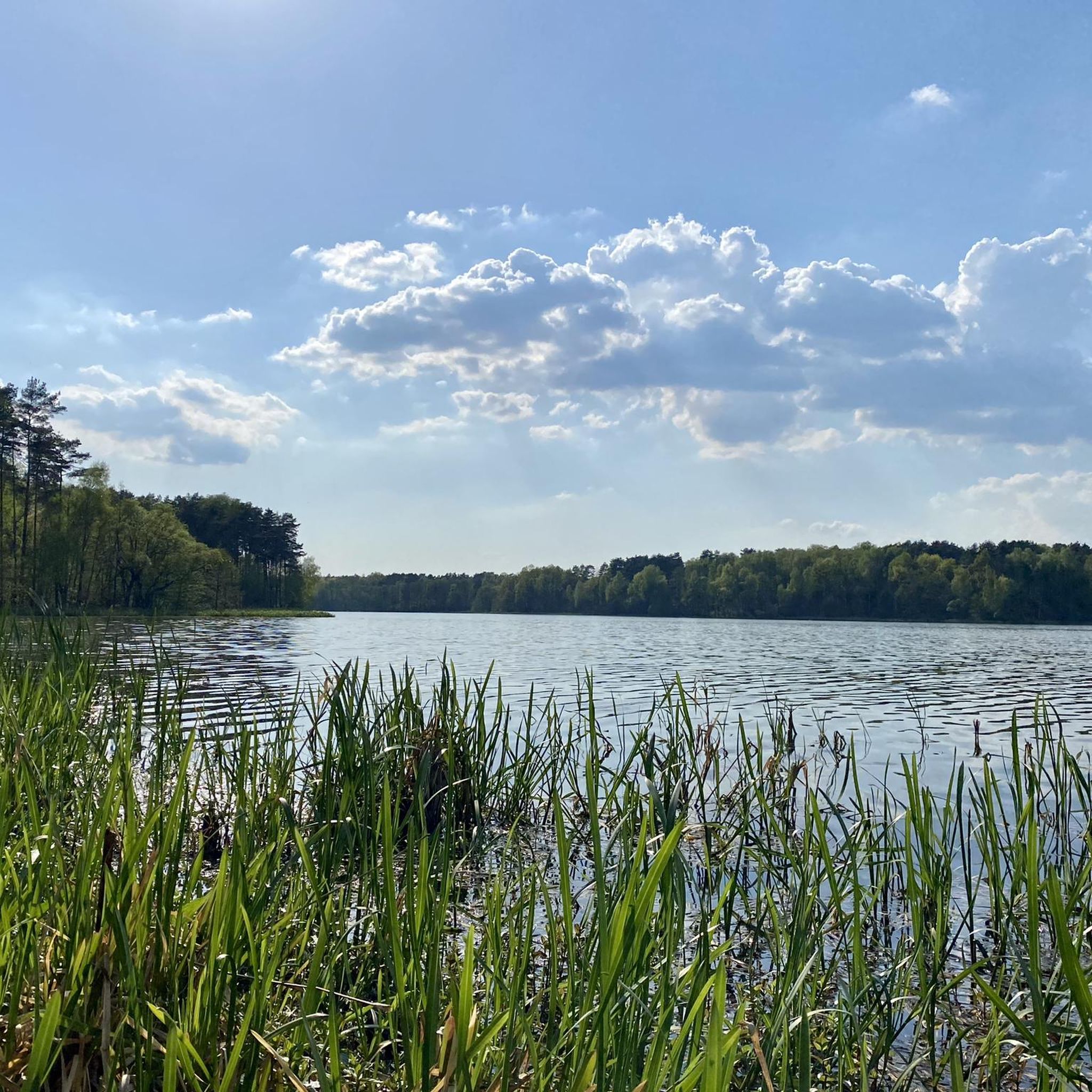
Natural monument, located in the Łężczok nature reserve and on the route of the Polish Hussars. Note: part of the trail "not very passable" by bike. Maybe you need to horseback;)
0
1
Frequently Asked Questions
What are some of the most popular natural monuments to visit around Gaszowice?
Among the most popular natural monuments in the area is Łężczok Nature Reserve, known for its diverse natural features and bike paths. Visitors also highly appreciate the ancient Cistercian Oak "Cysters", a magnificent 450-year-old tree, and the Sobieski Oak in Łężczok, which is over 400 years old and the thickest tree in Racibórz.
Are there any family-friendly natural monuments in Gaszowice?
Yes, several natural monuments around Gaszowice are suitable for families. The Sobieski Oak in Łężczok, Cistercian Oak "Cysters", and Pope John Paul II Oak are all categorized as family-friendly. The Łężczok Nature Reserve also offers trails and bike paths that can be enjoyed by families.
What kind of natural features can I expect to see in the Gaszowice area?
The Gaszowice area is rich in natural features, primarily ancient and protected trees like the Pedunculate Oak and Small-leaved Lime, recognized for their significant size and ecological value. You can also explore the Łężczok Nature Reserve, which features forests and lakes, providing habitats for various species and contributing to the region's biodiversity.
Are there historical sites or cultural points of interest related to the natural monuments?
Yes, many of the natural monuments have historical or cultural significance. The Sobieski Oak in Łężczok is associated with a legend about King Jan III Sobieski. The Cistercian Oak "Cysters" grows within the English park of a former Cistercian Abbey, linking it to the region's monastic history. Additionally, the Pope John Paul II Oak is part of a tradition of trees grown from seeds blessed by the Pope.
What outdoor activities can I do near the natural monuments around Gaszowice?
You can enjoy various outdoor activities near the natural monuments. The Łężczok Nature Reserve offers pleasant bike paths. For hiking, you can find easy routes like the "Hiking loop from Gaszowice" or "Pniowiec Beach – Przynęta Grill & Beer loop from Chwałęcice." For more challenging options, consider the "View of the Pond – Main Dam of the Reservoir loop from Orzepowice." You can find more details on these and other routes in the Hiking around Gaszowice guide.
Are there cycling routes available near the natural monuments?
Yes, there are several cycling routes. The Łężczok Nature Reserve itself features nice bike paths. For mountain biking, you could try routes like the "Łężczok Nature Reserve – Sobieski Oak in Łężczok loop from Łuków Śląski." Gravel biking options include the "Lake Rybnickie – Narrow-gauge railway in Rudy loop from Rybnik." More routes are detailed in the MTB Trails around Gaszowice and Gravel biking around Gaszowice guides.
What makes the Szarlota Spoil Heap a natural monument, and can I visit it?
The Szarlota Spoil Heap is considered a natural monument due to its significant size and its role as a dominant landscape feature. It's one of the highest heaps in Europe, offering panoramic views. While it is officially forbidden to enter, there are no major physical obstacles preventing access. It's partially covered with vegetation and visible from many surrounding towns.
What is the significance of the Pedunculate Oak and Small-leaved Lime in Czernica?
These two trees, located in the park of the "Zameczek" Cultural Center in Czernica, are designated natural monuments due to their exceptional size, age, and ecological importance. The Pedunculate Oak boasts a circumference of over 4 meters. They contribute significantly to local biodiversity by providing habitats and enhancing the aesthetic and cultural value of the park, serving as peaceful spots for recreation and reflection.
What do visitors enjoy most about the natural monuments in Gaszowice?
Visitors particularly enjoy the tranquility and natural beauty of the areas, especially within the Łężczok Nature Reserve. The impressive size and age of the ancient oaks, such as the Sobieski Oak and Cistercian Oak "Cysters", evoke a sense of awe and connection to nature. The combination of natural heritage and opportunities for outdoor activities like cycling and hiking is also highly appreciated.
Are there any specific considerations when visiting the Łężczok Nature Reserve?
When planning a trip through the Łężczok Nature Reserve, be aware that some roads may occasionally be inaccessible due to protection periods. It's advisable to consider alternative routes or check for current conditions if you have a specific path in mind. Despite this, the reserve offers beautiful bike paths and diverse surroundings to explore.
How many natural monuments are there in the Gaszowice region?
The Gaszowice region is home to 9 recognized natural monuments. These include ancient oak trees, such as the Sobieski Oak and Cistercian Oak "Cysters", as well as significant natural areas like the Łężczok Nature Reserve.
Most popular routes around Gaszowice
Most popular attractions around Gaszowice

Get inspired with the komoot mobile app


Explore more
Extend your search for the best caves by checking out these guides of the top ones around Gaszowice:
