Top 5 Natural Monuments around Rydułtowy
Best natural monuments around Rydułtowy include a prominent man-made spoil heap and several protected individual trees. The landscape is characterized by its industrial heritage, which has transformed into distinctive natural features. This area offers a blend of unique geological interests and preserved local flora. Visitors can explore sites that highlight both the region's mining history and its efforts in natural conservation.
Best natural monuments around Rydułtowy
- The most popular natural monuments is Łężczok Nature Reserve, a natural monument featuring…
Last updated: June 29, 2026
Sobieski Oak in Łężczok
Highlight • Natural Monument
Translated by Google •
Tip by

Szarlota Spoil Heap – one of the top artificial mountains in Europe
Highlight • Structure
In 2007 it was given the …
Translated by Google •
Tip by
Sign up now to discover places like this
Get recommendations on the best single tracks, peaks, & plenty of other exciting outdoor places.
Sign up for free
Łężczok Nature Reserve
Highlight • Natural Monument
Translated by Google •
Tip by

Katarzyna Spring
Highlight • Natural Monument
Translated by Google •
Tip by

Start today with a free account
Your next adventure awaits.
Login or Signup
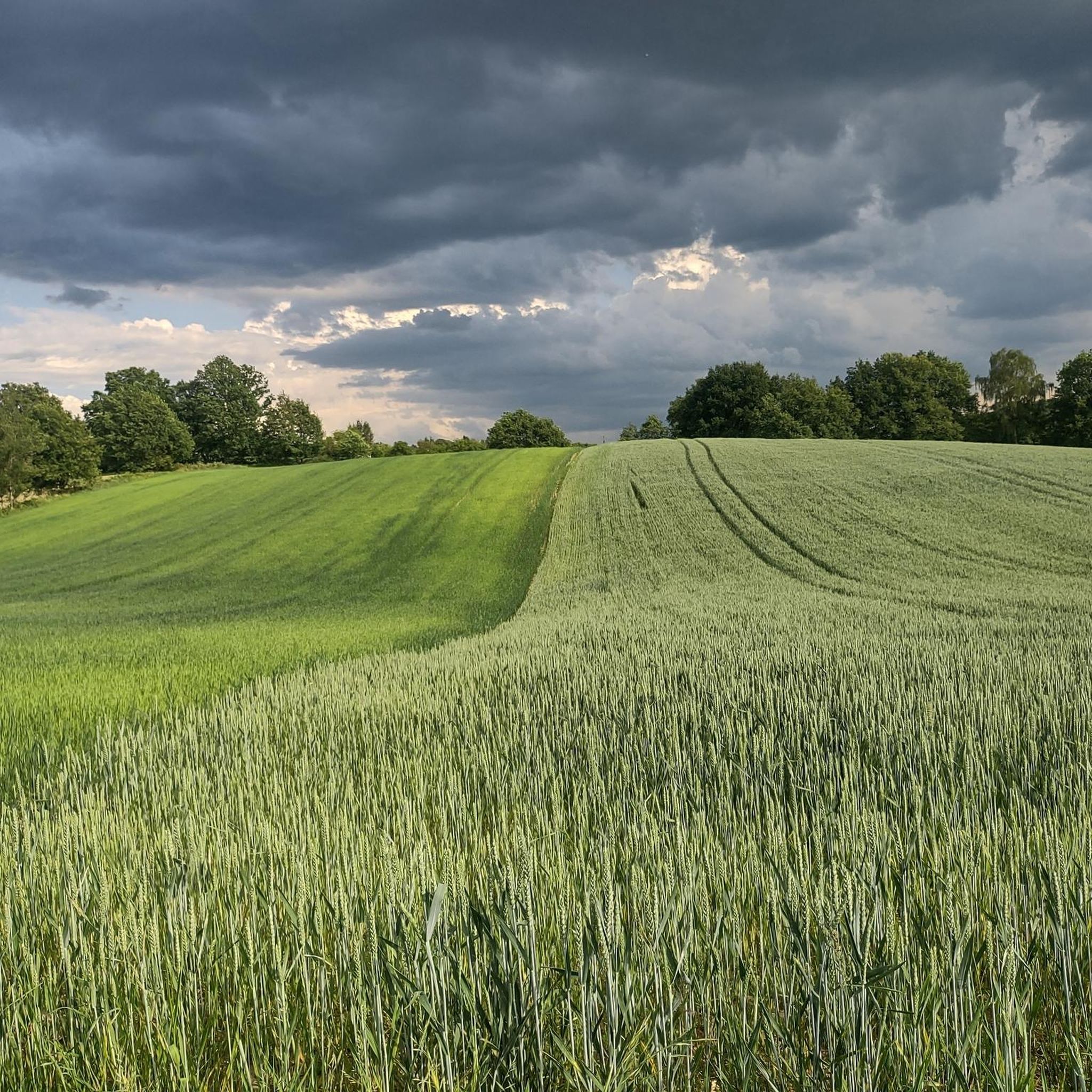
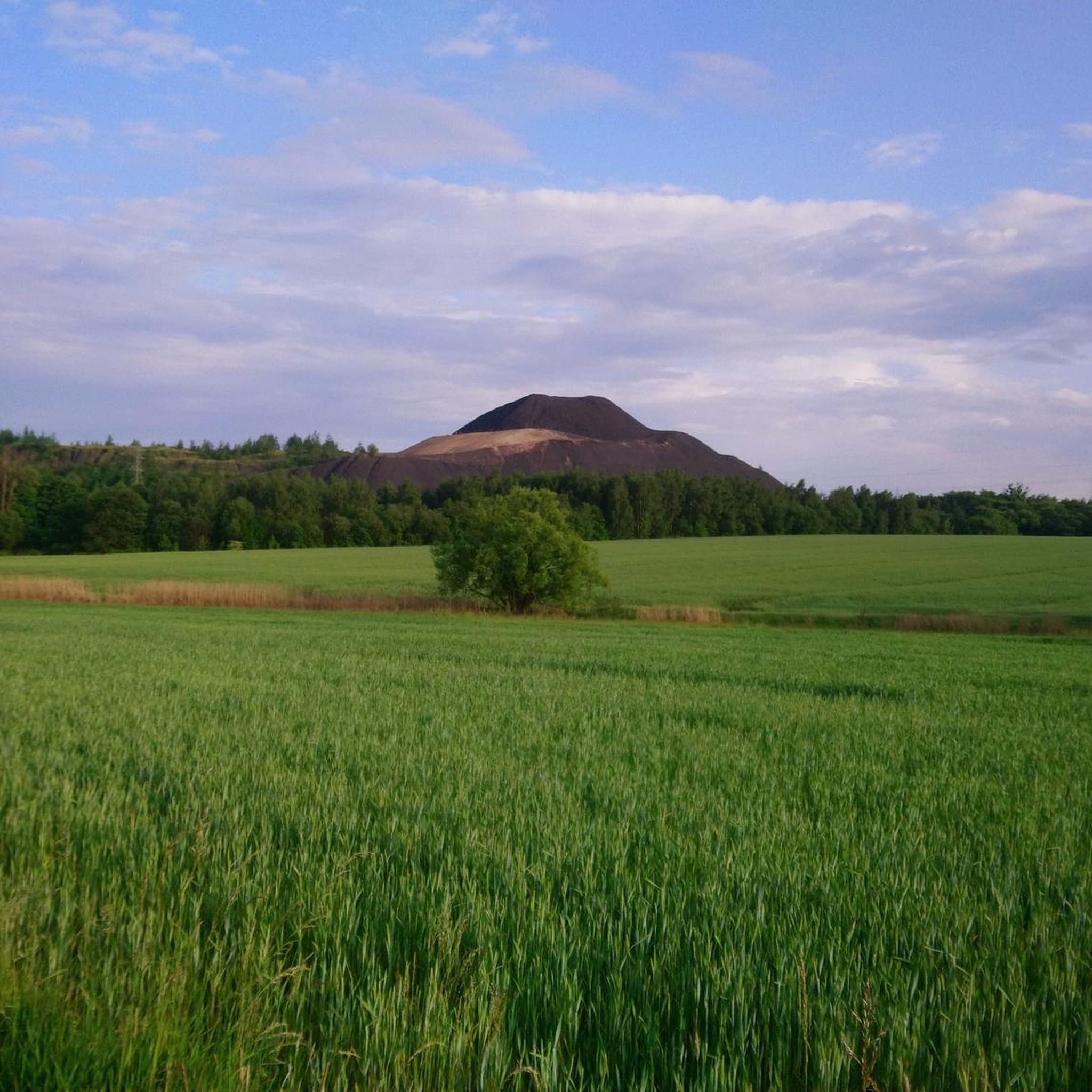
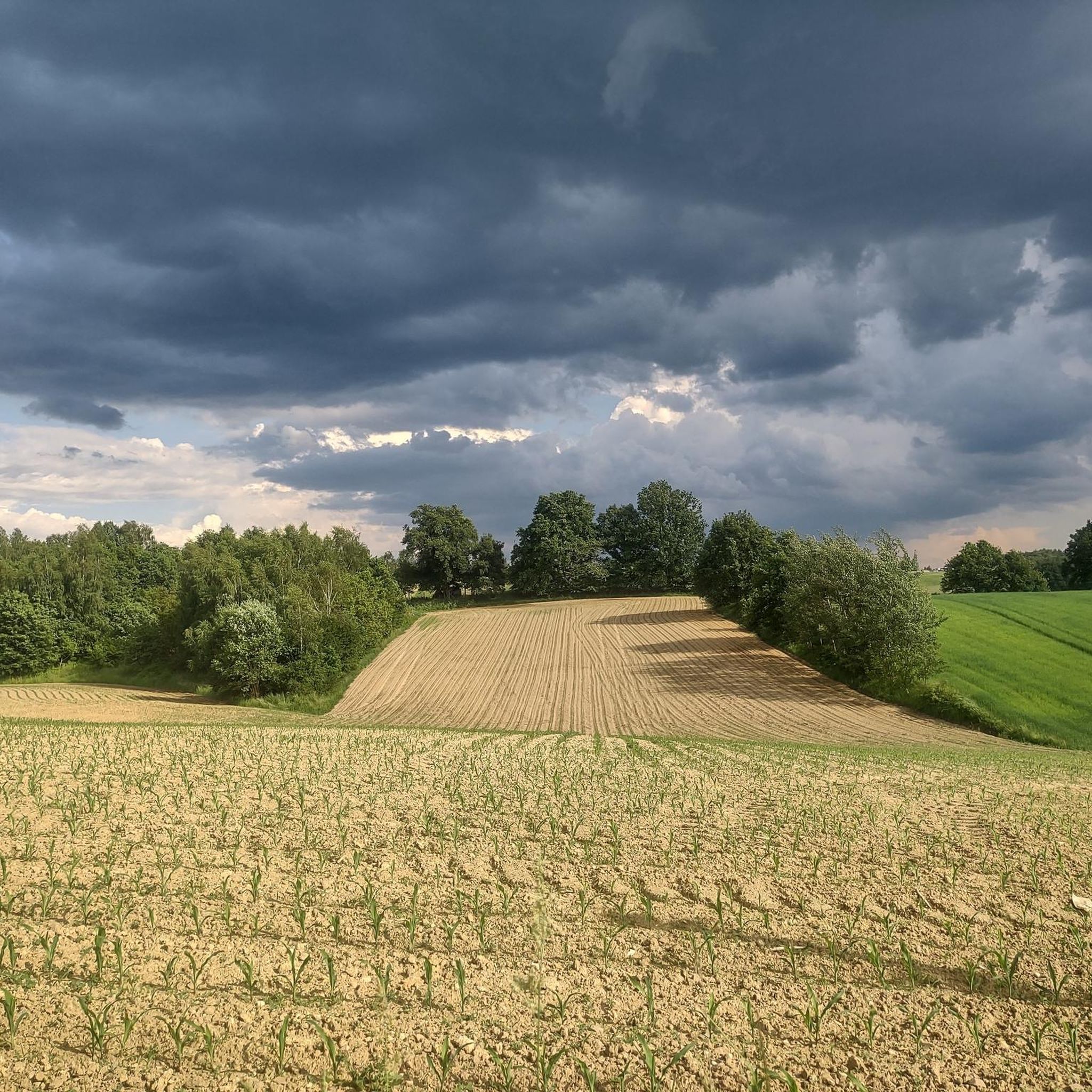

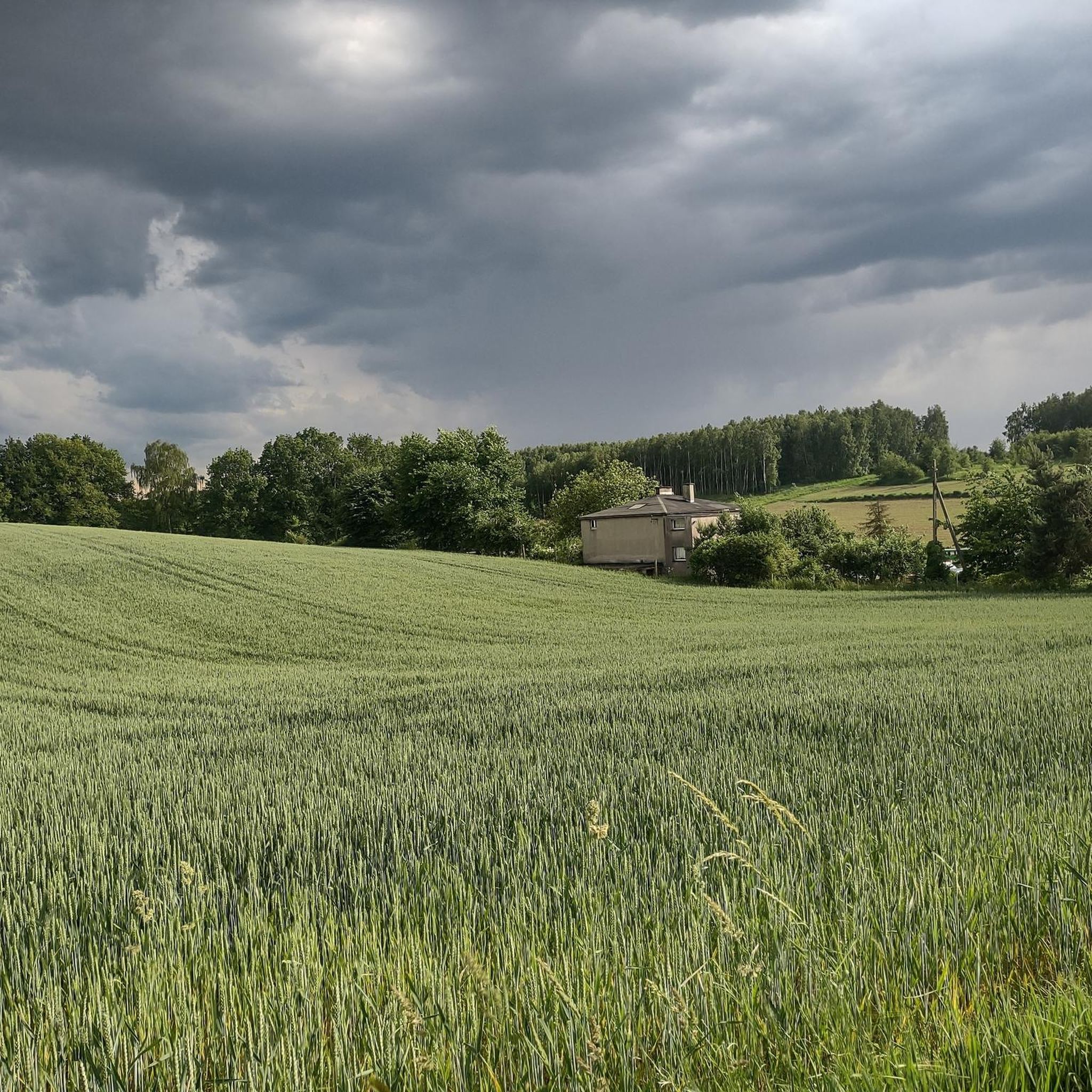
Tips from the Community

Now part of the Collection https://www.komoot.com/de-de/collection/3600632/-naturdenkmaeler-besondere-baeume-und-weitere-schaetze-der-natur
1
0

I reached this spring only thanks to navigation from the north on an old overgrown and marshy road. The map shows that from the east from the fire road DP 39 Zwonowska, there is a more visible and slightly better path. A place worth visiting for its tasty and crystal clear water, although the local authorities could take a little care of the place itself and build it up and mark the access points. If you don't have a container with you, kind people have left a cup and a water can there.
0
0


Sobieski's Oak - an over 400-year-old specimen of the pedunculate oak (Quercus robur L.) located in the Łężczok nature reserve, within the administrative borders of Racibórz. It is the thickest and oldest tree in Racibórz, the Łężczok reserve, and also one of the three oldest and most impressive trees in the landscape park called Cistercian Landscape Compositions of Rudy Wielkie. The oak got its name from the legend according to which the tree was planted to commemorate the stay of King Jan III Sobieski in those areas during the march to the relief of Vienna in 1683. It is known, however, that it is not true, because in 1683 the tree was already about 100 years old. In turn, Jan Duda, in the publication "Natural Peculiarities of Racibórz" published in 2001, writes about the application according to which the king was supposed to stop under an oak tree on his way to Vienna. The oak is part of the tradition of Sobieski trees, well-known in Upper Silesia. https://pl.wikipedia.org/wiki/D%C4%85b_Sobieskiego_w_%C5%81%C4%99%C5%BCczoku
5
0

Natural monument, located in the Łężczok nature reserve and on the route of the Polish Hussars. Note: part of the trail "not very passable" by bike. Maybe you need to horseback;)
0
1

When planning a trip through the reserve, it is also worth considering an alternative route. It happens that from time to time some roads may be unavailable due to protection periods.
2
0
It happens that roads in the reserve are temporarily inaccessible.
1
0
Natural Monument. Legend has it that it was here that King Jan II Sobieski stayed overnight during his expedition to the relief of Vienna. The oak grows in the Łężczok nature reserve.
1
0
Frequently Asked Questions
What are the main natural monuments to visit around Rydułtowy?
The primary natural monuments include the impressive Szarlota Spoil Heap – one of the top artificial mountains in Europe, a significant industrial heritage site. Additionally, the Łężczok Nature Reserve is home to the ancient Sobieski Oak in Łężczok, a protected tree with historical legends.
Are there any other natural monuments in Rydułtowy besides the Szarlota Spoil Heap and the Łężczok Reserve?
Yes, beyond these prominent sites, Rydułtowy also protects several individual trees as 'living natural monuments.' These include two Common Beeches, two Pedunculate Oaks, and one Common Maple, scattered across various locations within the town. While not major tourist attractions, they represent local efforts to preserve valuable flora.
What kind of outdoor activities can I do near these natural monuments?
The area around Rydułtowy offers diverse outdoor activities. You can find numerous routes for hiking, road cycling, and mountain biking. For example, there are hiking trails like the 'Grodzisko Gołężyców – Gołęszycy Hillfort loop' and road cycling routes such as the 'Cistercian Abbey in Rudy – Lake Rybnik loop'. The Łężczok Nature Reserve itself has nice bike paths.
Is the Szarlota Spoil Heap accessible for visitors, and what should I know about visiting it?
The Szarlota Spoil Heap is a dominant landscape feature offering panoramic views from its summit. While there are warnings at the entrance gate stating it's forbidden to enter, many visitors still find ways to access it. Caution is advised due to potential instability and toxic fumes in some areas. It's a challenging climb, but rewarding for its unique perspective on the region's industrial heritage.
Are there family-friendly natural monuments or activities in the Rydułtowy area?
Yes, the Łężczok Nature Reserve is considered family-friendly, offering forests, a lake, and bike paths suitable for various ages. Exploring the reserve and visiting the ancient Sobieski Oak can be an enjoyable outing for families.
What is the best time of year to visit the natural monuments around Rydułtowy?
Spring and autumn are generally ideal for visiting, offering pleasant temperatures for hiking and cycling. The vegetation on the Szarlota Spoil Heap is more vibrant in spring and summer, while autumn provides colorful foliage in areas like the Łężczok Nature Reserve. Winter can offer a unique, stark beauty, but some paths might be temporarily inaccessible due to weather conditions.
Can I bring my dog to the natural monuments and trails?
Many outdoor trails and natural areas around Rydułtowy are generally dog-friendly, especially for hiking. However, specific rules might apply within designated nature reserves like Łężczok Nature Reserve. It's always best to keep dogs on a leash and clean up after them to respect wildlife and other visitors.
Where can I find parking near the natural monuments?
Parking availability varies by location. For the Szarlota Spoil Heap, visitors often find informal parking spots nearby, though official parking might be limited. For the Łężczok Nature Reserve, there are usually designated parking areas at common entry points. For individual protected trees, street parking might be available depending on their urban location.
Are there any viewpoints offering panoramic vistas of the region?
The summit of the Szarlota Spoil Heap provides extensive panoramic views of the surrounding landscape, including nearby towns and even some Beskids peaks on clear days. Its elevation makes it a dominant element, offering a unique perspective on the region's geography.
What is the significance of the Szarlota Spoil Heap?
The Szarlota Spoil Heap is a prominent symbol of Rydułtowy's rich mining history. It's one of the highest heaps in Europe, standing approximately 134 meters from its base. It represents the transformation of industrial remnants into a distinctive landscape feature, partially covered with vegetation, and is a site of geological interest.
What is the 'Sobieski Oak' and where can I find it?
The Sobieski Oak in Łężczok is an over 400-year-old pedunculate oak, making it one of the oldest and thickest trees in the Racibórz area and the Łężczok Nature Reserve. It's named after a legend linking it to King Jan III Sobieski, though historical records suggest the tree predates his visit.
Are there any natural springs or unique water features to visit?
Yes, the Katarzyna Spring is a notable natural monument located in a forest. It's known for its tasty and crystal-clear water, offering a refreshing stop for visitors. Access can be a bit challenging, with some paths being overgrown or marshy.
Most popular routes around Rydułtowy
Most popular attractions around Rydułtowy

Get inspired with the komoot mobile app


Explore more
Extend your search for the best caves by checking out these guides of the top ones around Rydułtowy:
