Top 4 Natural Monuments around Eixo e Eirol e Eirol e Eirol
Natural monuments around Eixo e Eirol e Eirol e Eirol are primarily characterized by the influence of the wider Aveiro region's natural landscape, including the Ria de Aveiro lagoon system. This area offers diverse natural features, from ancient salt pans to unique geological formations and protected parklands. The civil parish itself provides access to these natural attractions, making it a point of interest for exploring the local environment. Visitors can discover a variety of natural landmarks that showcase the region's…
Last updated: June 29, 2026
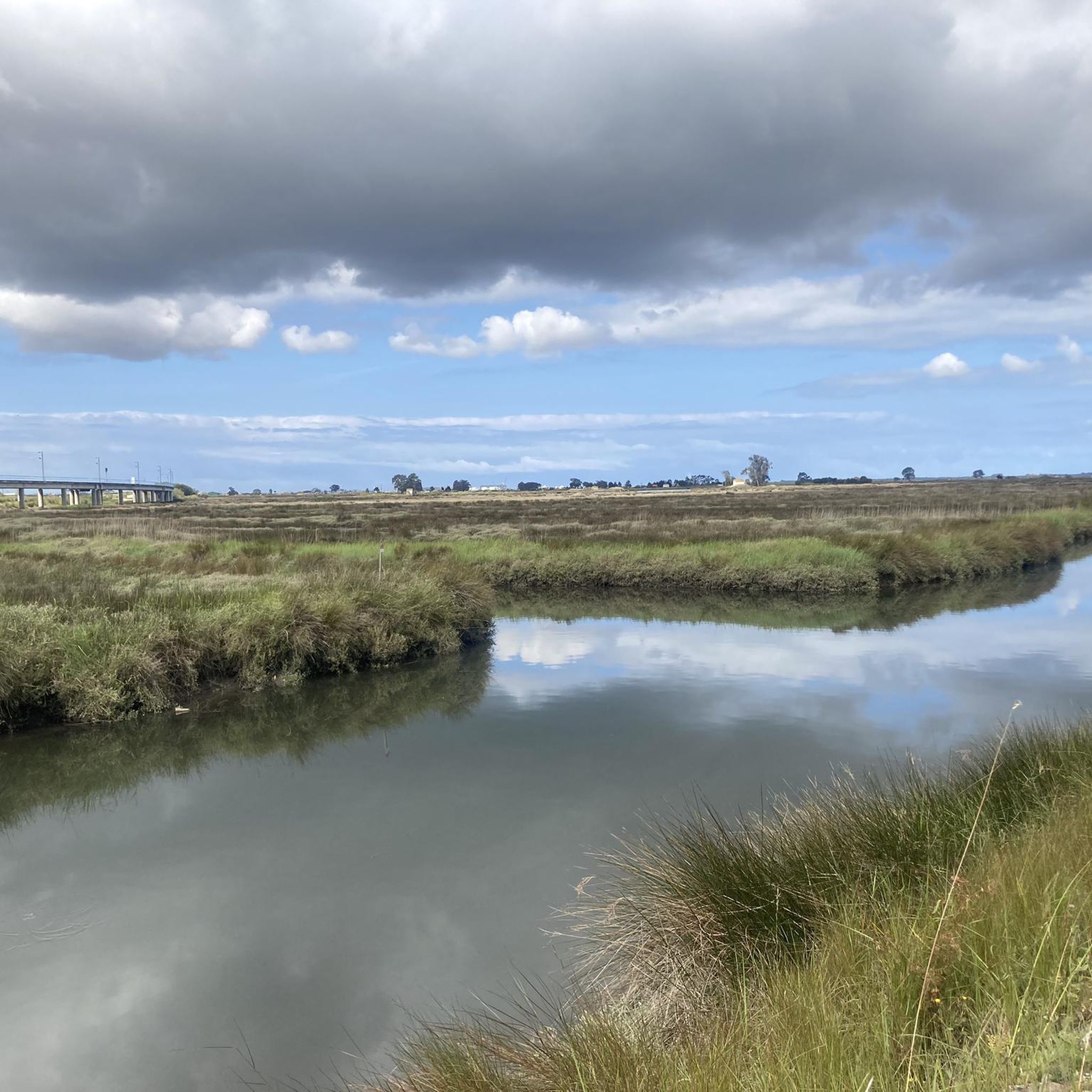
View of the Salt Pans, Rua do Sal
Highlight • Viewpoint
Translated by Google •
Tip by

Espinhel Park
Highlight • Natural Monument
Translated by Google •
Tip by

Sign up now to discover places like this
Get recommendations on the best single tracks, peaks, & plenty of other exciting outdoor places.
Sign up for free
Arenito de Eirol Trail
Highlight • Trail
Translated by Google •
Tip by

Aveiro Municipal Environmental Interpretation Center (CMIA)
Highlight • Rest Area
Translated by Google •
Tip by

Start today with a free account
Your next adventure awaits.
Login or Signup
Popular around Eixo e Eirol e Eirol e Eirol

Tips from the Community

Salt mining in the Aveiro region dates back to a time before the Ria de Aveiro itself existed, with the first written document about Aveiro salt production dating back to before the founding of the nation. Over the centuries, the instability of the inlet (isolation from the sea) was a decisive factor in the variation in the number and production of salt pans. This resulted in periods of decline interspersed with periods of great favorability for production. This occurred in 1572, when, given the favorable condition of the inlet and the high and progressive commercial and maritime index, Aveiro became one of the best ports in Portugal, with a significant increase in salt trade and cod fishing. In 1808, the new inlet (an artificial system that allows seawater to enter) was finally opened, a fact of exceptional importance for the future of Aveiro and the entire region. (Source: Wikipedia) (Source: Wikipedia)⁶
13
0

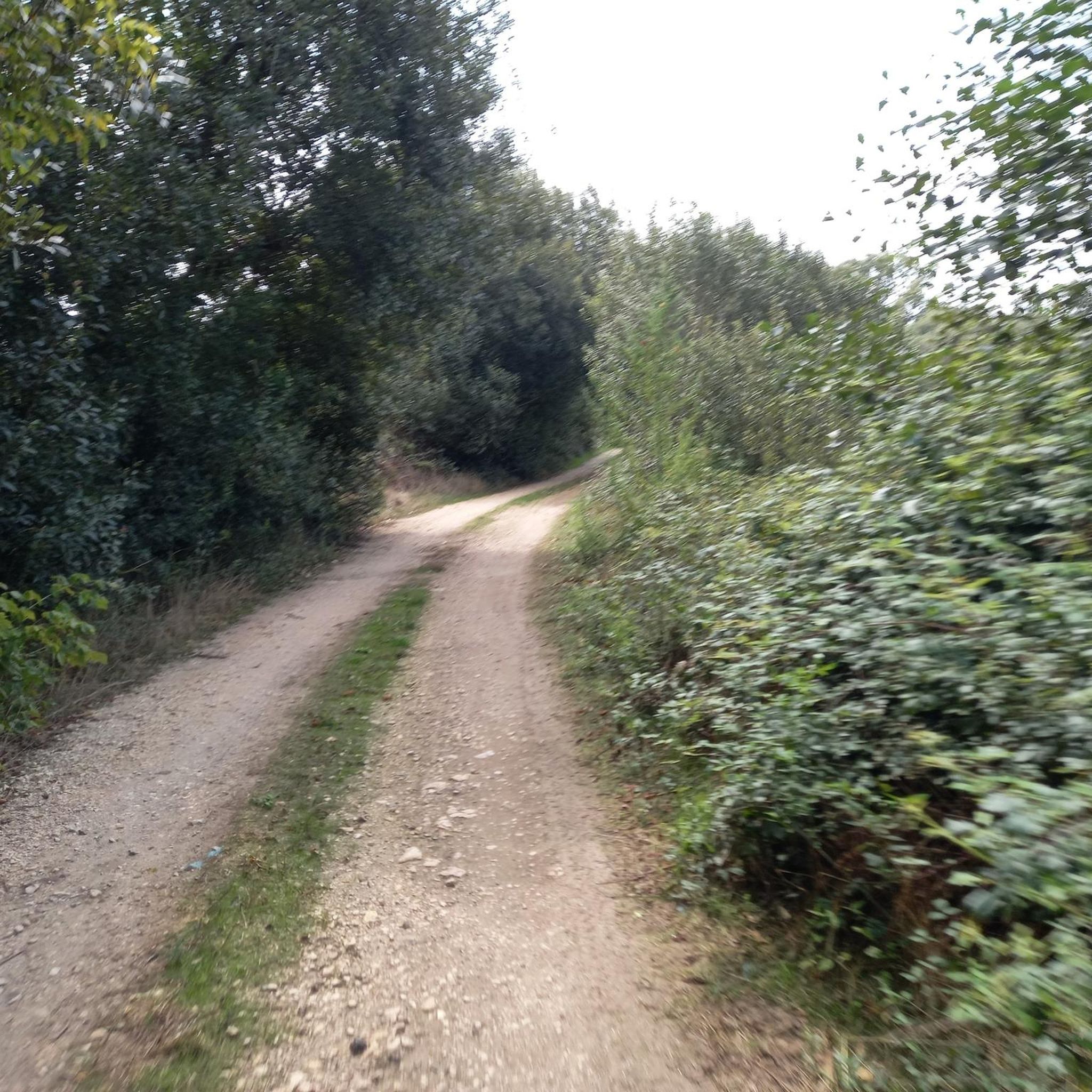
These red rocks are known as Eirol sandstone, which is a sedimentary rock made up of sand bound together by a reddish cement, clay and iron oxides, and is therefore not very resistant. This sandstone was probably formed in the Upper Triassic period and extends over a small geographical strip delimited by the Vouga and Águeda valleys, and is quite developed in the Espinhel and Eirol area. The trail is indeed very beautiful.
1
0

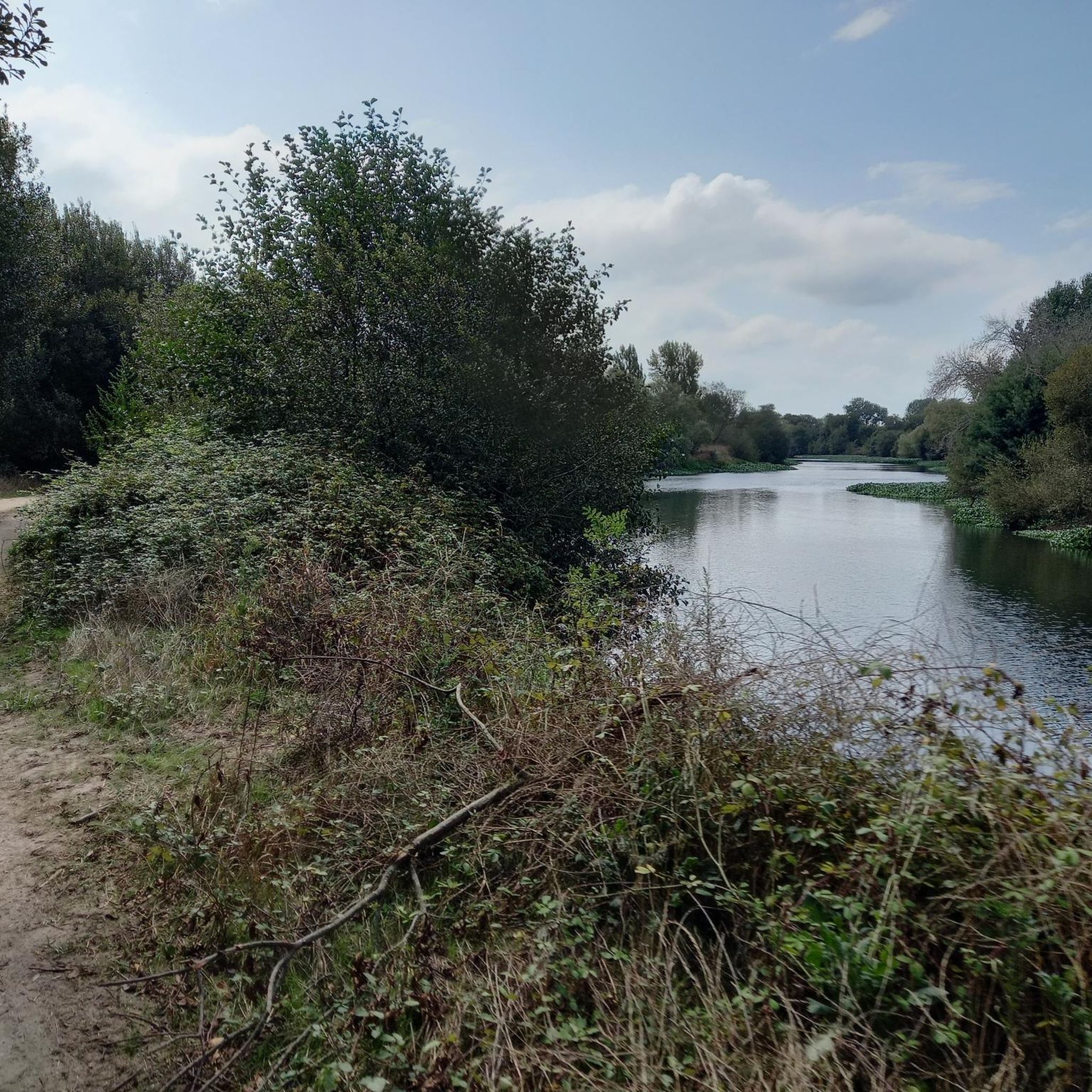
The CMIA ("Centro Municipal de Interpretacao Ambiental") is located right on the edge of the extensive saltworks landscape. It offers an interesting and varied exhibition with stuffed birds and other animal species, well-made and helpful display boards and other displays. The expert staff are happy to help with many further questions. From the walkable roof of the center there are great views of the extensive wetlands of the original saltworks landscape. Binoculars are also available. Outside there are covered table groups for resting and some educational games.
2
1

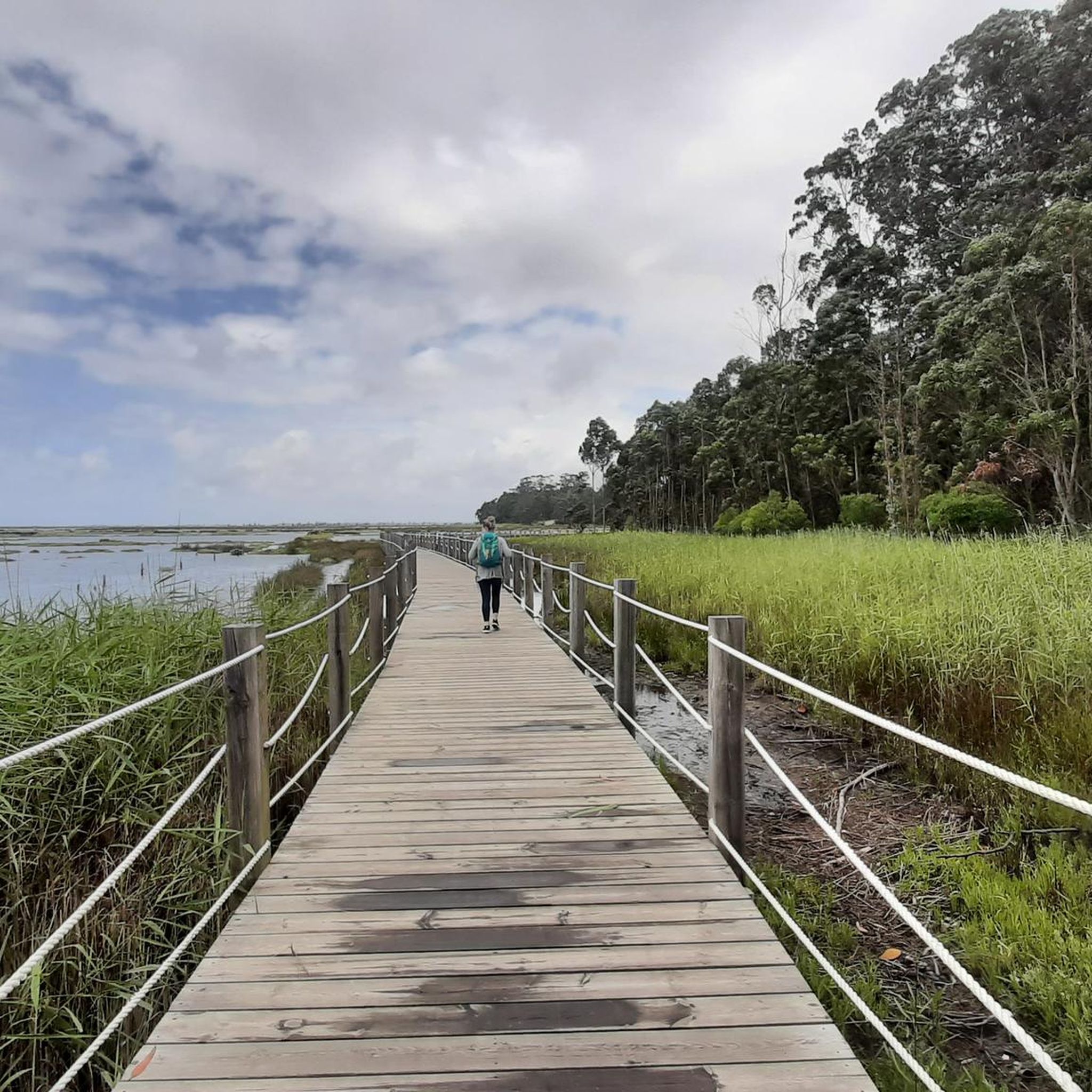
Espinhel Park offers walkways and viewpoints to enjoy the lagoon and the village of Fermentelos. It is an area rich in biodiversity. and habitat for aquatic and migratory birds, close to the geological formation of Eirol sandstones.
0
0
Frequently Asked Questions
What unique natural features can I explore around Eixo e Eirol?
The area around Eixo e Eirol offers diverse natural features, primarily influenced by the wider Aveiro region. You can explore the intricate canal system and the significant Ria de Aveiro lagoon. Specific natural monuments include the ancient salt pans, unique geological formations like the Eirol sandstone, and protected parklands rich in biodiversity.
Where can I experience the Ria de Aveiro lagoon system near Eixo e Eirol?
The Ria de Aveiro is a vast coastal lagoon easily accessible from Eixo e Eirol. A great way to experience it is via the Passadiços Ria de Aveiro, an 8km wooden walkway ideal for observing birdlife, marshes, and mudflats. Solar-powered boat trips are also available for quieter bird spotting.
Are there any significant geological sites in the Eixo e Eirol area?
Yes, the Arenito de Eirol Trail showcases unique geological formations. This trail features the Eirol sandstone, a reddish sedimentary rock formed in the Upper Triassic period, which is quite developed in the Espinhel and Eirol area.
Are there family-friendly natural monuments around Eixo e Eirol?
Absolutely. Espinhel Park is a natural monument offering walkways and viewpoints, rich in biodiversity, and suitable for families. The Aveiro Municipal Environmental Interpretation Center (CMIA) is also family-friendly, with exhibitions and educational games, and offers great views of the saltworks landscape.
What kind of wildlife can I spot in the natural areas near Eixo e Eirol?
The natural areas, particularly around the Ria de Aveiro and Espinhel Park, are habitats for aquatic and migratory birds. The Passadiços Ria de Aveiro is especially noted for birdwatching opportunities.
What outdoor activities can I do near these natural monuments?
You can enjoy various outdoor activities. For hiking, there are routes like the 'Boardwalk in Ria de Aveiro – Ria de Aveiro Boardwalks loop from Esgueira' or 'Hiking loop from Requeixo'. For road cycling, consider routes like 'Carcavelos Bridge – Striped Houses of Costa Nova loop from Azurva'. Mountain biking trails are also available, such as 'Ria de Aveiro Boardwalks – Aveiro – São Jacinto Ferry loop from Aveiro'. You can find more details on these and other routes in the hiking guide, road cycling guide, and MTB guide for the Eixo e Eirol area.
Are there any historical natural monuments or sites related to local industries?
Yes, the Aveiro Salines are a significant historical natural monument. You can visit the View of the Salt Pans, Rua do Sal to observe the traditional salt-making industry. Salt mining in the Aveiro region has a long history, predating the existence of the Ria de Aveiro itself.
What are some popular viewpoints to visit in the area?
The View of the Salt Pans, Rua do Sal offers a unique perspective on the traditional salt-making landscape. Additionally, Espinhel Park provides various viewpoints to enjoy the lagoon and the village of Fermentelos.
What is the best time of year to visit the natural monuments around Eixo e Eirol?
The Aveiro region generally enjoys mild weather, making it suitable for visits throughout much of the year. Spring and autumn offer pleasant temperatures for outdoor activities like hiking and birdwatching. Summer is also popular, especially for coastal areas like Costa Nova, but can be warmer.
Are there any famous beaches near Eixo e Eirol?
While Eixo e Eirol is inland, the famous Costa Nova Beaches are about 20 minutes west of Aveiro. These beaches, like Praia da Costa Nova and Praia da Barra, are known for their distinctive striped fishermen's houses (palheiros) and are popular for sunbathing and surfing.
Can I find any waterfalls in the wider Aveiro region?
Yes, the Cabreia Waterfall is a notable natural monument in the wider Aveiro region. It's a 25-meter high waterfall nestled within a lush forest, featuring a natural pool at its base fed by the Mau River.
What is the Aveiro Municipal Environmental Interpretation Center (CMIA) and what does it offer?
The Aveiro Municipal Environmental Interpretation Center (CMIA) is located on the edge of the extensive saltworks landscape. It offers an interesting exhibition with stuffed birds and other animal species, informative display boards, and expert staff. From its walkable roof, you can get great views of the wetlands, and binoculars are available for use.
Most popular routes around Eixo e Eirol e Eirol e Eirol
Most popular attractions around Eixo e Eirol e Eirol e Eirol

Get inspired with the komoot mobile app


Explore more
Extend your search for the best caves by checking out these guides of the top ones around Eixo e Eirol e Eirol e Eirol:
