Top 6 Natural Monuments around Esgueira
Best natural monuments around Esgueira are characterized by the **Ria de Aveiro**, a significant coastal lagoon in the municipality of Aveiro, Portugal. This region features an intricate network of canals, islands, and marshlands, shaped by natural processes and human interaction. The area offers diverse natural beauty, including extensive sandy coastlines, dune systems, and various aquatic habitats. These natural features provide opportunities for exploring unique landscapes and observing local flora and fauna.
Best natural monuments around Esgueira
- The most popular natural…
Last updated: June 29, 2026
Aveiro Lagoon - Mira Channel
Highlight • River
Translated by Google •
Tip by

View of the Ria de Aveiro
Highlight • Viewpoint
Translated by Google •
Tip by

Sign up now to discover places like this
Get recommendations on the best single tracks, peaks, & plenty of other exciting outdoor places.
Sign up for free
View of the Salt Pans, Rua do Sal
Highlight • Viewpoint
Translated by Google •
Tip by

Boardwalk through the dunes of Ria de Aveiro
Highlight • Trail
Translated by Google •
Tip by

Information point - São Jacinto Nature Reserve
Highlight • Rest Area
Tip by

Sign up for free to discover even more natural monuments around Esgueira.
Sign up for free
Already have an account?
Start today with a free account
Your next adventure awaits.
Login or Signup

Tips from the Community


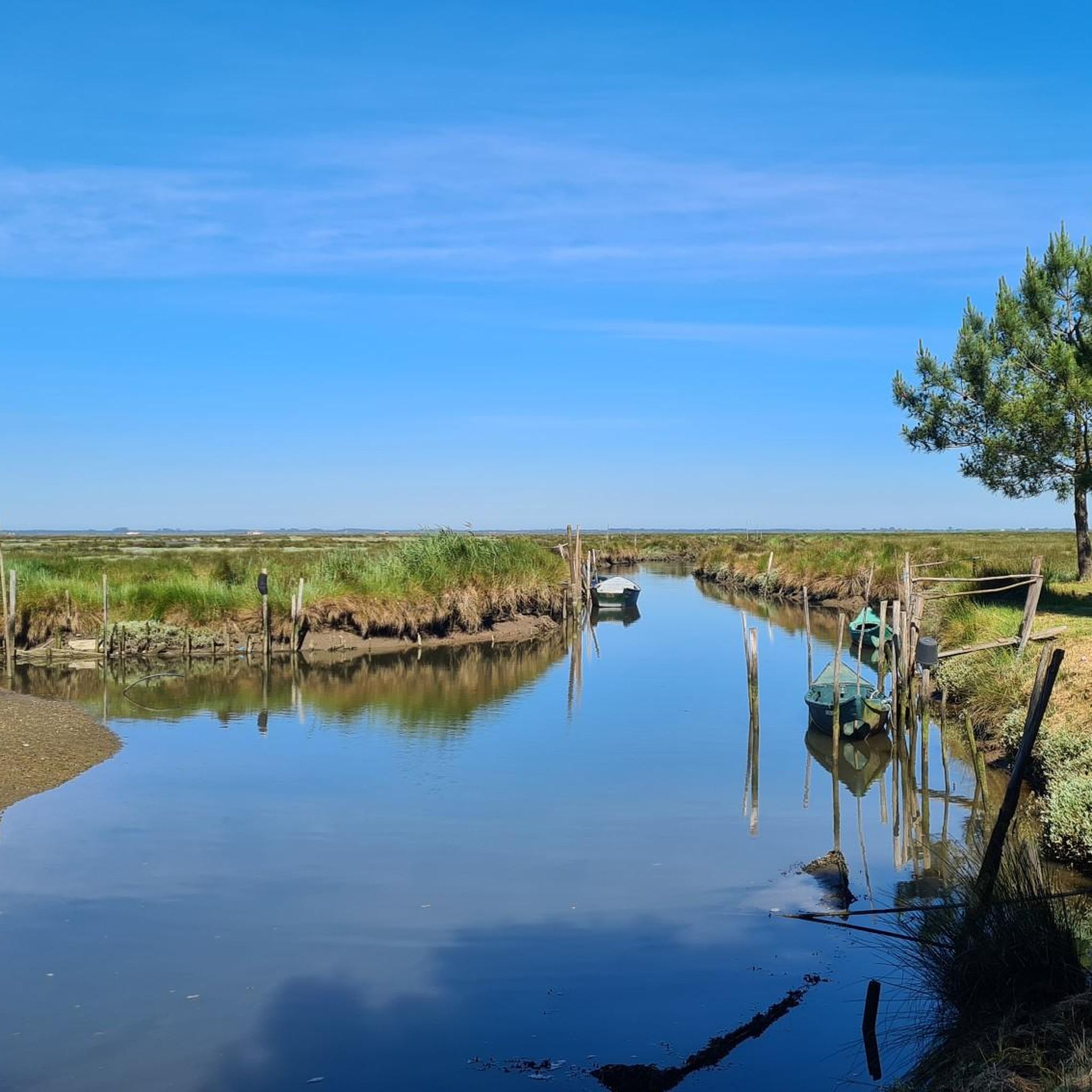
Salt mining in the Aveiro region dates back to a time before the Ria de Aveiro itself existed, with the first written document about Aveiro salt production dating back to before the founding of the nation. Over the centuries, the instability of the inlet (isolation from the sea) was a decisive factor in the variation in the number and production of salt pans. This resulted in periods of decline interspersed with periods of great favorability for production. This occurred in 1572, when, given the favorable condition of the inlet and the high and progressive commercial and maritime index, Aveiro became one of the best ports in Portugal, with a significant increase in salt trade and cod fishing. In 1808, the new inlet (an artificial system that allows seawater to enter) was finally opened, a fact of exceptional importance for the future of Aveiro and the entire region. (Source: Wikipedia) (Source: Wikipedia)⁶
13
0

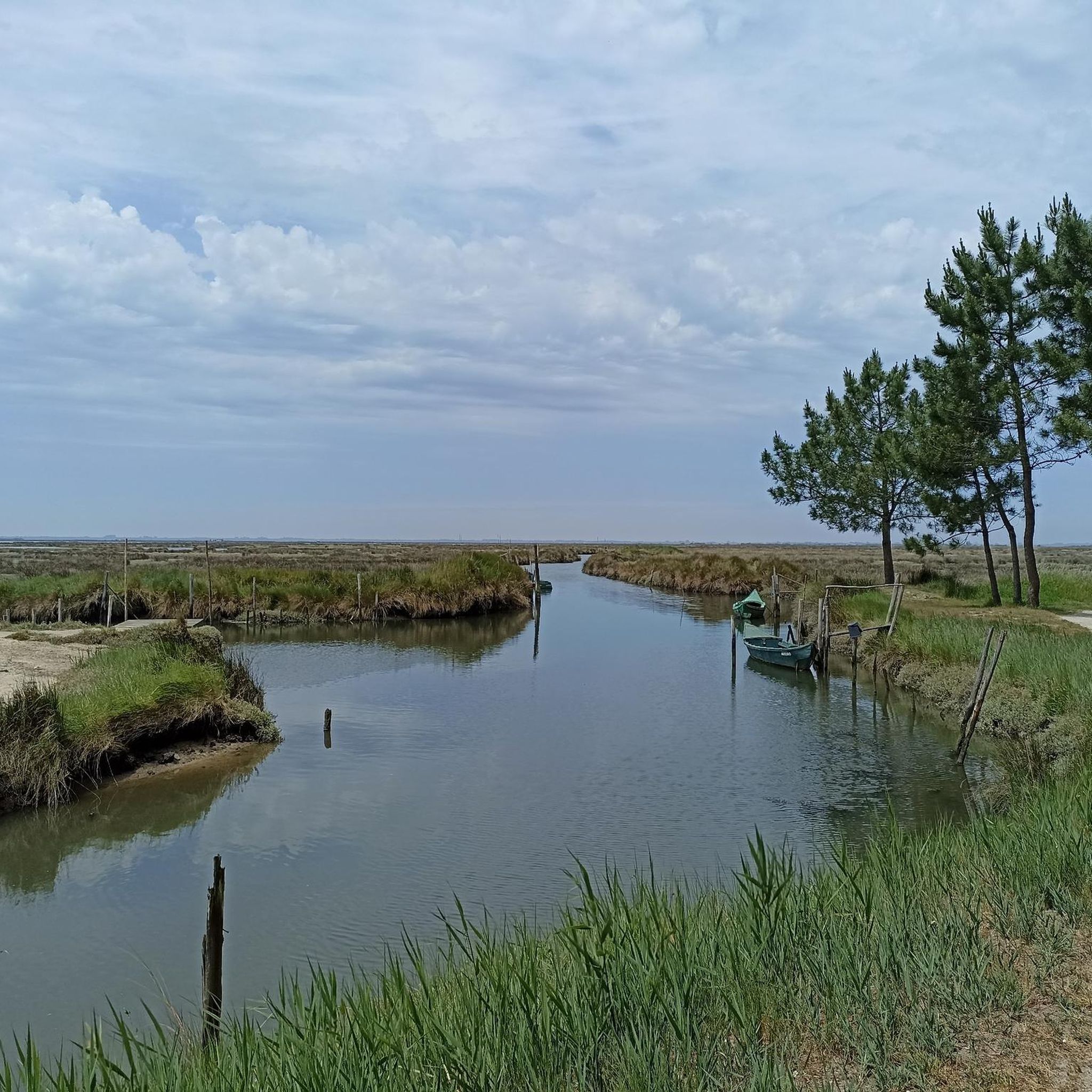
The Ria de Aveiro (also known as Foz do Vouga) is a shallow coastal lagoon in the Aveiro region, extending for 45 kilometers. It covers two districts and several locations, including Aveiro, Ílhavo and Mira. It is divided into three main channels, one of which is the Canal de Mira, location of the bridge in question.
0
0
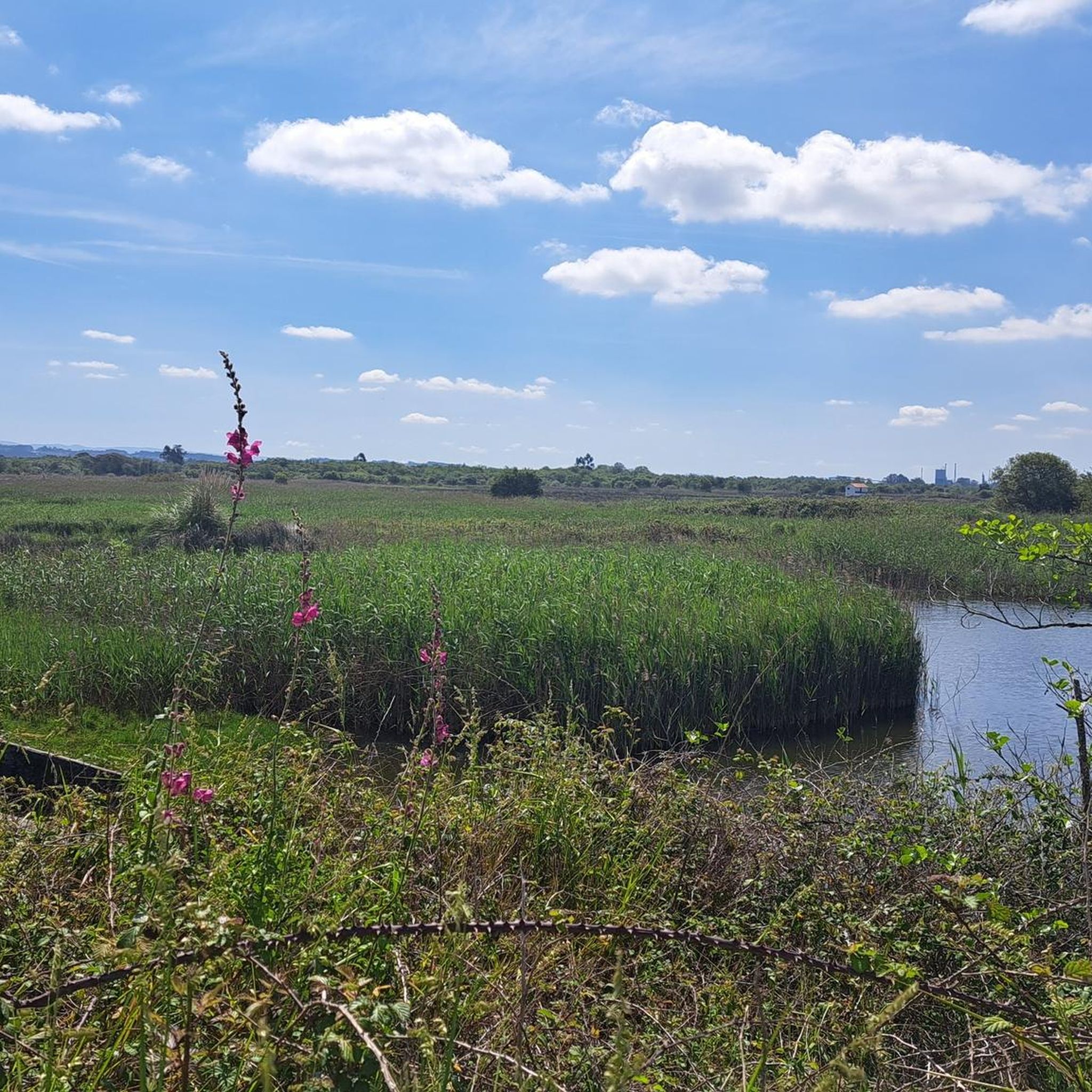
The Ria de Aveiro, in Portugal, is an estuary rich in biodiversity. This aquatic ecosystem is famous for its meandering canals, salt marshes and diverse fauna. This point, specifically, is on EN 327, which runs parallel to the Ria for long kilometers, offering incredible views.
4
0

The path leads over the dunes along the sea and is primarily intended to protect the vegetation there.
4
1

A boardwalk through the dunes
4
1

Trailhead with info, restrooms, picnic tables. The trails into the reserve are not mean for bikes, and standard tires would have difficulties on the sandy soft sections. Note the resident mosquito population can be fierce due to the nearby wet areas.
1
0
The bridge crosses the beautiful long extension of the coastal lagoon, stretching along the Lagoon from Aveiro to Vagueira
1
0
Frequently Asked Questions
What are the most popular natural attractions to visit near Esgueira?
The region around Esgueira is known for the expansive Ria de Aveiro. Among the most popular natural monuments are the Boardwalk through the dunes of Ria de Aveiro, which offers a unique coastal experience, and the Aveiro Lagoon - Mira Channel, a significant part of the lagoon system.
Are there family-friendly natural monuments around Esgueira?
Yes, several natural monuments are suitable for families. The Boardwalk through the dunes of Ria de Aveiro and the Aveiro Lagoon - Mira Channel are both considered family-friendly. Additionally, the View of the Salt Pans, Rua do Sal, Pateira de Frossos, and the Duck ponds in the São Jacinto forest also welcome families.
What kind of natural features can I expect to see around Esgueira?
The area is dominated by the Ria de Aveiro, a vast coastal lagoon featuring an intricate network of canals, islands, and marshlands. You'll find diverse habitats, including extensive sandy coastlines, dune systems, and various aquatic environments. Highlights include river channels like the Aveiro Lagoon - Mira Channel, unique salt pan landscapes, and protected dune trails such as the Boardwalk through the dunes of Ria de Aveiro.
What outdoor activities can I do near these natural monuments?
The natural monuments around Esgueira offer various outdoor activities. You can enjoy easy hikes, gravel biking, and mountain biking. For example, there are easy hikes like the 'Boardwalk in Ria de Aveiro loop from Esgueira' (6.8 km) and gravel biking routes such as the 'Ria de Aveiro Boardwalks – Boardwalk in Ria de Aveiro loop from Aveiro' (34 km). You can find more details on these activities in the Easy hikes around Esgueira, Gravel biking around Esgueira, and MTB Trails around Esgueira guides.
Are there hiking trails near the natural monuments in Esgueira?
Yes, there are several hiking trails. The Boardwalk through the dunes of Ria de Aveiro is a popular trail. For easy walks, consider routes like the 'Boardwalk in Ria de Aveiro loop from Esgueira' (6.8 km) or various loops around the Aveiro Central Canal. More options can be found in the Easy hikes around Esgueira guide.
What is the Ria de Aveiro and why is it significant?
The Ria de Aveiro is a vast coastal lagoon, approximately 45 kilometers long, characterized by an intricate network of canals, islands, and marshlands. It's ecologically significant due to its diverse habitat, supporting a rich variety of fish, seaweed, crustaceans, mollusks, and a substantial bird population, including migratory water species. It's central to the identity of the Aveiro region and offers unique landscapes for exploration.
Can I see historical sites related to the natural landscape?
Yes, the View of the Salt Pans, Rua do Sal offers a glimpse into the historical salt production of the Aveiro region. Salt mining here dates back to before the Ria de Aveiro even existed, showcasing a long-standing interaction between human activity and the natural environment.
What is special about the Pateira de Frossos?
The Pateira de Frossos is an important lake that forms part of the larger Ria de Aveiro lagoon system. It is recognized for its valuable biodiversity of species and vegetation, making it an excellent natural resource for observing local flora and fauna.
Where can I observe birds and wildlife near Esgueira?
The Ria de Aveiro is an excellent location for birdwatching, especially for migratory water bird species like sea swallows, stilts, herons, and flamingos during winter. The Duck ponds in the São Jacinto forest, with their unique fresh and salt water ecosystem, are a refuge for numerous water birds, including the ducks of the Aveiro estuary.
What do visitors enjoy most about the natural monuments around Esgueira?
Visitors particularly appreciate the unique landscapes of the Ria de Aveiro, the opportunity to explore its waterways, and the extensive wooden walkways like the Passadiços da Ria de Aveiro for walking, cycling, and birdwatching. The picturesque charm of coastal areas like Praia da Costa Nova, with its striped houses and wide beaches, is also a major draw.
Are there any natural monuments that involve forests or wetlands?
Yes, the Duck ponds in the São Jacinto forest are a notable natural monument that combines forest and wetland features. These flooded areas create a unique ecosystem where diverse flora attracts a wide variety of fauna, particularly water birds.
What are the Passadiços da Ria de Aveiro?
The Passadiços da Ria de Aveiro are wooden walkways that offer a fantastic way to experience the lagoon's fauna and flora up close. Some sections are around 7 kilometers long, providing privileged views, especially at sunset, and are ideal for walking, cycling, and birdwatching.
Most popular routes around Esgueira
Most popular attractions around Esgueira

Get inspired with the komoot mobile app


Explore more
Extend your search for the best caves by checking out these guides of the top ones around Esgueira:
