Top 19 Natural Monuments around Ribeirinha
Best natural monuments around Ribeirinha showcase the volcanic origins and diverse landscapes of Faial Island in the Azores. This region features ancient volcanic complexes, coastal formations, and lush vegetation. Visitors can explore areas with significant geological history and unique biodiversity. The natural attractions offer opportunities for exploration and panoramic views across the island and to neighboring islands.
Best natural monuments around Ribeirinha
- The most popular natural monument is Caldeira do Faial, a volcano that offers views into a deep…
Last updated: June 29, 2026
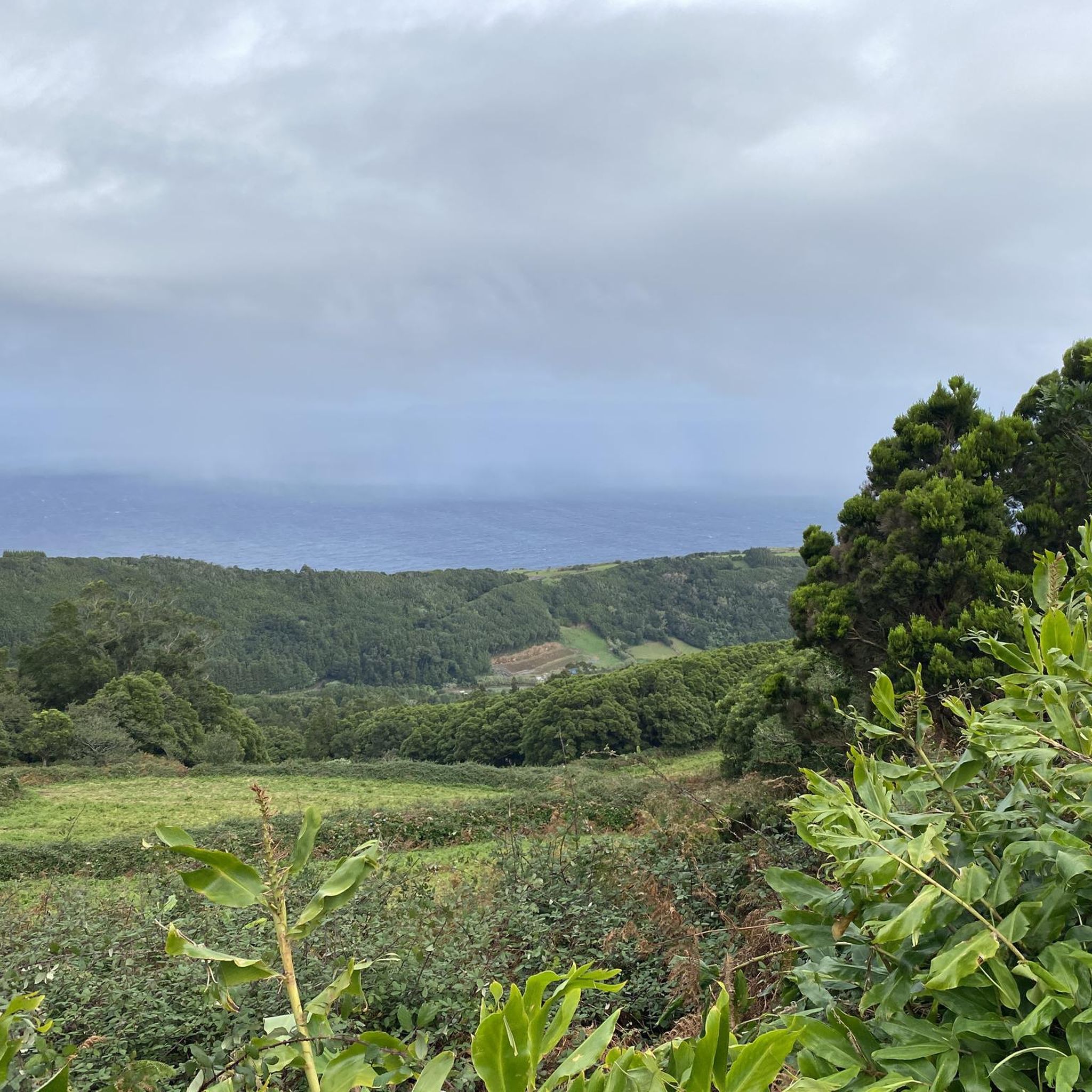
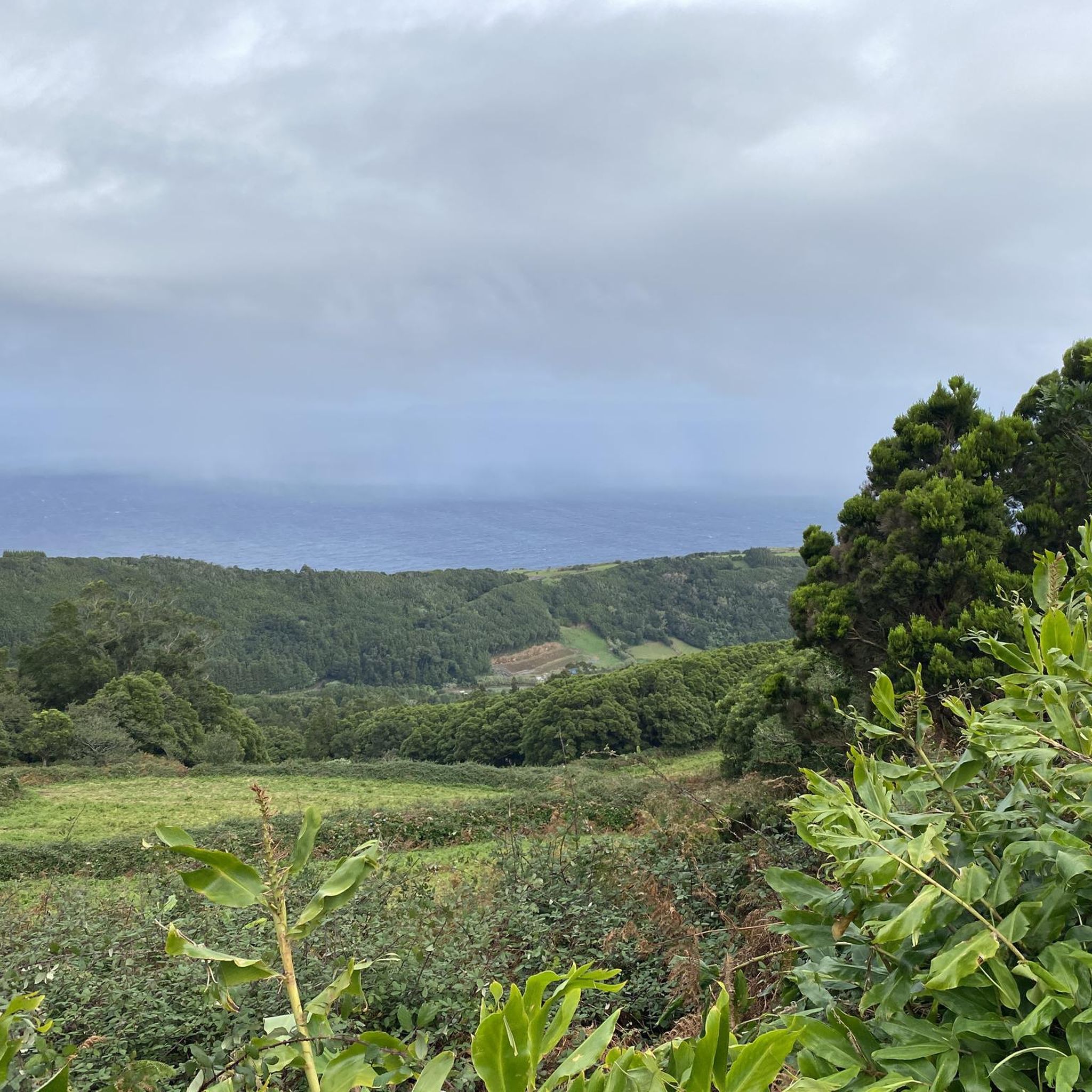
Caldeira do Faial
Highlight • Volcano
Translated by Google •
Tip by

Farol da Ribeirinha Ruins
Highlight • Monument
Translated by Google •
Tip by

Sign up now to discover places like this
Get recommendations on the best single tracks, peaks, & plenty of other exciting outdoor places.
Sign up for free
Viewpoint of Caldeira do Faial
Highlight • Viewpoint
Translated by Google •
Tip by

Caldeira do Cabeço Gordo
Highlight • Volcano
Translated by Google •
Tip by

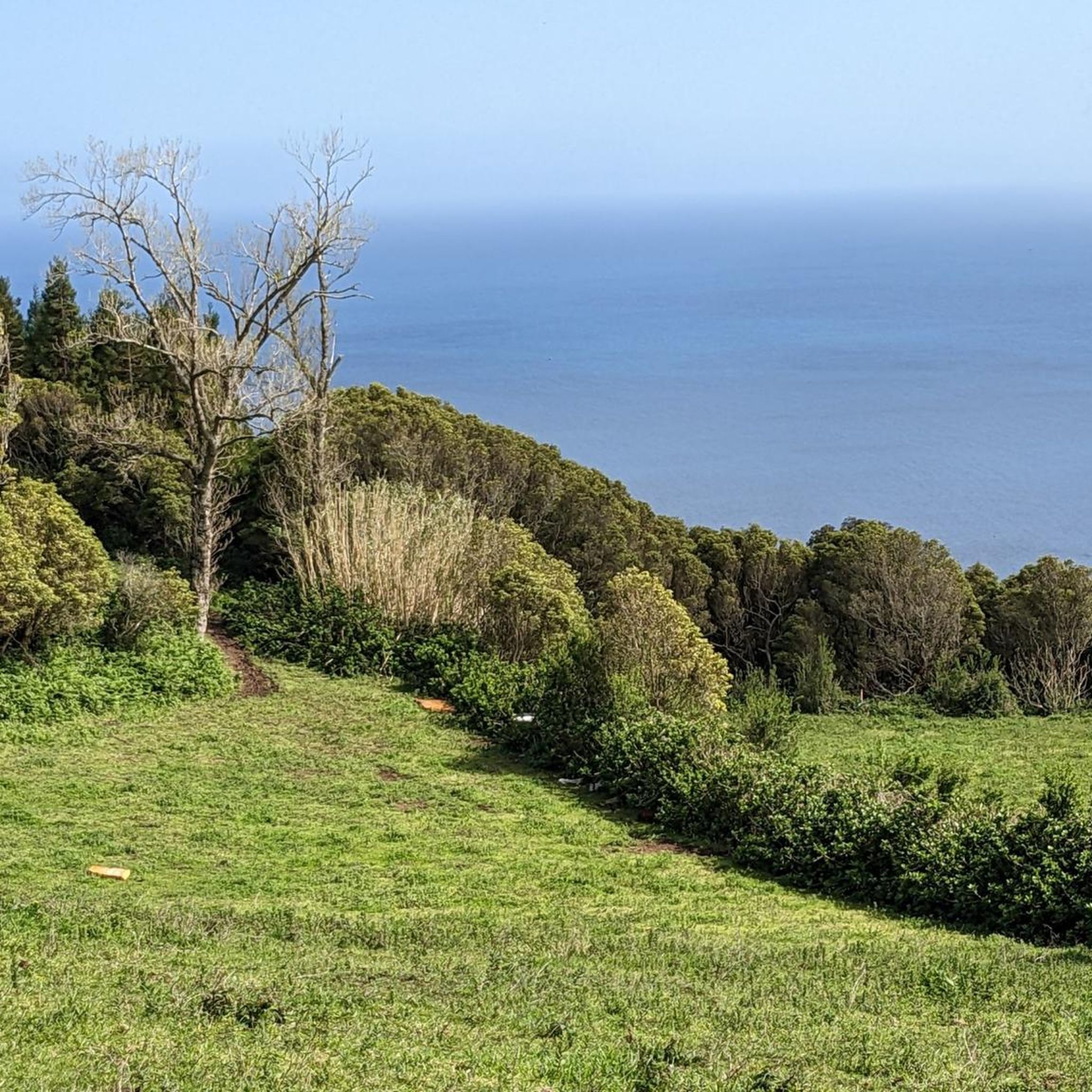
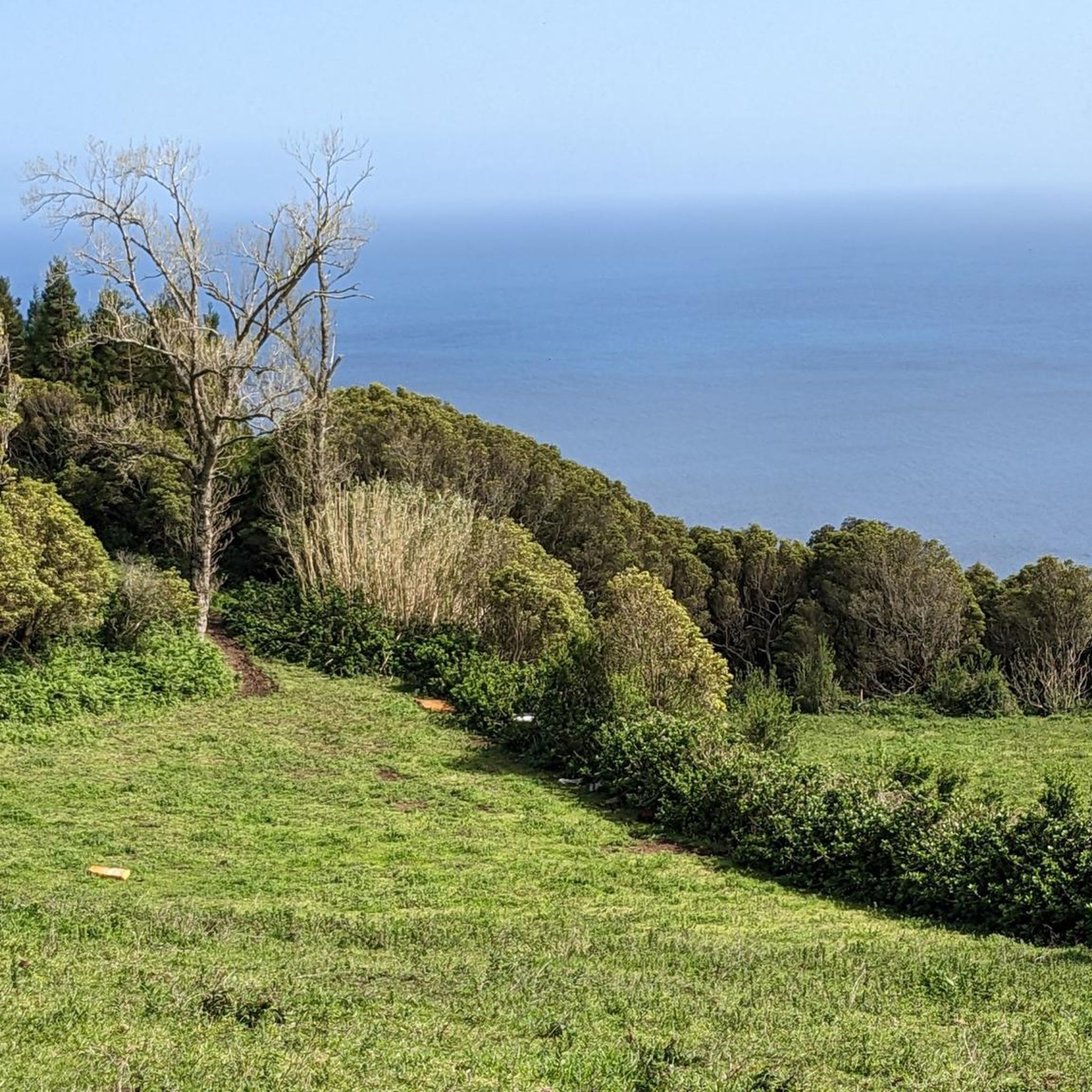
Praia da Fajã
Highlight • Beach
Translated by Google •
Tip by

Sign up for free to discover even more natural monuments around Ribeirinha.
Sign up for free
Already have an account?
Start today with a free account
Your next adventure awaits.
Login or Signup
Tips from the Community

Wonderful tour on challenging trails with fantastic views.
2
1


Part rocky beach, part with black volcanic sand. Quiet location, one of the least frequented on the Island. There are facilities on site, such as toilets and parking. It is part of the official PRC 2 FAI route.
0
0

The bike rental company AL-Bike offers a shuttle service up to the top. By arrangement, you can also be picked up again anywhere on the island. Super nice people, who make an effort to give you a nice day by looking for alternatives depending on the weather and suggesting them to you.
1
0
Caldeira des Cabeco Gordo is the highest mountain, a massive stratovolcano and the largest geomorphological formation on the island of Faial. The highest point of the mountain, Cabeço Gordo, reaches a height of 1,043 meters above sea level. One of the most notable features of this volcano is its two-kilometer-wide caldera, which lies 400 m deep below the crater rim. (Wikipedia translated with DeepL)
1
0

Beautiful trail around the Caldera. Circular route, with muddy spots but made safe. Truly a breathtaking view! Not to be missed if you are in Faial
0
0

Magnificent views in both directions: of Pico with its pretty peak and of the impressive Caldeira
2
0
One of the most beautiful volcanic craters in the Azores... very impressive
3
1
Frequently Asked Questions
What kind of natural features can I expect to see around Ribeirinha on Faial Island?
Around Ribeirinha on Faial Island, you can expect to encounter a diverse range of natural features shaped by volcanic activity. These include impressive calderas like Caldeira do Faial and Caldeira do Cabeço Gordo, which are massive stratovolcanoes with deep craters. You'll also find coastal formations, black volcanic sand beaches such as Praia da Fajã, and lush vegetation covering the volcanic landscapes.
Are there any historical natural monuments or sites near Ribeirinha?
Yes, the area around Ribeirinha offers sites with significant historical context. The Farol da Ribeirinha Ruins are a prominent example, standing as a memorial to the island's geological history and resilience after being damaged by an earthquake. This site provides insights into the island's past and offers stunning coastal views.
What are some popular hiking trails near the natural monuments around Ribeirinha?
There are several popular hiking trails that allow you to explore the natural monuments near Ribeirinha. For an immersive experience, consider the 'Old Paths to the Caldeira do Faial — route on the Island of Faial (PR 7 FAI)' which is a difficult, longer route. Easier options include the 'Farol da Ribeirinha Ruins – Boca da Ribeira loop from Ribeirinha' and the 'Poça da Ribeirinha – Church of Saint Matthew loop from Farol da Ribeirinha'. You can find more details on these and other routes in the Hiking around Ribeirinha guide.
Are there family-friendly natural monuments to visit around Ribeirinha?
Yes, Praia da Fajã is a family-friendly natural monument. It's a quiet beach with both rocky and black volcanic sand, offering facilities like toilets and parking, making it suitable for peaceful visits with family. The Ribeira dos Caldeirões Natural Park on São Miguel (though not in the immediate guide area) is also known for being family-friendly with walks and picnic areas.
What is the best time of year to visit the natural monuments in Ribeirinha, Faial?
The Azores generally enjoy a mild climate year-round. However, for the best experience exploring natural monuments, the warmer months from late spring to early autumn (May to October) are often preferred. During this period, the weather is typically more stable, with less rain and clearer skies, which is ideal for hiking and enjoying panoramic views from places like Caldeira do Faial.
Are there any beaches among the natural monuments in Ribeirinha?
Yes, Praia da Fajã is a notable beach and natural monument near Ribeirinha. It features a mix of rocky terrain and black volcanic sand, offering a quiet spot for relaxation and enjoying the coastal scenery.
What are the difficulty levels of trails around Ribeirinha's natural monuments?
The trails around Ribeirinha's natural monuments vary in difficulty. For instance, the path around Caldeira do Faial is described as demanding with some climbing, and can be muddy. The ascent to Cabeço do Fogo Summit is also challenging with steep steps. However, there are also easy and moderate options, such as the 'Farol da Ribeirinha Ruins – Boca da Ribeira loop' which is rated easy, and the 'Ribeirinha Trail' which is moderate. Always check specific route details for current conditions.
Where can I find panoramic views of Faial and neighboring islands?
For unparalleled panoramic views, head to Caldeira do Faial or Caldeira do Cabeço Gordo, the highest point on Faial. From these summits, you can often see the entire island, and on clear days, the 'Ilhas do Triângulo' (Pico and São Jorge). The Farol da Ribeirinha Ruins also offer spectacular views of Faial's east coast.
What do visitors particularly enjoy about the natural monuments in Ribeirinha?
Visitors frequently highlight the breathtaking views and the unique geological formations. The sheer size and impressiveness of the calderas, the tranquility of the beaches, and the historical significance of sites like the lighthouse ruins are often mentioned. Many appreciate the opportunity for challenging hikes and the chance to experience the island's raw, volcanic beauty, especially when visibility is good.
Are there opportunities for road cycling near Ribeirinha's natural monuments?
Yes, the region offers road cycling opportunities. Routes like the 'Caldeira do Cabeço Gordo – Viewpoint of Caldeira do Faial loop from Pedro Miguel' provide a challenging ride with scenic views. For more options, you can explore the Road Cycling Routes around Ribeirinha guide.
Is parking available at the natural monuments around Ribeirinha?
Yes, parking is generally available at many of the natural monuments. For example, Praia da Fajã has dedicated parking facilities. At Caldeira do Cabeço Gordo, there's a direct passage from the parking lot to a viewing platform. It's always advisable to check specific location details for the most up-to-date parking information.
What unique geological formations can be explored near Ribeirinha?
The area is rich in unique geological formations due to its volcanic origins. You can explore massive calderas like Caldeira do Faial and Caldeira do Cabeço Gordo, which are remnants of ancient stratovolcanoes. The coastal areas also feature dramatic cliffs and black volcanic sand beaches, showcasing the island's powerful geological history.
Can I find any natural parks or reserves near Ribeirinha, Faial?
While the guide focuses on specific natural monuments, the entire island of Faial is part of the Azores Geopark, which is a UNESCO Global Geopark, highlighting its significant geological heritage. The areas around the calderas, such as Caldeira do Faial, are protected natural areas, offering rich biodiversity and unique ecosystems.
How long should I plan for a visit to the natural monuments around Ribeirinha?
The duration of your visit depends on the specific monument and your activity. For a quick stop at a viewpoint like the Farol da Ribeirinha Ruins or Praia da Fajã, an hour or two might suffice. However, exploring a caldera like Caldeira do Faial or embarking on a longer hike could easily take half a day or more. Plan accordingly based on the trails and sites you wish to experience.
Most popular attractions around Ribeirinha

Get inspired with the komoot mobile app


Explore more
Extend your search for the best caves by checking out these guides of the top ones around Ribeirinha:
