Top 9 Natural Monuments around São Pedro
Natural monuments around São Pedro offer diverse landscapes for exploration. São Pedro, located in the state of São Paulo, Brazil, is situated on the slopes of the Serra do Itaqueri. The region features various natural attractions, including geological formations, unique landscapes, and viewpoints. These sites provide opportunities to observe the area's natural features and geological history.
Best natural monuments around São Pedro
- The most popular natural monuments is Barreiro da Faneca (Red Desert), a natural monument known for its…
Last updated: July 13, 2026
Quarry Well
Highlight • Structure
Translated by Google •
Tip by

Pedreira do Campo Regional Natural Monument
Highlight • Natural Monument
Translated by Google •
Tip by
Sign up now to discover places like this
Get recommendations on the best single tracks, peaks, & plenty of other exciting outdoor places.
Sign up for free
Barreiro da Faneca (Red Desert)
Highlight • Natural Monument
Translated by Google •
Tip by

North Point
Highlight • Viewpoint
Definitely worth it! You feel so small with this view and the immense cliffs…
Translated by Google •
Tip by

Pico Alto Summit
Highlight • Summit
Tip by

Sign up for free to discover even more natural monuments around São Pedro.
Sign up for free
Already have an account?
Start today with a free account
Your next adventure awaits.
Login or Signup
Popular around São Pedro
Tips from the Community

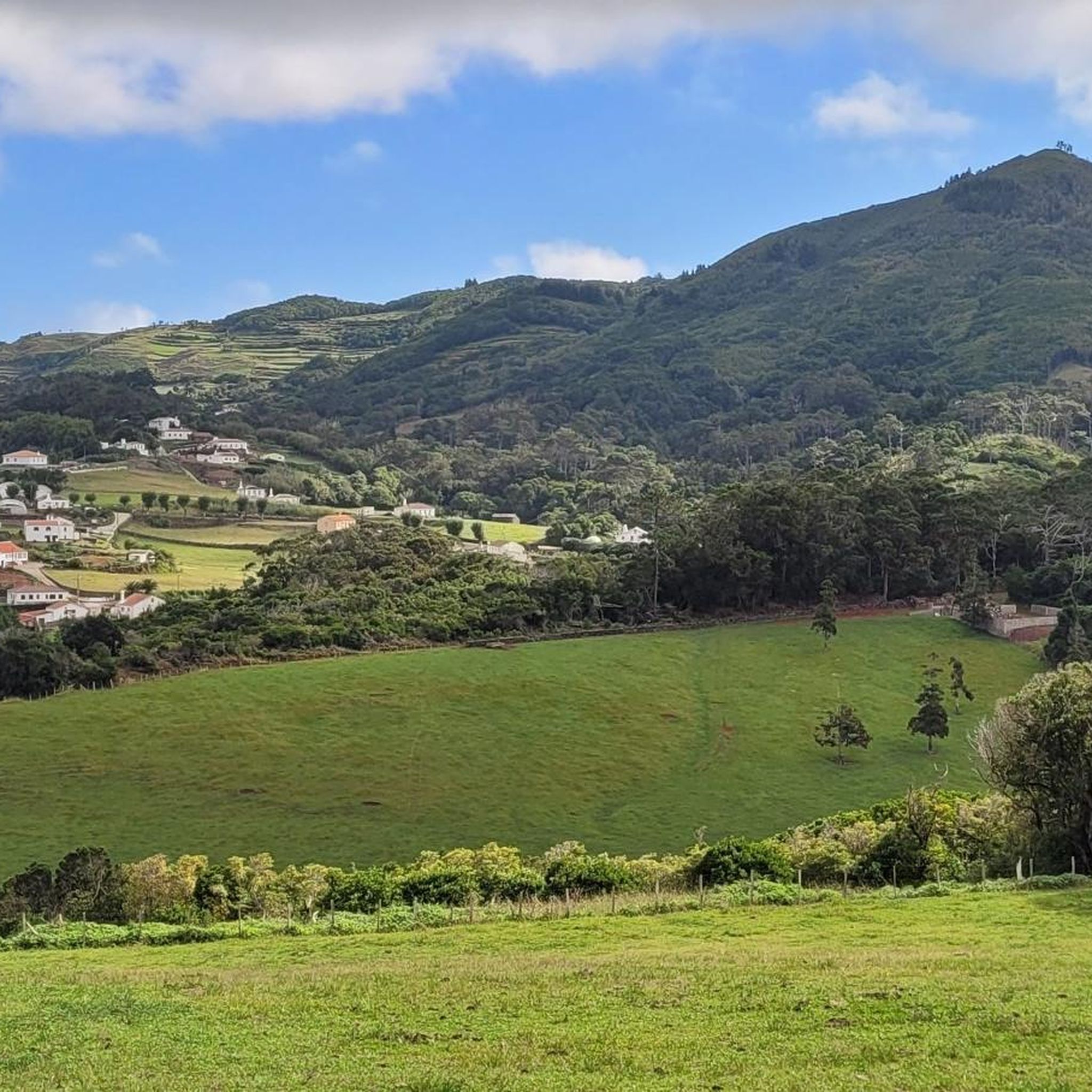
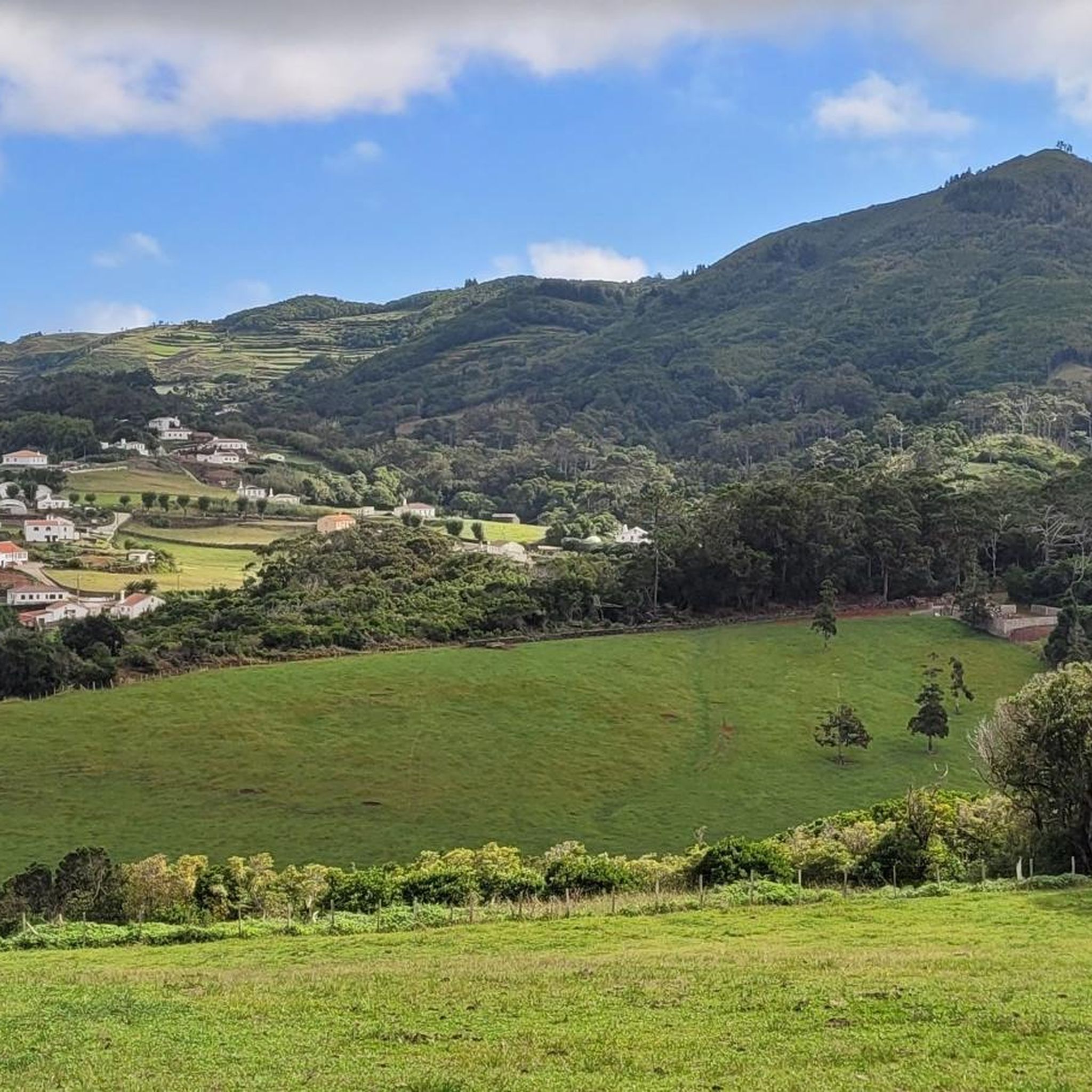
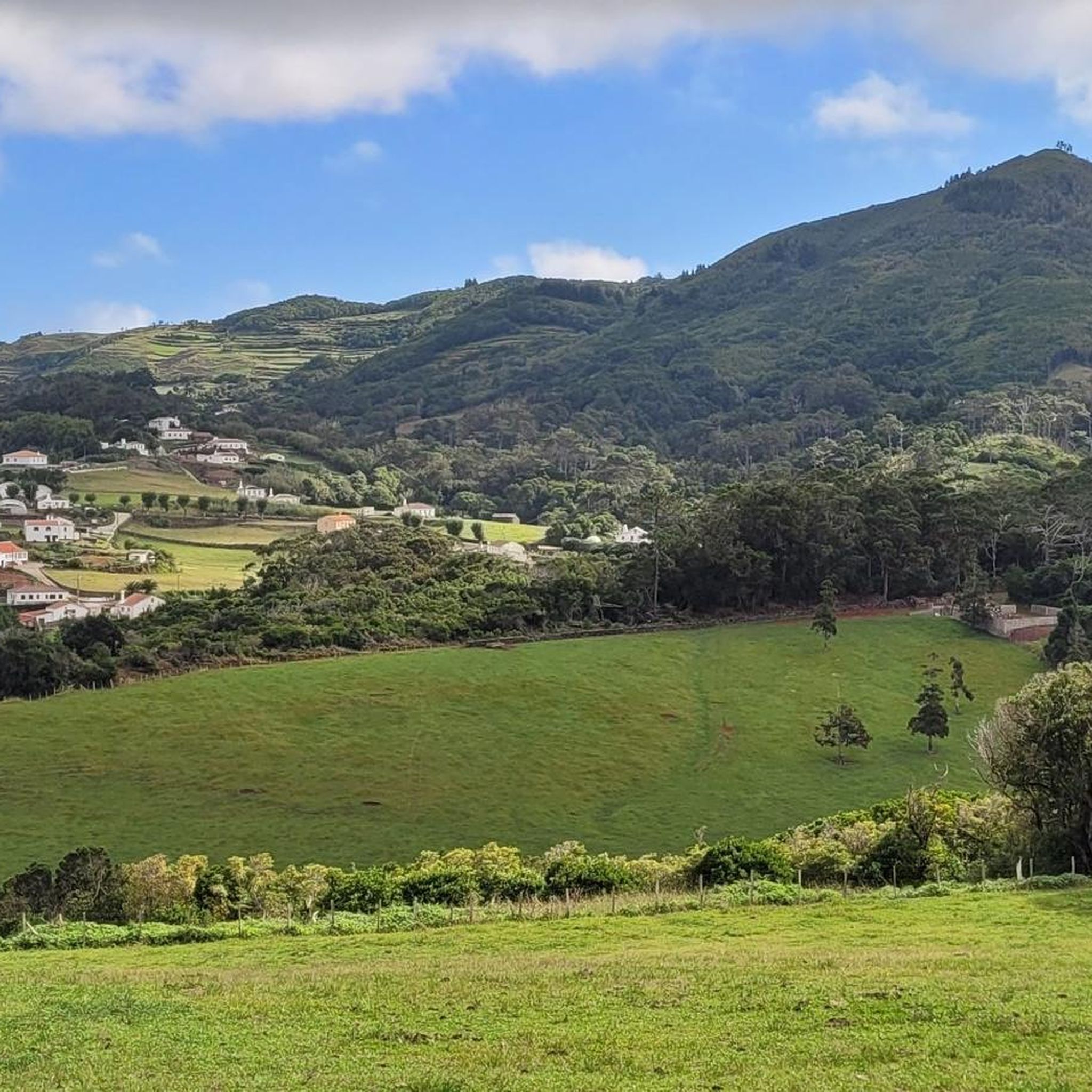
Pico Alto rises to 587 meters above sea level. It is the highest point on Santa Maria Island, where in addition to the very beautiful view you can find the communication towers, as well as a monument to the 1987 plane crash.
0
0
The Pedreira do Campo Regional Natural Monument is an important geological area that reveals the volcanic history of the region. The quarry exposes layers of basalt and fossils that provide important information about volcanic eruptions and climate changes that occurred millions of years ago.
0
0
Poço da Pedreira, on Santa Maria Island, stands out for its peculiar reddish color and rock formation. At one time it was an area for the extraction of basalt stone; today it is a natural and cultural setting, with access on foot and developed tourist infrastructure, including viewpoints and trails.
0
1

Good fitness and shoes required. Definitely worth it! You feel so small with this view and the immense cliffs…
0
0

Pico Alto at 587m is the highest summit on Santa Maria. There is good paved road up to the summit except the last 200m where you either leave the bike behind or carry it up the stairs to enjoy a wonderful view of the surrounding scenery. Try to pick a day with clear sky to make it even more memorable.
1
0

Univ geosystem in volcanic island
1
0

This dry and loamy, reddish semi-desert is commonly referred to as the "red desert". It is a unique nature reserve that covers approximately 8.35 km² and includes the bays of Raposo, Targete and Cré.
1
0

The outback of Santa Maria, our highlight
0
0
Frequently Asked Questions
What are some unique natural monuments to visit around São Pedro?
São Pedro offers several unique natural monuments. You can explore the Barreiro da Faneca (Red Desert), known for its dry, reddish semi-desert landscape covering over 8 km². Another fascinating site is the Quarry Well, a former basalt extraction site now a natural and cultural setting with peculiar reddish rock formations and viewpoints.
Are there any natural monuments with significant geological features?
Yes, the Pedreira do Campo Regional Natural Monument is an important geological area. It exposes layers of basalt and fossils, offering insights into the region's volcanic past and climate changes that occurred millions of years ago.
Which natural monuments offer panoramic views?
For stunning panoramic views, visit Pico Alto Summit, the highest point on Santa Maria Island at 587 meters. Another excellent spot is North Point, which provides immense cliff views. Additionally, Parque do Cristo (Aureliano Esteves Park) offers sweeping vistas of São Pedro and surrounding areas from an altitude of approximately 900 meters.
Are there family-friendly natural monuments in the area?
Absolutely! The Pedreira do Campo Regional Natural Monument and Quarry Well are both considered family-friendly. Parque do Cristo (Aureliano Esteves Park) is also ideal for families, featuring a children's playground, restrooms, and easy access to the Christ statue.
What kind of outdoor activities can I do near São Pedro's natural monuments?
The region around São Pedro offers diverse outdoor activities. You can find numerous hiking and mountain biking trails. For hiking, explore routes like 'Pico Alto e Miradouro da Caldeira' or 'Barreiro da Faneca – Barreiro da Faneca (Red Desert) loop'. For MTB, consider 'Trilho do Tanque' or 'Bird Mural in Vila do Porto loop'. You can find more details and routes in the Hiking around São Pedro and MTB Trails around São Pedro guides.
Are there any waterfalls or places to swim near São Pedro?
Yes, the region is home to several beautiful waterfalls. Cachoeira São José features a 15-meter drop and is perfect for swimming, offering amenities like an open-air bar and barbecue areas. Cascata Dorigon also has a 15-meter waterfall with an easy trail and facilities including a swimming pool. Cachoeira da Furna is another natural attraction in the area.
Can I enjoy water sports or leisure activities at a natural monument?
The Represa do Patrimônio, a beautiful reservoir near São Pedro, is an excellent spot for various leisure activities. You can enjoy boating, fishing, picnicking, swimming, kayaking, and jet-skiing in a tranquil atmosphere with natural scenery and shaded areas for camping or barbecues.
What kind of natural vegetation can I expect to see?
At Parque do Cristo (Aureliano Esteves Park), you'll find typical Atlantic Forest vegetation. The Barreiro da Faneca (Red Desert), on the other hand, presents a unique dry, loamy, reddish semi-desert landscape.
What do visitors particularly enjoy about the natural monuments around São Pedro?
Visitors appreciate the diverse landscapes, from the unique reddish semi-desert of Barreiro da Faneca to the geological insights at Pedreira do Campo. The panoramic views from spots like Pico Alto Summit and the refreshing waterfalls are also highly enjoyed. The komoot community has shared over 9 photos and given more than 20 upvotes for these natural monuments, highlighting their appeal.
Are there any natural springs with therapeutic properties nearby?
Yes, in the nearby municipality of Águas de São Pedro, you can find the Fonte Gioconda. This natural spring is renowned for its sulfated sodium radioactive water, believed to be beneficial for treating liver, gallbladder, and intestinal issues. Águas de São Pedro is famous for its medicinal waters.
Are there any easy trails to access natural monuments for beginners?
Yes, there are easy trails available. For instance, Cascata Dorigon offers an easy trail to reach its waterfall. You can also find several easy hiking routes listed in the Easy hikes around São Pedro guide, such as 'Vila do Porto e Pedreira do Campo' or 'Ribeiro do Maloás Waterfall loop'.
Most popular routes around São Pedro
Most popular attractions around São Pedro

Get inspired with the komoot mobile app


Explore more
Extend your search for the best caves by checking out these guides of the top ones around São Pedro:
