Top 20 Natural Monuments around Ribeira Seca
Best natural monuments around Ribeira Seca are primarily located within the Azores archipelago, spanning islands such as São Miguel and São Jorge. This region is defined by its volcanic origins, featuring crater lakes, geothermal activity, and unique coastal formations known as fajãs. The landscape offers a variety of natural monuments routes, from lush forests with waterfalls to serene lagoons. These natural features provide diverse opportunities for exploration and appreciation of the area's geology and biodiversity.
Best natural monuments around Ribeira…
Last updated: June 29, 2026
Furnas Caldeiras (Hot Springs)
Highlight • Natural Monument
Translated by Google •
Tip by

Furnas Lake
Highlight • Lake
Translated by Google •
Tip by

Sign up now to discover places like this
Get recommendations on the best single tracks, peaks, & plenty of other exciting outdoor places.
Sign up for free
Window of Hell Waterfall
Highlight • Waterfall
Translated by Google •
Tip by
Cabrito Waterfall
Highlight • Waterfall
Translated by Google •
Tip by

Lagoa do Fogo (Lagoon of Fire)
Highlight • Lake
Translated by Google •
Tip by
Sign up for free to discover even more natural monuments around Ribeira Seca.
Sign up for free
Already have an account?
Start today with a free account
Your next adventure awaits.
Login or Signup
Tips from the Community


Beautiful waterfall. When it rains a lot, the circular route is not possible because the path further down is then washed away by the stream.
2
0

Beautiful gorge with a small waterfall. The climb can be a bit slippery.
1
0

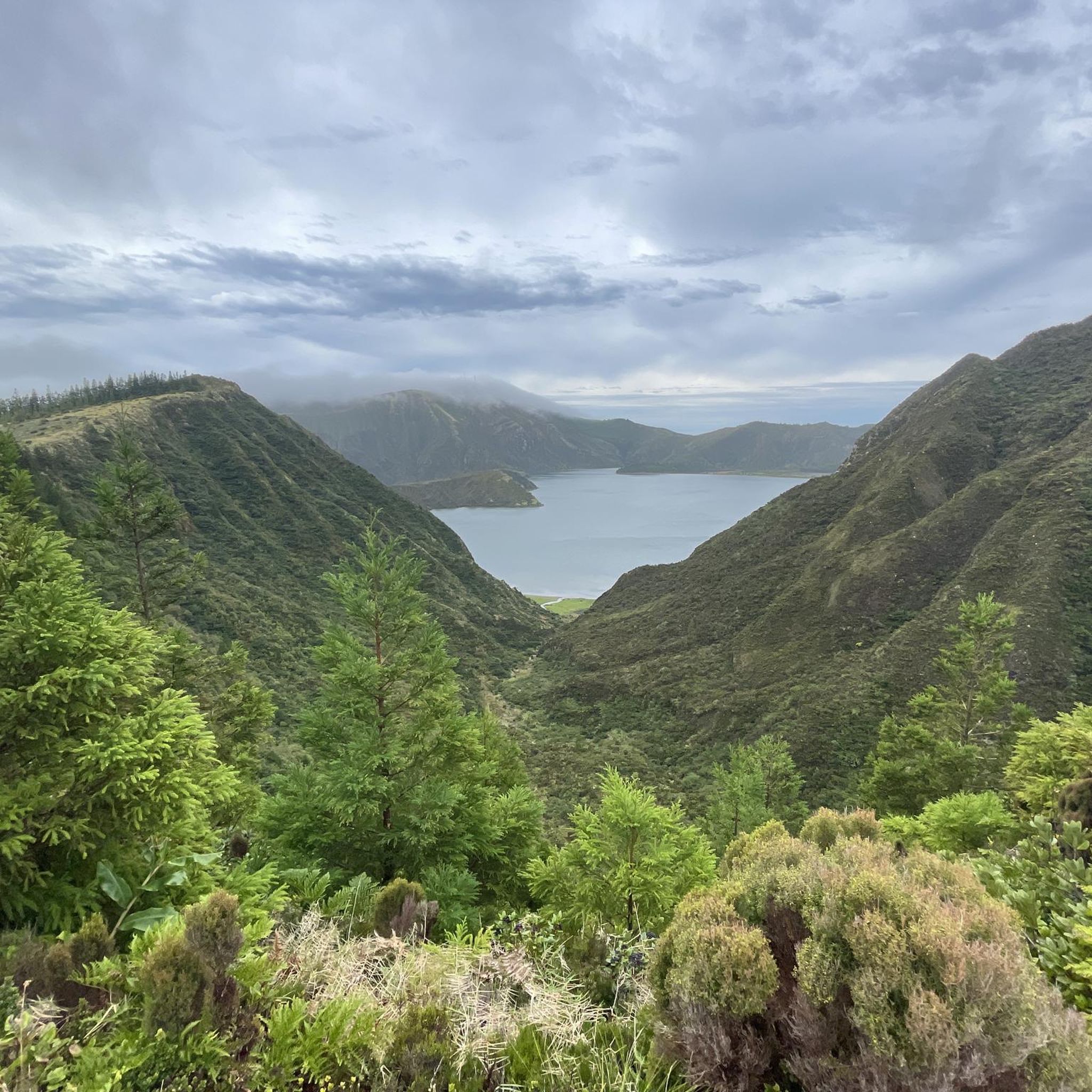
One of the key points of the Island - and the entire archipelago. Site immersed in nature that, like other volcanic calderas on the islands, makes it seem like you are somewhere on dry land, and not in the middle of the ocean.
1
0
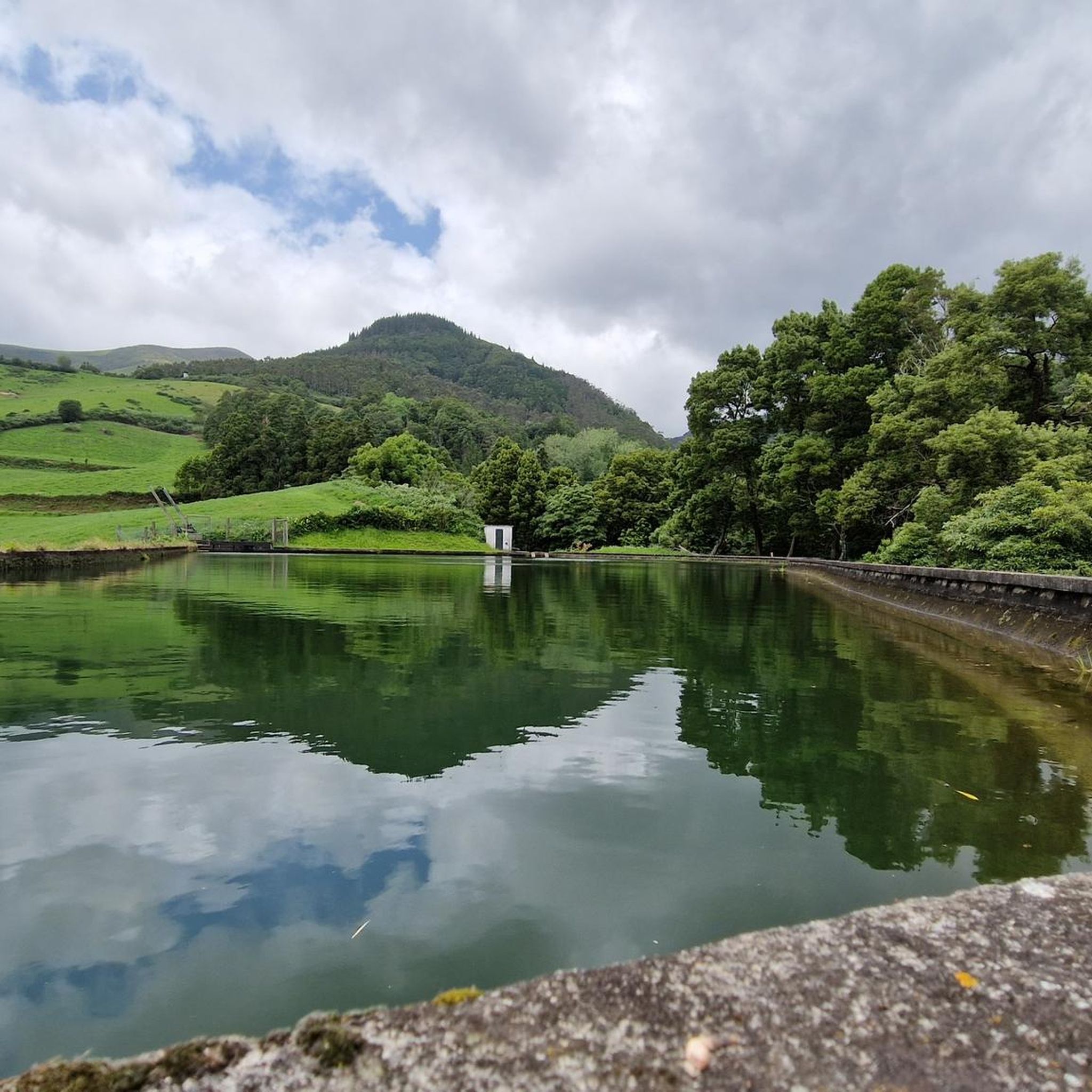
Lagoa das Furnas is one of the main attractions of São Miguel Island. It is a volcanic lagoon surrounded by vegetation and geothermal activity, famous for traditional stews made underground. It also houses the Chapel of Nossa Senhora das Vitórias and the Furnas Monitoring and Research Center (CMIF), dedicated to ecological recovery and environmental education.
3
1
A little tension is also nice... from above you have a good view of the gorge. The climb is worth it!"
1
0

We ate the “Cozido das Furnas” in a local restaurant (after visiting the “excavation”). It's a really tasty stew, but most people don't like the black pudding...
5
0
Frequently Asked Questions
What are some of the most popular natural monuments to visit around Ribeira Seca?
Visitors frequently enjoy the Window of Hell Waterfall, known for its exciting hike through tunnels and impressive waterfall. Another highly rated spot is Lagoa do Fogo (Lagoon of Fire), a stunning crater lake offering panoramic views. The Furnas Caldeiras (Hot Springs) are also a must-see for their geothermal activity and traditional stew cooking.
What unique natural features can I explore in the Ribeira Seca region?
The region around Ribeira Seca, particularly on São Miguel and São Jorge islands, offers diverse natural features. You can explore dramatic waterfalls like those in Ribeira dos Caldeirões Natural Park, serene crater lakes such as Lagoa do Fogo and Congro Lagoon, and unique coastal formations known as 'fajãs' on São Jorge Island, like Fajã de Santo Cristo and Fajã dos Cubres. Geothermal activity is also prominent at sites like Furnas Caldeiras.
Are there family-friendly natural monuments around Ribeira Seca?
Yes, several natural monuments are suitable for families. Ribeira dos Caldeirões Natural Park on São Miguel Island offers lush greenery, waterfalls, and historic watermills, with amenities like picnic areas and a cafeteria. The Window of Hell Waterfall is also considered family-friendly, offering an exciting adventure through tunnels. Furnas Lake provides a beautiful setting for walks and exploring geothermal activity.
What kind of hiking trails are available near these natural monuments?
The area offers a variety of hiking experiences. You can find trails leading through lush forests to waterfalls, around serene lakes, and along coastal fajãs. For example, there's an easy trail circling Congro Lagoon. Many routes are available, including those around Lagoa do Fogo. You can find more detailed information on various routes, including running, MTB, and road cycling, on the Running Trails around Ribeira Seca, MTB Trails around Ribeira Seca, and Road Cycling Routes around Ribeira Seca guide pages.
What is the best time to visit the natural monuments around Ribeira Seca?
The Azores generally have a mild climate year-round. However, for the best hiking conditions and to fully enjoy the natural beauty, spring (April to June) and early autumn (September to October) are often recommended. During these periods, the weather is typically pleasant, and the landscapes are vibrant. Summer months can be busy, while winter might bring more rain and wind, though many sites remain accessible.
Are there any natural monuments with historical significance?
Yes, Ribeira dos Caldeirões Natural Park features five 16th-century watermills, some of which are still operational, offering a glimpse into the region's past. On São Jorge Island, Fajã de Além has a historic water mill and maintains an isolated, traditional nature, showcasing a unique aspect of Azorean life.
What are the 'fajãs' mentioned, and where can I find them?
Fajãs are unique coastal formations, typically found on São Jorge Island. They are small, flat pieces of land formed at the base of cliffs, often by landslides or lava flows. Notable examples include Fajã de Santo Cristo, a remote settlement with a church on the beach, and Fajã dos Cubres, an idyllic spot that marks the end of a popular hiking route. Fajã de Além also offers a glimpse into traditional Azorean life.
Can I swim in any of the natural monuments?
While not explicitly listed as swimming spots, the Cabrito Waterfall is noted as a place where you can pack bathing things and get into the water. Always exercise caution and check local regulations or conditions before entering any natural waters.
What do visitors particularly enjoy about the natural monuments in this region?
Visitors frequently highlight the stunning panoramic views, especially from places like Lagoa do Fogo. The unique experience of hiking through tunnels to reach the Window of Hell Waterfall is also a favorite. Many are fascinated by the geothermal activity at Furnas Caldeiras, particularly the traditional stew cooking. The lush greenery, diverse flora, and the tranquility of the natural reserves are also highly appreciated.
Are there any natural monuments that offer breathtaking viewpoints?
Absolutely. Lagoa do Fogo (Lagoon of Fire) is renowned for its stunning panoramic views over the crater lake. Pico da Esperança, the highest point on São Jorge Island, also offers breathtaking vistas of the volcanic landscape and surrounding vegetation.
What kind of wildlife can I expect to see in these natural areas?
The natural monuments, especially those with lush forests and lakes, are home to diverse wildlife. Ribeira dos Caldeirões Natural Park, for instance, is a sanctuary for endemic birds like the Azores bullfinch. The various lagoons and forests provide habitats for a range of bird species and other local fauna, making them excellent spots for nature observation.
Are there any natural monuments that are less known or 'hidden gems'?
While popular spots are well-visited, places like Congro Lagoon offer a more tranquil and less crowded experience with an easy hiking trail. Fajã de Além on São Jorge Island, accessible via hiking paths, provides a glimpse into traditional, isolated Azorean life away from the main tourist routes, with its historic water mill and traditional houses.
Most popular attractions around Ribeira Seca

Get inspired with the komoot mobile app


Explore more
Extend your search for the best caves by checking out these guides of the top ones around Ribeira Seca:
