Top 10 Natural Monuments around Saboia
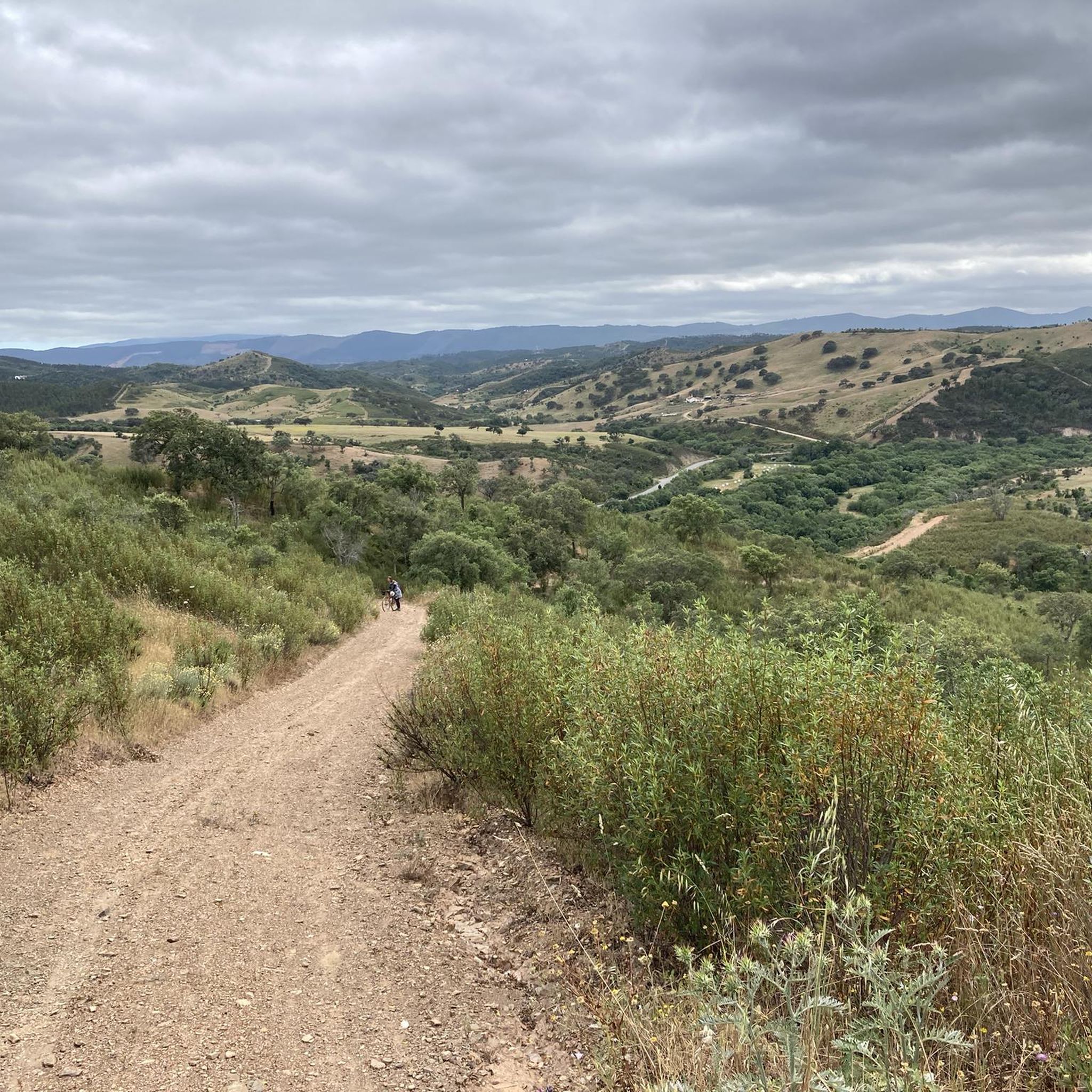
Best natural monuments around Saboia are primarily located within the Monchique mountain range in Portugal's Algarve region. This area features significant elevations, offering expansive views across the landscape. The natural environment includes extensive cork oak forests and notable summits. Visitors can explore diverse natural features, from high peaks to unique forest ecosystems.
Best natural monuments around Saboia
- The most popular natural monuments is Cork oak grove in Monchique, a forest where cork oaks (Quercus suber) grow in abundance. These…
Last updated: July 13, 2026
Foia Summit
Highlight • Summit
Translated by Google •
Tip by

Cork oak grove in Monchique
Highlight • Forest
Translated by Google •
Tip by

Sign up now to discover places like this
Get recommendations on the best single tracks, peaks, & plenty of other exciting outdoor places.
Sign up for free
Picota Summit
Highlight • Summit
Here, it's worth stopping, taking a deep breath, and letting your gaze …
Translated by Google •
Tip by
Cork oak in Monchique
Highlight • Natural Monument
Translated by Google •
Tip by

Fonte Santa Thermal Baths
Highlight • Natural Monument
Tip by

Sign up for free to discover even more natural monuments around Saboia.
Sign up for free
Already have an account?
Start today with a free account
Your next adventure awaits.
Login or Signup
Tips from the Community

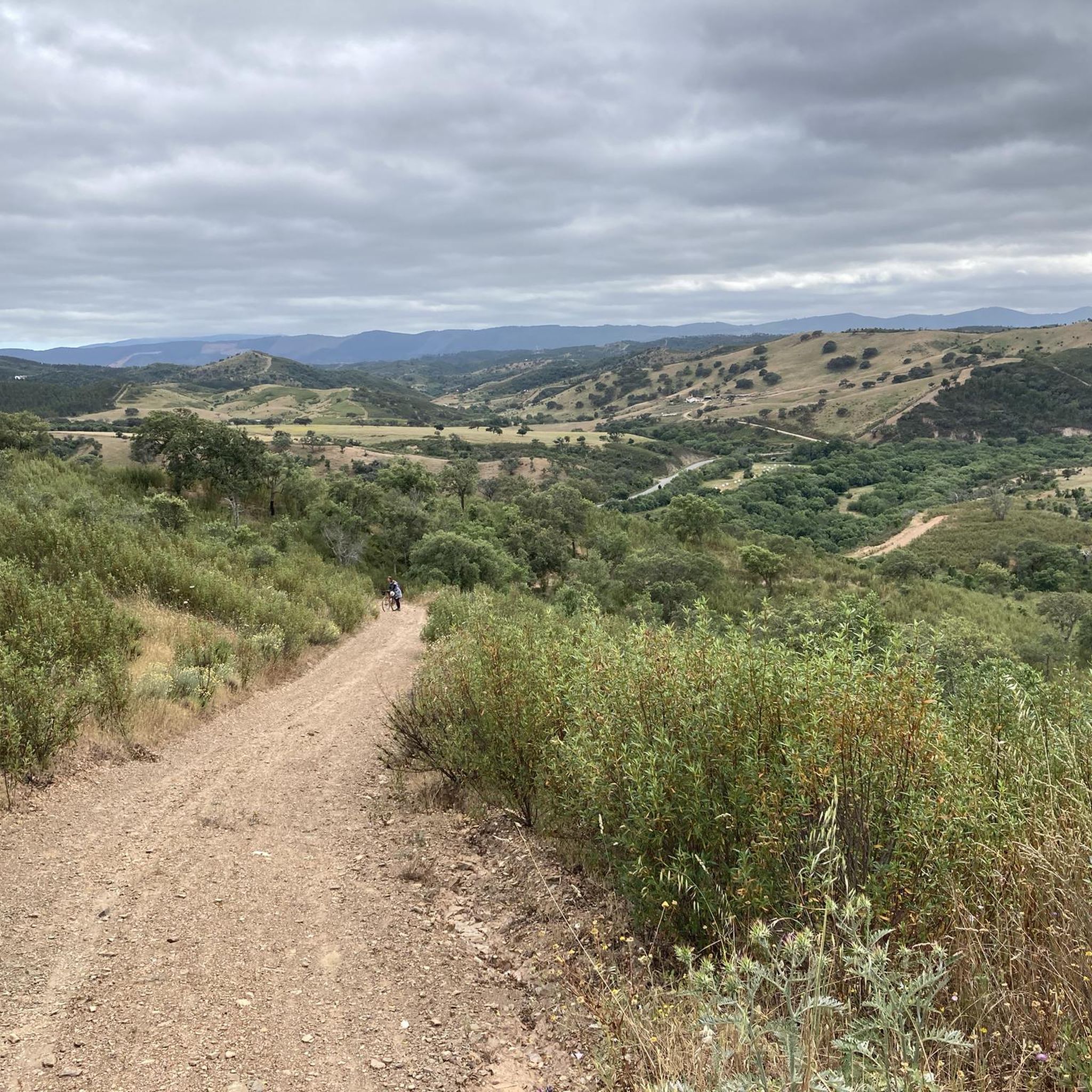
At the top of the Monchique mountain range rises Foia, the highest point in the Algarve, at 902 meters altitude. Its antennas mark the summit where the sky seems closest and, on clear days, the view reaches the Atlantic. Up here, the wind blows freely and the view is simply unforgettable.
2
0
Picota, at 774 meters, is the second highest point in the Algarve and one of the most breathtaking. Here, it's worth stopping, taking a deep breath, and letting your gaze wander across the 360° landscape: rolling mountains and even the Alentejo region in the distance, if the day is clear. It's a magical feeling of almost touching the clouds.
3
0

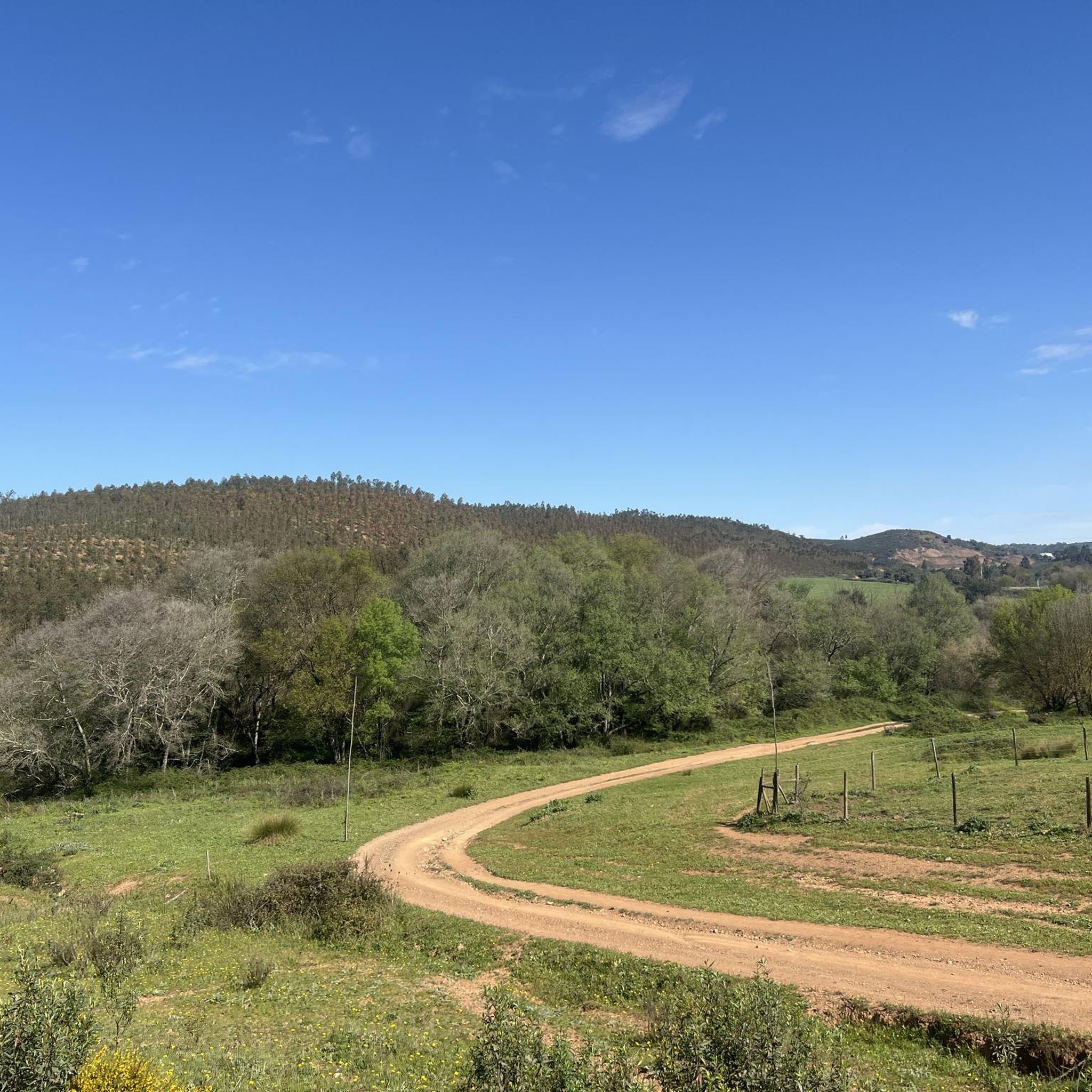
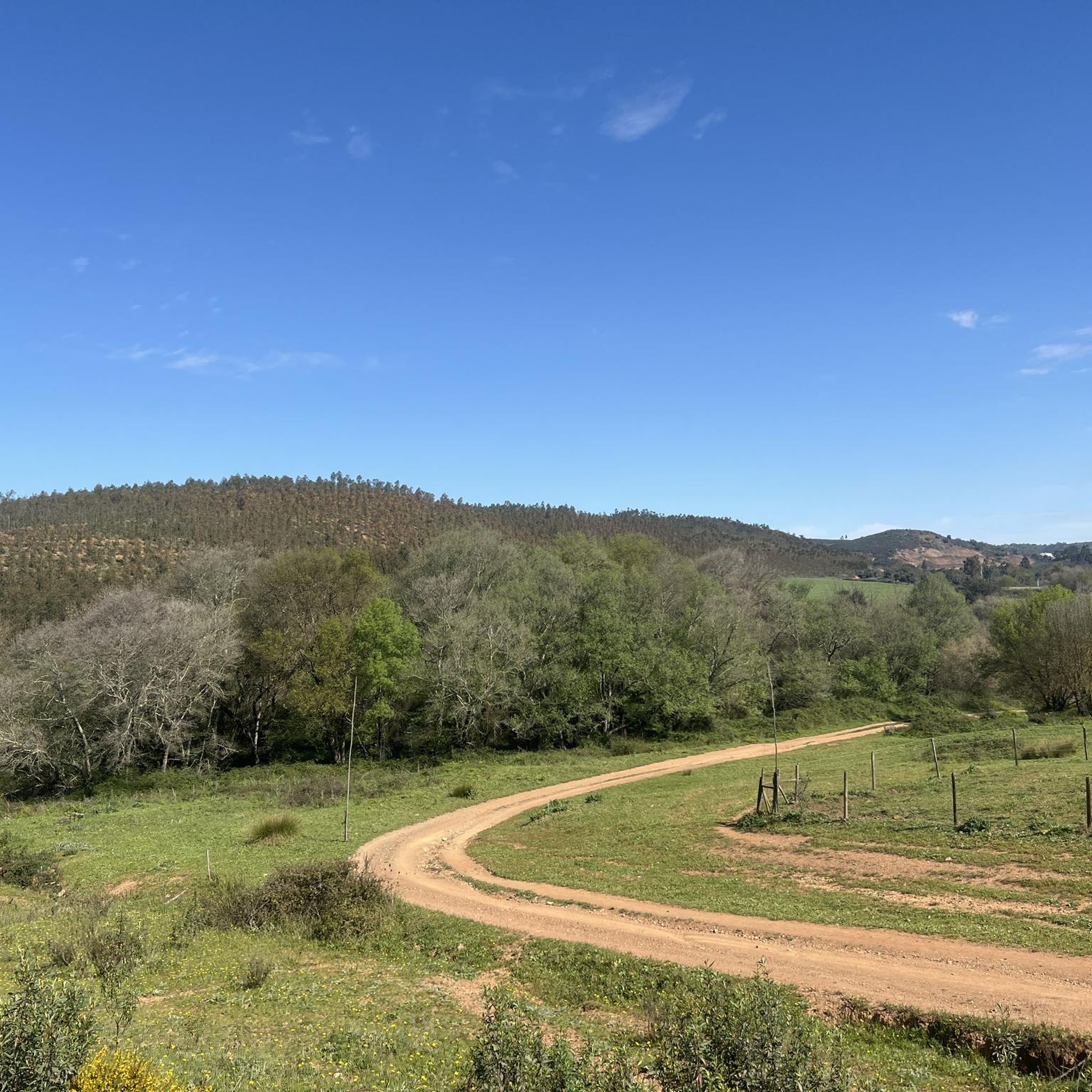
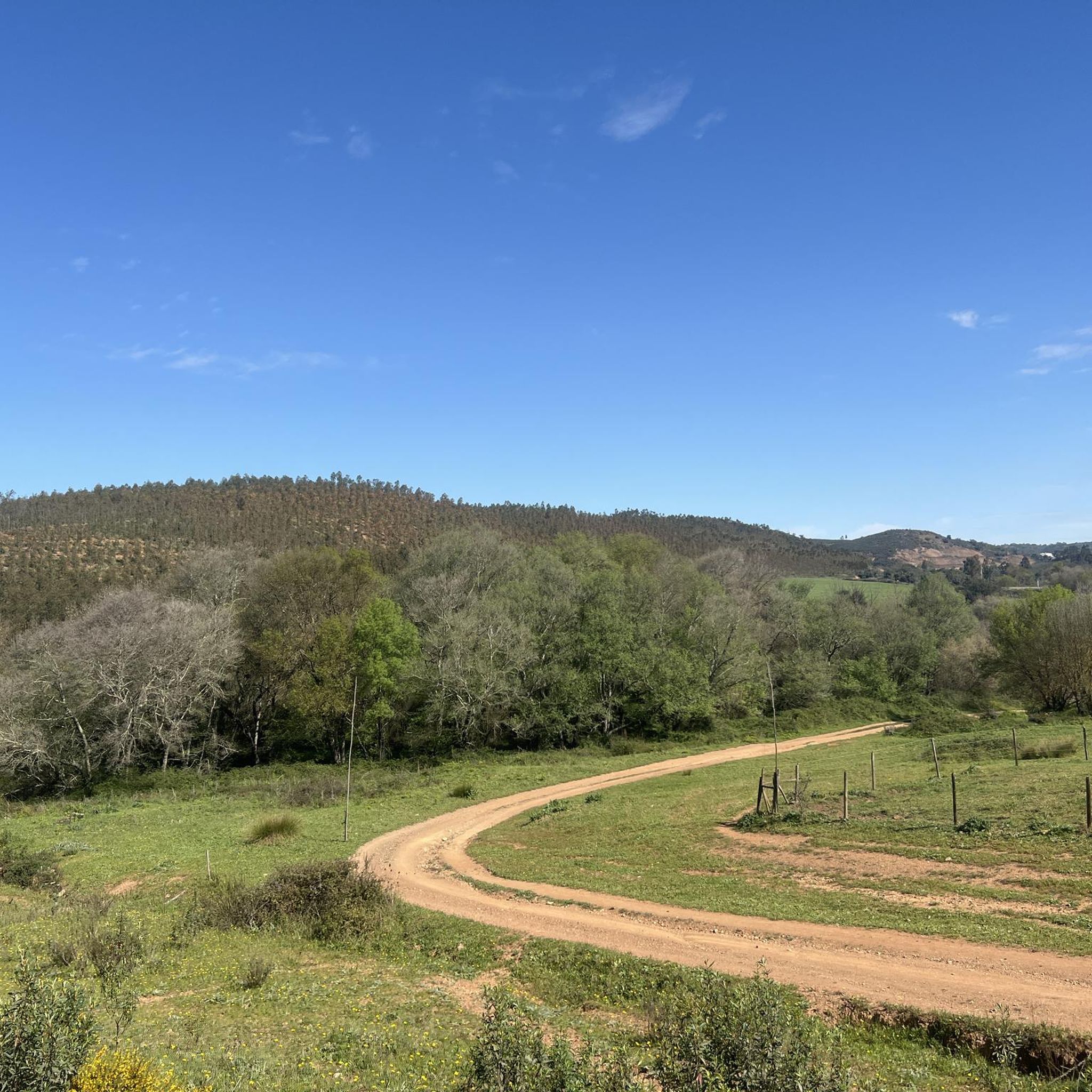
In the Algarve, especially around Monchique, cork oaks (Quercus suber), a tree species typical of southern Portugal, grow in abundance. These trees are important to the Portuguese economy because their bark can be harvested every nine years to make cork – Portugal is the world's largest producer. Cork oak forests also form a valuable ecosystem that contributes to biodiversity and soil conservation. You can often recognize old trees by their bare, reddish-brown trunks with a date inscribed on them.
5
1
In the Algarve, especially around Monchique, cork oaks (Quercus suber), a tree species typical of southern Portugal, grow in abundance. These trees are important to the Portuguese economy because their bark can be harvested every nine years to make cork – Portugal is the world's largest producer. Cork oak forests also form a valuable ecosystem that contributes to biodiversity and soil conservation. You can often recognize old trees by their bare, reddish-brown trunks with a date inscribed on them.
8
0

Alto da Fóia, at 902m above sea level, is the highest point in the Algarve. It is part of the Serra de Monchique massif. On a clear day, the Atlantic Ocean is visible from the summit.
2
0

From above you have a spectacular view of the sea. You can start the climb to Fóia (PR 3) Monchique – Fóia at the summit and then walk downhill. Or you start in the village of Monchique and walk back and forth. One route is around 6.5 km long and takes 2 hours, depending on your fitness level.
6
1

Cork oaks are a symbolic tree of the Mediterranean climate and the Algarvel, with the entire coast being occupied by this tree. On the trail that leads to Fóia, there are several cork oaks along the way. This particular point offers a place full of cork oaks.
2
0

The cork oak in Portugal was voted Tree of the Year in 2018. It is a true Portuguese cultural identity and gives the forest workers jobs and salaries every year.
6
1
Frequently Asked Questions
What are the most prominent natural monuments to visit around Saboia?
The Saboia region, primarily within the Monchique mountain range, offers several notable natural monuments. Key highlights include Foia Summit, the highest point in the Algarve at 902 meters, offering expansive views. Another significant site is the Cork oak grove in Monchique, showcasing the region's important cork oak ecosystems. Additionally, Picota Summit provides stunning 360° panoramic views at 774 meters.
What kind of views can I expect from the summits in Saboia?
From Foia Summit, you can enjoy breathtaking 360° panoramic views that, on clear days, extend all the way to the Atlantic Ocean. Similarly, Picota Summit offers a magical feeling of being close to the clouds, with views across rolling mountains and even the Alentejo region in the distance on a clear day.
Are there family-friendly natural monuments or activities in the Saboia area?
Yes, several natural monuments are considered family-friendly. The Cork oak grove in Monchique and the individual Cork oak in Monchique are great for family walks, offering a chance to learn about these important trees. Foia Summit is also listed as family-friendly, providing accessible views for all ages.
What unique natural features can I explore in Saboia?
Beyond the prominent summits, Saboia is known for its extensive cork oak forests, which are vital for the Portuguese economy and biodiversity. You can also discover the Fonte Santa Thermal Baths, a natural spring with warm water believed by locals to have healing properties.
What outdoor activities can I do near the natural monuments around Saboia?
The region around Saboia is excellent for various outdoor activities. You can find numerous hiking trails, such as the 'Santa Clara Dam – Santa Clara River Beach loop' or 'River in Santa Clara loop'. For cyclists, there are challenging routes like the 'Circular Tour 27 — Serra de Monchique' or 'Monchique Town Center – Foia Summit loop'. Mountain biking enthusiasts can explore trails like 'Fóia Summit Monument – Cork oak grove in Monchique loop'. You can find more details on these activities in the hiking guide, cycling guide, and MTB trails guide for Saboia.
Are there any thermal springs or baths in the Saboia area?
Yes, the Fonte Santa Thermal Baths are a natural monument in the area. These baths feature three cabins with two cold and one slightly warm bath. Locals believe the warm water has healing properties, and visitors can take a quick dip, especially refreshing after a walk.
What is the significance of the cork oak forests in Monchique?
The cork oak forests, such as the Cork oak grove in Monchique, are highly significant. Portugal is the world's largest producer of cork, and these trees are crucial to the local economy. Beyond their economic value, cork oak forests form a valuable ecosystem that supports biodiversity and aids in soil conservation. You can often spot older trees by their reddish-brown trunks with a date inscribed, indicating when they were last harvested.
When is the best time of year to visit the natural monuments in Saboia?
While specific seasonal advice isn't provided, the Algarve region generally enjoys a mild climate. Visiting during spring (March-May) or autumn (September-November) often offers pleasant temperatures for hiking and exploring, avoiding the peak heat of summer. Clear days are ideal for enjoying the panoramic views from the summits.
Is parking available at the natural monuments?
Yes, Foia Summit is noted to have parking facilities, making it accessible for visitors traveling by car.
What should I be aware of when hiking near farms in the Monchique area?
When hiking, particularly near Picota Summit, be cautious as there can sometimes be free-roaming, highly aggressive guard dogs near farms. It's advisable to be aware of your surroundings and take precautions if you encounter them.
How long does it take to hike to the summits?
For Foia Summit, a route starting from Monchique (PR 3) is approximately 6.5 km long and can take around 2 hours, depending on your fitness level. You can choose to walk uphill from Monchique or start at the summit and walk downhill.
What makes the cork oak a special tree in Portugal?
The cork oak (Quercus suber) was voted Tree of the Year in 2018 in Portugal and is considered a true Portuguese cultural identity. It's an evergreen tree that thrives in the Western Mediterranean, enduring drought and making low demands on soil. Its bark is harvested every nine years to produce cork, providing jobs and income. A single tree can yield 100 to 200 kilograms of cork over its lifetime.
Most popular attractions around Saboia

Get inspired with the komoot mobile app


Explore more
Extend your search for the best caves by checking out these guides of the top ones around Saboia:
