Top 6 Natural Monuments around Bouro (Santa Marta)
Natural monuments around Bouro (Santa Marta) are primarily located within the Peneda-Gerês National Park, Portugal's only national park. This region is characterized by ancient forests, mountains, and rivers, offering diverse ecosystems. The landscape features significant geological formations, including granite structures and traces of ancient glaciations. Visitors can explore a variety of natural features across the 6 natural monuments in the area.
Best natural monuments around Bouro (Santa Marta)
- The most popular natural monuments is Granite Rock Formations of Peneda-Gerês National…
Last updated: May 17, 2026
Fenda da Calcedónia
Highlight • Gorge
Translated by Google •
Tip by

Granite Rock Formations of Peneda-Gerês National Park
Highlight • Natural Monument
Translated by Google •
Tip by

Sign up now to discover places like this
Get recommendations on the best single tracks, peaks, & plenty of other exciting outdoor places.
Sign up for free
Cascata do Ribeiro de Gemesura
Highlight • Waterfall
Translated by Google •
Tip by

Ascent to the Rock Crevice (Reserva da Biosfera Transfronteira Gerês-Xurés)
Highlight (Segment) • Climb
We walk it anti-clockwise, which turns out to be a good decision.
The ascent is much steeper this way, …
Translated by Google •
Tip by

Curvaceira rocky path
Highlight (Segment) • Trail
Translated by Google •
Tip by

Sign up for free to discover even more natural monuments around Bouro (Santa Marta).
Sign up for free
Already have an account?
Start today with a free account
Your next adventure awaits.
Login or Signup



Tips from the Community

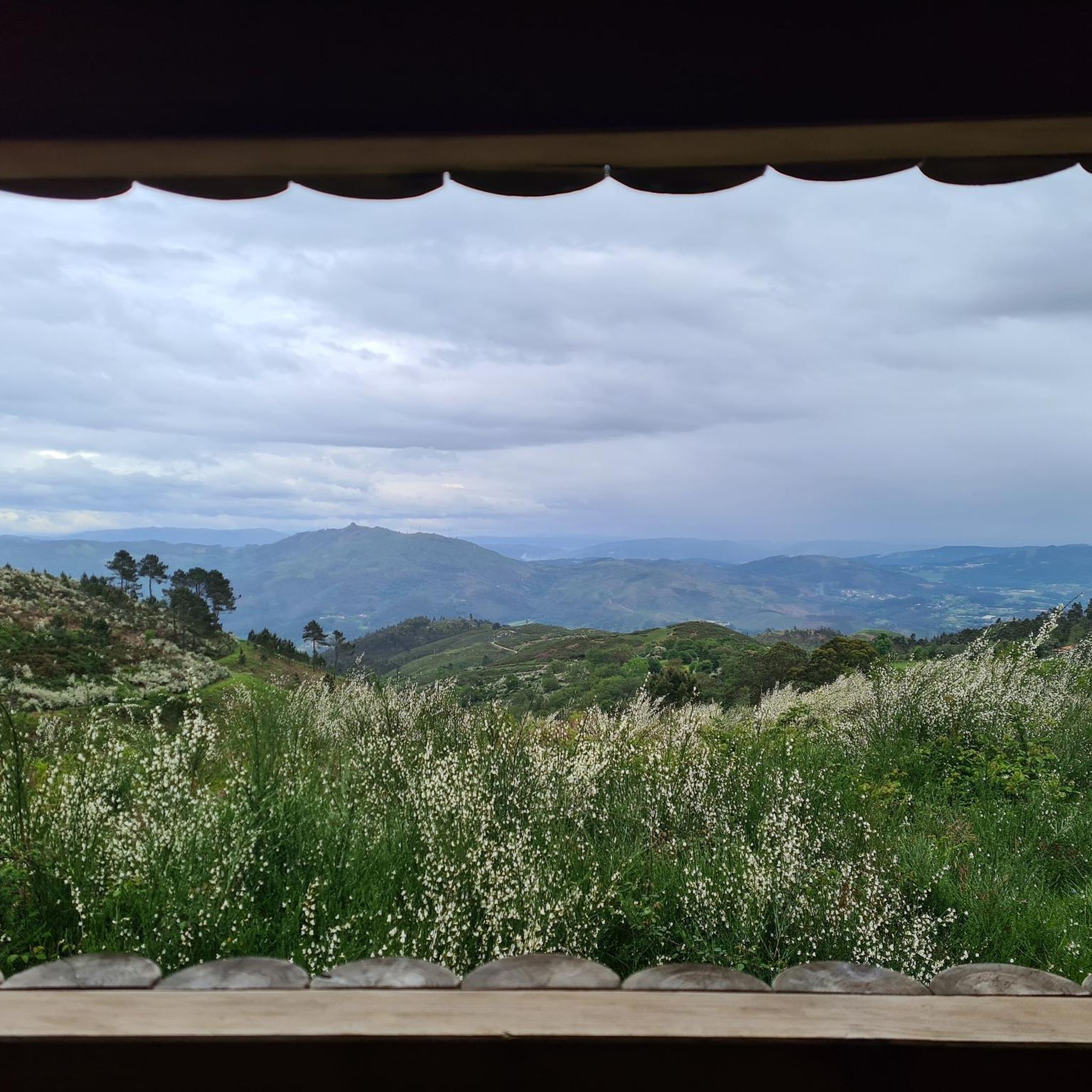
The Chalcedony Trail (PR1 TBR – Trilho da Cidade da Calcedonia) is one of the most iconic routes in Peneda-Gerês National Park, located in Covide (Braga), within the municipality of Terras de Bouro. It leads to the ruins of the City of Chalcedony, an ancient pre-Roman hill fort high in the mountains. It offers panoramic views over the Homem River valley and the Gerês mountains. The trail passes through native forests, rocky areas, and natural viewpoints.
2
0
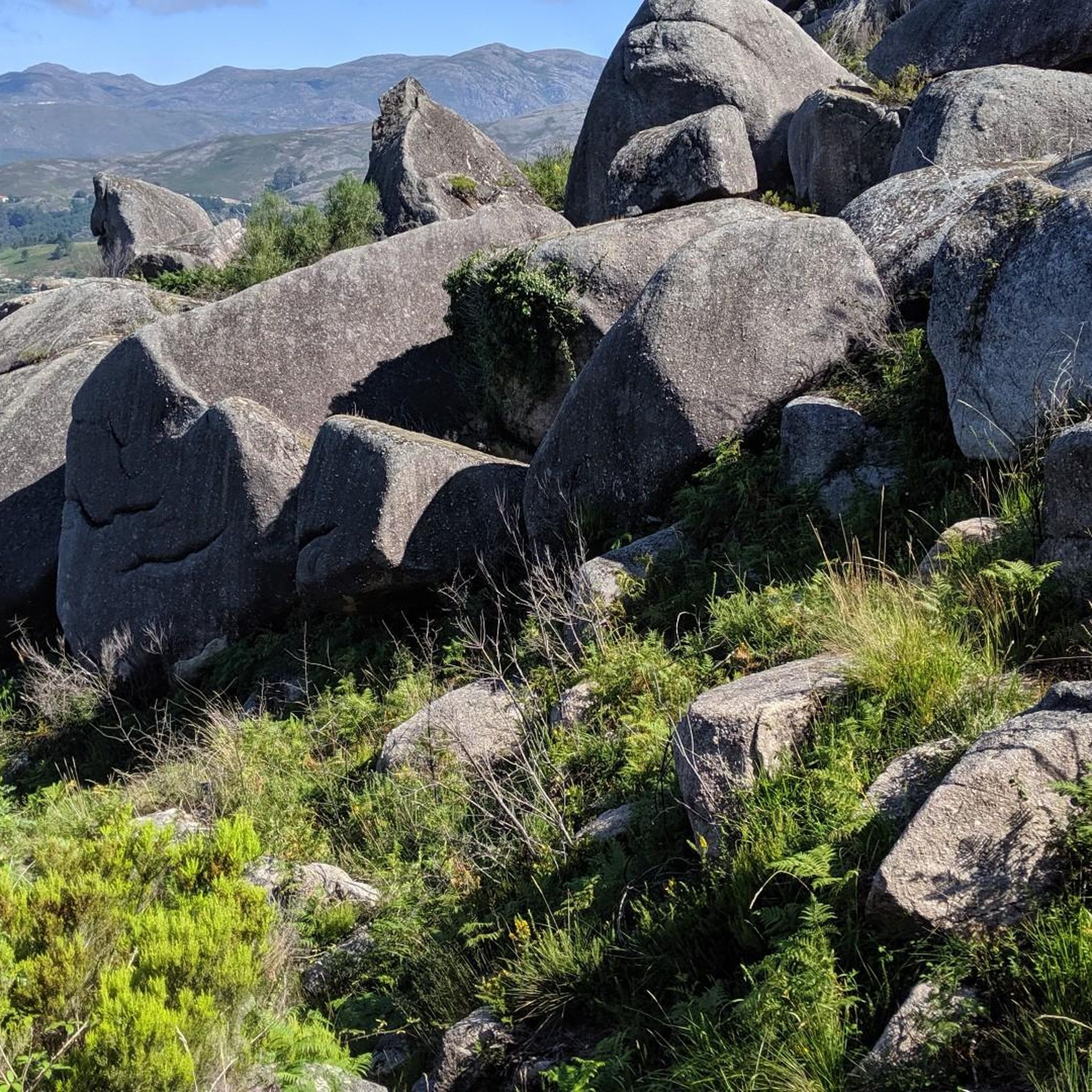
A spectacular rocky section where granite boulders rise like "sleeping giants" all around you. The trail ascends towards the peak of Curvaceira, at 919m, and offers panoramic views of the deep Covide Valley.
2
0

A beautiful hiking area with breathtaking rock formations.
0
0

A very beautiful waterfall with a loud noise from the falling water, located next to the Vilarinho das Furnas Dam, more or less halfway along the sand road that serves the site of the old village of Vilarinho.
0
0

The Calcedonia Crack is one of those passages that seems to have come straight out of an old fairy tale: a monumental crack between two granite giants. For those who like a challenge, the route involves climbing and jumping between huge blocks fitted together at the base. Going up is easier than going down: there is more support, more traction, and less hesitation. There is no need to cross it (the trail elegantly skirts the crack) but, for the more adventurous, facing this crack is almost a ritual: a mix of adrenaline, vertigo and raw landscape that leaves its mark on those who pass by.
1
1
As you climb, the granite blocks grow around you like sleeping giants. To the south, the Curvaceira rises up at 919 metres. To the north, the Covide valley stretches out below, green and deep. Here, the barrosãs roam freely among the rocks, but those who run know: this is the hard part. Tapered trails, serious ramps and rock that sometimes begs for a handhold on the ground. This is the mountain in its purest form, above 800 metres. Raw, beautiful and unforgettable.
1
1

Can sometimes be easily reached by car.
1
0
As the climb progresses, the granite boulders become increasingly imposing, sculpting the landscape with impressive shapes and dimensions. To the south, Curvaceira rises, the highest point in the area, at 919 metres above sea level. To the north, a wide view opens up over the Covide valley. Here, Barrosã cows roam freely across the hills, while the mountain landscape reveals itself in all its grandeur above 800 metres. But this is also the most challenging part of the climb: narrow trails, a steep incline and some rocks that require a bit of climbing.
2
0
Frequently Asked Questions
What are some challenging natural monuments for experienced hikers around Bouro (Santa Marta)?
For experienced hikers seeking a challenge, the Fenda da Calcedónia offers a rocky landscape and impressive formations, leading to ancient pre-Roman ruins. The Ascent to the Rock Crevice (Reserva da Biosfera Transfronteira Gerês-Xurés) is another demanding climb involving steep sections and large boulders, requiring surefootedness. Additionally, the Curvaceira rocky path presents a spectacular section with granite boulders and challenging ascents towards the peak.
Are there any waterfalls to visit in the natural monuments area?
Yes, the region is home to several beautiful waterfalls. The Cascata do Ribeiro de Gemesura is a notable waterfall located near the Vilarinho das Furnas Dam. Within the wider Peneda-Gerês National Park, you can also find the iconic Tahiti Waterfalls (Fecha de Barjas), the impressive Arado Waterfall, and the beautiful Cascata de Pincães, all offering opportunities for refreshing dips and scenic views.
What kind of geological features can I expect to see in the natural monuments around Bouro (Santa Marta)?
The area is rich in geological wonders, primarily within the Peneda-Gerês National Park. You'll encounter imposing Granite Rock Formations that sculpt the landscape with impressive shapes. The Fenda da Calcedónia is a gorge known for its dramatic rocky formations. The park also features traces of ancient glaciations and majestic granite structures like Pé de Cabril and Pedra Bela.
Are there family-friendly natural monuments or activities in the region?
Yes, the Cascata do Ribeiro de Gemesura is considered family-friendly. For leisurely walks, the Homem River Ecotrail offers accessible wooden walkways, perfect for enjoying the riverside scenery. Many areas within Peneda-Gerês National Park provide opportunities for picnics and gentle exploration, though some trails are more challenging.
What are the best viewpoints in the natural monuments around Bouro (Santa Marta)?
Several natural monuments offer stunning panoramic views. The Granite Rock Formations of Peneda-Gerês National Park provide wide views over the Covide valley. From Fenda da Calcedónia, you can enjoy panoramic views over the Homem River valley and the Gerês mountains. The Ascent to the Rock Crevice and the Curvaceira rocky path also offer breathtaking vistas of the surrounding mountainous terrain.
What outdoor activities can I do near these natural monuments?
The area around Bouro (Santa Marta) and within Peneda-Gerês National Park is ideal for various outdoor activities. You can find numerous hiking trails, from easy walks to challenging ascents. Cycling is also popular, with routes like the Caniçada Reservoir loop. For more detailed information on routes, you can explore guides such as Easy hikes around Bouro (Santa Marta), Cycling around Bouro (Santa Marta), and Road Cycling Routes around Bouro (Santa Marta).
Are there easy hiking trails near the natural monuments?
Yes, there are several easy hiking options available. For instance, you can find trails like the Junceda Viewpoint loop or the Fenda da Calcedónia loop from Curvaceira, which are categorized as easy. These routes offer a chance to experience the natural beauty without extreme difficulty. More easy hikes can be found in the Easy hikes around Bouro (Santa Marta) guide.
What is the best time of year to visit the natural monuments around Bouro (Santa Marta)?
The Peneda-Gerês National Park, where most natural monuments are located, is beautiful year-round. Spring and autumn generally offer pleasant temperatures for hiking and exploring, with lush greenery in spring and vibrant colors in autumn. Summer is ideal for enjoying waterfalls and river beaches, with opportunities for refreshing dips in the cool waters, though trails can be busier. Winter can be colder and wetter, but offers a unique, tranquil experience.
What should I know about hiking permits or regulations in Peneda-Gerês National Park?
Peneda-Gerês is Portugal's only national park, and as such, it has specific regulations to protect its diverse ecosystems. While many trails are freely accessible, certain activities or areas might require permits, especially for specific types of research or larger groups. It's always advisable to check the official ICNF (Institute for Nature Conservation and Forests) website or the park's visitor centers for the most up-to-date information on permits and regulations before your visit. You can find more general information about the park on Visit Porto and North or Visit Portugal.
Can I bring my dog to the natural monuments in Peneda-Gerês National Park?
Regulations regarding dogs in Peneda-Gerês National Park can vary. Generally, dogs are allowed on many trails but must be kept on a leash to protect wildlife and ensure the safety of other visitors. Some sensitive areas or specific trails might have stricter rules or restrictions. It's recommended to consult the official Peneda-Gerês National Park guidelines or contact a visitor center for precise information on their dog policy before planning your trip.
What do visitors enjoy most about the natural monuments in this area?
Visitors frequently praise the breathtaking scenery and the raw, untouched beauty of the landscape. Many highlight the spectacular rocky formations, such as those found at the Granite Rock Formations and Fenda da Calcedónia. The challenging yet rewarding climbs, the panoramic views, and the chance to connect with nature, including spotting Barrosã cows roaming freely, are also highly appreciated. The tranquility and the opportunity for refreshing dips in waterfalls are often mentioned as well.
Are there any historical elements within the natural monuments around Bouro (Santa Marta)?
Yes, the region blends natural beauty with historical significance. The Fenda da Calcedónia is part of an iconic trail that leads to ancient pre-Roman ruins. Additionally, within the Peneda-Gerês National Park, the Mata da Albergaria forest is known for the remnants of the ancient Roman Geira, a military road, offering a glimpse into the past amidst stunning natural surroundings.
Most popular attractions around Bouro (Santa Marta)

Get inspired with the komoot mobile app


Explore more
Extend your search for the best caves by checking out these guides of the top ones around Bouro (Santa Marta):
