Top 10 Natural Monuments around Mós
Natural monuments around Mós are characterized by river landscapes, historical sites, and geological formations. The region features deep river gorges and elevated viewpoints offering expansive views of the surrounding terrain. It is an area where natural beauty converges with historical significance, providing diverse exploration opportunities.
Best natural monuments around Mós
- The most popular natural monuments is Ponte de Santa over the Ribeira do Mosteiro, a bridge that stretches over the Ribeira do Mosteiro. This location features schist slopes and…
Last updated: June 29, 2026
Castro de São Paulo
Highlight • Historical Site
Translated by Google •
Tip by

Ponte de Santa over the Ribeira do Mosteiro
Highlight • Bridge
Translated by Google •
Tip by
Sign up now to discover places like this
Get recommendations on the best single tracks, peaks, & plenty of other exciting outdoor places.
Sign up for free
La Barca (jetty)
Highlight • River
Translated by Google •
Tip by

Carrascalinho Viewpoint
Highlight • Viewpoint
Translated by Google •
Tip by

Mazouco
Highlight • Viewpoint
Translated by Google •
Tip by

Sign up for free to discover even more natural monuments around Mós.
Sign up for free
Already have an account?
Start today with a free account
Your next adventure awaits.
Login or Signup

Tips from the Community

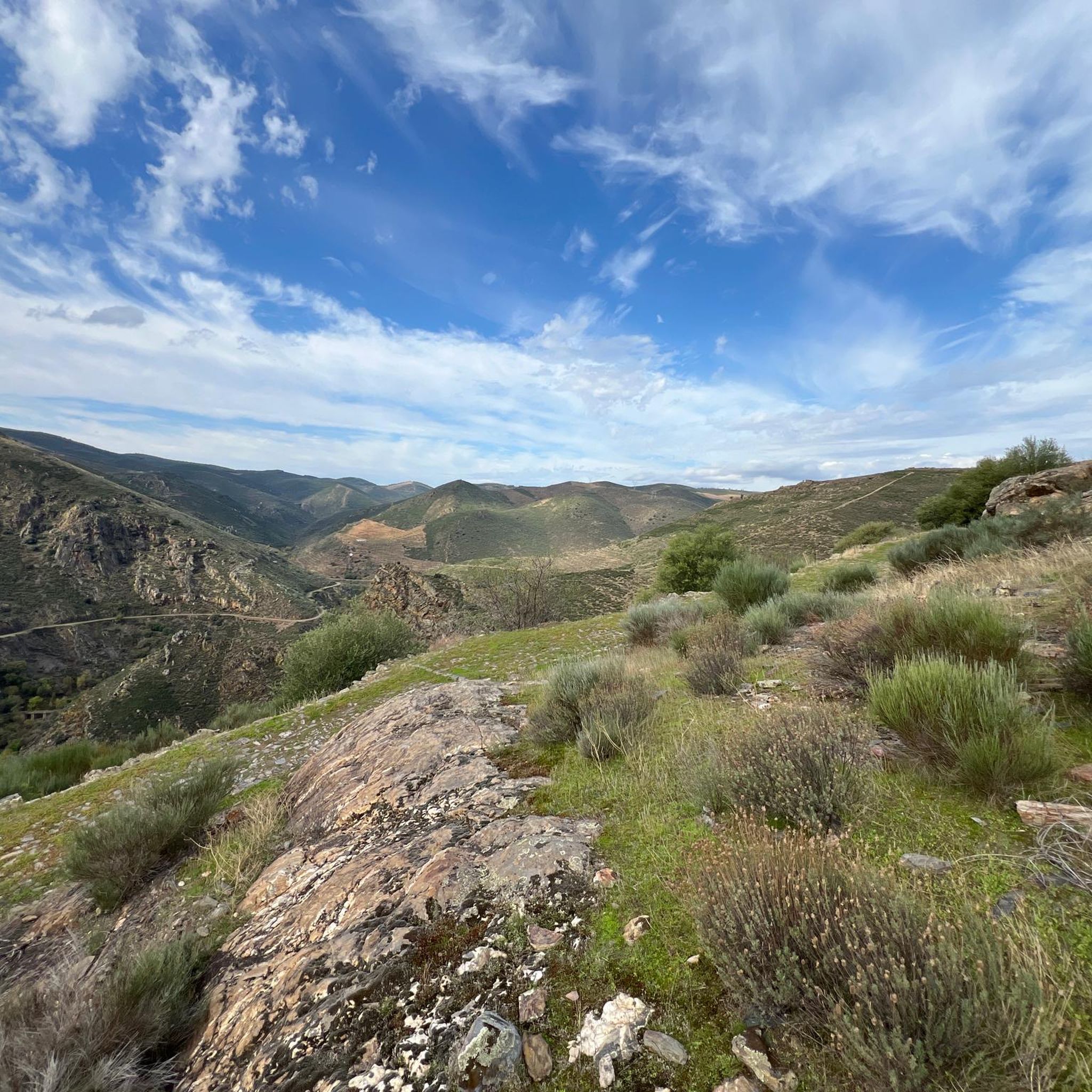
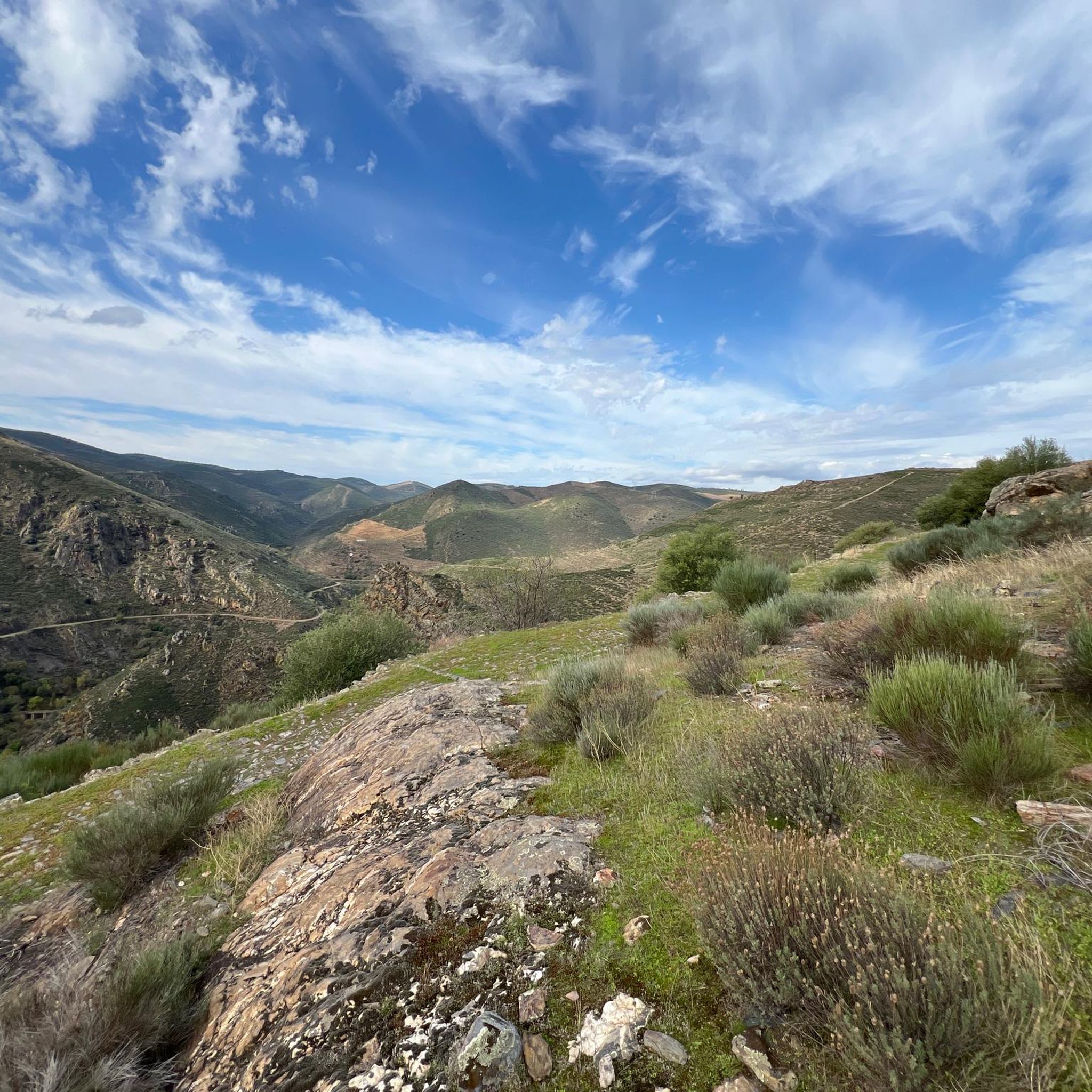
The Ponte de Santa bridge stretches over the Ribeira do Mosteiro. Beneath it, amidst the whispering water and the gentle warmth of the sun, you can rest on one of the large stone slabs that are spread out there, as if they were made to welcome travelers in need of rest. The scenery around you is pure enchantment: the schist slopes are torn apart by impressive quartzite outcrops that burst from the earth, erected in almost sculptural forms, a geological spectacle that is as intriguing as it is beautiful.
2
0
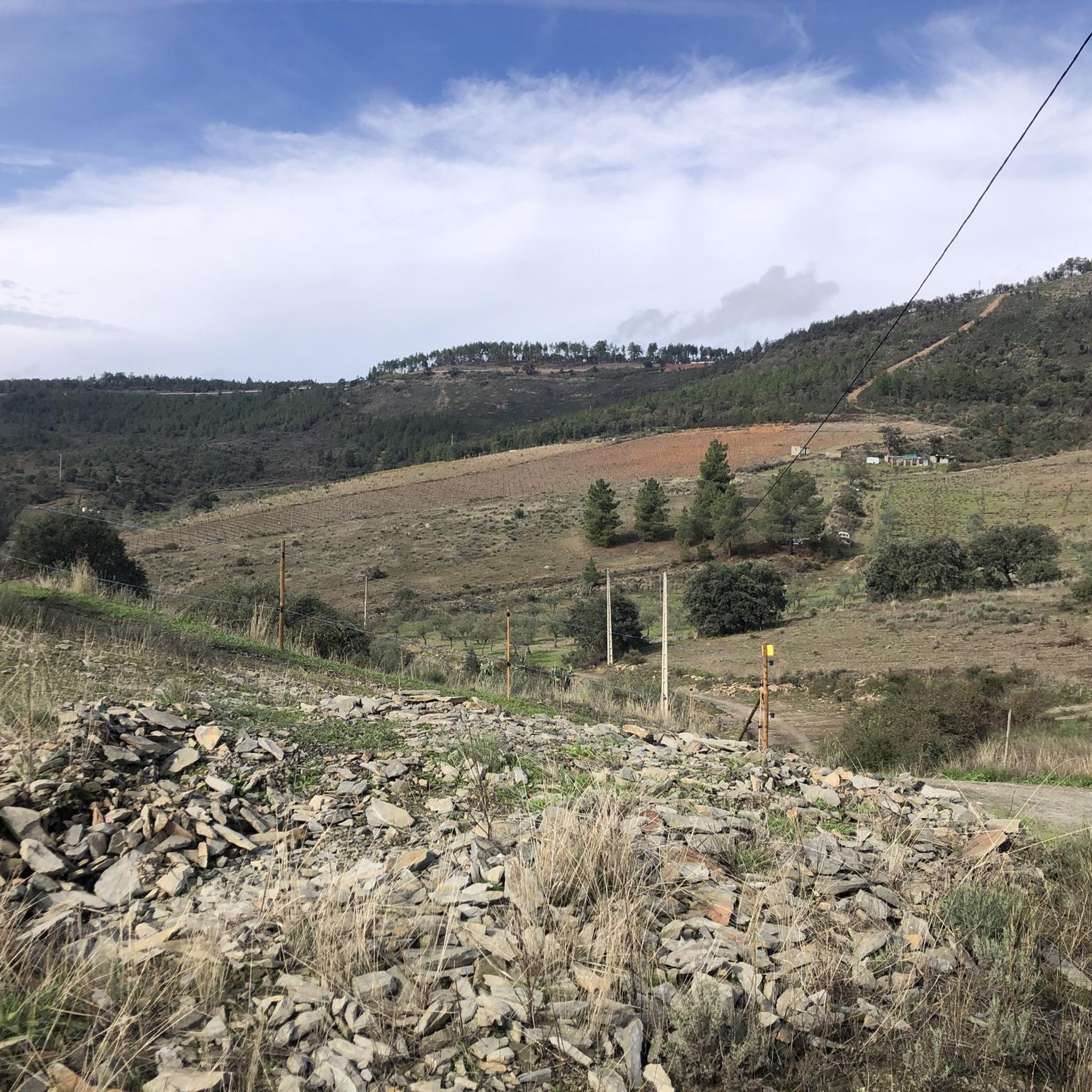
This place holds ancient memories, with remains dating back to the Bronze Age, with fragments of pottery that reveal human presence since ancient times. But the story did not end there: occupation extended into the Iron Age and continued during Roman rule. The ancient defensive walls of Castro de São Paulo, now almost gone, were worn down by time or transformed into terraces by the hands of farmers who, over the centuries, shaped the landscape to suit their needs.
3
0

The Embarcadero de La Barca is located in Vilvestre, Salamanca, and is a starting point for boat trips along the Duero River. From here, the boats take routes that allow you to enjoy the impressive landscapes of the Duero Internacional and Arribes del Duero Natural Parks. These trips usually last around an hour and a half and offer the opportunity to observe the rich flora and fauna of the region, including birds of prey such as the golden eagle and the griffon vulture. In addition, the route allows you to contemplate the natural beauty of the cliffs and the Mediterranean microclimate of the area. 😊
6
0

Beautiful view. A bird paradise, vultures and others.
0
0
Beautiful view. Lots of birds and vultures, bring binoculars.
0
0

A town that is located above the river of El Río Duero and that gives us spectacular views of the valley.
0
0
Impressive viewpoint that offers us enormous views of the gorge that the Duero River has formed in this border area!
0
0

Excellent viewpoint of the Douro River and a very good place to observe griffon vultures and other prey
0
0
Frequently Asked Questions
What are some unique natural features to explore around Mós?
The Mós region offers diverse natural features, including the impressive schist slopes and quartzite outcrops found near Ponte de Santa over the Ribeira do Mosteiro. You can also experience the dramatic river landscapes and gorges, particularly along the Duero River, which are visible from viewpoints like Carrascalinho Viewpoint.
Are there any historical natural monuments in the Mós region?
Yes, the region features historical sites integrated with its natural landscape. Castro de São Paulo is a significant historical natural monument with remains dating back to the Bronze Age, showcasing ancient defensive walls and evidence of human presence through Roman rule.
What kind of views can I expect from the natural monuments around Mós?
Visitors can expect expansive views of river landscapes and gorges. From Carrascalinho Viewpoint, you get impressive views of the Douro River gorge. Similarly, Mazouco offers spectacular views of the valley where the Duero River flows.
What wildlife can be observed near the natural monuments in Mós?
The Duero River area, particularly accessible from La Barca (jetty), is excellent for observing rich flora and fauna. Birdwatchers can spot birds of prey such as the golden eagle and griffon vulture, especially from viewpoints like Carrascalinho Viewpoint.
Are there hiking opportunities near the natural monuments around Mós?
Yes, there are several hiking opportunities. You can explore trails like the 'Vale da Ribeira do Mosteiro (PR 1) — Parque Natural do Douro Internacional' or the 'Barca d'Alva – Vega Terrón River Port loop'. For more options, check out the Hiking around Mós guide.
Can I go cycling near the natural monuments in Mós?
Absolutely. The region offers various cycling routes, including challenging ones like the 'Larinho Station – View of Torre de Moncorvo loop' or 'Bike loop from Freixo de Espada à Cinta'. Discover more routes in the Cycling around Mós guide and the Road Cycling Routes around Mós guide.
Are there any circular walks around the natural monuments in Mós?
Yes, the area provides options for circular walks. For instance, there's a 'Hiking loop from Freixo de Espada à Cinta' and a 'Hiking loop from Barca d'Alva'. These are great ways to experience the natural beauty of the region.
Are the natural monuments around Mós suitable for families?
Many natural monuments in the Mós region are family-friendly. La Barca (jetty) is an ideal place for families, especially in summer, offering boat trips and a picnic area. Castro de São Paulo is also categorized as family-friendly, offering an educational historical experience.
What do visitors enjoy the most about the natural monuments in Mós?
Visitors particularly enjoy the blend of natural beauty and historical significance. The geological spectacle of schist slopes and quartzite outcrops at Ponte de Santa, the ancient history of Castro de São Paulo, and the scenic boat trips along the Duero River from La Barca (jetty) are highly appreciated. The impressive views from various viewpoints are also a major highlight.
Is it possible to visit the natural monuments around Mós during winter?
While specific winter conditions can vary, the natural monuments are generally accessible year-round. However, it's always advisable to check the weather forecast before your visit, as some trails or river activities might be affected by adverse conditions. The region's river landscapes and historical sites offer a different kind of beauty in colder months.
Are there any facilities or amenities near the natural monuments?
Near La Barca (jetty) in Vilvestre, Salamanca, you'll find a recreational area with a picnic area, a shelter, and the river dock itself, which serves as a starting point for boat trips. For other monuments, it's recommended to carry your own provisions, as amenities might be limited directly at the sites.
What is the terrain like for hiking around the natural monuments in Mós?
The terrain around Mós is characterized by river landscapes, schist slopes, and quartzite outcrops. Hiking trails can range from easy to moderate, with some areas featuring more rugged paths, especially near river gorges and historical sites like Castro de São Paulo. It's advisable to wear appropriate footwear.
Most popular routes around Mós
Most popular attractions around Mós

Get inspired with the komoot mobile app


Explore more
Extend your search for the best caves by checking out these guides of the top ones around Mós:
