Top 6 Natural Monuments around Póvoa De Midões
Natural monuments around Póvoa De Midões encompass a landscape characterized by its geological formations and prehistoric sites. The region is situated near the Mondego River, offering diverse natural features. Visitors can explore ancient megalithic structures and unique rock formations that define the area's natural heritage. The terrain provides various points of interest for outdoor exploration.
Best natural monuments around Póvoa De Midões
- The most popular natural monuments is Lapa da Orca Dolmen, a historical site that is one of…
Last updated: July 13, 2026
Lapa da Orca Dolmen
Highlight • Historical Site
Translated by Google •
Tip by

Anta da Palheira
Highlight • Historical Site
cm-carregal.pt/pages/1027?poi_id=129
ORCA/ANTA from PALHEIRA is located in the megalithic nucleus of Fiais/Ameal. It is …
Translated by Google •
Tip by

Sign up now to discover places like this
Get recommendations on the best single tracks, peaks, & plenty of other exciting outdoor places.
Sign up for free
Miradouro do Penedo Cabana
Highlight • Viewpoint
Translated by Google •
Tip by
Orca do Outeiro do Rato
Highlight • Historical Site
Translated by Google •
Tip by
Cascata de Sevilha
Highlight • Waterfall
According to …
Translated by Google •
Tip by

Sign up for free to discover even more natural monuments around Póvoa De Midões.
Sign up for free
Already have an account?
Start today with a free account
Your next adventure awaits.
Login or Signup

Tips from the Community

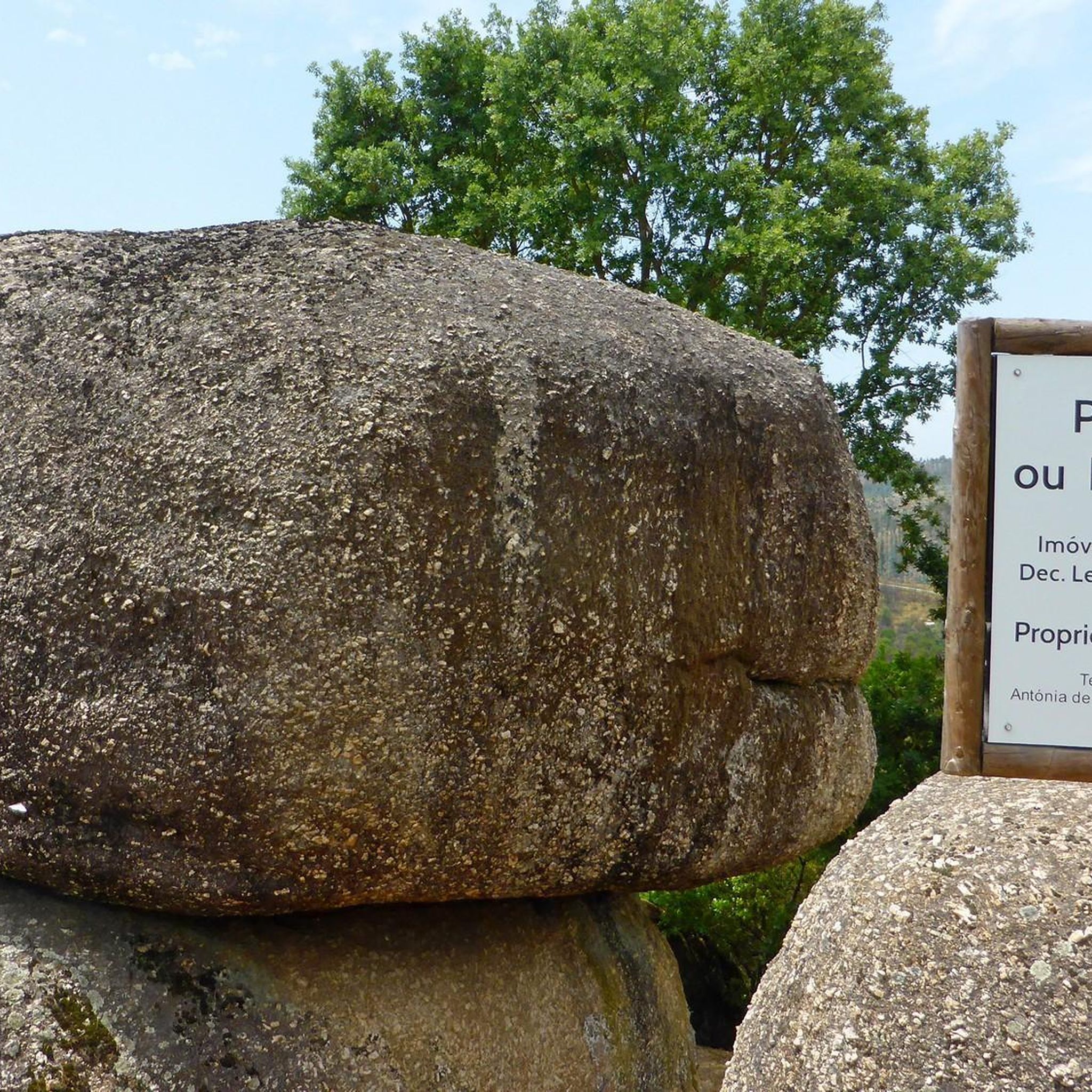
Designated a National Monument since 1974, this structure retains the nine upright stones of its main chamber, which is three meters high, and the capstone (covering slab) practically intact. The access corridor to the chamber has 15 upright stones and preserves all the covering slabs, with the dolmen being inserted into a tumulus (or mound, which originally covered the entire stone structure of the monument) approximately 20 meters in diameter. Its construction is believed to have occurred during the Neolithic-Chalcolithic period (between the end of the Neolithic and the beginning of the Chalcolithic), corresponding to the end of the 4th millennium BC. The region where the Orca Dolmen is located shows traces of continuous human activity and occupation since the prehistoric period. It is situated in an area with orographic characteristics conducive to human settlement, being close to a watercourse (the Mondego River) and possessing vast hunting resources. We know that shepherding has been a source of livelihood and income for centuries for the populations of the region, situated on a livestock route between the highlands of the Serra da Estrela and the Mondego valley.
1
0

This Orca/Anta is part of a tour circuit: PREHISTORIC CIRCUIT OF FIAIS/AZENHA in Carregal do Sal. https://www.cm-carregal.pt/pages/1027?poi_id=129 ORCA/ANTA from PALHEIRA is located in the megalithic nucleus of Fiais/Ameal. It is a monument of considerable size, which can be placed, architecturally, within the large group of monuments of Beira. It has a polygonal chamber with nine pillars, with an elongated corridor. However, its peculiar characteristics make this monument the rarest and most representative example of the circuit, given that at a somewhat later and yet to be determined period, a considerable barn was built around its central structure, which is part of that farm. Thus, the dolmen remained incorporated within it and was used as a dwelling until the 1970s.
2
0
ORCA or ANTA or DOLMEN: Megalithic mound or funerary monument from the Neolithic period, intended for collective burials. It consists of a chamber and a long corridor of 6, 7, or 8 meters. There are also Ante without a corridor. The large, vertical stones are called esteios/foundation pillars, and the covering slab is called the dome or cap. The ORCA DO OUTEIRO DO RATO is one of the megalithic monuments located on the small plateau between the villages of Lapa do Lobo and Oliveira Conde, at an altitude of 323 meters, located on the edge of the main circuit road in a pine forest and near an area of irrigated land. According to studies, the funerary monument consists of a polygonal chamber and a long corridor, the chamber having undergone several excavations and mutilations over its existence. It's part of the Fias Telha prehistoric circuit: https://www.komoot.it/tour/2520207143?ref=avs&share_token=aiC2Rft7sttJ3tJDY2ueR34qa
1
0

Seville, a distinctly rural village, has as one of its treasures the mill area, with a dam creating a large body of water creating a beautiful two-tiered waterfall. According to information gathered from local residents, water runs through the waterfall all year round.
1
0
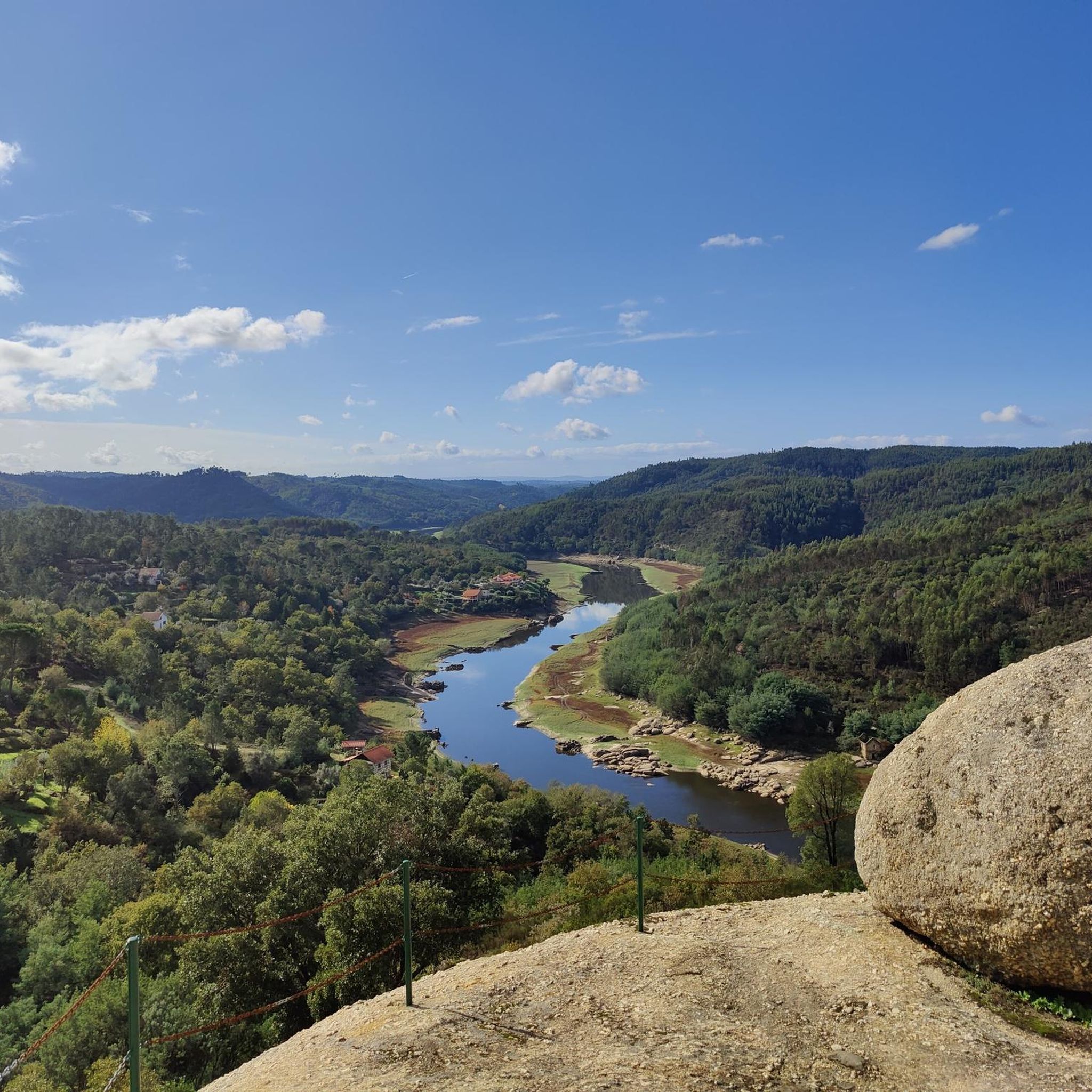
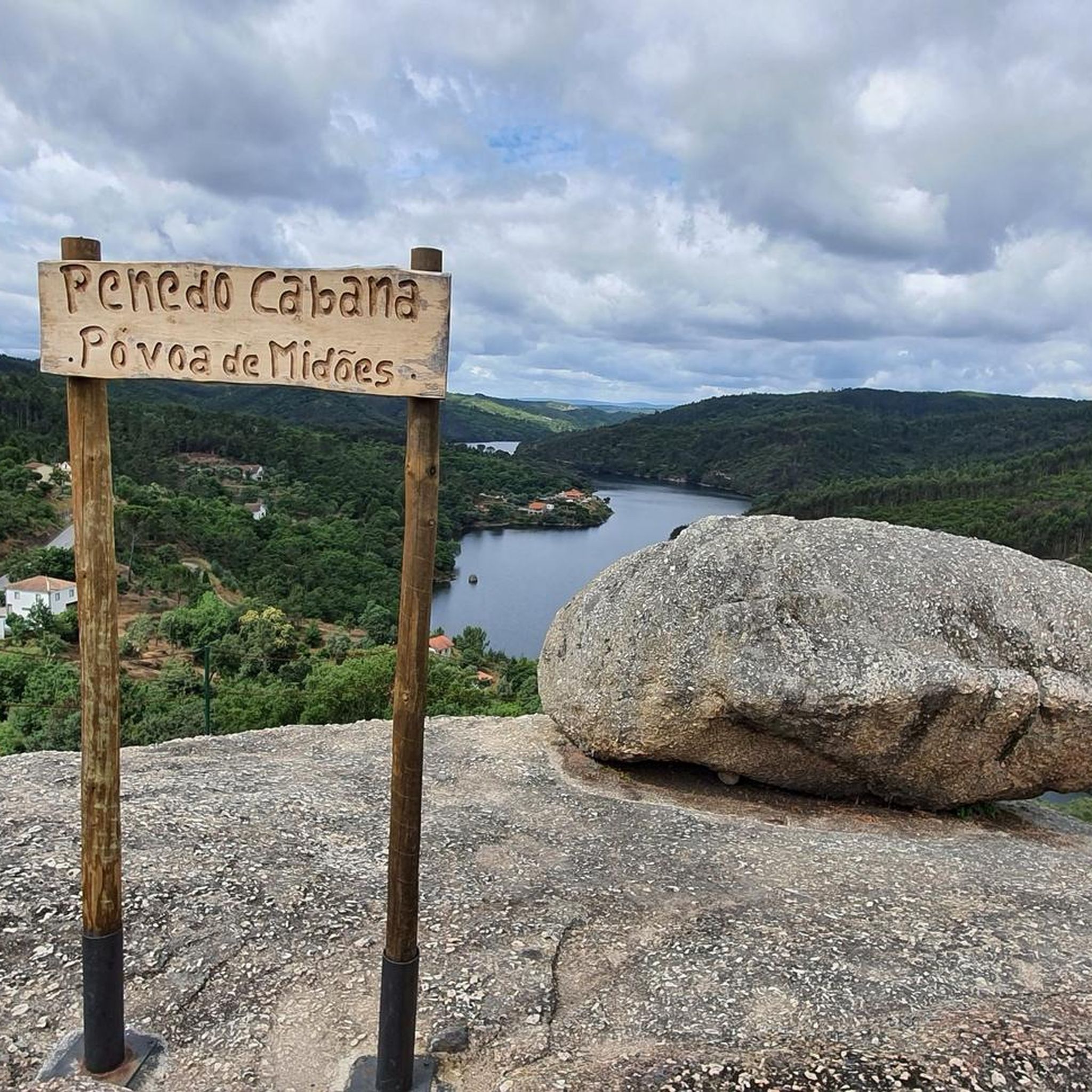
The Penedo C'abana is a large rocky outcrop located near Póvoa de Midões, on the slope overlooking the River Mondego. It is a reference point for viewing the river and the municipality of Tábua. It has the peculiarity of swaying slightly when pressure is applied to it, shaking it. The Penedo C'Abana is classified as a Property of Public Interest.
1
0

The place is easily accessible and offers visitors plenty of space to relax and enjoy nature. It is best to visit in the morning when you are alone. There is a small car park nearby.
2
0
It is one of the largest dolmens in Portugal and one of the best preserved.
3
0

Frequently Asked Questions
What unique natural features can I explore around Póvoa De Midões?
You can discover the fascinating Miradouro do Penedo Cabana, also known as Penedo Oscilante, a large granite rock that sways slightly when pressure is applied. This site also offers breathtaking panoramic views of the Mondego River. Another unique spot is the Cascata de Sevilha, a beautiful two-tiered waterfall in a rural village, where water runs all year round.
Are there historical natural monuments in the area?
Yes, the region is rich in historical megalithic monuments. You can visit the Lapa da Orca Dolmen, one of the largest and best-preserved dolmens in Portugal, designated a National Monument. Another significant site is Anta da Palheira, a large monument with a polygonal chamber and elongated corridor, representing Beira's megalithic architecture. Additionally, explore the Orca do Outeiro do Rato, a megalithic mound believed to be a funerary monument from the Neolithic period.
Are the natural monuments around Póvoa De Midões suitable for families?
Many natural monuments in the area are family-friendly. The Lapa da Orca Dolmen and Miradouro do Penedo Cabana are great for all ages. The Cascata de Sevilha is also a pleasant spot for families, with its beautiful waterfall and the option for a refreshing dip.
What outdoor activities can I do near these natural monuments?
The area offers various outdoor activities. You can find numerous hiking trails, such as the 'Roman Bridge of Sumes – Vale de Gaios River Beach loop' or the 'Miradouro do Penedo Cabana loop'. For runners, there are routes like the 'Sepulturas de Midões loop'. Cyclists can enjoy road cycling routes, including longer loops like 'Castelo de Avô – Côja loop'. You can find more details on these activities in the hiking, running, and road cycling guides for Póvoa De Midões.
How accessible are the natural monuments, especially for those with cars?
The Miradouro do Penedo Cabana is well-signposted from Municipal Road 635 and accessible via a dirt road with designated parking areas nearby, followed by a short walk. Other sites like the dolmens may require walking on trails, but generally, the region aims for reasonable access to its natural and historical treasures.
What are the best viewpoints to enjoy the scenery?
The Miradouro do Penedo Cabana offers magnificent panoramic views of the Mondego River valley and, on clear days, even the Serra da Estrela mountains. The granite slab on which the Penedo Cabana rests forms an excellent natural observation deck. The Cascata de Sevilha also provides picturesque views of the waterfall and surrounding rural landscape.
When is the best time to visit the natural monuments in Póvoa De Midões?
Visiting during spring or autumn often provides pleasant weather for exploring. For the Miradouro do Penedo Cabana, visiting at sunset is particularly recommended for an unforgettable experience. The Cascata de Sevilha has water running all year round, making it a good visit anytime.
Can I find places to relax or have a picnic near these sites?
Yes, the area around the Miradouro do Penedo Cabana is equipped with picnic tables, making it an ideal spot for a relaxing outing with stunning views. It's a great place to unwind and enjoy nature.
What do visitors particularly enjoy about the natural monuments in Póvoa De Midões?
Visitors are often captivated by the unique geological phenomenon of the Penedo C'abana, trying to make the colossal rock move. The spectacular views from this viewpoint are also highly praised. The historical significance and preservation of sites like the Lapa da Orca Dolmen also draw considerable interest from those exploring the region's ancient heritage.
Are there any specific historical circuits or tours that include these monuments?
Yes, the Anta da Palheira is part of the 'PREHISTORIC CIRCUIT OF FIAIS/AZENHA' in Carregal do Sal. Similarly, the Orca do Outeiro do Rato is included in the Fias Telha prehistoric circuit, offering a structured way to explore these ancient sites.
What should I bring when visiting the natural monuments?
It's advisable to bring comfortable walking shoes, water, and sun protection, especially if you plan to explore trails or spend time at viewpoints. For the Cascata de Sevilha, you might want to bring swimwear if you plan to take a dip. Don't forget your camera to capture the stunning landscapes and unique formations.
Most popular attractions around Póvoa De Midões

Get inspired with the komoot mobile app


Explore more
Extend your search for the best caves by checking out these guides of the top ones around Póvoa De Midões:
