Top 19 Natural Monuments around Quarteira
Best natural monuments around Quarteira are found in a region characterized by its extensive coastline and diverse natural features. Quarteira itself offers long, sandy beaches, serving as a convenient base for exploring the Algarve's natural landscape. The area provides access to significant geological formations and important wetland ecosystems. These natural features contribute to the region's appeal for outdoor activities.
Best natural monuments around Quarteira
- The most popular natural monuments is Falésia Beach, a beach that features an extensive, kilometer-long…
Last updated: July 13, 2026
Falésia Beach
Highlight • Beach
Translated by Google •
Tip by

Falésia Beach
Highlight • Beach
Translated by Google •
Tip by

Sign up now to discover places like this
Get recommendations on the best single tracks, peaks, & plenty of other exciting outdoor places.
Sign up for free
Praia da Falésia Cliffs
Highlight • Natural Monument
Translated by Google •
Tip by

Praia da Falésia Cliffs
Highlight • Natural Monument
Translated by Google •
Tip by

Ria Formosa Natural Park
Highlight • Natural Monument
Tip by

Sign up for free to discover even more natural monuments around Quarteira.
Sign up for free
Already have an account?
Start today with a free account
Your next adventure awaits.
Login or Signup
Tips from the Community

It was along sandstone paths, of high aesthetic value, that I traveled this truly magical route. The cliffs reveal an impressive contrast of colors — shades of red, brown, and white — sculpted over time by the action of water and wind. This erosion gives rise to unique shapes, such as "fairy chimneys," and helps to nourish the extensive sandy area with fine sand. In addition to their geomorphological and landscape value, these cliffs constitute habitats of ecological importance, with plants well adapted to the location. Notable species include mastic tree (Pistacia lentiscus), camphor thyme (Thymus camphoratus), sandalwood (Osyris), stone pine (Pinus pinea), lavender (Lavandula spp.), and daphne (Thymelaea villosa),... which contribute to soil stability and the biodiversity of the area.
1
0

Moderate hike. Requires good physical fitness. Easily accessible trail. Suitable for all experience levels.
1
0
Moderate hike. Requires good physical fitness. Easily accessible trail. Suitable for all experience levels.
2
0

The red and rugged cliffs, with their small grottos and rock tunnels, separating the beach from the hinterland, are the distinctive feature of Praia da Falesia. The crystal-clear water and golden sand also make the beach one of the most beautiful in the region; some even consider it one of the most beautiful beaches in Europe. Tripadvisor has named it one of the best beaches in the world.
2
0

A walk on the beach in the Algarve is an absolute must! Great sand, beautiful rock formations and sometimes impressive waves.
3
0

Fantastic cliffs, crazy colors and endless photo opportunities
1
0

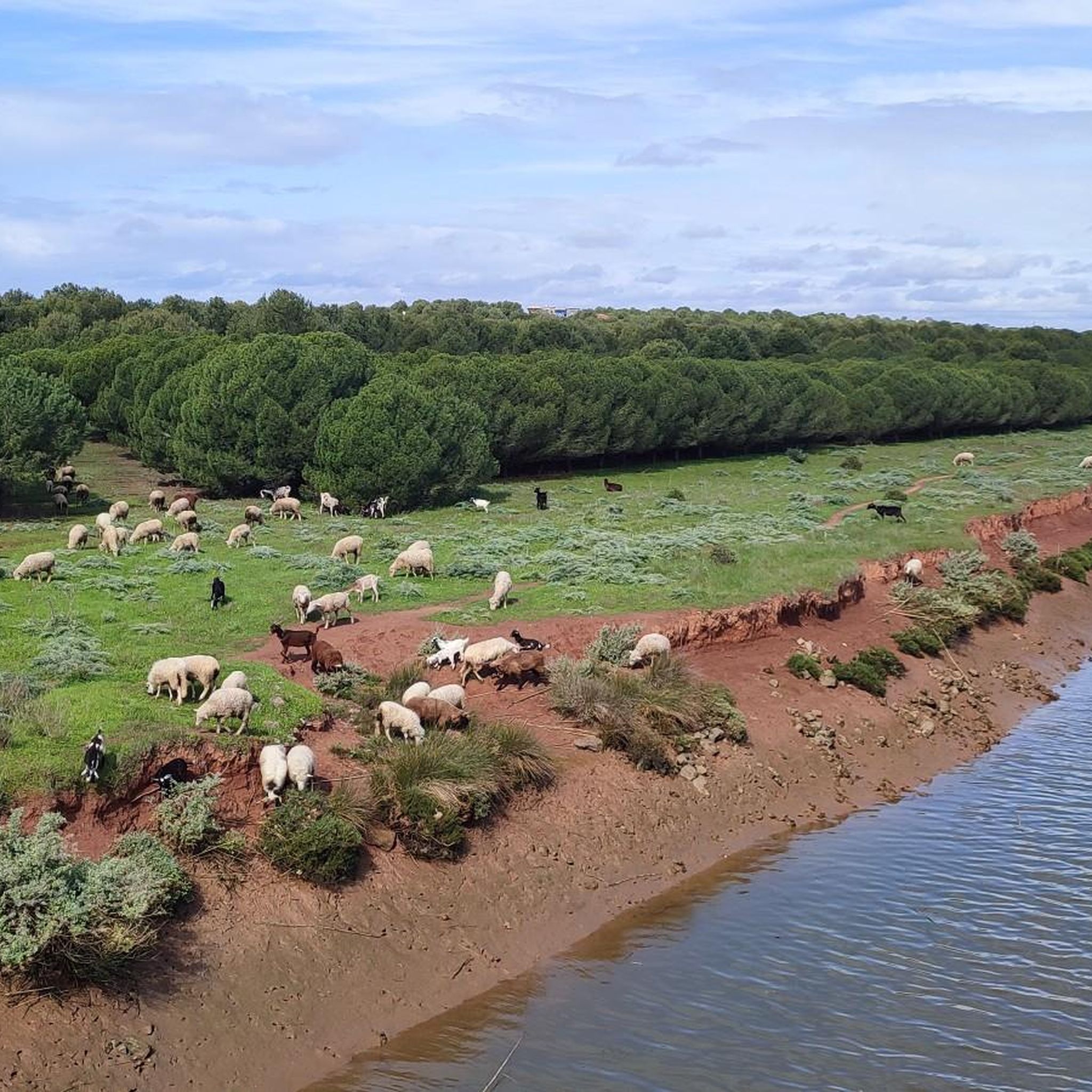
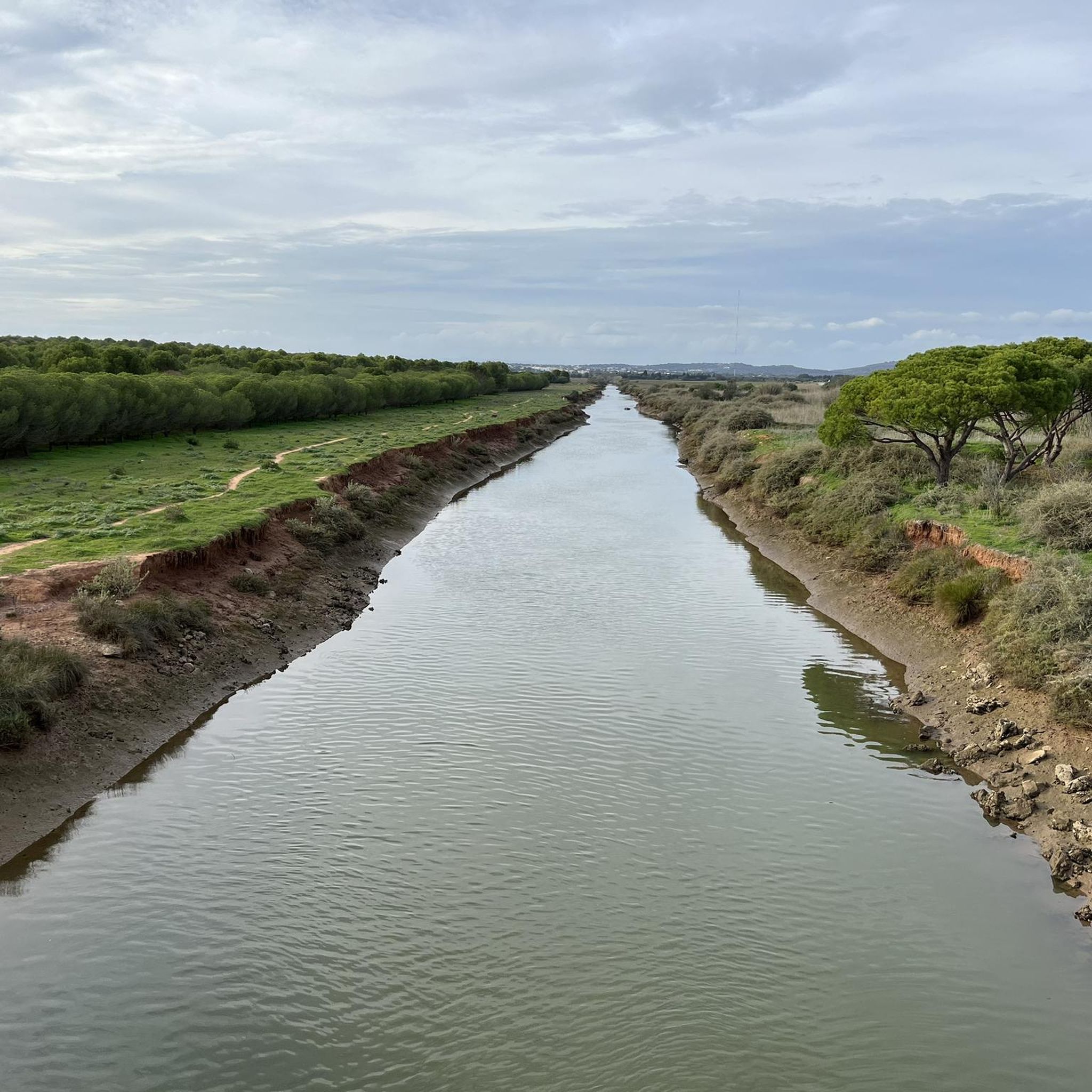
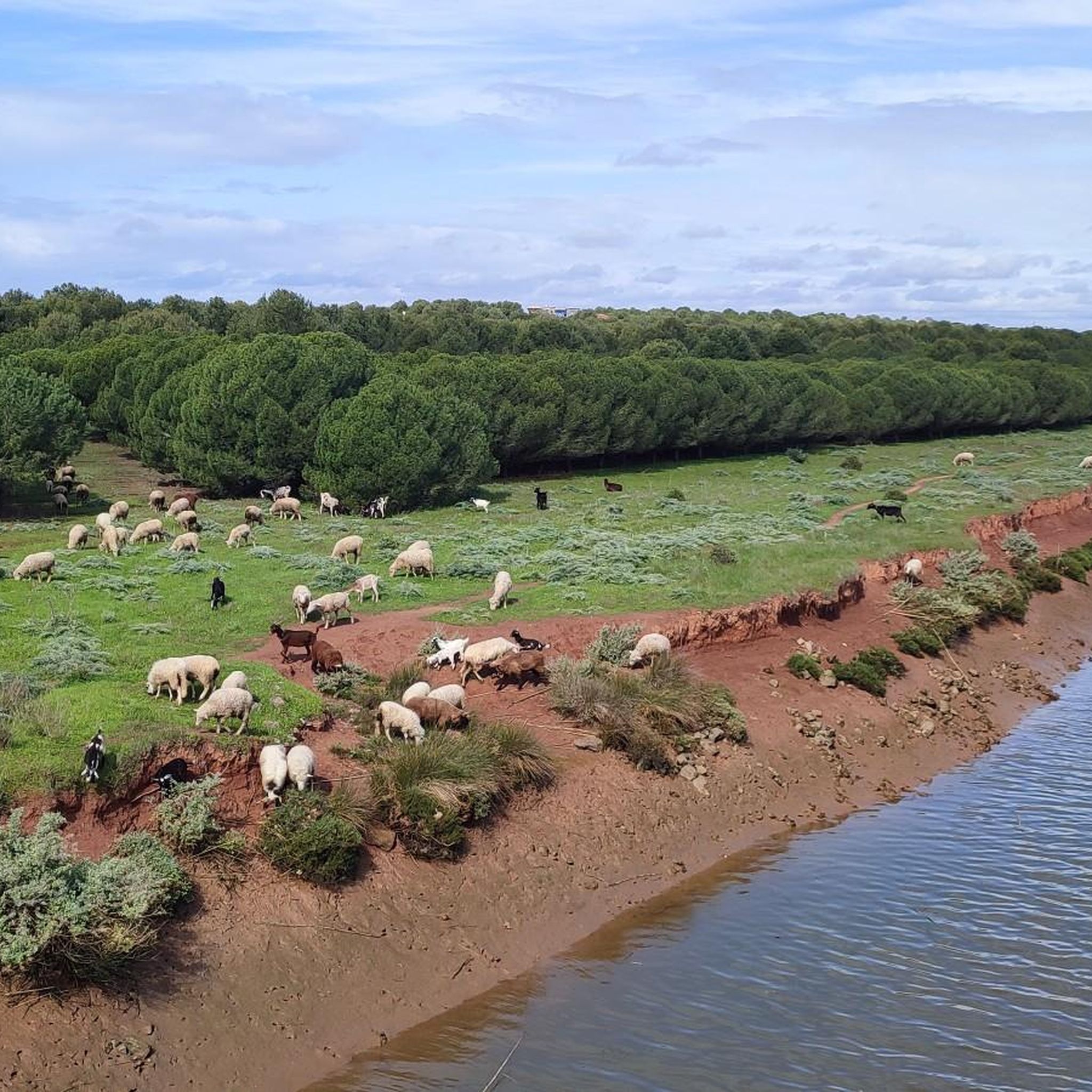
Its diverse ecosystems attract a wide variety of animals, including numerous bird species such as the purple crake, the park's symbol. If you want to admire this bird with its magnificent plumage and learn all about the protected area, start your visit with a visit to the Marim Environmental Education Centre. There you will receive information on the best hiking trails and the shelters where you can hide to observe the different species in their natural environment. The park also organises trips on an old boat originally used to catch tuna. One of the friendliest and most trusting animals you will come across here is the Portuguese Water Dog. This is a long-haired breed of dog that used to help fishermen with their work, diving to the nets and bringing in the fish that got caught in them. In addition to fishing, salt production and the gathering of mollusks and shellfish are traditional activities of the inhabitants of the estuary, who have never lacked ingenuity and craftsmanship. This is how the recipes for delicious gastronomic specialties such as fish soup and rice with razor clams were created, which you can try in the restaurants by the sea. visitportugal.com/de/content/parque-natural-da-ria-formosa
3
0

The Ria Formosa, an internationally important wetland, is a labyrinth of channels, islands, marshes and sandbanks that stretches for 60 km, more precisely between the beaches of Garrão and Manta Rota, on the Algarve coast. Source: https://www.visitportugal.com/de/content/parque-natural-da-ria-formosa
4
0
Frequently Asked Questions
What are the most popular natural monuments near Quarteira?
The most popular natural monuments around Quarteira include the stunning Falésia Beach, known for its dramatic red and ocher cliffs, and the expansive Ria Formosa Natural Park, an internationally important wetland with diverse wildlife.
Are there family-friendly natural monuments around Quarteira?
Yes, both Falésia Beach and Ria Formosa Natural Park are considered family-friendly. Falésia offers extensive sandy shores for play, while Ria Formosa provides opportunities for wildlife observation and easy walks on wooden footbridges, such as at the Ancão Estuary.
What kind of natural features can I expect to see near Quarteira?
You can expect to see a variety of natural features. The coastline boasts spectacular red and ocher cliffs, particularly at Praia da Falésia Cliffs, alongside long sandy beaches. Inland, the Ria Formosa Natural Park features a labyrinth of channels, islands, marshes, and sandbanks, creating a unique wetland ecosystem.
What outdoor activities can I do near these natural monuments?
Near these natural monuments, you can enjoy various outdoor activities. For instance, there are numerous cycling routes, including gravel biking and MTB trails, that explore the coastal areas and natural parks. You can find more information on routes in the Gravel biking around Quarteira, MTB Trails around Quarteira, and Cycling around Quarteira guides.
Are there hiking trails near the natural monuments?
Yes, there are hiking opportunities. You can enjoy scenic walks along the clifftops at Falésia Beach, offering breathtaking views. Within Ria Formosa Natural Park, there are trails, including wooden footbridges at the Ancão Estuary, perfect for observing wildlife. The Marim Environmental Education Centre in Ria Formosa can provide information on the best hiking trails.
What is the best time to visit the natural monuments around Quarteira?
The Algarve region generally enjoys mild winters and hot, dry summers. Spring and autumn are often ideal for visiting natural monuments, as the weather is pleasant for outdoor activities like walking and birdwatching, and the crowds are typically smaller than in peak summer.
Can I observe wildlife at these natural monuments?
Absolutely. Ria Formosa Natural Park is an internationally important wetland, home to a diverse range of flora and fauna, including rare bird species like wild flamingos and the purple swamphen. The Ancão Estuary within the park is a particularly great spot for birdwatching, with storks and flamingos often seen.
Is public transport available to reach natural monuments near Quarteira?
Public transport options exist to reach some natural monuments. For instance, Praia da Falésia is accessible from Quarteira. For Ria Formosa Natural Park, you might need to combine public transport with a short taxi ride or a boat trip, depending on your specific destination within the expansive park.
What do visitors enjoy most about the natural monuments near Quarteira?
Visitors particularly enjoy the dramatic scenery of the red and ocher cliffs at Falésia Beach, often describing them as incredibly beautiful with many colors and shades. The extensive sandy beaches are also highly praised for long walks. In Ria Formosa Natural Park, the calm atmosphere and the opportunity to observe wild flamingos and other bird species are frequently highlighted.
Are there any accessibility considerations for natural monuments near Quarteira?
The Praia da Falésia Cliffs are generally accessible for everyone, offering great views. Within Ria Formosa Natural Park, areas like the Ancão Estuary feature well-maintained wooden footbridges, which can improve accessibility for some visitors. However, specific accessibility details can vary, so it's always advisable to check ahead for particular trails or facilities.
Are dogs allowed at the natural monuments near Quarteira?
Dog policies can vary by specific location and time of year, especially on beaches. While some natural areas may permit dogs on leads, it's important to check local regulations for Praia da Falésia and Ria Formosa Natural Park to ensure compliance and protect the local wildlife.
Are there any unique geological formations to see?
Yes, the most prominent unique geological formations are the spectacular red and ocher cliffs of Praia da Falésia. These cliffs, reaching up to 40 meters in height, are the result of millions of years of geological processes and erosion, creating a dramatic and colorful landscape.
Most popular routes around Quarteira
Most popular attractions around Quarteira

Get inspired with the komoot mobile app


Explore more
Extend your search for the best caves by checking out these guides of the top ones around Quarteira:
