Top 20 Natural Monuments around Sagres
Best natural monuments around Sagres are defined by dramatic natural landscapes, towering cliffs, and unique geological formations. Located in the extreme southwest of continental Europe, the region is part of a significant natural park. It offers remarkable natural monuments for their geological interest and ecological significance. Sagres is renowned for its rugged headlands and coastal features.
Best natural monuments around Sagres
- The most popular natural monuments is Cabo de São Vicente Lighthouse, a man_made_monument that marks the southwesternmost point of mainland Europe. This promontory features steep cliffs plunging into the Atlantic, crowned by one of Europe's most powerful lighthouses.
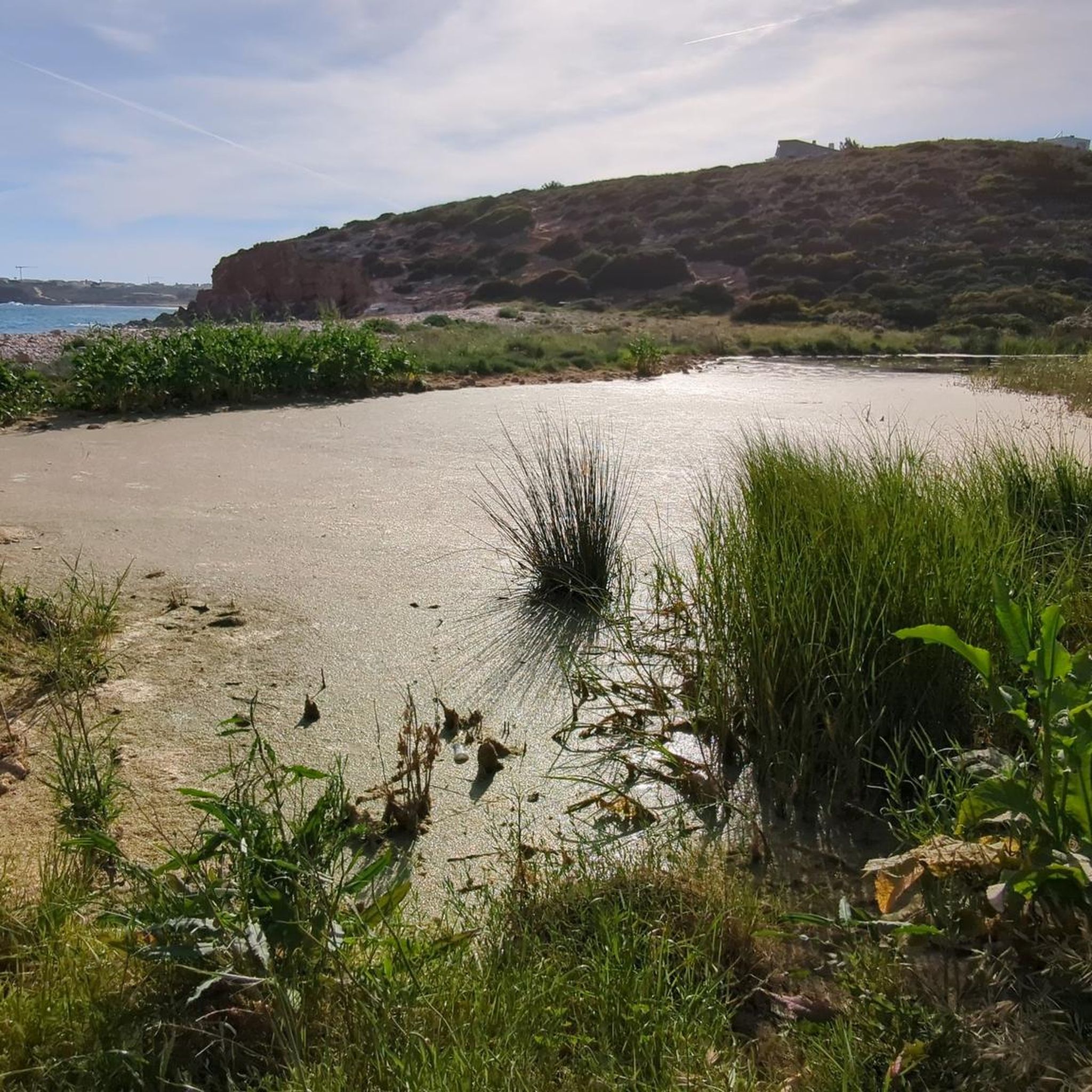
- Another must-see spot is Praia do Telheiro, a beach. This rather small sandy beach is located not far from Cabo de São Vicente and is surrounded by cliffs.
- Visitors also love Sagres Fortress, a historical site built on a headland. This fortified headland offers a walk around its coastal cliffs, providing views of the surrounding natural landscape.
- Sagres is known for its diverse natural monuments, including dramatic sea cliffs, expansive beaches, and unique geological formations. The region offers a variety of natural monuments to see and explore, from historical headlands to secluded coves.
- The natural monuments around Sagres are appreciated by the komoot community, with more than 950 upvotes and over 800 photos shared by visitors.
Last updated: June 29, 2026
Cabo de São Vicente Lighthouse
Highlight • Monument
Wild, windy, and imposing, this promontory of steep cliffs plunges into the Atlantic, crowned by one of Europe's most powerful lighthouses.
Called by the Romans Promontorium Sacrum, the "end of the world" was for centuries a sacred place, shrouded in legends and mysteries. Today, it remains a pilgrimage point for sailors, hikers, and dreamers, where the horizon seems to dissolve into infinity.
Showing Translation
Tip by

Praia do Telheiro
Highlight • Beach
Translated by Google •
Tip by

Sign up now to discover places like this
Get recommendations on the best single tracks, peaks, & plenty of other exciting outdoor places.
Sign up for free
Cabo de São Vicente
Highlight • Monument
Wild, windy, and imposing, this promontory of steep cliffs plunges into the Atlantic, crowned by one of Europe's most powerful lighthouses.
Called by the Romans Promontorium Sacrum, the “end of the world,” it was for centuries a sacred place, shrouded in legends and mysteries. Today, it remains a pilgrimage point for sailors, hikers, and dreamers, where the horizon seems to dissolve into infinity.
Showing Translation
Tip by
Sagres Fortress
Highlight • Historical Site
Tip by

Zavial Beach
Highlight • Beach
Translated by Google •
Tip by

Sign up for free to discover even more natural monuments around Sagres.
Sign up for free
Already have an account?
Start today with a free account
Your next adventure awaits.
Login or Signup
Popular around Sagres



Tips from the Community

You can watch the surfers nicely from the beach hut. Besides that, there was delicious food.
0
0

Five kilometers from Sagres rises the mythical Cabo de São Vicente, the last glimpse of land for explorers setting off towards the unknown of the vast ocean. Wild, windy, and imposing, this promontory of steep cliffs plunges into the Atlantic, crowned by one of Europe's most powerful lighthouses. Called by the Romans Promontorium Sacrum, the “end of the world,” it was for centuries a sacred place, shrouded in legends and mysteries. Today, it remains a pilgrimage point for sailors, hikers, and dreamers, where the horizon seems to dissolve into infinity.
2
0

Cabo de São Vicente is the southwesternmost point of the European mainland, located near Sagres in the Algarve (Portugal). It is known for its high cliffs, rugged ocean views, and an iconic lighthouse. Due to its remote location, it feels like "the end of the world" and is a popular spot for sunsets.
4
1
Five kilometers from Sagres rises the mythical Cabo de São Vicente, the last gaze of land for explorers setting off towards the unknown of the vast ocean. Wild, windy, and imposing, this promontory of steep cliffs plunges into the Atlantic, crowned by one of Europe's most powerful lighthouses. Called by the Romans Promontorium Sacrum, the "end of the world" was for centuries a sacred place, shrouded in legends and mysteries. Today, it remains a pilgrimage point for sailors, hikers, and dreamers, where the horizon seems to dissolve into infinity.
2
0
Fortaleza de Sagres is a 15th-century fortress located on a cliff at the southwestern tip of Portugal, near Sagres. It was built by order of Prince Henry the Navigator and played a key role in the Portuguese voyages of discovery. The fortress offers impressive views of the Atlantic Ocean and includes an old compass and a small chapel.
3
0
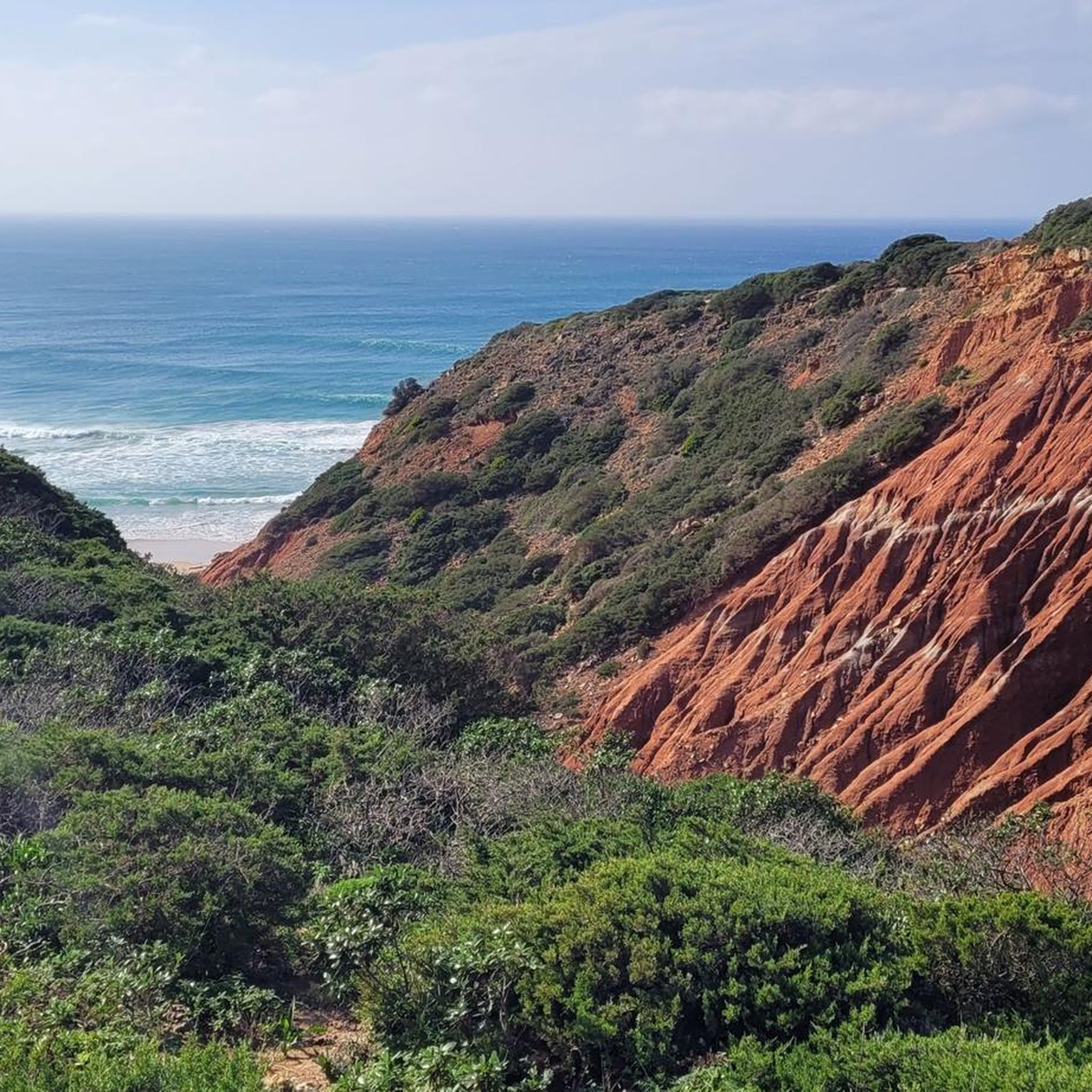
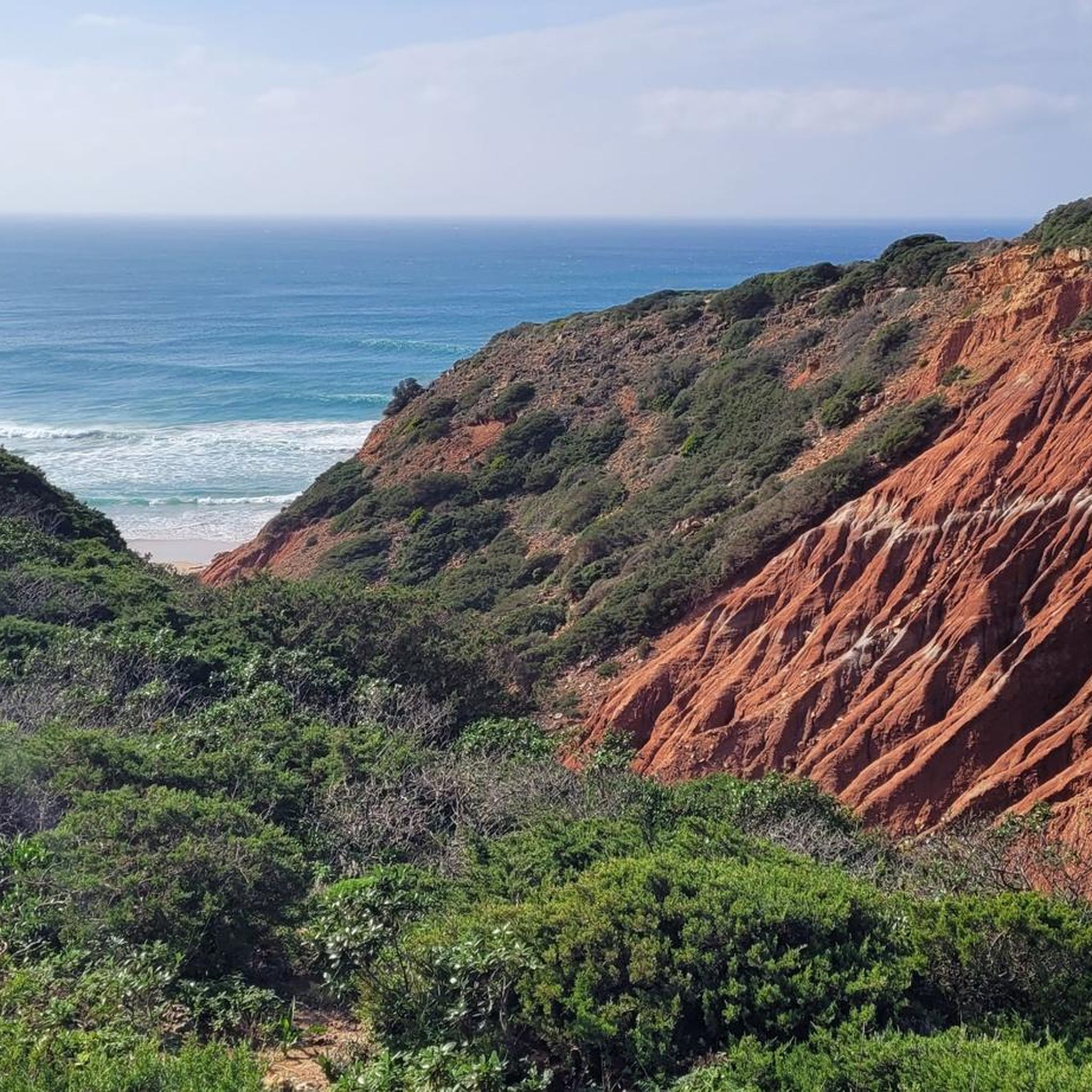
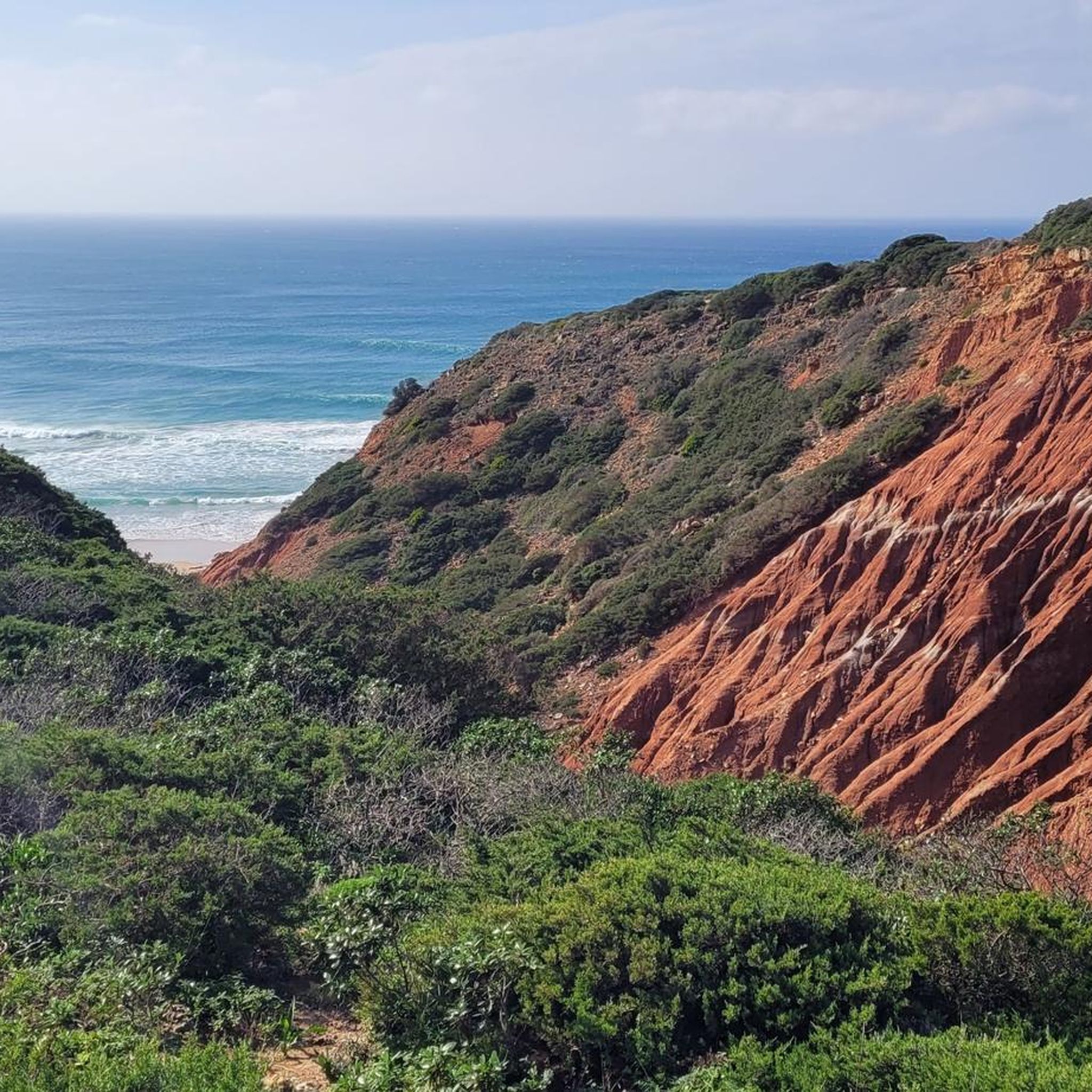
Cape St. Vincent (Cabo de São Vicente) offers spectacular views of the lighthouse, the sheer 75-meter-high cliffs, and the vast Atlantic Ocean. It's a popular spot for sunsets, nature photography, and birdwatching. You can combine it with a hike from the nearby Beliche Fort. The site is near Sagres, in southwestern Portugal.
6
0


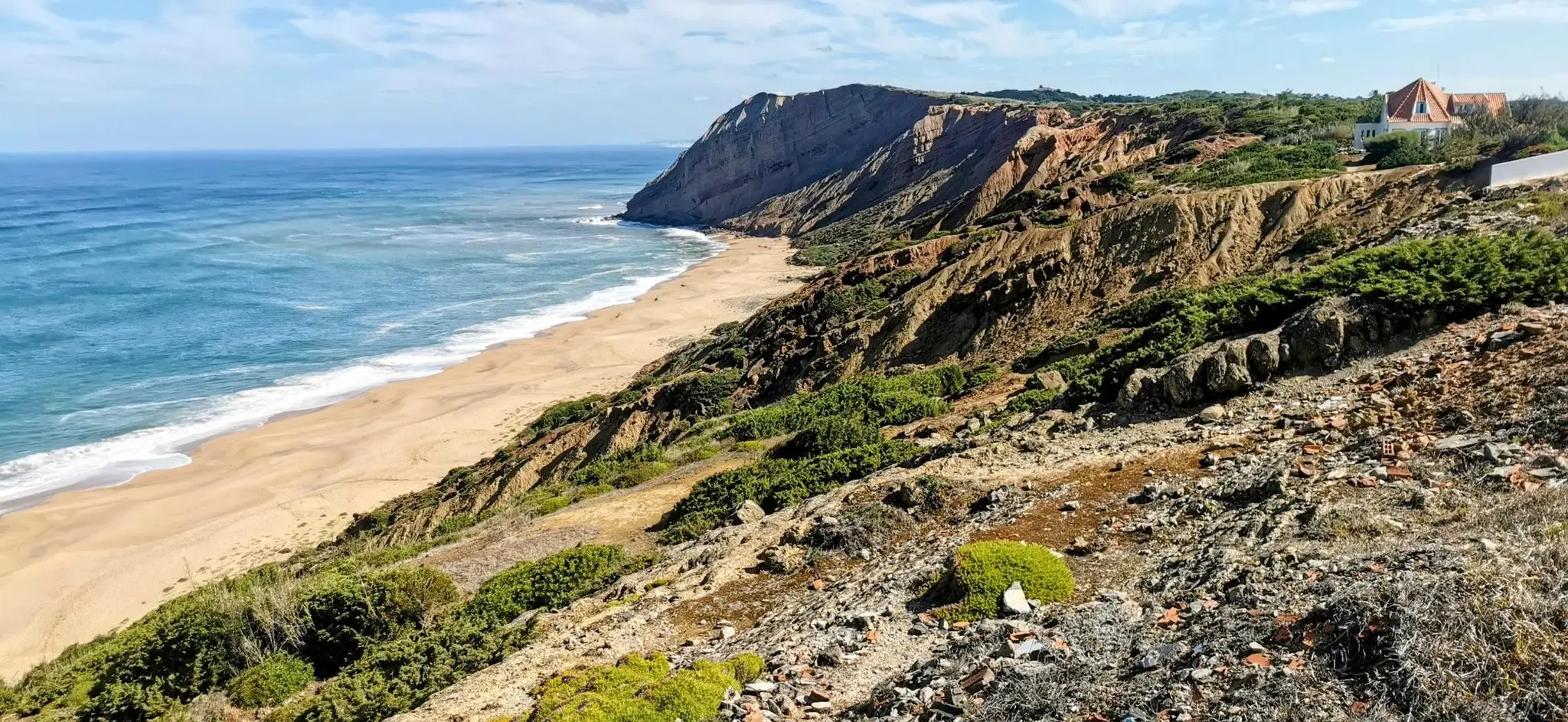
Its medium-sized sandbank is dominated by impressive limestone cliffs, covered in green, diverse Mediterranean vegetation.
0
0
Frequently Asked Questions
What are the most popular natural monuments to visit in Sagres?
Among the most popular natural monuments in Sagres, visitors frequently highlight Cabo de São Vicente Lighthouse, known as the 'end of the world' with its dramatic cliffs and powerful lighthouse. Another favorite is Sagres Fortress, offering a unique walk around its fortified headland with stunning coastal views. For a more secluded experience, Praia do Telheiro is a beautiful sandy beach surrounded by cliffs, popular for sunsets.
Are there family-friendly natural monuments around Sagres?
Yes, several natural monuments in Sagres are suitable for families. Cabo de São Vicente Lighthouse and Sagres Fortress are both listed as family-friendly, offering accessible viewpoints and historical interest. Beaches like Salema Beach and Zavial Beach are also great for families, featuring fine sand, clear waters, and amenities.
What kind of geological features can I observe in Sagres?
Sagres is rich in geological wonders. The Ponta do Telheiro Geomonument, located on the west coast, is globally recognized for its remarkable 'angular discordance,' showcasing horizontal strata atop vertical strata, representing millions of years of geological history. Mareta Beach also offers a unique opportunity to find paleontological fossils, including invertebrate tracks (Zoophycos), ammonites, and a rare fossilized coral reef, providing a glimpse into the region's ancient marine life.
Where can I find unique rock formations in Sagres?
The entire coastline around Sagres, particularly at Cape St. Vincent and Sagres Point, is characterized by immense, dramatic cliffs and unique rock formations shaped by the Atlantic Ocean. While Ponta da Piedade (near Lagos) is famous for its intricate sea caves and arches, the Sagres region itself offers stunning cliff faces and geological structures, such as those at Ponta do Telheiro, which reveal millions of years of Earth's processes.
What outdoor activities can I do near the natural monuments in Sagres?
The natural monuments around Sagres are excellent starting points for various outdoor activities. You can find numerous hiking trails, including easy options like the 'Sagres Fortress – The Voice of the Sea loop' or the 'Cabo de São Vicente Lighthouse – Costa Vicentina Cliffs loop.' For cycling enthusiasts, there are road cycling routes like the 'Zavial Beach – Salema Beach loop' and gravel biking adventures such as the 'Cabo de São Vicente Lighthouse – Cape St. Vincent Lighthouse loop.' You can explore more routes on the easy hikes around Sagres guide, the road cycling routes around Sagres guide, and the gravel biking around Sagres guide.
Are there easy walking trails near the natural monuments in Sagres?
Yes, there are several easy walking trails that allow you to explore the natural beauty of Sagres. For instance, you can enjoy a 4.7 km loop from Sagres Fortress called 'Sagres Fortress – The Voice of the Sea' or a 4.3 km loop from Cape St. Vincent, 'Cabo de São Vicente Lighthouse – Costa Vicentina Cliffs.' These trails offer stunning coastal views and are suitable for most fitness levels. Find more options in the easy hikes around Sagres guide.
What is the Southwest Alentejo and Vicentine Coast Natural Park, and why is it significant?
The Southwest Alentejo and Vicentine Coast Natural Park is an expansive protected area that stretches along the western coast, encompassing Sagres. It's significant for its wild, elemental landscape of towering sea cliffs, vast headlands, and pristine beaches. It's one of Europe's most biodiverse protected territories, known for its unique geological features and as the only place in the world where White Storks nest on sea cliffs. It offers unparalleled opportunities for nature immersion and exploring untouched coastal environments.
What historical significance do the natural monuments in Sagres hold?
The natural monuments in Sagres are steeped in history. Cabo de São Vicente, historically known as 'the end of the world' or Promontorium Sacrum by the Romans, was considered a sacred place for centuries. Sagres Fortress, built on Ponta de Sagres, utilized the natural defenses of its sheer cliffs, making it a strategic defensive location throughout history.
Can I find cafes or restaurants near the natural monuments?
Yes, you can find amenities near some of the natural monuments. At Cabo de São Vicente Lighthouse, there's a cafe and even a bratwurst stand in the parking area. Zavial Beach features a pleasant beach café-restaurant, and Salema Beach, being part of a fishing village, has several restaurants and shops nearby.
What do visitors enjoy most about the natural monuments in Sagres?
Visitors to Sagres' natural monuments frequently praise the dramatic, wild, and elemental atmosphere. They particularly enjoy the spectacular panoramic views of the Atlantic, especially during breathtaking sunsets at locations like Cabo de São Vicente and Praia do Beliche. The sense of being at the 'end of the world,' the geological wonders, and the opportunities for hiking and exploring untouched coastal environments are also highly valued.
Is parking available at the natural monuments?
Yes, parking is generally available at the more accessible natural monuments. For instance, parking is conveniently located just a few meters from the lighthouse complex at Cabo de São Vicente. For other locations like Praia do Telheiro, access might involve dirt roads, and it's advisable to check specific conditions.
What is the best season to visit the natural monuments in Sagres?
The best season to visit the natural monuments in Sagres largely depends on your preferences. Spring (April-May) and early autumn (September-October) offer pleasant temperatures, fewer crowds, and are ideal for hiking and exploring. Summer (June-August) is popular for beach activities, though it can be windier and more crowded. Winter offers a wilder, more dramatic coastal experience, perfect for those seeking solitude and powerful ocean views.
Most popular attractions around Sagres

Get inspired with the komoot mobile app


Explore more
Extend your search for the best caves by checking out these guides of the top ones around Sagres:
