Top 10 Natural Monuments around Olhalvo
Best natural monuments around Olhalvo are concentrated within a region characterized by diverse topography, including prominent mountains, extensive vineyards, and rolling hills. The area's most significant natural attraction is the Serra de Montejunto, often referred to as the "balcony of Estremadura." This mountain range offers varied landscapes and numerous natural features for exploration. Visitors can discover a range of natural landmarks and geological formations, making it a compelling destination for nature enthusiasts.
Best natural monuments around Olhalvo
- The most popular…
Last updated: May 18, 2026
Serra de Montejunto Watchtower
Highlight • Viewpoint
Translated by Google •
Tip by

Gravel Bend
Highlight • Natural Monument
Translated by Google •
Tip by

Sign up now to discover places like this
Get recommendations on the best single tracks, peaks, & plenty of other exciting outdoor places.
Sign up for free
Ota River
Highlight • River
Translated by Google •
Tip by
Windmills of Serra de Montejunto
Highlight • Monument
The trail has small sections with very steep slopes, so the easiest way to do it is …
Translated by Google •
Tip by
Montejunto - Squirrel Trail
Highlight (Segment) • Trail
Translated by Google •
Tip by
Sign up for free to discover even more natural monuments around Olhalvo.
Sign up for free
Already have an account?
Start today with a free account
Your next adventure awaits.
Login or Signup

Tips from the Community

The area of the springs, on the Ota River, was once a leisure area for the local population, including the local bathing area in the summer. This site remained natural for a long time after the EPAL was installed, but at a certain point, the intensification of agriculture with the use of chemical fertilizers and pesticides, intensive livestock farming, and urban sewage made the flow from upstream a polluting threat to EPAL's water intakes, and EPAL paved several dozen meters of the river course near the site where it is installed with reinforced concrete.
1
0

The Ota River has its source in the Montejunto mountain range. It flows through the Ota area and empties into the Alenquer River, which in turn meets the Tagus River near Vila Nova da Rainha. At this point the river is close to the village of the same name, Ota.
1
0
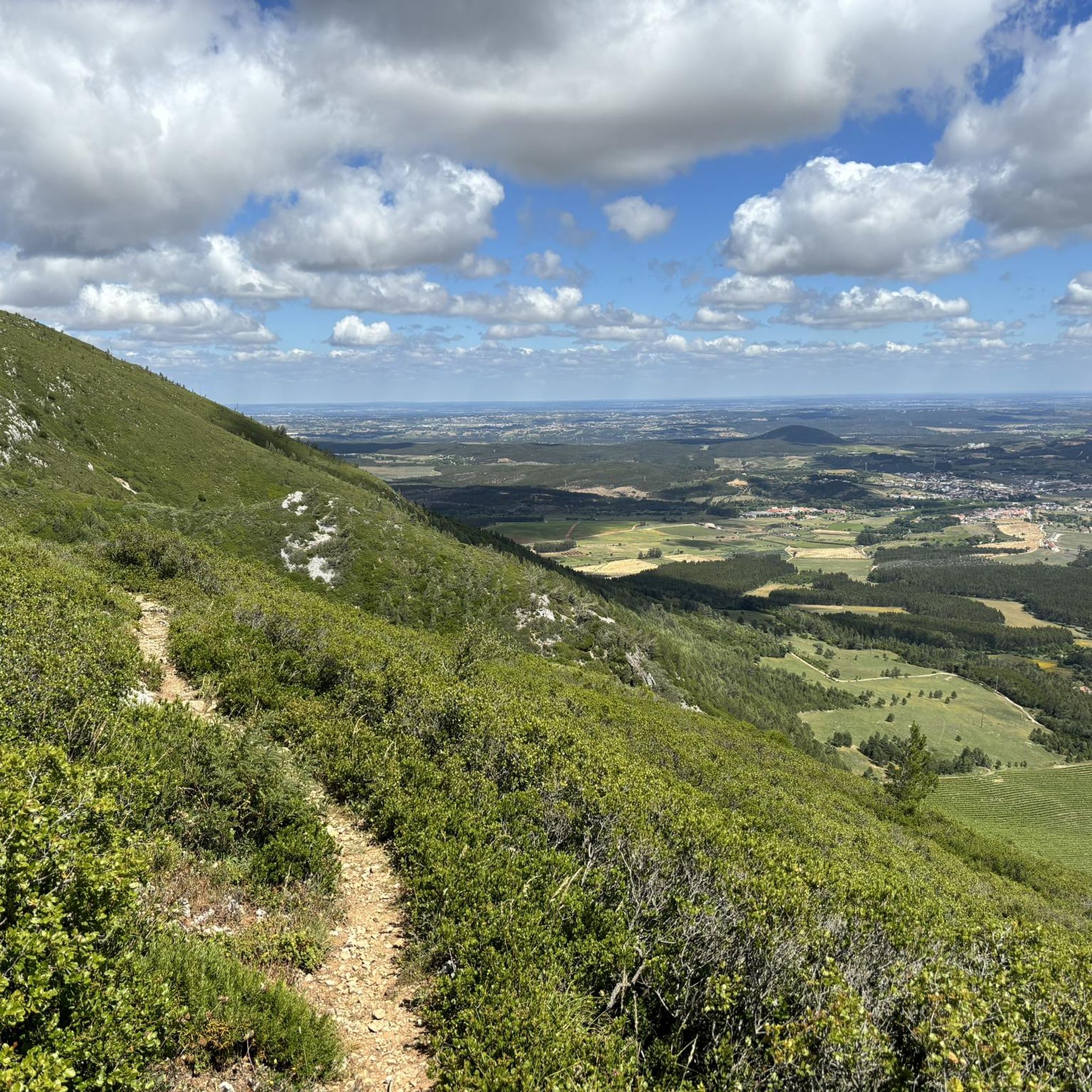
The Serra de Montejunto Forest Watch Station can be accessed via a pastoral trail from the picnic park. It offers a beautiful panorama of the region north of the Serra.
3
0
I mentioned that on my previous suggestion for this place. There is an alternative to the blackberry vines: a little before you start to find them, turn left to a little footpath that goes between the trees, it is sloping and can be slippery in winter.
2
0

This trail was great fun, but unfortunately blackberry vines have joined the ferns near the end and made the passing a bit complicated.
3
0
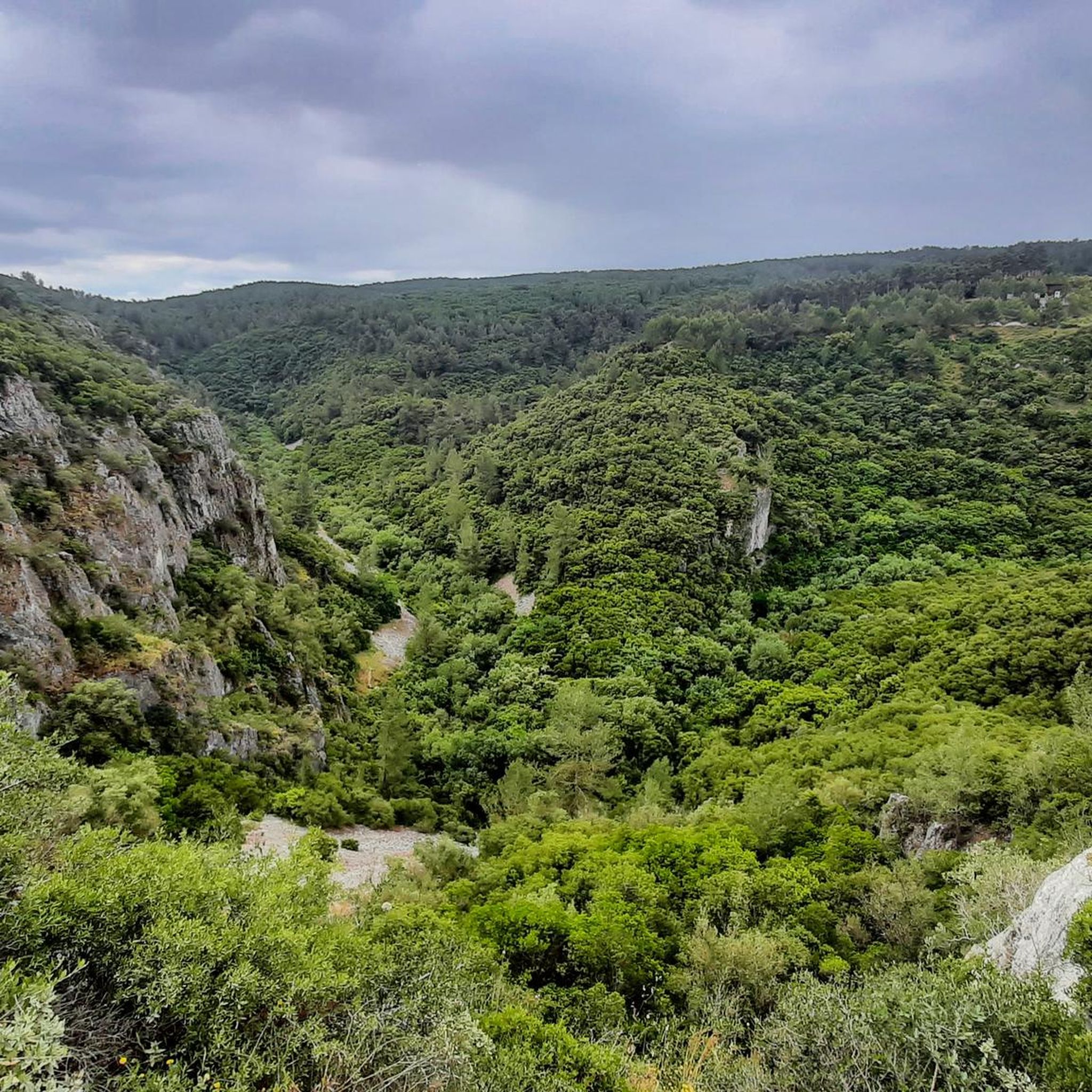
The karst landscape of Montejunto constitutes the extreme southwest of the Estremenho Limestone Massif. Deep valleys, lakes, gravel pits and lapiás are some of the formations found here, testimonies of various geological eras. Water has been the protagonist in erosion phenomena over time. Several deposits of gravel pits result from the cracking of the outcrops caused by the expansion of the water which, when freezing, breaks the rock into small parts. Source: https://montejunto.pt/natureza/paisagens/
3
0
Small trail that goes through the stunning vegetation that surrounds it. At the end, the trail seems to have no way out, carefully pass between the ferns that are probably taller than you and that block visibility. Visit and respect and Nature.
3
0
Interesting trail, which passes right next to several windmills, some of them recovered. The trail has small sections with very steep slopes, so the easiest way to do it is downhill, that is, towards Serra de Montejunto, Vila Verde dos Francos. For those who are in Vila Verde dos Francos, it is preferable to go up the Estrada de Montejunto (N-115) to the sign that says Caminho dos Moinhos, and then turn right.
1
0
Frequently Asked Questions
What natural features can I see in the natural monuments around Olhalvo?
The natural monuments around Olhalvo, primarily within the Serra de Montejunto, offer diverse features. You can explore significant elevation gains, varied terrains, and scenic views. Notable features include the karst landscape of Montejunto with its deep valleys, gravel pits, and lapiás, as seen at Gravel Bend. The region also features the Ota River, which rises in the Montejunto mountain range and flows through a geomorphologically relevant "Cannon" valley.
What is the best time to visit the natural monuments around Olhalvo?
The Mediterranean climate in Olhalvo generally offers pleasant conditions for exploring the natural monuments throughout much of the year. Spring and autumn are ideal due to milder temperatures, making them perfect for hiking and outdoor activities.
What do visitors enjoy most about the natural monuments around Olhalvo?
Visitors highly appreciate the varied terrain, scenic beauty, and well-maintained paths, particularly within the Serra de Montejunto. The komoot community has shared more than 8 photos and given over 10 upvotes, highlighting the region's appeal for nature enthusiasts and hikers. The panoramic views from spots like the Serra de Montejunto Watchtower are also a favorite.
Are there family-friendly natural monuments around Olhalvo?
Yes, the Serra de Montejunto area is suitable for family-friendly outings. It offers facilities such as a picnic area and the Montejunto Rural Campsite. While specific 'family_friendly' categories aren't listed for individual highlights, the diverse trails and natural beauty provide opportunities for all ages to enjoy, especially easier sections of trails like the "Rota dos Moinhos".
Are there viewpoints among the natural monuments around Olhalvo?
Absolutely. The region is known for its stunning viewpoints. The Serra de Montejunto Watchtower offers a beautiful panorama of the region north of the Serra. Additionally, the ruins of the Chapel of Our Lady of the Snows, located at the summit of Serra de Montejunto, provide elevated views and have historical significance.
Can I bring my dog to the natural monuments around Olhalvo?
While specific regulations for dogs are not detailed for every natural monument, many outdoor trails in natural areas like the Serra de Montejunto are generally dog-friendly, especially if kept on a leash. Always ensure to respect local signage and clean up after your pet.
Are there hiking trails near the natural monuments in Olhalvo?
Yes, the natural monuments around Olhalvo are surrounded by numerous hiking trails. Popular routes in the Serra de Montejunto include the "Rota dos Moinhos" (Route of the Windmills), the "Trilho da Quinta da Serra," and the "Trail of the Carreiro dos SS." You can find more hiking options in the Running Trails around Olhalvo guide, which also features routes like the "Carreiro da Senhora — circular route in Serra de Montejunto".
What other outdoor activities can I do near the natural monuments in Olhalvo?
Beyond hiking, the area around Olhalvo's natural monuments offers various outdoor activities. You can explore cycling routes, including touring bicycle and mountain biking (MTB) trails. For cycling, check out the Cycling around Olhalvo guide, and for MTB, refer to the MTB Trails around Olhalvo guide. These guides list routes of varying difficulties, often passing by natural landmarks.
Where can I see windmills among the natural monuments in Olhalvo?
The Windmills of Serra de Montejunto are a prominent feature. There's an interesting trail that passes right next to several windmills, some of which have been recovered. Additionally, the Moinho de Avis, the largest windmill in Portugal, is located in the Serra do Montejunto and is often open to visitors on weekends.
What is the Ota River's significance as a natural monument?
The Ota River is a significant natural monument that rises in the Montejunto mountain range. Its layout includes the "Cannon" of the Ota river valley, which presents geomorphological characteristics of national relevance. Historically, the area of its springs was a leisure and bathing spot for the local population.
Are there any less-known natural monuments or trails to discover in Olhalvo?
For those looking for a less-trodden path, the Montejunto - Squirrel Trail offers a small trail through stunning vegetation. While it can be a bit overgrown in sections, it provides a unique experience for those willing to explore. The region's diverse topography also means many smaller, unnamed pastoral trails connect various natural features.
What historical points of interest are near the natural monuments in Olhalvo?
Beyond natural beauty, the Serra de Montejunto area offers historical points of interest. The ruins of the Chapel of Our Lady of the Snows, situated at the summit, have been a pilgrimage site since medieval times. The presence of recovered windmills, some of which are centuries old, also adds a historical dimension to the landscape.
Most popular attractions around Olhalvo

Get inspired with the komoot mobile app


Explore more
Extend your search for the best caves by checking out these guides of the top ones around Olhalvo:
