Top 6 Natural Monuments around Bobadela
Best natural monuments around Bobadela, Portugal, offer opportunities for outdoor activities and scenic views. The village is surrounded by natural features, primarily hills and mountains, which contribute to the area's natural appeal. These natural attractions near Bobadela provide picturesque landscapes typical of the region. Visitors can explore various trails and routes, experiencing natural beauty and engaging in outdoor recreation.
Best natural monuments around Bobadela
- The most popular natural monument is Eduardo VII Park Viewpoint, a viewpoint that offers extensive…
Last updated: June 29, 2026
Eduardo VII Park Viewpoint
Highlight • Viewpoint
Translated by Google •
Tip by

University of Lisbon Botanical Garden
Highlight • Forest
Translated by Google •
Tip by

Sign up now to discover places like this
Get recommendations on the best single tracks, peaks, & plenty of other exciting outdoor places.
Sign up for free
Alameda Luminous Fountain
Highlight • Monument
Translated by Google •
Tip by
Ancient Gnarled Tree in Alfama
Highlight • Natural Monument
Translated by Google •
Tip by

Tagus Estuary
Highlight • River
Translated by Google •
Tip by

Sign up for free to discover even more natural monuments around Bobadela.
Sign up for free
Already have an account?
Start today with a free account
Your next adventure awaits.
Login or Signup
Tips from the Community

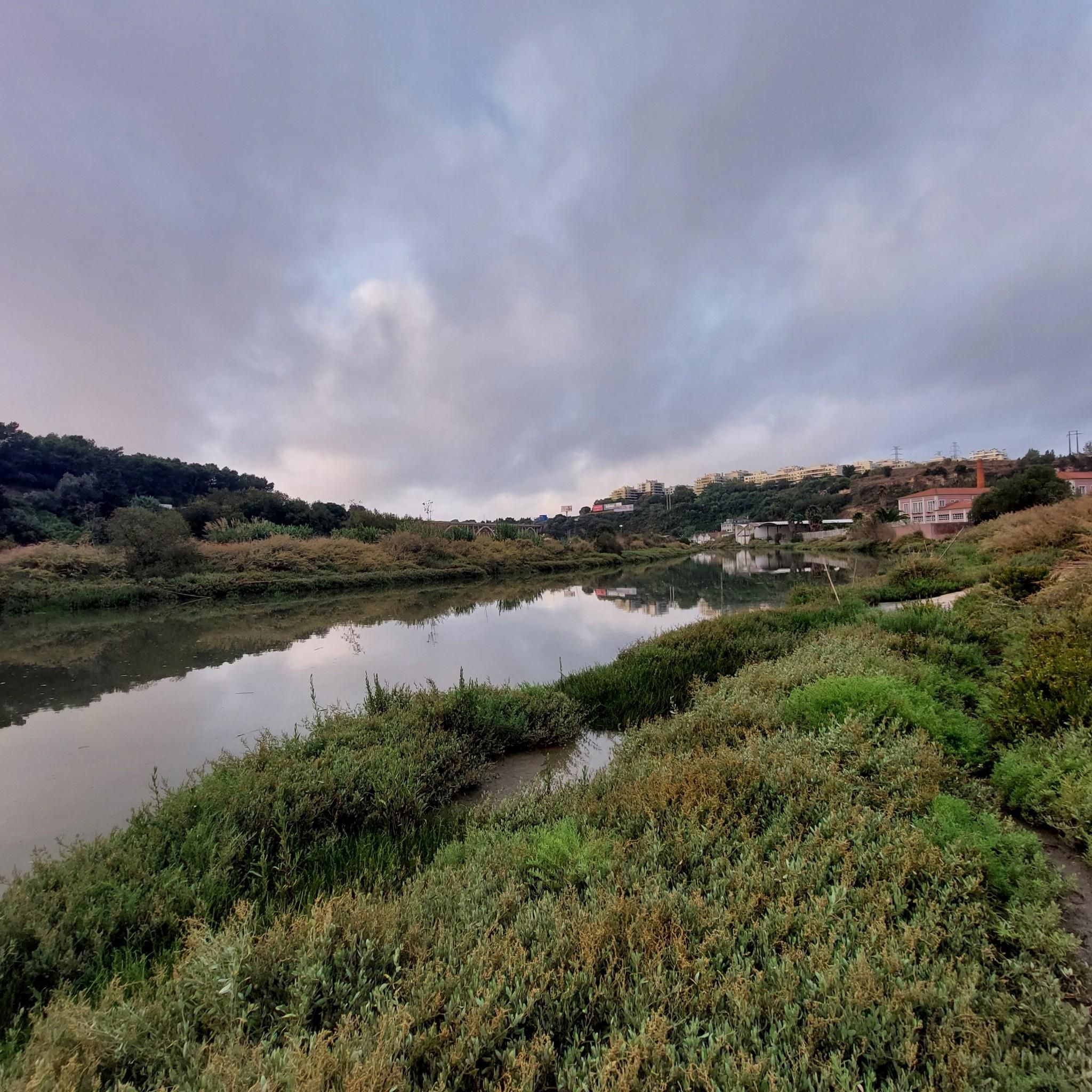
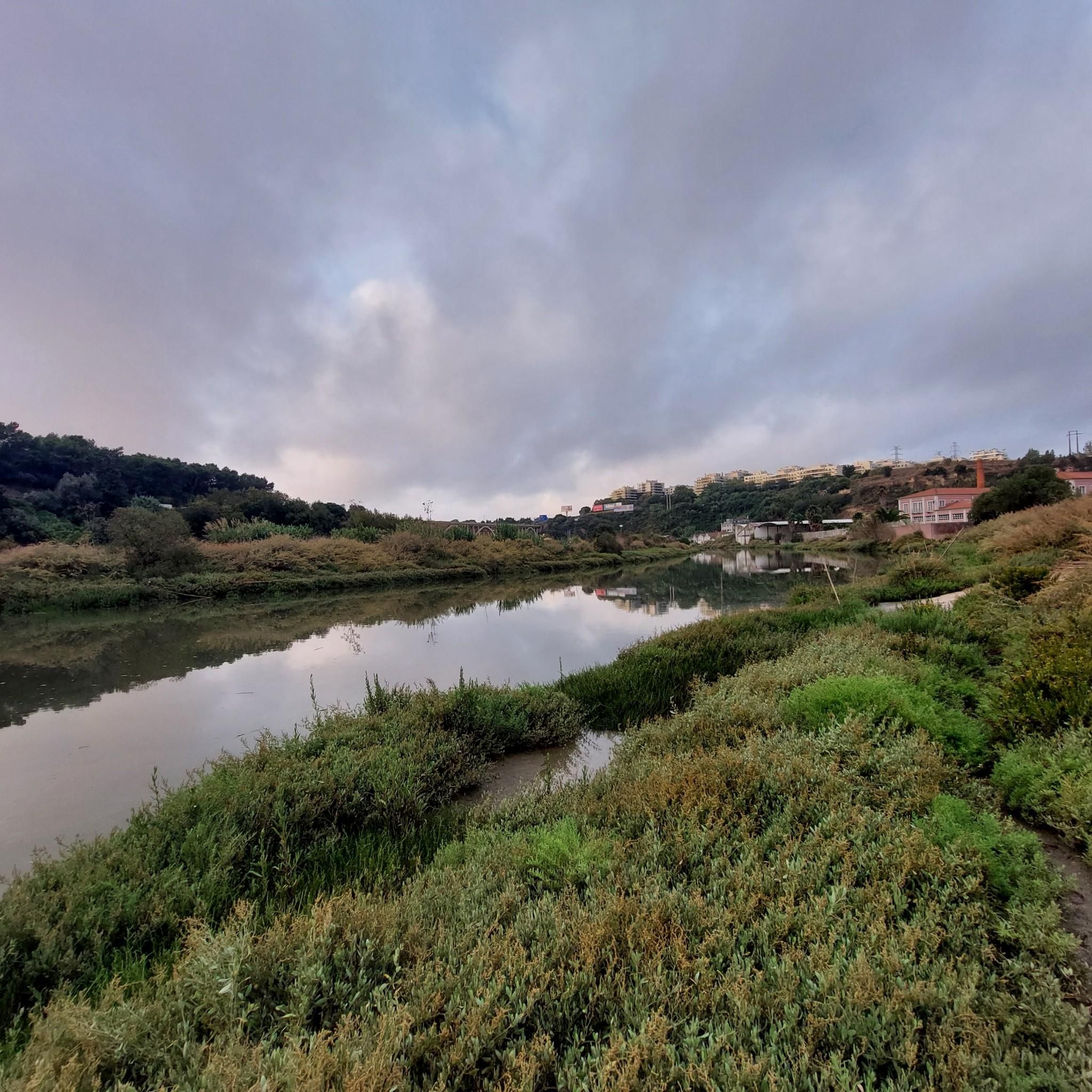
The Tagus Estuary Nature Reserve (RNET) is located in an area of high natural richness and diversity. Covering approximately 14,415 hectares, it is integrated into the largest wetland area in Portugal – the Tagus Estuary, including estuarine waters, sandbanks, salt pans, agricultural land, and cork oak forests. The connectivity of these habitats ensures the presence of a great diversity of living beings, such as mollusks, crustaceans, and small amphibians. It is also a nursery for various species of marine fish and a very important ecosystem for migratory fish. The estuary is also of great importance to aquatic birds, being one of the places with the most wintering birds in Europe.
1
0

Eduardo VII Park stretches like a large green ribbon up the hill, offering plenty of space to breathe with its lawns and paths. From the top, you have a stunning view across Avenida da Liberdade all the way down to the Tagus River. Perfect for a quiet break, a picnic, or a relaxing stroll in nature right in the heart of Lisbon.
4
1
The ancient, gnarled tree in Alfama seems to have witnessed countless stories from the neighborhood. With its thick trunk, twisted branches, and the shadows it casts on the cobblestones and house walls, it offers a tranquil counterpoint to the hustle and bustle of the narrow streets. A beautiful spot to pause, take a breath, and soak up the unique atmosphere of old Lisbon.
2
0

The Lisbon Botanical Garden, located in the parish of São Mamede, is one of the city's oldest and most important green spaces, with a rich history linked to scientific research and botanical conservation. Founded in 1873 at the initiative of Count Ficalho and Andrade Corvo, professors at the Lisbon Polytechnic School. Officially inaugurated in 1878, it was conceived as a scientific garden to support teaching and research in botany. It is part of the National Museum of Natural History and Science of the University of Lisbon.
3
0
The architectural design was designed by brothers Carlos and Guilherme Rebello de Andrade in the Portuguese Suave style, typical of the Estado Novo. The sculptures were made by Maximiano Alves (caryatids) and Diogo de Macedo (figures of the Tagus River and the Tagides), with lateral reliefs by Jorge Barradas.
5
0
The Alameda Luminous Fountain, also known as the Monumental Fountain, is one of Lisbon's most iconic monuments, located on Alameda Dom Afonso Henriques, right next to the Alameda metro station (green and red lines). It was conceived in 1938 and finally inaugurated on May 30, 1948. Its construction celebrated the regular supply of water to the eastern part of Lisbon.
5
0
Eduardo VII Park is one of Lisbon's most iconic green spaces, located just north of Marquis of Pombal Square and Avenida da Liberdade. It's an ideal place to stroll, relax, and enjoy spectacular views of the city.
9
0
Frequently Asked Questions
What are some of the most popular natural attractions near Bobadela?
Visitors frequently enjoy the Eduardo VII Park Viewpoint, which offers extensive views over the city. Another popular spot is the University of Lisbon Botanical Garden, known for its rich collection of plants and contribution to urban biodiversity. The Tagus Estuary, a vital nature reserve, is also highly appreciated for its natural richness and diversity.
Are there family-friendly natural monuments around Bobadela?
Yes, several natural monuments are suitable for families. The Eduardo VII Park Viewpoint is a large, impressive area perfect for strolling and relaxing. The University of Lisbon Botanical Garden offers a serene environment to explore nature. Additionally, the Alameda Luminous Fountain and the Ancient Gnarled Tree in Alfama are also considered family-friendly attractions.
What kind of outdoor activities can I do near these natural monuments?
The area around Bobadela offers various outdoor activities. You can find numerous routes for cycling, hiking, and mountain biking. For example, there are several hiking routes like the 'Oceanário de Lisboa – Iberian Lynx Sculpture loop' or the 'Loures Riverside Trail – Trancão Pedestrian and Cycle Bridge loop'. Cycling enthusiasts can explore routes such as the '25th of April Bridge – Bronze model of the Belém Tower loop'. For more details on routes, you can check the hiking guide, cycling guide, or MTB trails guide for Bobadela.
Are there any natural monuments with historical significance?
Yes, the Ancient Gnarled Tree in Alfama is considered a natural monument with historical significance. This impressive tree, approximately 100 years old, stands next to the wall of the former Limoeiro Prison and has witnessed countless stories from the historic Alfama neighborhood, offering a tranquil counterpoint to the bustling streets.
What natural features can I expect to see around Bobadela?
Beyond the specific highlights, the region around Bobadela is characterized by picturesque landscapes of hills and mountains, typical of the Distrito de Lisboa. These natural features provide scenic views and opportunities for experiencing natural beauty, including olive fields and diverse ecosystems.
What makes the Tagus Estuary a significant natural monument?
The Tagus Estuary is a nature reserve known for its high natural richness and diversity. It is Portugal's largest wetland area, encompassing estuarine waters, sandbanks, salt pans, and cork oak forests. This connectivity of habitats supports a great diversity of living beings, serving as a nursery for marine fish species and a crucial ecosystem for migratory fish and aquatic birds, making it one of Europe's most important wintering bird sites.
Can I find viewpoints to enjoy panoramic scenery?
Absolutely. The Eduardo VII Park Viewpoint offers spectacular panoramic views over the city of Lisbon. Additionally, the Alameda Luminous Fountain also serves as a viewpoint, providing a unique perspective of the urban landscape.
What is unique about the University of Lisbon Botanical Garden?
The University of Lisbon Botanical Garden is one of the city's oldest and most important green spaces. It was founded in 1873 for scientific research and botanical conservation. Plants are maintained to resemble their natural state, encouraging small ecosystems that support urban biodiversity, including insects, small animals, fungi, and lichens. It also helps mitigate rising temperatures by promoting its own microclimate.
What do visitors say about the natural monuments in this area?
Visitors frequently highlight the impressive scale and magical atmosphere of places like the Eduardo VII Park Viewpoint, praising the beautiful views over the city. The Ancient Gnarled Tree in Alfama is often described as an 'incredible phenomenon' and a beautiful spot to pause and soak up the unique atmosphere of old Lisbon.
Is public transport available to access these natural monuments?
For monuments located within Lisbon, such as the Alameda Luminous Fountain, public transport is readily available. The fountain is right next to the Alameda metro station (green and red lines). For other natural highlights, it's advisable to check specific transport options depending on their exact location.
Are there any natural monuments that are wheelchair accessible?
Yes, the Eduardo VII Park Viewpoint is noted as being wheelchair accessible, allowing a wider range of visitors to enjoy its extensive views and impressive area.
What is the best time to visit the natural monuments around Bobadela?
While specific seasonal recommendations vary, generally, spring and autumn offer pleasant weather for exploring the natural landscapes and monuments around Bobadela. These seasons provide comfortable temperatures for outdoor activities like hiking and cycling, and the natural beauty is often at its peak.
Most popular attractions around Bobadela

Get inspired with the komoot mobile app


Explore more
Extend your search for the best caves by checking out these guides of the top ones around Bobadela:
