Top 8 Natural Monuments around Moscavide e Moscavide e Moscavide e Portela
Best natural monuments around Moscavide e Moscavide e Moscavide e Portela include urban green spaces and proximity to the Tagus River. This civil parish, primarily residential, offers recreational opportunities within its local community. While not featuring vast geological formations, the area provides significant green spaces for residents and visitors. These locations contribute to urban sustainability, offering areas for relaxation and outdoor activities.
Best natural monuments around Moscavide e Moscavide e Moscavide e Portela
- The most popular natural monuments is Eduardo…
Last updated: June 29, 2026
Eduardo VII Park Viewpoint
Highlight • Viewpoint
Translated by Google •
Tip by

University of Lisbon Botanical Garden
Highlight • Forest
Translated by Google •
Tip by

Sign up now to discover places like this
Get recommendations on the best single tracks, peaks, & plenty of other exciting outdoor places.
Sign up for free
Alameda Luminous Fountain
Highlight • Monument
Translated by Google •
Tip by
Ancient Gnarled Tree in Alfama
Highlight • Natural Monument
Translated by Google •
Tip by

Príncipe Real Garden
Highlight • Forest
Tip by

Sign up for free to discover even more natural monuments around Moscavide e Moscavide e Moscavide e Portela.
Sign up for free
Already have an account?
Start today with a free account
Your next adventure awaits.
Login or Signup
Popular around Moscavide e Moscavide e Moscavide e Portela

Running Trails around Moscavide e Moscavide e Moscavide e Portela
Road Cycling Routes around Moscavide e Moscavide e Moscavide e Portela
Cycling around Moscavide e Moscavide e Moscavide e Portela
MTB Trails around Moscavide e Moscavide e Moscavide e Portela
Hiking around Moscavide e Moscavide e Moscavide e Portela
Gravel biking around Moscavide e Moscavide e Moscavide e Portela
Tips from the Community

Eduardo VII Park stretches like a large green ribbon up the hill, offering plenty of space to breathe with its lawns and paths. From the top, you have a stunning view across Avenida da Liberdade all the way down to the Tagus River. Perfect for a quiet break, a picnic, or a relaxing stroll in nature right in the heart of Lisbon.
4
1
The ancient, gnarled tree in Alfama seems to have witnessed countless stories from the neighborhood. With its thick trunk, twisted branches, and the shadows it casts on the cobblestones and house walls, it offers a tranquil counterpoint to the hustle and bustle of the narrow streets. A beautiful spot to pause, take a breath, and soak up the unique atmosphere of old Lisbon.
2
0

The Lisbon Botanical Garden, located in the parish of São Mamede, is one of the city's oldest and most important green spaces, with a rich history linked to scientific research and botanical conservation. Founded in 1873 at the initiative of Count Ficalho and Andrade Corvo, professors at the Lisbon Polytechnic School. Officially inaugurated in 1878, it was conceived as a scientific garden to support teaching and research in botany. It is part of the National Museum of Natural History and Science of the University of Lisbon.
3
0
The architectural design was designed by brothers Carlos and Guilherme Rebello de Andrade in the Portuguese Suave style, typical of the Estado Novo. The sculptures were made by Maximiano Alves (caryatids) and Diogo de Macedo (figures of the Tagus River and the Tagides), with lateral reliefs by Jorge Barradas.
5
0
The Alameda Luminous Fountain, also known as the Monumental Fountain, is one of Lisbon's most iconic monuments, located on Alameda Dom Afonso Henriques, right next to the Alameda metro station (green and red lines). It was conceived in 1938 and finally inaugurated on May 30, 1948. Its construction celebrated the regular supply of water to the eastern part of Lisbon.
5
0
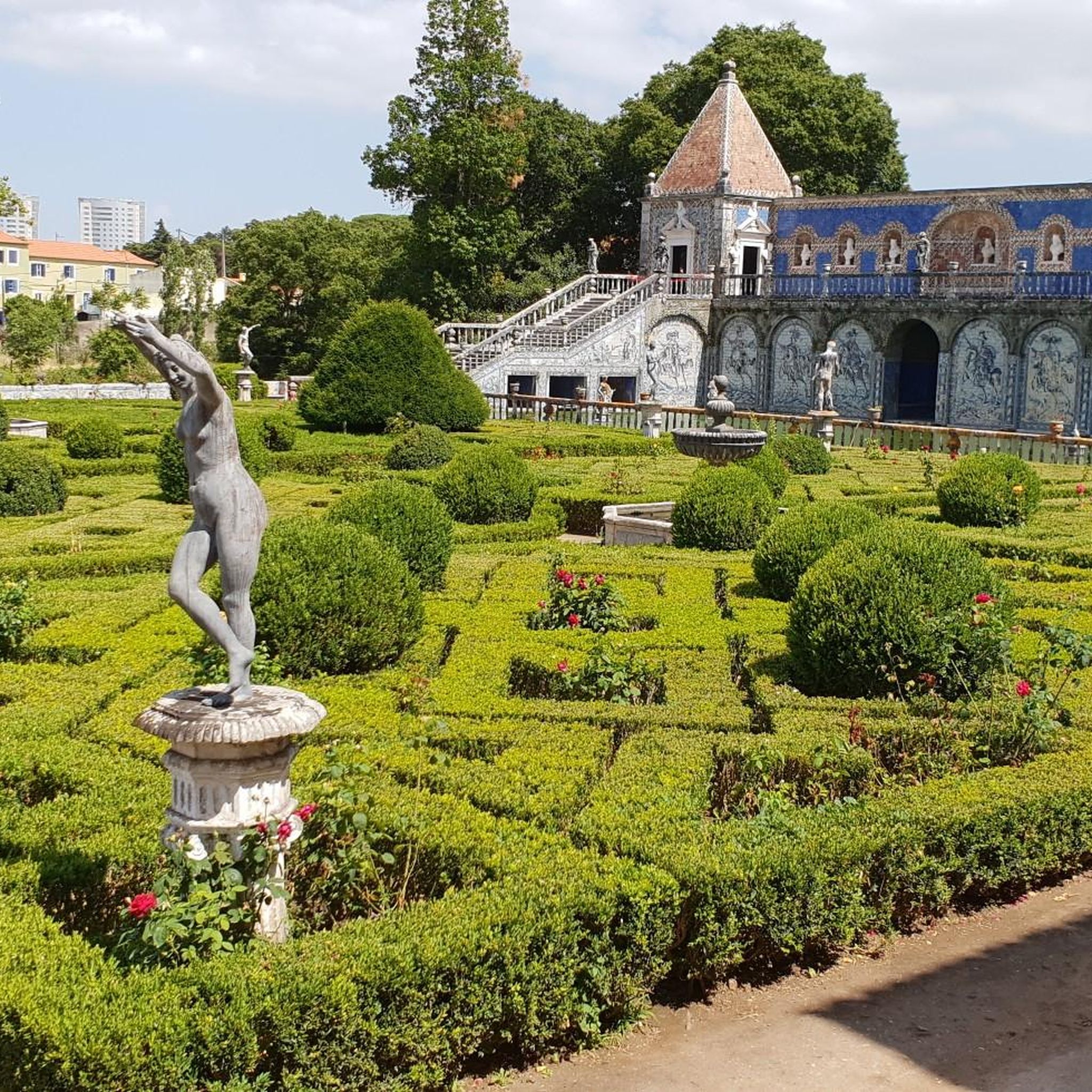
Eduardo VII Park is one of Lisbon's most iconic green spaces, located just north of Marquis of Pombal Square and Avenida da Liberdade. It's an ideal place to stroll, relax, and enjoy spectacular views of the city.
9
0

The former Limoeiro Square, currently a street connecting downtown Lisbon to the Portas do Sol viewpoint, is a must-see for tourists and part of the famous tram line 28. Next to the wall of the former Limoeiro Prison, now the Center for Judicial Studies, stands a Phytolacca dioica L., which replaced the lemon tree from which this square took its name. It is approximately 13 meters tall, 17 meters across its base, and 100 years old. This species is native to South America, has a very fast growth rate, and blooms between April and June.
1
1

Lisbon's central park was named as a tribute to the English monarch Edward VII, who visited Lisbon in 1903, five centuries after the Anglo-Portuguese Alliance. It ascends one of the city's hills and provides a wonderful view from the top. It's made up of symmetrical box hedging and a variety of plants, most of them found inside a cool and heated greenhouse from the 1930s, which is filled with exotic species from tropical climates. This greenhouse is one of the most important green spaces in Lisbon, considered an authentic living museum, with its small lakes and waterfalls, statuary, and hundreds of species of plants.
6
0
Frequently Asked Questions
What kind of natural monuments can I expect to find around Moscavide e Portela?
Moscavide e Portela, being a residential area, features significant urban green spaces and proximity to the Tagus River rather than vast geological formations. You'll discover revitalized gardens, urban parks, and important botanical collections that contribute to the area's natural appeal and offer recreational opportunities.
What are some popular green spaces for relaxation and recreation in Moscavide e Portela?
You can enjoy the recently redeveloped Jardim Dr. João Gomes Patacão (Jardim de Moscavide), which offers new plantings, water features, a children's playground, and a picnic zone. The Parque Urbano da Portela also provides a crucial green connection within the urban fabric, ideal for relaxation and strolls.
Are there any significant trees or botanical collections to visit?
Yes, you can visit the Príncipe Real Garden, known for its ancient, protected tree and relaxed atmosphere. Another notable spot is the University of Lisbon Botanical Garden, one of the city's oldest green spaces dedicated to botanical conservation and research.
Can I find good viewpoints of the city or river near Moscavide e Portela?
Absolutely. The Eduardo VII Park Viewpoint offers panoramic views of Lisbon. While not directly within the parish, its proximity makes it a popular choice. The Tagus River itself provides scenic views, and the Alameda Luminous Fountain also offers a viewpoint.
Are the natural monuments around Moscavide e Portela family-friendly?
Many of the green spaces and natural features are very family-friendly. For instance, Jardim Dr. João Gomes Patacão includes a children's playground and picnic area. Highlights like the Eduardo VII Park Viewpoint, University of Lisbon Botanical Garden, and Príncipe Real Garden are all categorized as family-friendly, offering spaces for all ages to enjoy.
Are there accessible natural monuments for visitors with mobility needs?
The Eduardo VII Park Viewpoint is noted as wheelchair accessible, making it a good option for visitors with mobility needs to enjoy panoramic city views.
What outdoor activities can I do near these natural monuments?
The area around Moscavide e Portela offers various outdoor activities. You can explore numerous cycling routes, including easy loops like the 'Portugal Pavilion – Iberian Lynx Sculpture loop from Sacavém' (12.5 km) or 'Iberian Lynx Sculpture – Vasco da Gama Tower loop from Cabo Ruivo' (13.2 km). For more options, check out the full guide to Cycling around Moscavide e Portela.
Are there hiking trails available near Moscavide e Portela's natural spaces?
Yes, there are several hiking opportunities. You can find easy trails such as the 'Oceanário de Lisboa – Iberian Lynx Sculpture loop from MEO Arena' (7.6 km) or the 'Trancão Walk – Trancão Pedestrian and Cycle Bridge loop from MEO Arena' (7.5 km). For a comprehensive list of routes, refer to the Hiking around Moscavide e Portela guide.
Is there any historical significance to the natural sites in the area?
Yes, some sites carry historical weight. The University of Lisbon Botanical Garden, founded in 1873, has a rich history linked to scientific research. The Alameda Luminous Fountain, inaugurated in 1948, celebrated the regular water supply to eastern Lisbon and showcases the Portuguese Suave architectural style of the Estado Novo period. Additionally, the Ancient Gnarled Tree in Alfama, approximately 100 years old, stands as a living witness to the neighborhood's history.
What do visitors particularly enjoy about the natural monuments here?
Visitors appreciate the tranquility and beauty these urban green spaces offer. For example, the Príncipe Real Garden is loved for its cozy atmosphere and the opportunity to relax near its beautiful old tree. The Eduardo VII Park Viewpoint is highly praised for its impressive scale and spectacular city views.
How does the Tagus River feature in the natural landscape of Moscavide e Portela?
While not directly within the civil parish, Moscavide e Portela's proximity to the Tagus River is a significant natural feature. The river provides a natural boundary and offers scenic views, contributing to the broader natural environment of the region and historically playing a role in the development of nearby areas like Sacavém.
Are there any upcoming green space developments in the area?
Yes, plans are underway for a new Parque Urbano da Portela Norte. This project aims to create additional leisure spaces, including a multipurpose auditorium, padel courts, and a large public green area, further enhancing the natural and recreational offerings for the community.
Most popular routes around Moscavide e Moscavide e Moscavide e Portela
Most popular attractions around Moscavide e Moscavide e Moscavide e Portela

Get inspired with the komoot mobile app


Explore more
Extend your search for the best caves by checking out these guides of the top ones around Moscavide e Moscavide e Moscavide e Portela:
