Top 8 Natural Monuments around Malveira
Best natural monuments near Malveira include a variety of natural and protected areas. The region, situated close to the Sintra-Cascais Natural Park and the Penedo do Lexim Special Protection Zone, offers diverse landscapes. These Malveira Portugal natural attractions range from forests and waterfalls to unique geological formations. Visitors can explore these natural features, which are recognized for their ecological and historical significance.
Best natural monuments around Malveira
- The most popular natural monuments is Anços Waterfall and Old Mill Ruins,…
Last updated: June 29, 2026
Tapada Nacional de Mafra
Highlight • Forest
Translated by Google •
Tip by

Anços Waterfall and Old Mill Ruins
Highlight • Waterfall
Tip by

Sign up now to discover places like this
Get recommendations on the best single tracks, peaks, & plenty of other exciting outdoor places.
Sign up for free
Anços Waterfall
Highlight • Waterfall
Translated by Google •
Tip by

Cerco Garden
Highlight • Natural
Translated by Google •
Tip by
Campo de Lapiás de Negrais
Highlight • Natural Monument
Translated by Google •
Tip by
Sign up for free to discover even more natural monuments around Malveira.
Sign up for free
Already have an account?
Start today with a free account
Your next adventure awaits.
Login or Signup

Tips from the Community

You can hike, drive through the park in an electric car or take a carriage ride. Advance reservation is advisable.
4
3

The Jardim do Cerco, in Mafra, is a baroque example, famous for its water mirrors, paths and leafy trees (including a century-old daughter-in-law) and the Horta dos Frades. With 8 hectares, it has everything from waterfalls to medicinal plants. It is adjacent to the Mafra National Palace; right behind, more precisely. In 2019, the park became a UNESCO World Heritage Site.
4
0
The Tapada Nacional de Mafra, created during the reign of João V in Portugal, is a royal park measuring more than 8 km², home to several species of animals and a diverse natural habitat. Used for hunting and leisure by the Portuguese monarchy, today it offers activities such as hiking, cycling, horse riding and archery. In 2019, it was classified as a UNESCO World Heritage Site.
3
1

Very beautiful place that deserves a visit, especially after the rainy season. The waterfalls are fed by Ribeira de Mourão, which once ran water all year round. Currently in the summer months the waterfalls have little or no water. According to what I heard from a local elder, the causes for the little water that runs in the area in the summer months may not be just natural, but the diversion made for industrial uses further upstream, next to the springs.
3
0

Beautiful waterfalls hidden outside Lisbon
5
0
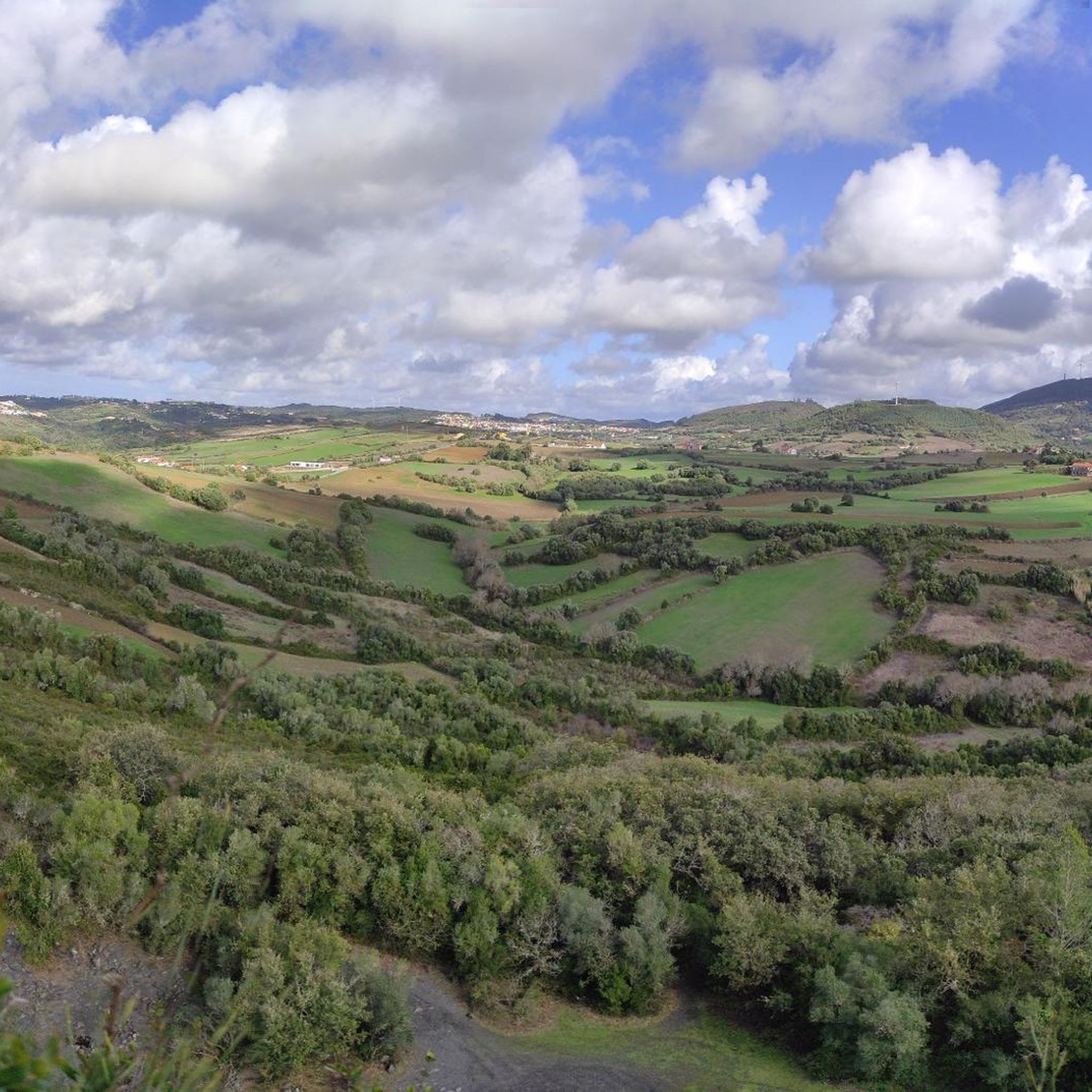
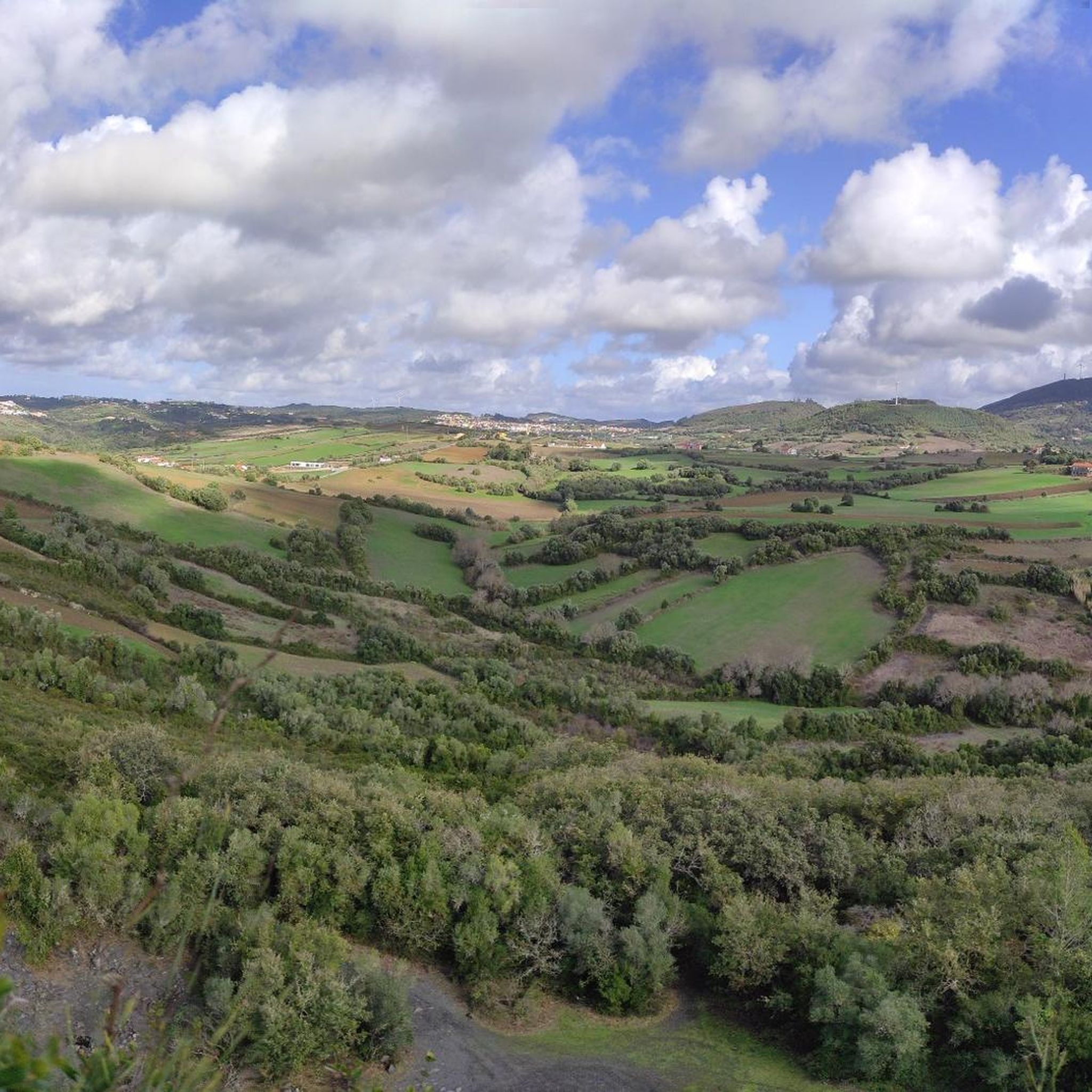
Lapiás ou lapiaz [1] (word derived from lapiaz, from the Jura dialect) is a typical karst relief formation, produced by the superficial dissolution of calcareous or dolomitic rocks. It can also be caused by freezing and thawing cycles in cold weather regions. Lapiás, together with dolines, cenotes, cones and karst valleys, form the outer portion of the karst relief, also known as exocarste, while caves, crevices and speleothems make up the underground part of karst, or endocarste. Lapiás consist of fractures in the superficial rocks that expand through the dissolution of the rock, resulting in large channels that groove the rocks horizontally or vertically, as well as fields of large rocks, isolated from each other and with different types of flutes, fringes and surface holes. In some cases, only depressions occur along the surface of the rock, which is not fragmented. Lapiás are formed initially by dissolving the rock at the interface with the soil and cracks are opened. After erosion of the topsoil, the rocks are exposed and the dissolution of the rock continues to expand the cracks. Eventually the rocks are completely separated and form fields of level rocks or groove and crevice patterns. Soil and vegetation can fill the spaces between rocks.
2
0

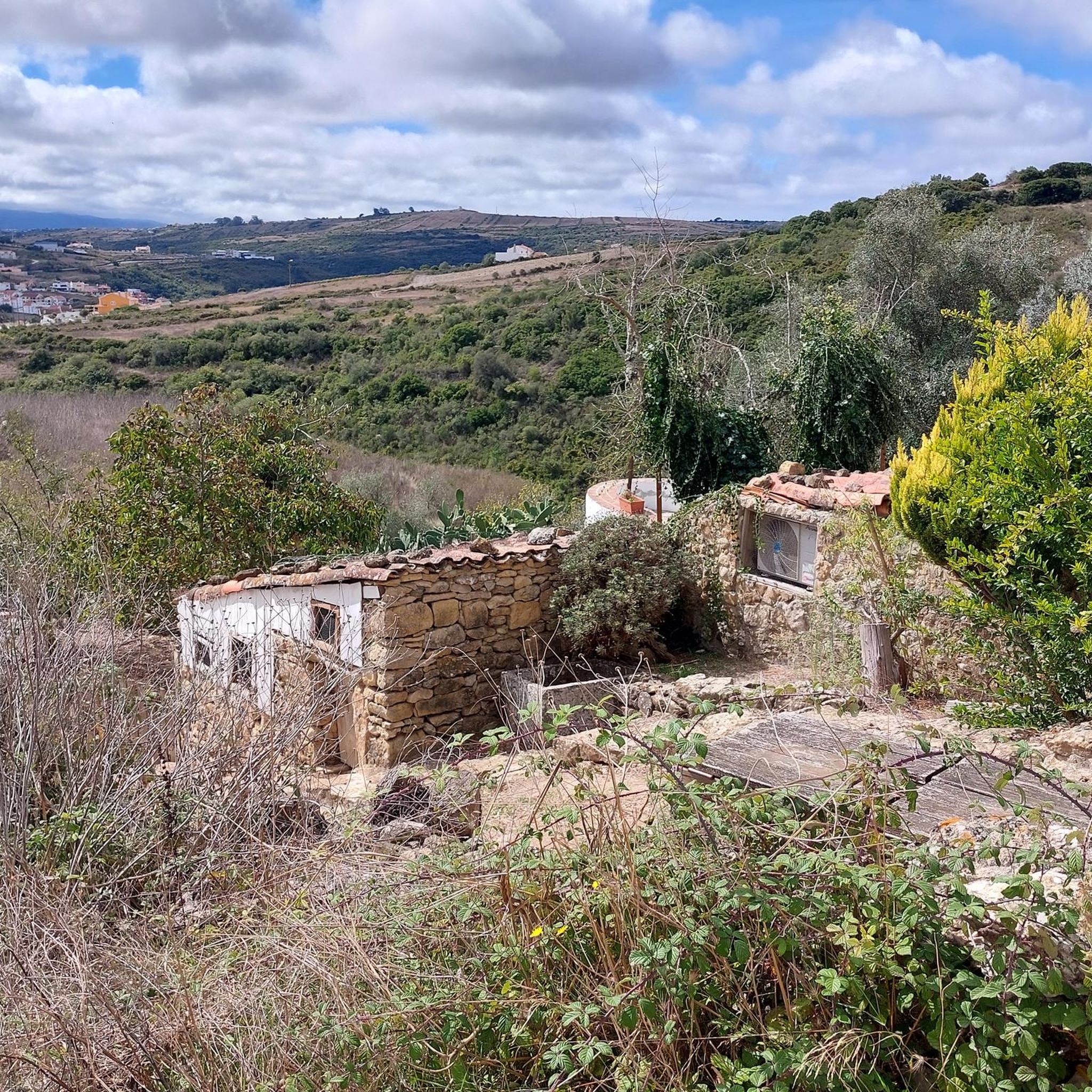
From the small village of Anços a path leads down to the waterfall. Here is a large rock for a rest right on the water. Even in midsummer a cool place. A little below you can still find the ruins of the old mill. Unfortunately, the paths are pretty overgrown.
4
0

Avoid it in the summer (there’s no water). The trail could be a little better if someone maintained it, but it’s well marked and very doable!
4
1
Frequently Asked Questions
What are the primary natural areas to explore near Malveira?
Malveira is ideally situated near the Sintra-Cascais Natural Park and the Penedo do Lexim Special Protection Zone. These areas offer a diverse range of landscapes, from dramatic coastlines and lush forests to unique geological formations, providing ample opportunities for nature exploration.
What types of natural features can I expect to see around Malveira?
You can discover a variety of natural features, including waterfalls like Anços Waterfall and Old Mill Ruins, extensive forests such as Tapada Nacional de Mafra, and unique geological formations like the Campo de Lapiás de Negrais. The nearby Sintra-Cascais Natural Park also features towering cliffs at Cabo da Roca, sandy beaches like Praia do Guincho, and dynamic dune systems.
Are there good hiking opportunities near Malveira's natural monuments?
Yes, there are excellent hiking opportunities. For example, Tapada Nacional de Mafra offers various trails for hiking. Within the Sintra-Cascais Natural Park, you can explore mystical paths in the Peninha Forest or coastal trails near Cabo da Roca. For more specific routes, you can find numerous options in the Running Trails around Malveira guide, which includes trails like the 'Tojeira (Green) Trail' and 'Taipas Trail (Red)'.
What other outdoor activities can I do near these natural monuments?
Beyond hiking, Tapada Nacional de Mafra provides opportunities for cycling, horse riding, and archery. Along the coast, Praia do Guincho is a popular spot for surfing, windsurfing, and kitesurfing due to its strong winds and waves. You can also find detailed cycling routes in the MTB Trails around Malveira guide and the Road Cycling Routes around Malveira guide.
Where can I find the best panoramic views of the region?
For breathtaking panoramic views, visit Cabo da Roca, the westernmost point of continental Europe, offering dramatic ocean vistas from its 100-meter-high cliffs. Another exceptional viewpoint is the Sanctuary of Peninha, perched at 488 meters above sea level in the Serra de Sintra, providing sweeping views of the Atlantic coast and the natural park.
Are there family-friendly natural monuments around Malveira?
Yes, several natural monuments are suitable for families. Tapada Nacional de Mafra is a royal park offering activities like hiking and cycling, and it's home to various animal species. The Cerco Garden, with its water mirrors and ancient trees, is also a family-friendly baroque garden adjacent to the Mafra National Palace.
What is the best time to visit the natural monuments near Malveira?
The region can be enjoyed year-round. Spring and autumn offer pleasant temperatures for hiking and exploring. Summer is ideal for coastal activities at beaches like Praia do Guincho, though some waterfalls like Anços Waterfall may have reduced water flow. Winter can be beautiful for forest walks, but coastal areas might be windy.
Are there any unique geological formations to explore?
Absolutely. The Campo de Lapiás de Negrais features fascinating karst relief formations, with channels and grooves in the limestone rocks. Along the coast, Praia da Adraga is known for its dramatic cliffs and a natural stone arch, particularly visible at low tide, offering a striking geological landscape.
Can I find any historical sites within these natural areas?
Yes, many natural sites also have historical significance. Tapada Nacional de Mafra was historically a royal hunting ground and is now a UNESCO World Heritage Site. The Anços Waterfall and Old Mill Ruins include the remnants of an old mill. The Sanctuary of Peninha, perched high in the Serra de Sintra, also holds historical and spiritual importance.
What do visitors enjoy most about the natural monuments around Malveira?
Visitors frequently appreciate the diverse landscapes, from the mystical forests of Peninha to the dramatic coastal cliffs of Cabo da Roca. The tranquility of places like Anços Waterfall and the opportunities for wildlife spotting in Tapada Nacional de Mafra are also highly valued. The blend of natural beauty with historical elements, such as the old mill ruins, adds to the unique appeal.
Is public transport available to reach natural monuments near Malveira?
While direct public transport to every single natural monument might be limited, major hubs like Sintra, which is a gateway to the Sintra-Cascais Natural Park, are accessible by public transport. From there, local buses or taxis can often take you closer to specific sites. For areas like Tapada Nacional de Mafra, checking local bus schedules from Mafra town is recommended.
Are there any dog-friendly natural areas near Malveira?
Many outdoor natural areas in Portugal are generally dog-friendly, especially on trails and in parks where dogs are kept on a leash. Large natural parks like Tapada Nacional de Mafra often welcome dogs, though specific rules may apply to certain areas or buildings. The rural setting of the Penedo do Lexim Special Protection Zone also offers opportunities for walks with dogs.
Most popular attractions around Malveira

Get inspired with the komoot mobile app


Explore more
Extend your search for the best caves by checking out these guides of the top ones around Malveira:
