Top 10 Natural Monuments around São Miguel De Alcainça
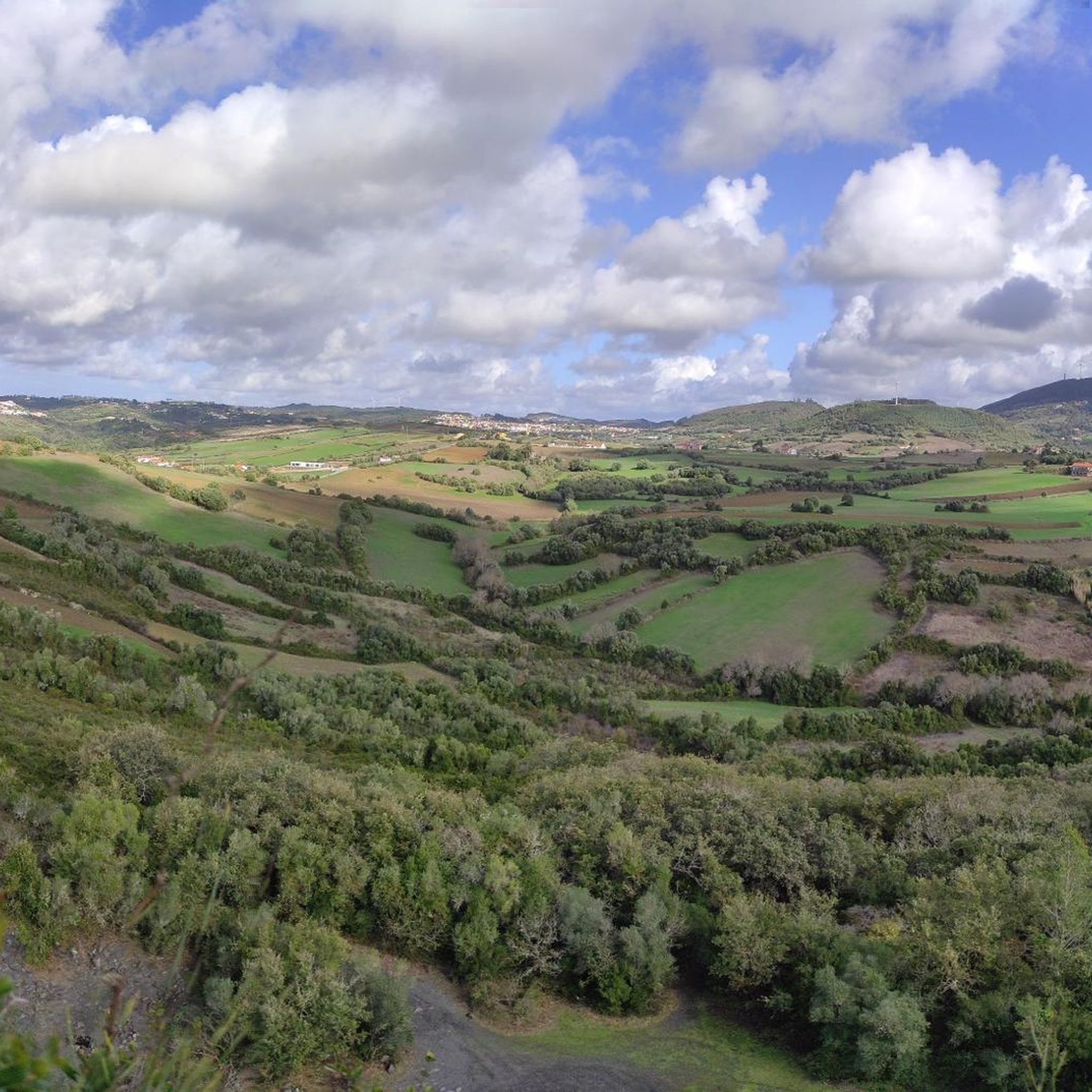
Best natural monuments around São Miguel De Alcainça showcase the natural beauty of the Portuguese coastline and inland areas. The region features impressive cliffs, wild landscapes, and scenic views, providing a tranquil atmosphere. These locations offer opportunities for outdoor activities such as hiking and nature exploration. Visitors can connect with the natural environment and find a refuge from urban bustle.
Best natural monuments around São Miguel De Alcainça
- The most popular natural monuments is Anços Waterfall and Old Mill Ruins…
Last updated: May 18, 2026
Tapada Nacional de Mafra
Highlight • Forest
Translated by Google •
Tip by

Anços Waterfall and Old Mill Ruins
Highlight • Waterfall
Tip by

Sign up now to discover places like this
Get recommendations on the best single tracks, peaks, & plenty of other exciting outdoor places.
Sign up for free
Anços Waterfall
Highlight • Waterfall
Translated by Google •
Tip by

Cerco Garden
Highlight • Natural
Translated by Google •
Tip by
Caves of Vale da Calada
Highlight • Cave
"The small village of Olelas, twenty or so kilometers from Lisbon, to the Northwest, and about 800m east of the Sabugo station, on the …
Translated by Google •
Tip by

Sign up for free to discover even more natural monuments around São Miguel De Alcainça.
Sign up for free
Already have an account?
Start today with a free account
Your next adventure awaits.
Login or Signup
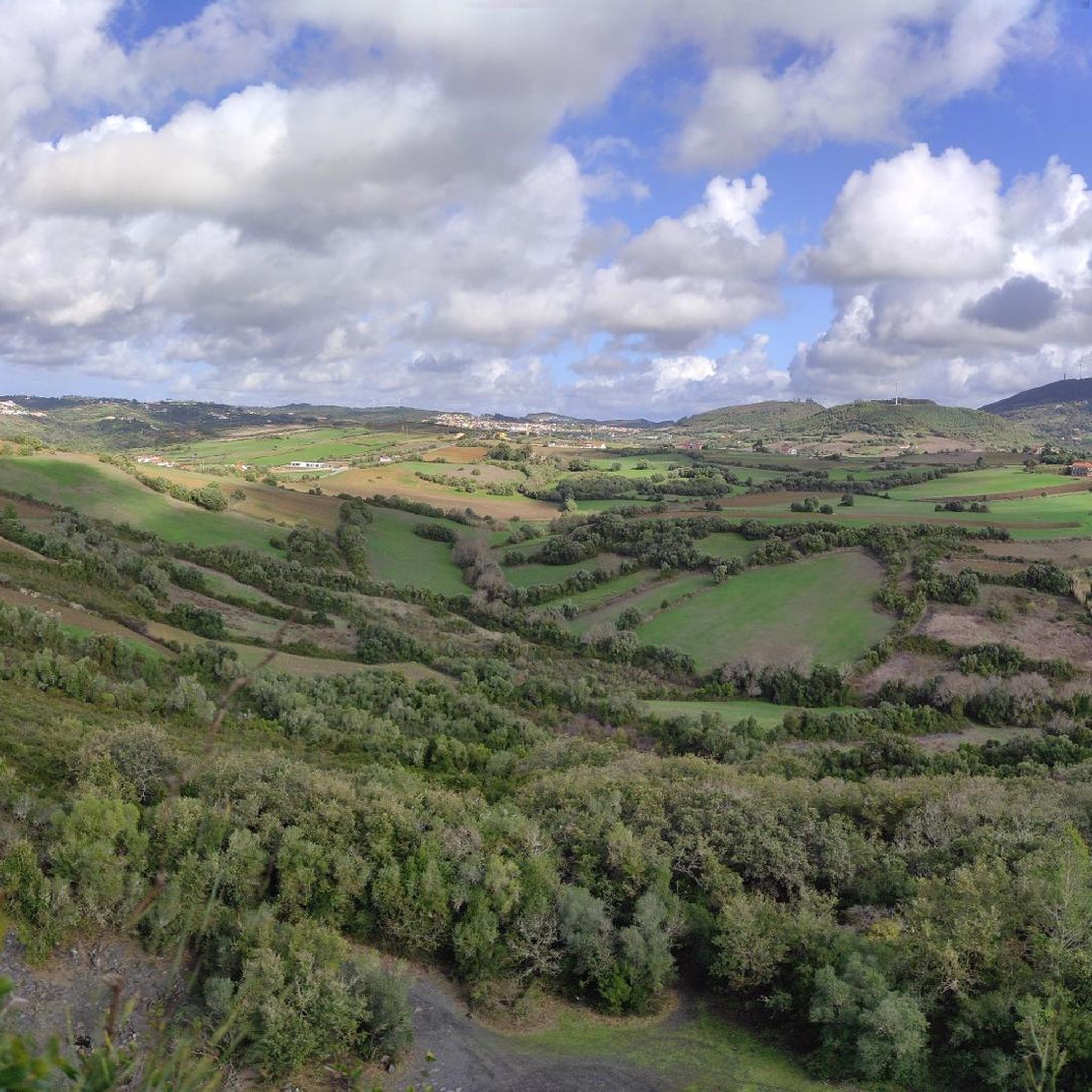
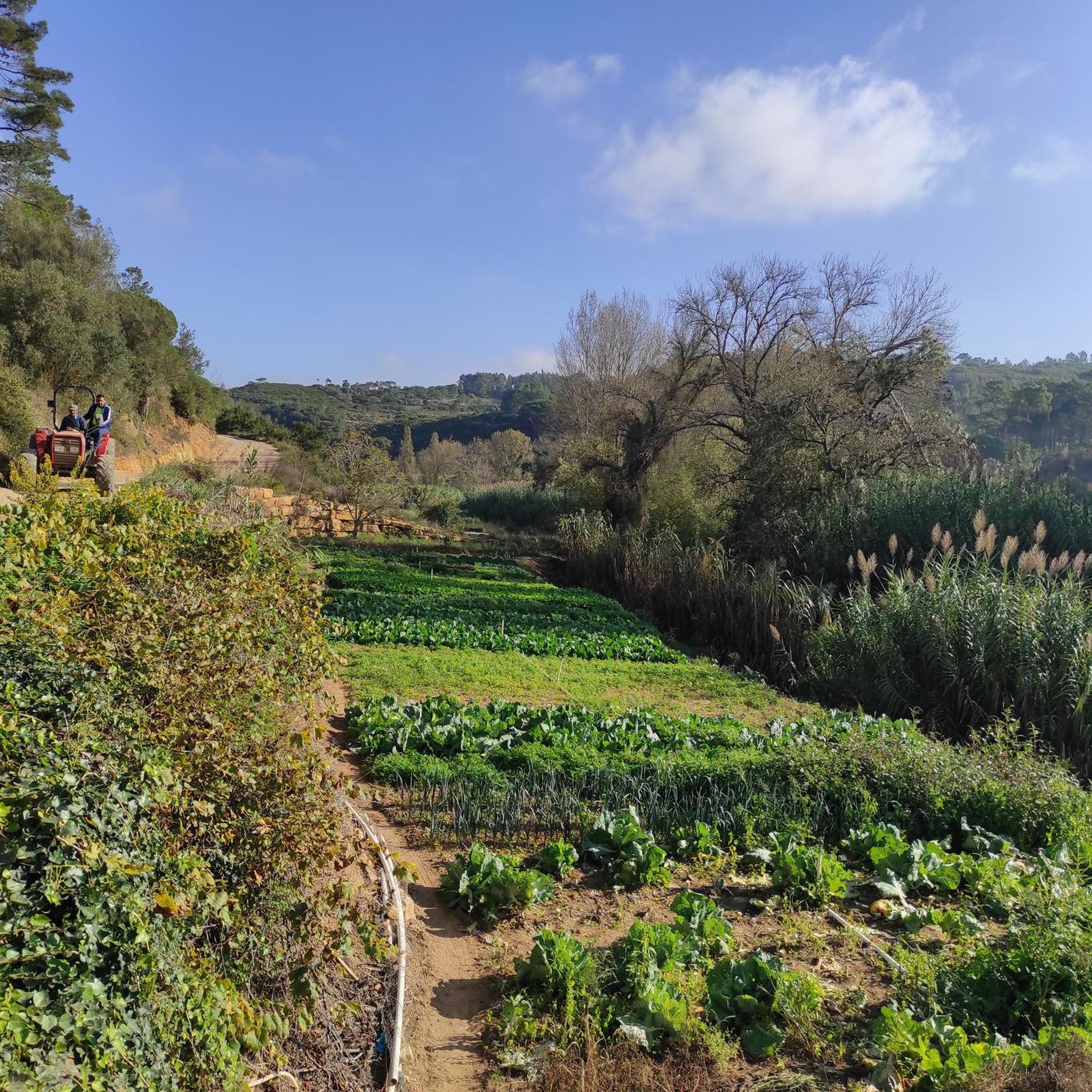
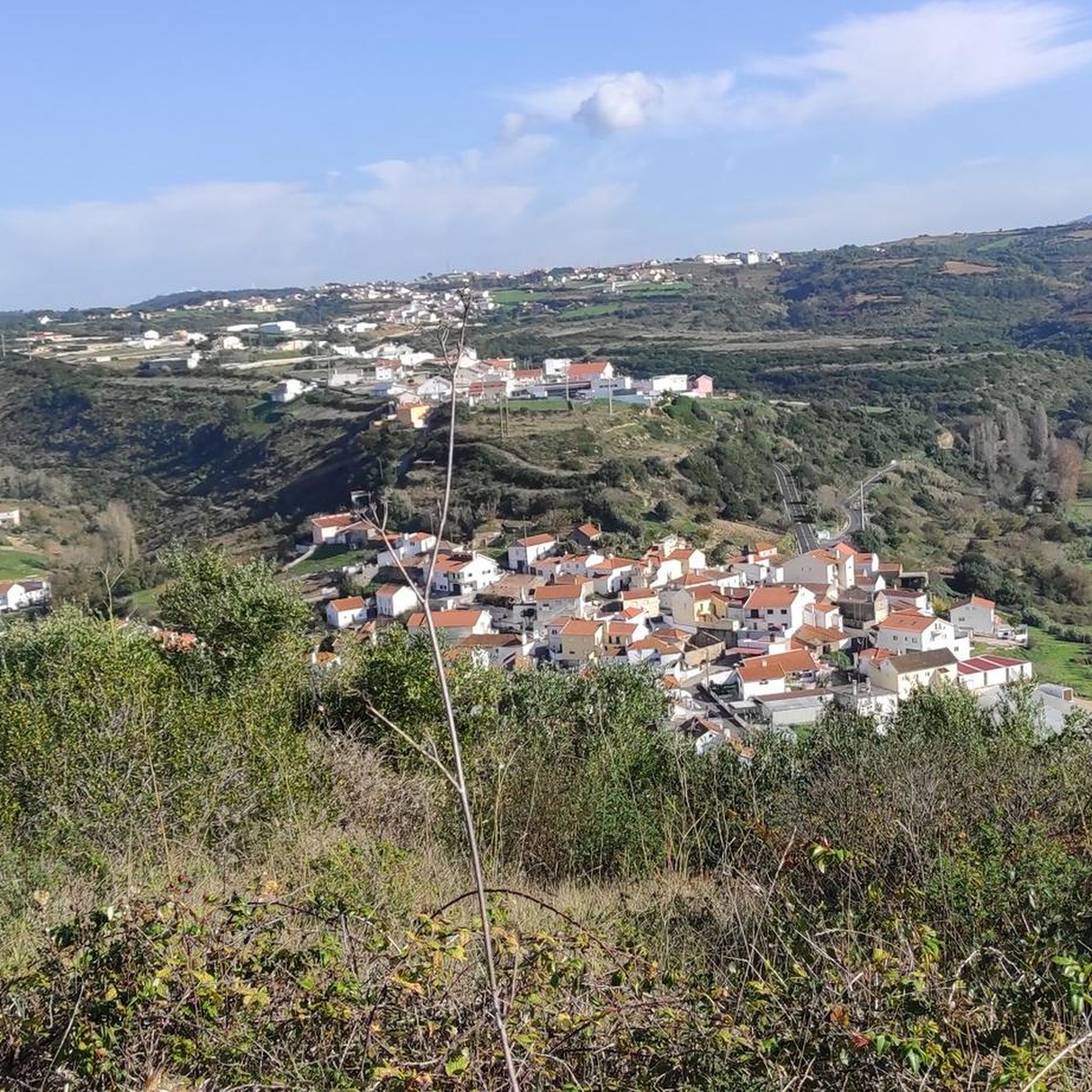
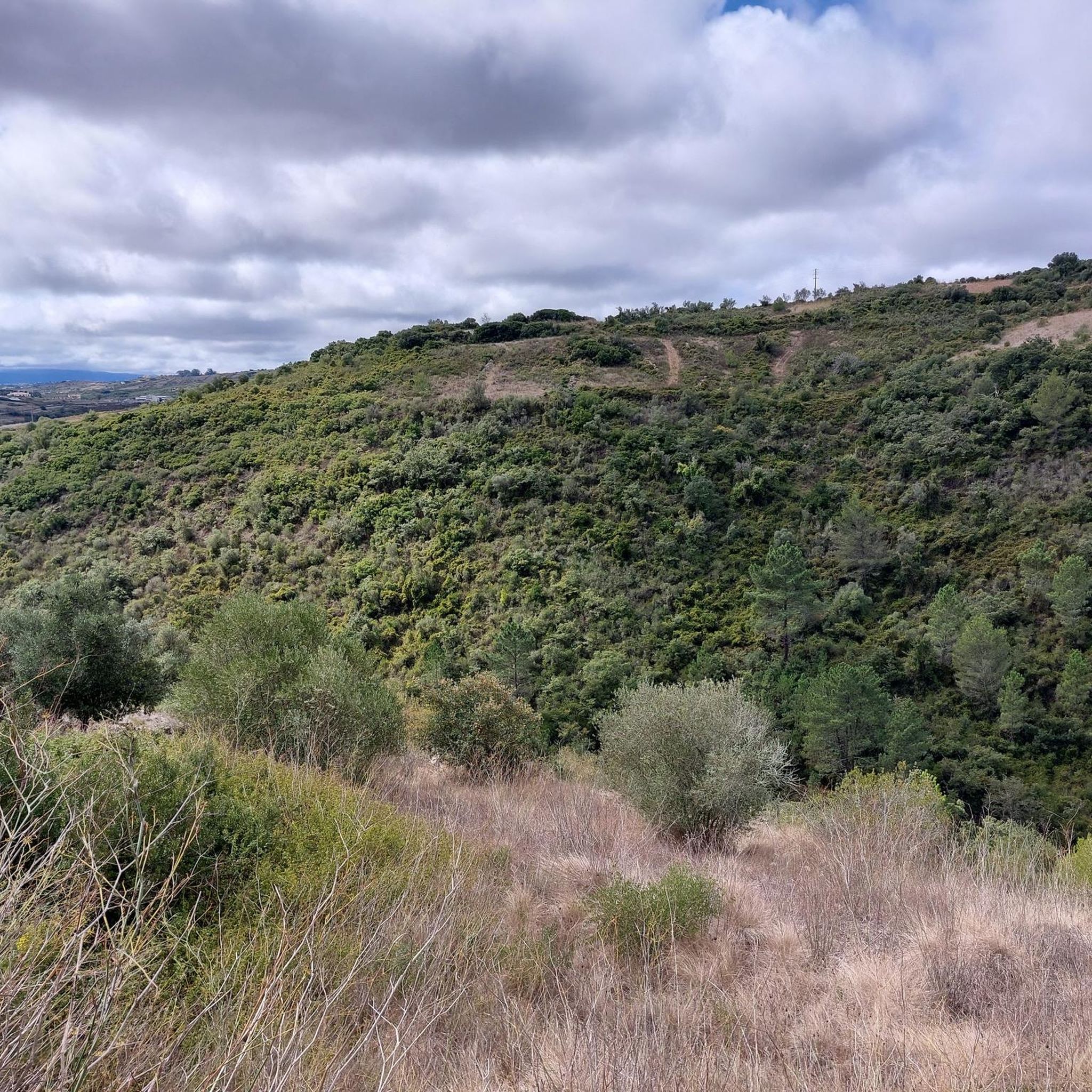
Tips from the Community

You can hike, drive through the park in an electric car or take a carriage ride. Advance reservation is advisable.
4
3

The Jardim do Cerco, in Mafra, is a baroque example, famous for its water mirrors, paths and leafy trees (including a century-old daughter-in-law) and the Horta dos Frades. With 8 hectares, it has everything from waterfalls to medicinal plants. It is adjacent to the Mafra National Palace; right behind, more precisely. In 2019, the park became a UNESCO World Heritage Site.
4
0
The Tapada Nacional de Mafra, created during the reign of João V in Portugal, is a royal park measuring more than 8 km², home to several species of animals and a diverse natural habitat. Used for hunting and leisure by the Portuguese monarchy, today it offers activities such as hiking, cycling, horse riding and archery. In 2019, it was classified as a UNESCO World Heritage Site.
3
1

Very beautiful place that deserves a visit, especially after the rainy season. The waterfalls are fed by Ribeira de Mourão, which once ran water all year round. Currently in the summer months the waterfalls have little or no water. According to what I heard from a local elder, the causes for the little water that runs in the area in the summer months may not be just natural, but the diversion made for industrial uses further upstream, next to the springs.
3
0

Necropolis caves of Vale da Calada: "The small village of Olelas, twenty or so kilometers from Lisbon, to the Northwest, and about 800m east of the Sabugo station, on the West railway line, to which it is connected by a path, is located at an altitude of 200m on a terrace on the slope of the Serra de Olelas, a series of small, extremely rocky hills, the northernmost of which can be seen the geodesic pyramid of the same name. Northeast of Olelas, between Cabeço do Norte and do Sul, Picôto, is excavated, as we said, a narrow valley called Vale da Calada, with steep slopes where the rock is bare in the upper parts and covered with kermes in the upper parts. lower altitudes. It is even this aspect that distinguishes the two hillocks from neighboring lands, which on the contrary are well used in different cultures and with some trees, making them stand out remarkably in the landscape for those visiting Sabugo station. These two rocky massifs, neatly cut out by the erosion that sculpted countless anfractuosities in them, have on their flanks that form the valley the three aforementioned caves of unequal importance. On the southern slope of the valley, Cova da Raposa, the largest of the three caves, has its double opening facing North and giving on a small terrace cut in half by a curious natural arch, carved in the rock, resembling a butante arch of a Gothic cathedral , quite wide at the top and tapering towards the base that deviates from the plumb to the west side." The two caves are separated, from the mouth to about 4m inland, by rock perforated on both sides and at various points by small openings, which cross it. Cova do Biguino, is a more regular cave, located on the north slope with the mouth facing southwest and opening onto a small terrace at a height greater than 10m above the Cova da Raposa border." - Removed from the website of the Union of Parishes of Almargem do Bispo, Pêro Pinheiro and Montelavar.
1
0

Beautiful waterfalls hidden outside Lisbon
5
0

From the small village of Anços a path leads down to the waterfall. Here is a large rock for a rest right on the water. Even in midsummer a cool place. A little below you can still find the ruins of the old mill. Unfortunately, the paths are pretty overgrown.
4
0

Avoid it in the summer (there’s no water). The trail could be a little better if someone maintained it, but it’s well marked and very doable!
4
1
Frequently Asked Questions
What natural features can I explore near São Miguel De Alcainça?
The region around São Miguel De Alcainça offers a variety of natural features, including impressive cliffs, wild landscapes, and scenic views. You can discover waterfalls like Anços Waterfall and Old Mill Ruins, vast forests such as Tapada Nacional de Mafra, and unique geological formations like the Caves of Vale da Calada. The nearby coastline also features beautiful beaches and viewpoints.
Are there family-friendly natural monuments around São Miguel De Alcainça?
Yes, several natural monuments are suitable for families. Tapada Nacional de Mafra is a great option, offering activities like hiking, cycling, and horse riding in a large royal park with diverse wildlife. The Cerco Garden, adjacent to the Mafra National Palace, is another family-friendly spot with water mirrors, paths, and leafy trees.
What historical natural monuments can I visit in the area?
You can explore natural monuments with significant historical context. The Tapada Nacional de Mafra was originally a royal hunting and leisure park, now a UNESCO World Heritage Site. Similarly, Anços Waterfall and Old Mill Ruins combines natural beauty with the remnants of an old mill, offering a glimpse into the past. The Cerco Garden is a baroque example of historical landscape design.
What outdoor activities can I do near these natural monuments?
The area provides numerous outdoor activities. At Tapada Nacional de Mafra, you can enjoy hiking, cycling, and horse riding. For more extensive hiking, explore the trails mentioned in the Hiking around São Miguel De Alcainça guide. Mountain biking enthusiasts can find challenging routes in the MTB Trails around São Miguel De Alcainça guide. The coastal areas also offer surfing opportunities, particularly at Praia de São Julião.
Are there hiking trails near the natural monuments?
Yes, there are many hiking trails. For example, within Tapada Nacional de Mafra, you can find trails like the Ribeirinho (Azul) trail. The area around Praia de São Julião also offers trails leading to Cascata da Ribeira da Mata and Praia da Samarra. You can find more options in the Hiking around São Miguel De Alcainça guide.
Where can I find easy hiking trails near São Miguel De Alcainça?
For easy hikes, consider the Easy hikes around São Miguel De Alcainça guide. This includes routes like the Ribeirinho (Azul) trail in Tapada de Mafra and the Cerco Garden Loop, which are generally suitable for less experienced hikers or families.
What are the best viewpoints around São Miguel De Alcainça?
For stunning coastal views, visit Miradouro Praia da Foz do Lizandro, which offers panoramic vistas of the Lizandro River mouth and the Atlantic Ocean. Anços Waterfall also serves as a beautiful viewpoint, especially after the rainy season when the waterfall is at its fullest.
Are there any caves to explore in the region?
Yes, the Caves of Vale da Calada are a notable natural monument. These necropolis caves, located near Olelas, feature unique rock formations and offer an interesting exploration opportunity within a narrow valley with steep slopes.
What do visitors say about the natural monuments?
Visitors appreciate the tranquility and natural beauty. For Anços Waterfall and Old Mill Ruins, visitors note the nice river and the cool resting spot, though some paths can be overgrown. For Anços Waterfall, it's described as a very beautiful place, especially after the rainy season. The Tapada Nacional de Mafra is praised for its diverse natural habitats and range of activities.
Are there any coastal natural attractions or beaches nearby?
Absolutely. Praia de São Julião, located on the border of Sintra and Mafra, is known for its impressive cliffs, wild landscape, and consistent Atlantic waves, making it popular for surfing. Nearby, you'll also find Miradouro Praia da Foz do Lizandro, offering panoramic coastal views, and Praia da Samarra, accessible via hiking trails.
Can I find waterfalls in the region?
Yes, waterfalls are a prominent natural feature. The most well-known are Anços Waterfall and Old Mill Ruins and Anços Waterfall, both fed by the Ribeira de Mourão. Another waterfall, Cascata da Ribeira da Mata, is accessible via hiking trails from the Praia de São Julião area.
What is the best time to visit the natural monuments?
The best time to visit depends on your interests. For waterfalls like Anços Waterfall, the period after the rainy season (typically autumn to spring) is ideal when water flow is strongest. During summer, some waterfalls may have little to no water. For hiking and general exploration of forests and coastal areas, spring and autumn offer pleasant temperatures, while summer is great for beach activities.
Are the trails around these natural monuments suitable for dogs?
While specific dog-friendly designations for every trail are not always available, many natural areas in Portugal are generally welcoming to dogs on leash. Tapada Nacional de Mafra, as a large park, often allows dogs in designated areas or on trails, but it's always best to check their specific regulations before visiting. Coastal trails and beaches outside peak season are also often suitable for walks with dogs.
Most popular attractions around São Miguel De Alcainça

Get inspired with the komoot mobile app


Explore more
Extend your search for the best caves by checking out these guides of the top ones around São Miguel De Alcainça:
