Top 5 Natural Monuments around Beirã
Natural monuments around Beirã are situated within the Beira Baixa region of Portugal, an area recognized for its diverse natural landscapes and geological significance. The locality provides access to a range of natural and historical sites, including dramatic river formations and ancient geological features. This region offers insights into both natural processes and historical human interaction with the landscape. Visitors can explore areas where the Tagus River has carved impressive passages and where ancient geological events are evident.
Best natural…
Last updated: June 29, 2026
Marvão Castle
Highlight • Castle
Translated by Google •
Tip by

Menhir of Meada
Highlight • Monument
Translated by Google •
Tip by

Sign up now to discover places like this
Get recommendations on the best single tracks, peaks, & plenty of other exciting outdoor places.
Sign up for free
Dolmen Tapada de Anta
Highlight • Historical Site
Translated by Google •
Tip by

Nisa/Lage da Prata Plateau and Ancient Stone Structures
Highlight (Segment) • Historical Site
Translated by Google •
Tip by

Dolmens of Valencia de Alcántara
Highlight • Historical Site
Translated by Google •
Tip by

Sign up for free to discover even more natural monuments around Beirã.
Sign up for free
Already have an account?
Start today with a free account
Your next adventure awaits.
Login or Signup

Tips from the Community

The Menhir of Meada is the most imposing megalithic construction along the entire geological contact line between granites and schists of the Serra de São Mamede. It was discovered in 1965. I highly recommend going, good road 🚴
0
0

A place to visit every month. It's wonderful.
2
0

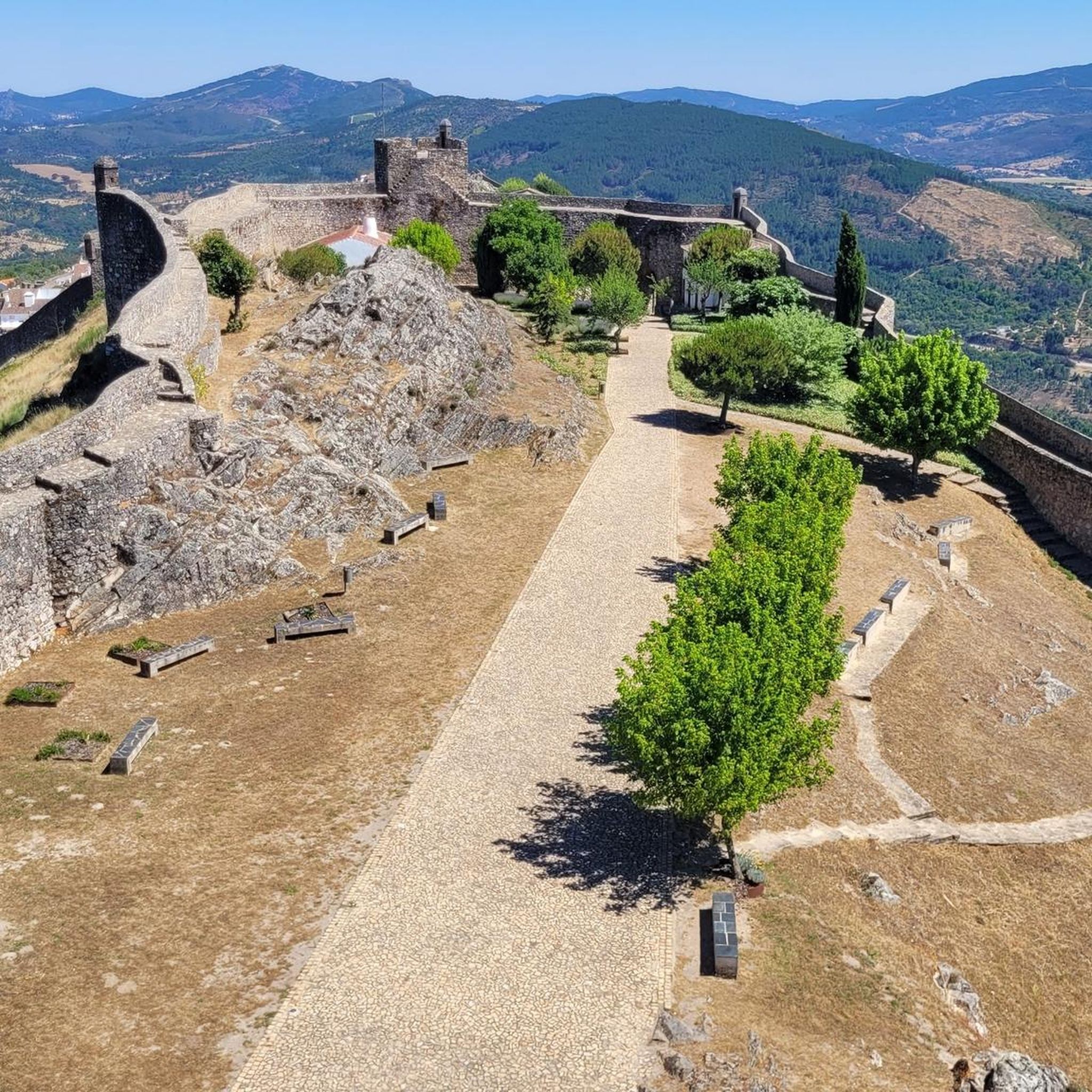
Marvão is dominated by its imposing and well-preserved medieval castle. The fortified walls embrace the entire village, enclosing a maze of narrow cobbled streets, white houses with red roofs and small flower-filled squares. The views from the walls are breathtaking, taking in a vast panorama of hills, valleys and, on a clear day, all the way to the Serra da Estrela mountain range. Marvão is a true open-air museum, preserving the atmosphere and architecture of centuries past. It is on the UNESCO tentative list of potential World Heritage Sites, and is an ideal destination for those seeking history, tranquility and spectacular scenery.
1
0

The Dolmen de la Tapada de Anta is one of the most outstanding megalithic monuments in the region of Valencia de Alcántara, in Extremadura. This dolmen is part of a route that includes several dolmens, known for their good state of conservation and easy access.
8
0

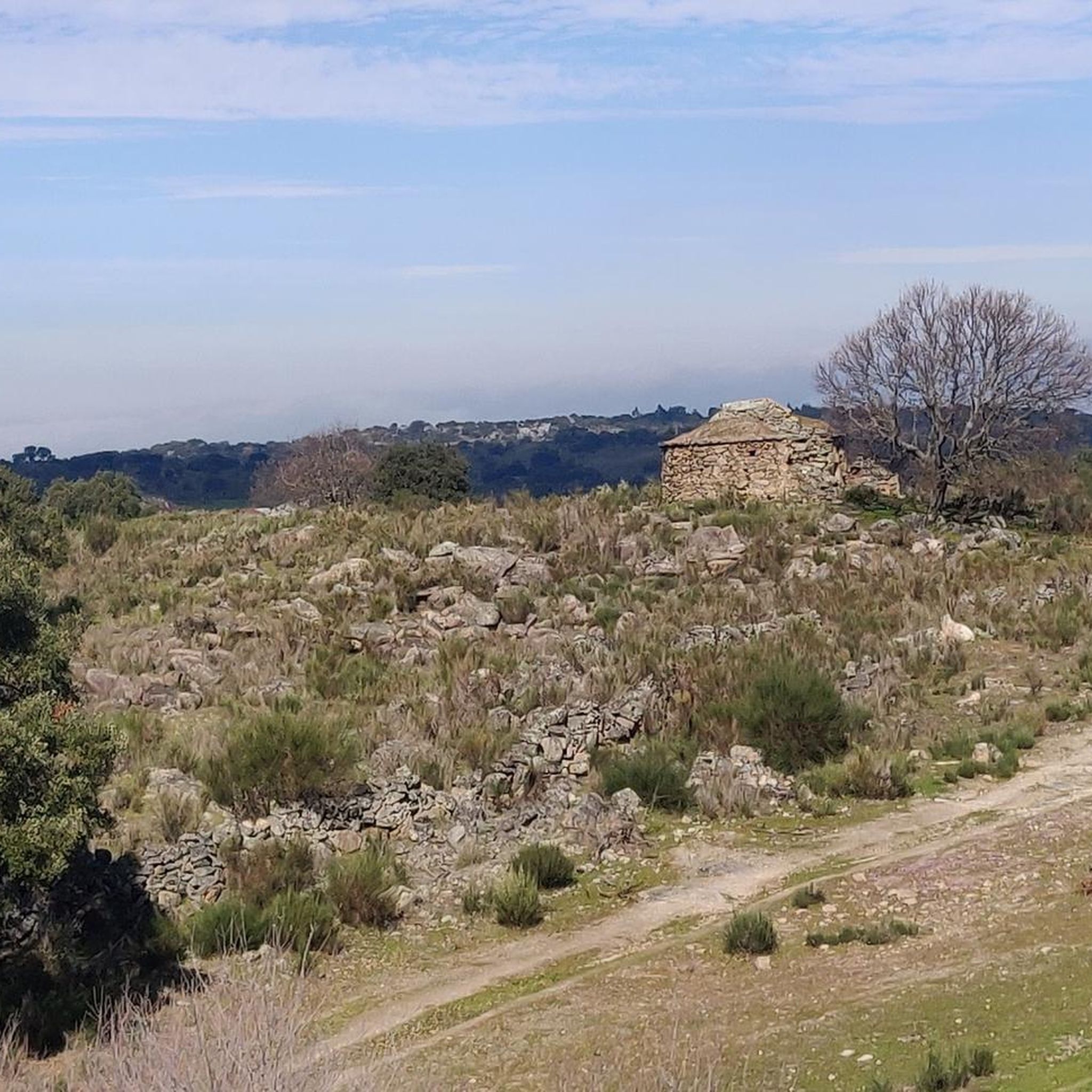
Wonderful route with beautiful vegetation, at the moment blooming gorse, many rounded rocks, partly piled up. There are menhirs, dolmens and ancient dwellings along the route. We were quite surprised by the mysterious atmosphere and the silence over this area.
1
0

The dolmens of Valencia de Alcántara are distributed in various sectors of the municipality within private estates. In most cases they have accesses that can be visited or portholes to reach the megaliths. The funerary monuments are dated to a stage that runs between the Neolithic and the Chalcolithic or Bronze Age, about 5,000/6,000 years ago. In the construction typology there are dolmens with a single chamber or a chamber with a corridor in different states of conservation or restoration. The material used mainly for the large stone slabs (orthostats) is granite, and slate slabs also appear on various monuments.
1
0

Very close to the border with Portugal, this megalithic specimen is one of the best preserved in the area and can be easily reached from Valencia de Alcántara following the Molino de La Negra Route.
6
0

Great view from the castle of Mavão and the surrounding area.
2
0
Frequently Asked Questions
What unique natural features can I explore around Beirã?
The region around Beirã offers diverse natural features. You can visit the dramatic Portas de Ródão Natural Monument, where the Tagus River flows between towering cliffs, a prime spot for birdwatching. Another captivating site is the Fraga de Água d'Alta Waterfall in Oleiros, known for its serene environment and cascading water. Additionally, the Nisa/Lage da Prata Plateau and Ancient Stone Structures feature beautiful vegetation and unique rounded rock formations.
Are there any significant historical or ancient sites among the natural monuments near Beirã?
Yes, the area is rich in historical natural monuments. You can explore the Menir da Meada, one of the largest menhirs on the Iberian Peninsula, offering a connection to ancient history. The Dolmen Tapada de Anta is another well-preserved megalithic monument, and the broader Dolmens of Valencia de Alcántara showcase funerary monuments dating back 5,000 to 6,000 years.
What kind of geological heritage can be found in the Beira Baixa region?
The Beira Baixa region, where Beirã is located, is part of the Naturtejo Geopark, which boasts a rich geological heritage. This includes sites like Penha Garcia, known for its 'Route of the Fossils' where you can observe remarkably preserved trilobite tracks, indicating the area was once beneath the sea 480 million years ago. The unique integration of granite boulders into the architecture of Monsanto village also highlights the region's geological character.
What outdoor activities can I do near these natural monuments?
You can enjoy various outdoor activities. Hiking is popular, with options like easy gravel road loops around Beirã or moderate routes such as the Historic Village of Marvão – Marvão Castle loop. For cyclists, there are road cycling routes, including challenging loops through the Serra de São Mamede Natural Park. You can find more details on these activities in the hiking guide and road cycling guide for the area.
Are there family-friendly natural monuments or activities around Beirã?
Yes, several sites are suitable for families. The Menir da Meada is considered family-friendly, offering an accessible historical experience. The Dolmen Tapada de Anta is also easily reachable and can be an interesting visit for families. Additionally, easy hiking trails around Beirã, such as the 'Beirã – Gravel road loop from Beirã,' are suitable for a family outing. More easy hikes can be found in the easy hikes guide.
What do visitors enjoy most about the natural monuments around Beirã?
Visitors frequently highlight the stunning views and the sense of history. For instance, Marvão Castle is praised for its picturesque setting and extensive views. The Menir da Meada offers a 'silent power' and a 'rare feeling of connection to the land and history.' The mysterious atmosphere and silence of the Nisa/Lage da Prata Plateau are also frequently mentioned.
Can I observe wildlife, especially birds, at these natural monuments?
Yes, the Portas de Ródão Natural Monument is particularly esteemed by nature enthusiasts and is considered a prime location for birdwatching. The dramatic geological formations and the Tagus River create a rich habitat for diverse birdlife, making it an excellent spot for observing local fauna.
Are there any natural monuments that offer panoramic views?
Absolutely. Marvão Castle, though a castle, is situated in a location that offers extensive, picturesque views of the surrounding area. The Portas de Ródão Natural Monument also provides stunning vistas of the Tagus River carving its way through imposing cliffs.
What is the best time to visit the natural monuments around Beirã?
While specific seasonal recommendations vary, the region's natural beauty can be appreciated throughout much of the year. Spring often brings blooming vegetation, as noted by visitors to the Nisa/Lage da Prata Plateau. For outdoor activities like hiking, milder temperatures in spring and autumn are generally ideal.
Are there any natural monuments that are part of a larger geological park?
Yes, several natural monuments in the broader Beira Baixa region are part of the Naturtejo Geopark. This includes sites like the Fraga de Água d'Alta Waterfall and the village of Penha Garcia, known for its geological significance and fossil routes. The Geopark highlights the area's rich geological heritage and unique landscapes.
What kind of trails are available for exploring the natural monuments?
The region offers a variety of trails. For instance, the Fraga de Água d'Alta Waterfall is part of the Georota do Orvalho, a pedestrian trail offering captivating landscapes. The 'Route of the Fossils' in Penha Garcia provides a unique walking experience through geological history. For general hiking, there are easy, moderate, and difficult routes available, including circular options. You can find more information on specific trails in the hiking guide around Beirã.
Most popular attractions around Beirã

Get inspired with the komoot mobile app


Explore more
Extend your search for the best caves by checking out these guides of the top ones around Beirã:
