Top 6 Natural Monuments around Perosinho
Natural monuments around Perosinho offer a blend of local green spaces and historical natural features within the Douro river catchment. The area is characterized by a moderately urbanized environment with hills and agricultural land. While not home to large, nationally designated natural monuments, Perosinho provides opportunities to explore tranquil, moderately rural settings. Visitors can engage with the natural surroundings through local trails and appreciate the region's landscape.
Best natural monuments around Perosinho
- The most popular natural monuments is Chapel of…
Last updated: May 2, 2026
Chapel of Senhor da Pedra (Chapel of the Lord of the Rock)
Highlight • Religious Site
Translated by Google •
Tip by

Infante Dom Henrique Garden
Highlight • Natural Monument
Translated by Google •
Tip by

Sign up now to discover places like this
Get recommendations on the best single tracks, peaks, & plenty of other exciting outdoor places.
Sign up for free
Senhor da Pedra Chapel
Highlight • Religious Site
Translated by Google •
Tip by

Plane Trees at Jardim da Cordoaria
Highlight • Natural Monument
Translated by Google •
Tip by
Jardim de João Chagas 🌳 Porto
Highlight • Natural
Inside you can also see various …
Translated by Google •
Tip by
Sign up for free to discover even more natural monuments around Perosinho.
Sign up for free
Already have an account?
Start today with a free account
Your next adventure awaits.
Login or Signup
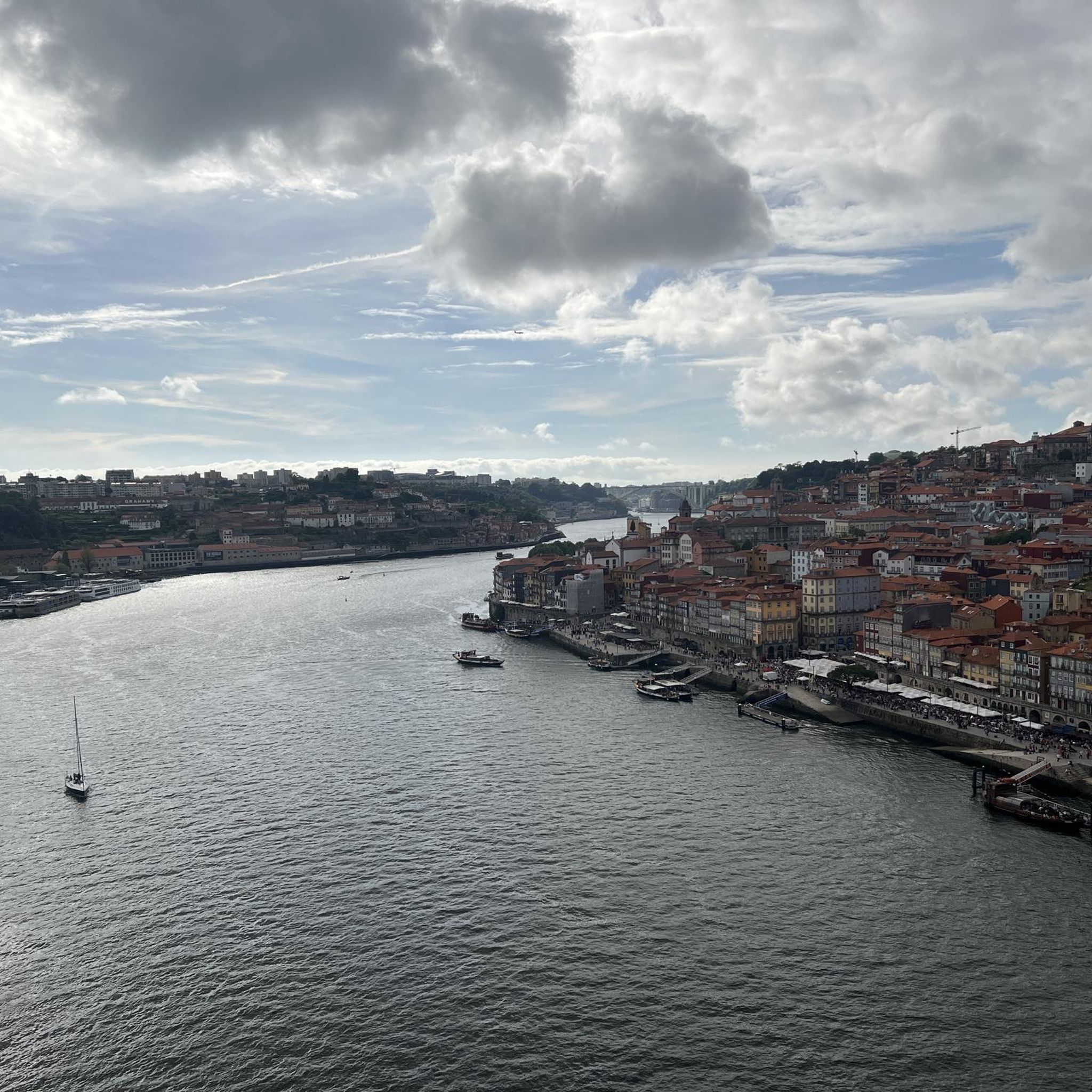
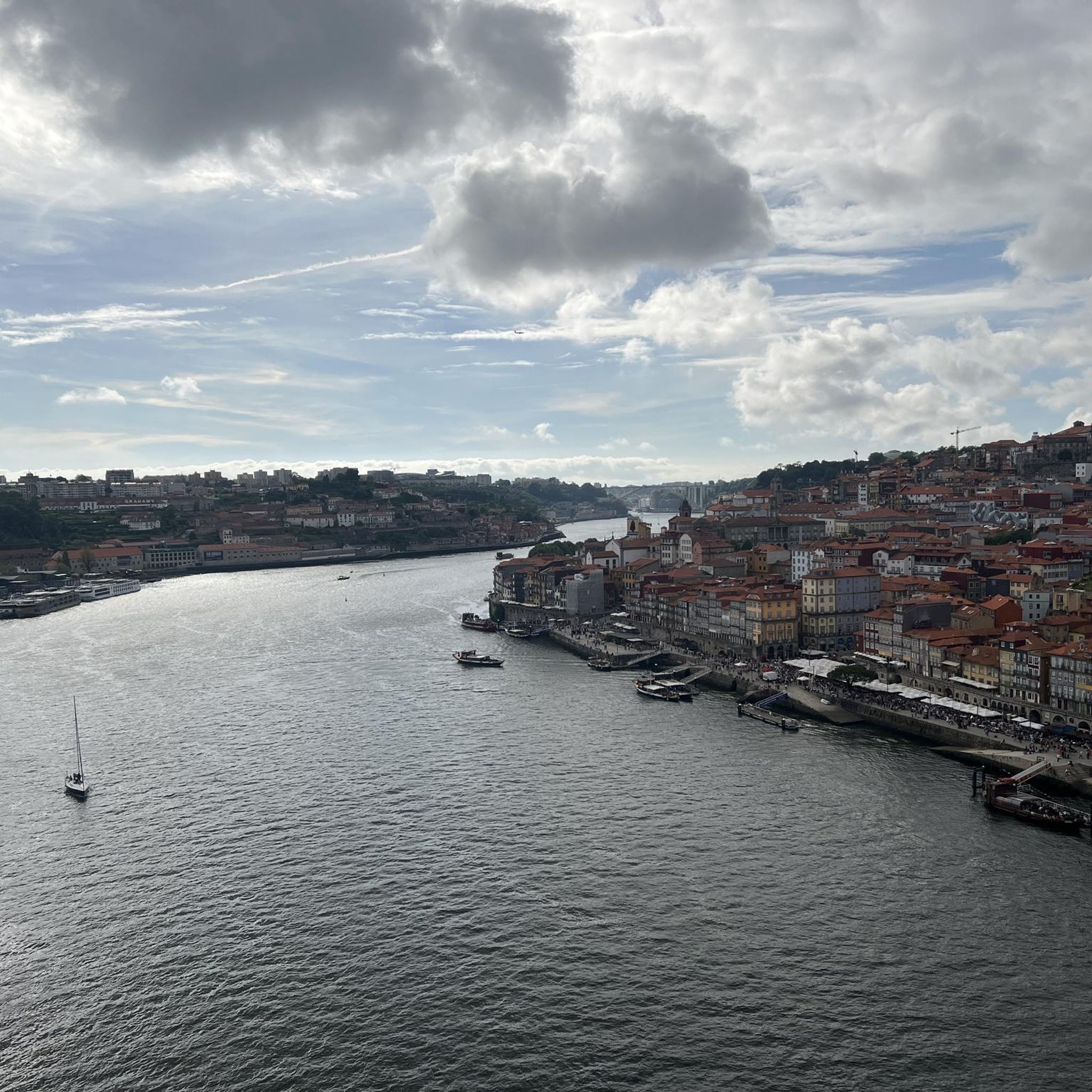
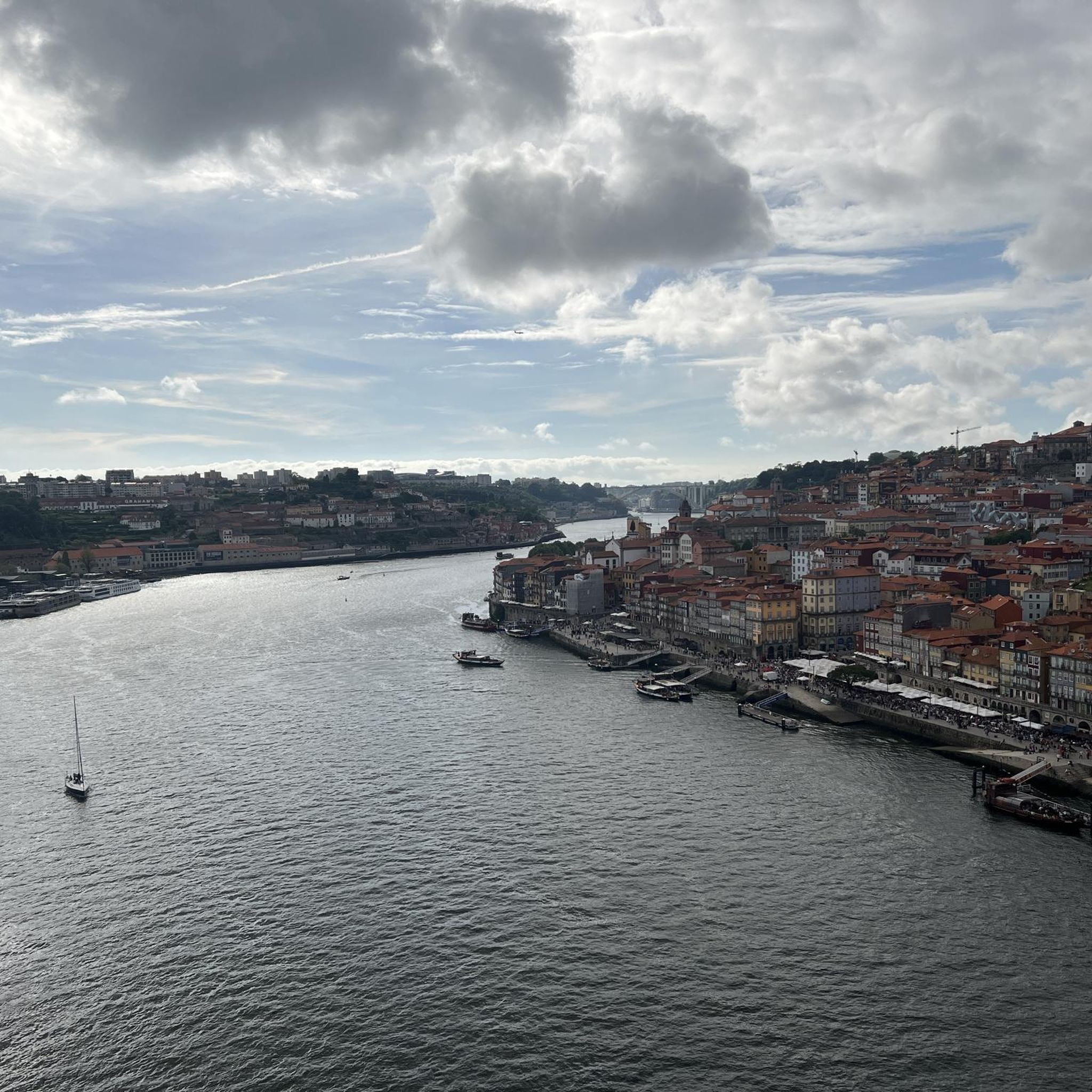
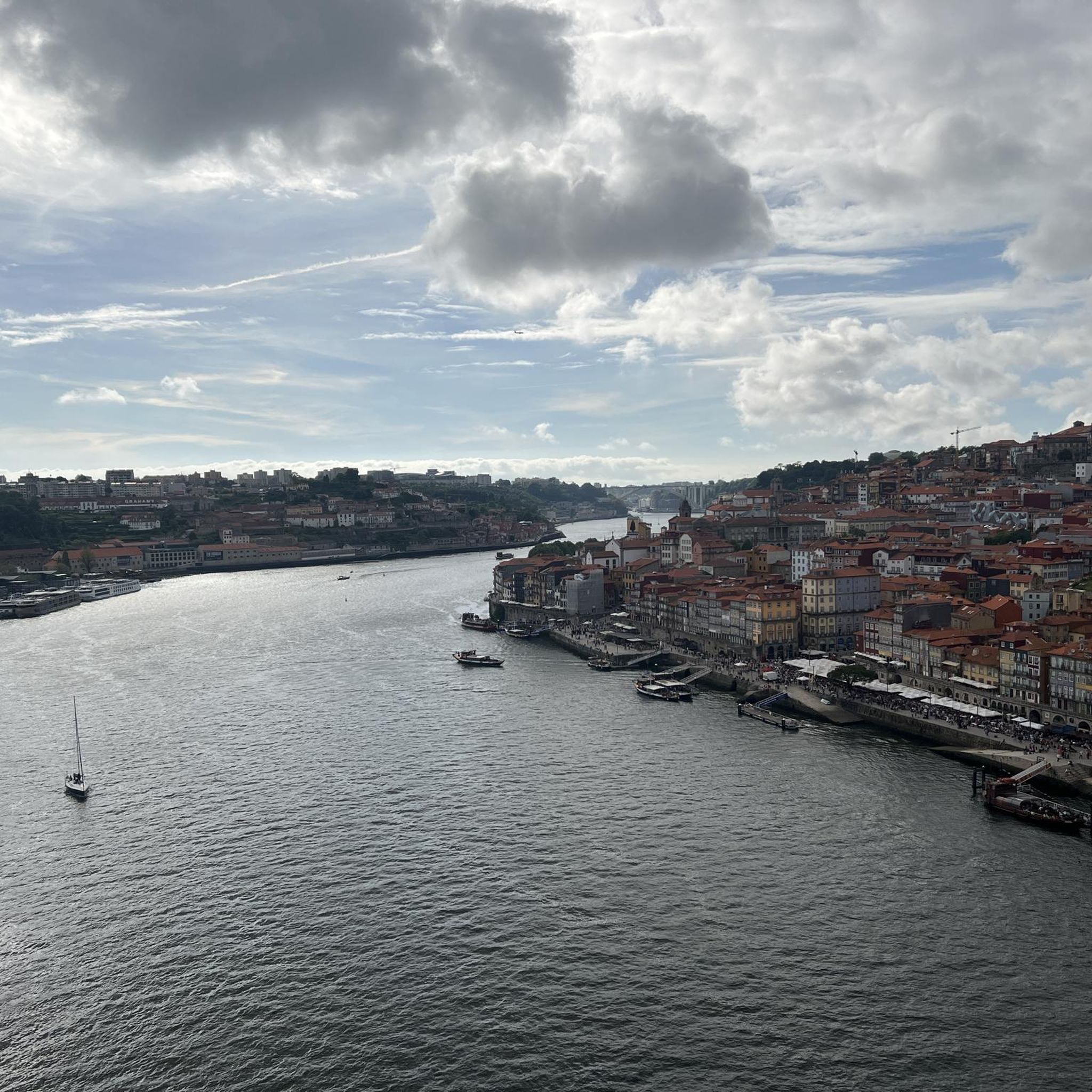

Tips from the Community

The Cordoaria Garden, also known as the João Chagas Garden, is an example of how gardens represent an important nature-based solution in the urban environment. This green space, founded in 1865, combines historical elements with modern sustainable practices. Recently, a requalification was carried out that included improving the rainwater drainage system, replacing public lighting with more efficient options, and restoring and waterproofing the existing lake. In addition, the replacement of pavements with gravel and the planting of new landscaped areas reinforce support for local biodiversity and promote rainwater infiltration, reducing the risk of flooding in the area. This garden has about 160 trees, several classified as being of public interest, namely the Plane Tree Avenue, the Linden Tree Walk, American Oaks (some centuries old), Araucarias, Cedars and Sequoias, which throughout the year present its visitors with various colors and contrasts. Beyond its environmental function, it also has an important social function, being a thoroughfare for many visitors and residents, surrounded by a museum, university campuses, a hospital, and important tourist attractions in the city. It is a true green lung in the urban center of Porto. Various cultural events and activities take place in this garden, combining nature with the various needs of the population in that area. Ecological functions Improvement of quality of life; Promotion of biodiversity; Reduction of extreme weather events; Noise reduction; Regulation of air quality; Temperature regulation; Regulation of floods and inundations; Carbon sequestration
1
0

The plane trees in the Jardim da Cordoaria in Porto are one of the most striking features of this historic park. These are specimens of Platanus × hispanica (European plane), planted in the 19th century, which form two monumental rows along the garden's paths.
3
0

Cool view of a beautiful house
1
0
The Capela do Senhor da Pedra is one of Portugal's most iconic and photogenic chapels, located on a rocky promontory on Miramar Beach in Vila Nova de Gaia, about a 20-minute drive from downtown Porto.
1
0

I recommend it very beautiful
1
0

The lower part of the trunks is massively thickened. Is this a tree disease or what's going on here?
0
1

Stunning chapel on the beach – what is often overlooked is that this rock was a sacred place for worship for generations before christianity / catholicism built here. There is a real presence and energy about this place. Visit in the early morning to avoid the crowds, and enjoy a moment of quiet. Sunset is pretty much always busy here.
1
1
In the coastal village of Miramar, in Gulpilhares, Vila Nova de Gaia, stands a small chapel built on top of a rock, facing away from the sea. Small but monumental, fragile but strong, unreal and yet true, that is the beautiful Capela do Senhor da Pedra. Looking from afar, it seems as if the Atlantic will swallow it up on the first stormy night, but three centuries have passed since its construction, and it remains standing firm. Perhaps it is because of the rock on which it stands - a place of worship for over two thousand years. As the inscription on the tile mosaic framed at the entrance to the chapel attests, the giant stone originally housed a pagan temple, possibly Celtic. When Christianity arrived in Portugal, efforts were made to Christianise the territory and free it from its pagan roots. The site where the Capela do Senhor da Pedra now stands was then chosen to "reclaim" the land from heretics, but despite the conversion to the Christian faith, secret ceremonies linked to pagan worship still take place on full moon nights. It is said that it is common to find melted candles left by neo-pagan worshippers on the rocks and sand next to the chapel, but I did not see any.
0
0
Frequently Asked Questions
What are the most notable natural features to explore around Perosinho?
While Perosinho doesn't have large, nationally designated natural monuments, its appeal lies in local green spaces, a hilly agricultural landscape, and proximity to the Douro river catchment. You can explore areas like the Infante Dom Henrique Garden, which offers a harmonious blend of nature and history, or the urban green lung of Jardim de João Chagas 🌳 Porto with its lush environment and sculptures.
Are there any unique natural monuments with historical significance near Perosinho?
Yes, the Chapel of Senhor da Pedra (Chapel of the Lord of the Rock) is a remarkable site. It's a religious building and natural monument situated on rocks in the middle of a beach. It's believed to have origins in an ancient pagan cult, later converted to Christianity, offering extraordinary scenery and a deep historical context.
What kind of outdoor activities can I do near Perosinho's natural monuments?
The area around Perosinho offers various outdoor activities, particularly hiking and running. You can find numerous trails, such as the 'Aguda Dunes Park – Aguda loop from Miramar' or the 'Praia de Brito ⛱️ – Chapel of Senhor da Pedra loop from São Félix da Marinha'. For more options, explore the Hiking around Perosinho guide or the Running Trails around Perosinho guide.
Are there family-friendly natural monuments or green spaces in the Perosinho area?
Absolutely. Several natural monuments are considered family-friendly. The Infante Dom Henrique Garden and Jardim de João Chagas 🌳 Porto are both great for families, offering pleasant pathways and green spaces for strolls. The Chapel of Senhor da Pedra, located on a beach, also provides a unique and engaging experience for all ages.
Where can I find impressive trees or unique flora in the region?
The Plane Trees at Jardim da Cordoaria (also known as Jardim de João Chagas) are a striking feature. These 19th-century European plane trees form monumental rows, with some having massively thickened lower trunks. The garden itself boasts about 160 trees, including centuries-old American Oaks, Araucarias, Cedars, and Sequoias, contributing significantly to local biodiversity.
What is the best time to visit the natural monuments around Perosinho?
While specific seasonal recommendations aren't detailed for all sites, the Chapel of Senhor da Pedra hosts a large pilgrimage every year, starting on the Sunday of the Most Holy Trinity (a movable holiday in June) and lasting three days. This period offers a vibrant cultural experience alongside the natural beauty. Generally, spring and autumn provide pleasant weather for exploring green spaces and trails.
Are there any easy hiking trails to natural monuments near Perosinho?
Yes, there are several easy hiking options. For instance, the 'Praia de Brito ⛱️ – Chapel of Senhor da Pedra loop from São Félix da Marinha' is an easy 6 km route. Another easy option is the 'Stone Mill loop from Miramar'. You can find more easy trails in the Easy hikes around Perosinho guide.
What kind of landscape can I expect to see in Perosinho?
Perosinho is characterized by a moderately urbanized environment with agriculture as a predominant land use. You'll find a pastoral landscape with rolling hills, offering scenic views and a glimpse into the region's agricultural heritage. The area is also influenced by its proximity to the Douro river catchment.
Is there parking available near the natural monuments?
For the Infante Dom Henrique Garden, there is an underground car park available, making it convenient for visitors. For other sites, parking availability may vary, but many urban parks and coastal areas typically have nearby public parking options.
What do visitors particularly enjoy about the natural monuments in this region?
Visitors appreciate the blend of natural beauty with historical and cultural elements. The extraordinary scenery of the Chapel of Senhor da Pedra on the beach is highly praised. People also enjoy the serene escape offered by gardens like Infante Dom Henrique Garden, with its lush greenery and inviting pathways, and the pleasant urban environment of Jardim de João Chagas.
Are there any natural water bodies or reservoirs near Perosinho?
Yes, the Albufeira do Torrão (reservoir) is located approximately 2 km east-southeast of Perosinho. This body of water covers 3.4 square kilometers and offers opportunities for relaxation and enjoying waterside scenery, though specific details about public access or recreational activities should be checked locally.
Most popular attractions around Perosinho

Get inspired with the komoot mobile app


Explore more
Extend your search for the best caves by checking out these guides of the top ones around Perosinho:
