Top 8 Natural Monuments around Monsanto
Natural monuments around Monsanto feature diverse geological formations and natural landscapes. This region offers a variety of natural attractions, including extensive cave systems, elevated viewpoints, and scenic hiking trails. The area is characterized by its natural features, providing opportunities for exploration and outdoor activities. These monuments showcase the natural beauty and geological significance of the Monsanto region.
Best natural monuments around Monsanto
- The most popular natural monuments is PR3 Hiking Trail – Serras de Aire e Candeeiros Natural Park,…
Last updated: June 30, 2026
PR3 Hiking Trail – Serras de Aire e Candeeiros Natural Park
Highlight • Trail
Translated by Google •
Tip by

Peão Fountain - Monsanto
Highlight • Natural Monument
Translated by Google •
Tip by

Sign up now to discover places like this
Get recommendations on the best single tracks, peaks, & plenty of other exciting outdoor places.
Sign up for free
Grutas de Mira de Aire
Highlight • Cave
The first gallery of this system of caves was discovered by locals in 1947. Of …
Tip by

Geodetic Vertex of Serra de Aire
Highlight • Summit
Translated by Google •
Tip by

View of the Polje de Minde
Highlight • Viewpoint
Translated by Google •
Tip by
Sign up for free to discover even more natural monuments around Monsanto.
Sign up for free
Already have an account?
Start today with a free account
Your next adventure awaits.
Login or Signup

Tips from the Community

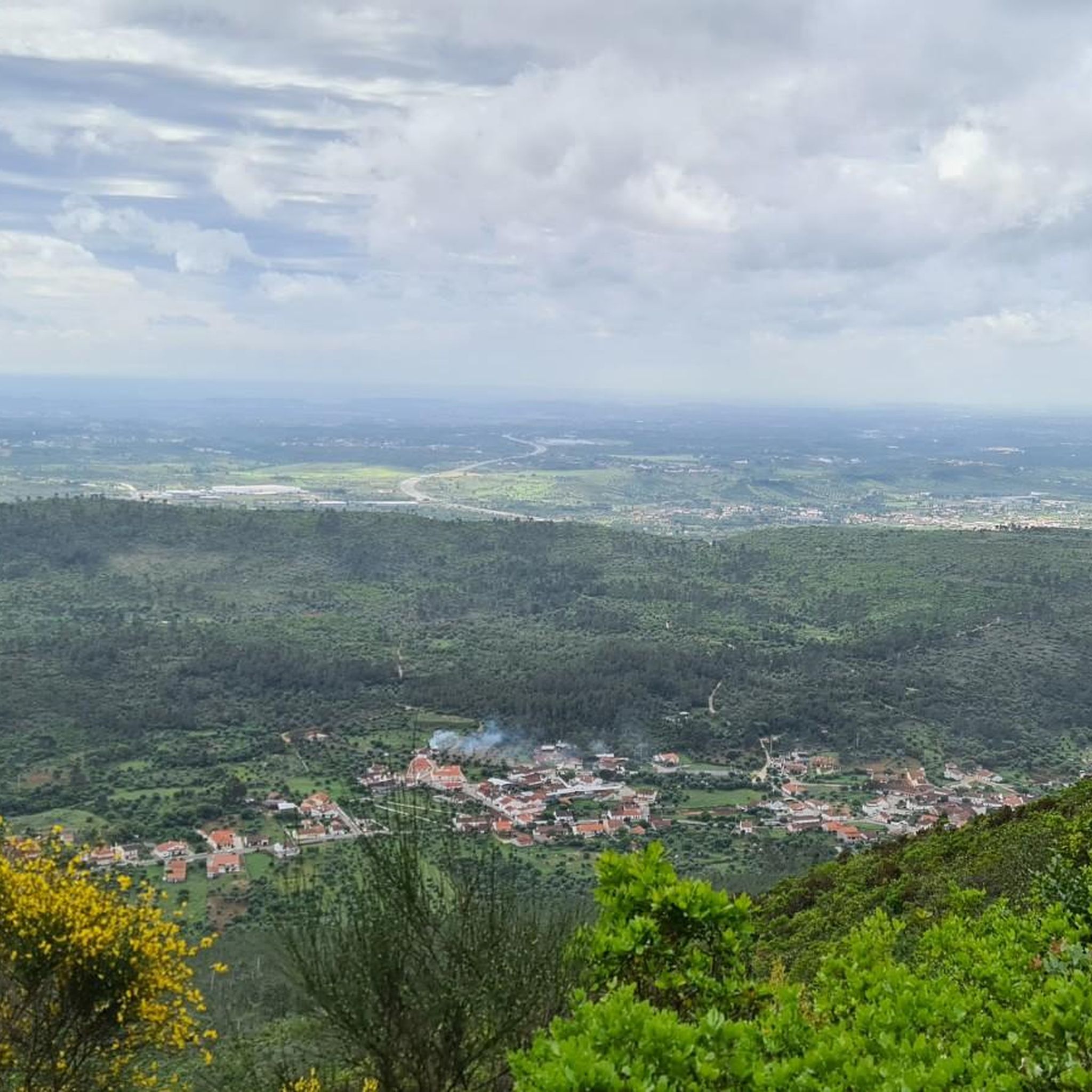
From the top of the mountain, a breathtaking natural landscape opens up before you: the Polje de Minde, also known as the Minde Sea, stretches out in shades of green and water, a rare wetland nestled between hills. In the background, the São Mamede plateau and the undulating silhouette of the Serra d’Aire stand out.
1
0
The Serra de Aire stands as the highest point of the Estremenho Limestone Massif, crowning its 678 metres at the geodesic vertex. Up here, the horizon opens up generously: to the south stretches the Tertiary Tagus Basin, lowered by the Arrife thrust and marked by ochre tones of sand and clay; to the west and southwest rise the Santo António plateau and the Serra dos Candeeiros. And if the sky cooperates, the view also reaches Montejunto, the sea in the distance and, to the north, the highlands of São Mamede up to Ourém and Fátima.
1
0

While this was my second visit, I've enjoyed it as much as the first one! The first gallery of this system of caves was discovered by locals in 1947. Of course people were curious and had to investigate further. What is known today is that the cave reaches 11 Kilometers in length which makes it the biggest and most important in Portugal. The formation of the cave goes back 150 million years to the middle Jurassic age when dinosaurs inhabited this region. They found traces of species who inhabited these caves, some of it on display. A part of the cave-system was opened to the public in 1974 with many improvements in safety for the visitors in later years. At one point colored lights found their way in with some spectacular and dramatic effects. My photos inside the cave are in the wrong order, not sure how to interchange them or what I've done wrong when uploading, sorry!
1
0

The Fonte do Peão, built in 1884, is one of the symbols of the parish of Monsanto. It is covered in tiles that depict rural life. The water in the Fonte do Peão comes from a spring and flows regularly throughout the year. According to information obtained from local residents, the water is good for human consumption and is used as a source of water for the many travellers who pass through there.
2
0

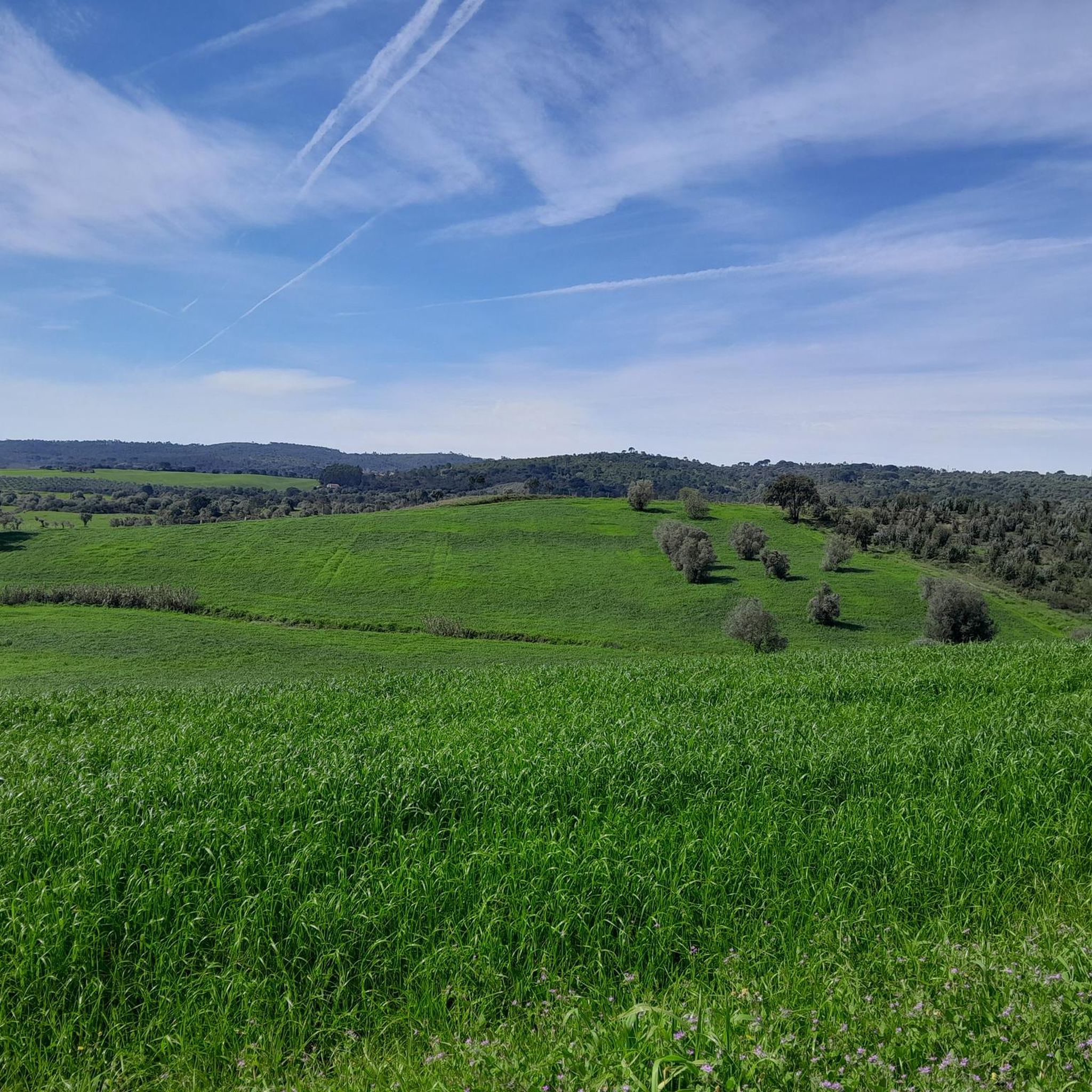
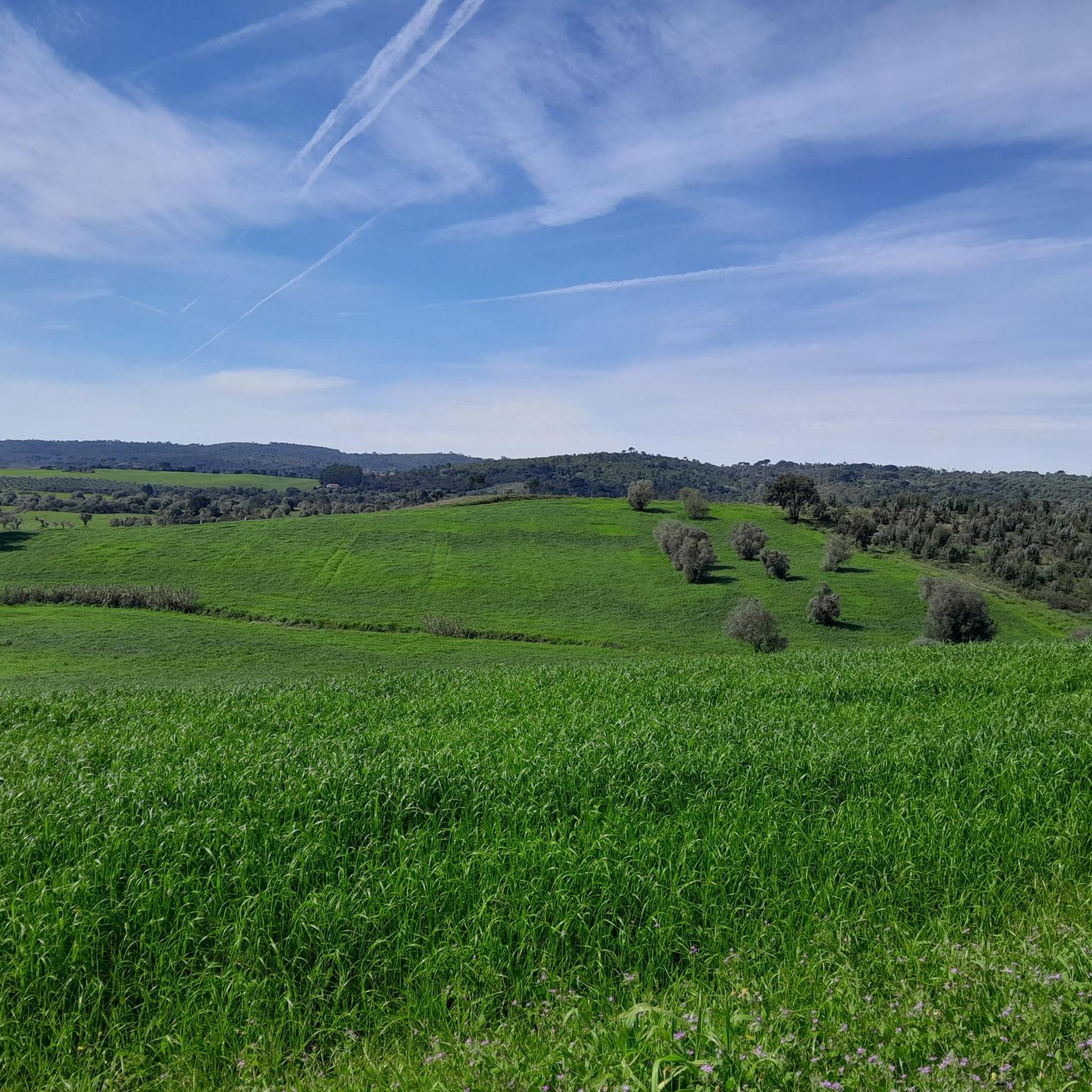
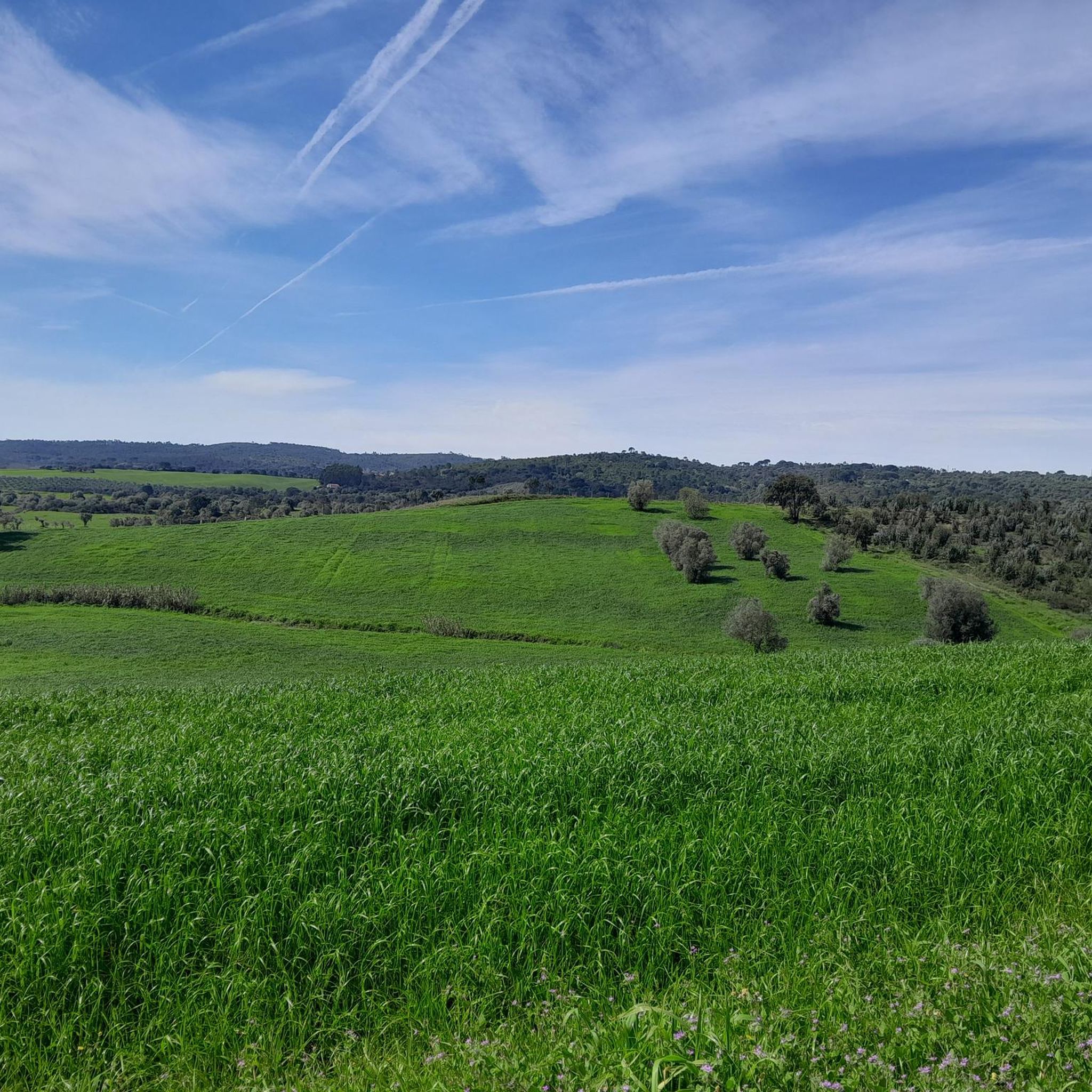
It was more by chance that we came across the hiking trail PR3. A very nice tour with many natural spectacles. However, we started from the parking space in Sao Bento and then followed the signs in the direction of Sao Bento. At the intersection of Costa de Alvados, we decided to stay up there on the heights. The PR3 path described starts in Alvados and ends there. However, since it is an estimated 150 meters down to Alvados and then up again, we stayed up. The view from up here is fantastic.
2
0
Frequently Asked Questions
What are the most notable natural features to explore around Monsanto?
The region around Monsanto is rich in diverse natural features. You can explore impressive cave systems like Grutas de Mira de Aire, which is Portugal's largest and most significant cave, featuring formations dating back 150 million years. Additionally, the village of Monsanto itself is a natural monument, famous for its houses built directly into and around colossal granite boulders. Panoramic viewpoints, such as the Geodetic Vertex of Serra de Aire, offer expansive views of the surrounding landscape.
Are there family-friendly natural monuments or activities in the Monsanto area?
Yes, several natural monuments are suitable for families. The Grutas de Mira de Aire offer an accessible and fascinating underground experience for all ages. The Peão Fountain - Monsanto, with its historical tiles depicting rural life and consistent spring water, is also a pleasant stop for families. The unique architecture of Monsanto village, with its boulder houses, is often captivating for children.
What kind of hiking trails can I find near Monsanto's natural monuments?
The area offers a variety of hiking experiences. The PR3 Hiking Trail – Serras de Aire e Candeeiros Natural Park is a popular choice, offering a tour with many natural spectacles and fantastic views from its heights. For those seeking more challenging geological exploration, the Algar da Cerejeira is a remarkable, challenging karst formation. You can find more detailed hiking routes in the region by exploring the hiking guides around Monsanto.
What is the historical significance of Monsanto village as a natural monument?
Monsanto village is unique for its harmonious coexistence of human settlement and natural rock formations. Its houses are integrated directly into, around, and on top of colossal granite boulders, a building style that dates back centuries. This ancient village, with origins in the Old Stone Age and a strategic defensive location, offers a rare glimpse into a way of life where the natural landscape dictated its layout, preserving its medieval appearance and historical depth.
Are there opportunities for wildlife spotting near the natural monuments?
While the immediate area around Monsanto village is more focused on geological and architectural wonders, the broader region offers nature observation. If you venture towards Lisbon, the Monsanto Forest Park is known for its biodiversity, including red squirrels, rabbits, owls, and bats, making it a great spot for bird watching and nature observation within an urban setting.
What are the best viewpoints to experience the natural beauty around Monsanto?
For breathtaking panoramic views, the Geodetic Vertex of Serra de Aire is an excellent choice, offering expansive vistas of the Tertiary Tagus Basin, the Santo António plateau, and the Serra dos Candeeiros. The Castle of Monsanto, perched at the highest point of Monsanto village, also provides exceptional views of the surrounding Portuguese countryside, including the distant Serra da Estrela mountain range.
What other outdoor activities can I do near the natural monuments around Monsanto?
Beyond hiking, the region around Monsanto offers various outdoor activities. You can explore numerous mountain biking trails, road cycling routes, and running trails. For specific routes and their difficulty levels, you can check out the MTB Trails around Monsanto, Road Cycling Routes around Monsanto, and Running Trails around Monsanto guides.
What is the 'Gruta' in Monsanto village?
The Gruta, or Grotto, in Monsanto village is a natural boulder cave that has become a point of interest. It's one of the many natural formations integrated into the village's unique landscape, showcasing how the community has adapted to and utilized the colossal granite rocks over centuries.
Is there a significant natural park in Lisbon related to Monsanto?
Yes, Monsanto Forest Park in Lisbon is a significant natural monument, often referred to as 'Lisbon's lungs.' It's one of the largest urban forests in Europe, covering over fifty hectares with eucalyptus, oak, and pine trees. It provides a vital natural retreat from the city, offering trails for hiking and cycling, and opportunities for nature observation. For more information, you can visit Visit Lisboa's page on Monsanto Forest Park.
What makes the Peão Fountain in Monsanto special?
The Peão Fountain - Monsanto, built in 1884, is a symbolic natural monument in the parish. It is adorned with tiles depicting rural life and is notable for its consistent water source from a natural spring, flowing regularly throughout the year. Locals often attest to the water's quality, making it a popular stop for travelers.
What geological formations are prominent in the region?
The region is characterized by significant geological formations, particularly karst landscapes. This includes extensive cave systems like Grutas de Mira de Aire and vertical sinkholes such as Algar da Cerejeira. These formations are a result of the erosive action of water on limestone, creating fascinating underground and surface features that offer a glimpse into the Earth's geological history.
Most popular routes around Monsanto
Most popular attractions around Monsanto

Get inspired with the komoot mobile app


Explore more
Extend your search for the best caves by checking out these guides of the top ones around Monsanto:
