Top 8 Natural Monuments around Pedrógão
Best natural monuments around Pedrógão are characterized by diverse landscapes, including river valleys, dense forests, and significant geological formations. The region, particularly Pedrógão Grande and Pedrógão Pequeno, features picturesque river landscapes and lush forests. It offers a variety of natural attractions for outdoor exploration. The Zêzere River is a dominant natural feature, shaping the landscape and providing recreational opportunities.
Best natural monuments around Pedrógão
- The most popular natural monuments is Serras de Aire e Candeeiros Natural Park, a natural…
Last updated: June 30, 2026
Serras de Aire e Candeeiros Natural Park
Highlight (Segment) • Natural Monument
Tip by

Peão Fountain - Monsanto
Highlight • Natural Monument
Translated by Google •
Tip by

Sign up now to discover places like this
Get recommendations on the best single tracks, peaks, & plenty of other exciting outdoor places.
Sign up for free
Grutas de Mira de Aire
Highlight • Cave
The first gallery of this system of caves was discovered by locals in 1947. Of …
Tip by

Cimo da Lagoa
Highlight • Viewpoint
Translated by Google •
Tip by

Geodetic Vertex of Serra de Aire
Highlight • Summit
Translated by Google •
Tip by
Sign up for free to discover even more natural monuments around Pedrógão.
Sign up for free
Already have an account?
Start today with a free account
Your next adventure awaits.
Login or Signup
Tips from the Community

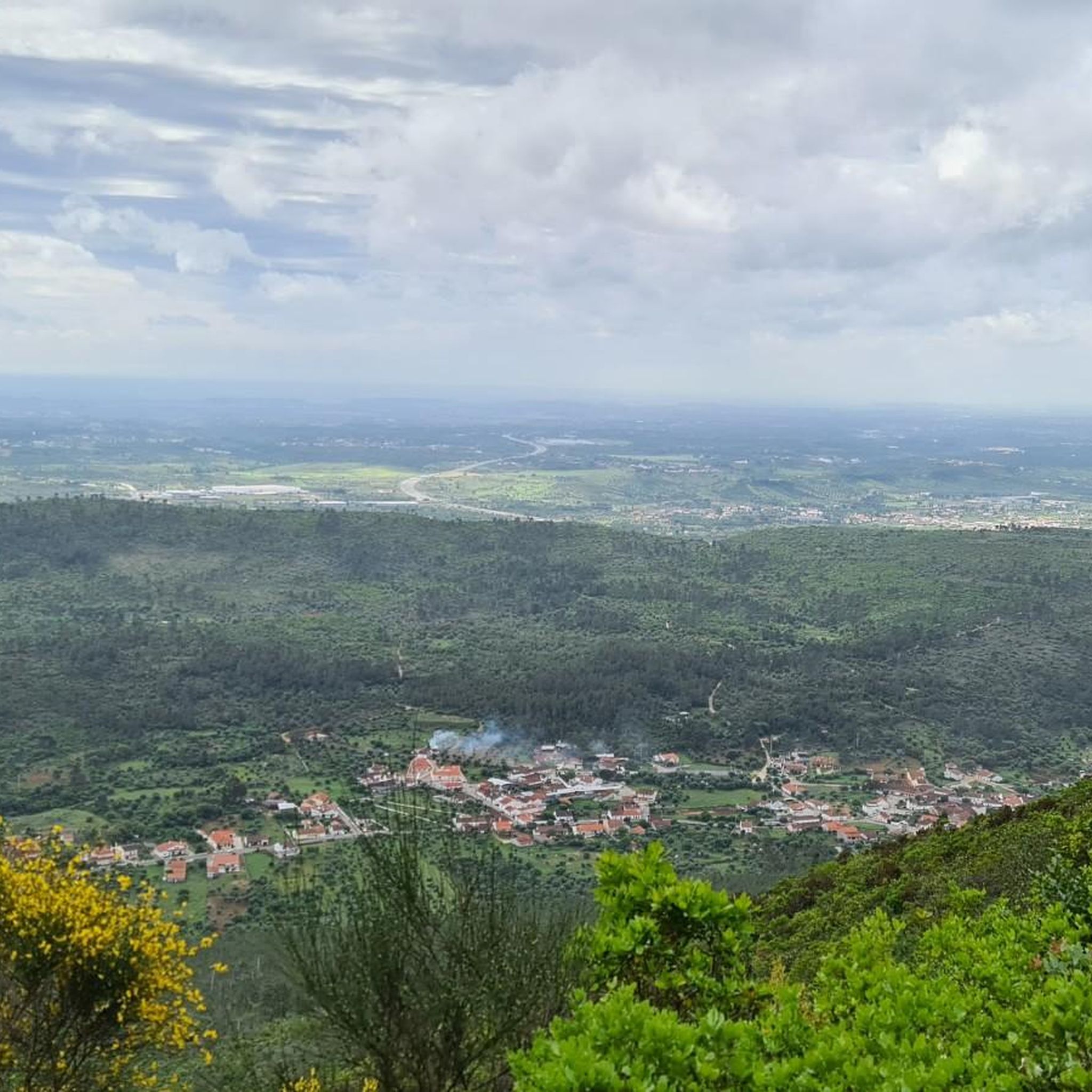
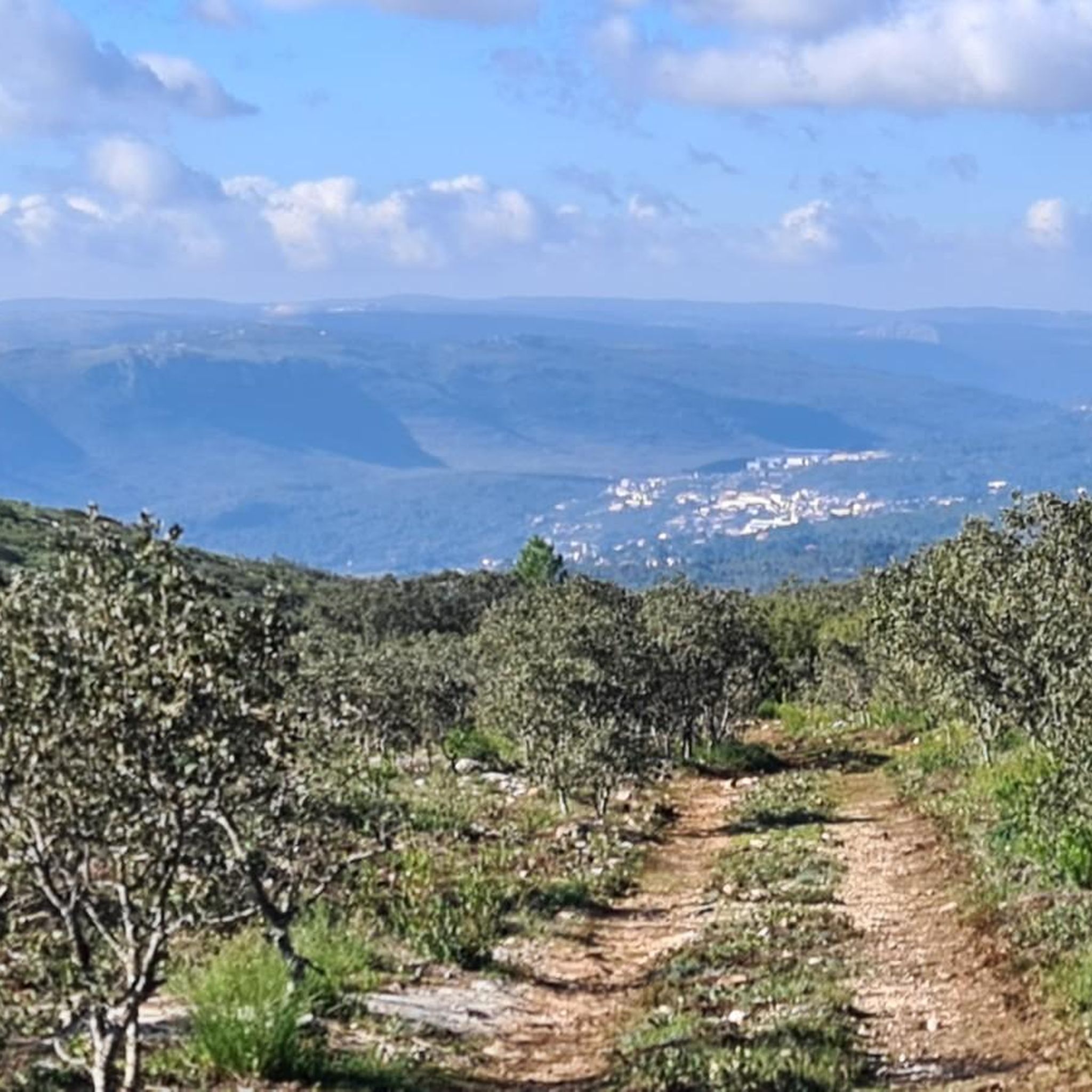
The Serra de Aire stands as the highest point of the Estremenho Limestone Massif, crowning its 678 metres at the geodesic vertex. Up here, the horizon opens up generously: to the south stretches the Tertiary Tagus Basin, lowered by the Arrife thrust and marked by ochre tones of sand and clay; to the west and southwest rise the Santo António plateau and the Serra dos Candeeiros. And if the sky cooperates, the view also reaches Montejunto, the sea in the distance and, to the north, the highlands of São Mamede up to Ourém and Fátima.
1
0
From the top of the lake, amidst the lush greenery, you can see what was once the scene of giants: the Dinosaur Footprints Natural Monument stretches out nearby, revealing the grandeur of times gone by. This is the highest point in the area, ideal for contemplating the vastness of the site. For those who enjoy running, the trails here are pure pleasure — to the north, dirt roads invite you to run at a smooth pace; to the south, the rocky terrain brings a touch of challenge. And the landscape, wide and serene, is the perfect bonus for every step.
2
1

While this was my second visit, I've enjoyed it as much as the first one! The first gallery of this system of caves was discovered by locals in 1947. Of course people were curious and had to investigate further. What is known today is that the cave reaches 11 Kilometers in length which makes it the biggest and most important in Portugal. The formation of the cave goes back 150 million years to the middle Jurassic age when dinosaurs inhabited this region. They found traces of species who inhabited these caves, some of it on display. A part of the cave-system was opened to the public in 1974 with many improvements in safety for the visitors in later years. At one point colored lights found their way in with some spectacular and dramatic effects. My photos inside the cave are in the wrong order, not sure how to interchange them or what I've done wrong when uploading, sorry!
1
0

The Fonte do Peão, built in 1884, is one of the symbols of the parish of Monsanto. It is covered in tiles that depict rural life. The water in the Fonte do Peão comes from a spring and flows regularly throughout the year. According to information obtained from local residents, the water is good for human consumption and is used as a source of water for the many travellers who pass through there.
2
0

Fátima is a city in central Portugal that houses the Sanctuary of Fátima, a place of Catholic pilgrimage. The Capelinha das Aparições marks the spot where the Virgin Mary allegedly appeared in 1917. Other sacred sites include the Basilica of Nossa Senhora do Rosário, with its golden angels, and the modern Church of the Holy Trinity. The Museum of Sacred Art and Ethnology displays religious artefacts.
2
0

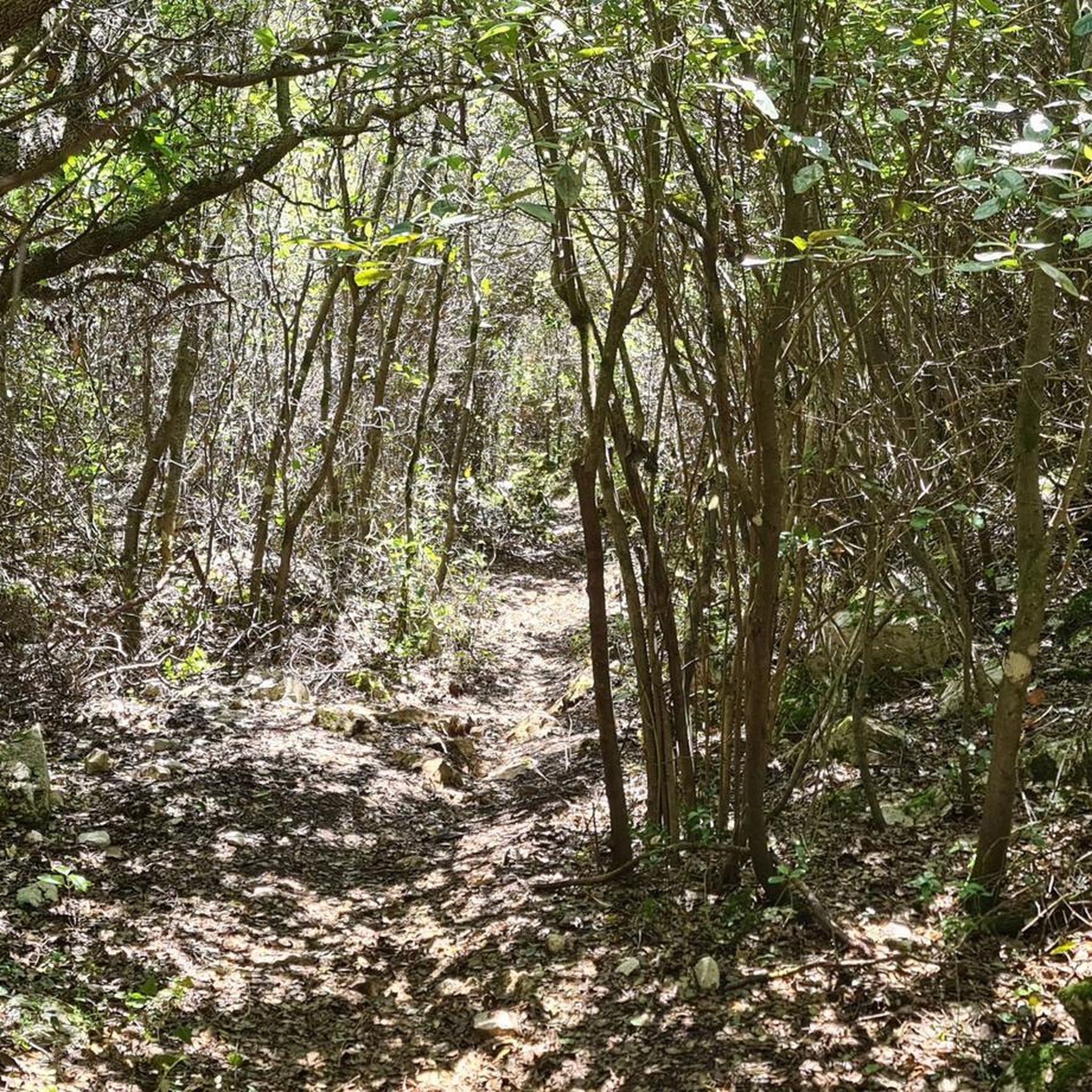
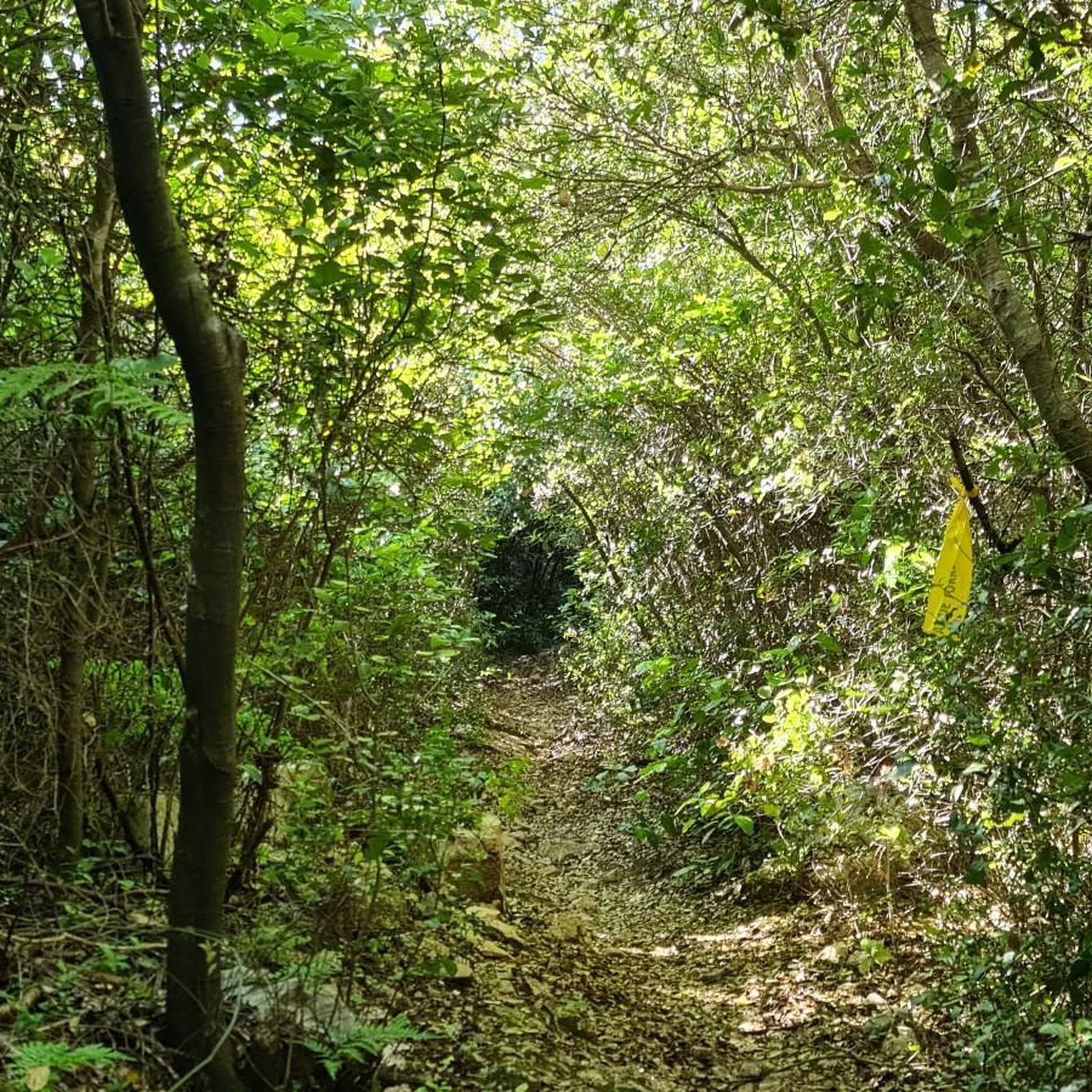
Get ready to climb the mountain, enjoy the landscape to Torres Novas on your right.
2
0
Frequently Asked Questions
What are some of the most significant natural monuments to visit in the Pedrógão region?
The Pedrógão region offers a variety of natural monuments. Beyond the well-known Serras de Aire e Candeeiros Natural Park and the impressive Grutas de Mira de Aire, you can explore the dramatic meanders and canyon of the Zêzere River, which are recognized for their geological significance. The imposing rock formations of Penedos de Góis and Penedos de Fajão also offer spectacular panoramic views.
What unique geological features can I explore around Pedrógão?
The Pedrógão region is rich in geological wonders. The Zêzere River is a dominant feature, with its UNESCO-classified meanders and the significant Zêzere Canyon, providing insights into the area's geological history. The Grutas de Mira de Aire, Portugal's largest cave system, showcases formations from the Middle Jurassic age, dating back 150 million years.
Are there any natural parks or protected areas near Pedrógão?
Yes, the region is home to the Serras de Aire e Candeeiros Natural Park, which is known for its climbs and diverse natural features, offering expansive views towards Torres Novas. This park is a significant natural monument in the area.
What outdoor activities can I enjoy near the natural monuments in Pedrógão?
The Pedrógão region is ideal for various outdoor activities. You can enjoy hiking, running, and cycling on numerous trails. The Zêzere River and its reservoirs (Cabril and Bouçã Dams) are perfect for water sports, fishing, and picnicking. For specific routes, you can find many options for hiking, running, and cycling around Pedrógão.
Are there hiking trails suitable for different skill levels around Pedrógão's natural monuments?
Yes, the region offers hiking trails for various skill levels. You can find ancient trails along the Zêzere River, some dating back to prehistoric or Roman times, ranging from short walks to longer excursions. For example, there are easy hiking loops like the 6.8 km 'Hiking loop from Minde' and moderate options such as the 10.8 km 'Hiking loop from Cantinho dos Charutos'. You can explore more hiking routes here.
Are there family-friendly natural monuments or activities in Pedrógão?
Absolutely. The river beaches like Praia Fluvial do Cabril and Praia Fluvial do Mosteiro are excellent for families, offering safe swimming and picnicking spots. The Peão Fountain - Monsanto is a charming man-made monument with historical tiles depicting rural life, and the Grutas de Mira de Aire cave system is also considered family-friendly, providing an engaging educational experience.
What is the best time of year to visit Pedrógão for nature exploration?
The warmer months are ideal for enjoying the river beaches and water sports. However, the diverse landscapes, including dense pine forests and impressive rock formations, offer year-round opportunities for hiking and outdoor activities. Spring and autumn provide pleasant temperatures for exploring trails, while summer is perfect for cooling off at the river beaches.
Where can I find impressive viewpoints in the Pedrógão area?
For breathtaking views, head to the Cimo da Lagoa, which is the highest point in its area and offers a vast, serene landscape. The Geodetic Vertex of Serra de Aire, at 678 meters, provides expansive horizons, including views of the Tagus Basin, the Santo António plateau, and on clear days, even the sea in the distance. The Penedos de Góis and Penedos de Fajão also offer panoramic vistas.
What are the river beaches like in the Pedrógão region?
The Pedrógão region is famous for its charming river beaches, which are perfect for relaxation and water activities. Notable examples include Praia Fluvial do Cabril, Praia Fluvial da Mega Fundeira, and Praia Fluvial do Mosteiro. These spots, often fed by the Zêzere River, provide tranquil settings for swimming and enjoying nature. Additionally, Praia do Pedrógão is the only seaside beach in the municipality of Leiria, featuring a long sandy stretch with dunes and a rocky outcrop.
Are there any historical or cultural sites integrated with the natural monuments?
Yes, the region blends natural beauty with historical elements. The Peão Fountain - Monsanto, built in 1884, is a man-made monument covered in tiles depicting rural life, with water from a natural spring. Additionally, many ancient hiking trails along the Zêzere River, some with prehistoric or Roman origins, allow visitors to immerse themselves in both natural beauty and historical heritage, such as those around the Ponte Filipina area in Pedrógão Pequeno.
What do visitors enjoy most about the natural monuments around Pedrógão?
Visitors appreciate the diverse landscapes, from serene river beaches and expansive reservoirs to dense pine forests and dramatic rock formations. The opportunity for outdoor activities like hiking, water sports, and fishing in picturesque settings is a major draw. Many also value the tranquility and the chance to connect with nature, along with the geological and historical significance of sites like the Zêzere Canyon and ancient trails.
Can I find trails for running near the natural monuments?
Yes, the area offers several running trails. For instance, you can find challenging routes like the 'Vale Garcia Ascent loop from Pedrógão' (15.6 km) or the 'Cabeço Morto – Lapa do Picareiro loop from Minde' (16.3 km). These trails provide a great way to experience the natural beauty while staying active. More running options are available in the Running Trails around Pedrógão guide.
Most popular attractions around Pedrógão

Get inspired with the komoot mobile app


Explore more
Extend your search for the best caves by checking out these guides of the top ones around Pedrógão:
