Top 8 Natural Monuments around Zibreira
Best natural monuments around Zibreira are primarily found within the Serras de Aire e Candeeiros Natural Park, a significant protected area known for its distinctive limestone landscape. This region features extensive karst formations, including numerous caves and geological wonders. Zibreira is also home to the Aroeira Cave, an important archaeological site within a larger karst system. The area offers a blend of geological marvels and paleontological significance.
Best natural monuments around Zibreira
- The most popular natural monuments is Serras de…
Last updated: July 13, 2026
Serras de Aire e Candeeiros Natural Park
Highlight (Segment) • Natural Monument
Tip by

Peão Fountain - Monsanto
Highlight • Natural Monument
Translated by Google •
Tip by

Sign up now to discover places like this
Get recommendations on the best single tracks, peaks, & plenty of other exciting outdoor places.
Sign up for free
Grutas de Mira de Aire
Highlight • Cave
The first gallery of this system of caves was discovered by locals in 1947. Of …
Tip by

Cimo da Lagoa
Highlight • Viewpoint
Translated by Google •
Tip by

Geodetic Vertex of Serra de Aire
Highlight • Summit
Translated by Google •
Tip by
Sign up for free to discover even more natural monuments around Zibreira.
Sign up for free
Already have an account?
Start today with a free account
Your next adventure awaits.
Login or Signup


Tips from the Community

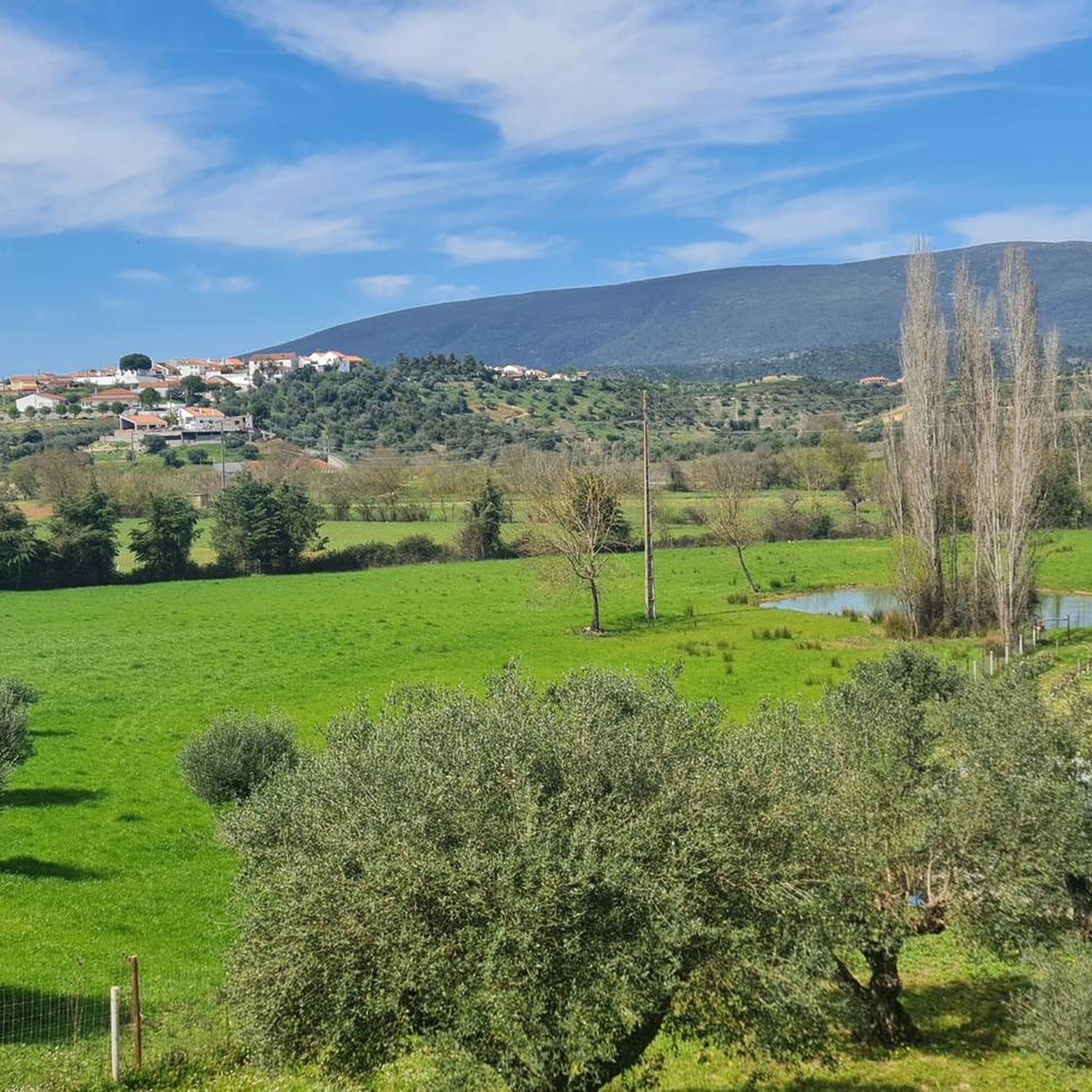
The Serra de Aire stands as the highest point of the Estremenho Limestone Massif, crowning its 678 metres at the geodesic vertex. Up here, the horizon opens up generously: to the south stretches the Tertiary Tagus Basin, lowered by the Arrife thrust and marked by ochre tones of sand and clay; to the west and southwest rise the Santo António plateau and the Serra dos Candeeiros. And if the sky cooperates, the view also reaches Montejunto, the sea in the distance and, to the north, the highlands of São Mamede up to Ourém and Fátima.
1
0
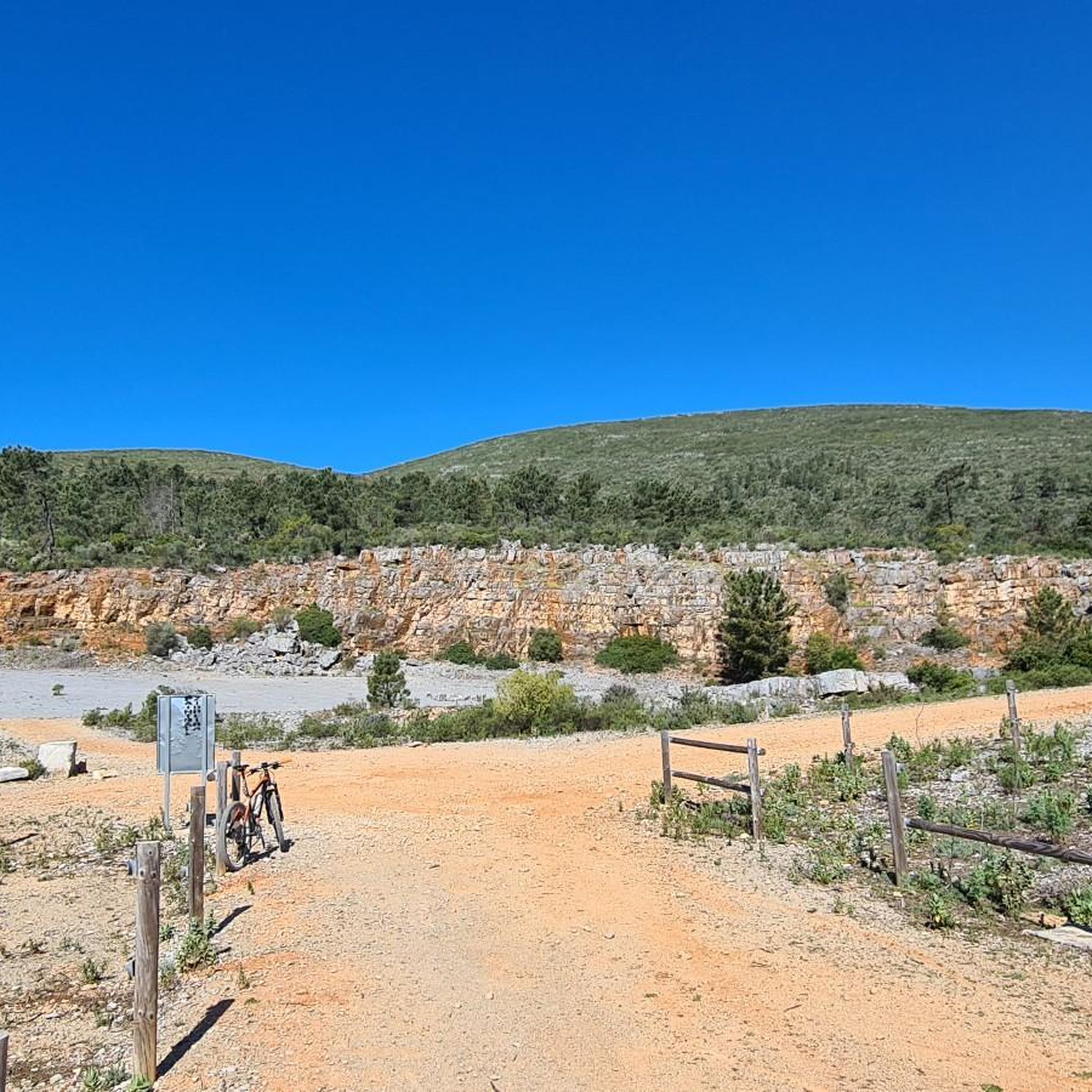
From the top of the lake, amidst the lush greenery, you can see what was once the scene of giants: the Dinosaur Footprints Natural Monument stretches out nearby, revealing the grandeur of times gone by. This is the highest point in the area, ideal for contemplating the vastness of the site. For those who enjoy running, the trails here are pure pleasure — to the north, dirt roads invite you to run at a smooth pace; to the south, the rocky terrain brings a touch of challenge. And the landscape, wide and serene, is the perfect bonus for every step.
2
1

While this was my second visit, I've enjoyed it as much as the first one! The first gallery of this system of caves was discovered by locals in 1947. Of course people were curious and had to investigate further. What is known today is that the cave reaches 11 Kilometers in length which makes it the biggest and most important in Portugal. The formation of the cave goes back 150 million years to the middle Jurassic age when dinosaurs inhabited this region. They found traces of species who inhabited these caves, some of it on display. A part of the cave-system was opened to the public in 1974 with many improvements in safety for the visitors in later years. At one point colored lights found their way in with some spectacular and dramatic effects. My photos inside the cave are in the wrong order, not sure how to interchange them or what I've done wrong when uploading, sorry!
1
0

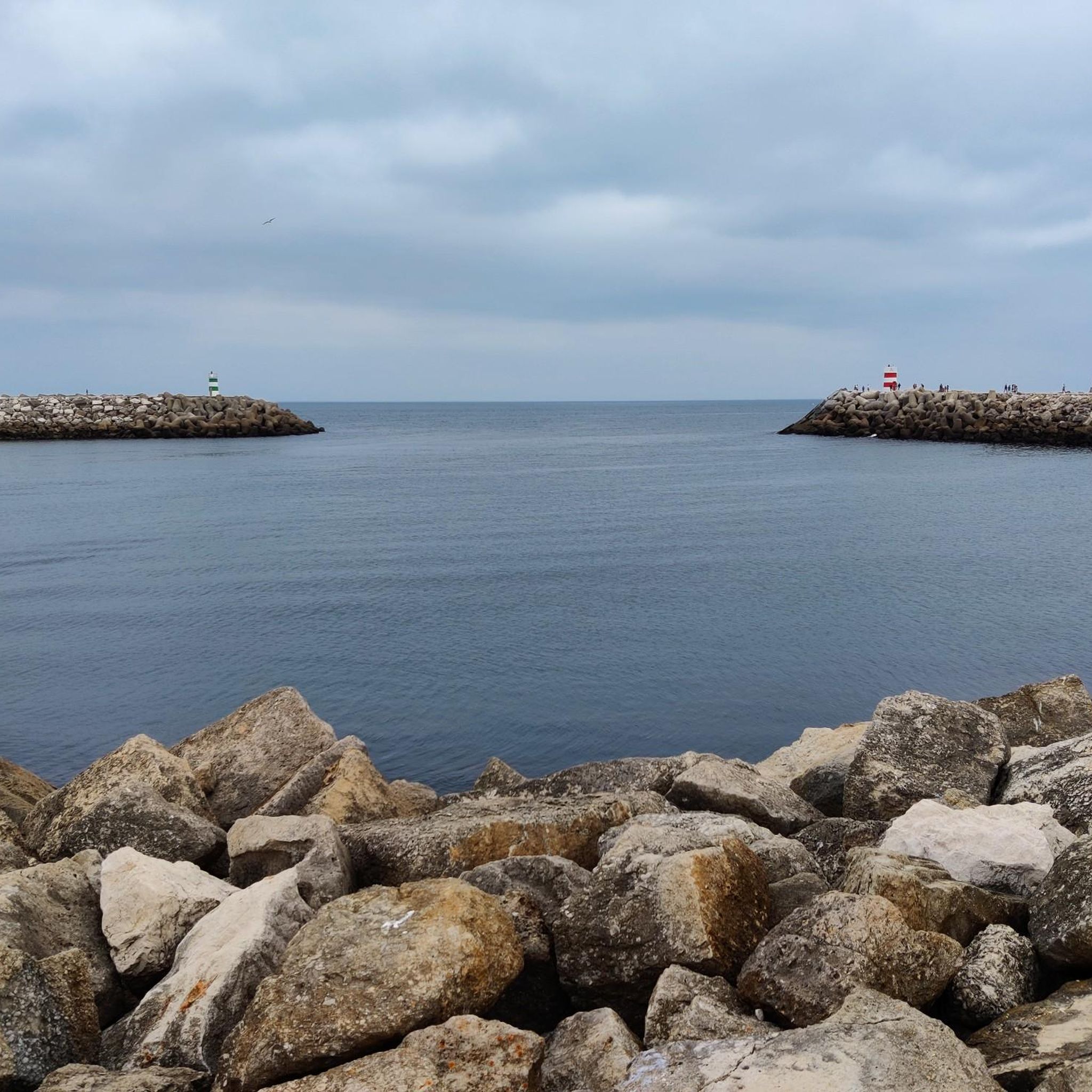
The Fonte do Peão, built in 1884, is one of the symbols of the parish of Monsanto. It is covered in tiles that depict rural life. The water in the Fonte do Peão comes from a spring and flows regularly throughout the year. According to information obtained from local residents, the water is good for human consumption and is used as a source of water for the many travellers who pass through there.
2
0

Fátima is a city in central Portugal that houses the Sanctuary of Fátima, a place of Catholic pilgrimage. The Capelinha das Aparições marks the spot where the Virgin Mary allegedly appeared in 1917. Other sacred sites include the Basilica of Nossa Senhora do Rosário, with its golden angels, and the modern Church of the Holy Trinity. The Museum of Sacred Art and Ethnology displays religious artefacts.
2
0

Get ready to climb the mountain, enjoy the landscape to Torres Novas on your right.
2
0
Frequently Asked Questions
What are the most prominent natural features to explore around Zibreira?
The region around Zibreira is dominated by the Serras de Aire e Candeeiros Natural Park, Portugal's most significant limestone deposit. Here, you can explore extensive karst formations like poljes, chasms, and over 1,500 caves. A major highlight within the park is the Serras de Aire e Candeeiros Natural Park itself, renowned for its geological marvels and a 175-million-year-old Jurassic fossil record featuring dinosaur footprints.
Are there any significant historical or archaeological sites among the natural monuments?
Yes, the Aroeira Cave, located in Almonda within Zibreira parish, is an incredibly significant archaeological and paleoanthropological site. It yielded the 400,000-year-old Aroeira 3 skull of Homo heidelbergensis, representing the oldest trace of human history in Portugal and one of Europe's earliest human fossils associated with Acheulean stone tools and controlled fire use. While not a natural monument in the traditional sense, its geological formation as part of a karst system makes it a natural wonder with immense scientific importance.
What kind of outdoor activities can I do near these natural monuments?
The area around Zibreira offers diverse outdoor activities, especially within the Serras de Aire e Candeeiros Natural Park. You can find numerous trails for hiking, including moderate loops like the Polje de Minde. For those who enjoy faster paces, there are running trails, such as the challenging Vale Garcia Ascent loop. Additionally, road cycling routes like the Golegã – Carlos Relvas House-Studio loop are popular.
Are there family-friendly natural monuments or attractions?
Absolutely. The Grutas de Mira de Aire are a fantastic family-friendly option. These extensive cave systems, discovered in 1947, offer a captivating underground experience with impressive rock formations. Another charming spot is the Peão Fountain - Monsanto, an 1884 fountain adorned with tiles depicting rural life, providing a historical and picturesque stop for families.
Where can I find panoramic views of the landscape?
For breathtaking panoramic views, head to Cimo da Lagoa, which is the highest point in its immediate area. From here, you can contemplate the vastness of the Dinosaur Footprints Natural Monument. Another excellent viewpoint is the Geodetic Vertex of Serra de Aire, the highest point of the Estremenho Limestone Massif, offering expansive views of the Tagus Basin, the Santo António plateau, and even the sea on clear days.
What makes the Serras de Aire e Candeeiros Natural Park so special?
The Serras de Aire e Candeeiros Natural Park is special due to its unique geology as Portugal's most important limestone deposit. It's a haven for geologists and cavers, featuring extensive karst formations and over 1,500 caves. Beyond its underground wonders, it boasts a 175-million-year-old Jurassic fossil record with the world's longest trail of sauropod dinosaur footprints, offering a rare glimpse into prehistoric life.
What kind of flora and fauna can be observed in the natural monuments area?
Despite the seemingly arid surface of the Serras de Aire e Candeeiros Natural Park, the area supports rich and varied animal and plant life. The caves provide shelter for 18 identified species of bats. The vegetation includes Portuguese oak and holm oak, alongside a variety of aromatic, medicinal, and honey plants, contributing to a diverse ecosystem.
What is the best time of year to visit the natural monuments around Zibreira?
The best time to visit the natural monuments around Zibreira generally depends on your preferred activities. Spring (March to May) and autumn (September to November) offer pleasant temperatures for hiking and exploring the outdoor landscapes. During these seasons, the weather is typically mild, and the natural scenery is vibrant. Summer can be hot, especially for extensive outdoor activities, while winter can be cooler and wetter, though still suitable for cave visits.
Are there trails suitable for different fitness levels?
Yes, the natural monuments area offers trails for various fitness levels. Within the hiking guide for Zibreira, you can find options ranging from easy loops, such as the Hiking loop from Minde, to moderate and difficult trails. For instance, the Polje de Minde loop is considered moderate, while some running trails like the Vale Garcia Ascent loop are rated difficult, providing options for both casual walkers and experienced adventurers.
What do visitors enjoy most about the natural monuments around Zibreira?
Visitors particularly enjoy the diverse experiences offered by the natural monuments. Many are captivated by the geological wonders of the caves, with one visitor noting about the Grutas de Mira de Aire: "While this was my second visit, I've enjoyed it as much as the first one!" The panoramic views from spots like Cimo da Lagoa are also highly appreciated, with the landscape described as "wide and serene." The historical significance of sites like the Dinosaur Footprints Natural Monument adds another layer of intrigue for those interested in prehistory.
Are there any unique geological formations to look out for besides caves?
Beyond the extensive cave systems, the Serras de Aire e Candeeiros Natural Park is characterized by a variety of unique karst formations. These include poljes (large flat-floored depressions), fields of clints (limestone pavements), chasms, uvalas (compound dolines), and dolines (sinkholes). These features are a direct result of the region's distinctive limestone geology and millennia of water erosion, creating a landscape unlike any other in Portugal.
Most popular attractions around Zibreira

Get inspired with the komoot mobile app


Explore more
Extend your search for the best caves by checking out these guides of the top ones around Zibreira:
