Top 7 Natural Monuments around Alto Do Seixalinho
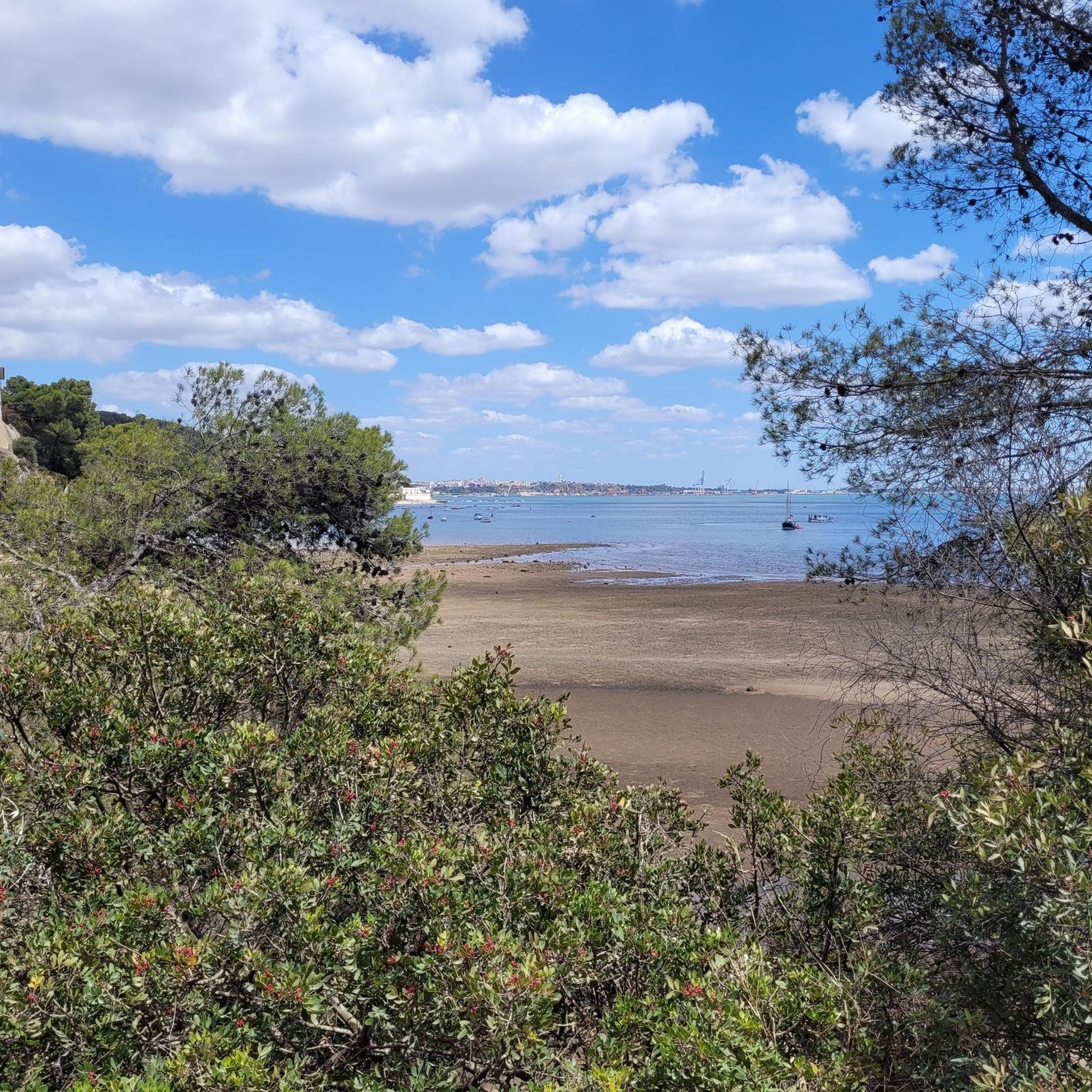
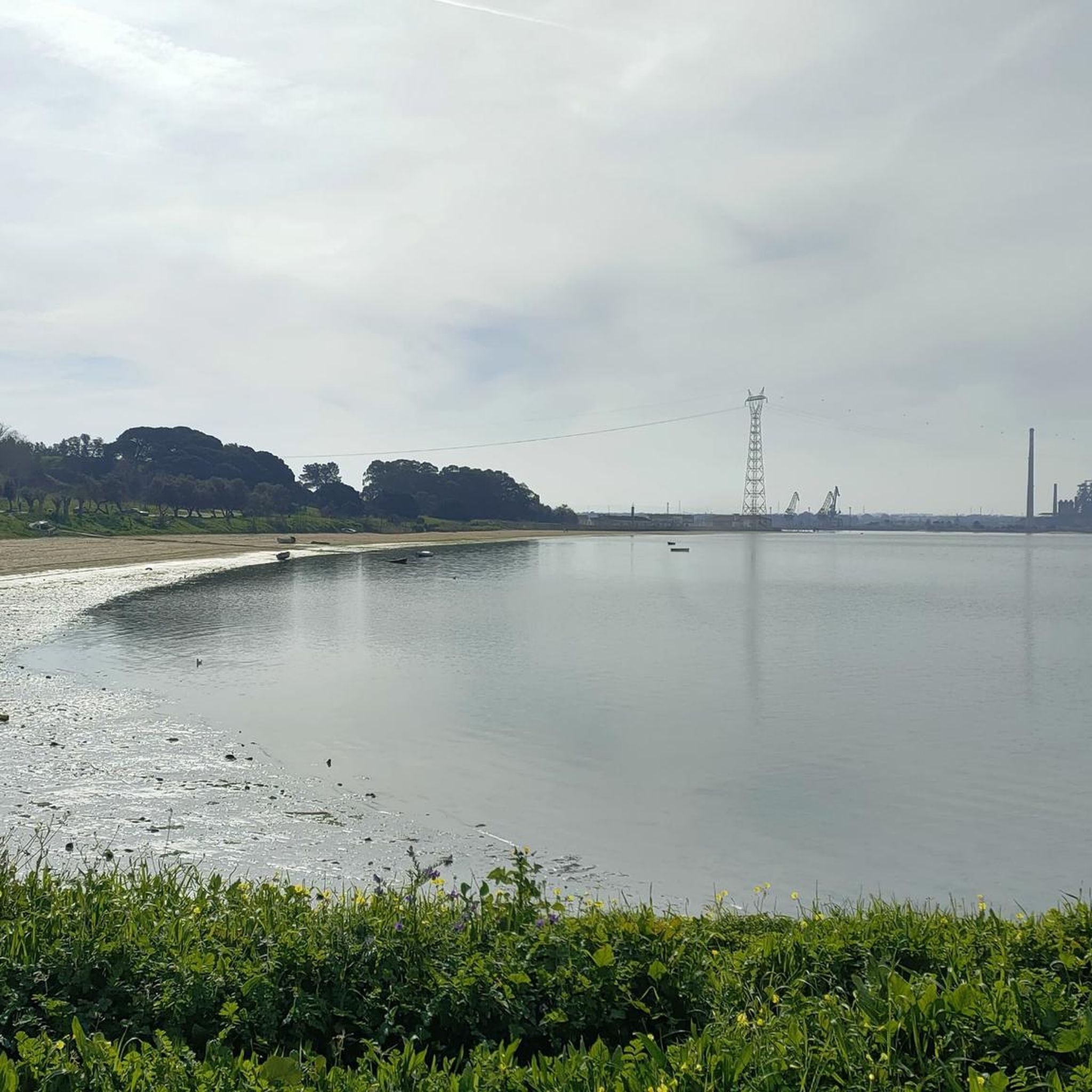
Best natural monuments around Alto Do Seixalinho include significant green spaces and natural features within the urban landscape of Barreiro. The area offers access to the Barreiro City Park, a vital green lung spanning approximately 89,000 square meters, providing a tranquil environment with diverse flora and opportunities for birdwatching. Additionally, the waterfront area along the Tagus River offers natural aesthetic appeal and views towards Lisbon. These locations provide residents and visitors with connections to nature within an urban setting.
Best…
Last updated: July 13, 2026
Sanctuary of Christ the King (Santuário de Cristo Rei)
Highlight • Monument
Translated by Google •
Tip by

University of Lisbon Botanical Garden
Highlight • Forest
Translated by Google •
Tip by

Sign up now to discover places like this
Get recommendations on the best single tracks, peaks, & plenty of other exciting outdoor places.
Sign up for free
Ancient Gnarled Tree in Alfama
Highlight • Natural Monument
Translated by Google •
Tip by

Príncipe Real Garden
Highlight • Forest
Tip by

São Pedro de Alcântara Garden
Highlight (Segment) • Viewpoint
Translated by Google •
Tip by
Sign up for free to discover even more natural monuments around Alto Do Seixalinho.
Sign up for free
Already have an account?
Start today with a free account
Your next adventure awaits.
Login or Signup
Tips from the Community

The ancient, gnarled tree in Alfama seems to have witnessed countless stories from the neighborhood. With its thick trunk, twisted branches, and the shadows it casts on the cobblestones and house walls, it offers a tranquil counterpoint to the hustle and bustle of the narrow streets. A beautiful spot to pause, take a breath, and soak up the unique atmosphere of old Lisbon.
2
0

The Lisbon Botanical Garden, located in the parish of São Mamede, is one of the city's oldest and most important green spaces, with a rich history linked to scientific research and botanical conservation. Founded in 1873 at the initiative of Count Ficalho and Andrade Corvo, professors at the Lisbon Polytechnic School. Officially inaugurated in 1878, it was conceived as a scientific garden to support teaching and research in botany. It is part of the National Museum of Natural History and Science of the University of Lisbon.
3
0

The former Limoeiro Square, currently a street connecting downtown Lisbon to the Portas do Sol viewpoint, is a must-see for tourists and part of the famous tram line 28. Next to the wall of the former Limoeiro Prison, now the Center for Judicial Studies, stands a Phytolacca dioica L., which replaced the lemon tree from which this square took its name. It is approximately 13 meters tall, 17 meters across its base, and 100 years old. This species is native to South America, has a very fast growth rate, and blooms between April and June.
1
1

In a botanical garden, plants are kept looking as close as possible to what they would have in nature, without excessive human intervention (for example, pruning or cutting dry leaves). On the other hand, this ‘hands-off’ option encourages small ecosystems where insects and small animals, other plants, fungi and lichens, which are extremely important for urban biodiversity, live. In the summer, we only water what is essential. Water is a precious commodity, especially in a country like Portugal. Therefore, it is possible that water circulation is limited and that the undergrowth may become drier, especially in the summer. This is a deliberate option that does not put the plants at risk. The presence of the Garden in the heart of Lisbon mitigates the effects of rising temperatures, promoting its own microclimate and the capture of carbon dioxide.
0
1

Oasis in the hustle and bustle of the surrounding area, have a drink in peace at a kiosk
0
0

Incredibly beautiful sights in this wonderful city!
1
2
Incredible phenomenon. You don't see it every day! Right?
1
2

Frequently Asked Questions
What are the most notable natural monuments and green spaces around Alto Do Seixalinho?
While Alto Do Seixalinho itself features significant urban green spaces like the Barreiro City Park, the wider area offers diverse natural and semi-natural attractions. Highlights include the University of Lisbon Botanical Garden, known for its scientific research and botanical conservation, and the tranquil Príncipe Real Garden, a cozy spot with a beautiful old tree and nearby cafes.
Are there any viewpoints offering scenic vistas of the Tagus River or Lisbon?
Yes, several locations provide stunning views. The Sanctuary of Christ the King (Santuário de Cristo Rei) stands on a high pedestal, offering panoramic views over Lisbon and the Tagus River. Another excellent spot is the São Pedro de Alcântara Garden, a historic garden and viewpoint in Lisbon that reveals a sweeping vista of the city, including the Castelo de São Jorge.
What kind of natural features can I expect to see?
You can explore a variety of natural features, from diverse flora in botanical gardens to ancient trees. The University of Lisbon Botanical Garden maintains plants in conditions close to their natural state, supporting urban biodiversity. In Alfama, you can find an Ancient Gnarled Tree, a Phytolacca dioica L. that is approximately 100 years old and a unique natural phenomenon.
Are there family-friendly natural monuments or green spaces suitable for children?
Absolutely. Many of the natural monuments and green spaces are family-friendly. The Barreiro City Park, for instance, offers a children's playground and adapted leisure equipment, including an accessible swing. The University of Lisbon Botanical Garden and Príncipe Real Garden are also great for families, providing open spaces for relaxation and exploration.
What outdoor activities can I do near these natural monuments?
The region around Alto Do Seixalinho offers various outdoor activities. You can find numerous cycling routes, such as the 'Barreiro Sign – Marginal da Moita loop' for an easy ride, or more challenging options like the 'School of Marines – Palace of Coina loop'. For runners, there are trails like 'The Simpsons Mural loop' or 'Running loop from Barreiro'. Gravel biking is also popular, with routes like 'Pedreira Trail loop'. You can find more details on these activities in the Cycling around Alto Do Seixalinho, Running Trails around Alto Do Seixalinho, and Gravel biking around Alto Do Seixalinho guides.
What is the best time of year to visit the natural monuments around Alto Do Seixalinho?
The best time to visit is generally during spring (April to June) and early autumn (September to October). During these periods, the weather is typically mild and pleasant, ideal for exploring green spaces and enjoying outdoor activities without the intense heat of summer. The botanical gardens are particularly vibrant in spring.
Are there any historical or cultural sites integrated with these natural monuments?
Yes, some sites blend natural beauty with historical significance. The Sanctuary of Christ the King, while a man-made monument, is often considered for its commanding natural setting and historical importance. The University of Lisbon Botanical Garden has a rich history linked to scientific research and botanical conservation since its founding in 1873. Additionally, the Ancient Gnarled Tree in Alfama is located in a historic neighborhood, adding to its cultural context.
What do visitors enjoy most about the natural monuments and green spaces in this area?
Visitors particularly appreciate the tranquility and connection with nature offered within an urban setting. The diverse flora, opportunities for birdwatching in places like Barreiro City Park, and the peaceful atmosphere of gardens like Príncipe Real Garden are highly valued. The panoramic views from sites like the Sanctuary of Christ the King are also a major draw.
Is public transport available to reach these natural monuments?
Yes, many of these locations, especially those in Lisbon and Almada, are well-served by public transport. For example, the Sanctuary of Christ the King is accessible via ferry from Lisbon to Cacilhas, followed by a bus or walk. The botanical gardens and city parks in Lisbon are typically reachable by metro, bus, or tram. Barreiro City Park is centrally located within Barreiro, making it easily accessible by local transport.
Are there any natural monuments or green spaces with specific accessibility features?
The Barreiro City Park is committed to social inclusion, featuring adapted leisure equipment, including an accessible swing, designed for children with reduced mobility. While specific wheelchair accessibility details for all natural monuments are not universally available, urban parks and botanical gardens often have paved paths suitable for strollers and wheelchairs in certain areas.
Can I find cafes or restaurants near these natural monuments?
Yes, many of these locations are situated in or near urban areas with ample dining options. For instance, the Príncipe Real Garden has cafes and ice cream shops nearby. The São Pedro de Alcântara Garden also features a small kiosk selling snacks and drinks. In general, areas around Lisbon's gardens and viewpoints offer a variety of cafes, restaurants, and pubs.
Most popular routes around Alto Do Seixalinho
Most popular attractions around Alto Do Seixalinho

Get inspired with the komoot mobile app


Explore more
Extend your search for the best caves by checking out these guides of the top ones around Alto Do Seixalinho:
