Attractions and Places To See around Santa Margarida Da Serra - Top 4
Best attractions and places to see around Santa Margarida Da Serra, a former civil parish now part of Grândola e Santa Margarida da Serra in Portugal, offers a diverse landscape. Situated within the Alentejo coast, the region features the Serra de Grândola mountain range, extensive beaches, and cork oak forests. Visitors can explore natural beauty, historical sites, and cultural points of interest.
Best attractions and places to see around Santa Margarida Da Serra
- The most popular attractions is Stork Nests…
Last updated: July 13, 2026
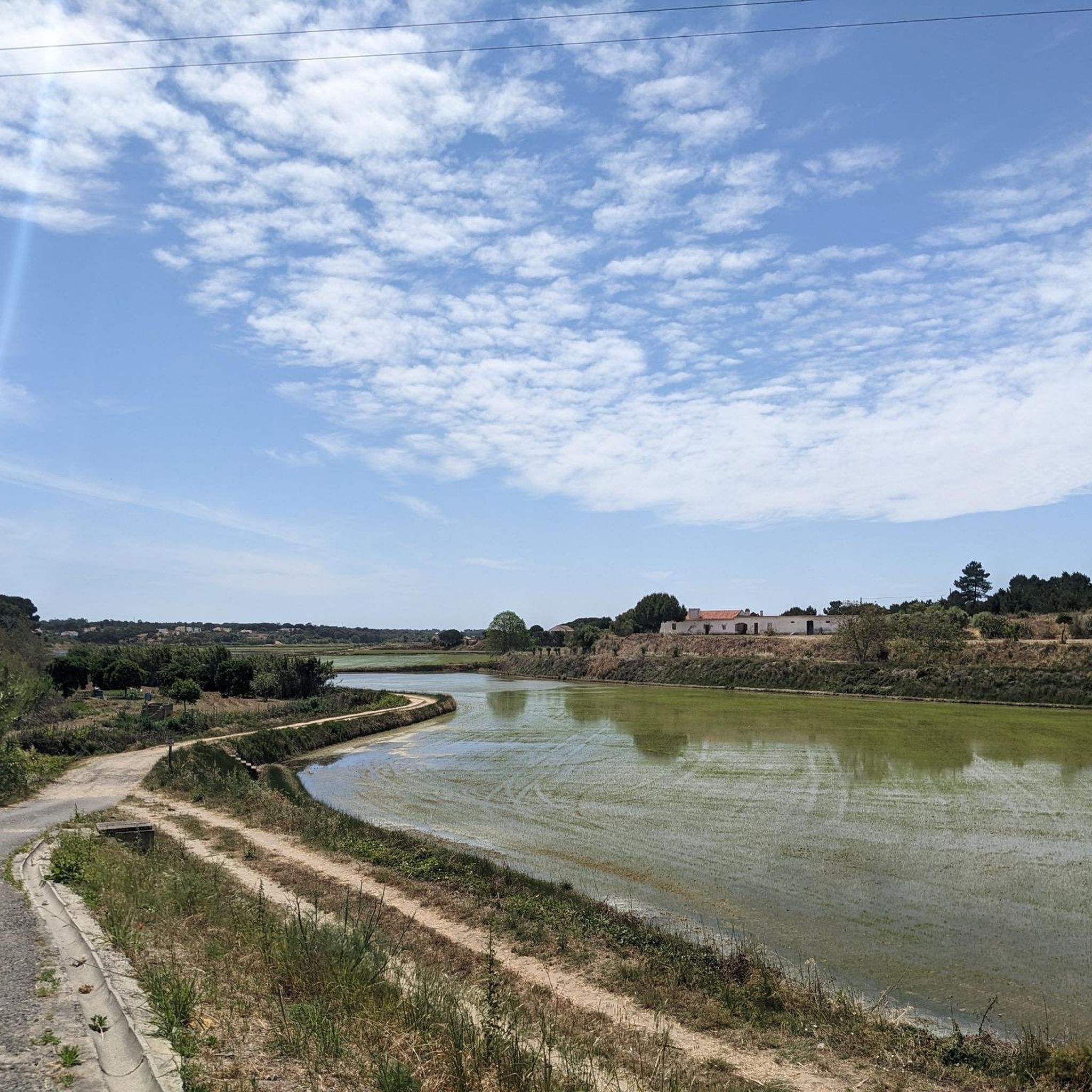
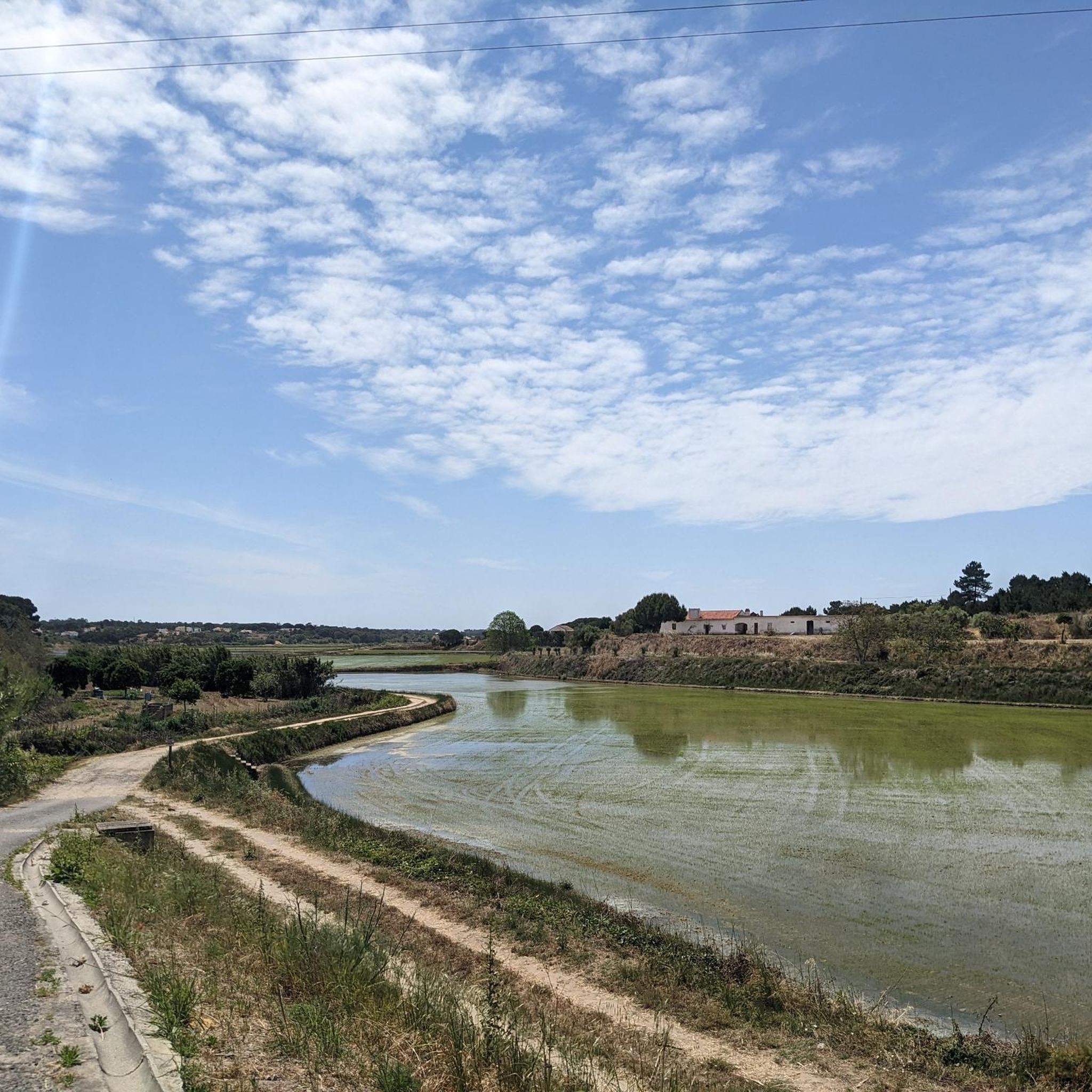
Stork Nests in Herdade da Comporta
Highlight • Natural
Translated by Google •
Tip by

Grândola, Vila Morena
Highlight • Other
Showing Translation
Tip by

Sign up now to discover places like this
Get recommendations on the best single tracks, peaks, & plenty of other exciting outdoor places.
Sign up for free
Canal Caveira – The capital of cozido à portuguesa
Highlight • Settlement
Several restaurants serve this dish every day of the year.
Translated by Google •
Tip by
Abandoned Ermida Campspot
Highlight • Rest Area
No water
Tip by

Estrada da Aldeia do Pico
Highlight (Segment) • Cycleway
Translated by Google •
Tip by
Start today with a free account
Your next adventure awaits.
Login or Signup
Tips from the Community

Grândola, Vila Morena is a famous Portuguese protest song composed in 1971 by singer-songwriter José Afonso. It became internationally famous when it was broadcast on the radio as a secret signal for the start of the Carnation Revolution of April 25, 1974, which ended Salazar's dictatorship. The song owes its strength to a strong message of brotherhood, equality, and power to the people. You can delve deeper into its history and social impact by consulting the article by Cultweek, or discover the lyrics, chords, and translation on IlDeposito.org.
1
0

The link to Zeca Afonso's song, "Grândola, Vila Morena", is as follows: https://youtu.be/gaLWqy4e7ls?is=IVnBFCPiYAqt0hJk
9
0
Grândola, Vila Morena is a poem and song composed and sung by José Afonso, chosen by the Armed Forces Movement (MFA) as the second signal to set the rebellious military in motion, initiating the Revolution of April 25, 1974. The song, revolutionary from the start, became the anthem of the Revolution. It was written and recorded in October 1971, after a visit to the Sociedade Musical Fraternidade Operária Grandolense in Grândola, in Alentejo. The song was released on the album Cantigas do Maio with the direction of José Mário Branco, recorded in Hérouville, France, which came out in December of that year. Although not initially conceived as a protest song, the changes made at the time of recording gave it a highly political message in the context of the Estado Novo dictatorship. Grândola, Vila Morena became a symbol of the popular struggle and a national heritage, known by Portuguese society at large. (Source: Wikipedia) https://youtu.be/gaLWqy4e7ls?is=74KdykCGenB6jR6R
12
0

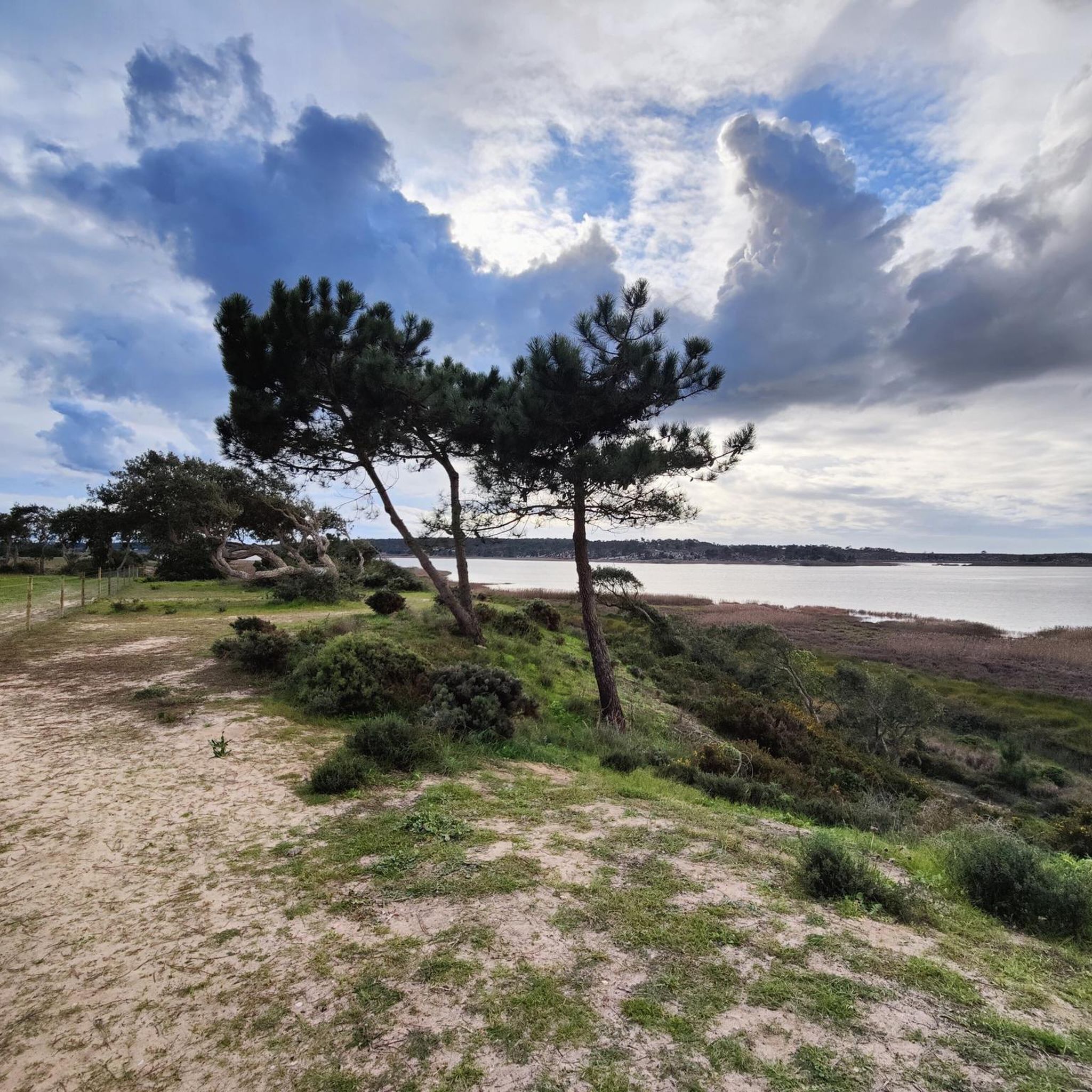
Great campspot. The building nearby is abandoned and has a roof in case of bad weather. Its Still in a good condition to sleep in. No water
0
0

Very fast, quiet road.
4
0
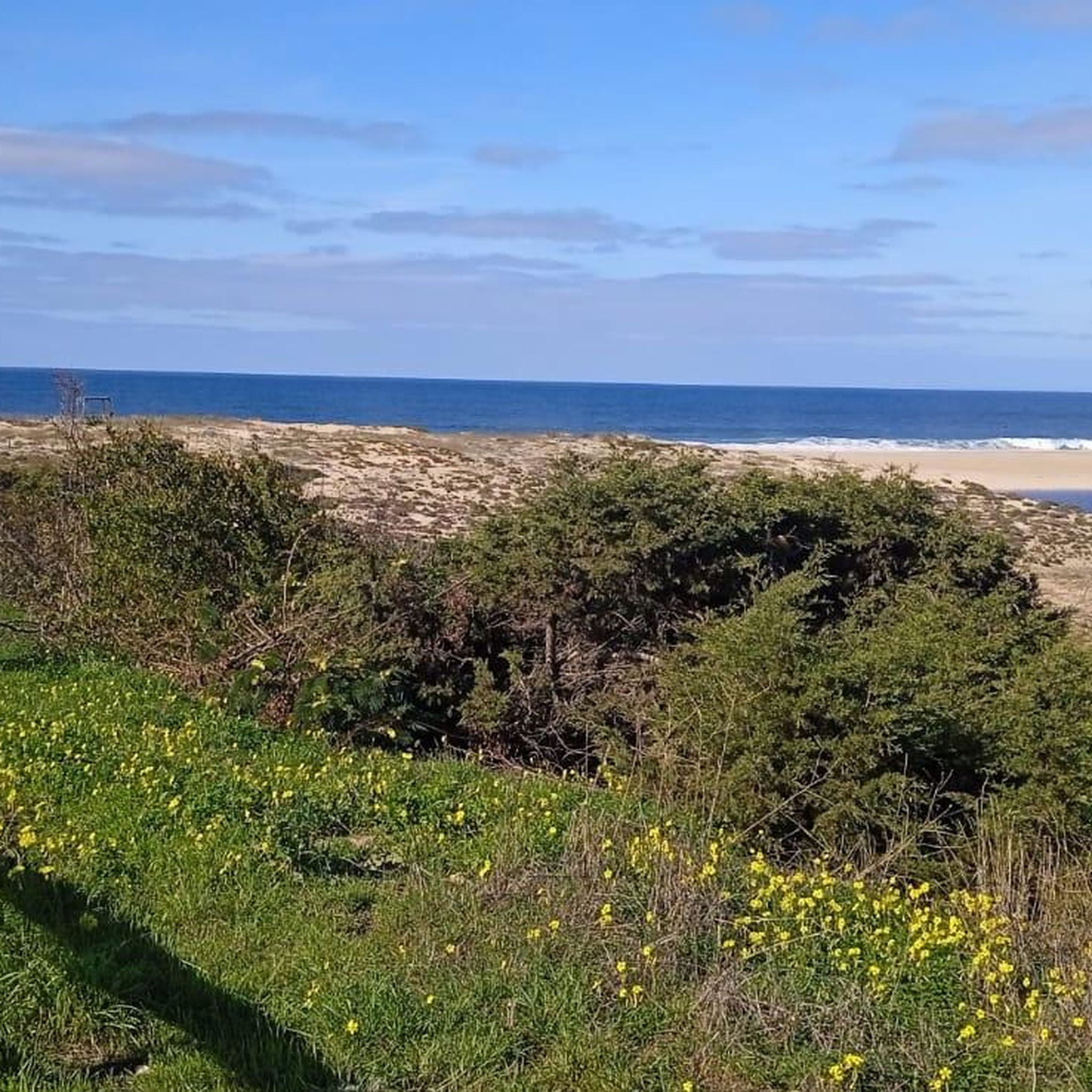
Road with excellent surface, with little traffic and wonderful views
9
0
Small Alentejo village located halfway between Lisbon and Faro in the Algarve. This village is considered the capital of Portuguese stew, a typical Portuguese dish. Several restaurants serve this dish every day of the year.
25
0

There are many stork nests along the route.
3
0
Frequently Asked Questions
What natural attractions can I explore around Santa Margarida Da Serra?
The region offers diverse natural beauty. You can observe numerous Stork Nests in Herdade da Comporta, especially around the vast rice paddies. The Serra de Grândola mountain range is covered in cork and holm oak forests, and the Lagoas de Santo André e da Sancha Nature Reserve is another significant natural area. Don't miss the unique Fossil Cliffs of Galé, a natural monument with ancient rock formations and a tranquil beach.
Are there historical or cultural sites to visit in the area?
Yes, the region is rich in history and culture. You can explore traditional Alentejo 'montes' (farmsteads) and the historic Igreja de Santa Margarida da Serra. The area also features several Neolithic dolmens, such as those at Martim Parreira and Outeiro do Ouro, and Roman ruins like Cerrado do Castelo. In nearby Grândola, you can visit the Main Church and other historical churches.
What unique cultural experiences can I find?
A truly unique experience is visiting the Grândola, Vila Morena highlight, which commemorates the famous protest song that became a symbol of the Carnation Revolution. Another fascinating site is the Mine Museum in Lousal, located in an old power station, offering a journey into a former mine gallery and a Science Center.
Are there family-friendly activities around Santa Margarida Da Serra?
Absolutely! Observing the Stork Nests in Herdade da Comporta is a wonderful activity for families, offering opportunities for birdwatching amidst the rice paddies. Exploring the cork oak ecosystem on easy trails can also be an engaging experience for all ages.
What kind of hiking trails are available?
You'll find a variety of hiking trails, from easy to difficult. For example, you can enjoy an easy 7.2 km 'Majestic Cork Oak loop' from Monte Naturista O Barão, or a moderate 13.4 km 'View Over the Town of Grândola loop' from Pereirinha. For more options, check out the Hiking around Santa Margarida Da Serra guide.
Can I go cycling in the region?
Yes, the area is great for cycling. There are road cycling and touring bicycle routes available. You could try the 'ER 261 Tree-Lined Road – Grândola, Vila Morena loop' which is a moderate 51.6 km ride from Grândola. For a comprehensive list of routes, refer to the Road Cycling Routes around Santa Margarida Da Serra and Cycling around Santa Margarida Da Serra guides.
Where can I find local food and restaurants?
The village of Canal Caveira is renowned as the capital of 'cozido à portuguesa,' a typical Portuguese stew. Several restaurants there serve this dish daily, offering an authentic taste of the region's cuisine.
What do visitors enjoy most about the attractions?
Visitors particularly enjoy the natural beauty and tranquility. For instance, the Stork Nests in Herdade da Comporta are praised for the abundance of storks and the scenic rice paddies. Cyclists appreciate the excellent surface and low traffic on roads like Estrada da Aldeia do Pico, which offers wonderful views.
Are there any viewpoints or scenic roads?
Yes, the Estrada da Aldeia do Pico is a highly recommended road for its excellent surface, low traffic, and wonderful views. The Serra de Grândola also offers numerous scenic spots and opportunities to appreciate the Alentejo landscape.
When is the best time to visit Santa Margarida Da Serra?
The Alentejo region generally enjoys pleasant weather for outdoor activities during spring (April-May) and autumn (September-October), when temperatures are milder. Summers can be very hot, making early mornings or late afternoons ideal for exploration. Winters are generally mild but can be rainy.
Are there any accessible attractions for people with mobility challenges?
The village of Canal Caveira, known for its traditional cuisine, is noted as being wheelchair accessible. While specific accessible trails may vary, many of the village and town centers in the region offer relatively flat areas for exploration.
Most popular routes around Santa Margarida Da Serra

Get inspired with the komoot mobile app


Explore more
Still not found the Highlight you’re looking for? See guides of the top attractions in other regions:
