Top 8 Natural Monuments around Moita
Natural monuments around Moita offer a diverse range of natural features, from the tranquil waterfronts of the Tagus estuary to the dramatic landscapes of the nearby Arrábida Natural Park. The region is characterized by its unique ecosystems, including salt marshes and Mediterranean flora. These areas provide opportunities to observe ecological diversity and geological significance.
Best natural monuments around Moita
- The most popular natural monuments is Salinas do Samouco, an other natural area that features traditional salt extraction operations. This…
Last updated: July 13, 2026
Salinas do Samouco
Highlight • Natural
Between 1930 and 1970, cod were dried there.
Cod is a fish caught in cold northern waters such as Newfoundland.
Portugal in the 1920s imported all the cod consumed. In the 1920s, Portugal experienced hunger.
Translated by Google •
Tip by

São Luís Lookout
Highlight • Viewpoint
Tip by

Sign up now to discover places like this
Get recommendations on the best single tracks, peaks, & plenty of other exciting outdoor places.
Sign up for free
Millenary Olive Trees of Azeitao
Highlight • Natural Monument
Translated by Google •
Tip by
Portuguese oak
Highlight • Natural Monument
Translated by Google •
Tip by

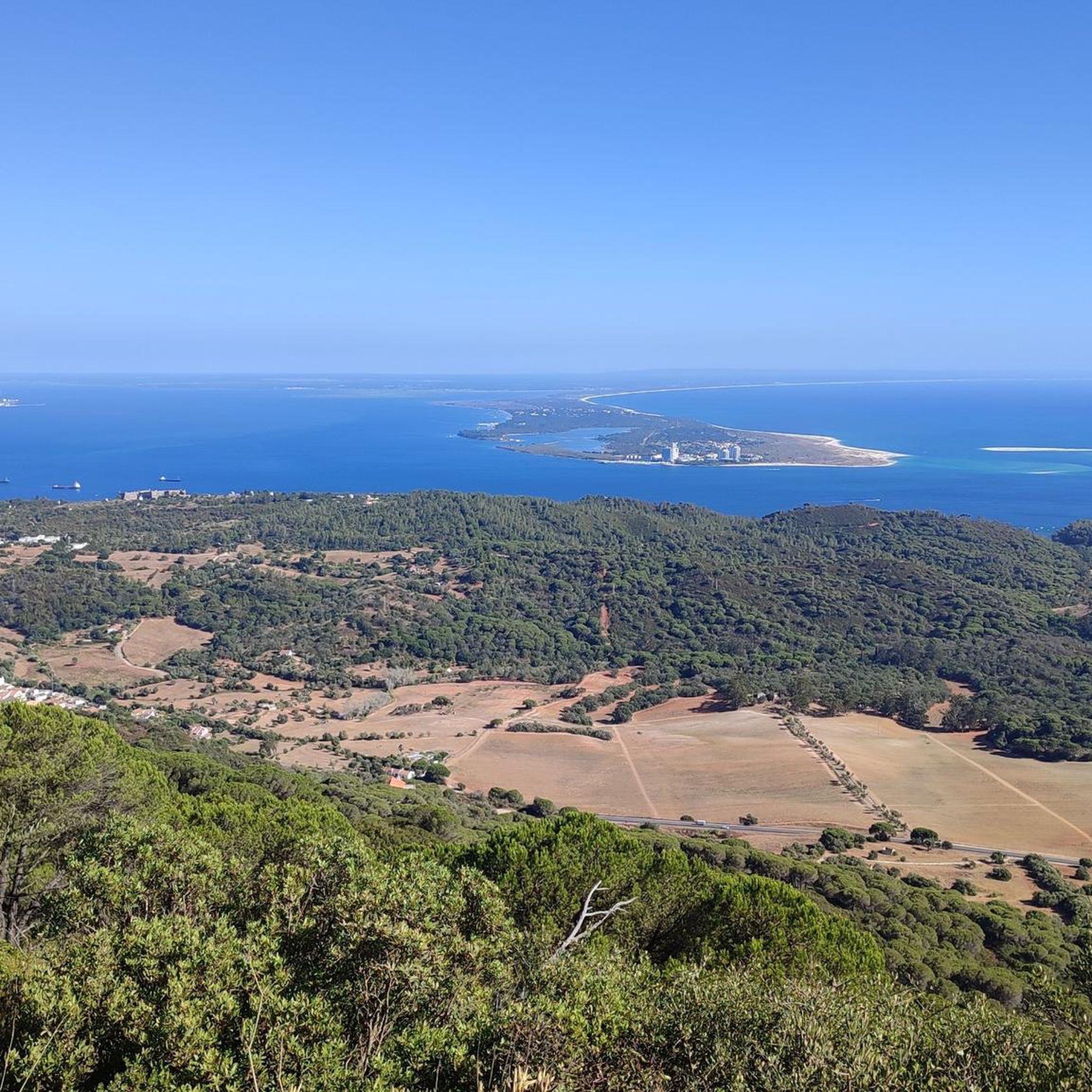
View of Setúbal and Tróia Peninsula from Parque Natural da Arrábida
Highlight • Viewpoint
Translated by Google •
Tip by

Sign up for free to discover even more natural monuments around Moita.
Sign up for free
Already have an account?
Start today with a free account
Your next adventure awaits.
Login or Signup
Tips from the Community


Added to the collection: https://www.komoot.com/de-de/collection/3600632/-naturdenkmaeler-besondere-baeume-und-weitere-schaetze-der-natur
0
0

On foot or by bike, Arrábida is always a privilege of nature.👍🇵🇹
0
0
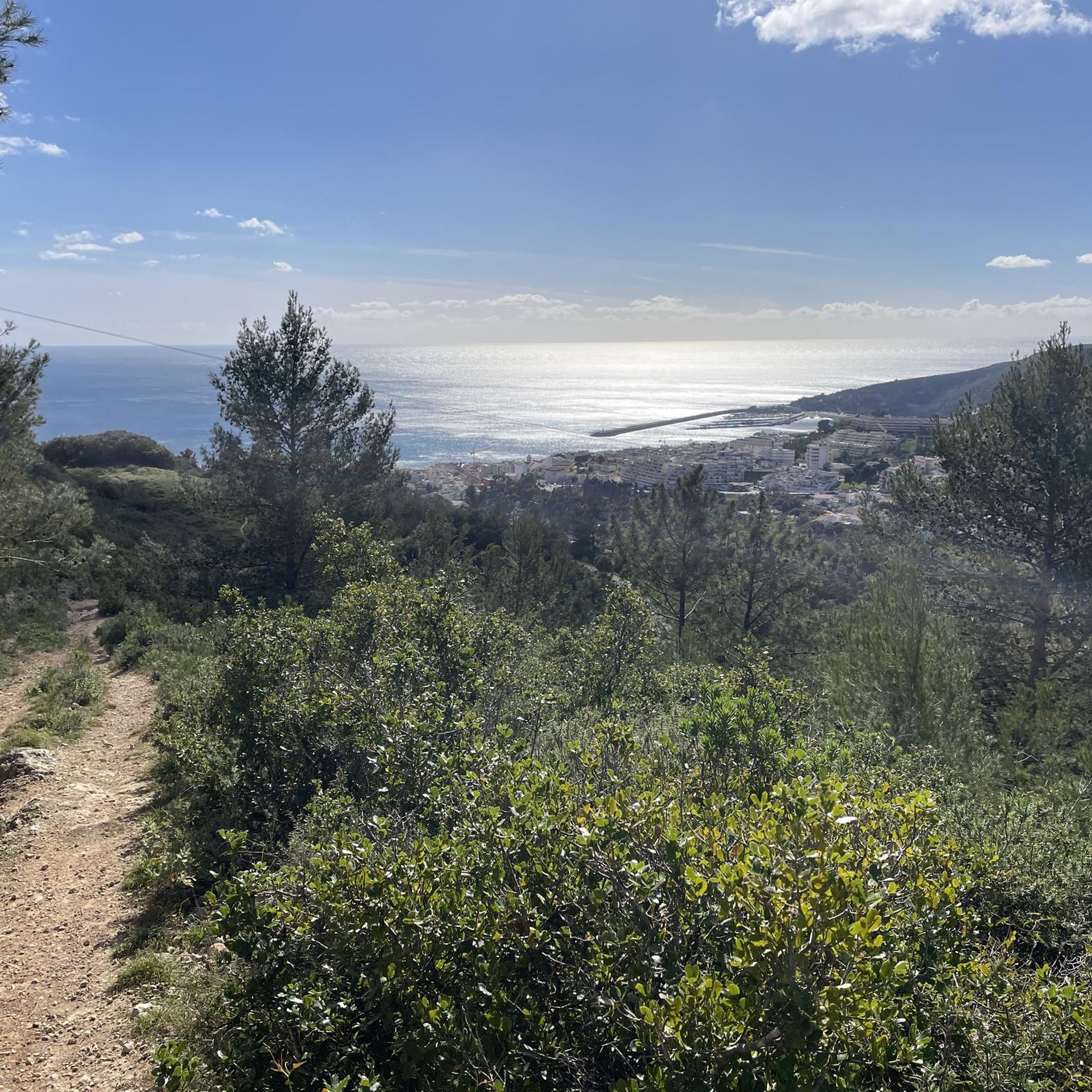
The Arrábida Mountains have spectacular trails, along which we can enjoy beautiful landscapes, both green and sea. 👍
0
0

Ancient, magnificent olive trees that are still alive.
2
0

Bench and great seats on the rocks
1
1

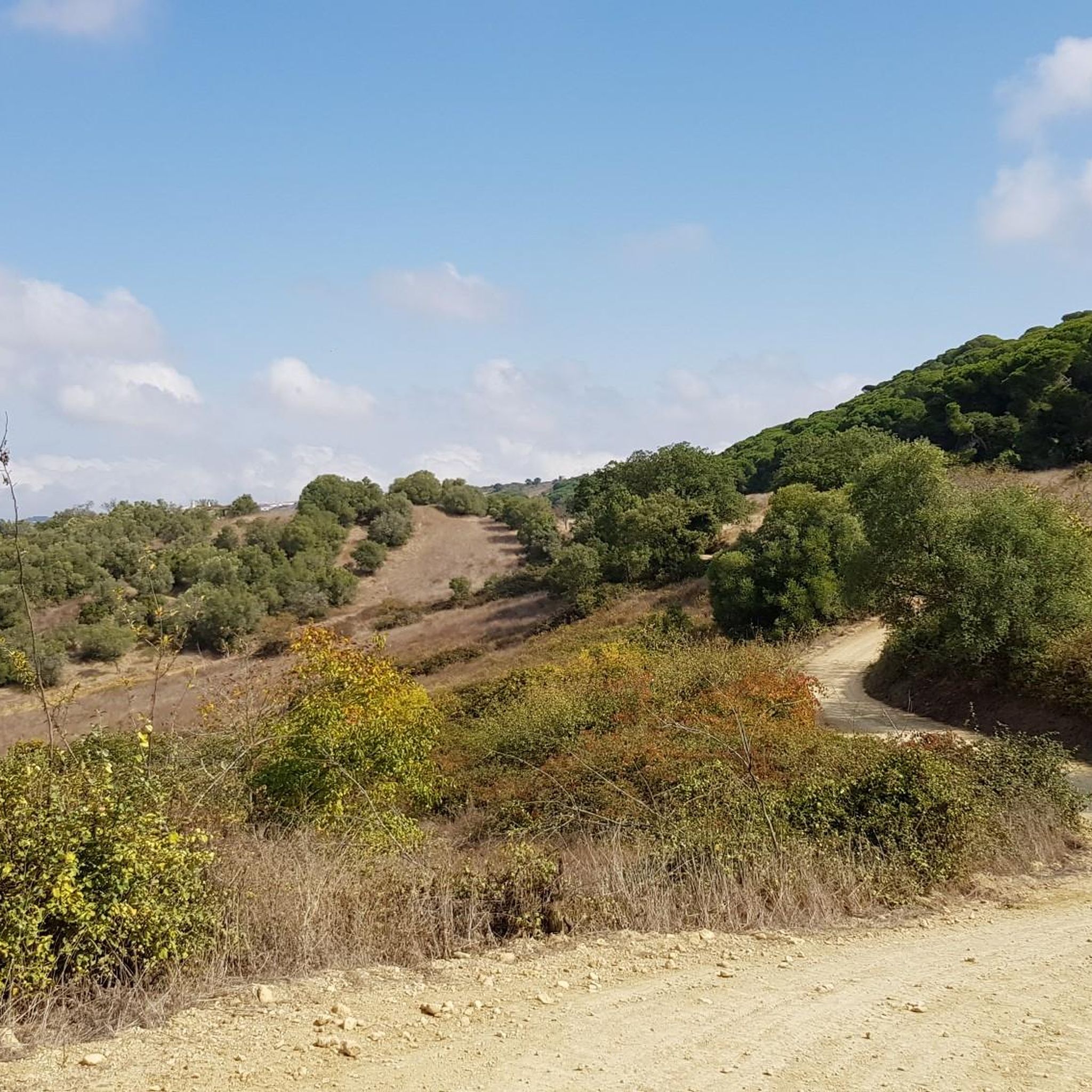
The Portuguese oak can be considered an intermediate species between the oaks of the north of the country and those of the south, that is, between the black oak and the oak, and the cork oak and holm oak. This tree grows slowly and inhabits habitats that are generally limiting for most other trees. Like the holm oak, the acorns of this oak are also used in the feed of the wild pig.
5
0

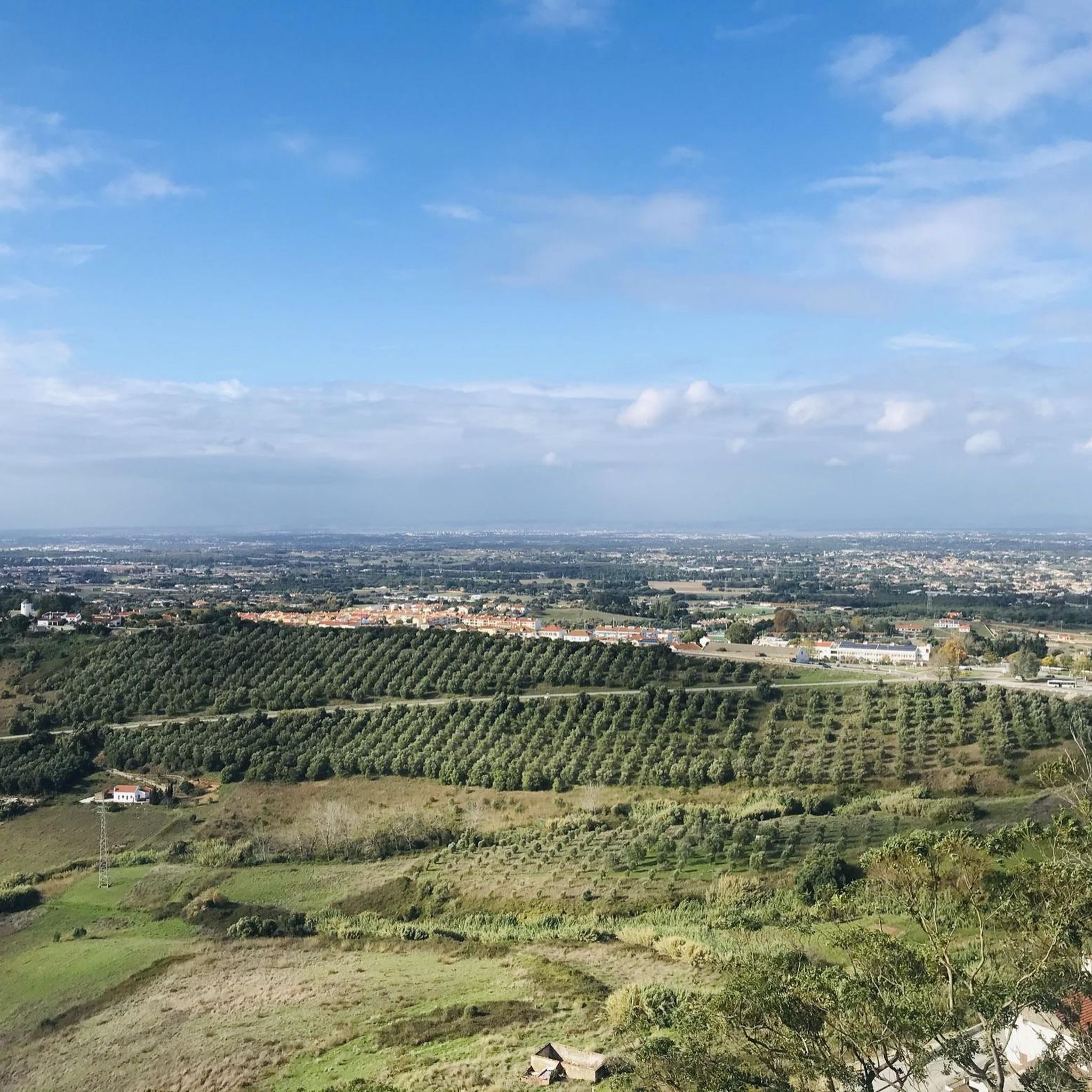
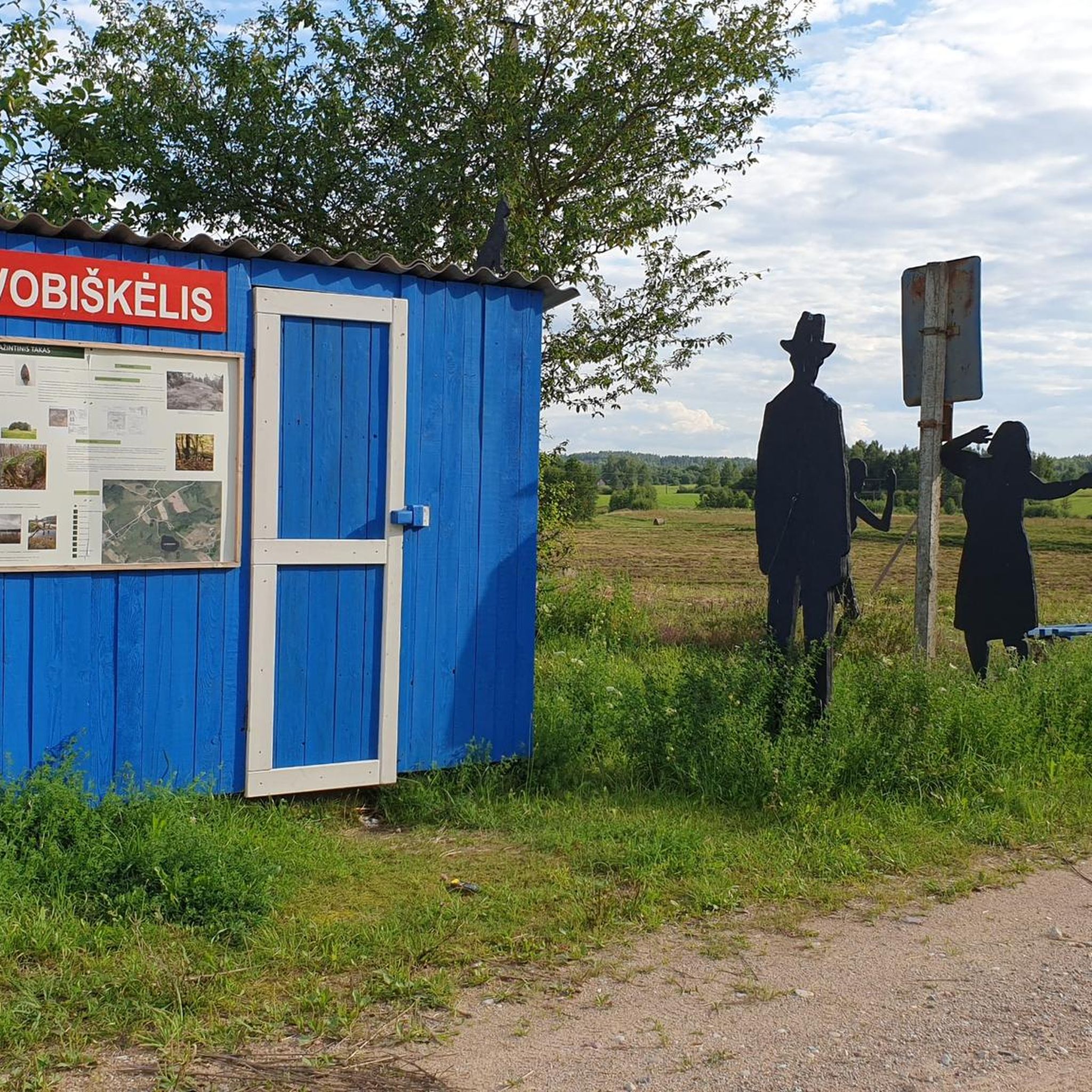
The "secadouro de Alcochete". Between 1930 and 1970, cod were dried there. Cod is a fish caught in cold northern waters such as Newfoundland. Portugal in the 1920s imported all the cod consumed. In the 1920s, Portugal experienced hunger. To remedy this problem, the former dictator Salazar had Portugal fish its cod and dry it industrially in Portugal. The secadouro de Alcochete was one of those places. Salazar popularized cod.
15
0
Frequently Asked Questions
What types of natural monuments can I explore around Moita?
The region around Moita offers a diverse range of natural monuments. You can find unique salt marsh ecosystems, such as Salinas do Samouco, which showcase traditional salt extraction and ecological diversity. Additionally, the nearby Arrábida Natural Park features dramatic coastal cliffs, diverse Mediterranean flora, and ancient geological formations like the Serra da Arrábida mountain range.
Are there any ancient or historically significant natural monuments in the area?
Yes, you can visit the Millenary Olive Trees of Azeitao, which are over 2000 years old and still alive, representing a significant natural heritage. Within the Arrábida Natural Park, the Pedra da Mua Natural Monument is notable for preserving tracks of Sauropod footprints, offering a fascinating insight into prehistoric life.
Where can I find the best panoramic views of the landscape?
For superb panoramic views, head to the Arrábida Natural Park. The São Luís Lookout offers views of the Setúbal bay, Tróia, and the Arrábida northern hills. Another excellent spot is the View of Setúbal and Tróia Peninsula from Parque Natural da Arrábida, which provides great views in all directions.
What kind of wildlife can be spotted in the natural monuments around Moita?
The salt marsh regions, such as Sítio das Marinhas and Salinas do Samouco, are rich in birdlife, making them excellent for birdwatching. The Arrábida Natural Park, including its marine park, boasts a rich and varied marine flora and fauna, and its diverse ecosystems support various indigenous land species.
Are there family-friendly natural monuments or activities suitable for children?
Yes, several natural monuments are suitable for families. Salinas do Samouco is considered family-friendly, offering an Environmental Interpretation Center where children can learn about salt production and the ecosystem. The Millenary Olive Trees of Azeitao also provide an interesting and accessible natural attraction for all ages. Many viewpoints, like the View of Setúbal and Tróia Peninsula from Parque Natural da Arrábida, are also family-friendly.
What hiking opportunities are available near the natural monuments?
You'll find various hiking opportunities, especially in the Arrábida Natural Park. For a general overview of trails, you can explore options in the Hiking around Moita guide, which includes routes like the 'Alcaria of Alto da Queimada – Portuguese oak loop from Palmela'. For easier walks, check the Easy hikes around Moita guide, featuring routes such as the 'Portuguese oak loop from Quinta do Anjo'.
Can I go mountain biking near these natural monuments?
Absolutely. The region offers several mountain biking trails. You can find routes in the MTB Trails around Moita guide. Options include the 'View of Palmela Castle – Moinhos por Baixo Trail loop from Pinhal Novo' and the 'Old Crane at Seixal Waterfront – Sapal do Seixal loop from Moita', offering diverse terrain for cyclists.
What is the best time of year to visit the natural monuments around Moita?
The best time to visit is generally during the spring (April to June) and early autumn (September to October) when the weather is mild and pleasant for outdoor activities. Summer can be quite hot, especially for hiking, while winter might bring more rain, though the landscapes remain beautiful year-round.
Are there any specific trees or unique flora to look out for?
Yes, besides the ancient olive trees, the Arrábida Natural Park is known for its wealth of indigenous Mediterranean vegetation, including maquis and garrigue. You can also find the Portuguese oak, an intermediate species between the oaks of the north and south of the country, which grows slowly in challenging habitats.
What do visitors enjoy most about the natural monuments in this region?
Visitors frequently appreciate the stunning views, especially from spots like São Luís Lookout and the View of Setúbal and Tróia Peninsula from Parque Natural da Arrábida. The unique ecological insights offered by the salt marshes at Salinas do Samouco and the historical significance of the Millenary Olive Trees of Azeitao are also highly valued.
Are there any beaches within or near the natural monuments?
While Moita itself is known for its tranquil waterfronts along the Tagus estuary, the nearby Arrábida Natural Park is home to several scenic beaches. Popular choices include Galapinhos, Portinho da Arrábida, and Figueirinha, which are known for their beauty and clear waters.
Is public transport available to reach these natural monuments?
While some areas are accessible by public transport, particularly those closer to towns like Setúbal, reaching the more remote natural monuments within Arrábida Natural Park or specific salt marsh areas might require a car. It's advisable to check local bus schedules or consider ride-sharing services for specific destinations.
Most popular attractions around Moita

Get inspired with the komoot mobile app


Explore more
Extend your search for the best caves by checking out these guides of the top ones around Moita:
