Top 20 Natural Monuments around Quinta Do Anjo
Best natural monuments around Quinta Do Anjo include significant natural and historical sites within the Arrábida Natural Park. The area is characterized by diverse landscapes, from dramatic cliffs and pristine beaches to lush forests. Quinta Do Anjo itself provides access to archaeological sites like the Grutas Artificiais, offering insights into prehistoric cultures. This region combines natural beauty with historical significance, making it a notable destination for outdoor exploration.
Best natural monuments around Quinta Do Anjo
- The most popular natural monuments…
Last updated: June 30, 2026
Formosinho Peak
Highlight • Summit
A very tough climb, an even tougher descent... Not accessible to everyone...
Translated by Google •
Tip by

Lapa de Santa Margarida Cave and Chapel
Highlight • Cave
Tip by

Sign up now to discover places like this
Get recommendations on the best single tracks, peaks, & plenty of other exciting outdoor places.
Sign up for free
Panoramic View over the Arrábida
Highlight • Viewpoint
Translated by Google •
Tip by
Fernão Ferro Forest Trail
Highlight (Segment) • Trail
Translated by Google •
Tip by

São Luís Lookout
Highlight • Viewpoint
Tip by

Sign up for free to discover even more natural monuments around Quinta Do Anjo.
Sign up for free
Already have an account?
Start today with a free account
Your next adventure awaits.
Login or Signup
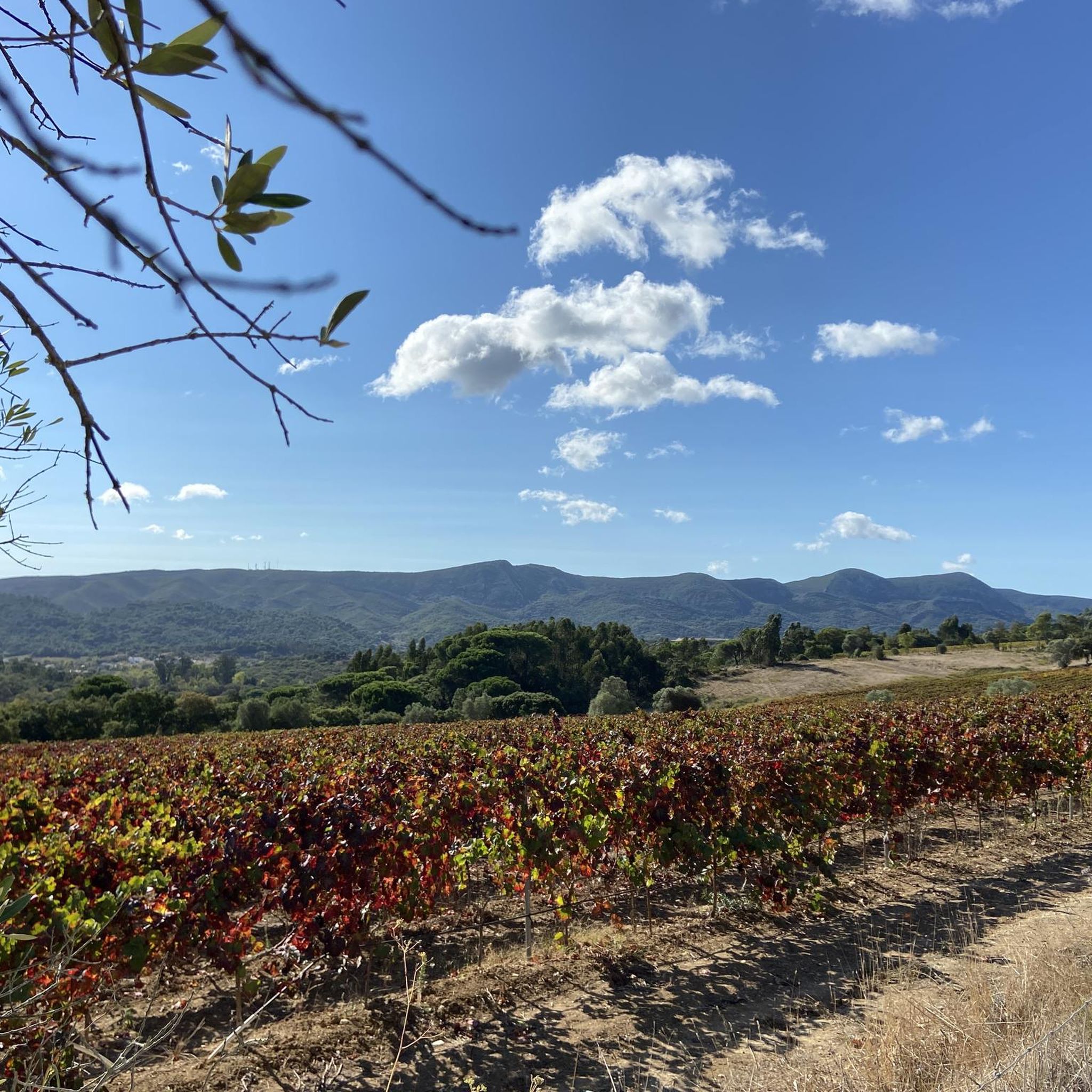
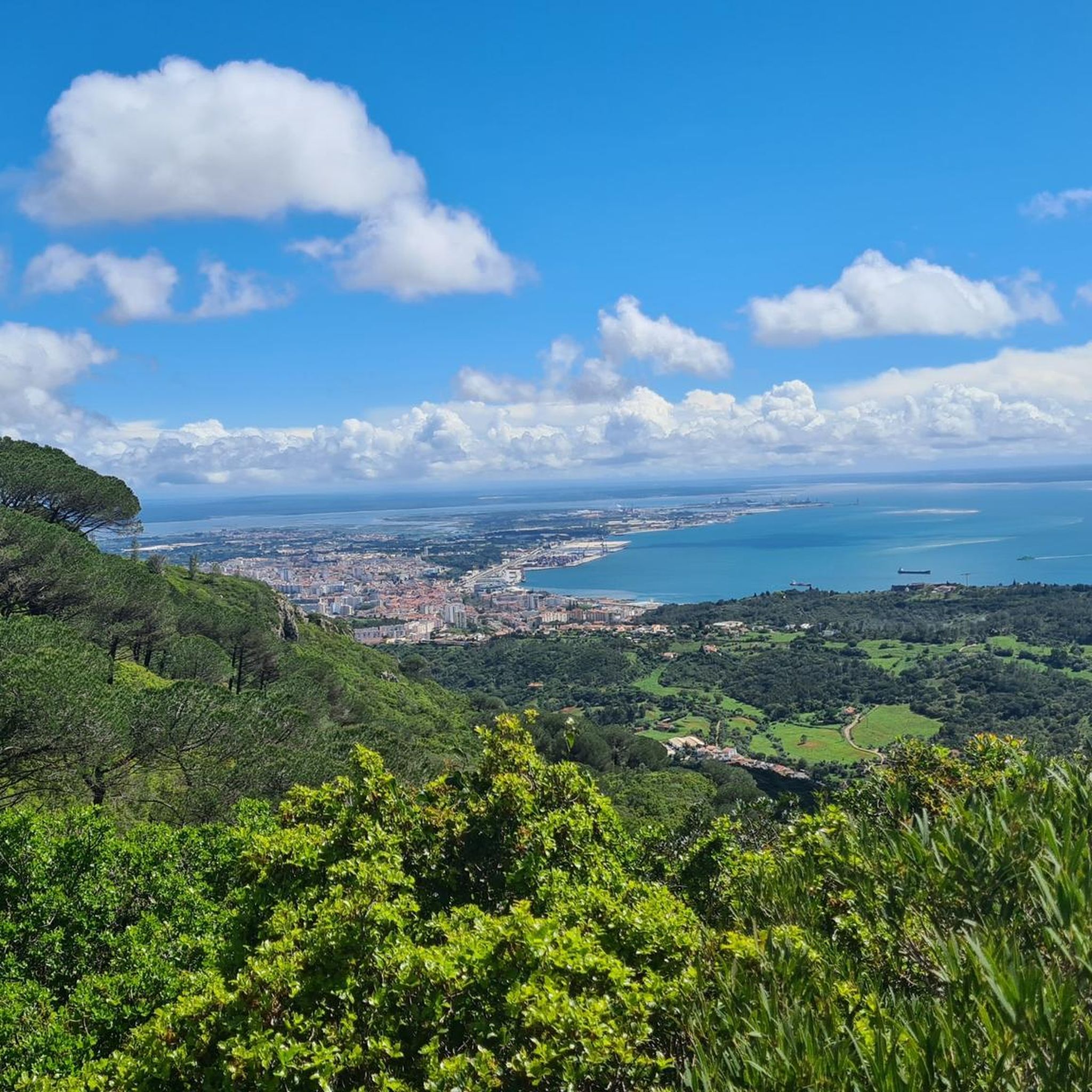
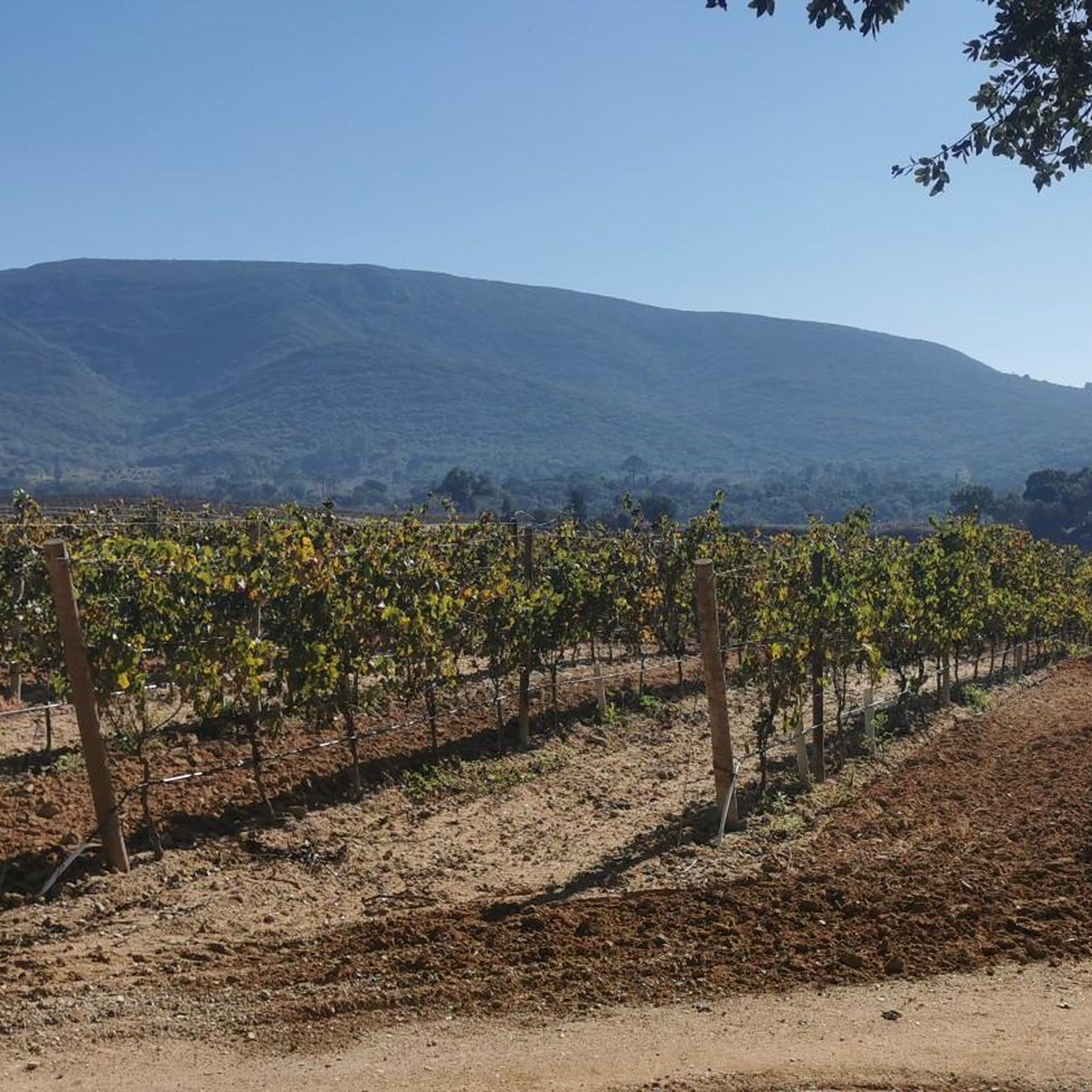
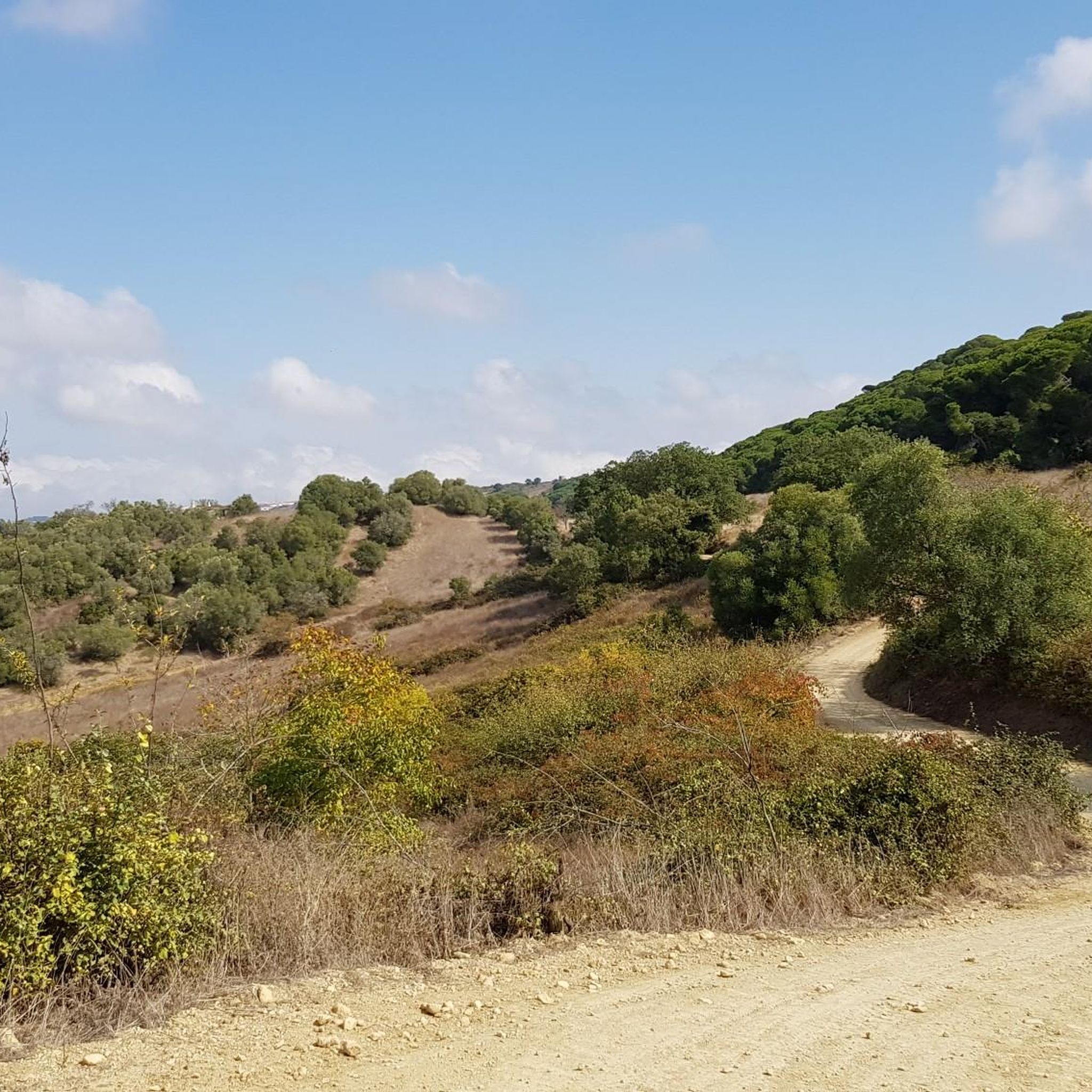
Tips from the Community


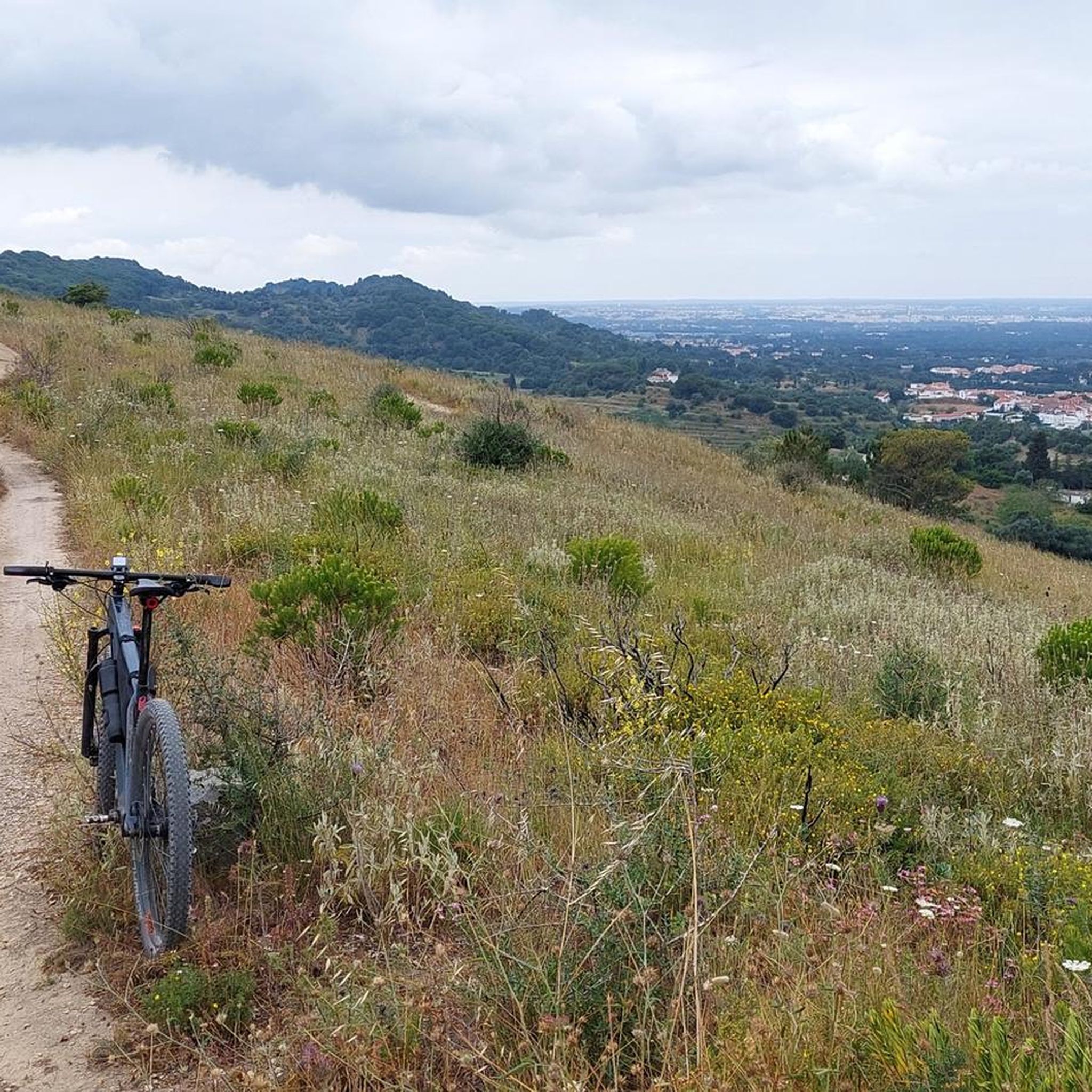
On foot or by bike, Arrábida is always a privilege of nature.👍🇵🇹
0
0

Don't miss the opportunity to sign the summit book. The summit book is located in the small plastic container with the green lid, covered with a stone.
2
0

The chapel was probably built in the 17th or perhaps 18th century, as a place of Christian worship that, most likely, succeeded other previous cults, namely those related to water or even initiation rites linked to the idea of the rebirth of the soul.
4
0
Lapa de Santa Margarida is a natural grout at the base of Arrábida Mountain, where a small altar was erected. The access is done by a narrow path, with over 200 steps, until the sea level. Inside there is a Christian altar with some images and candles. The image of Saint Margaret was initially in this chapel, thus having given her name to this place.
4
0
This linear route runs along the northern and southern slopes of the Serra da Arrábida up to Portinho da Arrábida, passing through the highest point of the mountain range, Alto do Formosinho, marked with a geodesic marker at 501 metres. This route, which is of the highest level of difficulty, is the closest to mountaineering conditions, due to the steep incline and the characteristics of the terrain. It is one of the most charismatic routes in the region, due to its connection to the first settlements of Arrábida (Castelo dos Mouros rock formation) and the ancient pilgrimage candles of devotion to Our Lady of Arrábida, which are still maintained, due to the challenge of reaching the peak, through dense vegetation, areas of gravel and rock climbing, and also through the endless landscapes that connect the Sado estuary to the Tagus and the border between Finisterra and the ocean.
3
0
It is the highest point of the Serra da Arrábida and it is not easy to get up there!...
3
0
Pico Formosinho, at 501 meters above sea level, is the highest point in the Serra da Arrábida... A very tough climb, an even tougher descent... Not accessible to everyone...
3
0
Frequently Asked Questions
What are the most significant natural and historical monuments to visit around Quinta Do Anjo?
The region offers a blend of natural beauty and historical depth. Key sites include the Formosinho Peak, the highest point in the Serra da Arrábida with panoramic views, and the Lapa de Santa Margarida Cave and Chapel, a natural cave with historical Christian worship. Additionally, the Grutas Artificiais da Quinta do Anjo (Artificial Caves of Quinta do Anjo) are a remarkable archaeological site, classified as a National Monument, offering a glimpse into Late Neolithic and Copper Age funerary practices.
Are there family-friendly natural monuments or activities in the area?
Yes, the region offers options suitable for families. The Fernão Ferro Forest Trail is categorized as family-friendly, providing an accessible forest experience. While some sites like Formosinho Peak are challenging, the broader Arrábida Natural Park offers beaches and easier trails for various outdoor activities.
What kind of natural features can I expect to see in the Arrábida Natural Park?
The Arrábida Natural Park is known for its diverse and stunning natural landscapes. You can expect to see dramatic cliffs, pristine beaches with clear waters, and rich biodiversity. The park also features lush forests and offers breathtaking panoramic views from elevated points like Panoramic View over the Arrábida.
What historical or archaeological sites are near Quinta Do Anjo?
The most prominent historical site is the Grutas Artificiais da Quinta do Anjo (Artificial Caves of Quinta do Anjo), also known as Grutas do Casal do Pardo. These human-made caves, dating back to the Late Neolithic period (3200-2900 BC), served as a necropolis for about 1500 years. They offer a unique insight into prehistoric cultures and funerary rituals, with archaeological finds like 'Palmela bowls' and 'Palmela points'.
Are there hiking trails near the natural monuments around Quinta Do Anjo?
Absolutely. The Arrábida Natural Park, which hosts many of these natural monuments, is crisscrossed with numerous hiking trails. You can find a variety of routes, from challenging climbs to more moderate paths, allowing you to explore diverse landscapes, birdwatch, and enjoy photography. For detailed hiking options, explore the Hiking around Quinta Do Anjo guide.
What outdoor activities are available in the region besides hiking?
Beyond hiking, the Arrábida Natural Park's coastline is ideal for water-based activities such as snorkeling, diving, kayaking, and boat tours to explore the beaches and sea caves. For cycling enthusiasts, there are also dedicated MTB Trails around Quinta Do Anjo and Running Trails around Quinta Do Anjo.
What is the best time to visit the natural monuments around Quinta Do Anjo?
The region generally enjoys a mild climate, making it suitable for visits throughout much of the year. Spring and autumn offer pleasant temperatures for outdoor activities like hiking and exploring. Summer is ideal for enjoying the beaches and water sports in Arrábida Natural Park, though it can be warmer. Winter can still be good for hiking, but some trails might be more challenging due to weather conditions.
How challenging are the trails to reach some of the natural monuments?
The difficulty varies significantly. For instance, reaching Formosinho Peak is considered a very tough climb, requiring a high level of difficulty due to steep inclines and terrain characteristics. Similarly, access to Lapa de Santa Margarida Cave and Chapel involves a narrow path with over 200 steps. However, other areas, like the Fernão Ferro Forest Trail, are more accessible and family-friendly.
What do visitors enjoy most about the natural monuments in this region?
Visitors frequently appreciate the stunning panoramic views, especially from spots like Formosinho Peak and Panoramic View over the Arrábida. The blend of challenging climbs with rewarding vistas, the unique historical insights offered by sites like the Grutas Artificiais, and the natural beauty of the Arrábida coastline are often highlighted as key attractions.
Is there public transport available to reach the natural monuments?
While Quinta do Anjo itself is a residential area, reaching some of the more secluded natural monuments within the Arrábida Natural Park often requires private transport. Public transport options might be limited for direct access to trailheads or specific viewpoints. It's advisable to check local bus schedules or consider car rental for greater flexibility in exploring the park's diverse sites.
Where can I find more information about the Grutas Artificiais da Quinta do Anjo?
For more detailed information about the Grutas Artificiais da Quinta do Anjo, including their archaeological significance and history, you can visit official tourism resources. You may find further details on sites like visitpalmela.pt or prehistoricportugal.com.
Are there any hidden natural gems or less-known spots worth discovering?
While popular spots offer grand views, the region also holds more secluded treasures. The Lapa de Santa Margarida Cave and Chapel is described as a 'Tour for Insiders,' with its entrance being difficult to find, making it a unique discovery for those who seek it out. Exploring the less-trafficked trails within Arrábida Natural Park can also lead to personal discoveries of its rich biodiversity and serene landscapes.
Most popular routes around Quinta Do Anjo
Most popular attractions around Quinta Do Anjo

Get inspired with the komoot mobile app


Explore more
Extend your search for the best caves by checking out these guides of the top ones around Quinta Do Anjo:
