Top 6 Natural Monuments around Riba De Mouro
Best natural monuments around Riba De Mouro are found within a mountain parish in Monção, Portugal, characterized by its rich natural landscapes and traditional agricultural settings. The area offers a blend of high-altitude pastures, terraced valleys, and dramatic natural features. Its proximity to the Peneda-Gerês National Park provides access to significant natural highlights. Visitors can explore diverse terrain, showcasing human interaction with nature and offering notable landmarks and viewpoints.
Best natural monuments around Riba De Mouro
- The most popular natural…
Last updated: July 13, 2026
Meadinha Lagoon
Highlight • Lake
Translated by Google •
Tip by

Terraced Fields of the Vez Valley
Highlight (Segment) • Structure
Translated by Google •
Tip by

Sign up now to discover places like this
Get recommendations on the best single tracks, peaks, & plenty of other exciting outdoor places.
Sign up for free
Cascata da Peneda
Highlight • Waterfall
It is located in the parish of Gavieira, municipality of Arcos de Valdevez, within the Peneda-Gerês National Park. …
Translated by Google •
Tip by
On the terraces of the Vez Valley
Highlight (Segment) • Structure
Translated by Google •
Tip by
Alto de San Fins
Highlight • Summit
Translated by Google •
Tip by

Sign up for free to discover even more natural monuments around Riba De Mouro.
Sign up for free
Already have an account?
Start today with a free account
Your next adventure awaits.
Login or Signup
Tips from the Community

Lagoa da Meadinha is a small lagoon located in Peneda-Gerês National Park, in the Meadinha area, very close to the famous granite wall that attracts climbers. It is a natural lagoon with calm waters, formed by the accumulation of water in granite depressions. The landscape is spectacular: large granite boulders, meadows, and views of the Gerês mountain range. It is ideal for photography, wildlife observation, and relaxing on hiking trails.
1
0
Peneda Waterfall, located next to the Sanctuary of Our Lady of Peneda: It is located in the parish of Gavieira, municipality of Arcos de Valdevez, within the Peneda-Gerês National Park. It has a drop of 30 meters, visible from afar thanks to its white spray. The waters fall just behind the former dormitories of the Sanctuary, now converted into the Hotel Peneda, and flow under the building before joining the Peneda River.
4
0
Locally known as socalcos, these are platforms built on granite walls to utilize steep slopes and transform them into farmland. This ancient method allowed for the production of grain and pasture in an extremely mountainous environment. The Sistelo cultural landscape, comprised of these terraces, is recognized as a National Monument.
4
0

The Cascata da Peneda is a seasonal waterfall above the Santuario de Nossa in Peneda (Gavieira). Especially in spring, its sudden surges of water occasionally endanger the hotel and the grounds of the sanctuary.
0
0

Between Padrão and Porta Cova, the terraces of the Vez Valley wind their way down the hillside like ancient steps carved into the mountain. Created by human hands to tame the earth, today they offer a magical setting for running: a path of ancient, irregular slabs that tests you and fills your eyes. Here, each step echoes ancient stories. It is no coincidence that this rural wonder was consecrated as one of the “7 Wonders of Portugal”.
2
1
The terraces of the Vez Valley, between Padrão and Porta Cova, are a masterpiece of the relationship between man and nature. Created by our ancestors to cultivate the land and ensure their livelihood, they change with each season, painting the landscape with ever-new colors. It is no wonder that this unique landscape was elected one of the “7 Wonders of Portugal” in the Rural Village category.
1
0

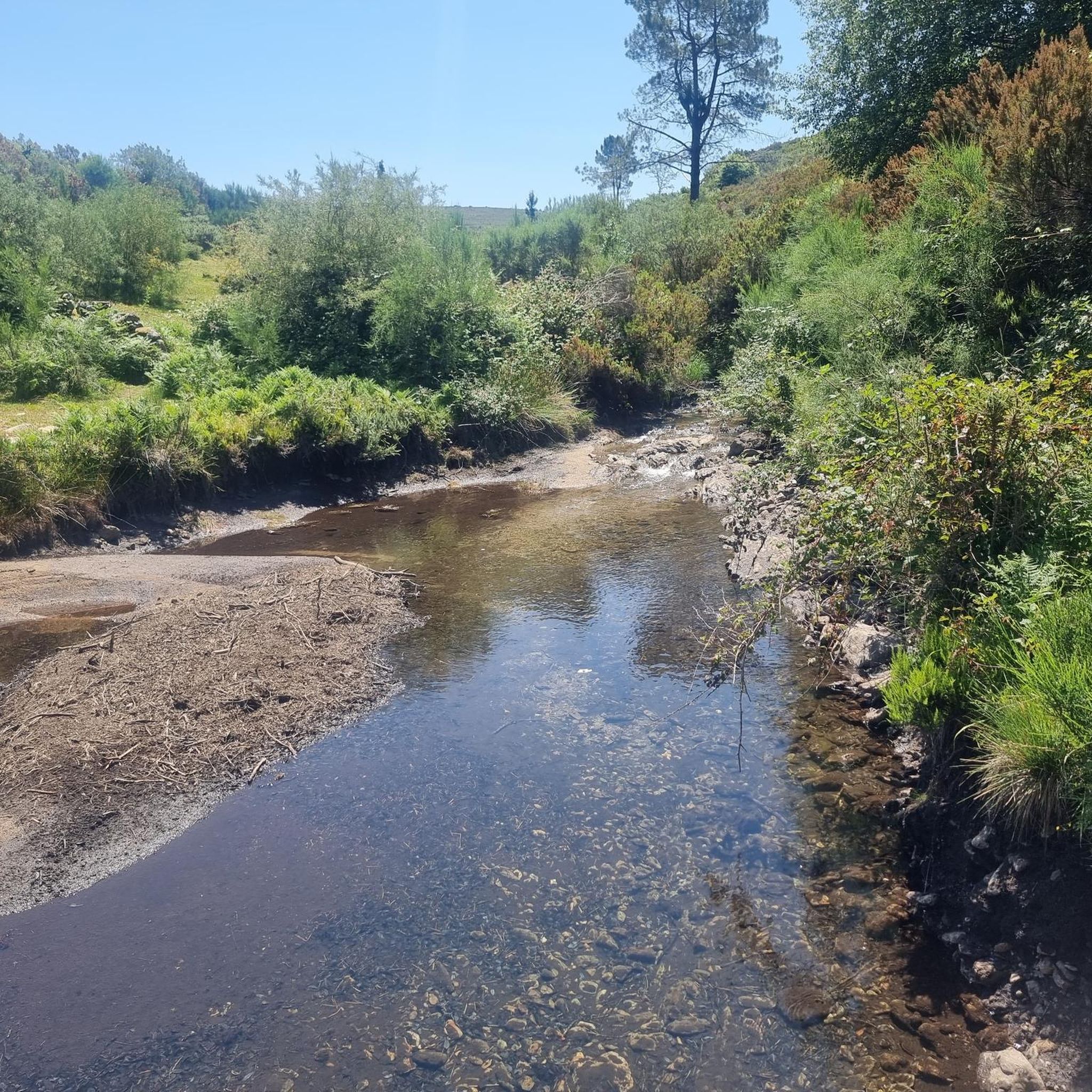
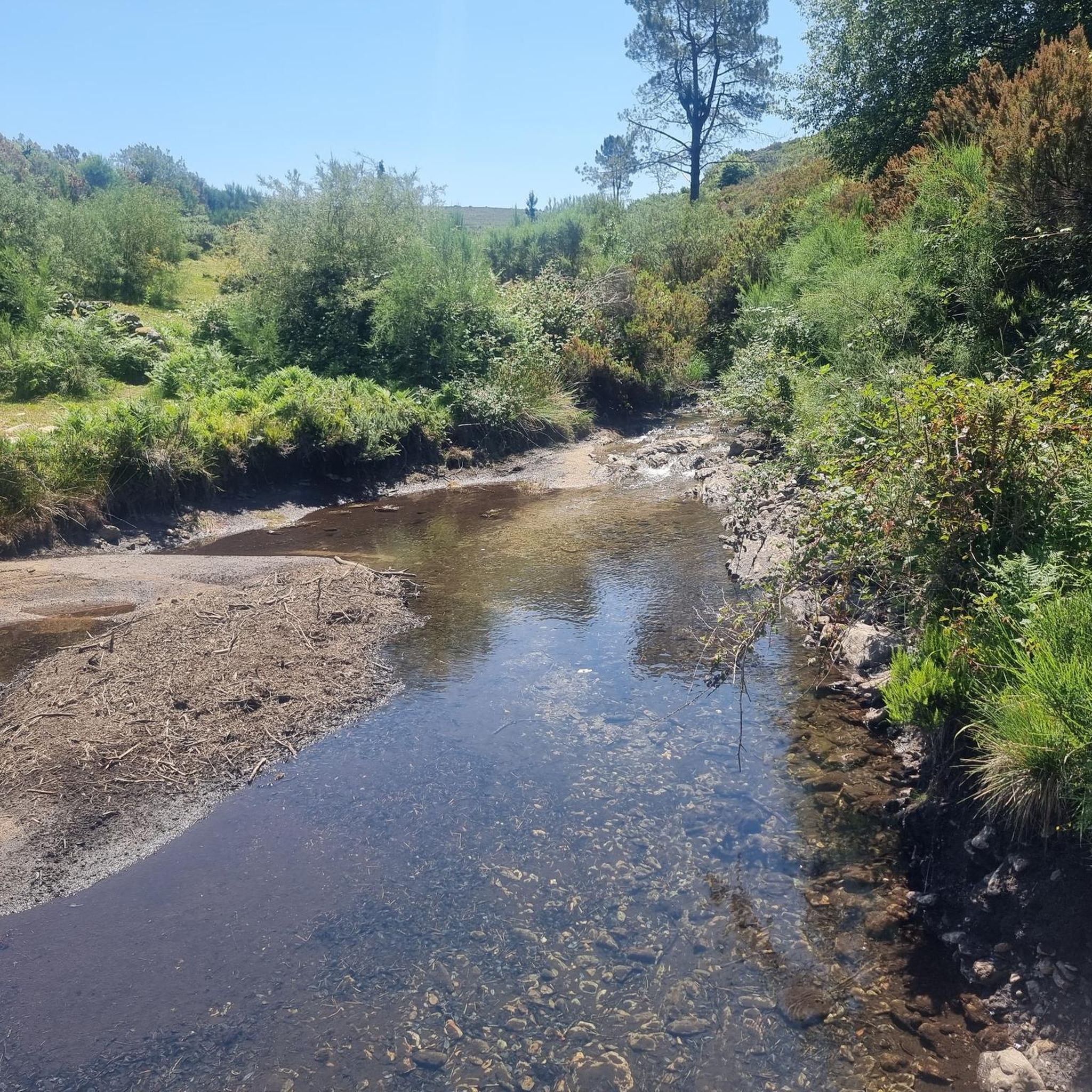
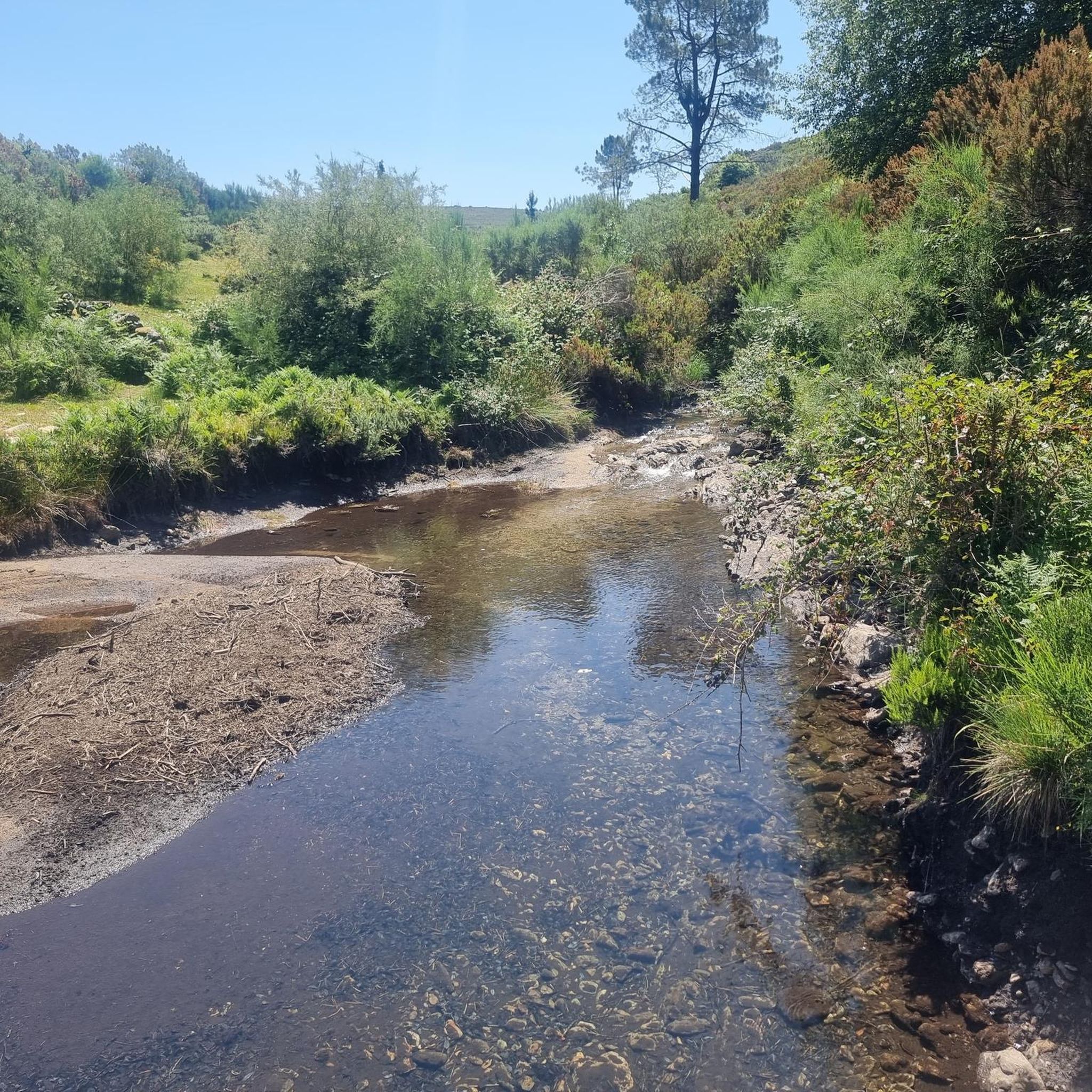
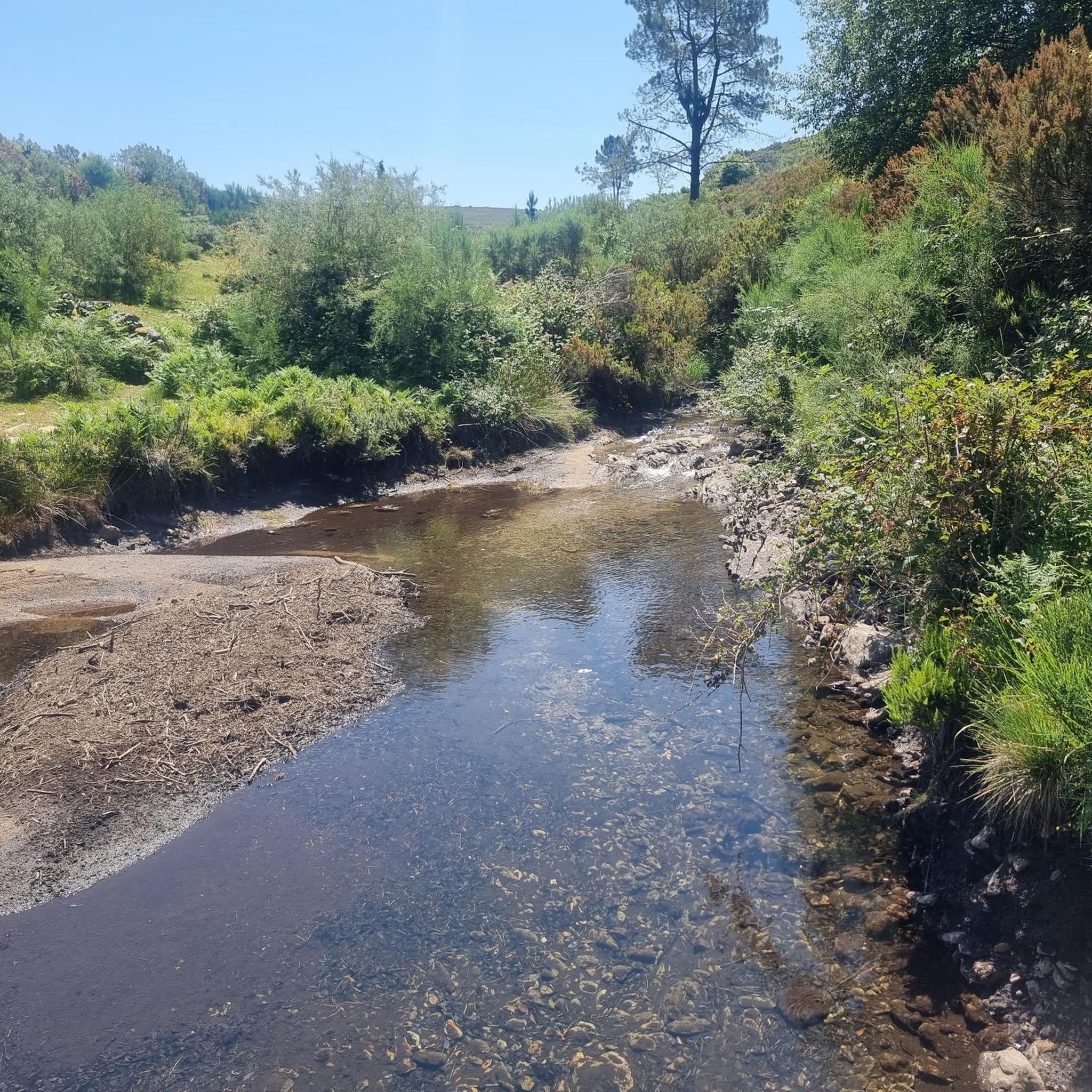
Pantano (so named by the locals), is a natural lake at an altitude of 1000 meters. The large boulder in the middle of the lake is associated with a local legend.
3
4

The Alto de San Fins is almost 700m above sea level. In its upper part we can find the Hermitage of San Fins. From the top you can enjoy magnificent views of the Miño river valley
2
0
Frequently Asked Questions
What are the most notable natural features to explore around Riba de Mouro?
The region offers a variety of natural attractions. You can visit the Meadinha Lagoon, a serene natural lake within Peneda-Gerês National Park, known for its granite boulders and views of the Gerês mountain range. Another significant site is the Terraced Fields of the Vez Valley, a remarkable example of human interaction with nature, recognized as one of the “7 Wonders of Portugal” in the Rural Village category.
Are there any impressive viewpoints in the Riba de Mouro area?
Yes, for panoramic views, consider ascending to Alto de San Fins. This summit, nearly 700 meters above sea level, offers magnificent vistas of the Miño river valley. The ascent to Vale de Poldros also provides beautiful panoramic views of the Alto Minho landscape.
What kind of historical or cultural natural monuments can I find?
The Terraced Fields of the Vez Valley are a prime example, showcasing ancient agricultural practices and the enduring relationship between local communities and their environment. Additionally, within Riba de Mouro, Vale de Poldros features the 'Branda de Santo António de Vale de Poldros,' a well-preserved area with traditional granite and schist dwellings ('cardenhas') used by shepherds, offering a glimpse into a traditional transhumance lifestyle dating back to the Middle Ages.
Are there any waterfalls to visit near Riba de Mouro?
Yes, the Cascata da Peneda is a notable waterfall located next to the Sanctuary of Our Lady of Peneda, within the Peneda-Gerês National Park. It boasts a 30-meter drop and is particularly impressive in spring when water levels are higher.
What outdoor activities can I do near these natural monuments?
The region is excellent for various outdoor activities. You can find numerous hiking trails, such as the moderate 'Meadinha Lagoon – Cascata da Peneda loop' or more challenging routes like the 'Branda do Alhal – Branda de Rio Covo loop'. For more options, explore the dedicated guide for Hiking around Riba De Mouro. There are also extensive MTB Trails and Cycling routes available.
What is the best time of year to visit the natural monuments around Riba de Mouro?
The best time to visit depends on your interests. Spring (for waterfalls like Cascata da Peneda) and summer are ideal for enjoying the natural landscapes and outdoor activities. The Vale de Poldros area is particularly active during summer months when shepherds bring livestock to graze, and the annual Saint Anthony's festival takes place in mid-June.
Are there any hidden natural gems or less-known spots worth discovering?
Beyond the well-known highlights, the entire Vale de Poldros area within Riba de Mouro can be considered a hidden gem. It offers profound silence and a unique glimpse into a traditional way of life among its granite and schist structures, away from more crowded tourist spots. The terraces of the Vez Valley, locally known as 'socalcos', also offer a magical setting for exploration, with ancient, irregular slabs that tell stories of the past.
What makes the natural monuments around Riba de Mouro unique?
The uniqueness stems from the blend of dramatic natural landscapes and the deep historical interaction between humans and nature. From the high-altitude pastures and traditional 'brandas' of Vale de Poldros to the ancient terraced fields of the Vez Valley, the region showcases a living cultural landscape. Its proximity to the Peneda-Gerês National Park also provides access to pristine wilderness and significant natural features like the Meadinha Lagoon.
What do visitors enjoy most about the natural monuments in this region?
Visitors frequently appreciate the profound tranquility and the opportunity to connect with nature and history. The spectacular landscapes, such as those around Meadinha Lagoon, are ideal for photography and wildlife observation. The historical significance of sites like the Terraced Fields of the Vez Valley and the traditional architecture of Vale de Poldros also leave a lasting impression.
Is the Peneda-Gerês National Park easily accessible from Riba de Mouro?
Yes, Riba de Mouro is situated near the Peneda-Gerês National Park, making it a convenient base for exploring this major natural highlight of Northern Portugal. The park offers extensive opportunities for hiking, wildlife observation, and experiencing dramatic landscapes, including sites like the Sanctuary of Nossa Senhora da Peneda and the Meadinha Lagoon.
Are there any easy hiking options to natural monuments for less experienced visitors?
While some trails can be demanding, many areas offer more accessible exploration. For instance, while the ascent to Alto de San Fins is demanding, the views are rewarding. The general area of Vale de Poldros allows for wandering among traditional structures, which can be less strenuous than a full mountain ascent. Always check the difficulty ratings for specific routes on the Hiking around Riba De Mouro guide.
Most popular attractions around Riba De Mouro

Get inspired with the komoot mobile app


Explore more
Extend your search for the best caves by checking out these guides of the top ones around Riba De Mouro:
