Top 7 Natural Monuments in Hasselbusch
Natural monuments in Hasselbusch are situated within the district of Klötze, Saxony-Anhalt, Germany, providing access to the natural features of the Drömling Nature Reserve. This region is characterized by its lowland moor landscape, extensive network of ditches, and diverse habitats. It serves as a refuge for various plant and animal species, including beavers and white-tailed eagles. The area offers opportunities to explore unique natural formations and protected sites.
Best natural monuments in Hasselbusch
- The most popular natural monuments is Wooden…
Last updated: June 30, 2026
Waldsee Spring and Picnic Area
Highlight • Natural Monument
Translated by Google •
Tip by

Wooden forest spring with carved sculpture
Highlight • Structure
Translated by Google •
Tip by

Sign up now to discover places like this
Get recommendations on the best single tracks, peaks, & plenty of other exciting outdoor places.
Sign up for free
Wild Cherry (Prunus avium) – Tree of the Year 2010
Highlight • Natural Monument
Translated by Google •
Tip by

Sea Eagle Information Shelter
Highlight • Mountain Hut
Translated by Google •
Tip by

Hornbeam (Carpinus betulus) – Tree of the Year 1996
Highlight • Natural Monument
Translated by Google •
Tip by
Sign up for free to discover even more natural monuments in Hasselbusch.
Sign up for free
Already have an account?
Start today with a free account
Your next adventure awaits.
Login or Signup
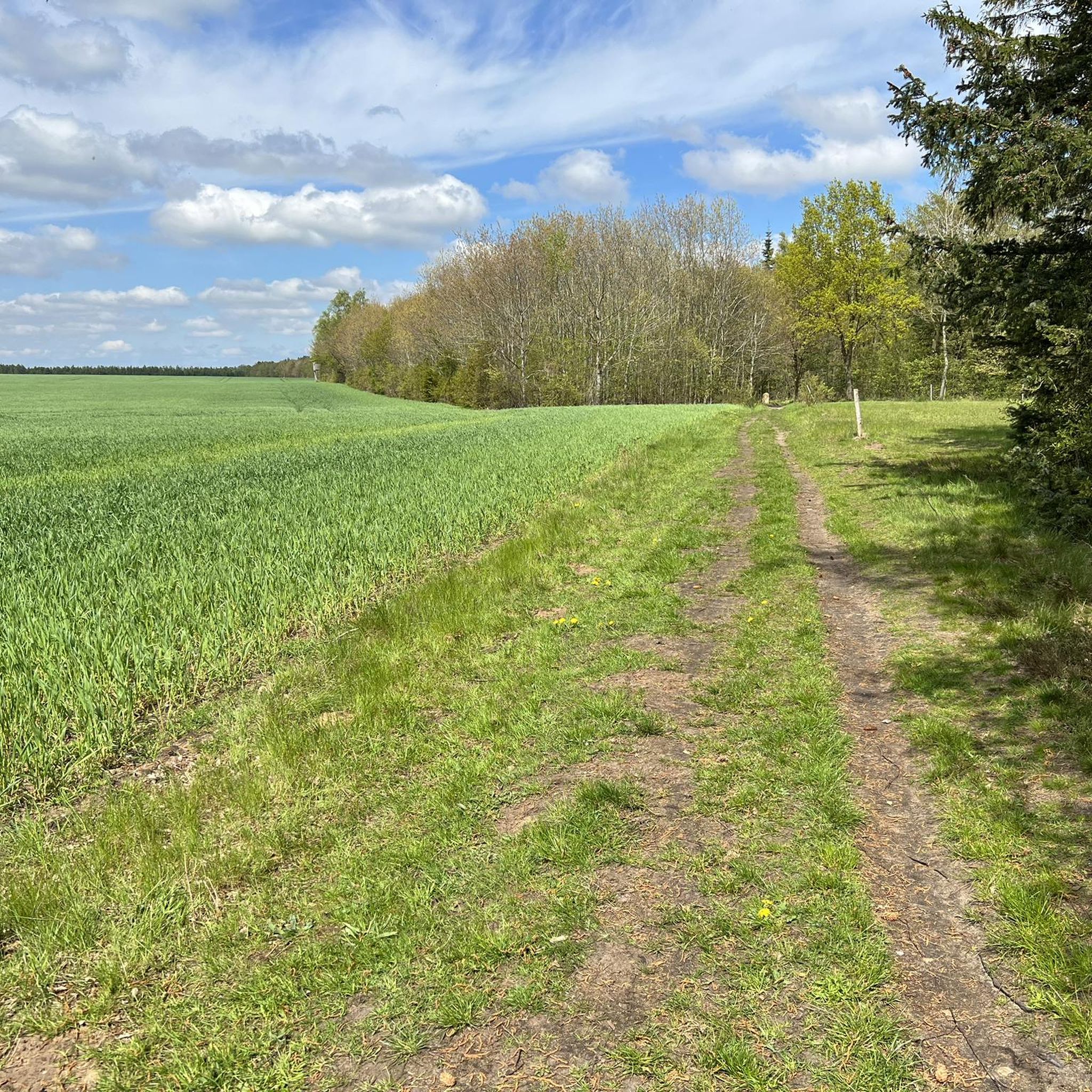
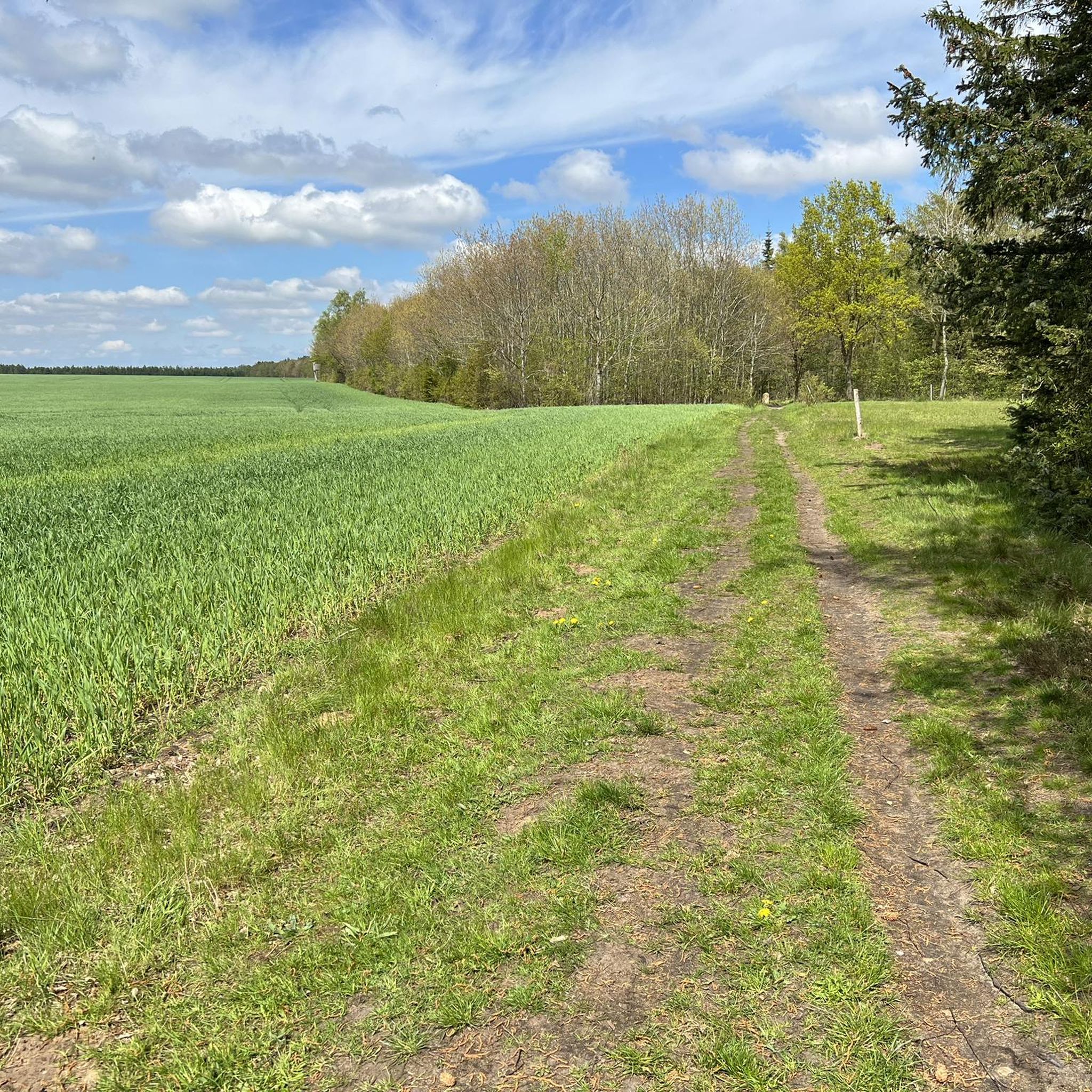
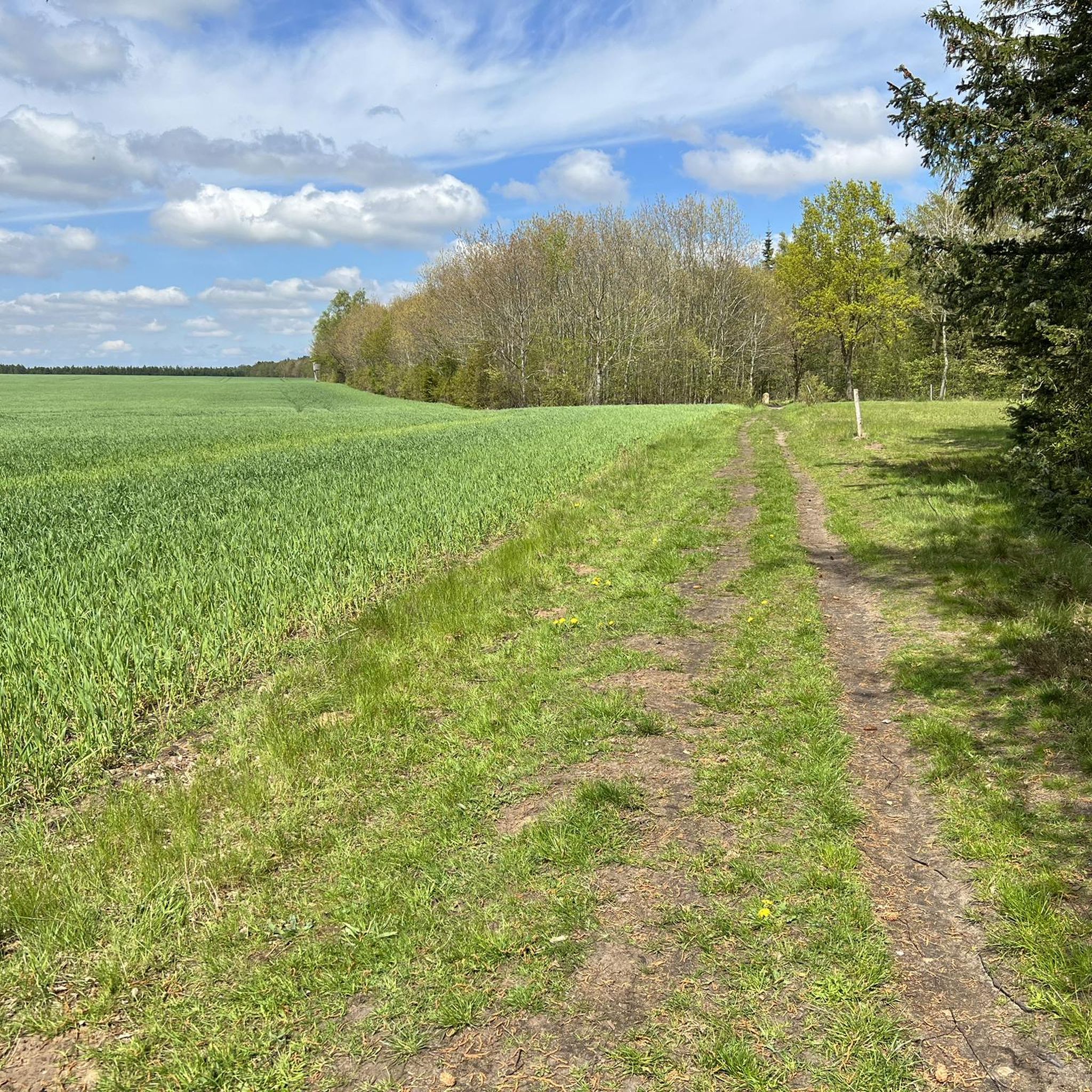
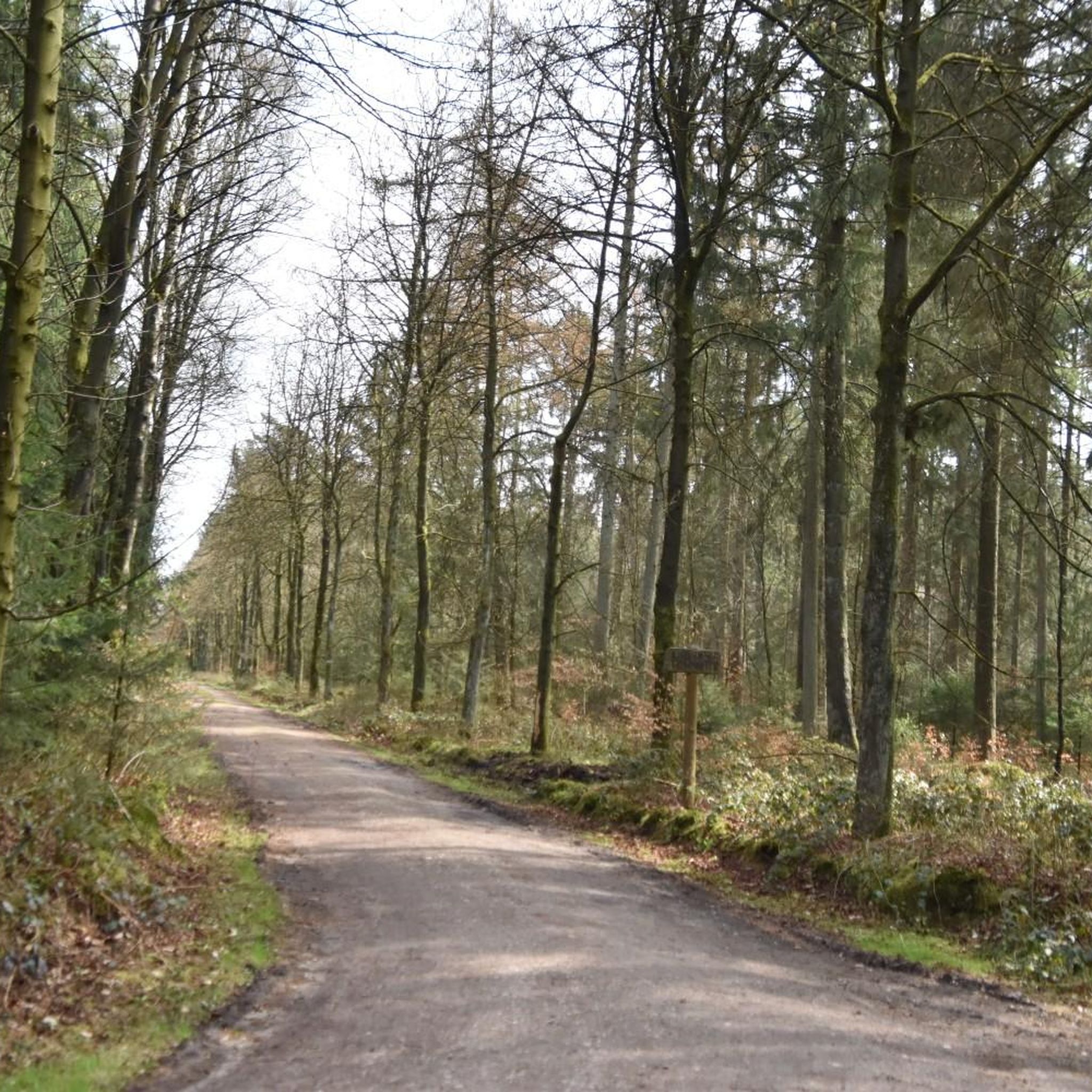

Tips from the Community

In addition, there is an information board about our sea eagles in the hut
0
0

The wych elm, technically spelled mountain elm, is a large tree of the elm genus and belongs to the elm family. For several decades it has been severely threatened by Dutch elm disease. (Source: Wikipedia)
1
0
The wild cherry is a species of plant in the genus Prunus in the rose family. The suffix avium derives from the Latin word avis for bird and refers to the fruit that birds like to eat. (Source: Wikipedia)
1
0
The small-leaved lime, botanical spelling hyphenated small-leaved lime, is a species of the genus Linden within the mallow family. (Source: Wikipedia)
1
0
The hornbeam, also known as white beech, hornbeam or horn tree, belongs to the hornbeam genus of the birch family. It grows as a medium-sized, deciduous tree or shrub in Europe and western Asia. (Source: Wikipedia)
1
0
Here is a nice rest area including a barbecue area.
1
0
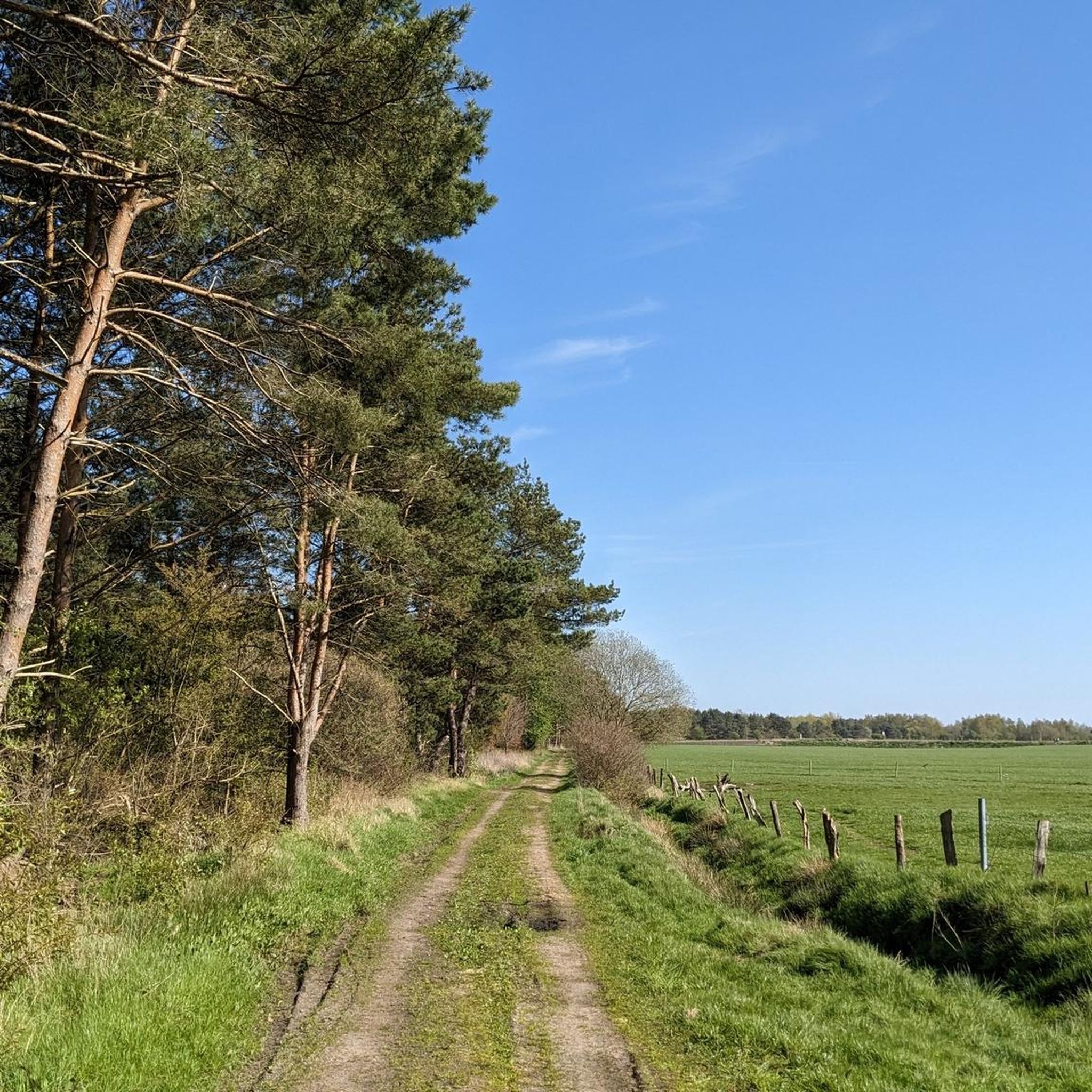
It is definitely worth just looking to the left and right along the way.
2
0
Here is a small shelter with lots of important information about the local white-tailed eagle.
2
0
Frequently Asked Questions
What are the most popular natural monuments to visit in the Hasselbusch area?
Visitors frequently enjoy the Wooden forest spring with carved sculpture, known for its unique frog's head carving and photo opportunities. Another favorite is the tranquil Waldsee Spring and Picnic Area, offering a peaceful spot for a break amidst the forest. The Sea Eagle Information Shelter is also popular for its insights into local wildlife and comfortable seating.
What unique natural features can I expect to see in Hasselbusch and the surrounding region?
The Hasselbusch area, particularly within the adjacent Drömling Nature Reserve, is renowned for its unique lowland moor landscape, often called the 'Land of a Thousand Ditches.' You'll find an extensive network of canals, alder marsh, wet meadows, and water oases. Specific natural monuments include various springs, such as the Waldsee Spring, and designated trees like the Wild Cherry (Prunus avium). The region is also a crucial habitat for diverse plant and animal species.
Are there family-friendly natural monuments or activities in Hasselbusch?
Yes, several natural monuments in the Hasselbusch area are suitable for families. The Waldsee Spring and Picnic Area offers a pleasant spot for a break, while the Wooden forest spring with carved sculpture provides an interesting visual for children. The Sea Eagle Information Shelter is also family-friendly, offering educational insights into local wildlife. Many trails in the Drömling are flat and easy, perfect for walks with children.
What kind of wildlife can be observed near the natural monuments?
The Drömling Nature Reserve, which borders Hasselbusch, is a significant refuge for rare and endangered animal species. Visitors have opportunities to observe beavers, otters, white-tailed eagles, black storks, and cranes. The Sea Eagle Information Shelter specifically provides details about the local white-tailed eagles, and the Bird Observation Hut at the Shallow Water Zone is ideal for birdwatching and spotting otters.
What outdoor activities can I do near the natural monuments in Hasselbusch?
The Hasselbusch area and the Drömling Nature Reserve offer numerous opportunities for outdoor activities. You can enjoy hiking, cycling, and even canoeing through the distinctive waterways of the Drömling. For specific routes, explore the hiking trails, MTB trails, or road cycling routes available in Hasselbusch.
Are there any viewpoints to get a good overview of the landscape?
Yes, within the Drömling Nature Reserve, there is an Observation Tower that offers panoramic views over the unique lowland moor landscape. Additionally, the Sea Eagle Information Shelter also functions as a viewpoint, providing a good vantage point for observing the surroundings.
What is the best time of year to visit the natural monuments in Hasselbusch?
The Drömling region is beautiful year-round, but spring and autumn are particularly recommended. Spring offers blooming nature and active wildlife, while autumn provides stunning colors and excellent birdwatching opportunities during migration. Summer is also pleasant for outdoor activities, though it can be busier. Winter can offer a serene, quiet experience, especially for those interested in winter hiking.
Are there historical or archaeological sites near the natural monuments?
While not natural monuments in the ecological sense, the Klötze municipality, which includes Hasselbusch, is home to significant archaeological monuments. Notably, the Megalithic Tombs near Immekath and Nesenitz are prehistoric burial sites dating back to the Neolithic period. These ancient stone structures are deeply integrated into the landscape and offer a glimpse into the region's early human history and cultural significance. More information can be found on Wikipedia.
What do visitors say about their experience at the natural monuments?
Visitors often praise the tranquility and natural beauty of the area. For instance, the Waldsee Spring and Picnic Area is described as a 'dream place to take a break' with the 'splashing of the spring' adding to the peaceful atmosphere. The Wooden forest spring with carved sculpture is noted as a 'nice photo opportunity.' Many appreciate the educational aspects, such as the information provided at the Sea Eagle Information Shelter.
Are there any specific trees designated as natural monuments in the area?
Yes, the region features specific trees recognized for their natural value. An example is the Wild Cherry (Prunus avium) – Tree of the Year 2010, which is designated as a natural monument. The broader Ohre-Drömling Conservation Area also mentions a 'Natural Monument: Old Weeping Beech,' highlighting the botanical heritage of the region.
Where can I find information about unique habitats in Hasselbusch?
The Drömling Nature Reserve is a unique lowland moor landscape with diverse habitats, including alder marsh, alder-ash forests, wet meadows, and water oases. You can learn more about specific micro-habitats, such as The Stone Heap Habitat, which is highlighted for its ecological importance and often underestimated value.
Most popular routes in Hasselbusch
Most popular attractions in Hasselbusch

Get inspired with the komoot mobile app


Explore more
Extend your search for the best caves by checking out these guides of the top ones in Hasselbusch:
