Top 20 Natural Monuments in Staatsforst Rosengarten
Natural monuments in Staatsforst Rosengarten are located south of Hamburg and north of Buchholz in the Nordheide, offering a diverse natural landscape. The region features varied terrain, including undulating end moraine ridges, extensive beech forests, and heathlands. Visitors can explore a range of natural features, from glacial erratics to the highest natural point in Hamburg. This area provides opportunities for nature observation and experiencing diverse ecosystems.
Best natural monuments in Staatsforst Rosengarten
- The most popular natural monuments is Heather Trails…
Last updated: July 14, 2026
Heather Trails in the Fischbeker Heide
Highlight • Natural
Translated by Google •
Tip by

Hasselbrack – Highest Point in Hamburg
Highlight • Summit
Translated by Google •
Tip by

Sign up now to discover places like this
Get recommendations on the best single tracks, peaks, & plenty of other exciting outdoor places.
Sign up for free
Starting point of the Heidschnuckenweg at Fischbeker Heide
Highlight • Trail
Translated by Google •
Tip by

Kuhteich Pond in the Fischbek Valley
Highlight • Lake
Translated by Google •
Tip by
Karlstein
Highlight • Natural Monument
Translated by Google •
Tip by

Sign up for free to discover even more natural monuments in Staatsforst Rosengarten.
Sign up for free
Already have an account?
Start today with a free account
Your next adventure awaits.
Login or Signup
Popular around Staatsforst Rosengarten
Exploring cultural sites by bike — EU Projects in the Hamburg Area

Lowest to Highest (L2H) in Germany
33 MTB trails through German forests
BARMER Schritte-Challenge: Hamburg
Hiking in Staatsforst Rosengarten
Cycling in Staatsforst Rosengarten
Road Cycling Routes in Staatsforst Rosengarten
MTB Trails in Staatsforst Rosengarten
Gravel biking in Staatsforst Rosengarten
Running Trails in Staatsforst Rosengarten
Other adventures in Staatsforst Rosengarten


Tips from the Community

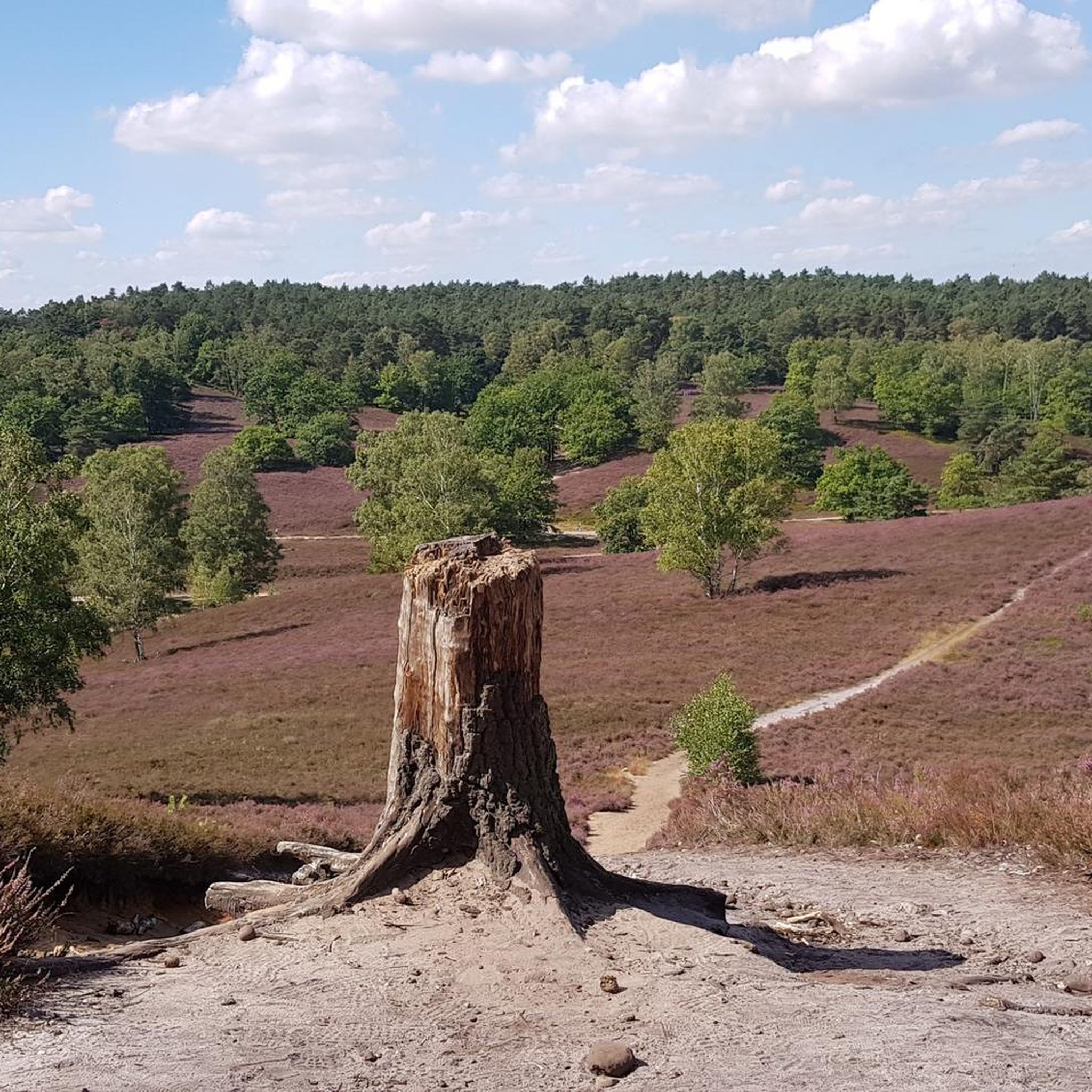
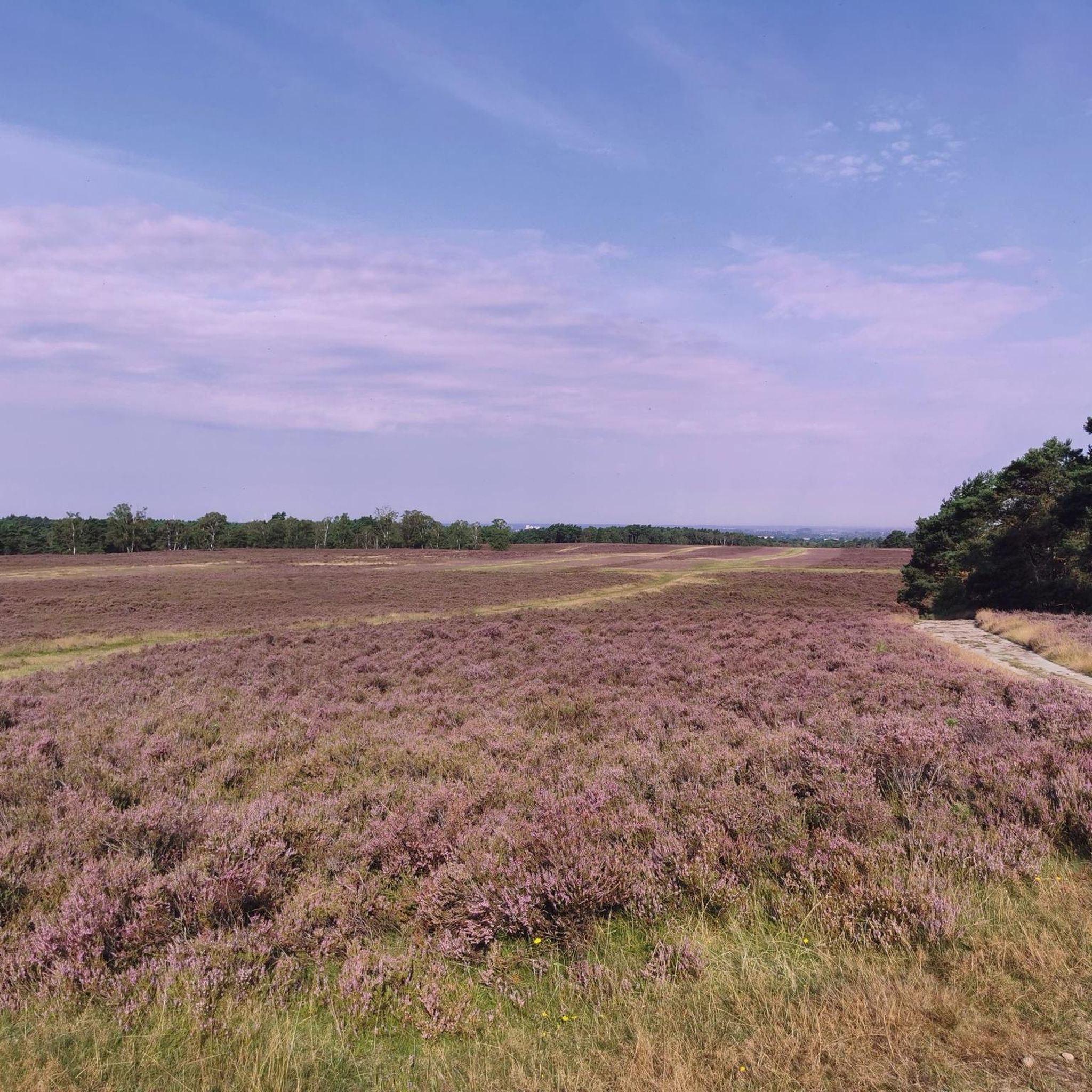
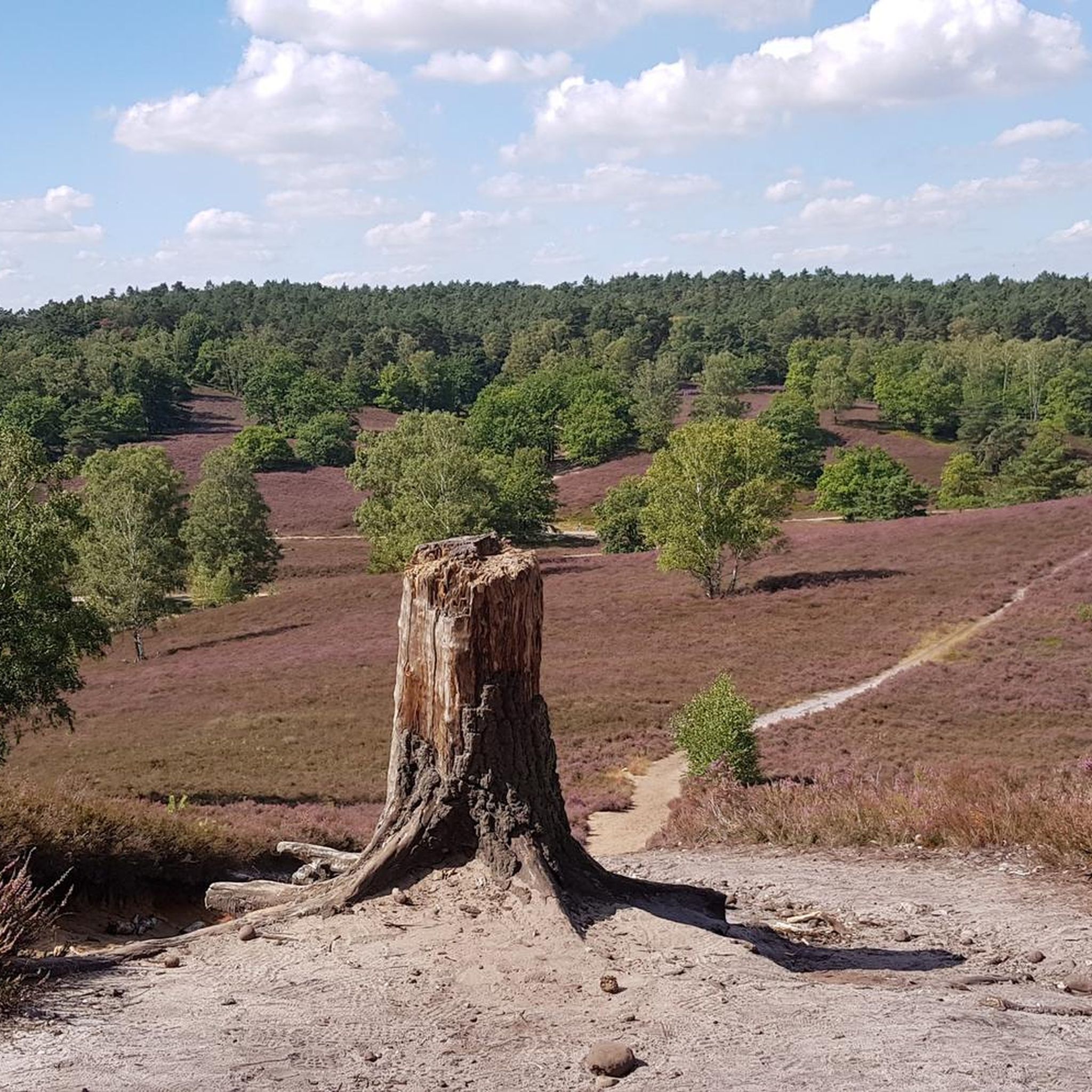
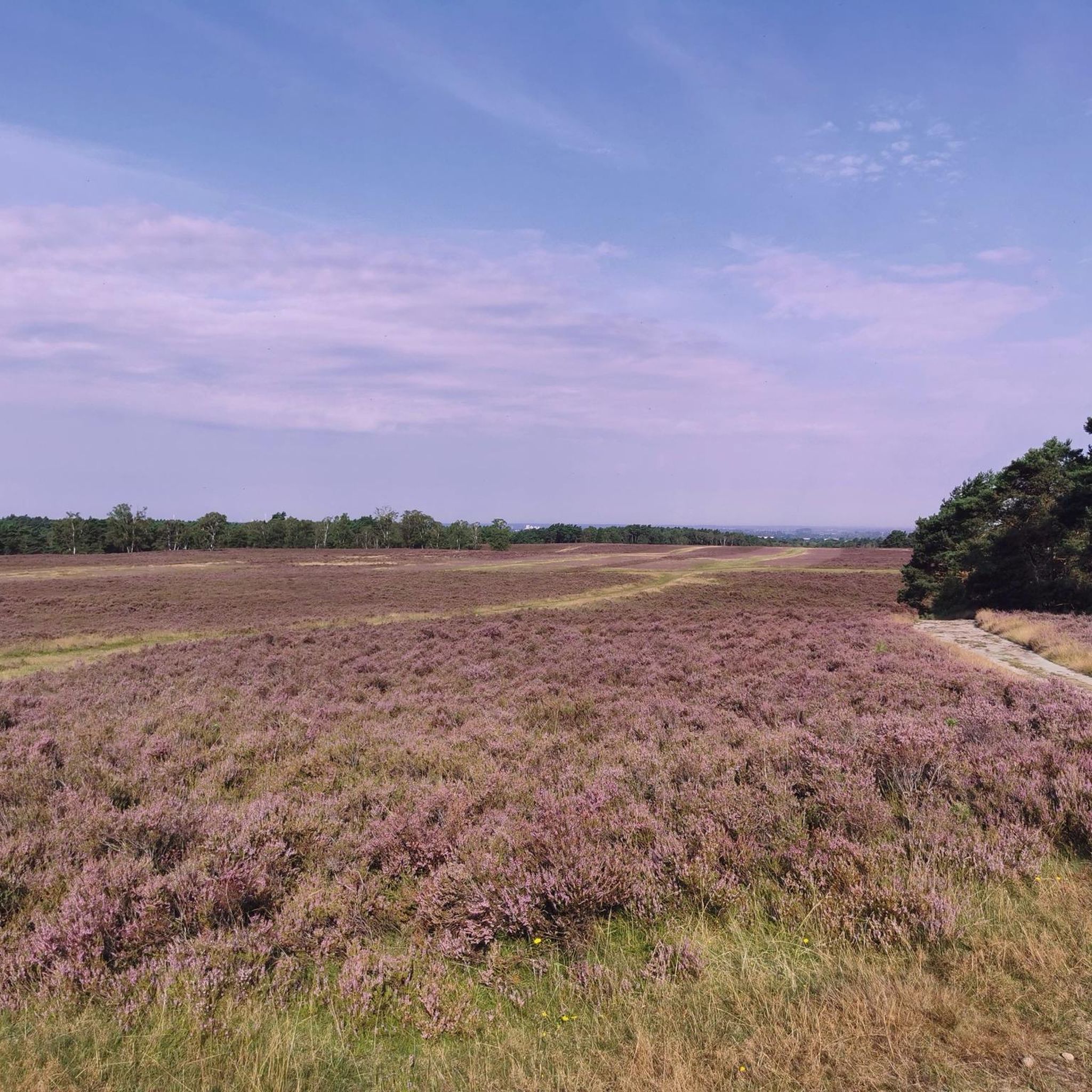
A heath landscape like out of a picture book. I'm super excited, I wasn't expecting that. The path jumps from left to right, sometimes uphill, then slightly downhill again. The slightly hilly landscape opens up new, enchanting views of the blooming heath again and again.
17
1
A heath landscape like out of a picture book. The path jumps from left to right, sometimes uphill, then slightly downhill again. The slightly hilly landscape opens up new, enchanting views of the blooming heath again and again. A festival of the senses. There is also the option of hiking individual circular routes.
11
0

In the Rosengarten state forest, 1750 m west of the forestry office, stands the Karlstein on a hill above a steep ridge, a mighty, medium-sized, reddish-grey granite (>1.9 x 2.5 x 2.2 m) that caused astonishment centuries ago. It was less the size of the stone than the deep grooves and the "imprints" of horseshoes that early on sparked interest. Stones with horseshoe marks can be found in various places. The nearest stone was in Regesbostel, Kr. Harburg. One should remember the Rosstrappe in the Harz mountains and the Bickelstein near Wittingen. There is no factual explanation for these marks yet. A few meters from the Karlstein lies a second stone of the same material, a fragment broken off from the Karlstein. https://www.hamburg.de/geotope/3861972/karlstein/
8
1

Imposing stone that lies in the middle of the Heidschnuckenweg. Easy to reach from the parking lot. But it can also be integrated very well into Waderungen, since the path leading there and back is very beautiful.
7
0

This is where the Heidschnuckenweg from Neugraben-Fischbek to Celle starts. 223 varied kilometers.
11
1

Here, on the southern edge of Hamburg, the 223 kilometer long Heidschnuckenweg starts to Celle. A beautifully designed display shows you the course of the entire long-distance hiking trail, which is one of the most beautiful in all of Germany. I can only confirm this after my hike this year. Even though the heath is largely flat, you can enjoy a few meters of altitude with great views, especially on the first stage. The best way to get to the starting point of the Heidschnuckenweg is via Hamburg Central Station and then the S-Bahn line S3, which will take you to Fischbek. From the S-Bahn station it's about two kilometers to walk and you'll be in the middle of the beautiful heath.
35
3


It's funny to get to know Hamburg's highest point.
13
0
Frequently Asked Questions
What natural features can I expect to see in Staatsforst Rosengarten?
Staatsforst Rosengarten offers a diverse natural landscape. You can explore extensive beech forests, vibrant heathlands like the Heather Trails in the Fischbeker Heide, and significant glacial erratics such as the Karlstein — Glacial Erratic. The region also features undulating end moraine ridges and various plant and animal species typical of lowland beech forests and heath ecosystems.
Are there any significant viewpoints in Staatsforst Rosengarten?
While not dramatic peaks, the region offers several spots with tranquil surroundings. The Hasselbrack – Highest Point in Hamburg provides a sense of accomplishment for hikers, though it doesn't offer panoramic views. The Heather Trails in the Fischbeker Heide offer beautiful vistas, especially when the heather blooms in late summer, transforming the landscape into a vibrant purple carpet.
What is the highest point in Staatsforst Rosengarten?
The highest natural point in Hamburg, located within the Staatsforst Rosengarten, is the Hasselbrack. It reaches an elevation of 116 meters and is marked by a findling (erratic boulder), offering a unique spot for hikers.
Are there any historical natural monuments or sites in the area?
Yes, the region has historical significance. The Karlstein — Glacial Erratic is not only a natural monument but also a historical site with legends surrounding Charlemagne and distinctive chiseled horseshoe marks. Additionally, throughout the Staatsforst Rosengarten, you can discover numerous historical forest boundary stones, some dating back to 1750 and 1751, which are cultural monuments marking old forest borders.
What types of outdoor activities can I do near the natural monuments?
The Staatsforst Rosengarten offers a variety of outdoor activities. You can enjoy hiking on trails like the 'Moisburg Boundary Stone – Paul Roth Memorial Stone loop' or the 'Heideschleife Trail'. For road cycling, routes such as the 'Alte Süderelbe Pathway' are available. Running enthusiasts can explore trails like the 'Paul Roth Memorial Stone – Hülsenberg Summit loop'. You can find more details on these activities and routes on the respective guide pages for Hiking, Road Cycling, and Running in Staatsforst Rosengarten.
Are there hiking trails suitable for different difficulty levels?
Yes, the area provides hiking trails for various skill levels. You can find easy routes like the 'Entrance to the Wulmstorfer Heath – Fischbeker Heath loop' or the 'View of Fischbeker Heide – View of Fischbek Valley loop'. Moderate trails include the 'Moisburg Boundary Stone – Paul Roth Memorial Stone loop' and the 'Karlstein — Glacial Erratic – Doppelheide Clearing, Rosengarten State Forest loop'. For more information, visit the Hiking in Staatsforst Rosengarten guide.
Are there circular hiking routes available?
Yes, several circular hiking routes are available. Examples include the 'Moisburg Boundary Stone – Paul Roth Memorial Stone loop' and the 'Heideschleife Trail – View of the Fischbeker Heide loop'. These routes allow you to explore the natural beauty of the region and return to your starting point. Check the Hiking in Staatsforst Rosengarten guide for more options.
Is parking available for visitors to the natural monuments?
Yes, parking options are generally available for visitors. For instance, near the Karlstein — Glacial Erratic, there is a parking lot about 900 meters away. Specific parking information can often be found at the entry points to popular areas like the Fischbeker Heide.
How can I reach the natural monuments using public transport?
Public transport connections vary by specific location. While some areas like the parking lot near the Karlstein — Glacial Erratic are served by Heide Shuttle buses from mid-July to mid-October, other natural monuments might not have direct public transport access. It's advisable to check local bus schedules for the specific natural monument you plan to visit.
Are permits required for hiking in Staatsforst Rosengarten?
Generally, permits are not required for hiking on designated trails within Staatsforst Rosengarten. The area is part of the Regionalpark Rosengarten, which promotes recreational activities. However, always respect local regulations, especially within nature reserves like the Buchenwälder im Rosengarten, and stay on marked paths.
What is the best time to visit Staatsforst Rosengarten to see the natural monuments?
The best time to visit depends on what you wish to experience. Late summer is particularly popular for the Fischbeker Heide when the heather blooms, creating a stunning purple landscape. Autumn offers a special charm with colorful foliage in the beech forests. Spring and early summer are also excellent for enjoying the lush greenery and diverse plant life.
Are there family-friendly natural monuments or trails in Staatsforst Rosengarten?
Yes, many natural monuments and trails are suitable for families. The Heather Trails in the Fischbeker Heide and the Kuhteich Pond in the Fischbek Valley are popular family destinations. The Beech Forests of Rosengarten also offer quiet and varied forest walks that are enjoyable for all ages.
What are the rules for bringing dogs to the natural monuments?
Staatsforst Rosengarten is generally dog-friendly, but specific rules apply, especially within nature reserves. Dogs should typically be kept on a leash to protect wildlife and maintain the natural environment. Always clean up after your dog. Look for signage at trailheads for any specific local regulations.
Most popular routes in Staatsforst Rosengarten
Most popular attractions in Staatsforst Rosengarten

Get inspired with the komoot mobile app


Explore more
Extend your search for the best caves by checking out these guides of the top ones in Staatsforst Rosengarten:
