Top 9 Natural Monuments in Glasebach
Best natural monuments in Glasebach are found within a landscape shaped by both natural processes and historical human activity. While known for its mining heritage, the region offers 9 natural monuments that provide insight into its geological formations and unique flora. These sites contribute to the area's appeal for outdoor exploration.
Best natural monuments in Glasebach
- The most popular natural monuments is Juniper Heath near Vockerode-Dinkelberg, a natural monument known for its beautiful heather. It is a notable resting…
Last updated: October 3, 2026
Bromsberg – War Memorial and Church in the Green
Highlight • Historical Site
Translated by Google •
Tip by

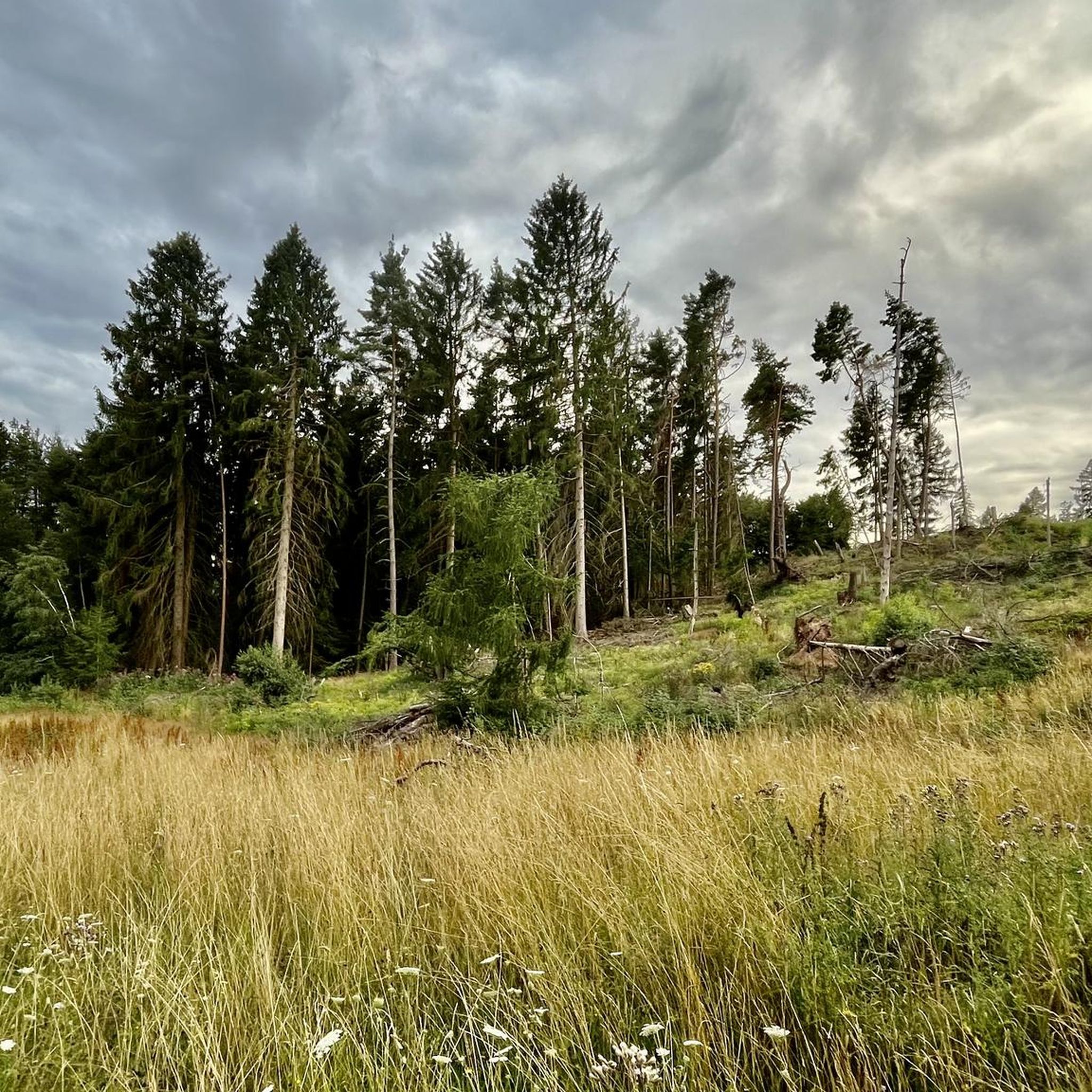
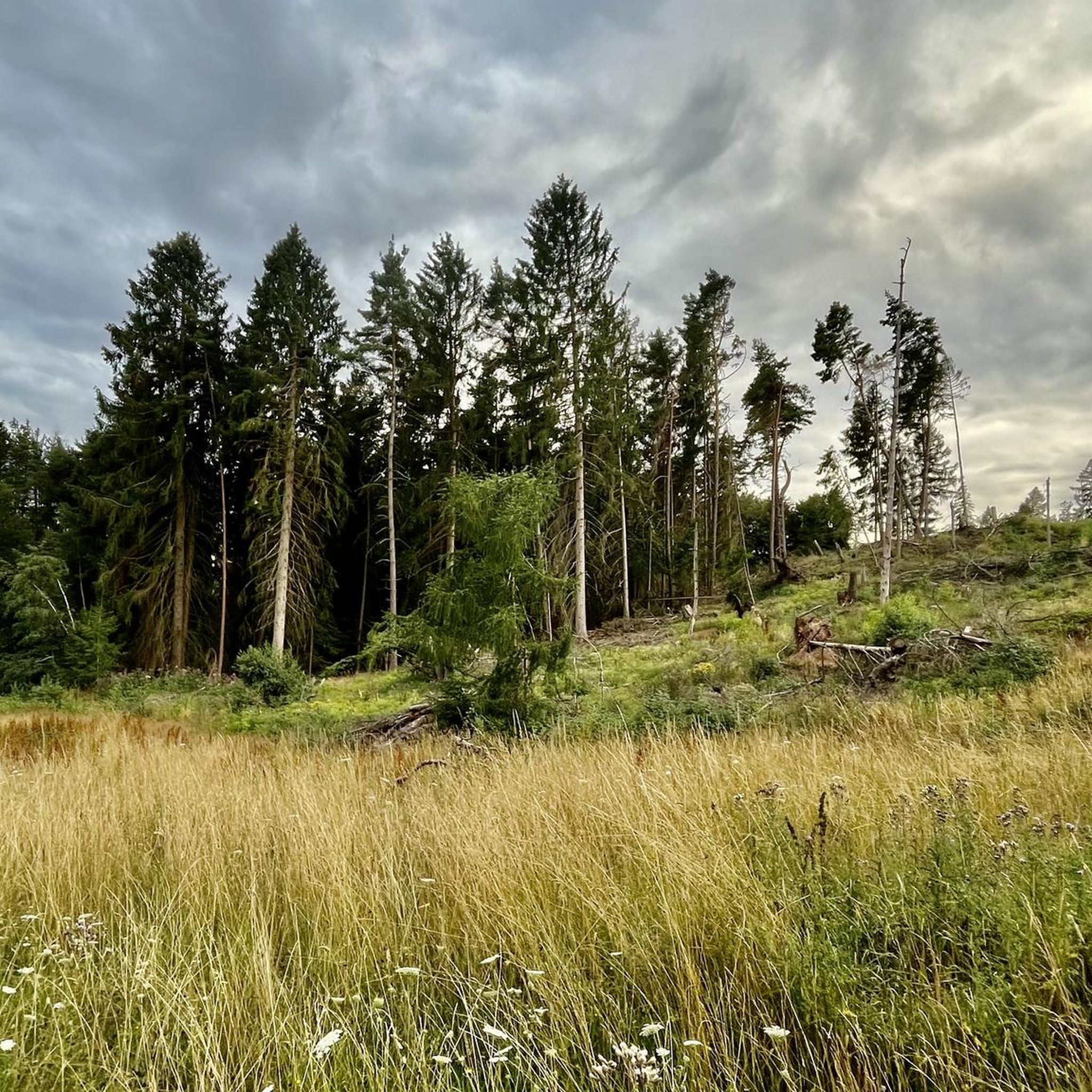
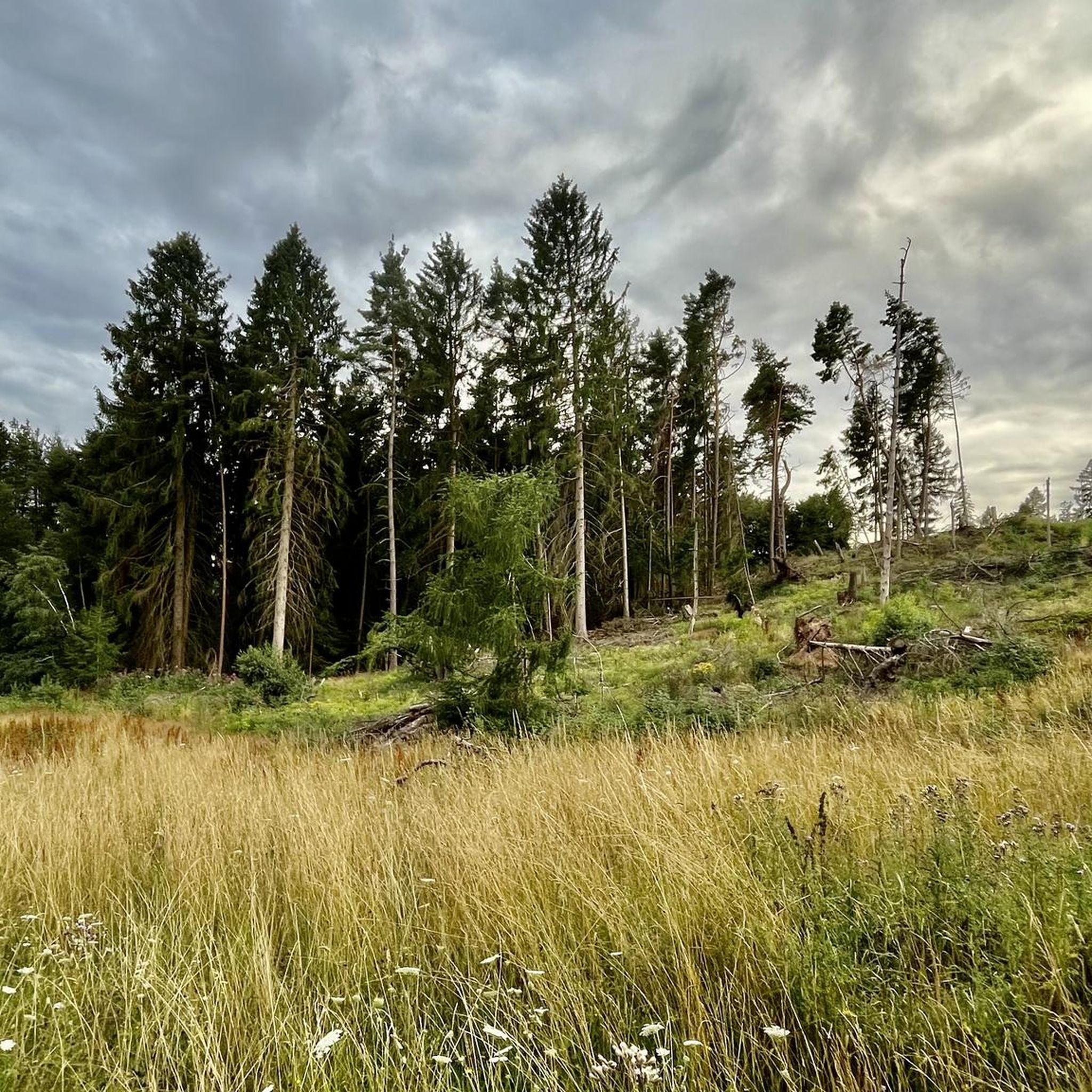
Juniper Heath near Vockerode-Dinkelberg
Highlight • Natural Monument
Translated by Google •
Tip by

Sign up now to discover places like this
Get recommendations on the best single tracks, peaks, & plenty of other exciting outdoor places.
Adam-Sieberts-Ruhe
Highlight • Monument
Translated by Google •
Tip by

Liebenbach Spring
Highlight • Natural Monument
Translated by Google •
Tip by
Hutewald Beech Natural Monument
Highlight • Natural Monument
Translated by Google •
Tip by
Sign up for free to discover even more natural monuments in Glasebach.
Already have an account?
Start today with a free account
Your next adventure awaits.

Tips from the Community


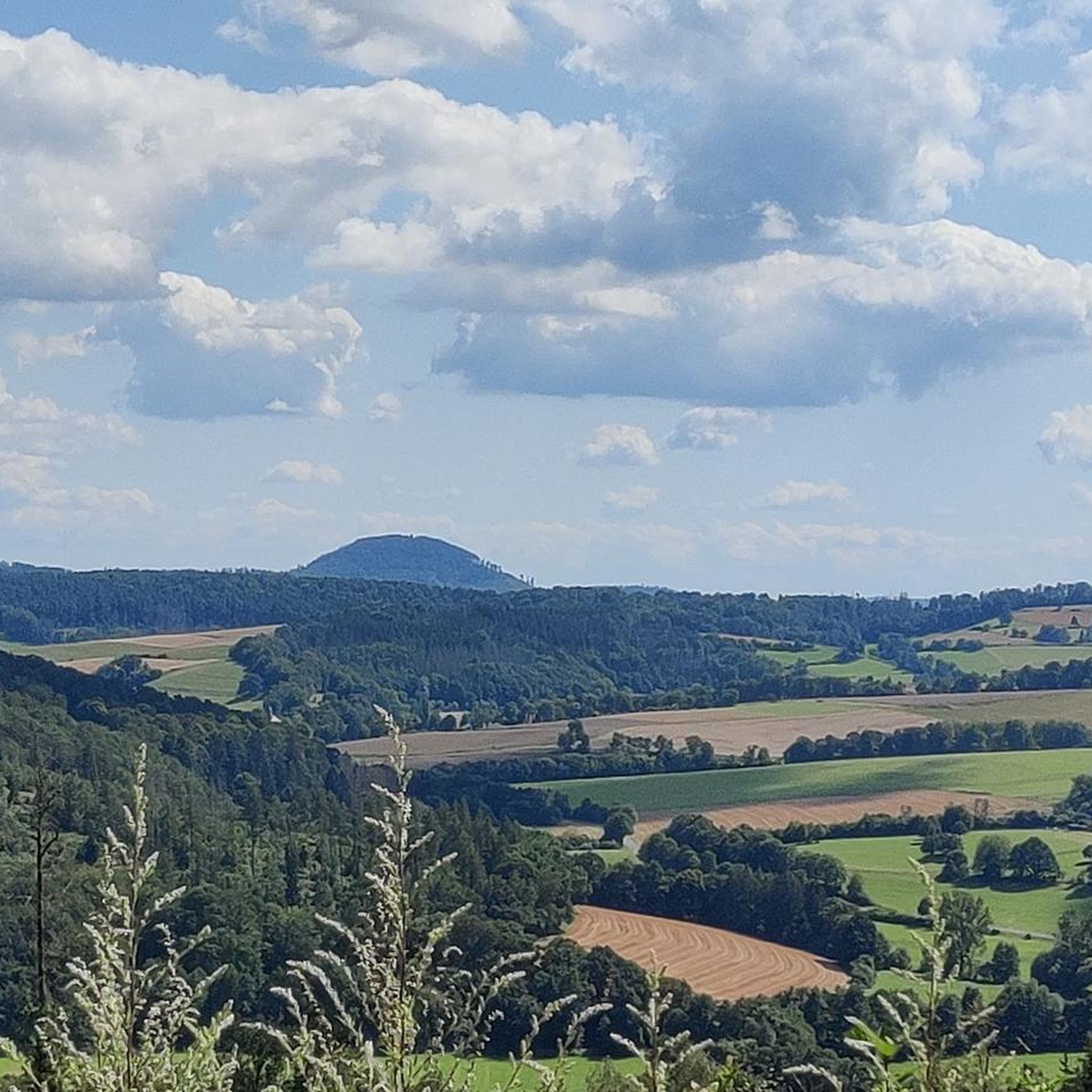
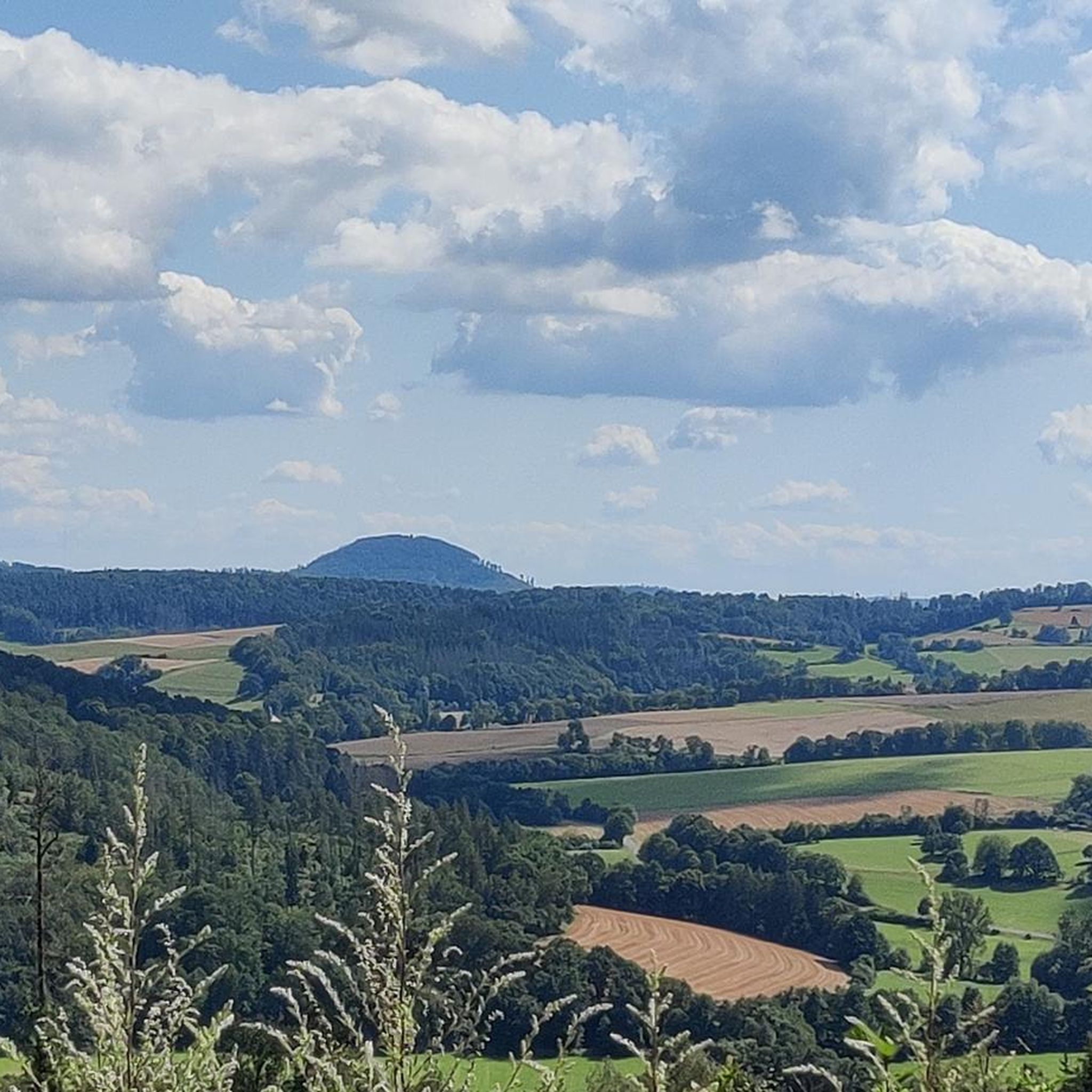
Heldenhain and view of the Pfiefetal
0
0


The Liebenbach spring is one of many springs around Spangenberg and is located on the new hiking trail "Historic Spring Path" (marked with a Q). It is located above the "Adam Sieberts Ruh" monument, where there is also a well that was probably connected to the spring network.
0
0

Next door is a nice, quiet place to rest.
1
0
My personal highlight on my tour. But you should rather look at it when the heather is in bloom.
2
0
My personal highlight on my tour. But it's better to visit when the heather is in bloom.
2
0
Frequently Asked Questions
What kind of natural features can I expect to see in Glasebach?
Glasebach offers a variety of natural features, including juniper heaths, springs, and unique tree formations. The landscape is also shaped by its rich mining history, revealing interesting geological formations and mineralizations, particularly around sites like the historic Glasebach mine.
Are there any unique natural monuments related to the region's history or culture?
Yes, several. The Adam-Sieberts-Ruhe is a memorial for local poet Adam Siebert, offering a quiet resting place. Another unique site is the Tree Church Bromsberg, where 52 linden trees form the ground plan of a church, serving as a memorial and offering views of the city and castle. Additionally, the Primal Time Steps I (Ars Natura) features stone slabs with traces of dinosaurs that lived in the area millions of years ago, blending natural history with an art trail.
Which natural monuments are suitable for families?
Many natural monuments in Glasebach are family-friendly. The Juniper Heath near Vockerode-Dinkelberg is a beautiful spot for a walk, especially during bloom. The Adam-Sieberts-Ruhe offers a peaceful resting place. The Primal Time Steps I (Ars Natura), with its dinosaur traces, can be an engaging experience for children.
Are there good hiking opportunities near Glasebach's natural monuments?
Yes, the region offers various hiking opportunities. You can find easy hikes in Glasebach, with routes like the "Liebenbach Spring – View of Spangenberg Castle loop" or the "Adam-Sieberts-Ruhe – Ascent to Liebenbach Spring loop." These trails often connect to or pass by the natural monuments. For more details, explore the easy hikes in Glasebach guide.
What is the "Juniper Heath near Vockerode-Dinkelberg" known for?
The Juniper Heath near Vockerode-Dinkelberg is a popular natural monument celebrated for its beautiful heather. It's considered a great resting place, particularly worth visiting when the heather is in bloom.
What is the significance of the "Liebenbach Spring"?
The Liebenbach Spring is one of several springs located around Spangenberg. It is a key feature on the "Historic Spring Path" hiking trail and is situated above the Adam-Sieberts-Ruhe monument.
Are there viewpoints among the natural monuments in Glasebach?
Yes, some natural monuments offer scenic views. The Tree Church Bromsberg provides a wonderful view of the city and castle. The Juniper Heath near Vockerode-Dinkelberg is also noted as a viewpoint.
What geological features are prominent in the Glasebach area?
While Glasebach is primarily known for its mining heritage, the region's geology is intrinsically linked to this history. The historic mine sites, such as the Bergwerksmuseum Grube Glasebach, showcase rich and colorful mineralizations and provide insight into the geological formations of the Harz region that were exploited for centuries.
Can I explore the natural monuments on a circular walk?
Yes, there are circular walks available. For instance, the "Liebenbach Spring – View of Spangenberg Castle loop" and the "Adam-Sieberts-Ruhe – Ascent to Liebenbach Spring loop" are easy circular routes that allow you to experience some of the natural monuments and surrounding landscapes. You can find more options in the easy hikes in Glasebach guide.
What is the best time to visit the natural monuments in Glasebach?
The best time to visit depends on your interests. For enjoying the heather at the Juniper Heath near Vockerode-Dinkelberg, visiting during its bloom period is recommended. Generally, spring and autumn offer pleasant weather for hiking and exploring the outdoor sites. The region's mining museum, while not a natural monument, is accessible year-round for an indoor historical experience.
Are there cycling routes available near the natural monuments?
Yes, the Glasebach area offers various cycling routes. You can find options ranging from easy to difficult, including routes that pass through scenic areas. For example, the "Ars Natura Animal Sculptures – Jewish Cemetery at Schlossberg loop" is an easy cycling route. More details can be found in the cycling in Glasebach guide.
Is there parking available near the natural monuments?
While specific parking details for each natural monument are not provided, the region is generally accessible for visitors. For sites like the Bergwerksmuseum Grube Glasebach, dedicated parking is available. For hiking trails and other natural sites, look for designated parking areas at trailheads or nearby villages.
Most popular routes in Glasebach
Most popular attractions in Glasebach

Get inspired with the komoot mobile app


Explore more
Extend your search for the best caves by checking out these guides of the top ones in Glasebach:
