Top 4 Natural Monuments in Urbarialwald St. Margarethen
Natural monuments in Urbarialwald St. Margarethen are found within the Ruster Hills, a region known for its natural beauty and connection to the Neusiedler See-Seewinkel National Park, a UNESCO World Heritage site. The area offers a blend of natural features and historical sites, providing diverse exploration opportunities. Visitors can experience unique landscapes, including significant geological formations and trails that highlight the region's natural and cultural heritage. The Urbarialwald itself contributes to the scenic environment, offering various routes for outdoor activities.
…Last updated: May 19, 2026
Gate of Freedom – Pan-European Picnic Memorial
Highlight • Monument
Translated by Google •
Tip by

Fertőrákos Quarry and Cave Theater
Highlight • Cave
Translated by Google •
Tip by
Sign up now to discover places like this
Get recommendations on the best single tracks, peaks, & plenty of other exciting outdoor places.
Sign up for free
Mithras Grotto
Highlight • Cave
Showing Translation
Tip by

Lavender Fields and Memorial Route from Klingenbach to Mörbisch
Highlight (Segment) • Trail
Translated by Google •
Tip by

Start today with a free account
Your next adventure awaits.
Login or Signup
Popular around Urbarialwald St. Margarethen

Tips from the Community

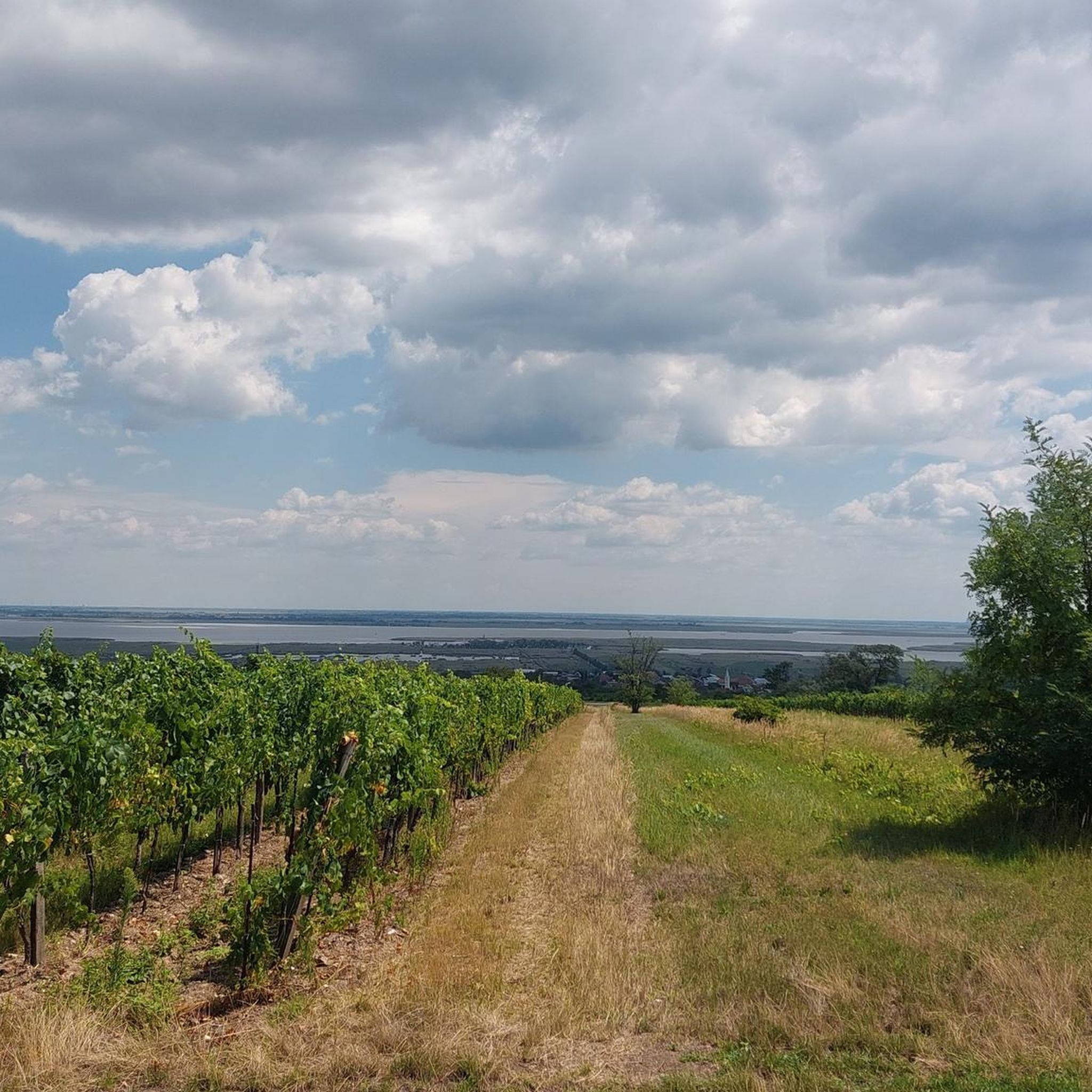
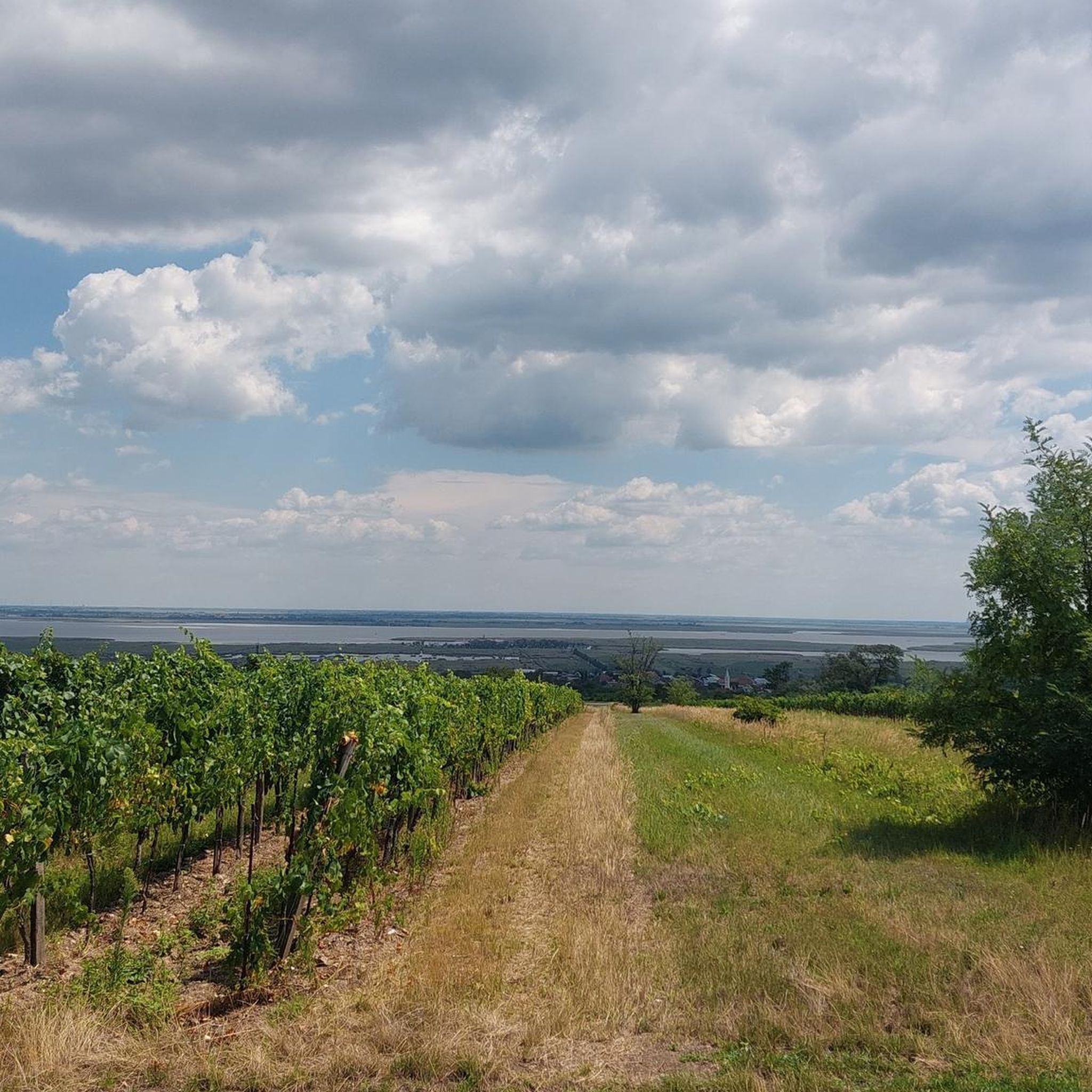
Beautiful landscape around the lake
3
0
Beautiful landscape around the lake
3
0

A very beautiful section, partly along the border and the remnants or memorials of the former East-West divide. This is followed by an idyllic bike path along meadows and lavender fields, leading through a quiet park to Klingenbach. An abandoned Pußta farm (still used for events?) invites you to take a short rest and play on the swings.
0
0

cool track
0
0

History was made at this memorial in 1989. The Pan-European Picnic was a peace demonstration on the Austro-Hungarian border near the town of Sopron (Ödenburg). With the consent of both countries, a border gate on the old Pressburger Landstrasse between St. Margarethen in Burgenland and Sopronköhida (Steinambrueckl) in Hungary was to be symbolically opened for three hours. On August 19, 1989, before the official start of the program, scheduled for 3 p.m., refugees from the GDR appeared at the scene of the event and broke through the border in several waves. The Hungarian border police did not prevent this escape, which became the first, truly spectacular action of German reunification. The memorial is a worthwhile excursion destination with a beautiful park, a walkway with informative display boards, the peace bell and the remains of the Iron Curtain.
3
0

The 350 km long, strictly monitored Iron Curtain ran right next to St. Margarethen. This border separated Hungary from western democracy, the free world, for forty years. On August 19, 1989, the Pan-European Picnic took place. A peace demonstration, where the border gate on the old Pressburger Landstraße, between St. Margarethen and Sopronköhida, was to be symbolically opened for three hours. The motto of the event was "Dismantle and take with you", so every visitor was allowed to cut off a piece of barbed wire and take it with them.
2
0
The Roman border guards who served here brought the Eastern mystery beliefs with them and built a rock chapel for the Persian sun god almost two thousand years ago, in which they built an altar to Mithras, who was born from the rock.
2
0

The Mithras grotto in Mörbisch is located on the border with the neighboring Hungarian town of Fertörákos. It was discovered in 1866. The Mithras grotto, which dates back to the 3rd century, contains a half-relief carved into the low rock face depicting the sun god Mithras killing the bull, to the right of him Phosphorus with a raised torch, to the left Hesperus with a downward-facing torch.
0
0
Frequently Asked Questions
What unique natural features can I explore in Urbarialwald St. Margarethen?
The region offers a blend of natural beauty and geological interest. You can visit the impressive Fertőrákos Quarry and Cave Theater, which features an exhibition about its geological history and a unique stone-carved concert hall. The broader area is part of the Ruster Hills, known for its scenic landscape and proximity to the Neusiedler See-Seewinkel National Park, a UNESCO World Heritage site with a vast reed belt.
Are there historical sites among the natural monuments in Urbarialwald St. Margarethen?
Yes, the area beautifully blends natural and historical significance. You can explore the Mithras Grotto, a 3rd-century Roman rock chapel dedicated to the sun god Mithras. Additionally, the Gate of Freedom – Pan-European Picnic Memorial marks a significant historical event at the former Austrian-Hungarian border, blending natural surroundings with poignant history.
Are there family-friendly natural monuments or trails suitable for children?
Absolutely. The Lavender Fields and Memorial Route from Klingenbach to Mörbisch is a family-friendly trail with idyllic bike paths through meadows and lavender fields. The Fertőrákos Quarry and Cave Theater is also suitable for families, offering an engaging exhibition and a unique setting. The Gate of Freedom – Pan-European Picnic Memorial also provides an educational and accessible experience for all ages.
What kind of trails can I find for exploring the natural monuments?
The region offers diverse trails. For instance, the Lavender Fields and Memorial Route from Klingenbach to Mörbisch is a cycle-friendly path. Many trails wind through the Ruster Hills, providing opportunities for both leisurely walks and more active exploration. You can find routes that combine natural beauty with historical points of interest.
Can I go hiking near the natural monuments in Urbarialwald St. Margarethen?
Yes, there are several hiking opportunities. For example, you can find routes like the 'Pußtahof Ruins loop' (5.3 km, easy) or the 'St. Margarethen Quarry – Roman Quarry St. Margarethen loop' (5.1 km, easy). For more options, explore the dedicated hiking guide for the area: Hiking in Urbarialwald St. Margarethen.
Are there options for cycling or gravel biking near the natural monuments?
Yes, the area is well-suited for cycling and gravel biking. The Lavender Fields and Memorial Route from Klingenbach to Mörbisch is an excellent example of a cycle-friendly path. You can find various routes, including moderate gravel biking tours like the 'View of Lake Neusiedl – Vineyards Near Lake Neusiedl loop' (41.1 km). For more routes, check out the gravel biking guide: Gravel biking in Urbarialwald St. Margarethen.
What do visitors enjoy most about the natural monuments in Urbarialwald St. Margarethen?
Visitors appreciate the blend of natural beauty and historical significance. The idyllic bike paths through lavender fields, the unique geological formations of the quarry, and the historical depth of sites like the Mithras Grotto and the Gate of Freedom are frequently highlighted. The opportunity to experience both nature and history in one visit is a major draw.
What is the best time to visit Urbarialwald St. Margarethen to see the natural monuments?
The region is beautiful throughout much of the year. Spring and summer are ideal for enjoying the lavender fields and cycling routes. The Fertőrákos Quarry and Cave Theater can be visited in various seasons, offering shelter from the elements. For outdoor activities like hiking and biking, the milder temperatures of spring and autumn are often preferred.
Are there any viewpoints offering scenic vistas in the area?
While specific named viewpoints within Urbarialwald St. Margarethen are not detailed, the broader Ruster Hills region and its proximity to Lake Neusiedl offer many scenic spots. An Observation Tower at the Austrian-Hungarian Border, located within the quiet reed belt, provides expansive views over Mörbisch, the surrounding vineyards, and into Hungary, blending natural beauty with historical context.
Can I bring my dog on trails near the natural monuments?
Many outdoor areas in the region are dog-friendly, but it's always advisable to check specific regulations for each natural monument or trail. Generally, dogs are welcome on trails if kept on a leash. For specific rules regarding dog-friendly hiking, it's best to consult local signage or tourist information.
What is the difficulty level of trails around the natural monuments?
The trails in and around Urbarialwald St. Margarethen vary in difficulty. You can find easy, family-friendly paths like the 'Pußtahof Ruins loop' (5.3 km) and the 'St. Margarethen Quarry loop' (5.1 km). There are also moderate options, such as the 'Ziegenberger Observation Tower – Fertőrákos Rock Theater loop' (16.8 km). This variety ensures options for different fitness levels.
Are there places to eat or stay near the natural monuments?
The towns and villages surrounding Urbarialwald St. Margarethen, such as St. Margarethen, Mörbisch am See, and Rust, offer various dining and accommodation options. You'll find local restaurants, cafes, and guesthouses that cater to visitors exploring the natural and cultural attractions of the region.
Most popular routes in Urbarialwald St. Margarethen
Most popular attractions in Urbarialwald St. Margarethen

Get inspired with the komoot mobile app


Explore more
Extend your search for the best caves by checking out these guides of the top ones in Urbarialwald St. Margarethen:
