Top 4 Natural Monuments in Parku Natyror I Zagorisë
Best natural monuments in Parku Natyror I Zagorisë are found within a natural park spanning approximately 25,000 hectares in southern Albania. This region features a blend of mountainous landscapes, unique geological formations, and rich biodiversity. The park is characterized by extensive karst forms and includes the 27-km-long Zagoria Valley, through which the Zagoria River flows. Visitors can explore a variety of natural attractions, from rivers to viewpoints, showcasing the area's ecological and geological significance.
Best natural monuments in Parku Natyror…
Last updated: October 3, 2026
Along the Vjosa River
Highlight (Segment) • River
Translated by Google •
Tip by

Ottoman Bridge in Zagori Nature Park
Highlight • Bridge
Translated by Google •
Tip by

Sign up now to discover places like this
Get recommendations on the best single tracks, peaks, & plenty of other exciting outdoor places.
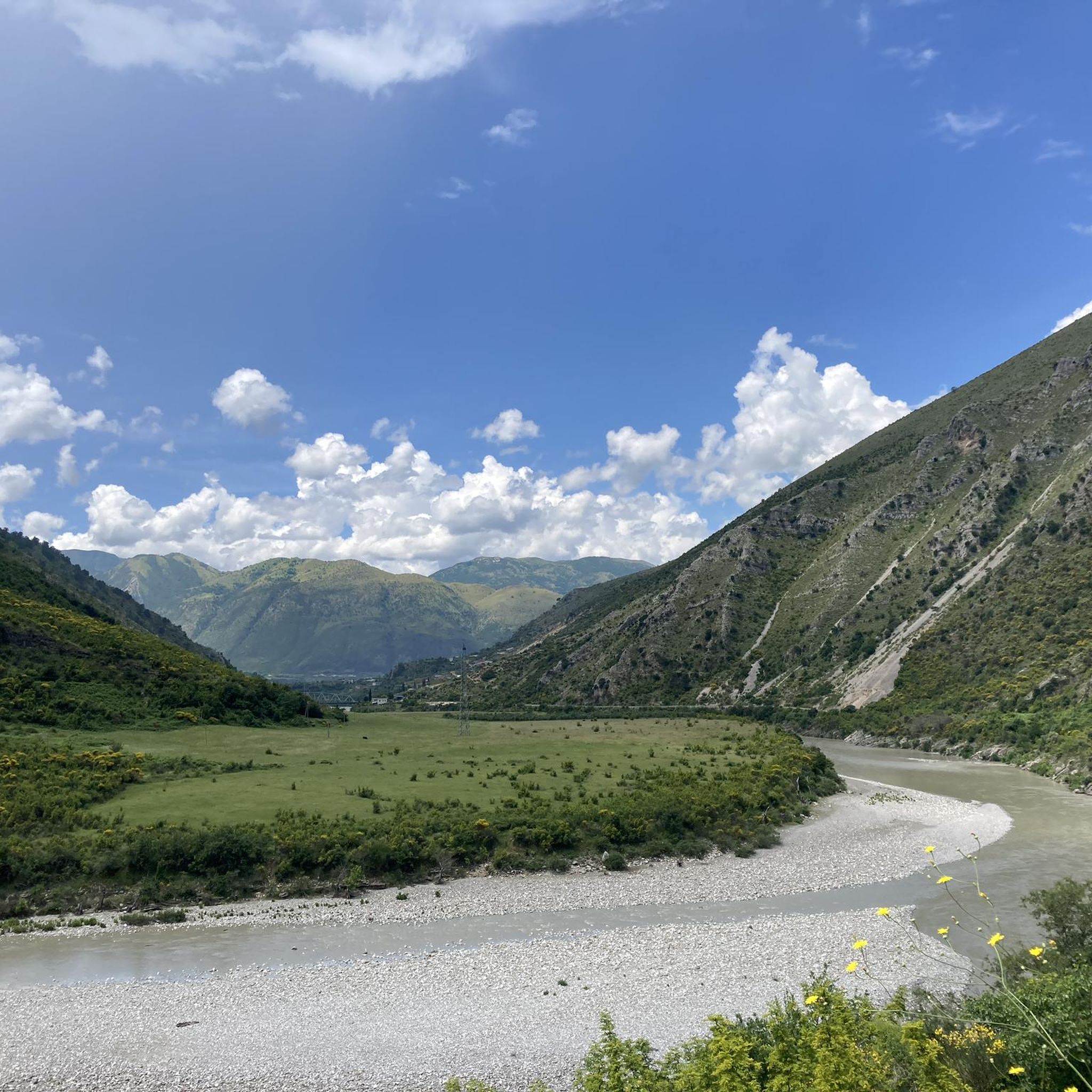
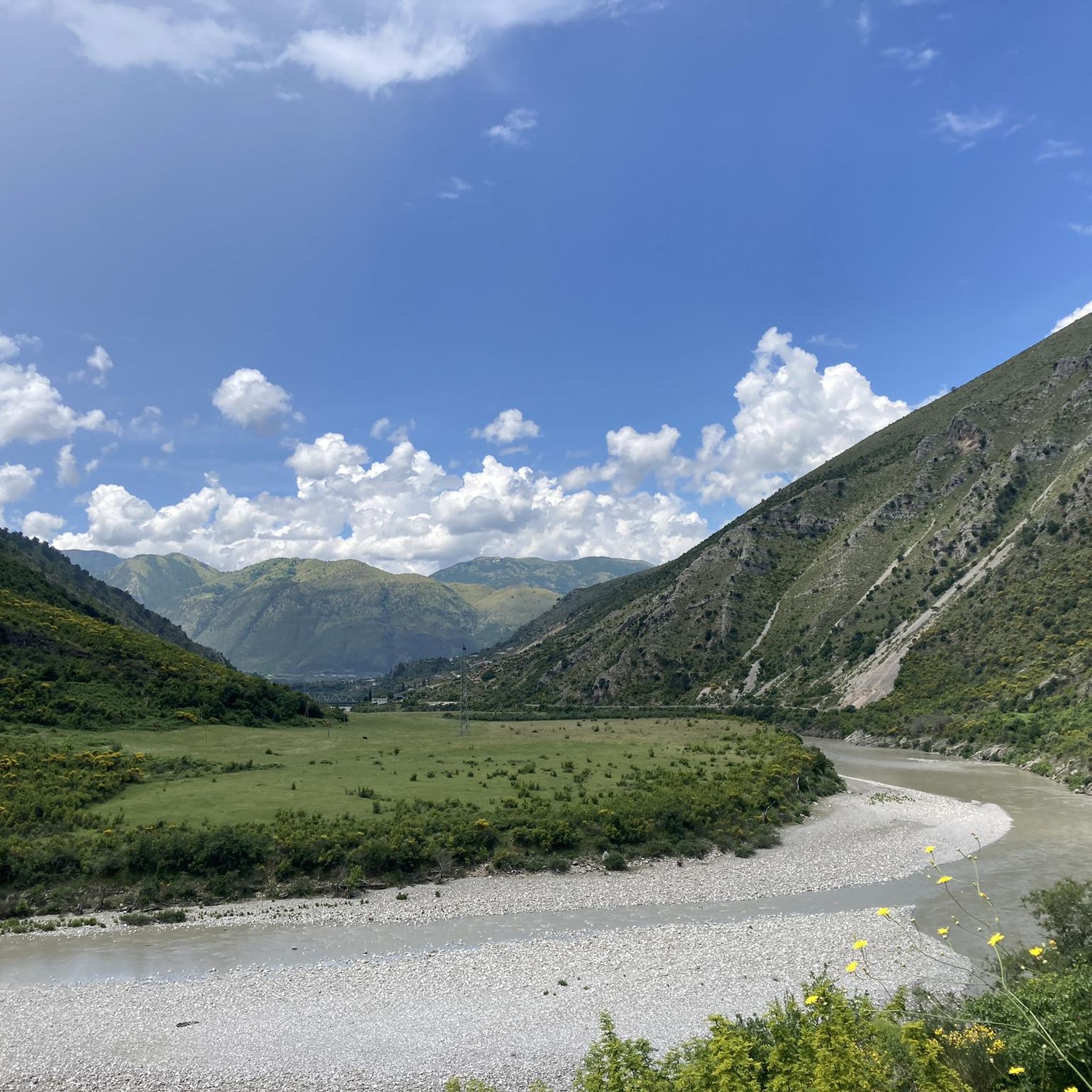
Vjosa River in Parku Natyror i Zagorisë
Highlight (Segment) • River
Translated by Google •
Tip by

Vjosa Valley
Highlight (Segment) • River
Translated by Google •
Tip by

View of Parku Natyror i Zagorisë
Highlight • Viewpoint
Showing Translation
Tip by

Start today with a free account
Your next adventure awaits.
Popular around Parku Natyror I Zagorisë
Tips from the Community

A flag is missing, but it is easy to cross
0
0

Beautiful but in places very adventurous hike. Very narrow "path" led very close to the rock face
0
0

We travelled there in June and it was already very hot. Since the climb to Limar offers little shade, we took advantage of the shade under the bridge and the wonderfully refreshing water for a long swim to avoid climbing in the midday heat. Highly recommended!
0
0

Ottoman Bridge, just before reaching it you can swim
0
0

Albania offers many highlights. The most impressive thing on our BUS/e-bike tour for me was driving through the Vjosa Valley in the south of the country, from the Greek border to the confluence with the Drino. Simply a pristine, meandering river valley with ever-changing magnificent riverbank landscapes and blue-green shimmering river colors
1
0

Beautiful, not busy and well-developed road along the Vjosa, one of the last untouched wild rivers in Europe.
0
0

Road with little traffic along the river and between the mountains, asphalt is mostly good, a few potholes.
0
1
Frequently Asked Questions
What are the most prominent natural features in Parku Natyror I Zagorisë?
Parku Natyror I Zagorisë is defined by its diverse natural features. The Vjosa River, one of Europe's last untouched wild rivers, flows through the region, offering pristine views. You can also explore the 27-km-long Zagoria Valley, carved through ancient limestone, and witness impressive karst formations throughout the park. Higher elevations, such as Maja e Lalucit, the highest peak at 2,155 meters, showcase traces of Quaternary glaciers.
Are there family-friendly natural monuments to visit?
Yes, the Vjosa River in Parku Natyror i Zagorisë is noted as family-friendly. Its well-developed road along the river makes it accessible for various ages. For more family-oriented outdoor activities, you can explore family-friendly hikes in Parku Natyror I Zagorisë.
What outdoor activities can I do near these natural monuments?
The region offers a variety of outdoor activities. You can enjoy cycling along the Vjosa River, with routes like the St. Paraskevi Church loop. Hiking is also popular, with options ranging from easy walks to more challenging trails. Explore easy hikes or more extensive cycling routes in the park.
Where can I find the best panoramic views of the park?
For breathtaking panoramic views, the Dhembel Pass, located at 1,450 meters, offers unparalleled vistas extending across to Greece and overlooking the city of Permet. Additionally, the View of Parku Natyror i Zagorisë highlight provides stunning perspectives, though some paths can be adventurous.
What is the best time of year to visit Parku Natyror I Zagorisë's natural monuments?
The region experiences warm summers, as noted by visitors who found June already very hot. Spring and autumn generally offer milder temperatures, which are ideal for hiking and exploring. The natural beauty, including the lush forests and river valleys, can be enjoyed across these seasons.
Are there opportunities for wild swimming near the natural monuments?
Yes, visitors have noted swimming opportunities. Near the Ottoman Bridge in Zagori Nature Park, you can find wonderfully refreshing water for a swim, especially during warmer months. The pristine Vjosa River also offers spots for a dip.
What kind of flora and fauna can I expect to see?
The park is rich in biodiversity. Its forests feature species like oak, wild hazel, horse chestnuts, maple, and ash. A significant ecological highlight is the King Boris Fir (Abies borisii-regis), an endemic species to the Balkan Peninsula. Higher elevations also host coniferous trees such as white fir and black pine.
What are the typical geological features of the park?
The park's relief is characterized by extensive karst forms, which are geological formations created by the dissolution of soluble rocks like limestone. The Zagoria Valley itself is a prime example, with its narrow bottom and steep walls carved through Paleogene and Cretaceous limestone. In higher mountain ranges above 1,700m, you can also observe traces of Quaternary glaciers, including cirques and periglacial deposits.
How can I access the natural monuments in Parku Natyror I Zagorisë?
Many natural monuments, such as those along the Vjosa River, are accessible via roads. While some roads are well-developed, others might have potholes or lead to more adventurous paths, as described by visitors to the View of Parku Natyror i Zagorisë. It's advisable to check road conditions if planning to drive to more remote areas.
Are there any historical sites integrated with the natural monuments?
Yes, the Ottoman Bridge in Zagori Nature Park is a notable example, blending historical architecture with the natural landscape. This bridge offers a glimpse into the region's past while providing access to natural swimming spots.
Do I need a permit to visit the natural monuments in Parku Natyror I Zagorisë?
Generally, specific permits are not required for general visitation to the natural monuments within Parku Natyror I Zagorisë. However, for any specific regulations or protected areas, it's always a good idea to check the official information from the Albanian National Agency of Protected Areas: akzm.gov.al.
Most popular attractions in Parku Natyror I Zagorisë

Get inspired with the komoot mobile app


Explore more
Extend your search for the best caves by checking out these guides of the top ones in Parku Natyror I Zagorisë:
