Top 13 Natural Monuments in Bischbrunner Forst
Natural monuments in Bischbrunner Forst are characterized by expansive woodlands within the Spessart region of Bavaria, Germany. The area features diverse natural landscapes, including the highest peak in the Spessart and a significant wetland ecosystem. Visitors can explore unique geological formations and protected habitats. The Forst offers a serene natural environment for outdoor activities.
Best natural monuments in Bischbrunner Forst
- The most popular natural monuments is Geiersberg Summit, a summit that marks the highest peak in the Spessart at…
Last updated: June 30, 2026
Geiersberg Summit
Highlight • Summit
Translated by Google •
Tip by

Weihersgrund Nature Reserve
Highlight • Natural Monument
Translated by Google •
Tip by

Sign up now to discover places like this
Get recommendations on the best single tracks, peaks, & plenty of other exciting outdoor places.
Sign up for free
Eichhall Natural Forest Reserve
Highlight • Forest
Translated by Google •
Tip by

Nächsterbrunnen Spring
Highlight • Natural Monument
Locals come by car to fill canisters of water.
Table and bench overlooking meadows.
Translated by Google •
Tip by

Lindigbrunnen Spring
Highlight • Natural Monument
Enclosed and covered wells can be found in several places in the Spessart. For example in Glösgrund, in Jagdrain the "Kehrbrünnlein", in the Finstereck section, in the Elzberg section …
Translated by Google •
Tip by

Sign up for free to discover even more natural monuments in Bischbrunner Forst.
Sign up for free
Already have an account?
Start today with a free account
Your next adventure awaits.
Login or Signup
Tips from the Community

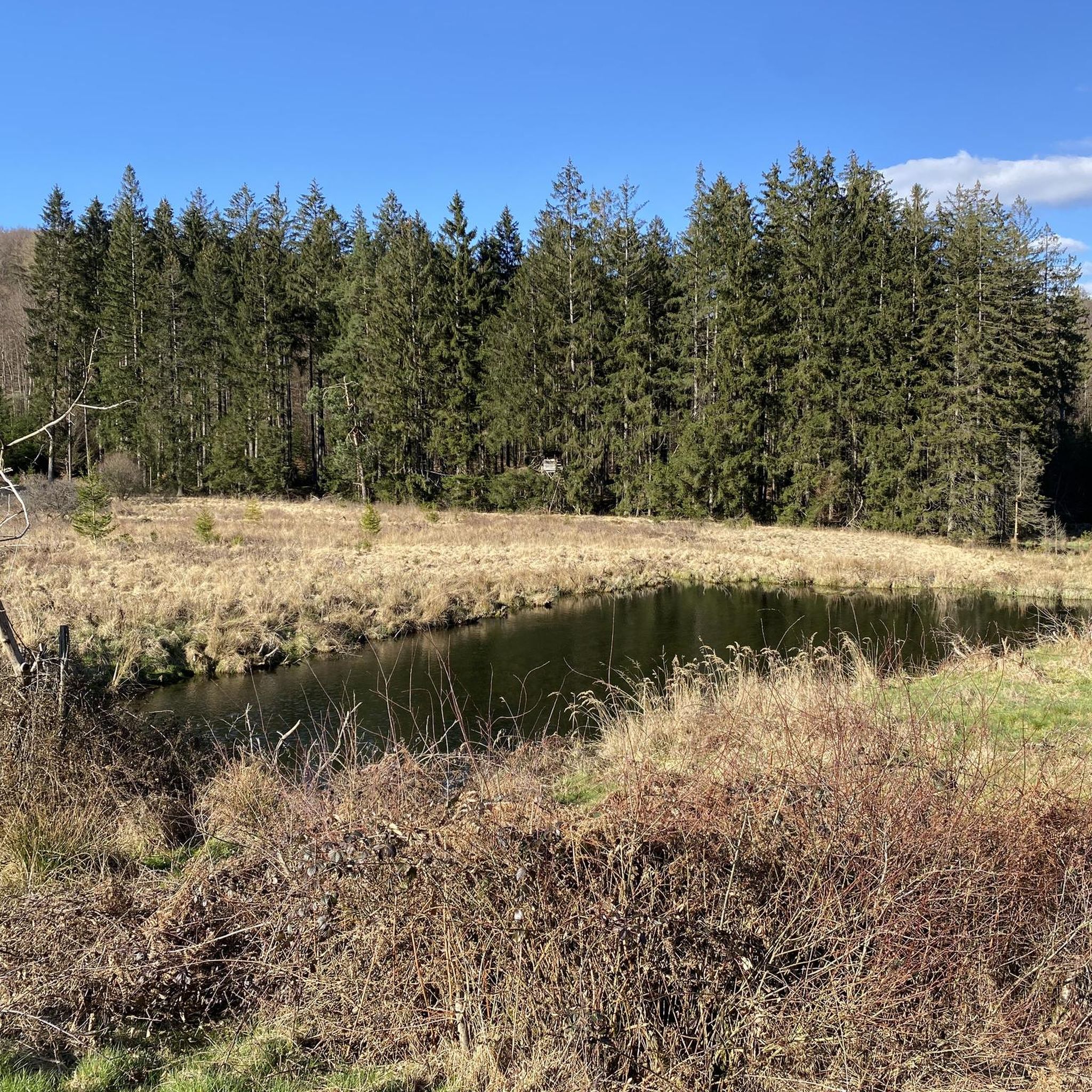
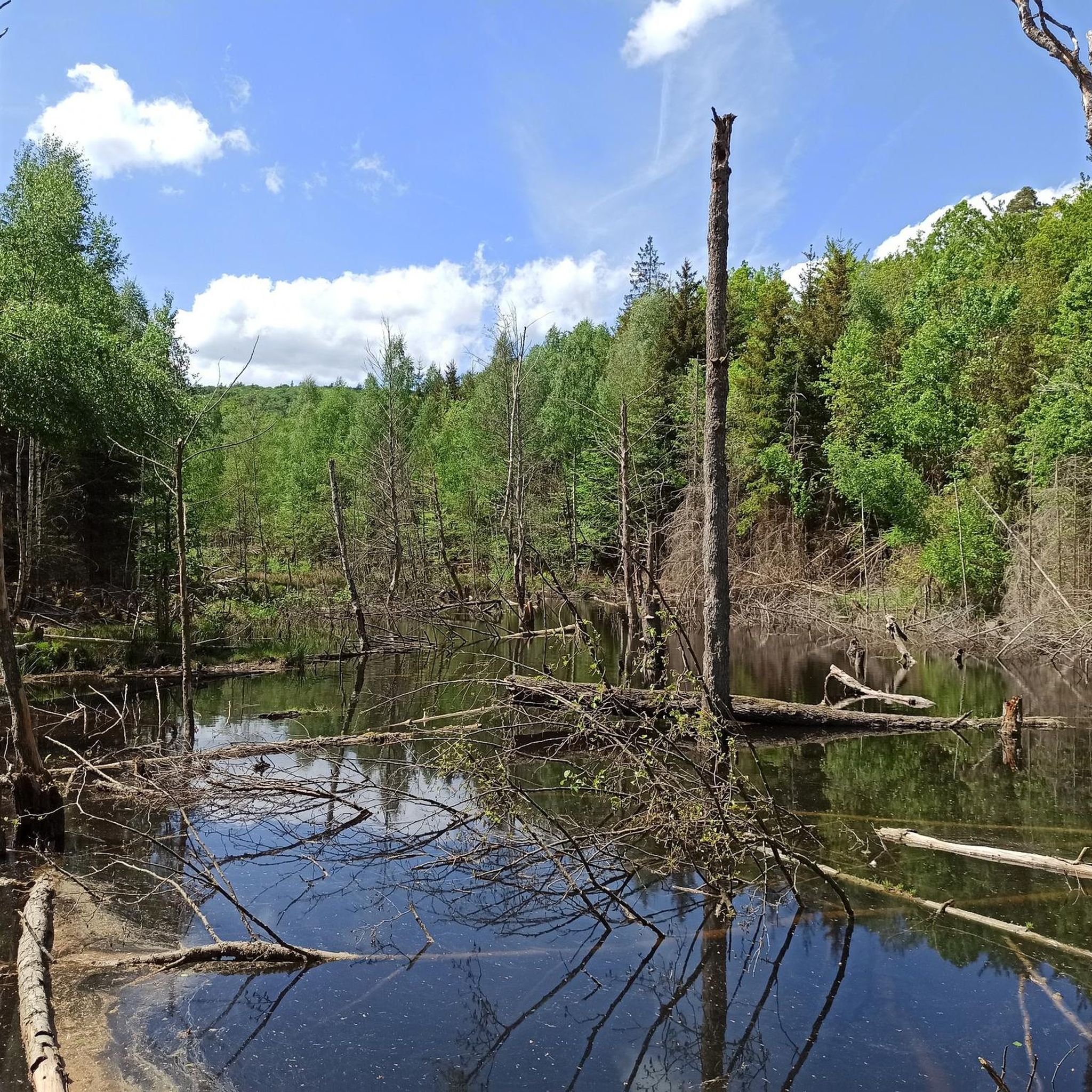
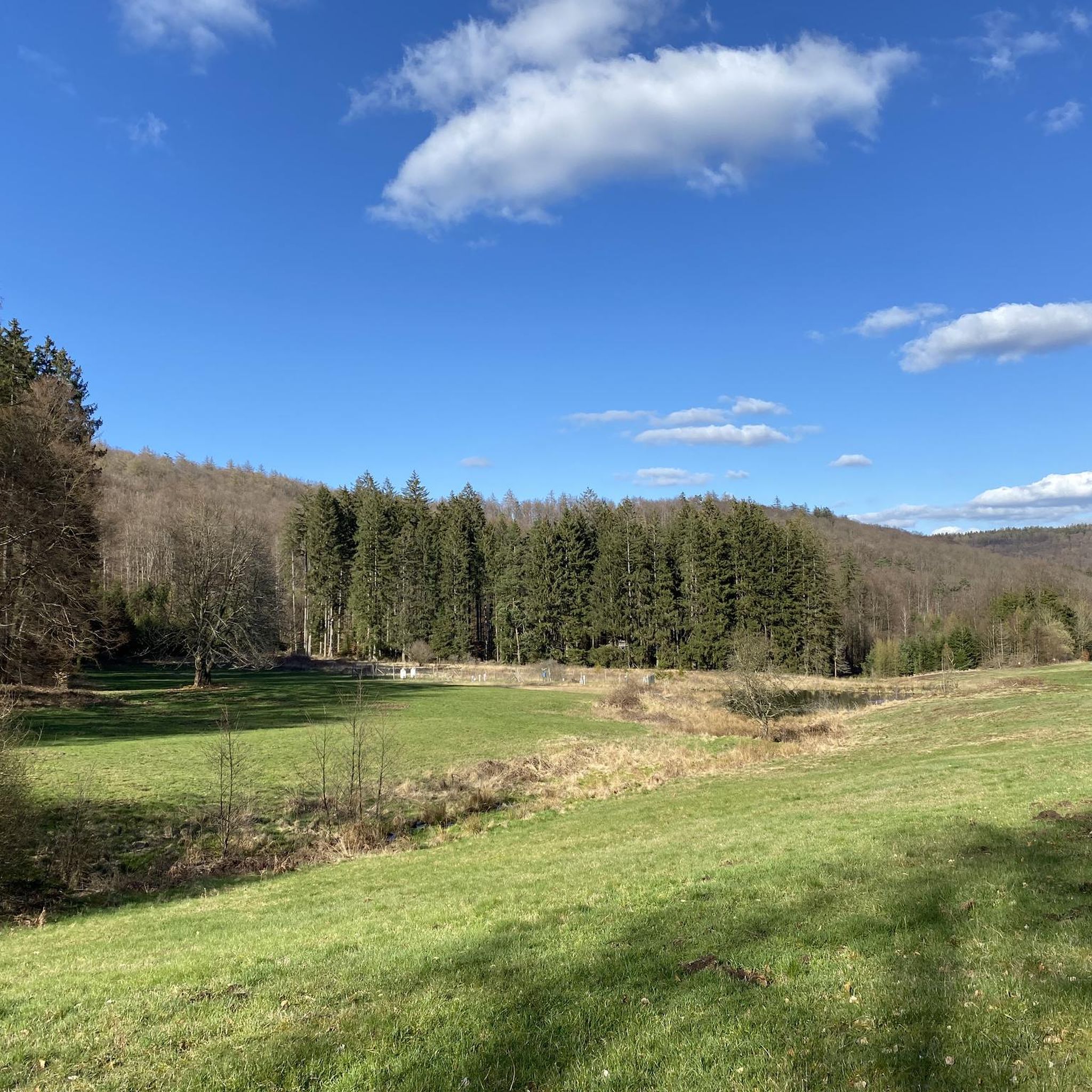
Here the forest is allowed to be a forest again
2
0

Practically ideal for slowing down.
0
0

Beautiful scenery, no traffic, relaxation.
0
0

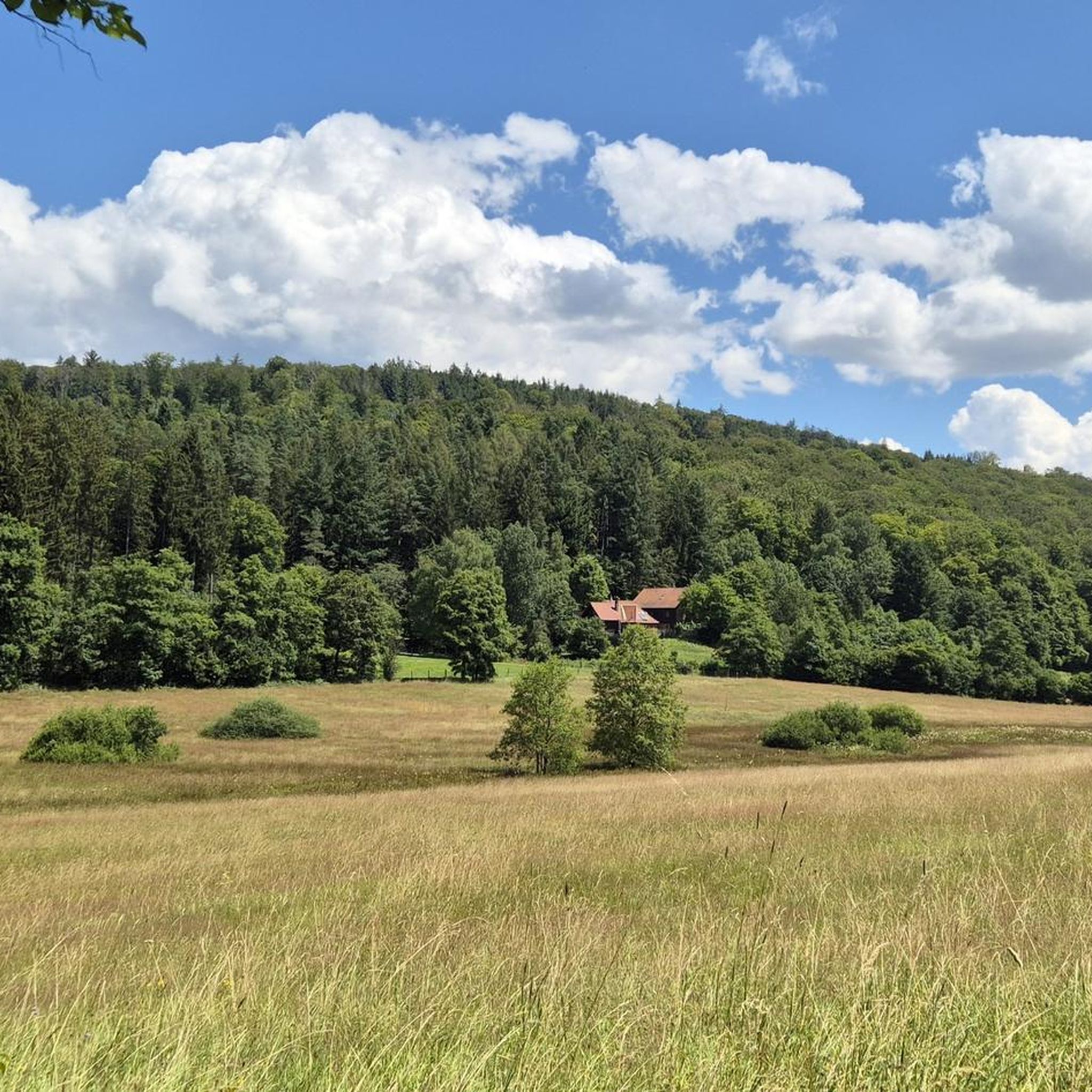
A feast for the eyes in every season.
2
0

The Steinmarker Bach rises as the Krebsbach or Nächstebach north of Straßlücke. It is fed by the Nächstebrunnen shortly after its source and runs in a southeasterly direction. Until 1866, a ford ran through the stream near Steinmark. As this was heavily silted up and the wagons often got stuck, a dam and a bridge had to be built on both sides. In 1837, the community had a washing place built there, where laundry and potato sacks were cleaned until the 1960s. Southeast of the town, it joins the Esselbach from the left at the Salzbach bridge as the Steinmarker Bach to form the Wachenbach. Source: Wikipedia
1
0

Lindigbrunnen Enclosed and covered wells can be found in several places in the Spessart. For example in Glösgrund, in Jagdrain the "Kehrbrünnlein", in the Finstereck section, in the Elzberg section and at the foot of the 586 m high Geiersberg the Faunbrünnlein, etc. The forest workers were provided with drinking vessels by the forestry office, the so-called "stützen". These were wooden tankards with a lid and a handle on the side. The vessels held three liters: the rest of the population also used the watering holes when collecting wood, using litter or collecting grass for the cattle. There was usually a wallow for the game next to these wells. Most of the wells are also surrounded by legends, for example: B. around the "Kehrbrünnlein". In the Jagdrain section of the Bischbrunner Forest, clear drinking water bubbles out of a spring, which, however, disappears again into the forest after a few hundred meters. An ancient legend surrounds this spring: A long, long time ago, when wolves and bears were still at home in the Spessart, a woman is said to have taken her newborn child wrapped in diapers to pick berries because no one at home could look after it. On this hot summer day, she laid the child down near a cooling spring so that she could pick it better. Suddenly a bear appeared, grabbed the child and wanted to carry it away. When the mother noticed this, she screamed loudly, "Maria help!" And the child is said to have slipped out of the bear's diapers and thus been saved. Since then, the Kehrbrünnlein has also been popularly known as the "Marienbrünnlein". Source: Archaeological Spessart Project
0
0

Here the forest is left to itself and can develop without human intervention. 😊
4
0

ECOLOGICAL FEATURES In terms of the variety of animal and fungal species, the Hochspessart with its oaks that are up to 400 years old and its old copper beech forests is a treasure trove of biodiversity in Bavaria. Six species of woodpecker, including the otherwise rare middle spotted woodpecker, are found here. The name "Spechtshaart", also commonly used for the area, refers to this fact. The woodpeckers also ensure that other cavity-nesting birds find sufficient breeding space in the forests. This includes the collared flycatcher, which is one of the last migratory birds to return to us from southern Africa. Even swifts find their breeding space in the caves of the old oaks. As the name suggests, this bird usually nests high up on buildings. The hermit beetle, also known as the musk beetle, prefers an exclusive habitat. The larvae develop in large trunk cavities and feed on fungal wood material there. To date, over 300 wood-dwelling beetle species have been identified in Eichhall, including several so-called "primeval forest relic species". (Extract from the Bavarian State Forests flyer "Natural Forest Reserve Eichhall")
1
0
Frequently Asked Questions
What unique natural features can I explore in Bischbrunner Forst?
Bischbrunner Forst offers a variety of natural features. You can explore the highest peak in the Spessart, Geiersberg Summit, which provides a sense of accomplishment for hikers. The Weihersgrund Nature Reserve is a significant wetland ecosystem with rare plant species. Additionally, you can discover natural springs like Lindigbrunnen Spring, which historically provided drinking water and are often surrounded by local legends.
What makes the Weihersgrund Nature Reserve a significant natural monument?
The Weihersgrund Nature Reserve is a 43-hectare protected area known for its unique wetland ecosystem and rich biodiversity. It's a sanctuary for rare and endangered plant species, including the Knotgrass Pondweed, Round-leaved Sundew, and the Oblong-leaved Sundew, which is exclusive to this site in Lower Franconia. The area's clear, unpolluted water and moorlands make it a special place for nature observation.
What is special about Geiersberg Summit?
Geiersberg Summit is the highest peak in the entire Spessart region, standing at 586 meters above sea level. While the summit itself features transmission towers, the journey through the extensive forests to reach this geographical landmark is a rewarding experience for hikers and those seeking to conquer the highest point in the Spessart.
Are there any natural springs or water features to visit in Bischbrunner Forst?
Yes, you can visit natural springs such as Lindigbrunnen Spring. These enclosed and covered springs were vital for forest workers in the past and are often associated with local legends, adding a touch of history to your visit. The clear drinking water from these springs eventually disappears back into the forest after a few hundred meters.
Are there family-friendly natural monuments in Bischbrunner Forst?
Many natural monuments in Bischbrunner Forst are suitable for families. Both Weihersgrund Nature Reserve and Lindigbrunnen Spring are categorized as family-friendly. The reserve offers a chance to observe unique flora, while the spring provides a historical and tranquil spot. The general forest environment is also conducive to family outings.
What outdoor activities can I do near these natural monuments?
The Bischbrunner Forst is ideal for various outdoor activities. You can enjoy extensive hiking, cycling, and gravel biking. There are numerous trails that lead through the diverse forest landscapes, offering opportunities to explore the natural monuments and the wider Spessart region. For example, you can find routes that take you through the Weihersgrund Nature Reserve or towards the Geiersberg Summit.
Are there hiking trails near the natural monuments in Bischbrunner Forst?
Yes, there are many hiking trails available. For instance, you can find moderate routes like the 'Weihersgrund Nature Reserve – Sylvan Forester's Lodge loop' or the 'Sylvan Forester's Lodge – Sylvan Forester's Lodge loop'. There's also an easy 'Weihersgrund Nature Reserve – Josefsteig Trail loop'. You can explore more options and detailed routes in the hiking guide for Bischbrunner Forst.
What is the best time to visit the natural monuments in Bischbrunner Forst?
The Bischbrunner Forst is beautiful year-round, but the best time to visit depends on your preferred activities. Spring brings lush greenery and blooming flora, especially in areas like the Weihersgrund Nature Reserve. Summer offers pleasant temperatures for hiking and cycling. Autumn showcases vibrant fall foliage, while winter, especially with snow, can transform the landscape into a serene, picturesque setting, as noted by visitors to the Weihersgrund.
What do visitors enjoy most about the natural monuments in Bischbrunner Forst?
Visitors appreciate the tranquility and natural beauty of Bischbrunner Forst. Many enjoy the sense of accomplishment from reaching Geiersberg Summit, the highest point in the Spessart. The unique biodiversity and peaceful atmosphere of the Weihersgrund Nature Reserve are also highly valued, particularly when covered in snow or bathed in sunlight. The extensive network of trails for hiking and biking through the beautiful forest is a major draw.
Are there dog-friendly routes near the natural monuments in Bischbrunner Forst?
While specific dog-friendly rules for each natural monument are not detailed, the expansive woodlands of Bischbrunner Forst generally offer many opportunities for walks with dogs. It's always recommended to keep dogs on a leash, especially in nature reserves like Weihersgrund, to protect wildlife and sensitive habitats. You can find various trails suitable for walks in the hiking guide for Bischbrunner Forst.
What are the geological characteristics of Bischbrunner Forst?
The geology of Bischbrunner Forst is primarily characterized by Buntsandstein (Bunter sandstone) slopes. This results in sandy, nutrient-poor sediments that fill the valleys, leading to the formation of acidic soils. This geological makeup contributes to the unique ecosystems found in areas like the Weihersgrund Nature Reserve, where the proximity to the groundwater table creates wet and damp meadows, spring areas, and moorlands.
Are there any challenging trails or descents near the natural monuments?
Yes, for those seeking a challenge, there are trails like the Steep Descent to Metzenbach Source (Naturpark Spessart). This trail is described as challenging, involving steep sections over trees, stones, and roots, and can also be tackled as a steep ascent towards Geiersberg from the Weihersgrund Nature Reserve. It offers a more strenuous experience for experienced hikers.
Most popular routes in Bischbrunner Forst
Most popular attractions in Bischbrunner Forst

Get inspired with the komoot mobile app


Explore more
Extend your search for the best caves by checking out these guides of the top ones in Bischbrunner Forst:
