Top 5 Natural Monuments in Frammersbacher Forst
Best natural monuments in Frammersbacher Forst are found within a largely uninhabited and densely forested area in the Bavarian Spessart mountains. This region features significant natural features and diverse landscapes. Frammersbacher Forst offers opportunities to explore unique flora, fauna, and geographical landmarks. The area is characterized by its extensive forests and varied terrain, providing a natural setting for outdoor activities.
Best natural monuments in Frammersbacher Forst
- The most popular natural monuments is Spessartwiesen Nature Reserve – Habichsthal, a natural…
Last updated: October 4, 2026
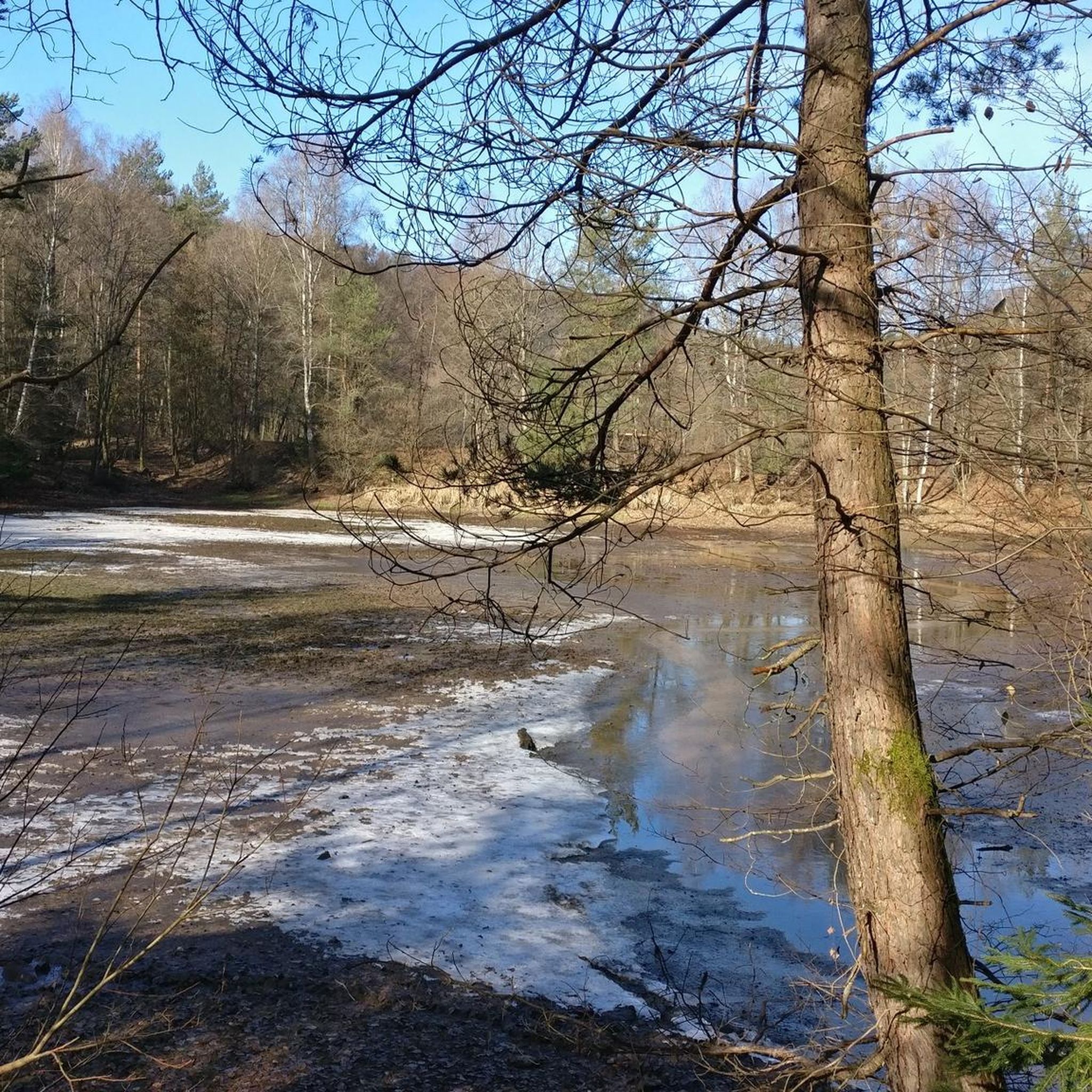
Middle Aubachsee
Highlight • Lake
Translated by Google •
Tip by

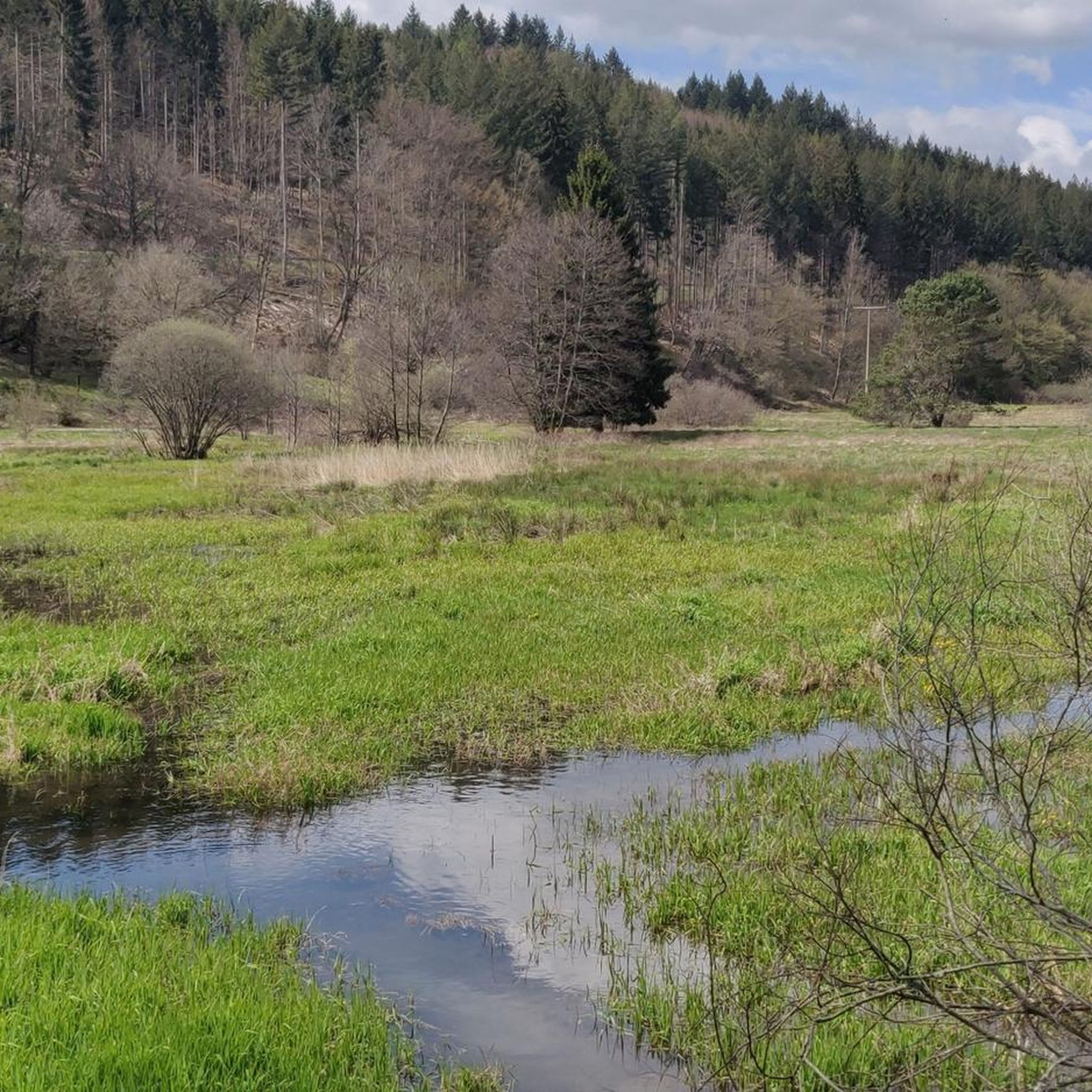
Spessartwiesen Nature Reserve – Habichsthal
Highlight • Natural Monument
Translated by Google •
Tip by

Sign up now to discover places like this
Get recommendations on the best single tracks, peaks, & plenty of other exciting outdoor places.
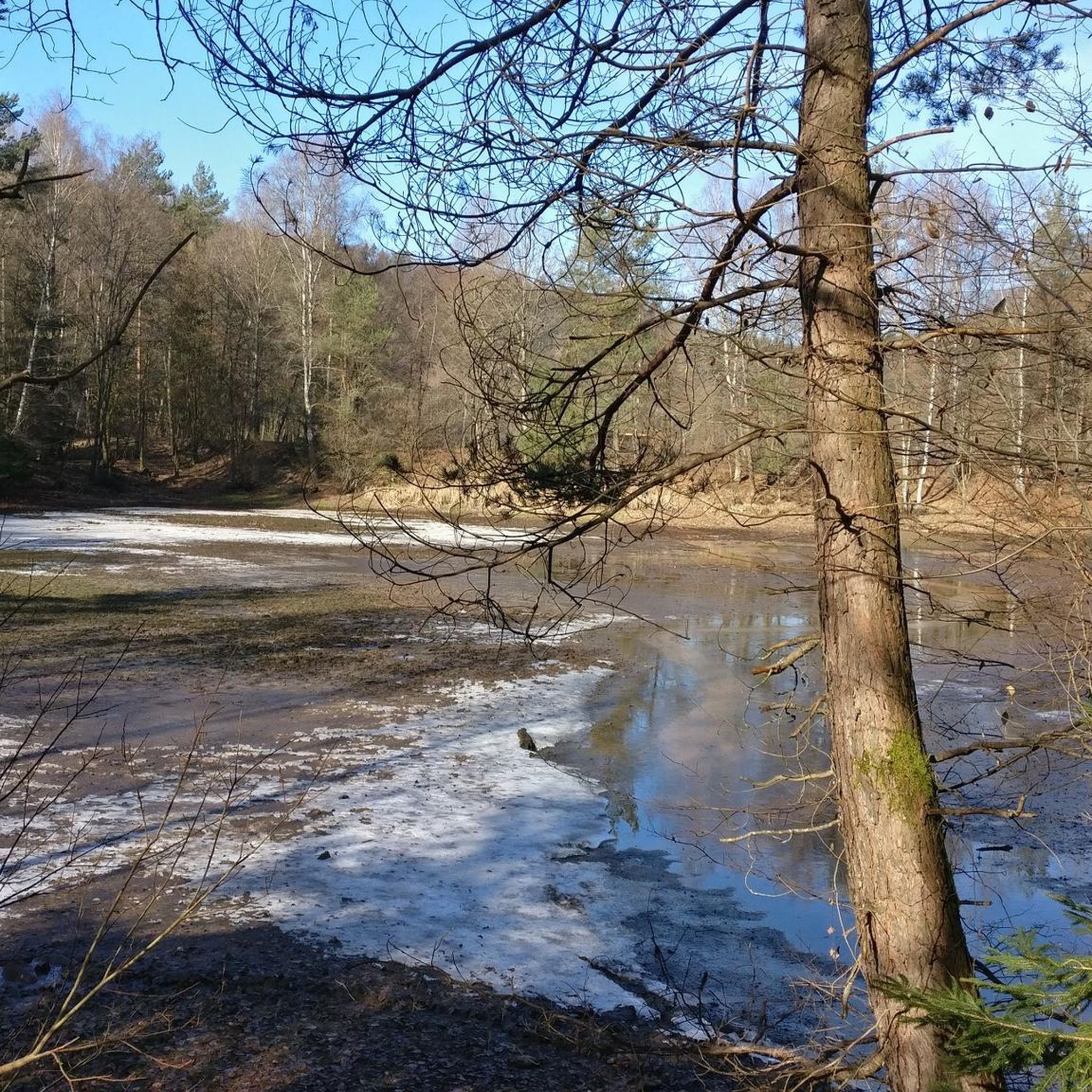
Aubach Lakes
Highlight • Lake
Translated by Google •
Tip by

Border Trail Wiesbütt-Sailhöhe
Highlight (Segment) • Lake
Translated by Google •
Tip by

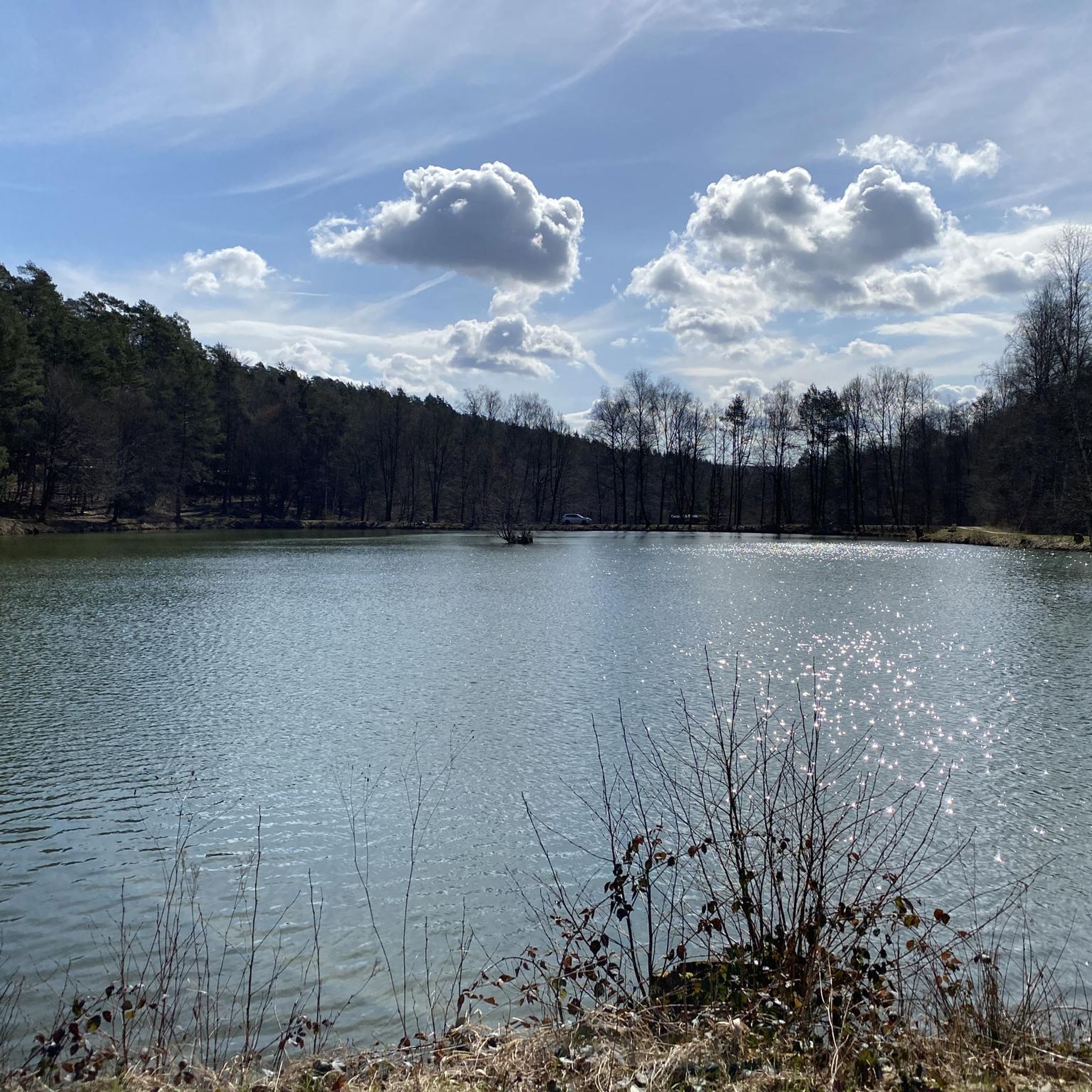
Aubach Valley and Aubach Lakes
Highlight • Lake
Translated by Google •
Tip by
Sign up for free to discover even more natural monuments in Frammersbacher Forst.
Already have an account?
Start today with a free account
Your next adventure awaits.
Tips from the Community

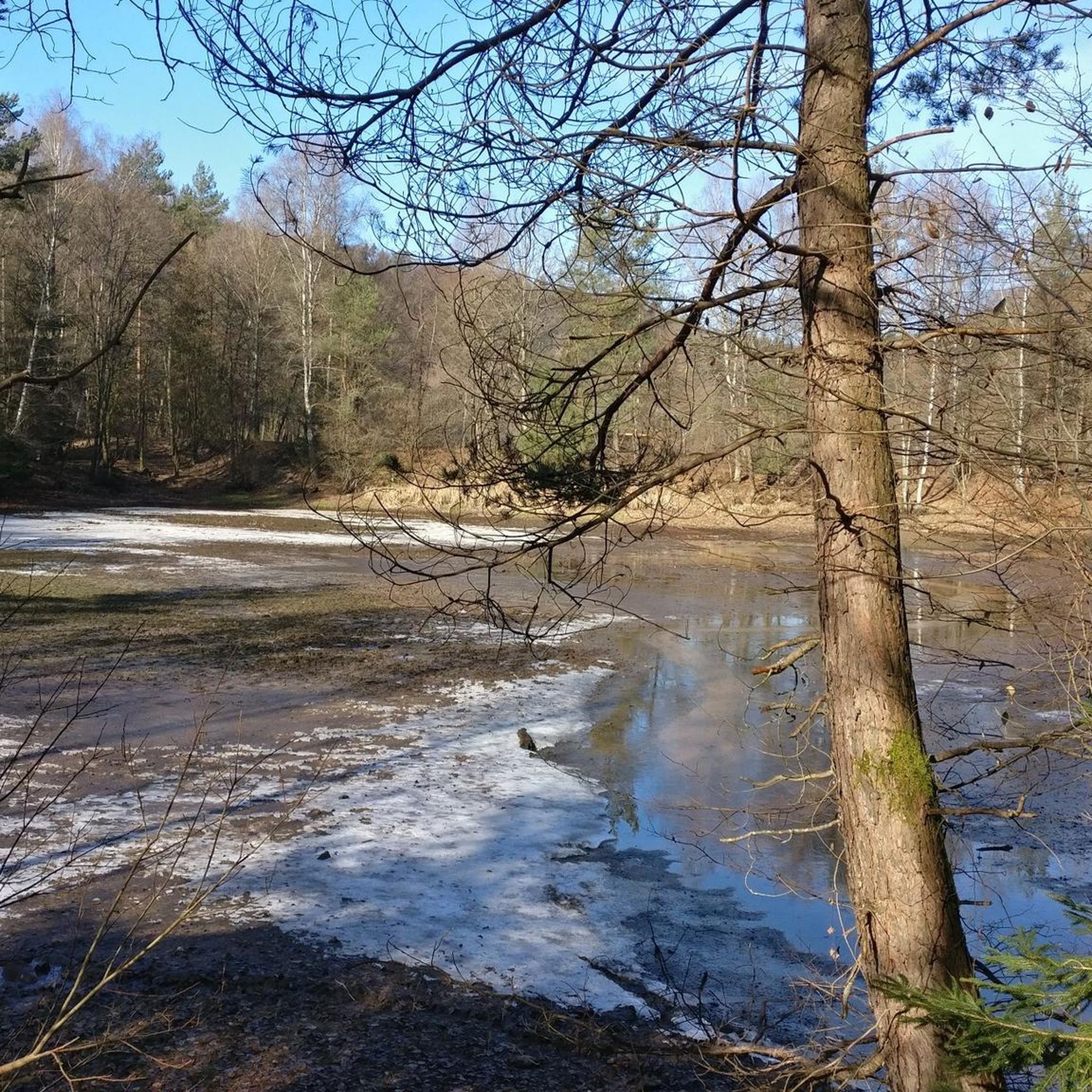
Lake Wiesbütt (formerly Lake Hanauer See) is a forest lake in the Main-Kinzig district of Hesse, in the Spessart region. Lake Wiesbütt is located in the municipality of Flörsbach in the municipality of Flörsbachtal, directly on the state border with Bavaria. The Bavarian/Hessian border runs along the western shore, at the foot of the dam. To the west lies the unincorporated area of Wiesener Forst in the Bavarian district of Aschaffenburg. To the north lies the Spessart High Road (L 2905) and the two old trade routes: Birkenhainer Straße and Eselsweg. To the southwest lies the village of Wiesen in Lower Franconia, to the southeast Mosborn, a district of the municipality of Flörsbachtal, and to the north Bieber, a district of the municipality of Biebergemünd. The artificial lake, created for energy generation and ventilation of the Bieber mines, is now located on the edge of the Wiesbüttmoor nature reserve. The lake has no surface inlet; it is fed underground from the Wiesbüttmoor. A natural overflow drains the water into the Aubachtal valley via the Wiesbüttgraben. The Wiesbüttsee, with its diverse flora, some of which is already threatened with extinction, is part of one of the last raised bogs in Germany. It was created in 1765 by Bieber miners according to plans by mining master Johann Philipp Cancrinus to ventilate and drain the Lochborntalgrund silver, copper, and lead mine tunnels in the summer. It was also intended to provide sufficient water for the Bieber ironworks and the hammer mill. Due to the exceptional ore deposits in the area around Bieber, extensive mining was carried out during this period. The Wiesbüttsee served as a water source for the hydropowered mining machines used to drain and ventilate the tunnels. The water power powered the conveyor system of the ironworks in the Lochhütte until 1925. The former customs house (later a restaurant) commemorates the Bavarian border that was once controlled here. Source: https://de.wikipedia.org/wiki/Wiesbüttsee
1
0

Very nice here
3
1

During the week it is nice and quiet here. You can enjoy a rest here in comfort, great.
4
0
It is great fun to travel by bike here.
4
0
During the week, it is mostly a time for rest and relaxation.
4
0
It's very idyllic here. There are beautiful meadows and some narrow paths.
3
0

Nice quiet place for a little break
3
0

Beautiful countryside and forests absolute tranquility
3
0
Frequently Asked Questions
What unique natural features can I find in Frammersbacher Forst?
Frammersbacher Forst is home to diverse natural features. You can explore the tranquil Aubach Lakes, which are interconnected by dams and offer scenic paths. Another significant site is the Wiesbüttmoor, the highest-lying transitional moorland in the Spessart, known for its rare plant species like sundew and Ice Age flora. The Eichenberg Summit Stone marks the highest elevation in the area, providing commanding views.
Are there family-friendly natural monuments in Frammersbacher Forst?
Yes, several natural monuments are suitable for families. The Aubach Lakes and the surrounding Spessartwiesen Nature Reserve – Habichsthal offer easy, picturesque paths ideal for all fitness levels. The Frammersbach Grotto also provides a nice resting spot often used by hikers.
What kind of plant species can I observe at the natural monuments?
The Wiesbüttmoor, a nature reserve bordering Frammersbacher Forst, is particularly notable for its unique flora. Here, you can find rare plant species such as carnivorous sundew, which thrives in the nitrogen-poor conditions of the moor. Relics of Ice Age flora like seven-star, bog-sedge, and sheathed cotton grass are also present.
What outdoor activities are available near these natural monuments?
The Frammersbacher Forst area offers a variety of outdoor activities. You can enjoy extensive hiking trails, such as those around the Aubach Lakes and Wiesbüttmoor. For cyclists, there are numerous road cycling routes and gravel biking trails. Running enthusiasts will also find dedicated trails. You can explore more options on the Road Cycling Routes in Frammersbacher Forst, Running Trails in Frammersbacher Forst, and Gravel biking in Frammersbacher Forst guide pages.
Are there hiking trails around the Aubach Lakes?
Yes, the Aubach Lakes are a popular destination for hikers. A picturesque path winds along the shores of the upper, middle, and lower lakes, providing scenic views of the calm waters and the idyllic surrounding landscape. These trails are generally considered easy and suitable for all fitness levels.
What is the highest point in Frammersbacher Forst?
The highest point in Frammersbacher Forst is the Eichenberg Summit Stone, which reaches an elevation of 544 meters above sea level. While there are no dedicated hiking trails directly to the summit, it is accessible via forest paths and offers commanding views of the Spessart forest.
What do visitors enjoy most about the natural monuments in Frammersbacher Forst?
Visitors frequently praise the idyllic and secluded natural settings, especially around the Aubach Valley and Lakes. Many appreciate the pure nature and the beautiful paths for biking and hiking. The scenic views, tranquil waters, and diverse landscapes, from forests to moors and summits, are also highly valued by the komoot community.
Can I find any historical or cultural sites near the natural monuments?
While the focus is on natural monuments, the Frammersbach Grotto is a man-made monument with historical significance, built in 1944. It serves as a memorial and a popular resting place for hikers, blending into the natural surroundings.
What is the Wiesbüttmoor and why is it significant?
The Wiesbüttmoor is the highest-lying transitional moorland area in the Spessart region, located at 436 meters altitude. It is significant for its unique ecosystem, hosting rare plant species like carnivorous sundew and relics of Ice Age flora. Declared a nature reserve in 1953, it protects this distinct vegetation. Adjacent to it is the idyllic Wiesbüttsee.
Is it possible to combine a visit to the natural monuments with a longer hike?
Absolutely. The natural monuments are integrated into the extensive network of trails in Frammersbacher Forst and the wider Spessart region. For example, the Hessenweg 9, a long-distance hiking trail, runs close to the Eichenberg. The Aubach Valley also offers paths stretching approximately 20 kilometers, making it easy to plan longer excursions.
Are there any specific tips for exploring the Aubach Valley and Lakes?
Many visitors recommend taking the small trail at the beginning of the lower Aubachsee to walk or bike directly along the shore for a pure nature experience. The Aubach Valley is described as very picturesque, stretching from Wiesen to Partenstein, and is ideal for secluded hiking or cycling trips.
Most popular routes in Frammersbacher Forst
Most popular attractions in Frammersbacher Forst

Get inspired with the komoot mobile app


Explore more
Extend your search for the best caves by checking out these guides of the top ones in Frammersbacher Forst:
