Top 19 Natural Monuments around Dunadd
Best natural monuments around Dunadd are found within a landscape rich in ancient history and significant geological features. Dunadd Fort itself is a prominent natural monument, strategically located atop a rocky outcrop within a boggy basin, offering natural defenses and panoramic views over Kilmartin Glen. This area is integral to the wider Kilmartin Glen, which features a high concentration of prehistoric monuments, including ancient burial mounds and stone circles, that integrate with the natural environment. These sites provide a direct…
Last updated: August 24, 2026
Temple Wood stone circle
Highlight • Natural Monument
Tip by

Kilmartin Glebe Cairn
Highlight • Natural Monument
Visit the museum and cafe in the village to find …
Tip by

Sign up now to discover places like this
Get recommendations on the best single tracks, peaks, & plenty of other exciting outdoor places.
Sign up for free
Nether Largie South Cairn
Highlight • Structure
Tip by

Ballymeanoch Prehistoric Monuments
Highlight • Historical Site
Tip by
Dunchraigaig Cairn
Highlight • Monument
Translated by Google •
Tip by

Sign up for free to discover even more natural monuments around Dunadd.
Sign up for free
Already have an account?
Start today with a free account
Your next adventure awaits.
Login or Signup
Popular around Dunadd
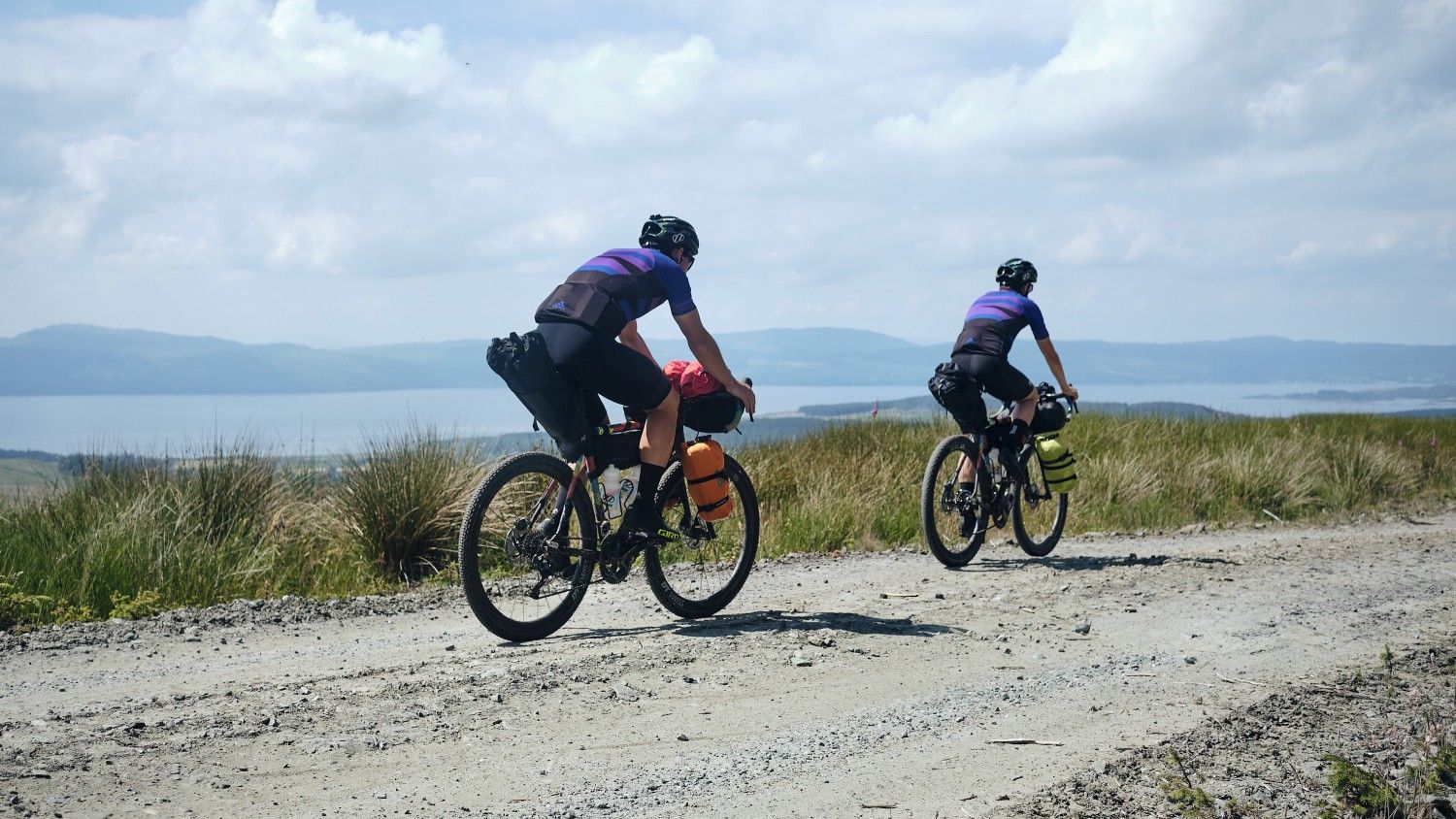
Wild About Argyll Trail — Bikepacking Scotland's lochs and coastline
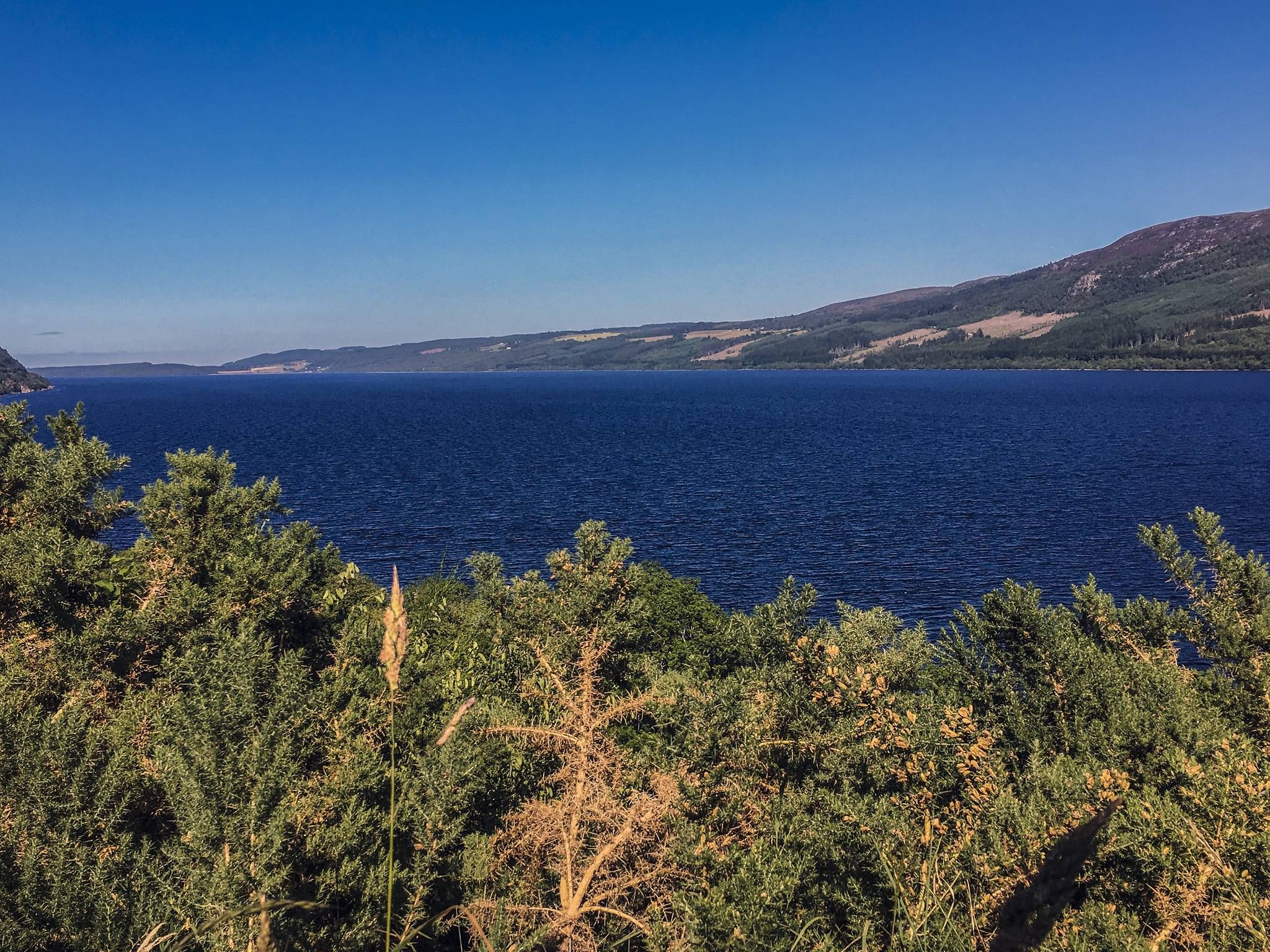
Caledonia Way – Cycling Coast to Coast through the Scottish wilds
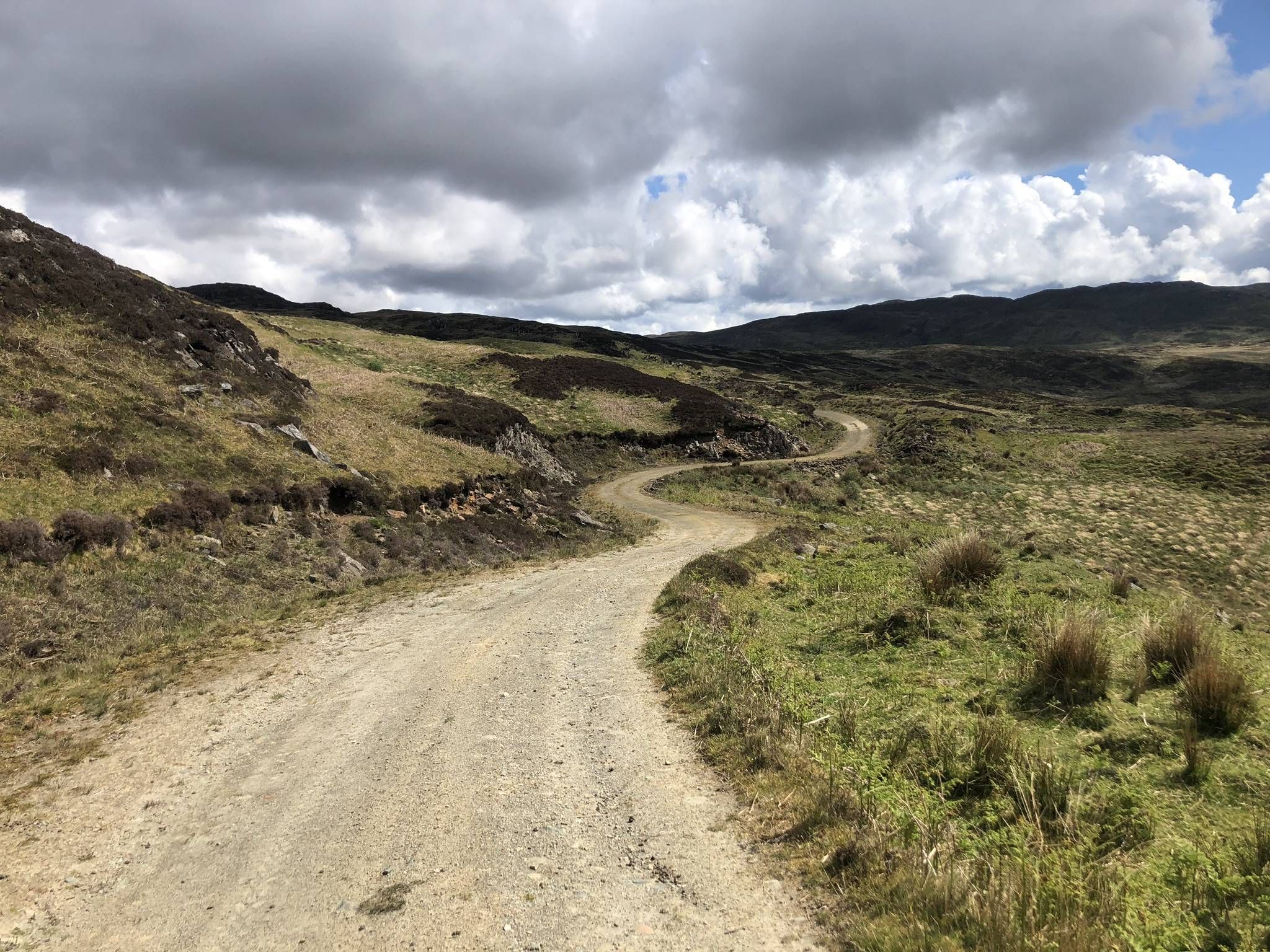
The Faultline Trail — Scotland tip to tip
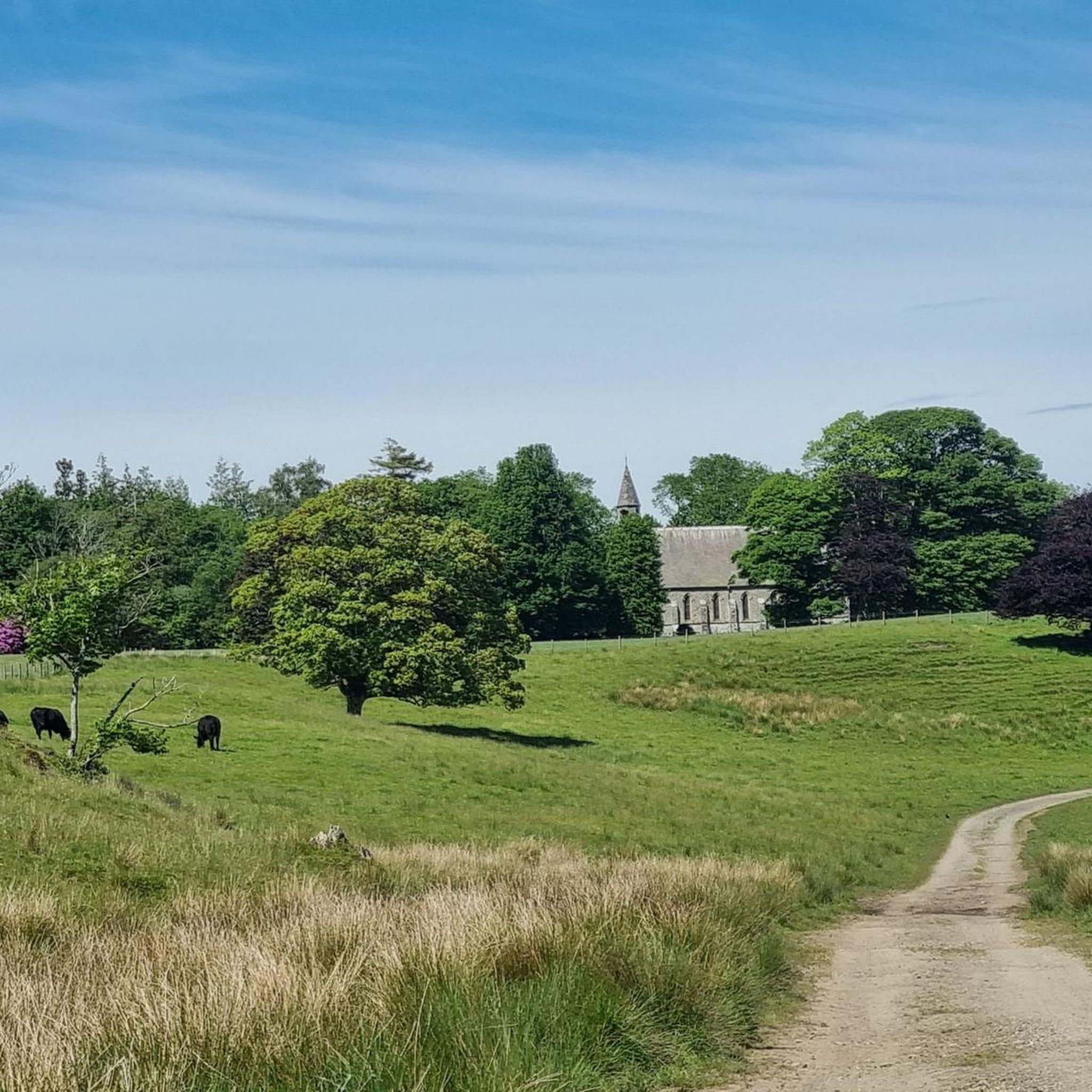
MTB Trails around Dunadd
Hiking around Dunadd
Road Cycling Routes around Dunadd
Cycling around Dunadd
Running Trails around Dunadd
Gravel biking around Dunadd
Other adventures around Dunadd


Tips from the Community

The Dunchraigaig Cairn is located south of Kilmartin in the Kilmartin Glen in Argyll and Bute in Scotland. The cairn is 3.0 m high and has a diameter of around 30.0 m. It dates from the early Bronze Age (around 2000 BC). https://de.wikipedia.org/wiki/Dunchraigaig_Cairn
0
0

there are lots of cairns here and a stone circle but komoot only thinks that this one exists!!
0
0

This little detour is definitely worth it. There is a parking lot nearby
0
0

The museum finally opened after refurbishment in Sept 2023 admission £9.50 no café until 2024
0
0
Nether Largie South was likely built over 5,000 years ago. The original chamber at its centre was divided into four compartments and probably held numerous burials, in line with Neolithic practices. As with the other monuments in Kilmartin Glen, the site continued to be used as a sacred place. At some point about 4,000 years ago the cairn was enlarged into a 30m-wide round cairn, to accommodate two secondary cists, or stone coffins – doubtless to house the remains of chiefs. - https://www.historicenvironment.scot/visit-a-place/places/kilmartin-glen-nether-largie-south-cairn -
0
0

The use of the Temple Wood stone circle began some time before 3000 BC. BC, continued into the Bronze Age and ended around 1000 BC. During this period it was used as a place for ritual ceremonies and burials.
4
1
The Dunchraigaig Cairn is located south of Kilmartin in the Kilmartin Glen in Argyll and Bute in Scotland. The cairn is 3.0 m high and approximately 30.0 m in diameter. It dates from the early Bronze Age (around 2000 BC). https://de.wikipedia.org/wiki/Dunchraigaig_Cairn
0
0

A well built and preserved stone circle. The stones aren't huge like some others but its set in a rather picturesque wood, and is a good spot to visit.
3
0
Frequently Asked Questions
What are the most popular natural monuments to visit around Dunadd?
Visitors frequently enjoy exploring the ancient sites within Kilmartin Glen. Highly recommended are the Temple Wood stone circle, which offers a journey into Scotland's prehistoric world with impressive standing stones. Another popular choice is Nether Largie South Cairn, an impressive burial mound likely built over 5,000 years ago, where you can even go inside. Also, Nether Largie North Cairn is a must-see, featuring an area where visitors can step down into the burial space.
Are there family-friendly natural monuments around Dunadd?
Yes, several natural monuments in the area are suitable for families. Both the Temple Wood stone circle and Kilmartin Glebe Cairn are categorized as family-friendly. The cairns, such as Nether Largie South Cairn and Nether Largie North Cairn, are also easily accessible and offer engaging historical insights for all ages, with the unique opportunity to enter some of them.
What historical features can I find at Dunadd Fort?
Dunadd Fort is rich in historical features. Beyond its strategic location and natural defenses, you can find significant carvings in the rock on a terrace below the fort's citadel. These include a basin, an image of a boar, and inscriptions in the ogham alphabet. Most notably, there are two carved human footprints, believed to have been used in inauguration ceremonies for new kings, offering a tangible link to 15 centuries of history.
What kind of natural features define the Dunadd area?
The Dunadd area is characterized by its dramatic natural landscape. Dunadd Fort itself rises from the Mòine Mhòr (Great Moss), a largely flat, boggy basin, providing natural defenses. The fort's rocky outcrop offers panoramic views over Kilmartin Glen, which is dotted with ancient monuments nestled within a picturesque natural setting. The interplay between the rugged terrain and the ancient sites is a defining feature.
What outdoor activities can I do near the natural monuments around Dunadd?
The area around Dunadd offers various outdoor activities. You can enjoy easy hikes, such as the 'Kilmartin Glebe Cairn – Nether Largie Mid Cairn loop from Kilmartin' or the 'Temple Wood stone circle – Nether Largie South Cairn loop from Kilmartin'. For more options, explore the easy hikes around Dunadd guide. There are also running trails and road cycling routes available, like the 'Kilmartin Glen Circular', which you can find in the respective running trails guide and road cycling routes guide.
What is the best time to visit the natural monuments around Dunadd?
While the region can be visited year-round, the best time often depends on your preferred activity. The spring and autumn months offer pleasant weather for hiking and exploring the outdoor sites. During winter, you might encounter fewer crowds, but be prepared for potentially muddy conditions, especially when visiting sites like the Ballymeanoch Prehistoric Monuments, where outdoor shoes are recommended.
Are there any cafes or places to eat near the natural monuments?
Yes, there are options for refreshments. The village of Kilmartin, which is central to many of the ancient sites, hosts a museum with a café. Visitors often recommend stopping at the café at the Kilmartin Museum after exploring the cairns and stone circles like Kilmartin Glebe Cairn and Temple Wood stone circle.
What should I wear when hiking to the natural monuments around Dunadd?
Given the natural terrain, especially around sites like Temple Wood stone circle and Ballymeanoch Prehistoric Monuments, it's advisable to wear outdoor shoes. The ground can be muddy, particularly after rain, so waterproof and sturdy footwear will enhance your experience.
What makes Kilmartin Glen so significant for natural monuments?
Kilmartin Glen is exceptionally significant due to its extraordinary concentration of prehistoric monuments and archaeological sites, many of which integrate with the natural landscape. These include ancient burial mounds (cairns) and stone circles, some dating back 5,000 years, predating the Egyptian pyramids. This rich heritage provides a profound connection to early Scottish history and the formation of the nation.
What do visitors enjoy most about exploring the natural monuments in the Dunadd area?
Visitors particularly appreciate the deep historical and cultural connection offered by the sites. Many find the journey into Scotland's prehistoric world, with its impressive standing stones and cairns, to be breathtaking. The ability to physically interact with history, such as placing a foot in the carved footprints at Dunadd Fort or entering the ancient burial chambers of the cairns, creates a unique and memorable experience. The stunning views and natural beauty of the glen also contribute significantly to the overall enjoyment.
Is there parking available near the natural monuments?
Yes, parking is generally available. For example, when visiting the sites around Kilmartin village, such as Kilmartin Glebe Cairn, parking is usually not an issue. For Ballymeanoch Prehistoric Monuments, there is a parking lot nearby, making these sites easily accessible.
Most popular attractions around Dunadd

Get inspired with the komoot mobile app


Explore more
Extend your search for the best caves by checking out these guides of the top ones around Dunadd:
